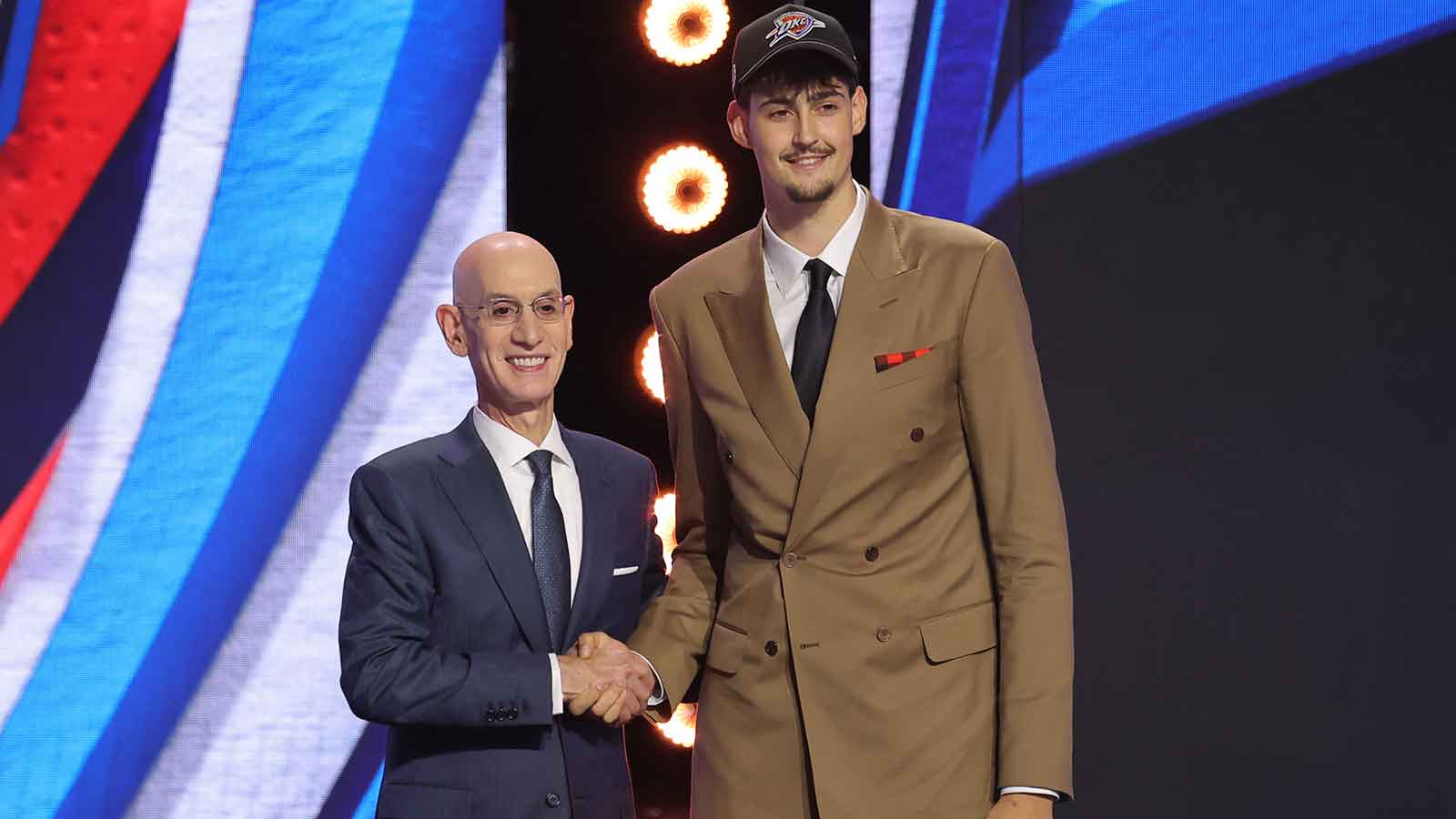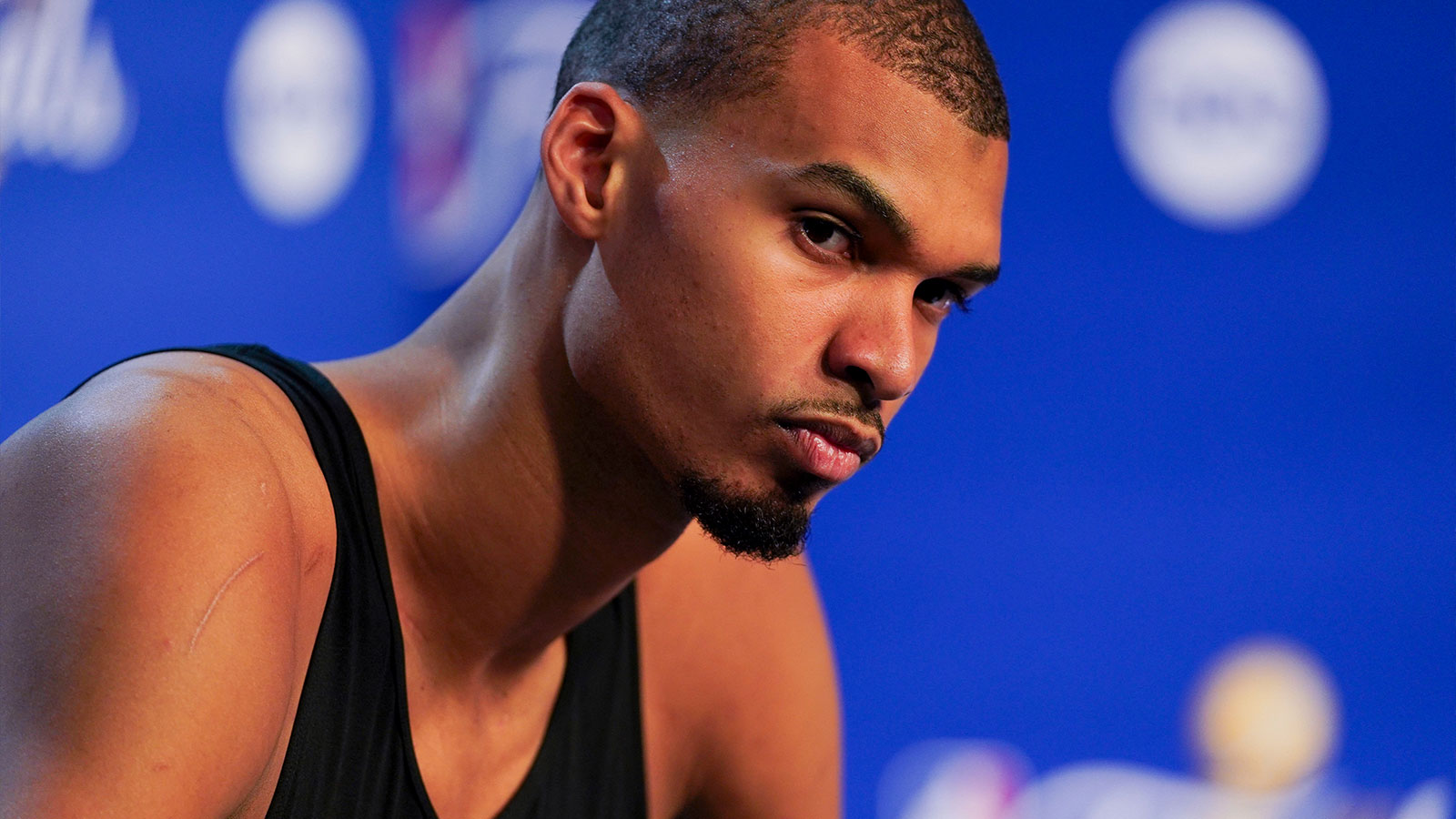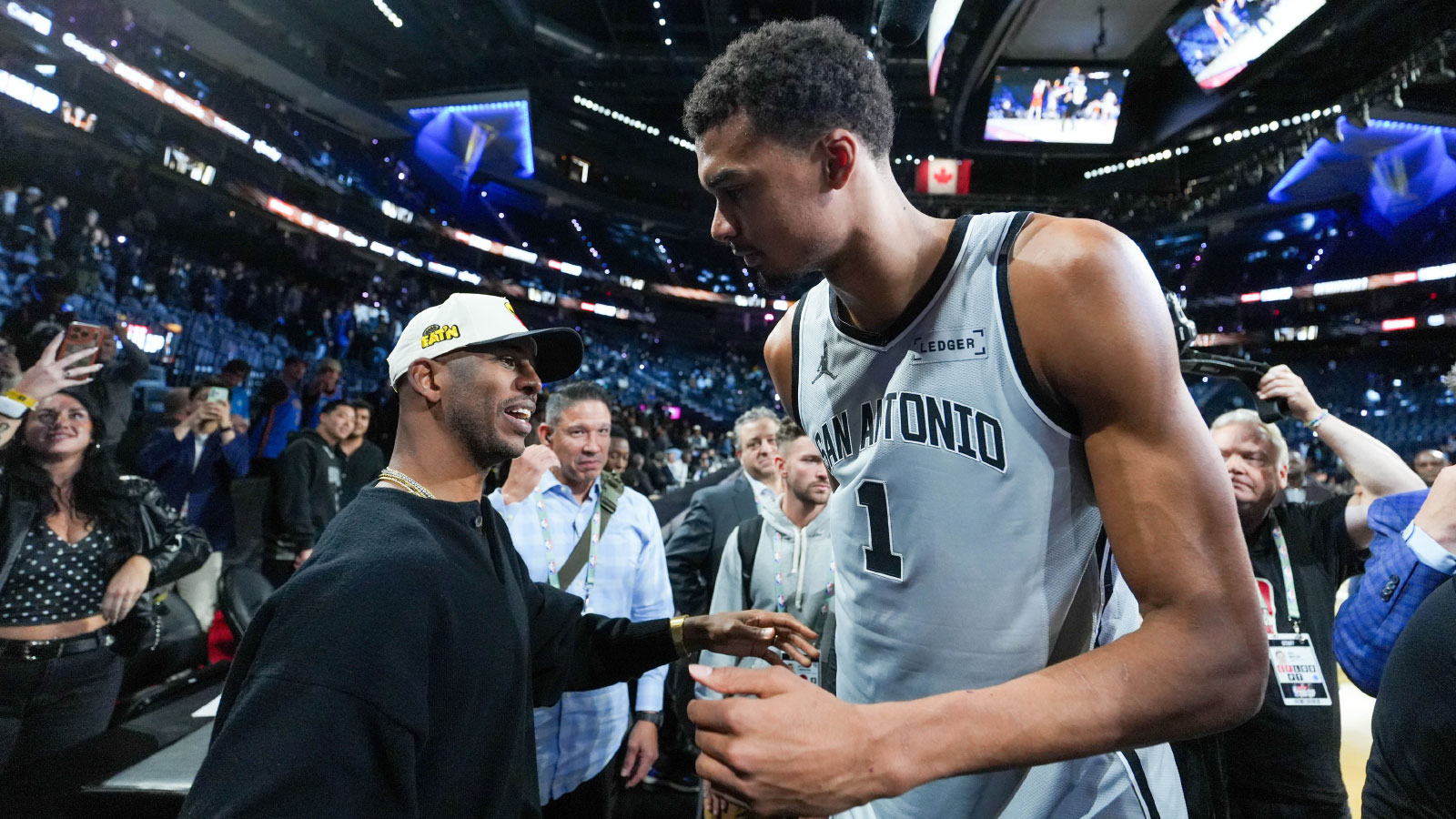
The San Antonio Spurs entered the 2026 NBA Draft with a luxury few organizations enjoy. They were no longer drafting out of desperation or searching for a franchise-changing superstar. Victor Wembanyama had already become the centerpiece of one of the NBA's brightest futures. Stephon Castle and Dylan Harper had established themselves as elite young backcourt pieces. The franchise had just completed a remarkable run to the NBA Finals. The Spurs' front office approached draft night needing to surround an emerging championship core with players who complement it immediately.
Breakthrough season
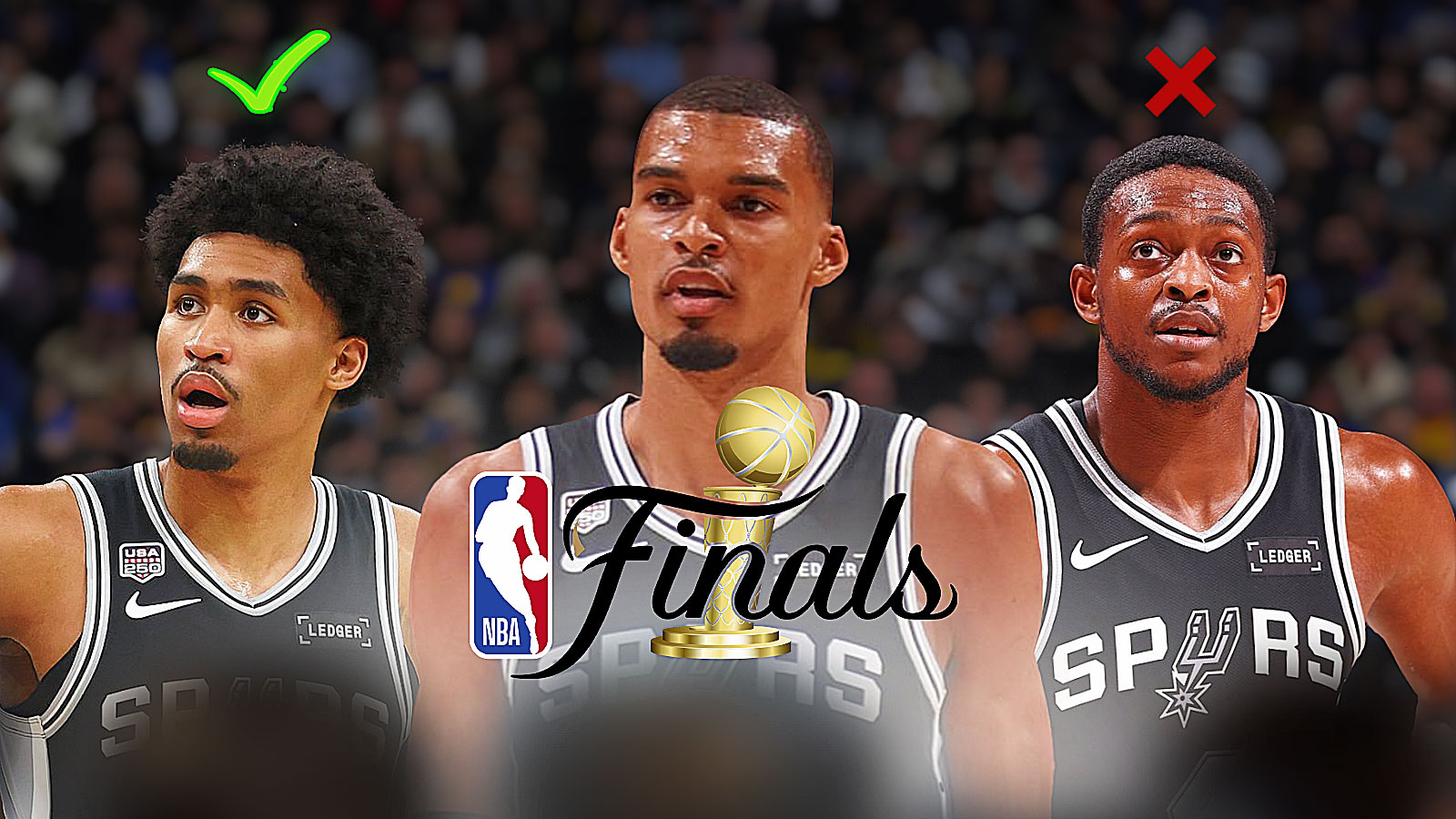
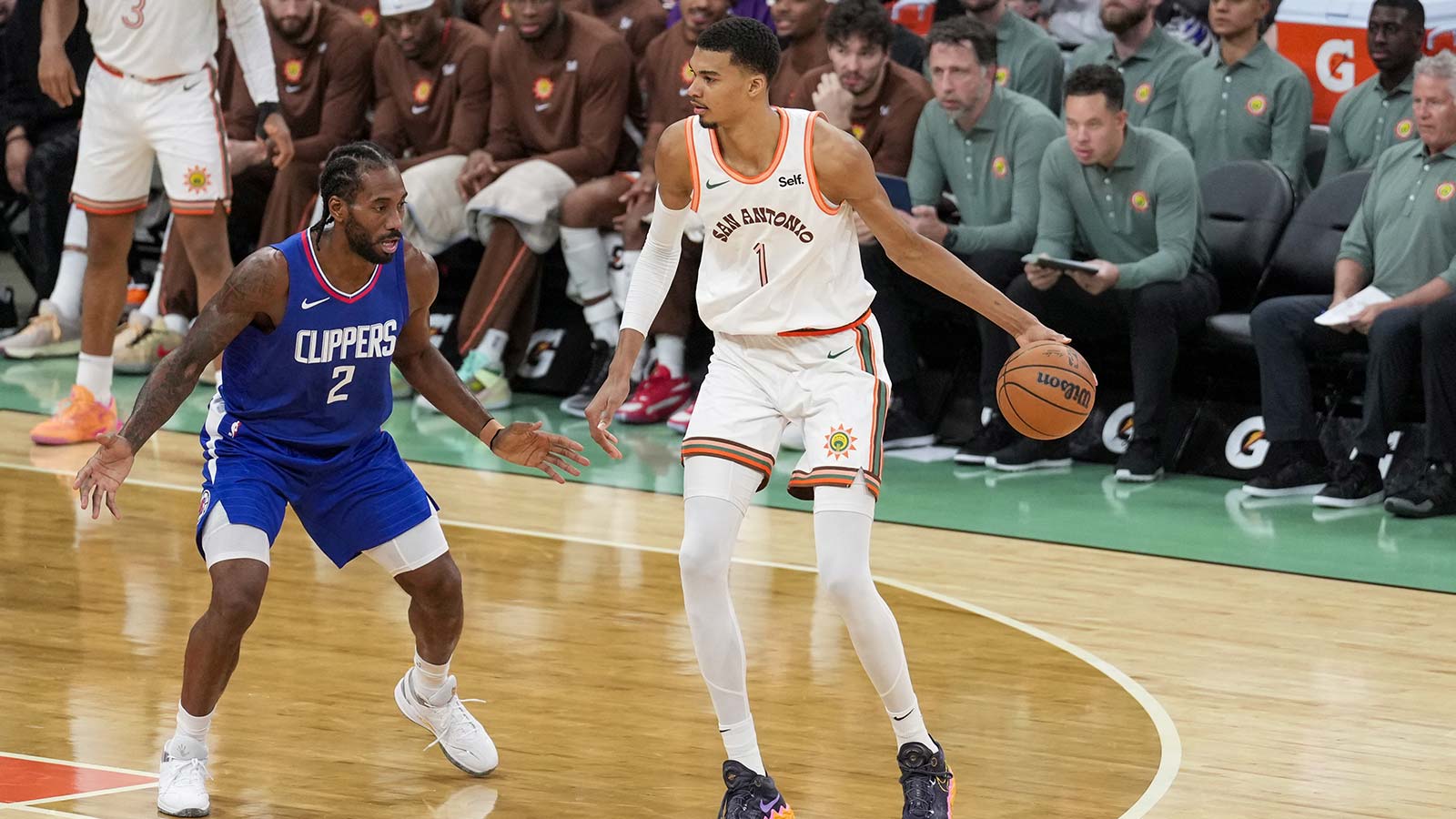
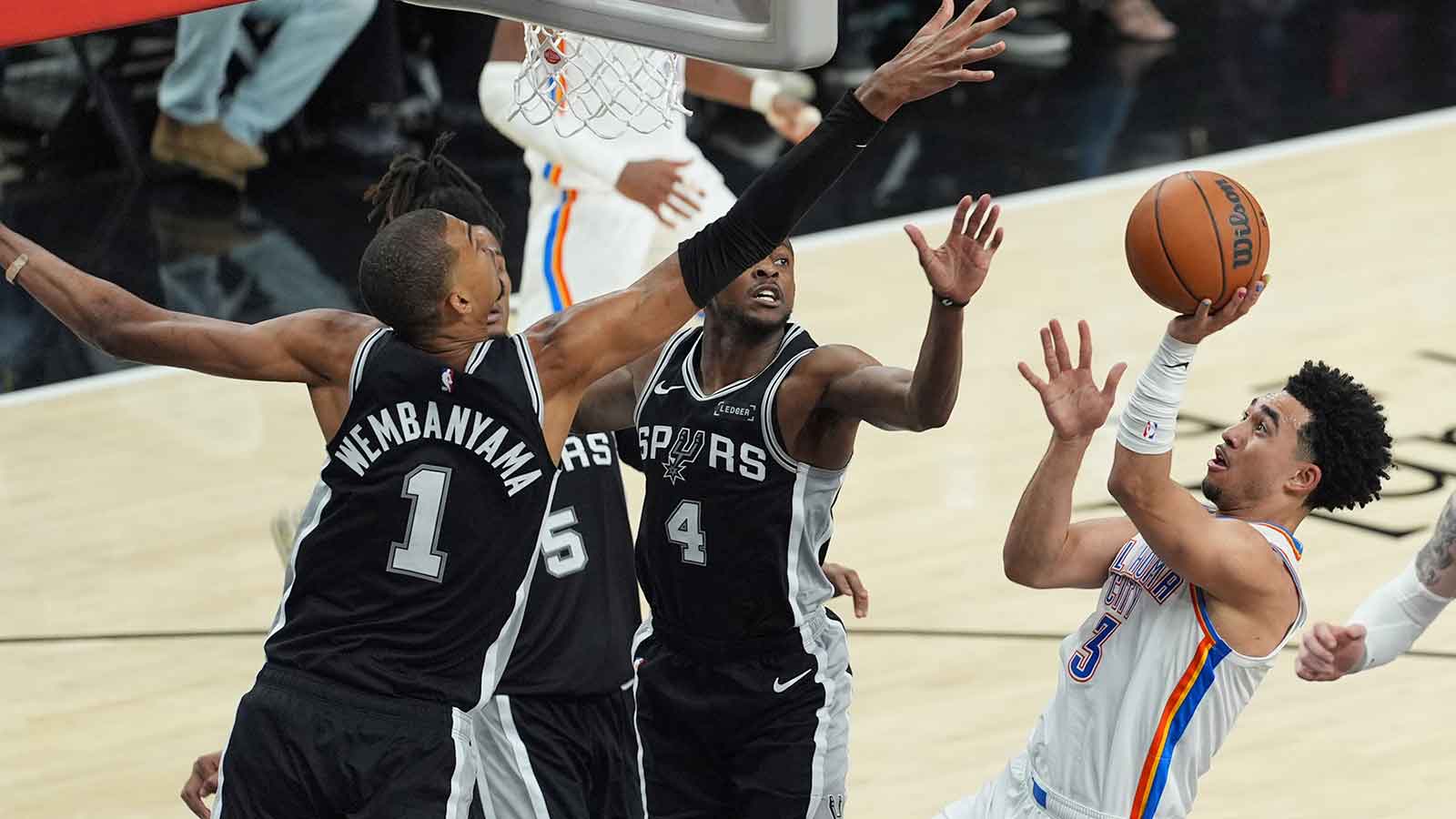
The 2025-26 campaign will be remembered as the season that officially announced San Antonio's return among the NBA's elite. Mitch Johnson guided the Spurs to a spectacular 62-20 record, a Southwest Division championship, and their first 60-win season in nearly a decade. Wembanyama dominated defensively on his way to a unanimous Defensive Player of the Year award. Meanwhile, Castle continued his rapid development into one of the league's premier two-way guards. Harper's arrival added another dynamic scorer to an already dangerous roster. That gave the Spurs one of basketball's most exciting young cores.
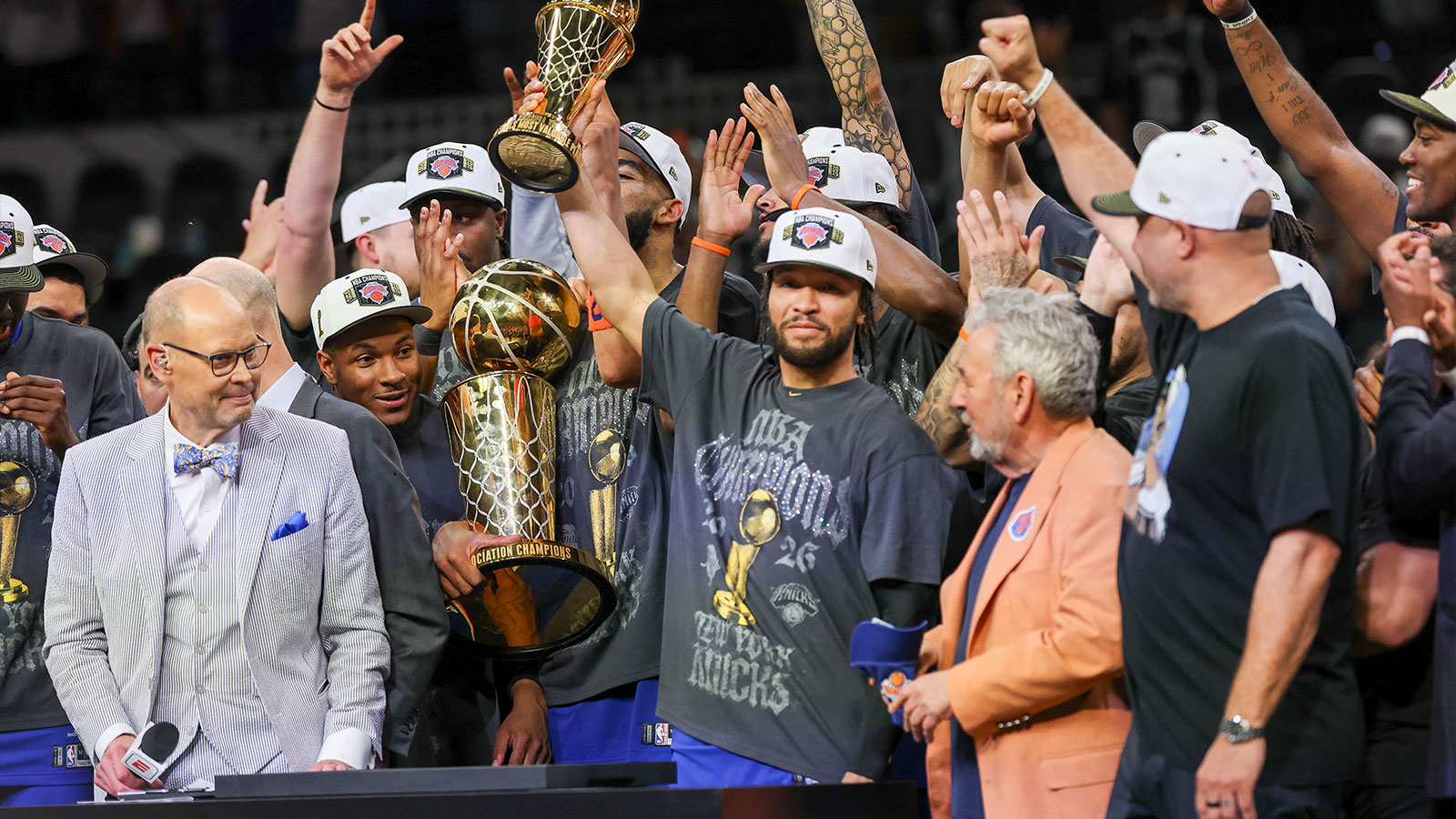
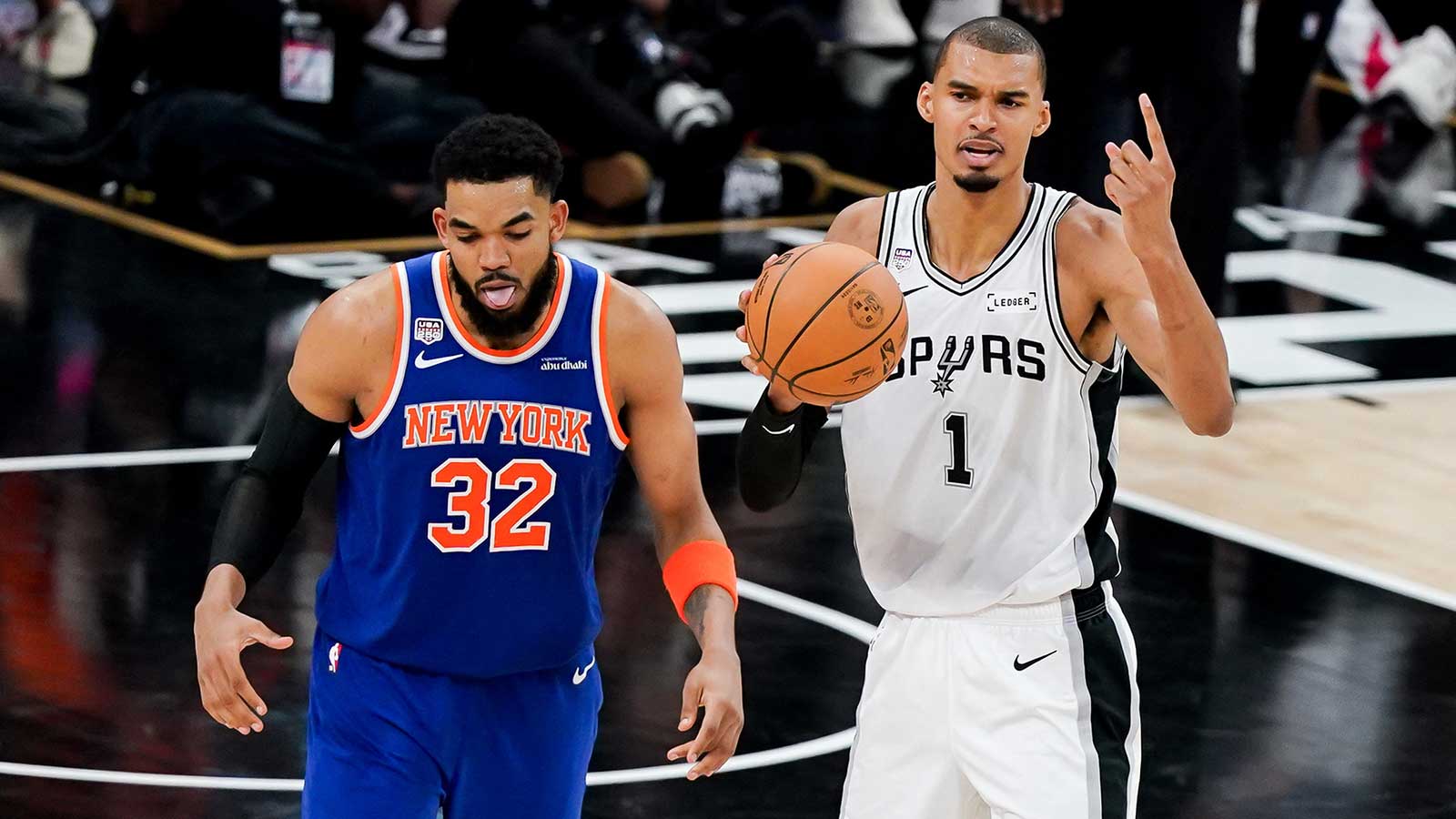
San Antonio's postseason validated that progress. The Spurs eliminated Portland and Minnesota before knocking off defending champion Oklahoma City in a memorable seven-game Western Conference Finals. Their magical run ended against the New York Knicks in five games, but the 2026 NBA Finals also exposed the team's remaining shortcomings. New York consistently won the battle of physicality, offensive rebounding, and frontcourt depth. That made it abundantly clear where the Spurs needed to improve. Their draft strategy reflected those lessons almost perfectly.
Jayden Quaintance at No. 20
Grade: A-
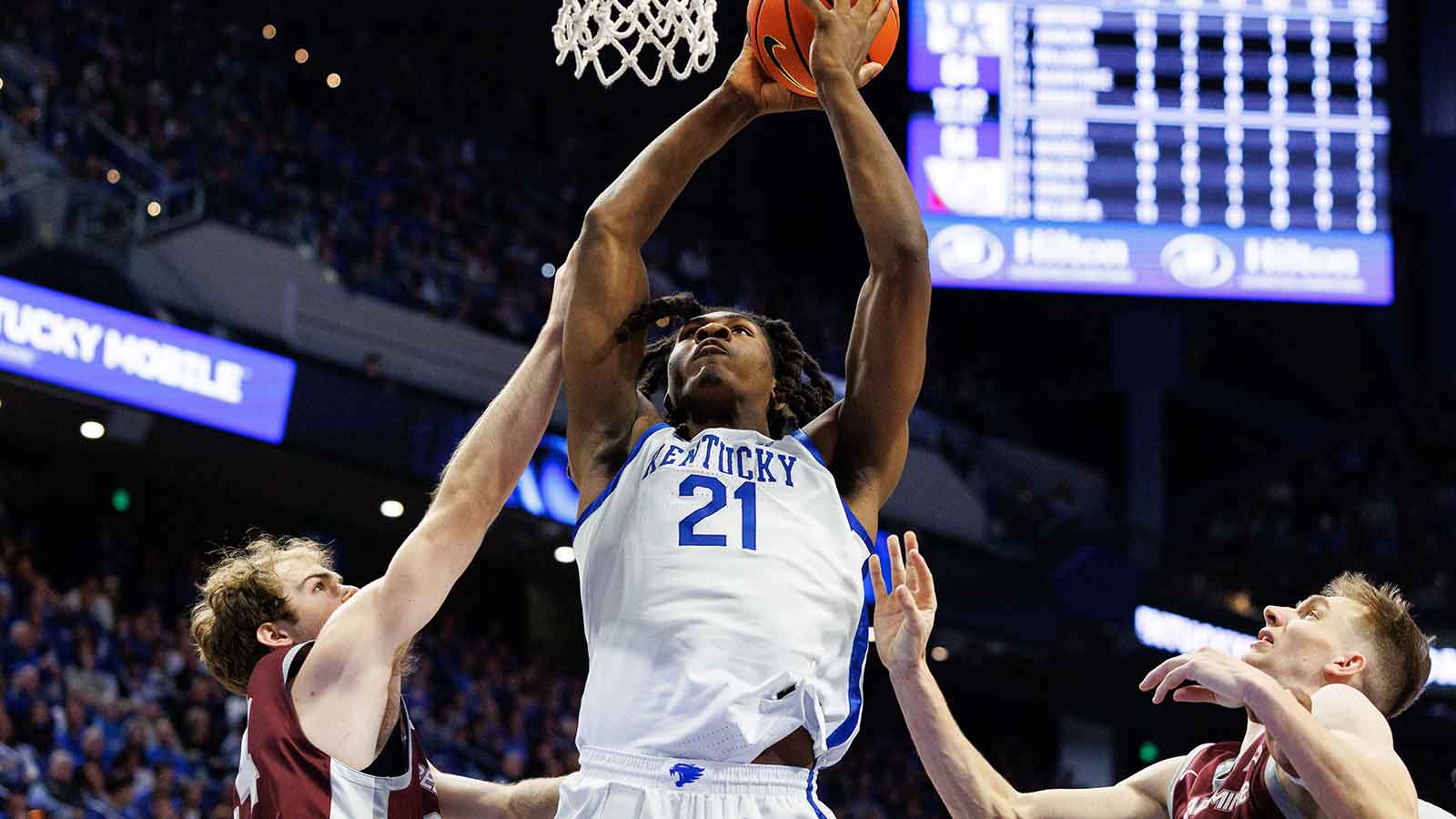
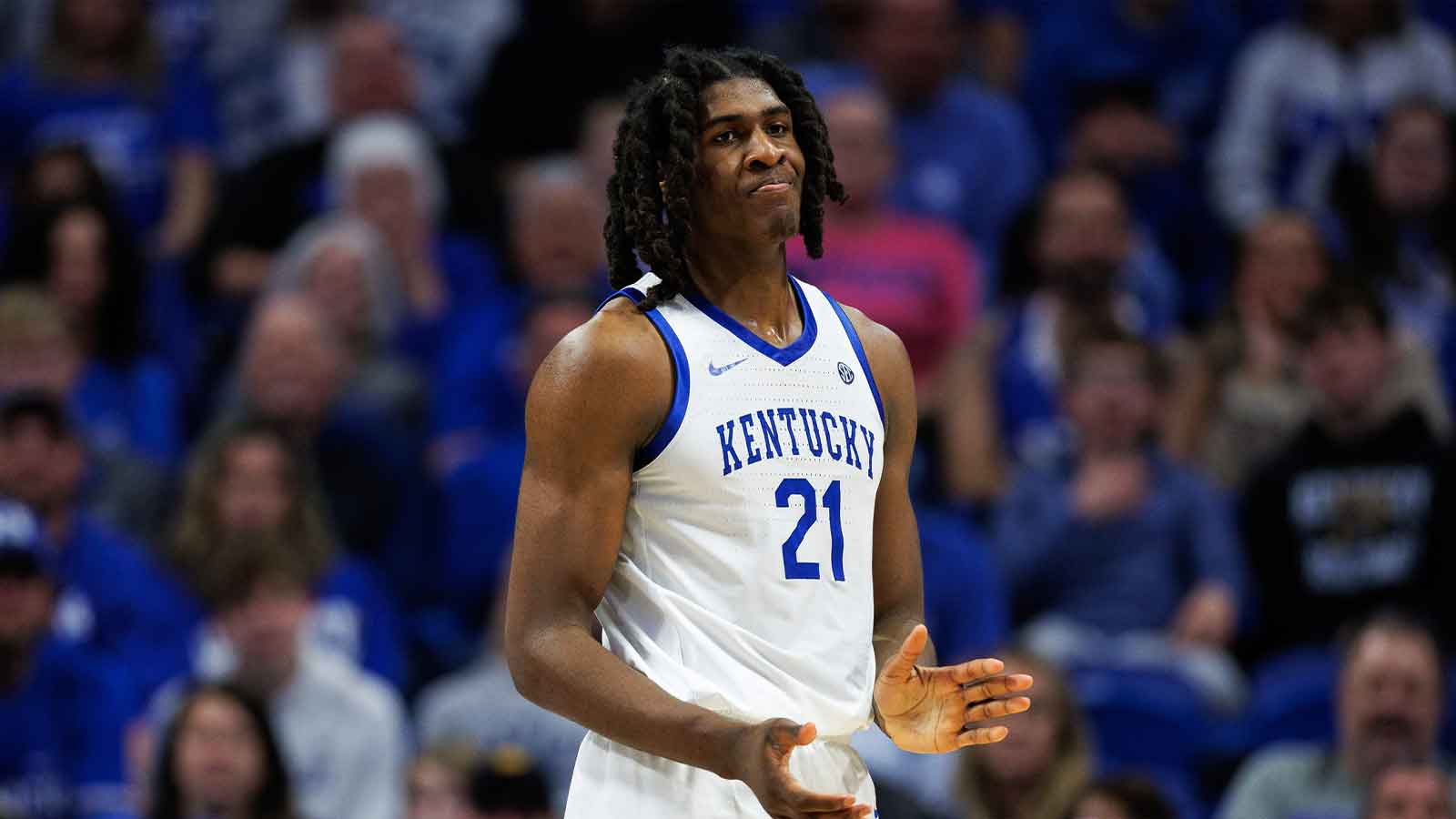
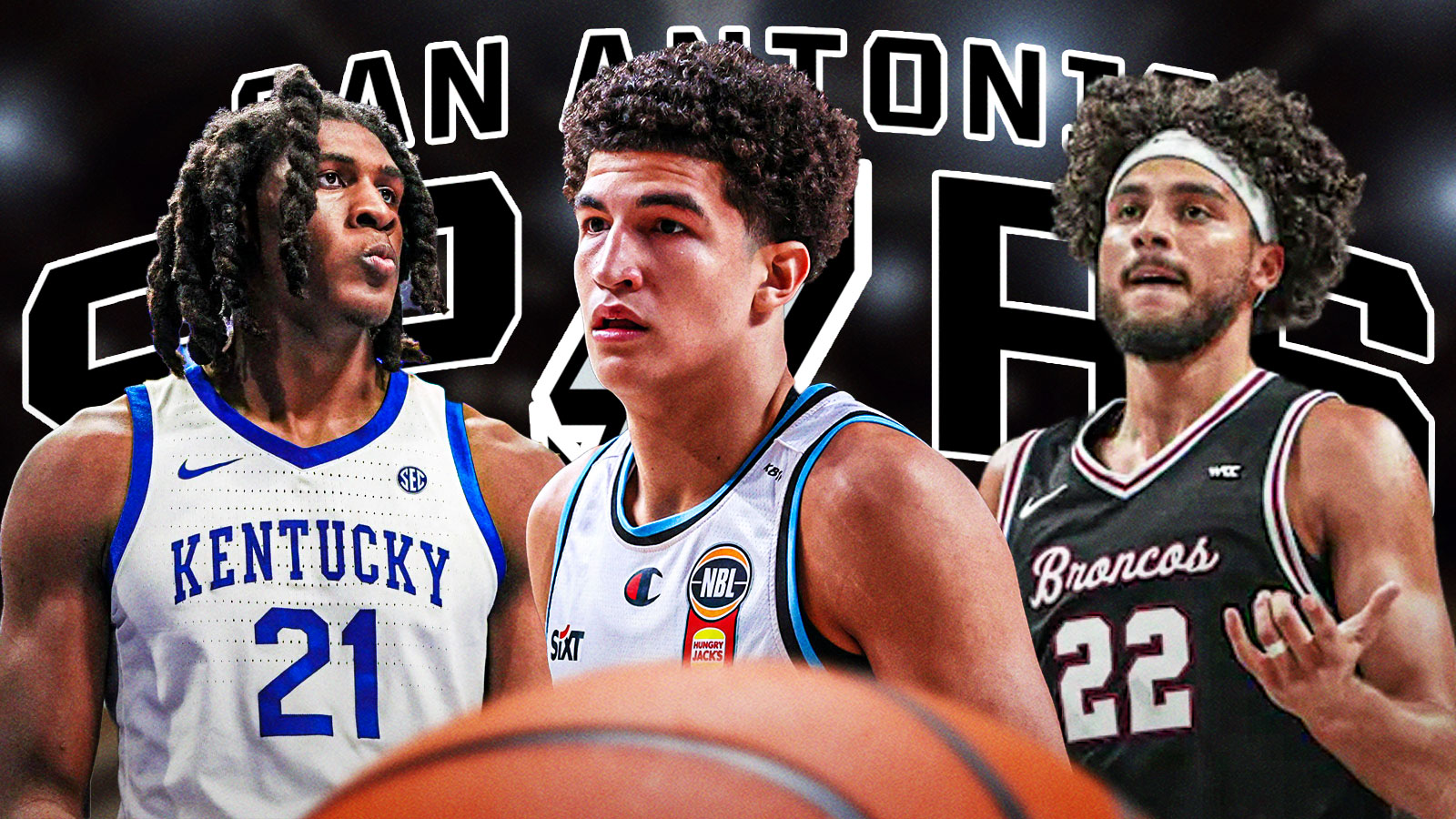
Landing Jayden Quaintance with the twentieth overall pick represents outstanding value for a franchise willing to be patient. Had it not been for the ACL injury that temporarily slowed his rise, Quaintance likely would have heard his name called much earlier. Instead, San Antonio drafted one of the most naturally gifted defensive prospects in the class.
Quaintance fits everything the Spurs value. His combination of mobility, length, rim protection, and defensive instincts gives him legitimate All-Defensive Team upside. Just as importantly, he does not need to become a primary scorer. Playing alongside Wembanyama dramatically simplifies his offensive responsibilities. It also allows him to focus on screening, rebounding, finishing around the basket, and protecting the paint.
There is naturally some risk attached because of the injury recovery. However, San Antonio has repeatedly demonstrated patience when developing talented young players. If Quaintance reaches his ceiling, the Spurs may have formed the NBA's most intimidating defensive frontcourt for years to come.
Trading for Tarris Reed Jr
Grade: A
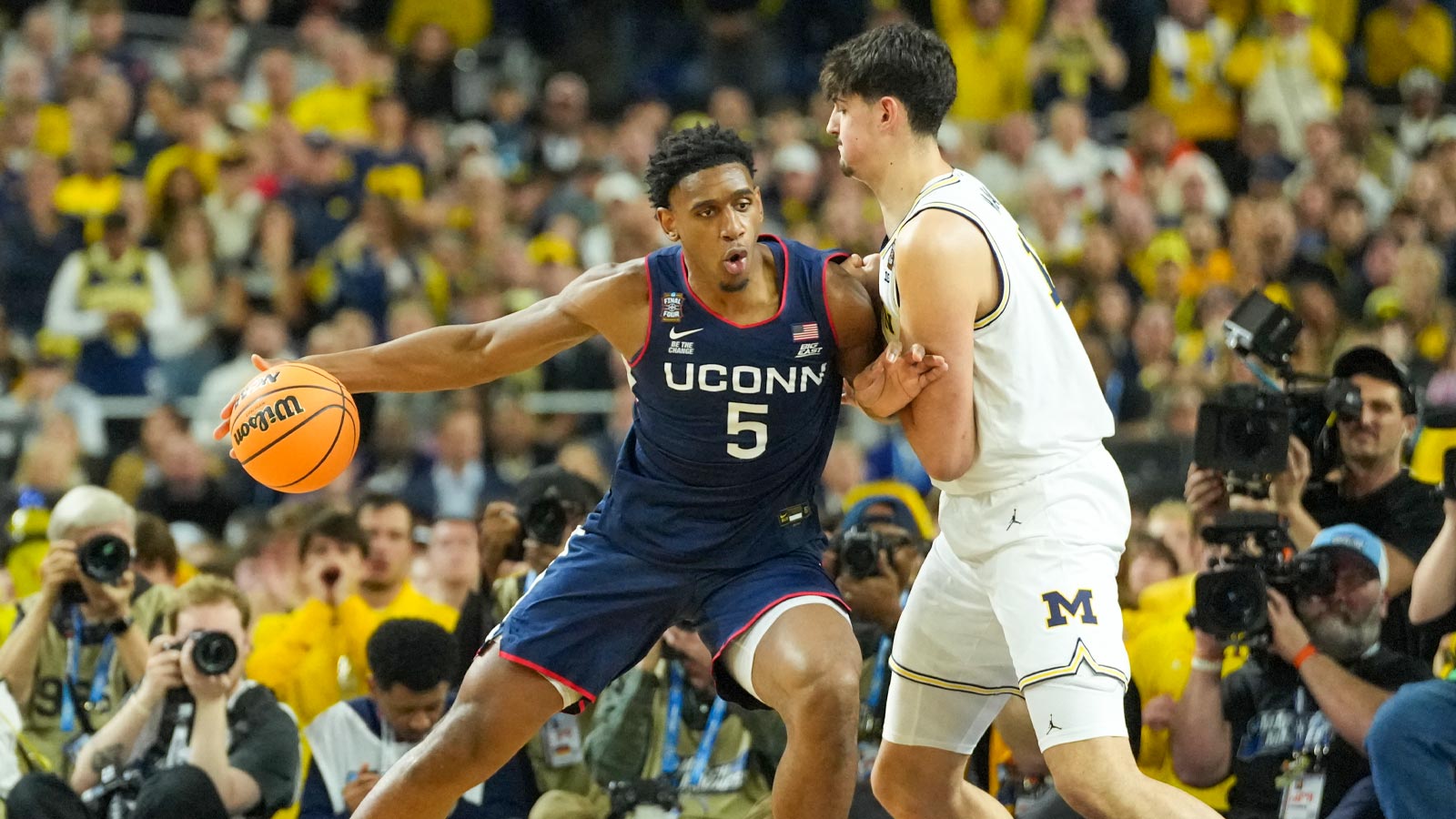
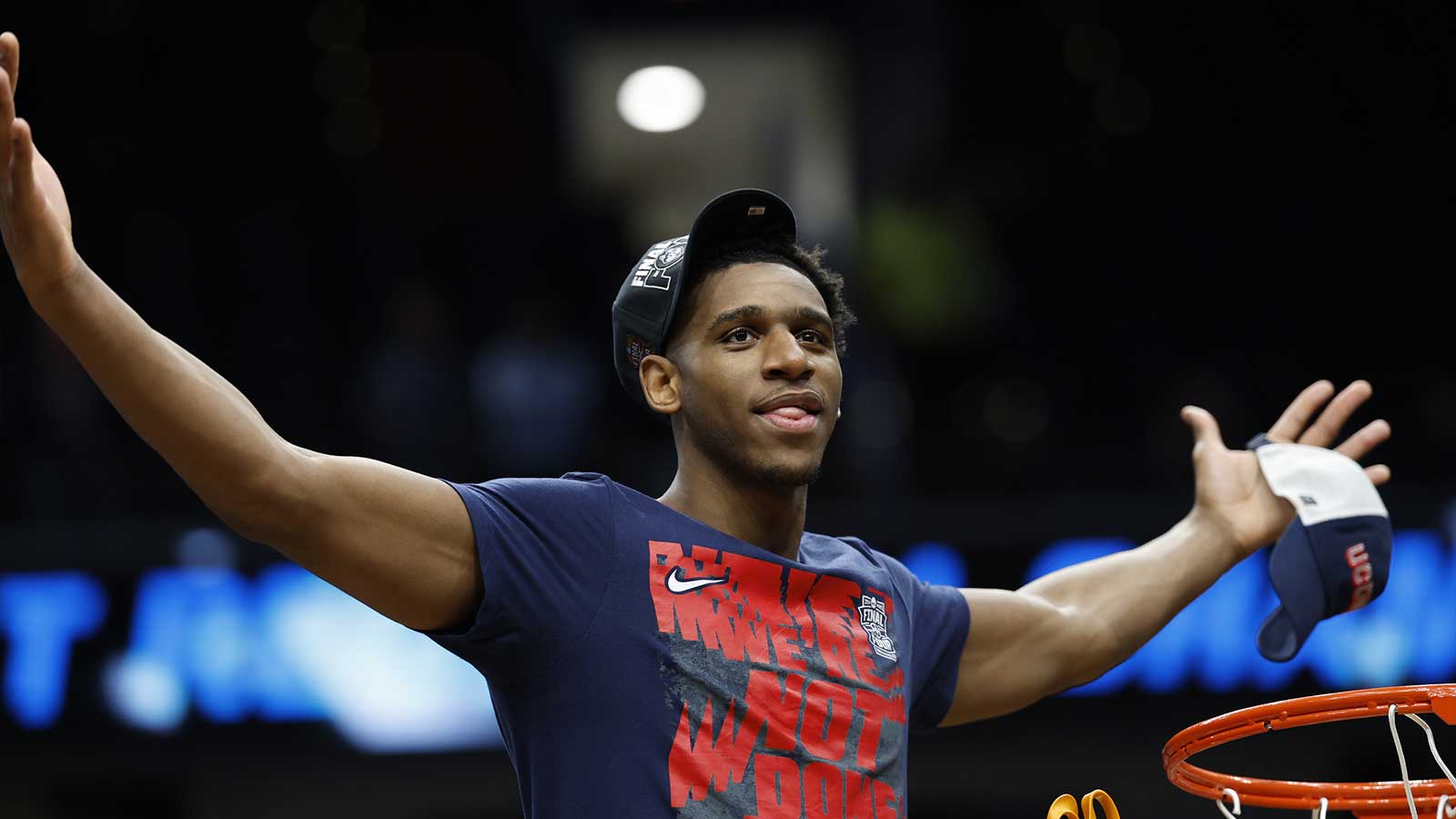
One of the smartest moves of the evening was San Antonio's aggressive decision to trade for the draft rights of Tarris Reed Jr. The Finals illustrated how badly the Spurs needed another physical interior presence. Reed directly addresses that weakness.
Unlike many young big men, Reed already understands how to impact winning without demanding offensive touches. He rebounds relentlessly, protects the rim, sets punishing screens, and embraces physical basketball. That should allow him to compete for rotation minutes immediately.
The cost of trading for him feels entirely reasonable for a franchise already operating within a championship window. Rather than waiting for another developmental player, the Spurs secured someone who projects as a dependable rotational contributor. For a contender, that kind of certainty carries tremendous value.
Ja'Kobi Gillespie at No. 42
Grade: B+
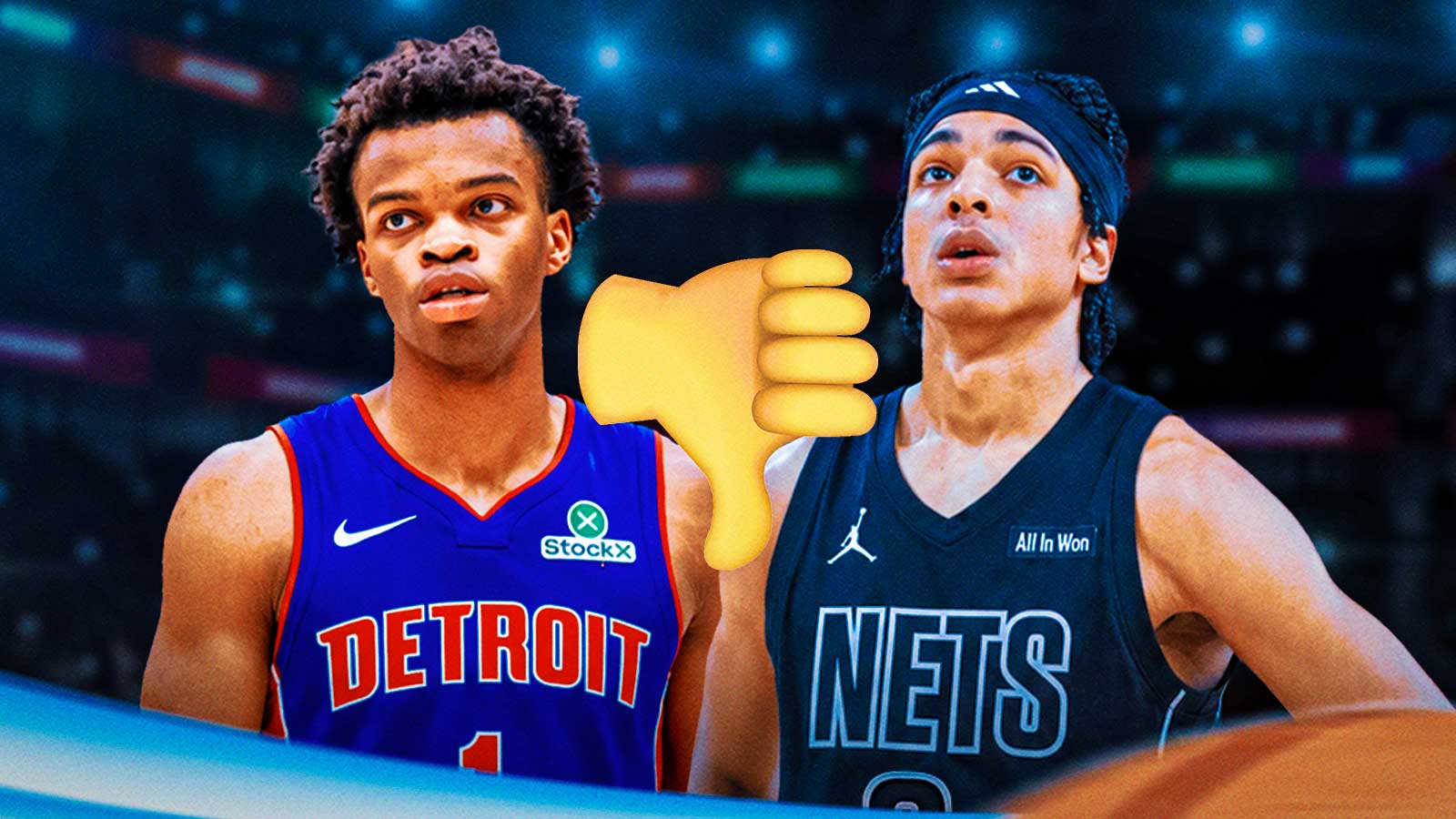
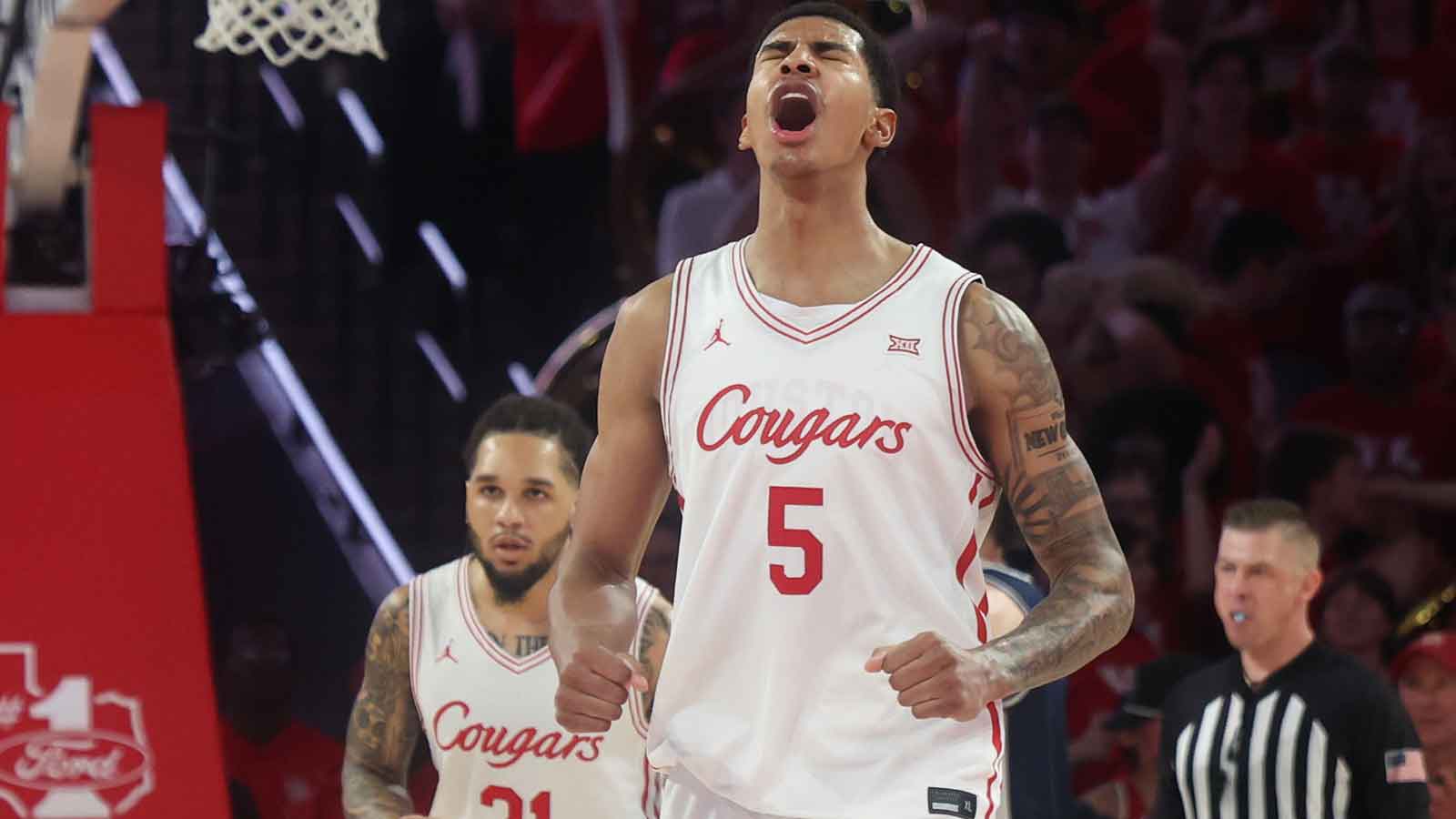
After reinforcing the frontcourt, San Antonio wisely shifted its attention to improving the backcourt depth by selecting Ja'Kobi Gillespie. The Tennessee product brings energy, perimeter shooting, ball-handling, and defensive disruption. That should fit seamlessly into the Spurs' style of play.
Perhaps Gillespie's greatest strength is his versatility. He is comfortable playing on or off the ball. His ability to pressure opposing guards defensively while also stretching the floor should allow him to carve out meaningful minutes with the second unit.
Like most second-round guards, Gillespie will need time to adjust to NBA physicality and decision-making speed. Still, finding a competitive guard with proven production this late in the draft represents excellent value.
Maliq Brown at No. 44
Grade: B
Maliq Brown feels like an inevitable fit in San Antonio. Sure, he may never develop into a prolific scorer. However, his defensive instincts and basketball intelligence align perfectly with San Antonio's long-standing philosophy. Brown consistently makes winning plays that rarely appear in traditional box scores. He rotates early, disrupts passing lanes, and understands how to play within a team defensive concept.
His offensive limitations keep this from earning a higher grade. Brown is unlikely to become a floor-spacing forward or someone capable of creating offense consistently. Still, the Spurs are not asking him to fill that role. What they need are players willing to embrace difficult defensive assignments and contribute without disrupting offensive flow.
Final draft grade
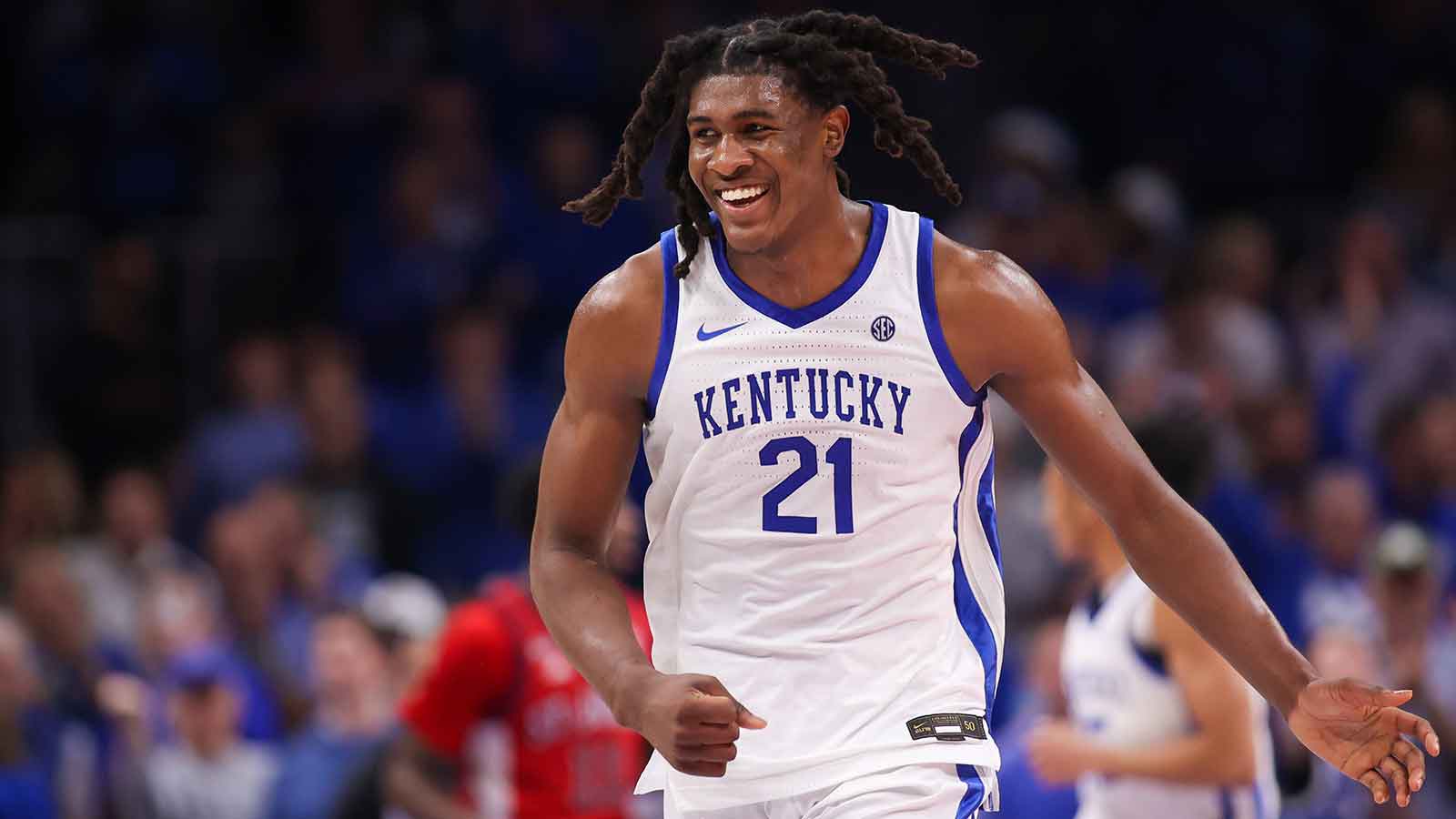
Overall Grade: A
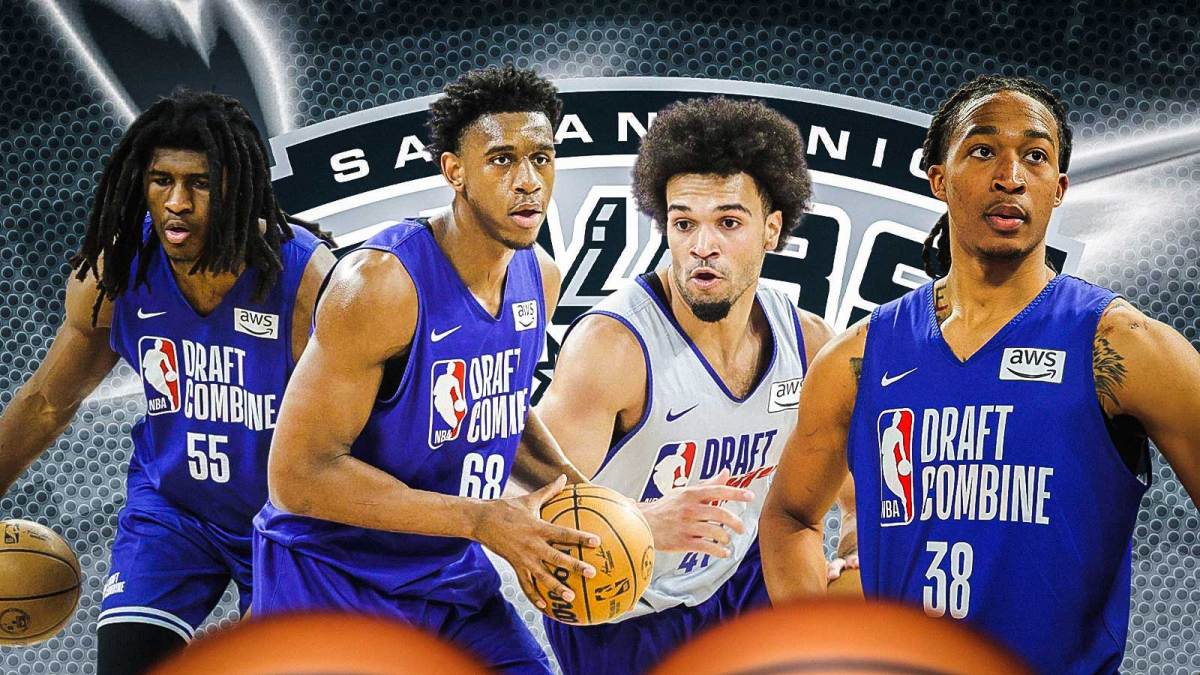
The Spurs entered draft night with a clear understanding of their roster and emerged with a class that directly addressed their biggest weaknesses. San Antonio prioritized size, defensive versatility, rebounding, toughness, and complementary skill sets.
Quaintance gives the organization another potential defensive cornerstone. Reed strengthens the frontcourt immediately. Gillespie provides much-needed backcourt depth and shooting. Brown reinforces their defensive culture. More importantly, every selection aligns with the organization's championship timeline instead of delaying it.
No draft class guarantees future success, but San Antonio deserves tremendous credit for resisting unnecessary risks. If even two of these four selections become reliable rotation players, the Spurs will have significantly strengthened a roster that already looks capable of competing for championships over the next several seasons.