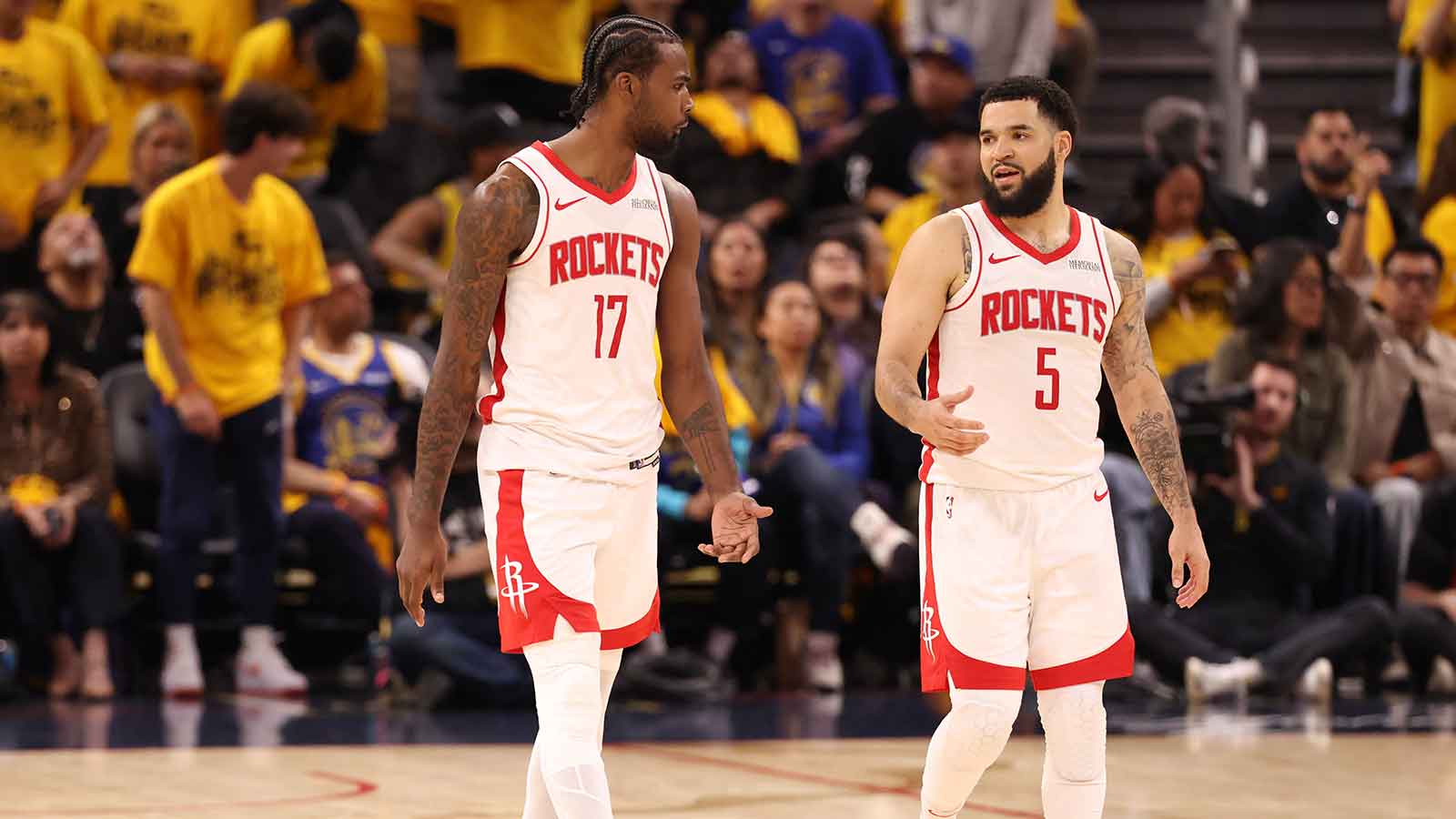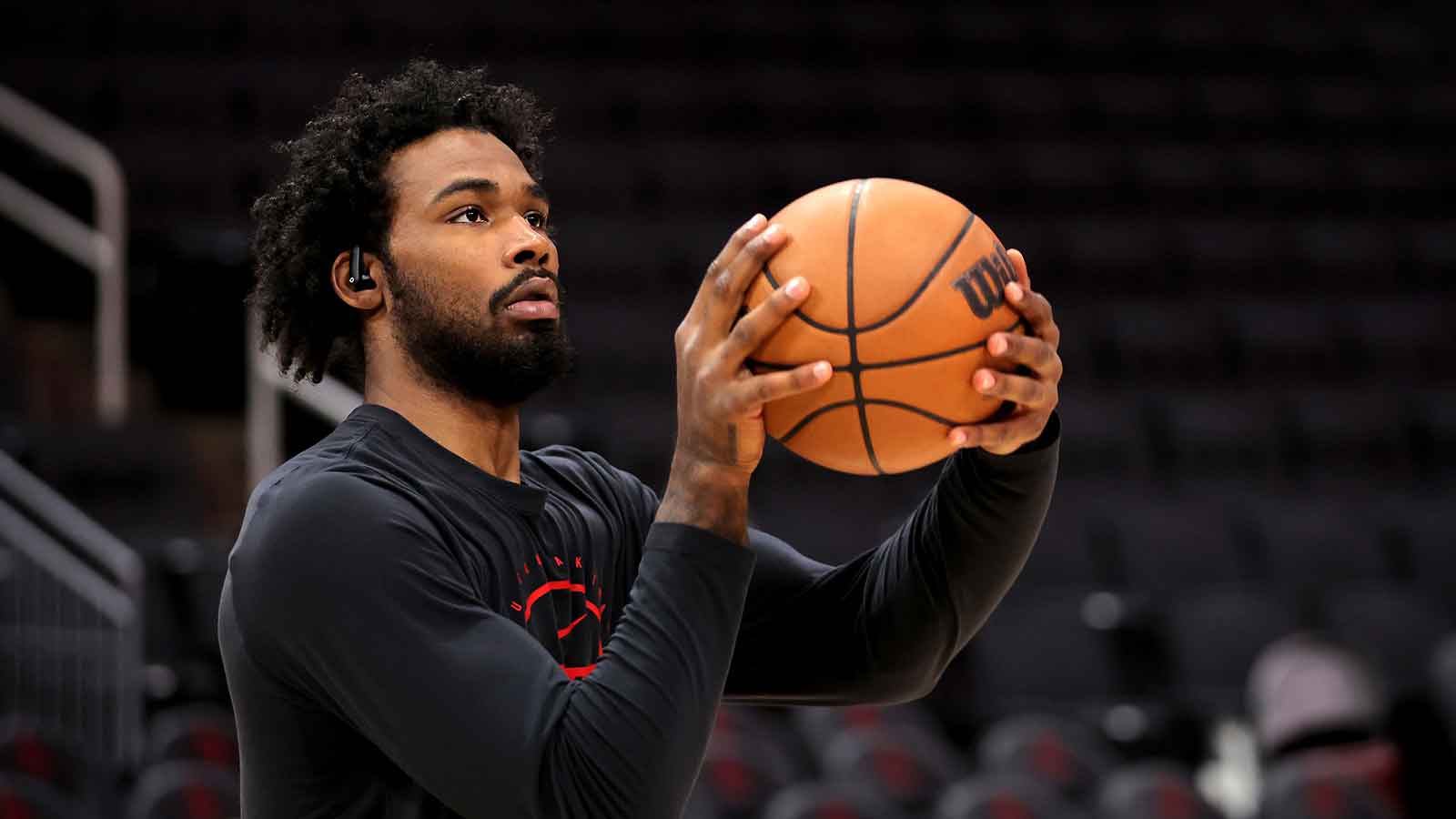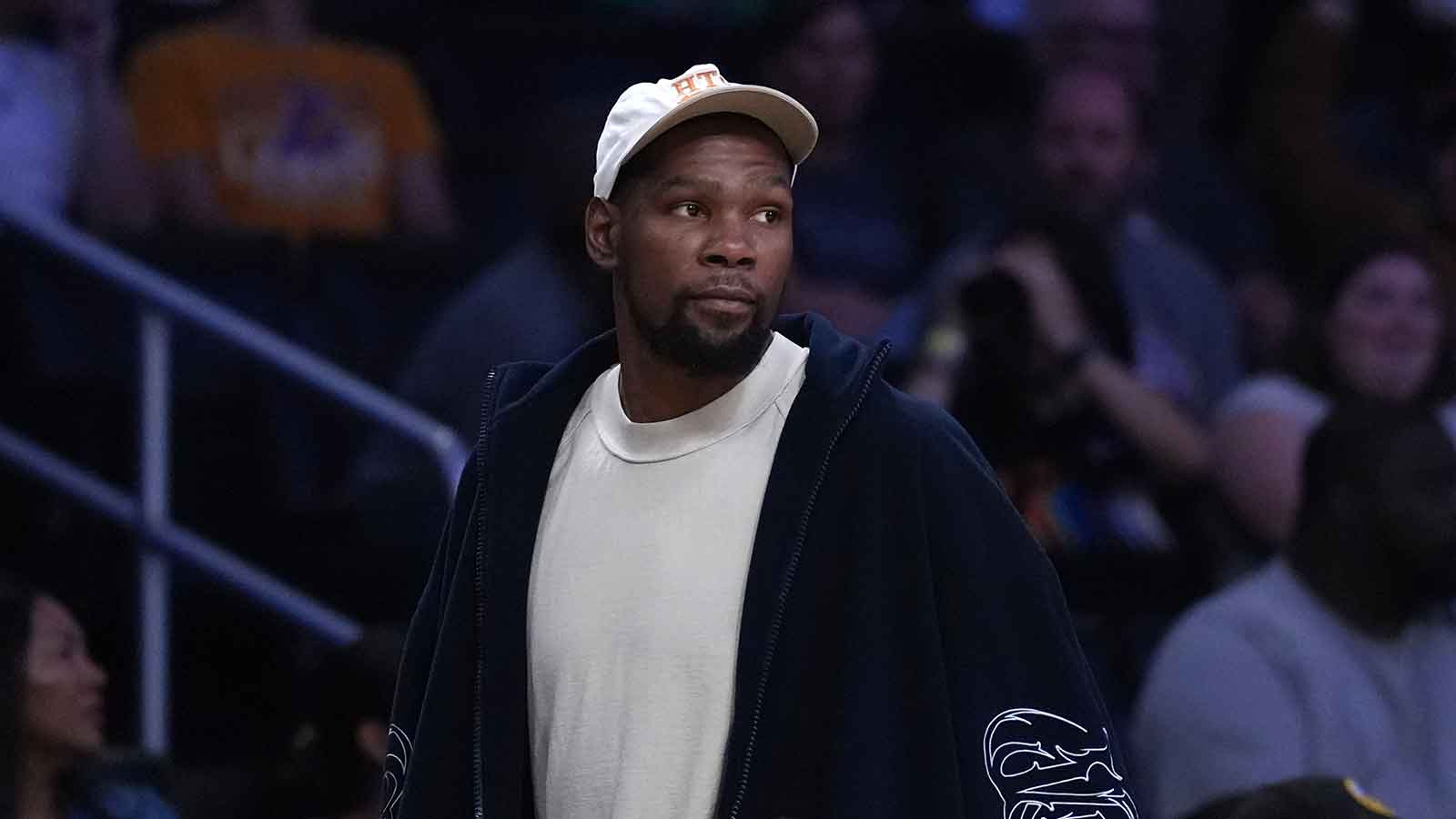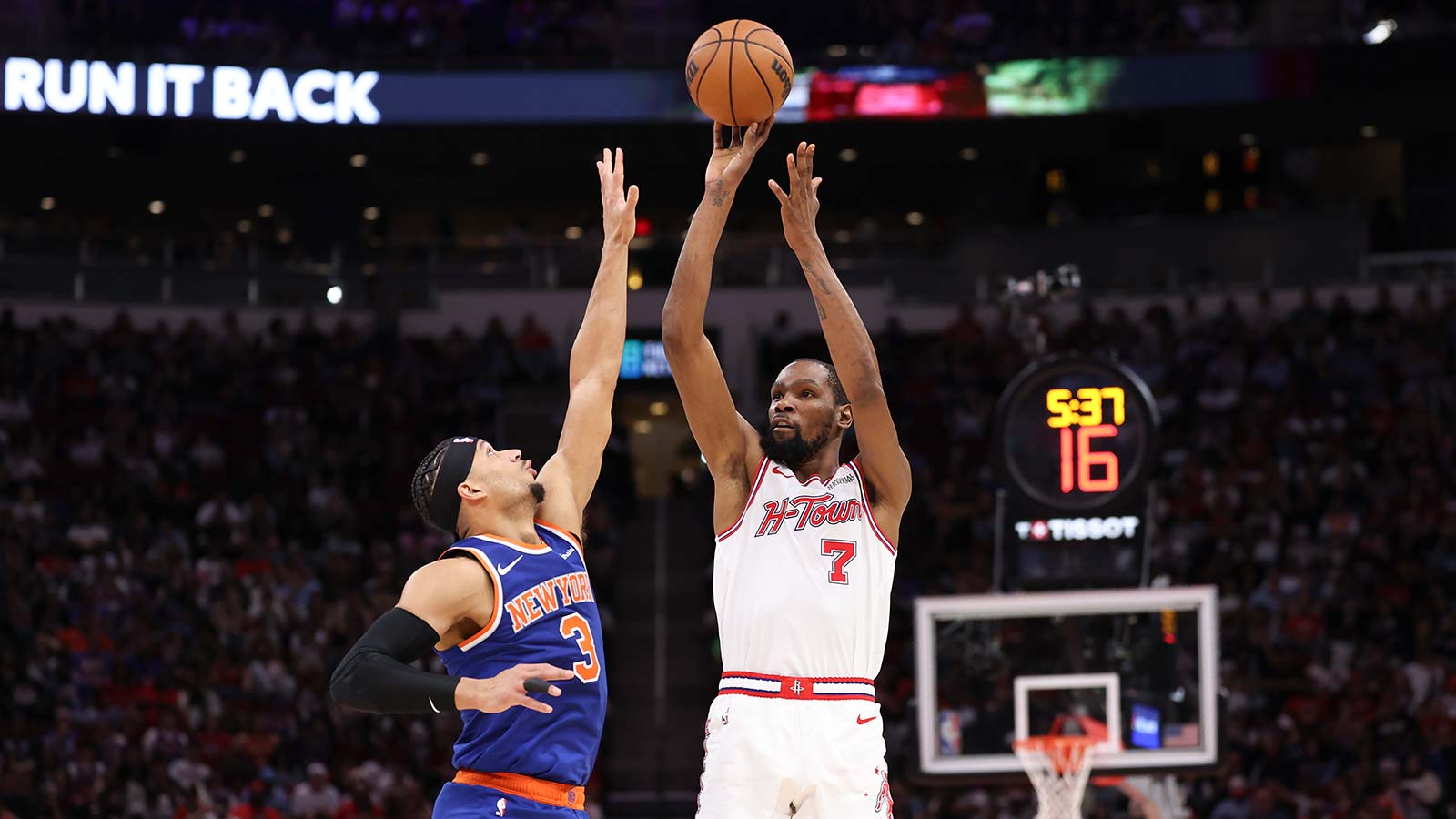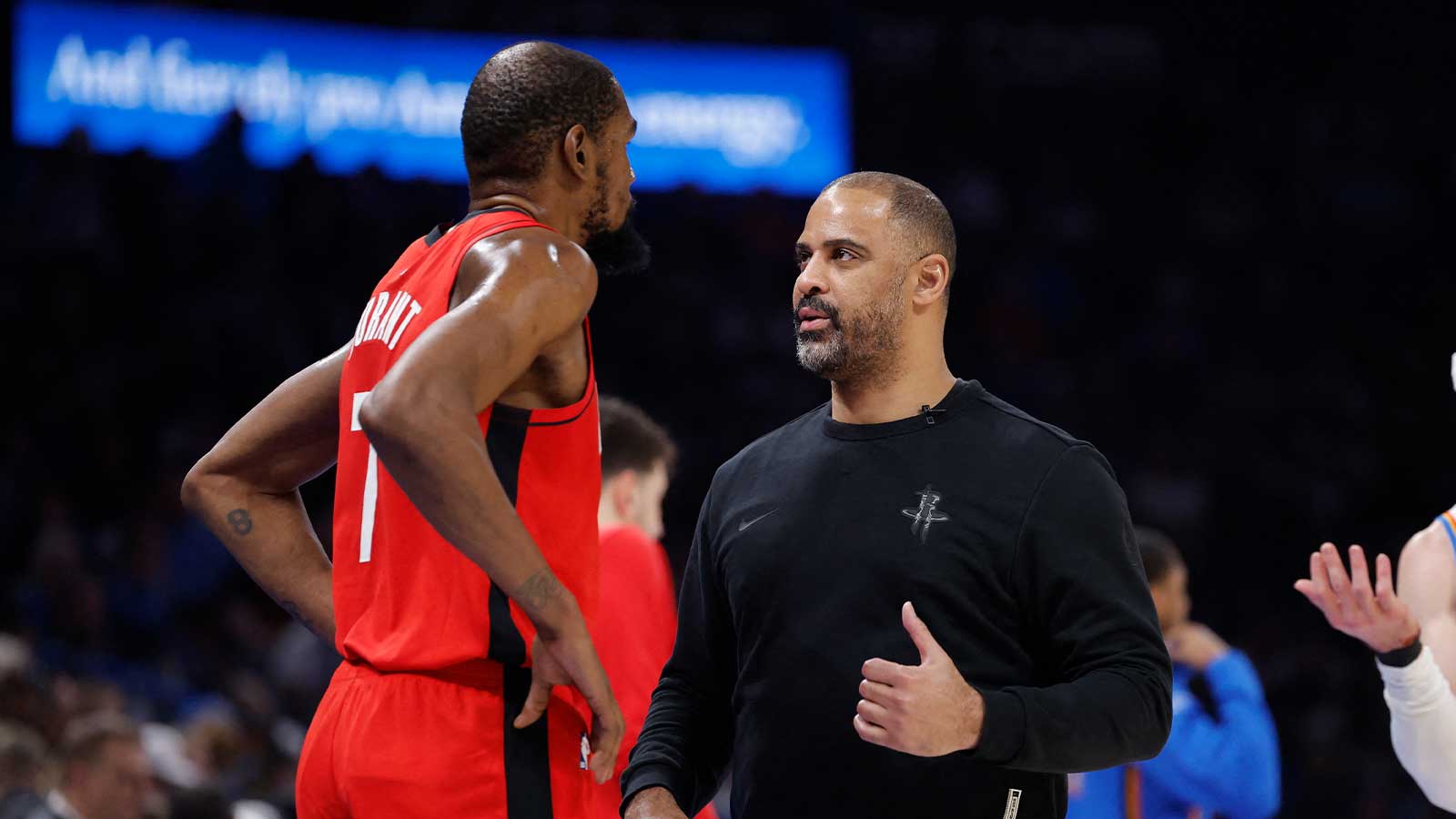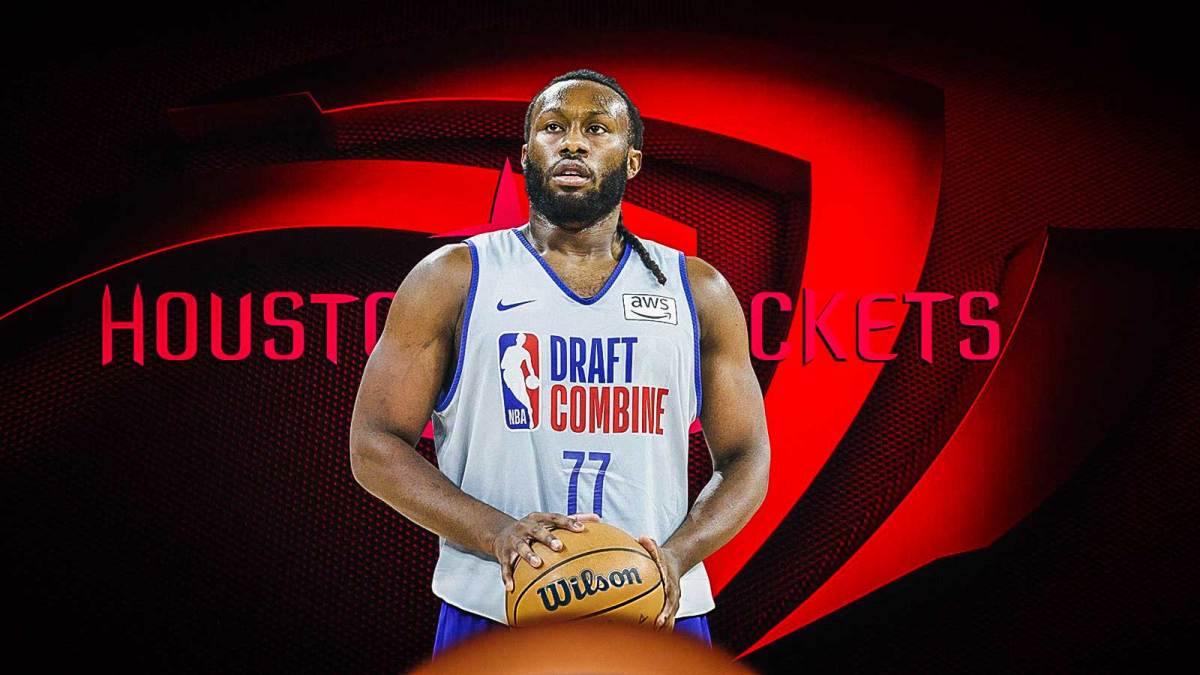
The Houston Rockets entered the 2026 NBA Draft facing a different challenge than they had just a few seasons ago. The rebuilding phase is officially over. Under head coach Ime Udoka, Houston has developed into one of the Western Conference's toughest teams. GM Rafael Stone entered draft night looking for players capable of strengthening an already competitive rotation.
That objective became clear almost immediately. They exercised their two second round picks, going for Jack Kayil (No. 39 pick) and Ugonna Onyenso (No. 53 pick). Post-draft, however, Houston entered a four-team deal that involved the New York Knicks, Detroit Pistons, and Los Angeles Clippers.
Breakthrough season
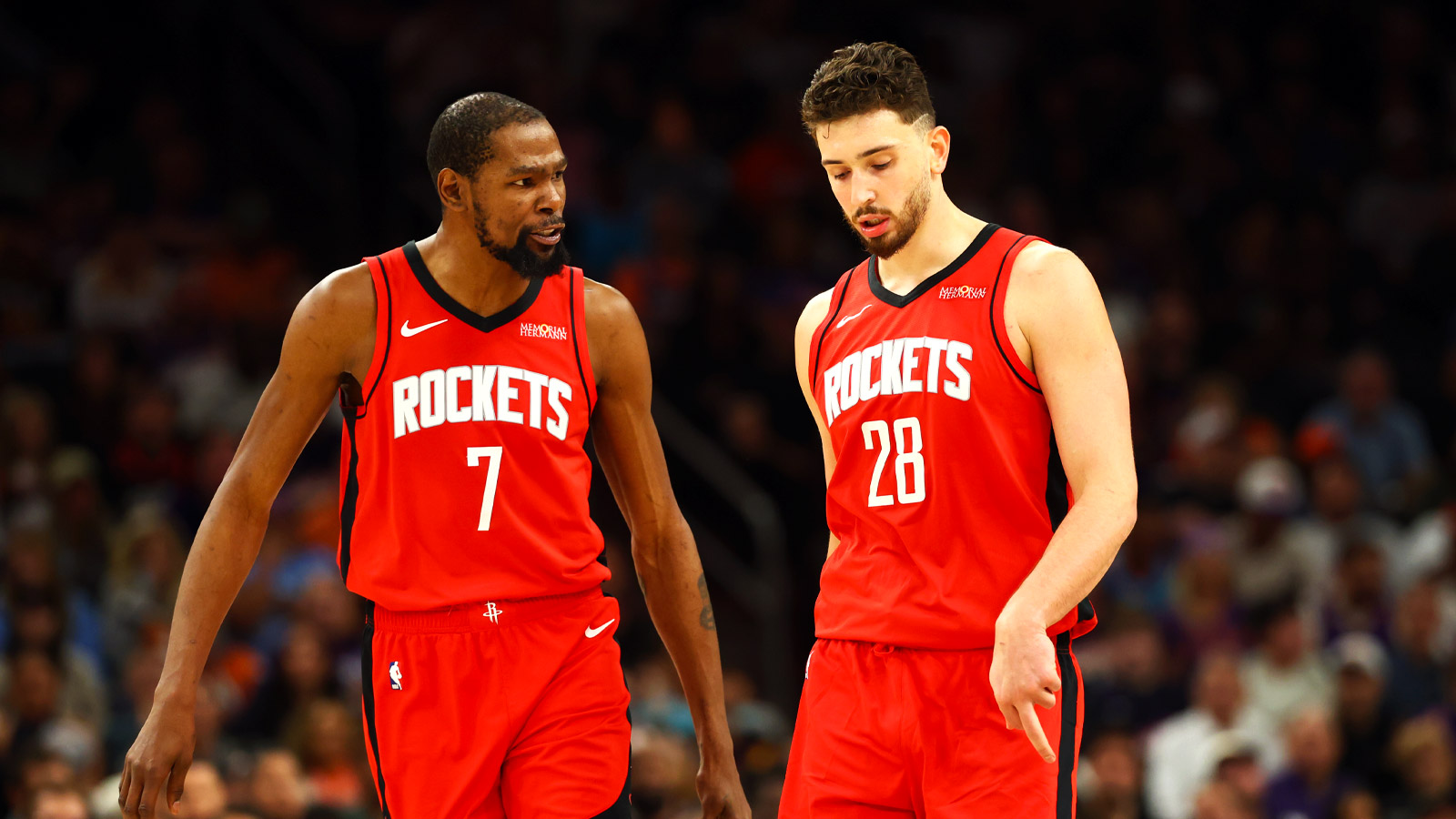
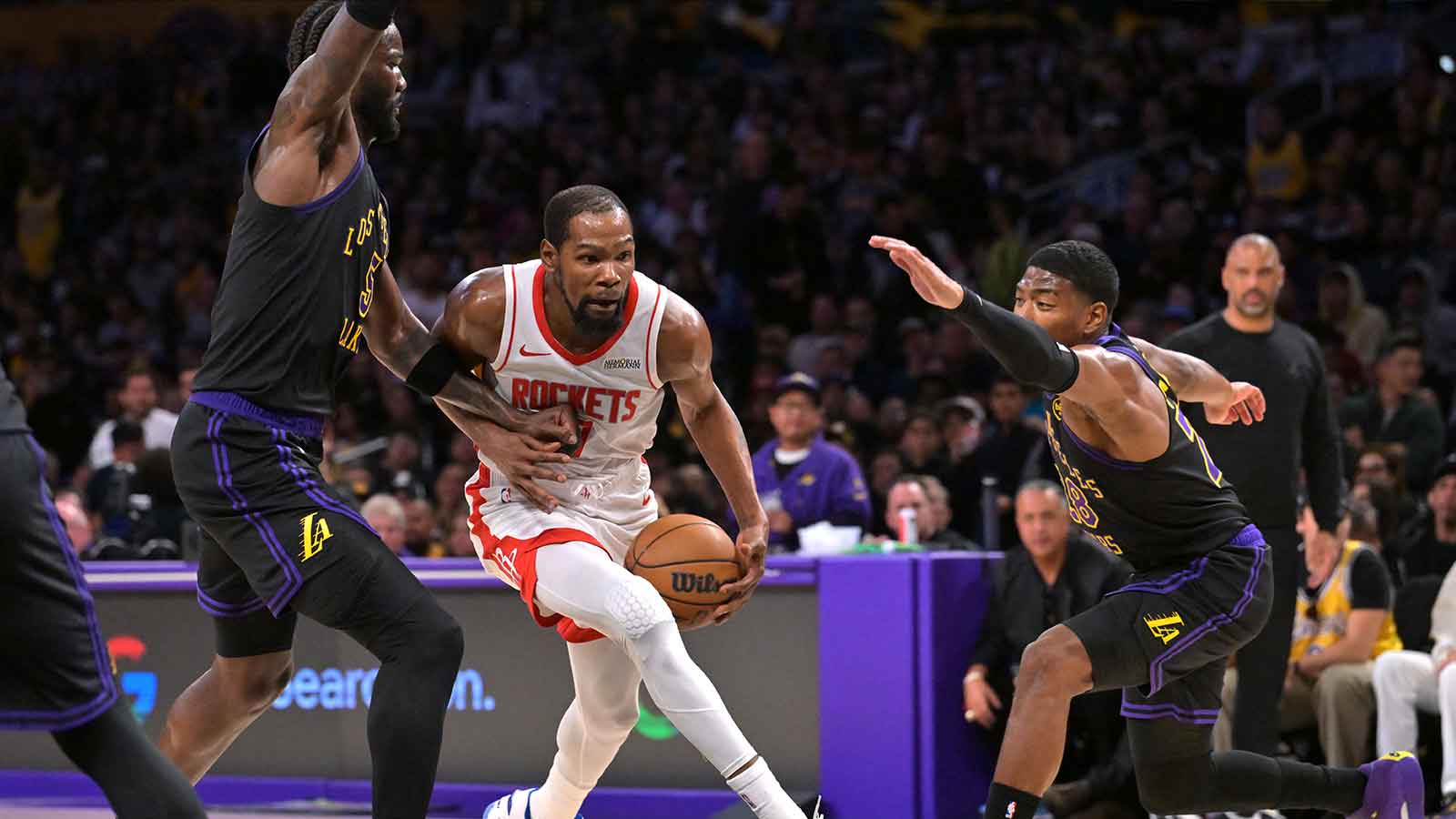
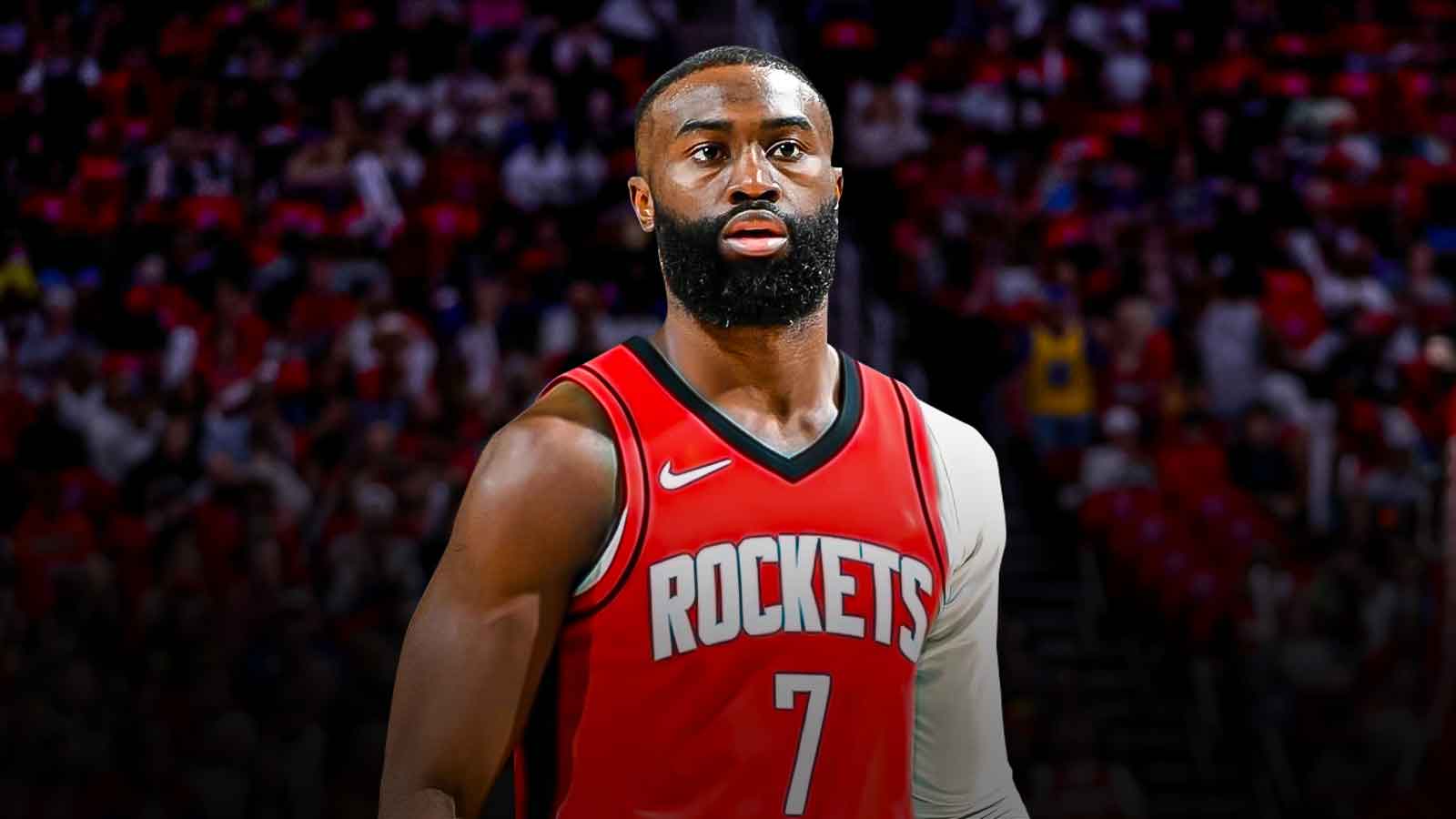
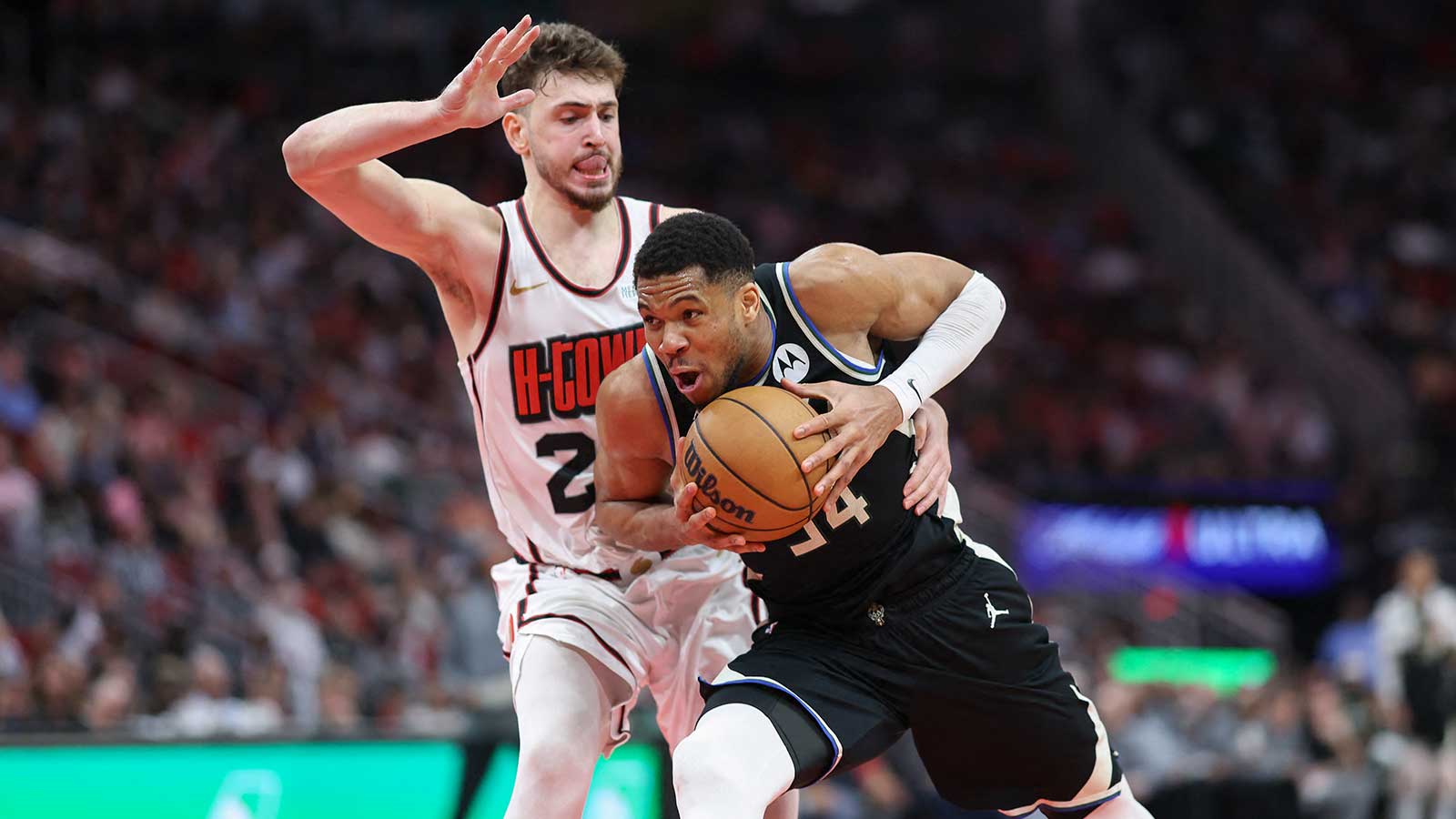
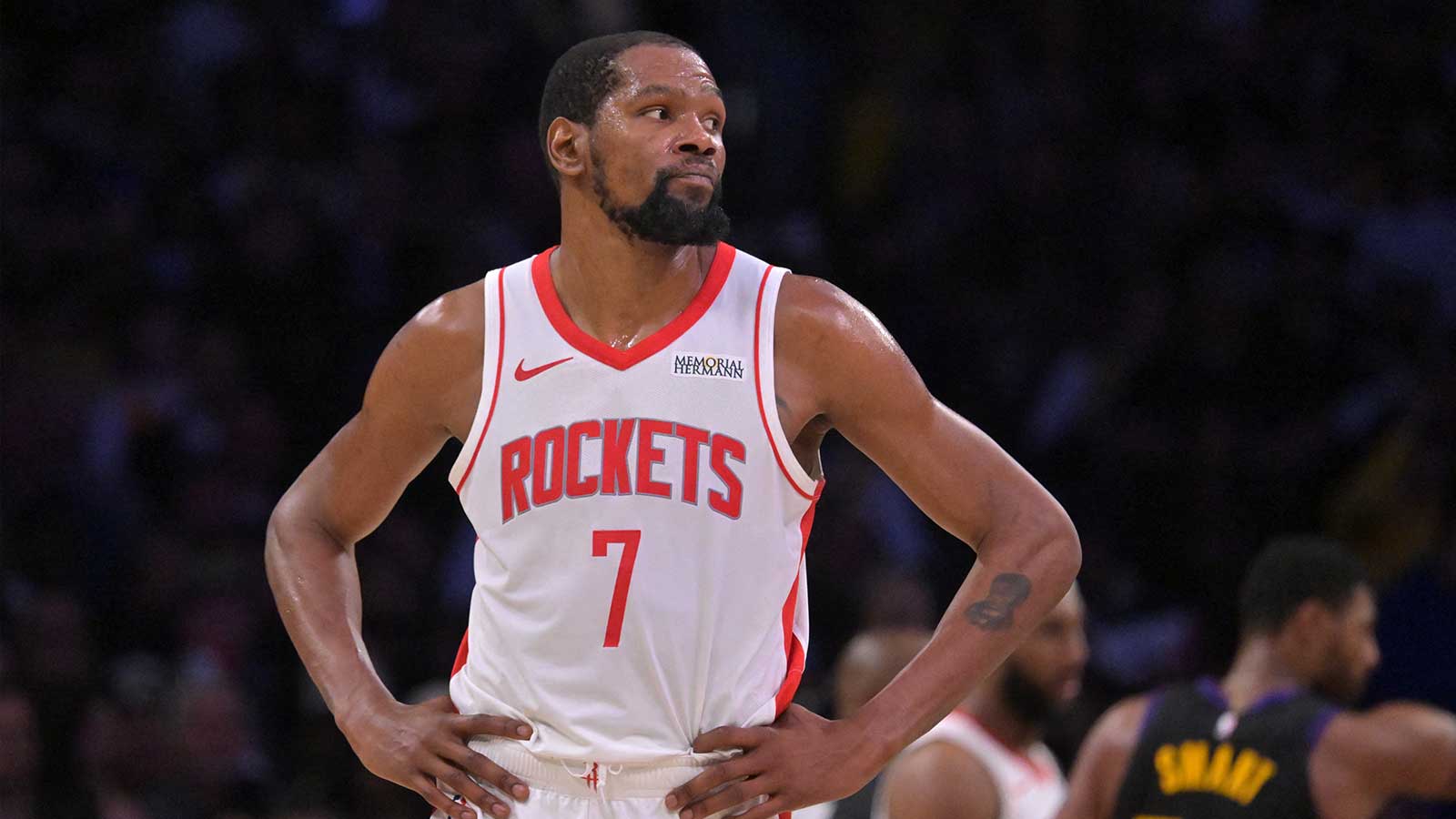
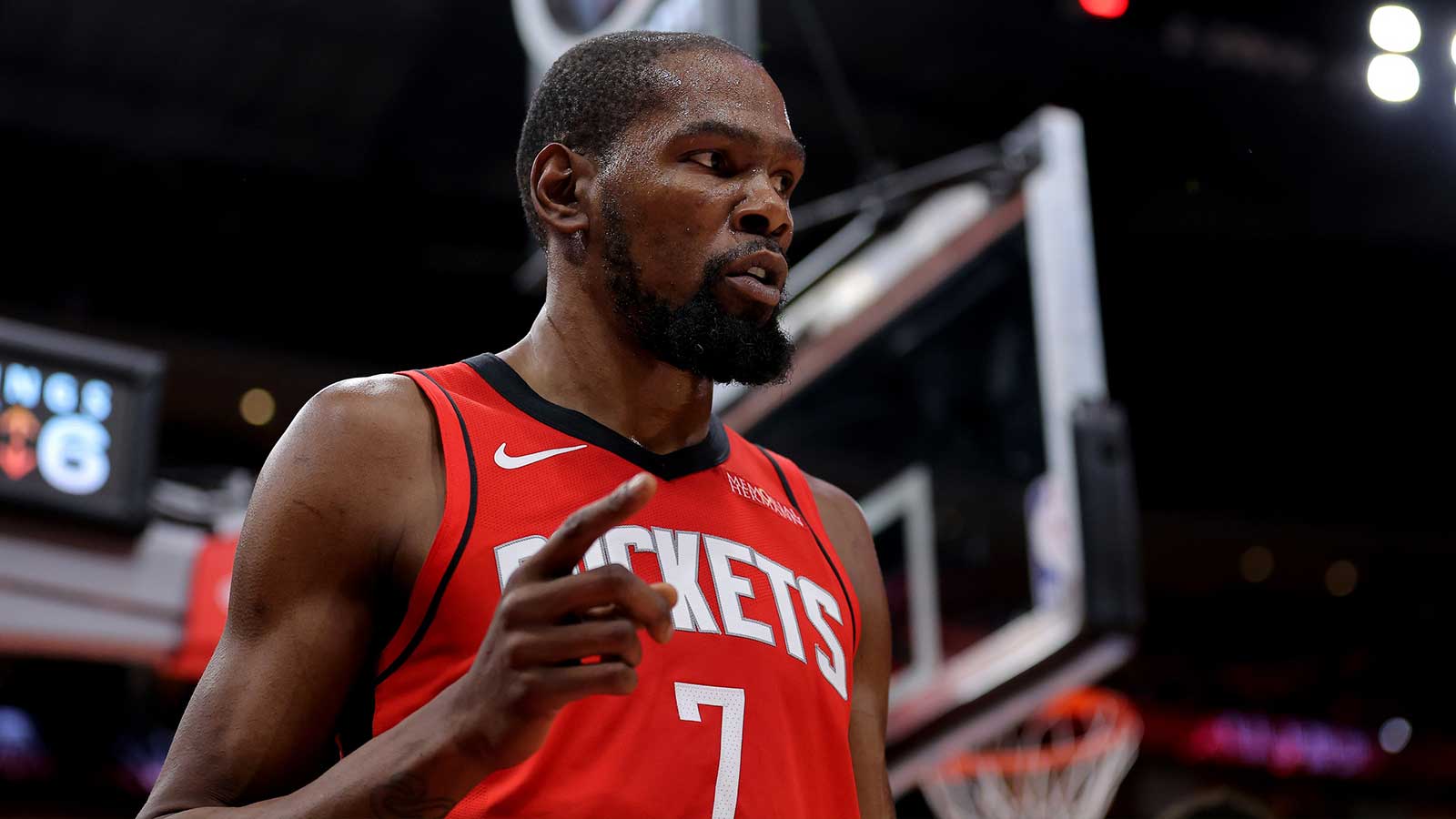
The 2025-26 season marked another significant step forward for Houston's rebuilding project. Under Udoka, the Rockets became one of the NBA's premier defensive groups. They finished among the league leaders in defensive efficiency while establishing an identity built on relentless effort and physical play. Alperen Sengun cemented himself as one of the league's most skilled offensive centers. Amen Thompson spearheaded a defensive attack that frustrated opponents on a nightly basis. Of course, it also didn't hurt that they had some guy named Kevin Durant.
Houston's progress carried into the postseason. The Rockets proved they belonged among the Western Conference contenders. Although they ultimately fell in the first round, their playoff performance still reinforced just how close this group is to legitimate championship contention. The experience also exposed several areas that still required improvement. Those include secondary ball-handling, decision-making, and reliable backcourt depth. Those priorities shaped Houston's approach to the 2026 NBA Draft. This made Bruce Thornton a logical target once the Rockets went into their post-draft assessment.
Bruce Thornton at No. 31
Grade: B+
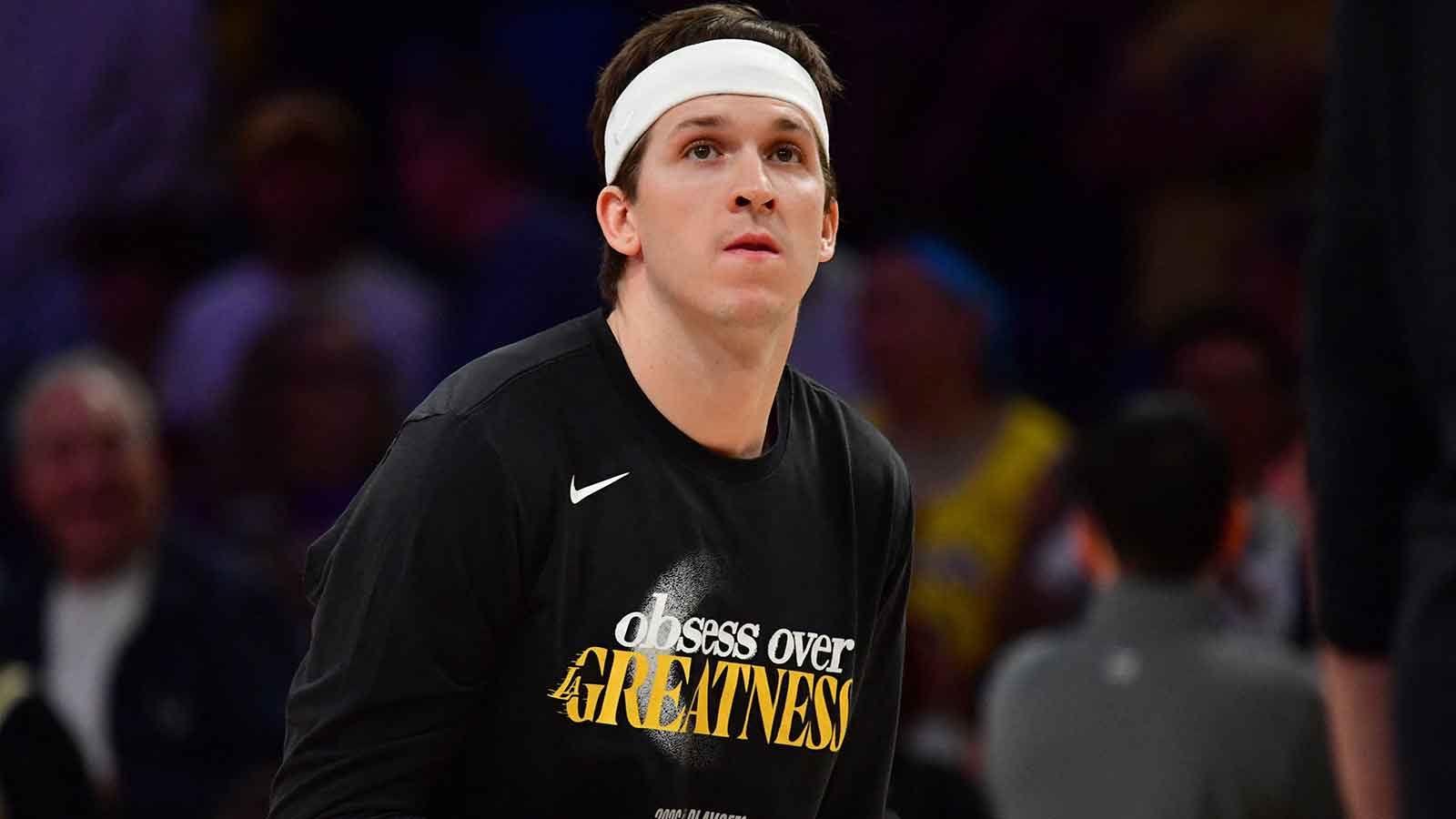
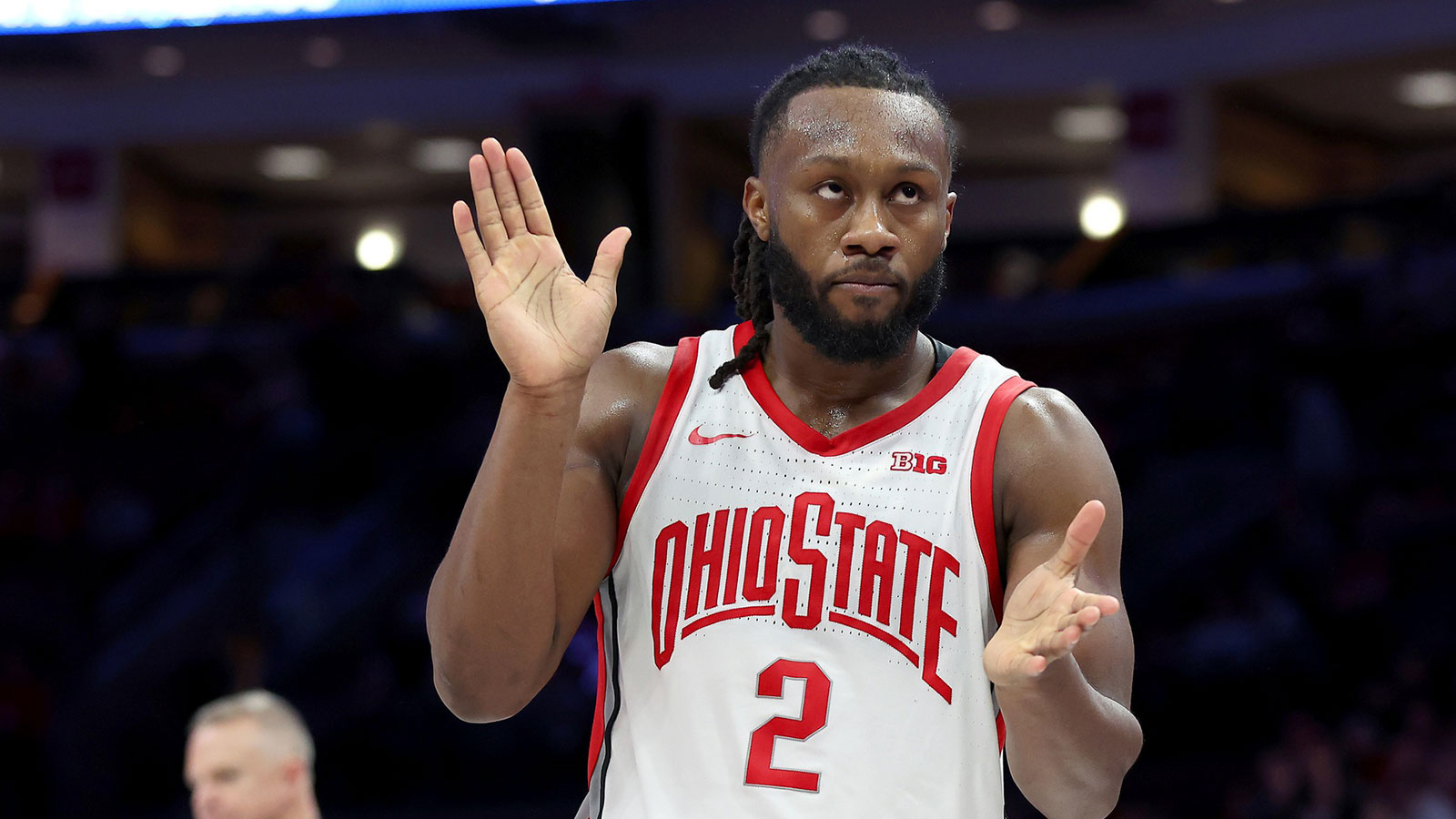
When the dust completely settled, Houston was left with just one rookie. The Rockets traded their picks at No. 39 and No. 53, along with a future 2029 second-round selection acquired from Sacramento, to eventually acquire the draft rights to the Knicks' 31st pick. That player was Ohio State guard Bruce Thornton.
From a basketball standpoint, the fit makes considerable sense. Thornton has built his reputation on intelligence, toughness, and consistency. He plays under control and rarely forces unnecessary risks with the basketball. Those qualities align well with Udoka's demanding coaching philosophy.
Offensively, Thornton provides another steady ball-handler. He finishes through contact and possesses a dependable pull-up jumper. Houston's second unit occasionally lacked that calming presence throughout the postseason, particularly when playoff defenses increased their physicality.
Defensively, Thornton competes with the kind of edge the Rockets have embraced throughout their roster construction. His sturdy frame allows him to absorb contact against bigger guards. Meanwhile, his competitiveness at the point of attack should help him earn trust relatively quickly.
His physical limitations remain legitimate concerns, though. Taller NBA guards will challenge him defensively. He also lacks the elite burst possessed by many starting point guards around the league. However, Houston is not asking Thornton to become a franchise-changing star. They just need a reliable rotational guard.
Why Houston made the deal
The most interesting part of this was how Houston willing to pay the price for Thornton. Giving up two rookies and a future draft asset for one second-round prospect initially appears expensive. Organizations often value quantity in this range because second-round picks carry relatively low financial risk while providing multiple opportunities to uncover hidden contributors. Houston deliberately rejected that philosophy.
Instead, Stone essentially announced that this roster no longer has developmental minutes available for multiple prospects. The Rockets already possess one of the league's youngest championship-caliber cores. That means any additional draft selections would likely spend significant time outside the regular rotation. Rather than filling the end of the bench with projects, Houston invested heavily in a player they believe can contribute much sooner. That decision also speaks volumes about organizational confidence. Teams with championship aspirations prioritize certainty over volume.
Overall draft grade
Final Grade: B
If this were a rebuilding franchise, paying such a price for one second-round pick would deserve criticism. Teams in that position benefit from maximizing opportunities and taking multiple developmental swings. The Rockets are no longer rebuilding, though. They are trying to win championships.
Viewed through that lens, the strategy becomes considerably easier to appreciate. Thornton fills a genuine roster need. He complements Houston's defensive identity and projects as a dependable backup guard. His maturity, decision-making, and competitiveness make him an ideal cultural fit.
The only reason this draft falls short of an “A” is the opportunity cost. Trading away those rookies and a future pick naturally reduces organizational flexibility. Still, championship contenders rarely regret acquiring players who fit their identity.
The Rockets identified the player they wanted. They aggressively moved after the draft to acquire him. Now, they have walked away believing they strengthened an already outstanding roster. That conviction deserves credit.