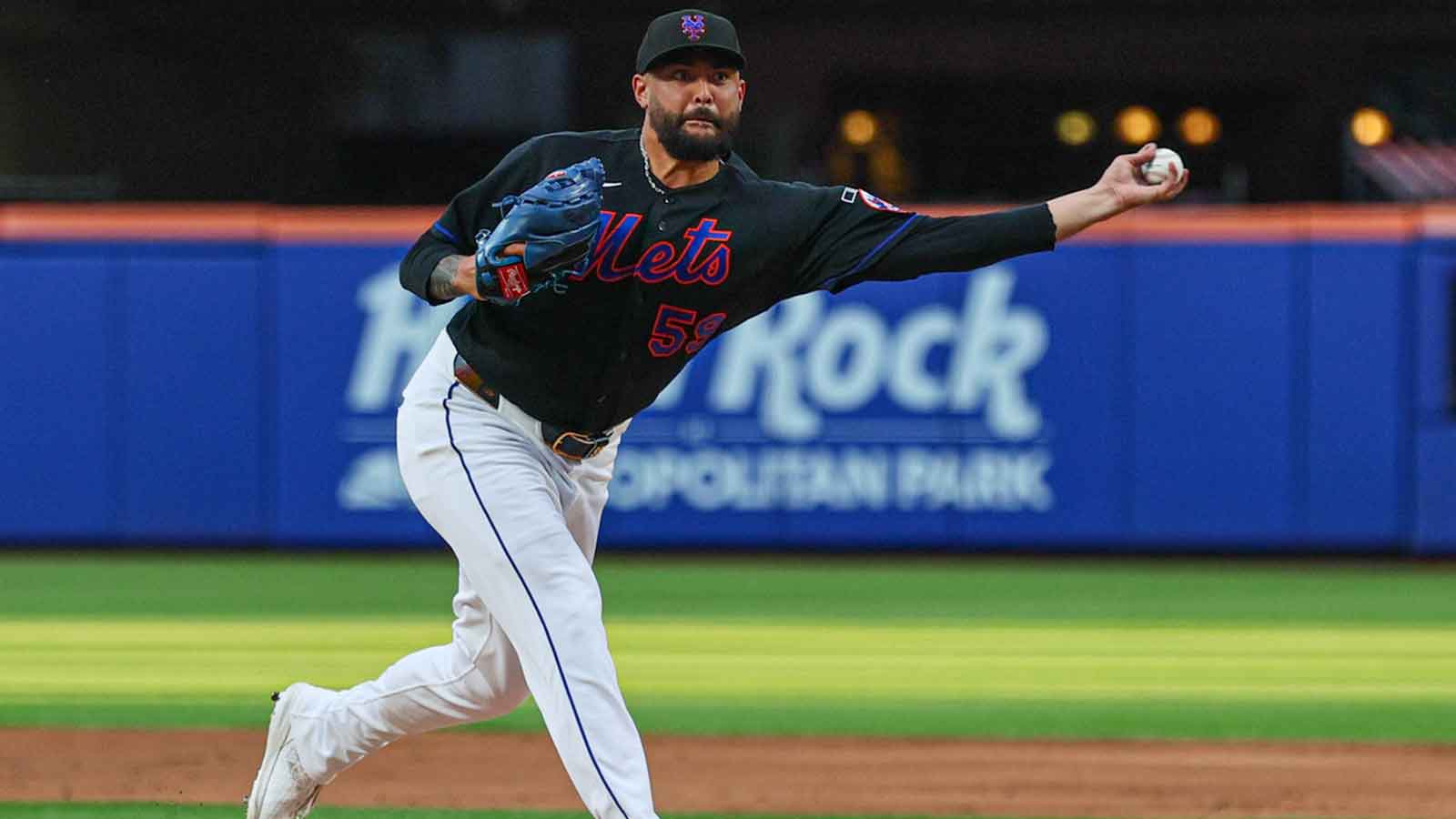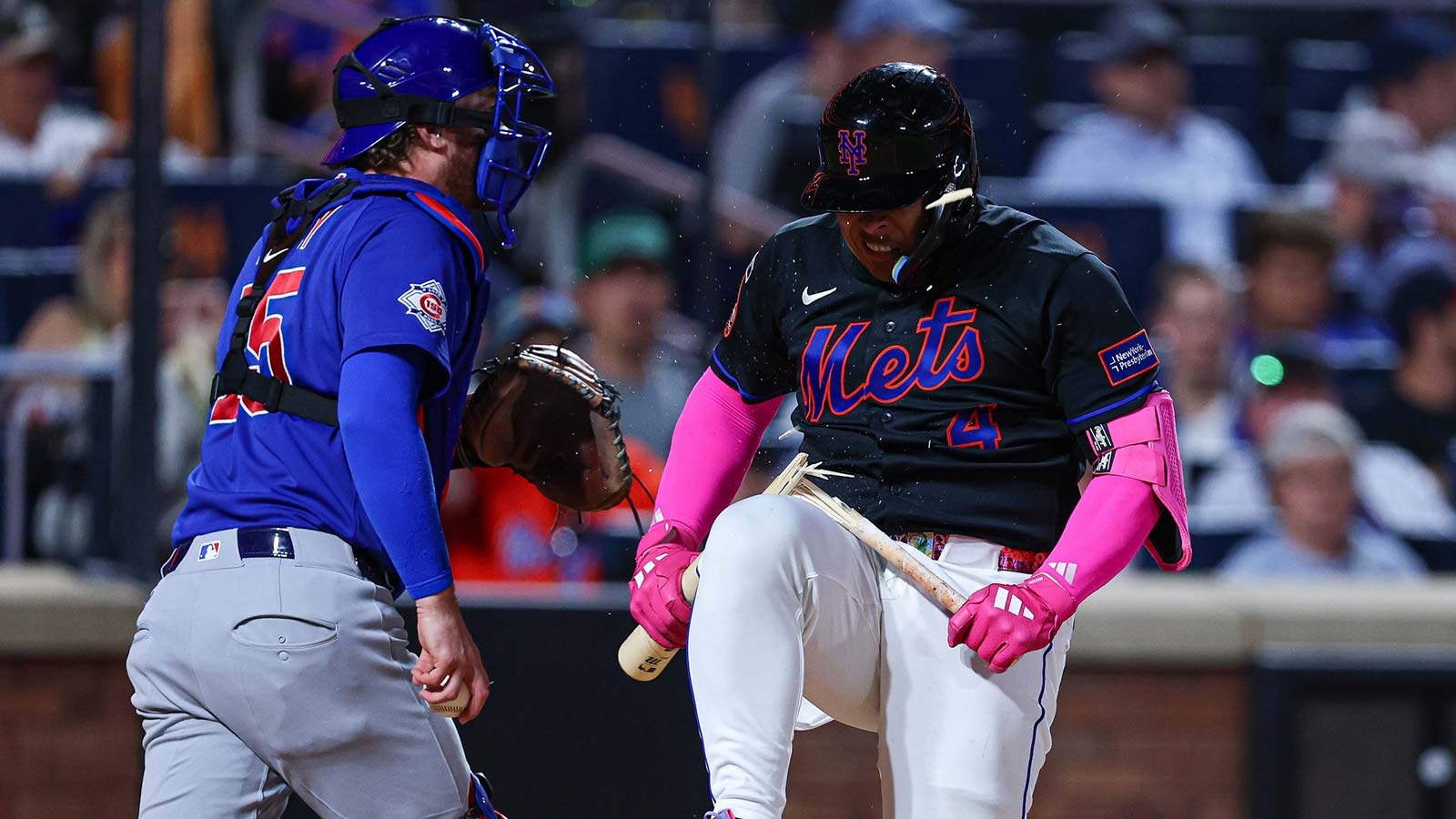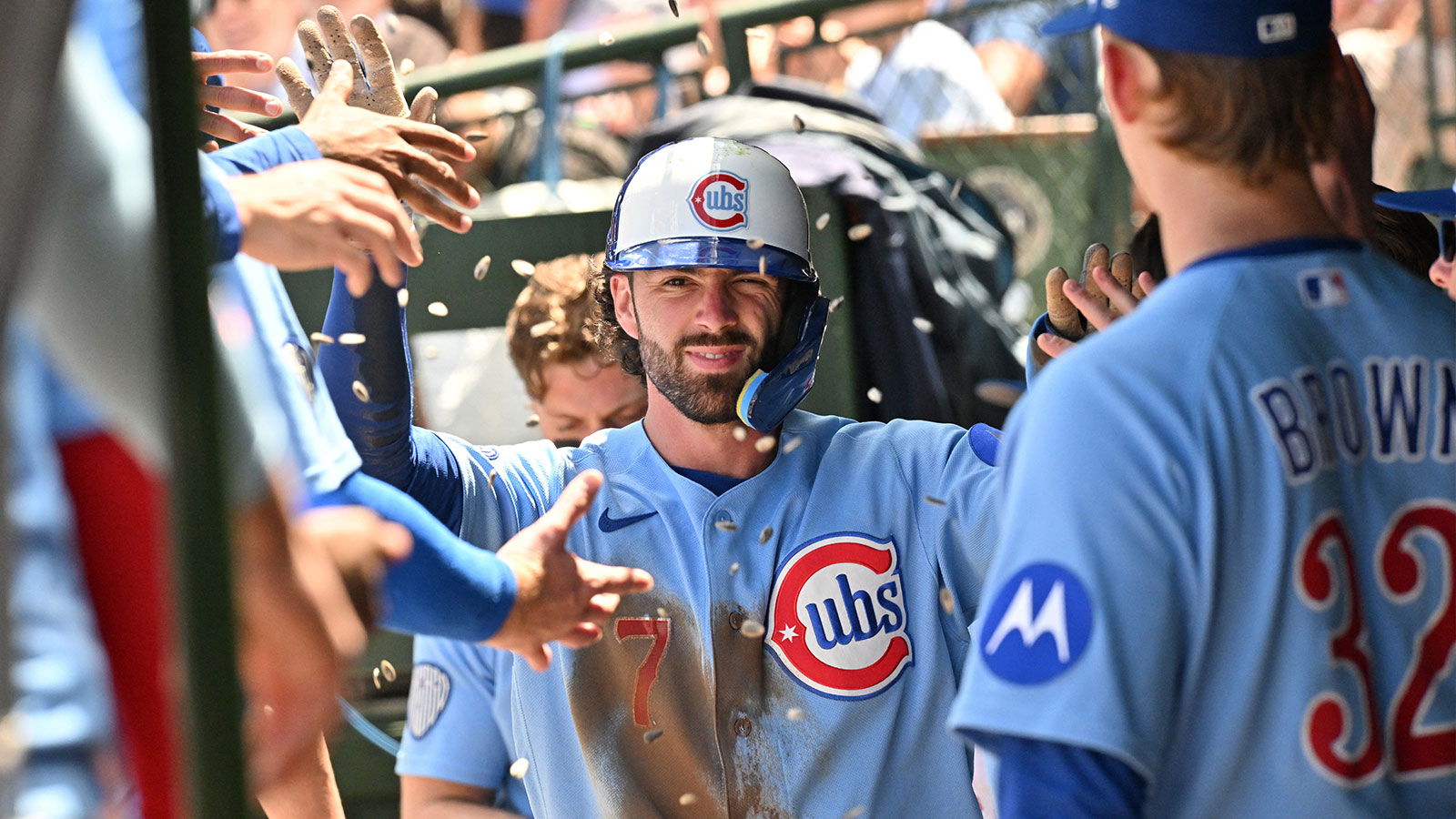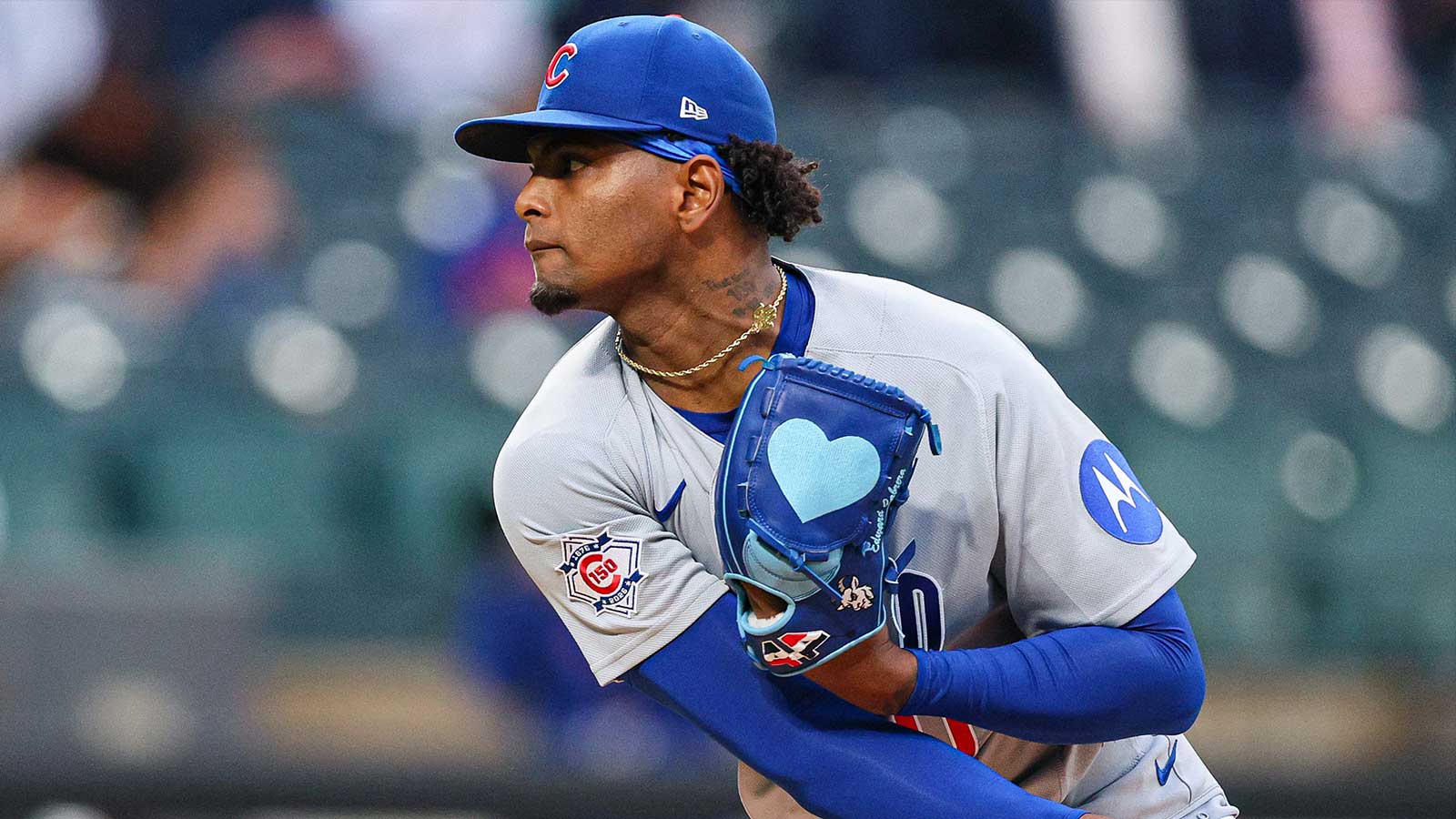
The Chicago Cubs do not need to treat the 2026 trade deadline like an emergency, but they have earned the right to act. At 43-37, third in the NL Central, seven games behind the Milwaukee Brewers and essentially tied with the St. Louis Cardinals by winning percentage, the Cubs are buyers without being in blockbuster-or-bust territory. A three-game sweep of the New York Mets, capped Wednesday, pushed Chicago to 7-3 over its last 10.
The David Peterson trade already addressed the Cubs’ most glaring need. The trade added rotation depth and another left-handed pitching option. That should keep the club out of the most dangerous part of the market before the August 3 deadline at 6 p.m. ET. The Cubs still need power and late-inning stability, but not at the cost of Moises Ballesteros, Jaxon Wiggins, Kevin Alcantara, or the top of the system.
Brent Rooker gives the Cubs a middle-of-the-order counterweight
Brent Rooker is the kind of bat a contender can buy before the market fully warms up. The Athletics slugger is not having a clean season. He has spent time on the injured list, including a June stint because of a bone bruise in his left knee. That creates the opening for the slugger.
The Cubs need one more hitter who changes how opposing managers navigate the middle innings. Rooker gives them right-handed power, a DH-first profile, and some corner-outfield flexibility. His current production has been uneven, but the batted-ball quality remains loud. Baseball Savant lists him with a 15.5 percent barrel rate and 41.9 percent hard-hit rate, which is why the club should look past the surface line.
The contract helps. Rooker’s extension runs through 2029 with a 2030 option, and his 2026 base salary is only $6 million, even though the deal carries a higher luxury-tax value. That gives the Cubs cost certainty for a real power bat.
The A's do not have to move him, which is why the move is sneaky rather than obvious. But if the Athletics decide to turn an older, bat-first player into younger pieces, Chicago needs to be ready to make a move. The price should be real, likely a top-15 organizational prospect plus a lower-level upside play, but not the top of the system.
The risk is clear. Rooker strikes out, adds little defensive value, and would need a clean medical review. Still, the lineup could use this kind of controlled thump.
Kyle Finnegan offers late-inning volume if the Cubs can tame the metrics
Kyle Finnegan is the statistical trap on this list, which is also why he belongs. His ERA looks like a back-end solution. His underlying profile says proceed carefully.
The Tigers' right-hander owns a 1.95 ERA and 1.49 WHIP across 35 appearances, with 26 strikeouts in 37 innings. It is a strange combination of strong run prevention, too much traffic and limited swing-and-miss for a reliever living in leverage. His FIP is well above his ERA, supporting the concern that the shiny number is doing more work than the skill indicators.
For the Cubs, that makes Finnegan a target to price correctly. Chicago needs another veteran reliever who can absorb important innings without forcing Craig Counsell to overuse younger arms such as Porter Hodge. Finnegan has closing experience and durability. He could be a bridge, workload buffer, and matchup option.
His contract also shapes the market. Finnegan is making $8.75 million this season, is guaranteed $8 million in 2027, and has a $10 million mutual option for 2028 with a $2.25 million buyout. That commitment should reduce the prospect cost if the Tigers decide to move money while sitting below .500 and outside the AL Central race.
The Cubs would have to believe their pitching group can sharpen the strike-throwing and keep the walk problem from swallowing the ERA correction. A fringe 40-man player or mid-tier relief prospect package could make sense if Chicago takes on the money. The Cubs need more reliable outs after the sixth inning.
Pete Fairbanks is the high-octane rental swing Chicago needs
Pete Fairbanks rounds out the list because he offers short-term risk, short-term money, and late-inning stuff that can still miss bats. He is not dominating on the surface. Fairbanks has a 6.65 ERA with Miami, and his season has included another nerve-related IL stint. That is why he is not priced like a shutdown closer.
The case is the arsenal. Fairbanks’ ERA is inflated, but the swing-and-miss still gives the Cubs something to buy. He has 32 strikeouts in roughly two dozen innings, and his fastball velocity remains strong enough to believe the stuff can still play in a late-inning role. For a Cubs team that already added Peterson, Fairbanks would attack the next problem by shortening games.
The contract keeps it realistic. Fairbanks signed a one-year, $13 million deal with the Miami Marlins after the Tampa Bay Rays declined his option, so the Cubs would be buying only the prorated remainder of his salary. There is no 2027 commitment and no reason to involve premium prospects if Chicago absorbs most of the money.
The Marlins are the variable. They have played better of late, so Fairbanks should be framed as a conditional target rather than someone Miami is certain to move today. But a one-year reliever with a high salary can become available quickly if the standings turn before August 3.
Fairbanks should be the priority because he offers the best blend of upside, role clarity, and deadline realism. Rooker is the bigger offensive swing, and Finnegan is the cheaper volume play, but Fairbanks most directly addresses the leverage problem without touching the core prospect tier. The Cubs do not need to empty the farm system to close the gap on Milwaukee. They need specific, intelligent additions that make the roster harder to play in August and September.