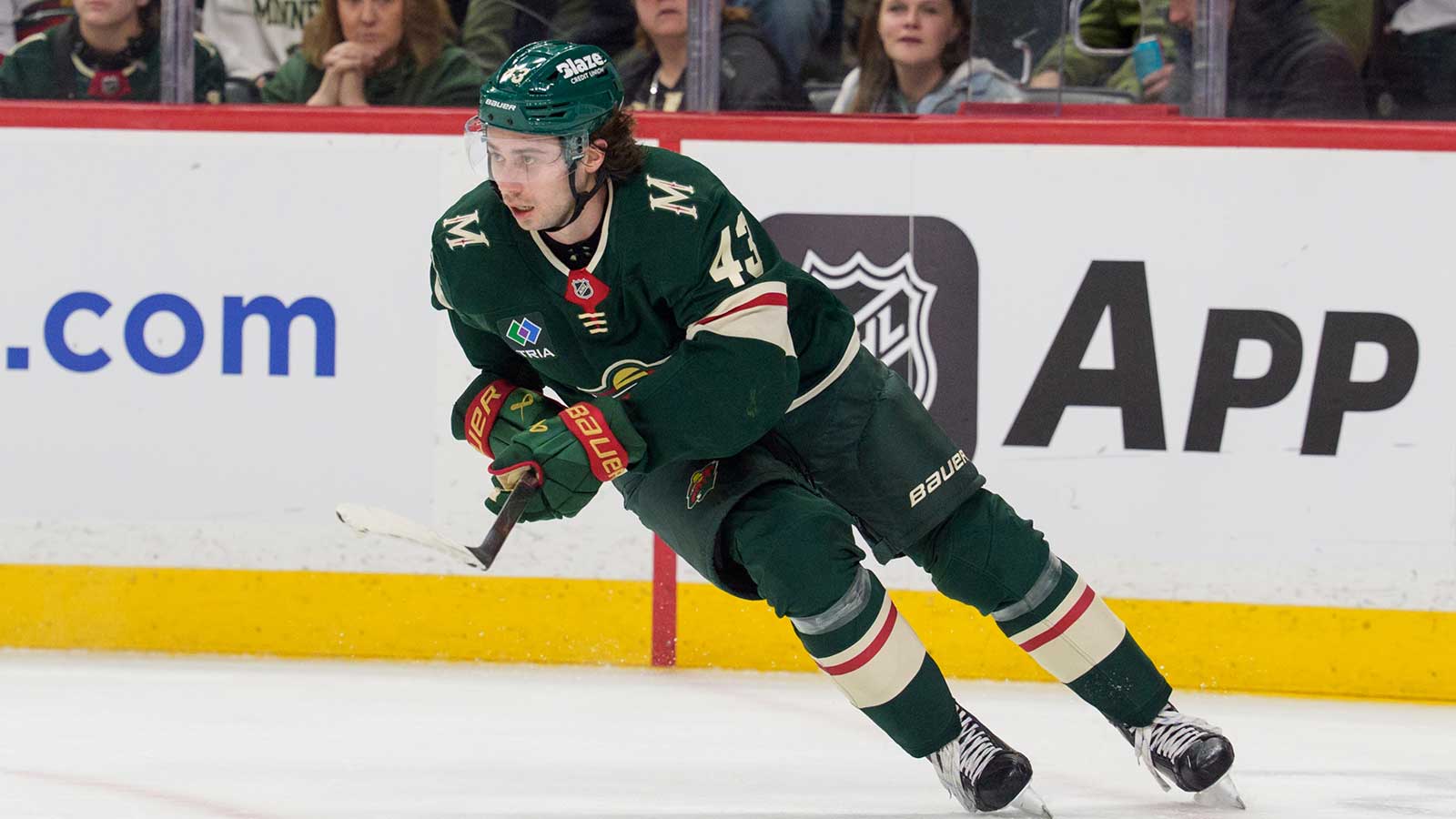

The Minnesota Wild have swung a trade for Quinn Hughes that will be talked about for years to come. Minnesota acquired the former Norris Trophy winner on Friday night in exchange for four assets. Forwards Marco Rossi and Liam Ohgren, defenseman Zeev Buium, and a 2026 first-round pick went to the Vancouver Canucks in this trade.
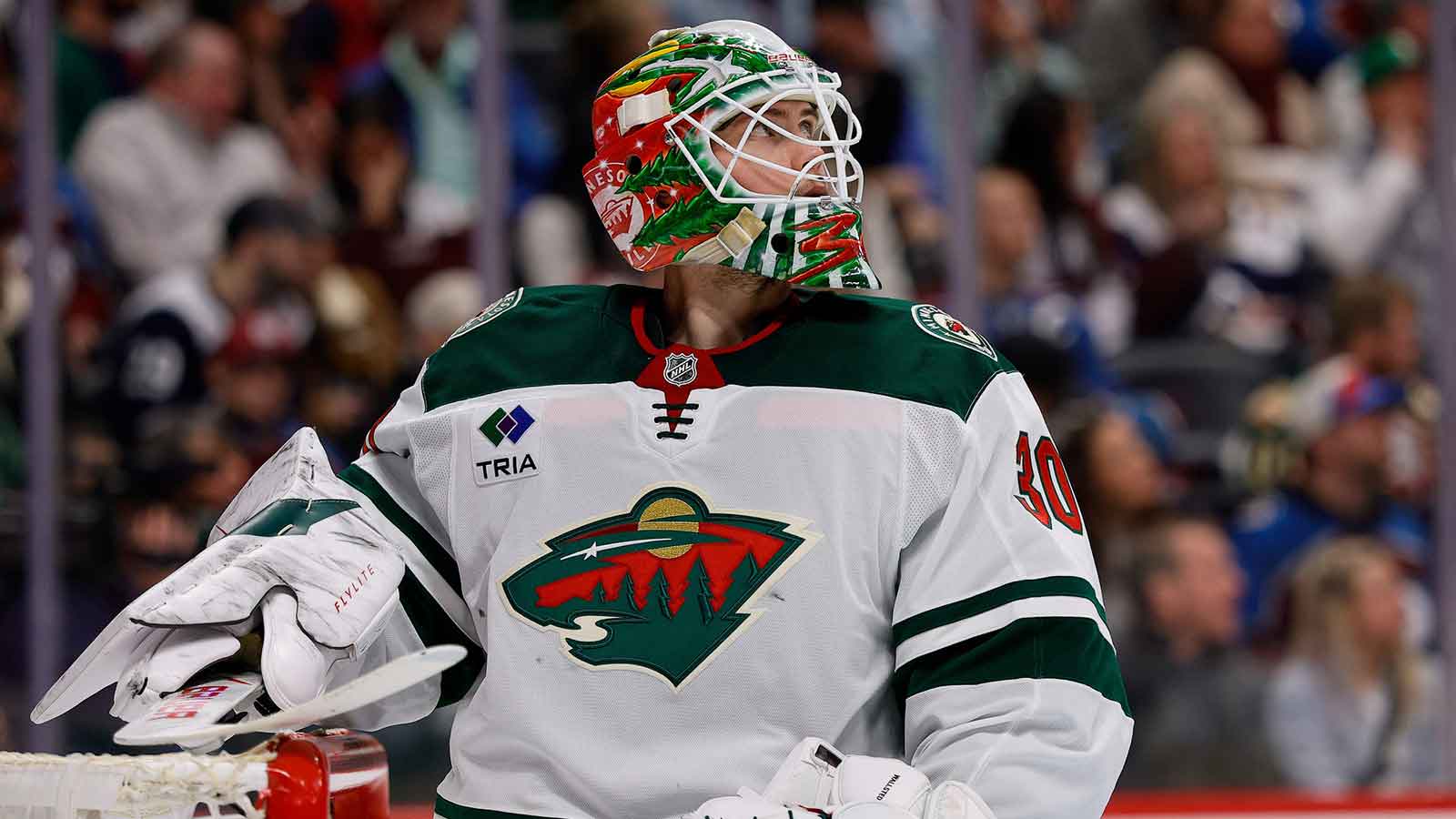
This is a massive get for the Wild and opens their Stanley Cup window. They have a bona fide star in Kirill Kaprizov, and rookie netminder Jesper Wallstedt is looking like a potential Vezina candidate. Now they add a top-two defenseman in the game who is in his prime at just 26 years old. Minnesota has some impressive firepower now in a tough Western Conference.
However, there is an elephant in the room with this trade. Hughes is an elite player who will form an intriguing partnership with Brock Faber in the State of Hockey. In saying this, his contract expires at the end of next season. And he has not signed an extension, nor has he given any indication that he will be signing one.
This is sort of a moot point because even if he wanted to, he currently can't. Hughes can't put pen to paper on a new contract until July 1. The Wild can offer him an eight-year contract, something no other team can do. But they have to wait until the new league year next summer.
Let's say that Hughes does elect to re-sign with the Wild. What would this sort of contract look like? What can Minnesota offer its new superstar rearguard? Here is a deep dive into a potential Quinn Hughes contract extension for Minnesota.
Wild have some other players to pay
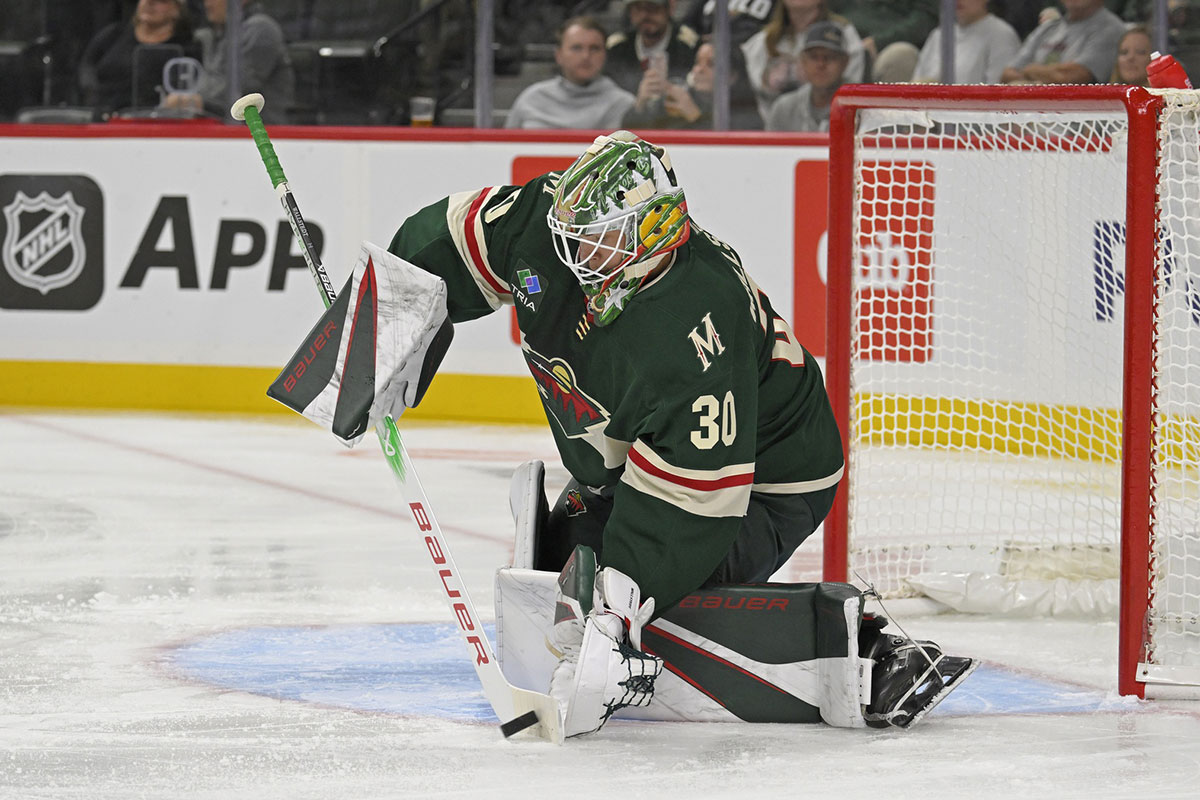
Before we talk about Hughes, we must look at the Wild. It's important to note that this hypothetical contract won't take effect until 2027-28. This means we need to look at Minnesota's projected roster two summers from now, not one.
This examination reveals that the Wild will have some money off the books. At this time, they are projected to have around $48 million in available cap space, according to PuckPedia. This is also based on the projected $113.5 million salary cap threshold expected to be in place by that time.
Most of the contracts expiring before then are veteran players. Mats Zuccarello, Jared Spurgeon, and Zach Bogosian all could retire before the 2027-28 offseason. Vladimir Tarasenko, Ryan Hartman, and Tyler Pitlick are among the names that could return on smaller contracts.
With this said, there are some notable names due for new deals. Daemon Hunt and David Jiricek are restricted free agents this summer. In the summer of 2028, Wallstedt becomes a restricted free agent. Finally, Danila Yurov becomes an RFA in the summer of 2029.
As of now, Wallstedt is the one to key in on. He is playing at an extraordinarily high level, and he will get paid a major amount of money when he is due to sign. Yurov, Jiricek, and Hunt should re-sign, but unless they have a breakout season, they won't be commanding top-of-the-market money.
What about Quinn Hughes?
The Wild are in a good position here. They can sign Wallstedt to a big contract and still have the money to pay Quinn Hughes. This rings true even when considering Kaprizov's $17 million cap hit during this time.
Hughes is going to make top-of-the-market money. There's no way around that. What the exact figure is certainly remains to be seen. However, the Wild need to be prepared to spend some money to keep their new superstar around.
At this time, the highest-paid defenseman in the NHL is Pittsburgh Penguins veteran Erik Karlsson. He is making $11.5 million on his deal and will do so until he's a free agent in 2027. Hughes will be making more than this figure.
Minnesota could certainly elect to wait and see what its division rival, the Colorado Avalanche, does with Cale Makar. Makar, the only defender who could rival Hughes's talent and impact, is also in line for an extension. His extension could certainly have an impact on what Hughes asks for.
A concrete projection without that information is tricky. However, Hughes will make a good amount more than Karlsson is making now. Factor in a rising cap, as well, and this will certainly set the market for truly elite No. 1 defensemen.
Hughes could sign an eight-year deal, but a shorter deal is likely on the table. The superstar rearguard could sign a five-year contract with the Wild on or after July 1 worth a total of $75 million. This works out to a $15 million cap hit.
Hughes would earn right around his true value. And he would hit free agency around the same time as his brothers, Jack and Luke Hughes. For the Wild, they would extend their Stanley Cup window throughout the 2020s. It's a deal that could work out for all involved. Only time will tell if Quinn Hughes is willing to sign on the dotted line.