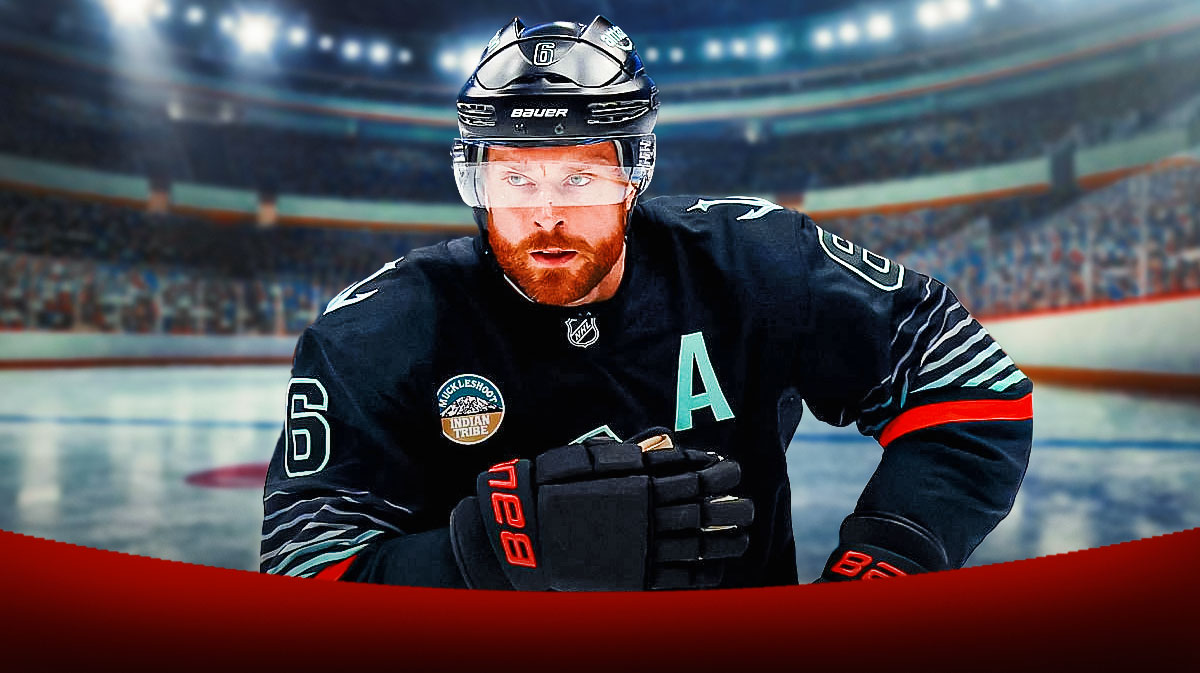
The Seattle Kraken entered December with an embarrassing distinction: the worst penalty kill unit in the NHL. At a dismal 69.2 percent success rate, the Kraken are hemorrhaging goals on special teams and desperately need a course correction. While offensive struggles often grab headlines, this defensive catastrophe has quietly sabotaged Seattle's playoff aspirations and transformed every opponent's power play into a high-percentage scoring opportunity.
The numbers tell a damning story. Seattle ranks 32nd out of 32 teams in penalty kill percentage, allowing goals on nearly one out of every three opponent advantages. This represents a significant regression from last season's already-underwhelming 77.2 percent mark, which ranked 21st in the league. The bleeding hasn't stopped either—the Kraken surrendered power play goals in three consecutive games heading into their late-November matchup against Edmonton, highlighting the urgency of this crisis.
The Root of the Problem: Personnel Deployment
The fundamental issue plaguing Seattle's penalty kill isn't talent—it's deployment. The Kraken made a critical error by not adequately replacing the defensive workhorses they lost at last season's trade deadline. Yanni Gourde and Brandon Tanev, who combined to play over 100 percent of available penalty kill minutes when healthy, departed without proper succession planning. Gourde alone consumed over 40 percent of Seattle's shorthanded ice time, while Tanev dominated 60 percent of PK minutes.
In their absence, Seattle has leaned heavily on offensive-minded forwards like Chandler Stephenson, Jared McCann, and occasionally Matty Beniers to fill the void. While these players possess skill and hockey IQ, they're being asked to defend rather than create—a fundamental mismatch that opposing power plays exploit relentlessly. The addition of Frédérick Gaudreau via trade was supposed to help, particularly with faceoff versatility on the right side, but one player cannot fix a systemic deployment problem.
The defense corps presents an even more glaring issue. Brandon Montour, despite his offensive prowess and Stanley Cup pedigree, finished last season with a catastrophic minus-22 rating. While Montour excels at quarterbacking power plays and jumping into the rush, his defensive positioning and gap control leave much to be desired in shorthanded situations. Yet he continues receiving significant penalty kill minutes that would be better allocated elsewhere.
The No-Brainer Solution: Maximize Adam Larsson's Shutdown Presence
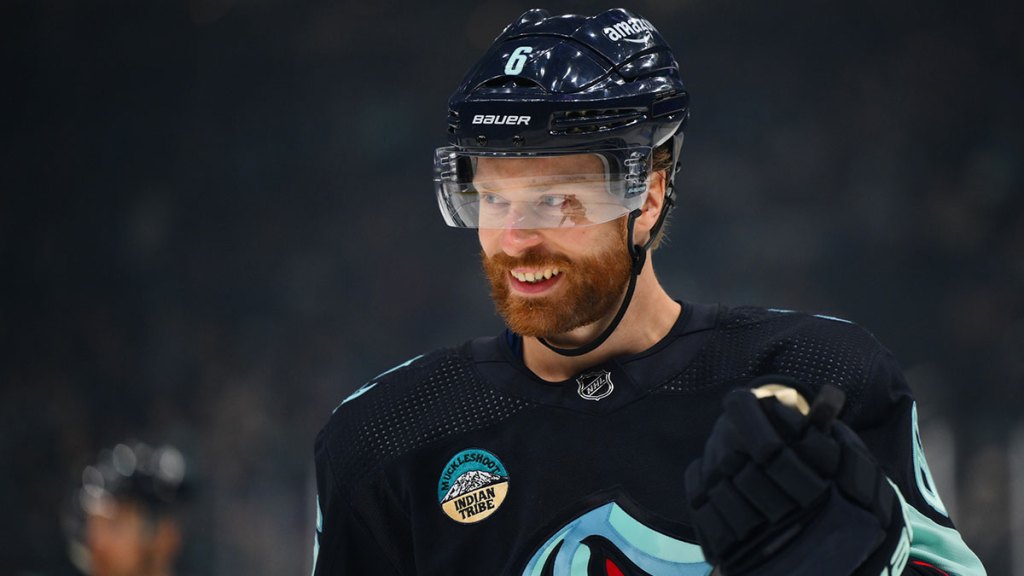
The answer has been on the roster all along: dramatically increase Adam Larsson's penalty kill deployment and build the entire PK structure around his defensive excellence. Larsson, Seattle's original expansion draft selection, has established himself as one of the league's most reliable shutdown defensemen. He averaged 2:54 of penalty kill time per game last season while maintaining rock-solid positioning and gap control.
Larsson's defensive awareness, physical presence at 6-foot-3 and 207 pounds, and willingness to sacrifice his body for shot blocks make him the ideal anchor for a penalty kill unit. He's proven capable of neutralizing elite offensive threats through disciplined positioning rather than gambling for takeaways—exactly the approach struggling penalty kills need. His chemistry with Vince Dunn in even-strength situations demonstrates his ability to cover for more offensive-minded partners, a skill that translates perfectly to penalty kill situations.
The Kraken must commit to deploying Larsson for the vast majority of penalty kill situations, pairing him with defensively responsible partners rather than offensive specialists like Montour. On the forward side, prioritize Gaudreau's defensive acumen and faceoff prowess alongside grinders willing to block shots and clear pucks rather than creative playmakers.
This isn't revolutionary strategy—it's hockey fundamentals. Deploy your best defensive defenseman in defensive situations. Until the Kraken embrace this no-brainer adjustment and stop forcing offensive players into defensive roles, their penalty kill will remain the league's laughingstock and their playoff hopes will continue melting away four minutes at a time.