As the season moved through its final days of December, the broader competitive picture began to sharpen. Early experimentation faded, rotations solidified, and identity emerged for both contenders and challengers alike. Holiday schedules often create uneven rhythms, but this particular stretch revealed which programs were built to maintain focus regardless of opponent or atmosphere. Dominance at the top of the power rankings remained steady, while movement in the middle hinted at a season far deeper than the usual handful of headline teams.
What makes this moment especially revealing is that most rosters have now faced adversity in some form, whether through travel, injuries, or pressure games. Some passed those tests decisively, others merely survived, and a few slipped just enough to raise questions heading into league play. Taken together, these performances form a snapshot of where the sport stood as December comes to a close: A blend of tradition, emerging power, and stylistic diversity that promises a compelling road ahead.
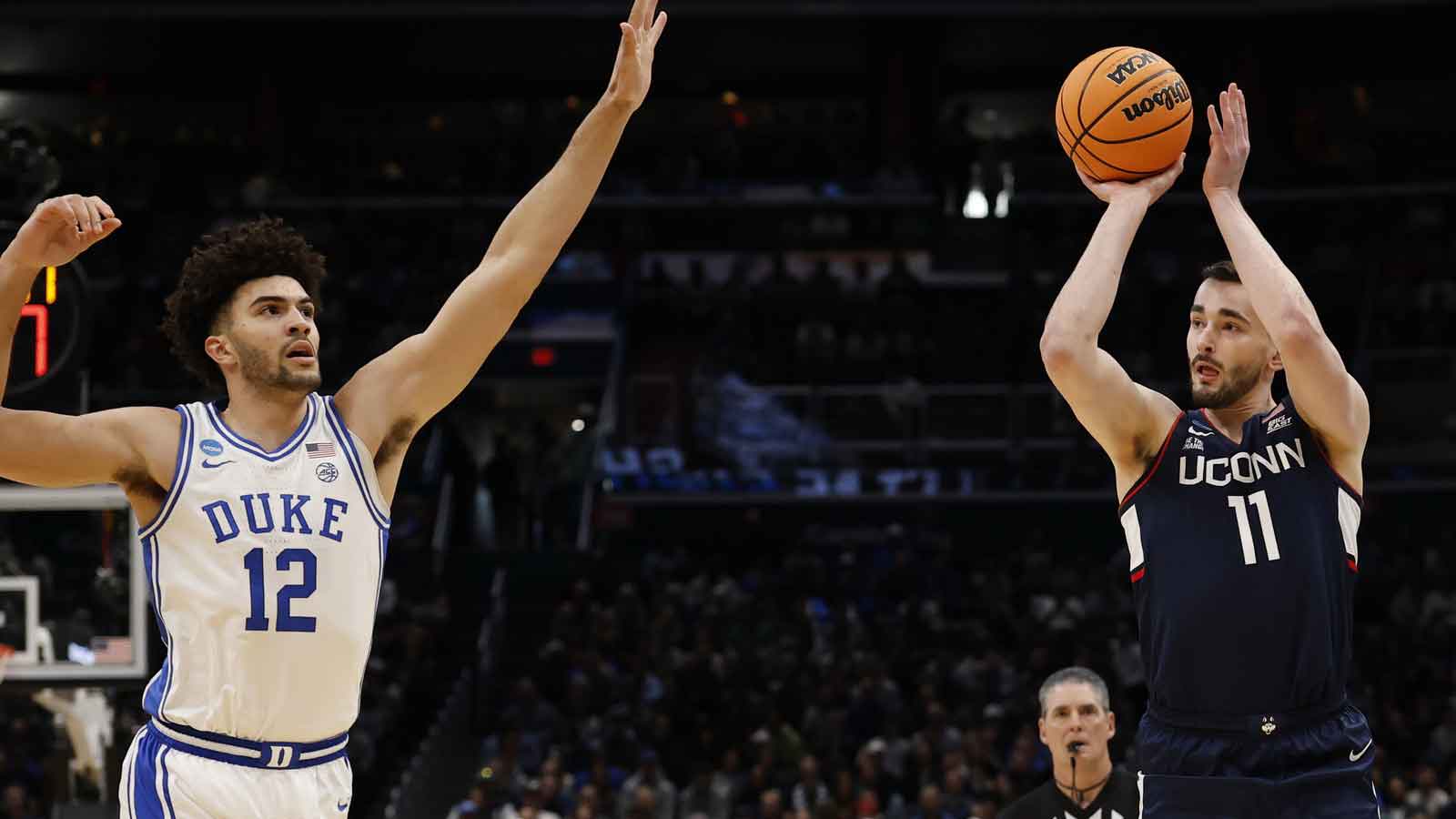
1. UConn (=)
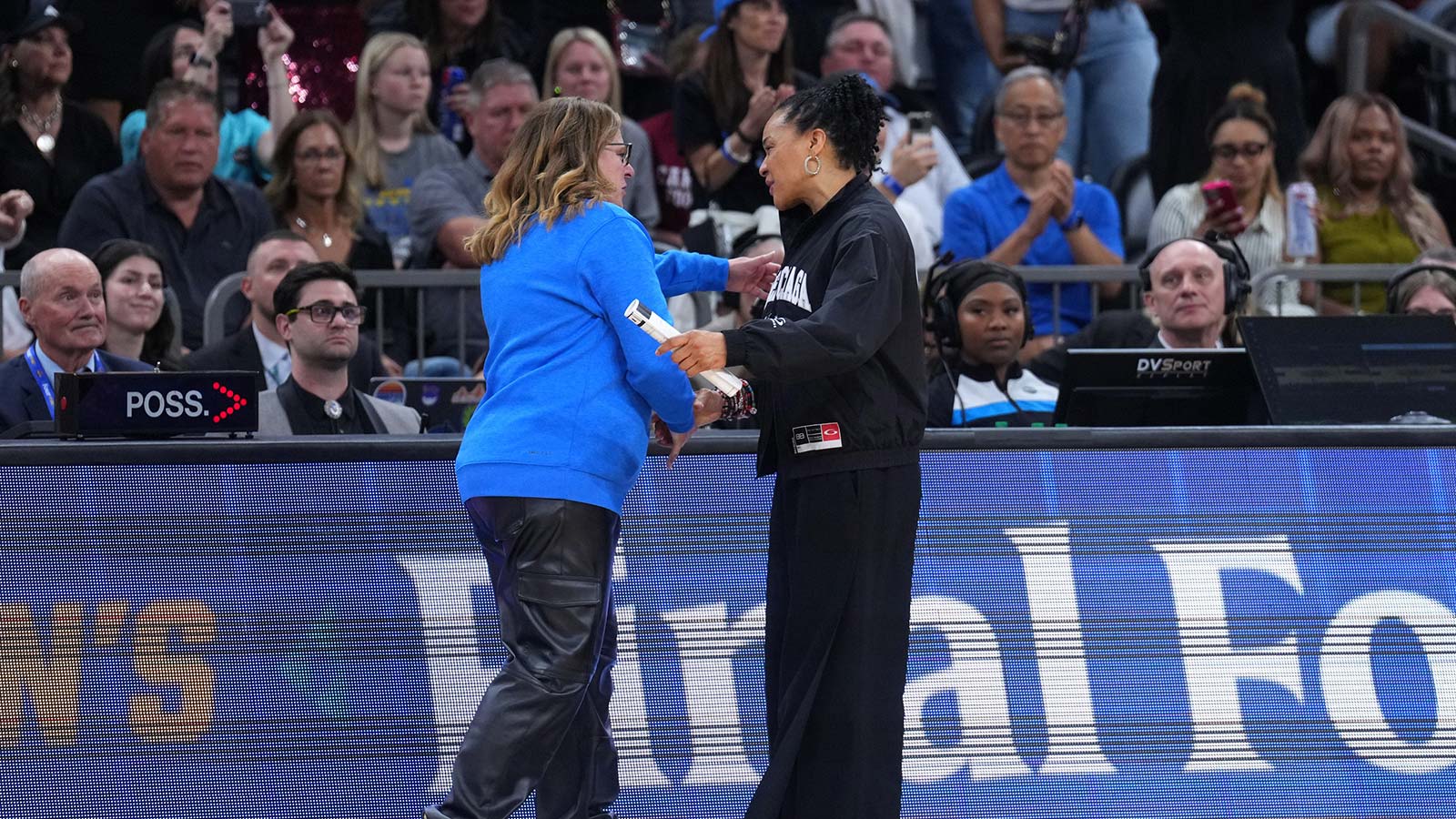
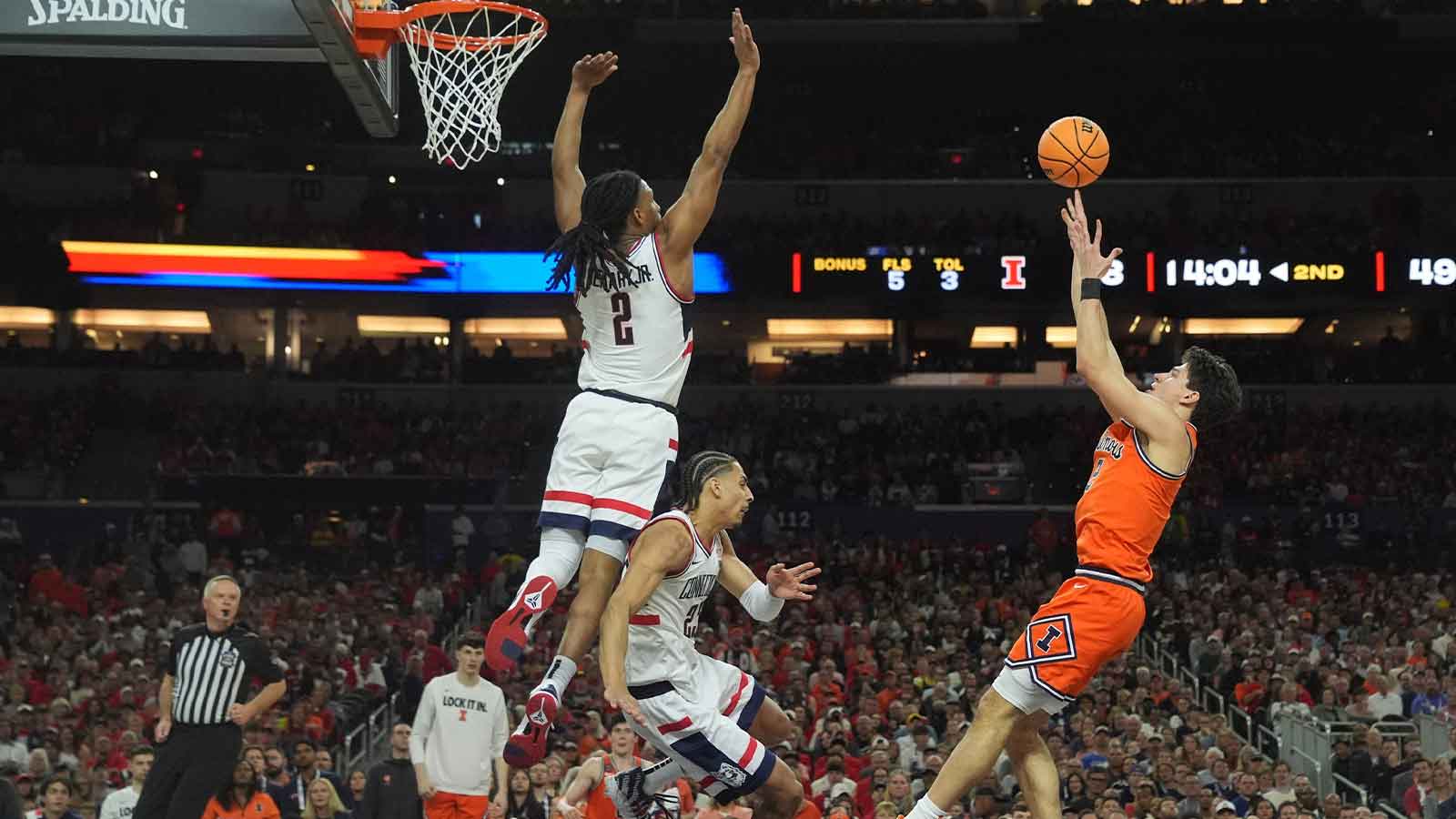
UConn women's basketball continued to operate at a level few programs can match, combining defensive discipline with a relentlessly efficient offense. Their late-December performance was emblematic of their season as a whole: Sharp ball movement, consistent spacing, and an ability to suffocate opponents before halftime.
What stands out most is how comfortable this group looks regardless of lineup combinations. Whether relying on perimeter shooting or interior dominance, UConn adapts seamlessly, rarely allowing opponents to dictate tempo. This adaptability, paired with experience in high-leverage moments, reinforces the Huskies' position at the top of the national conversation.
2. Texas (=)
Texas women's basketball closed December with an air of inevitability. Their physicality overwhelms opponents early, and once the margin grows, their depth ensures it only widens. Late-month results showcased an offense capable of scoring from every spot on the floor, supported by aggressive defense that thrives on turnovers.
Texas does not merely win; it imposes its will. Perhaps most impressive is how focused the team remains even in mismatches, treating every possession with urgency. That mentality suggests a group intent on setting standards rather than simply meeting expectations.
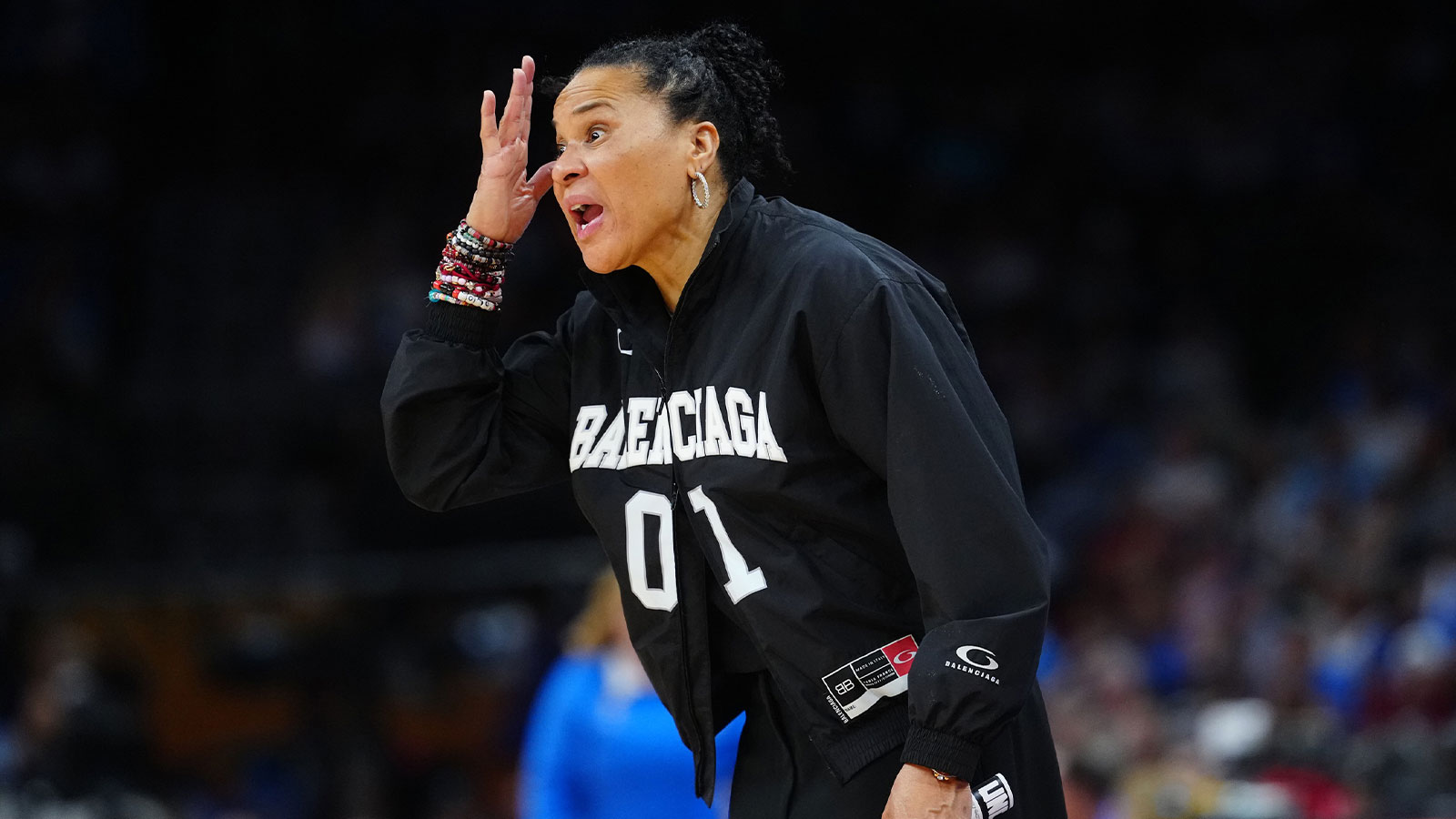
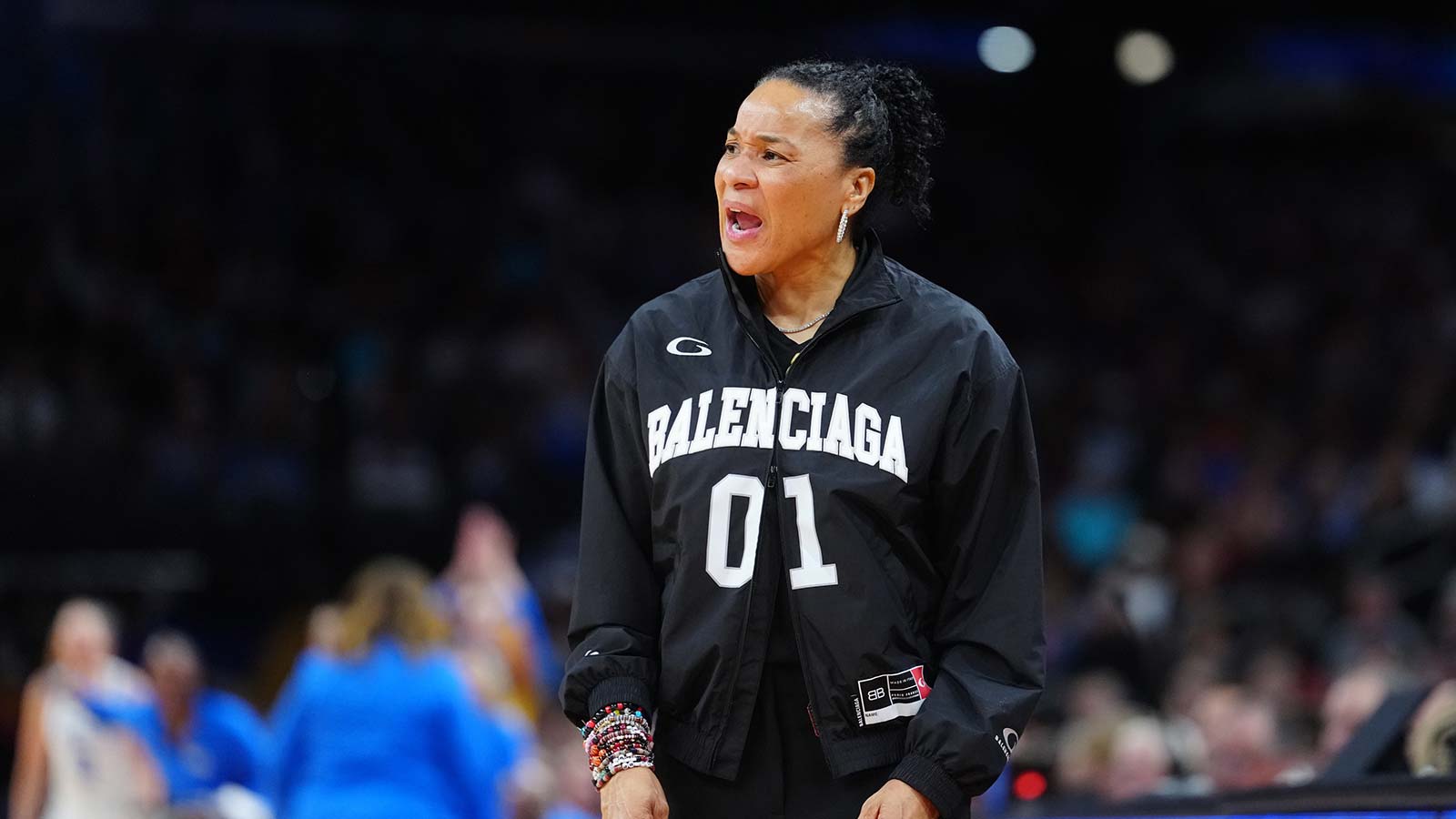
3. South Carolina (=)
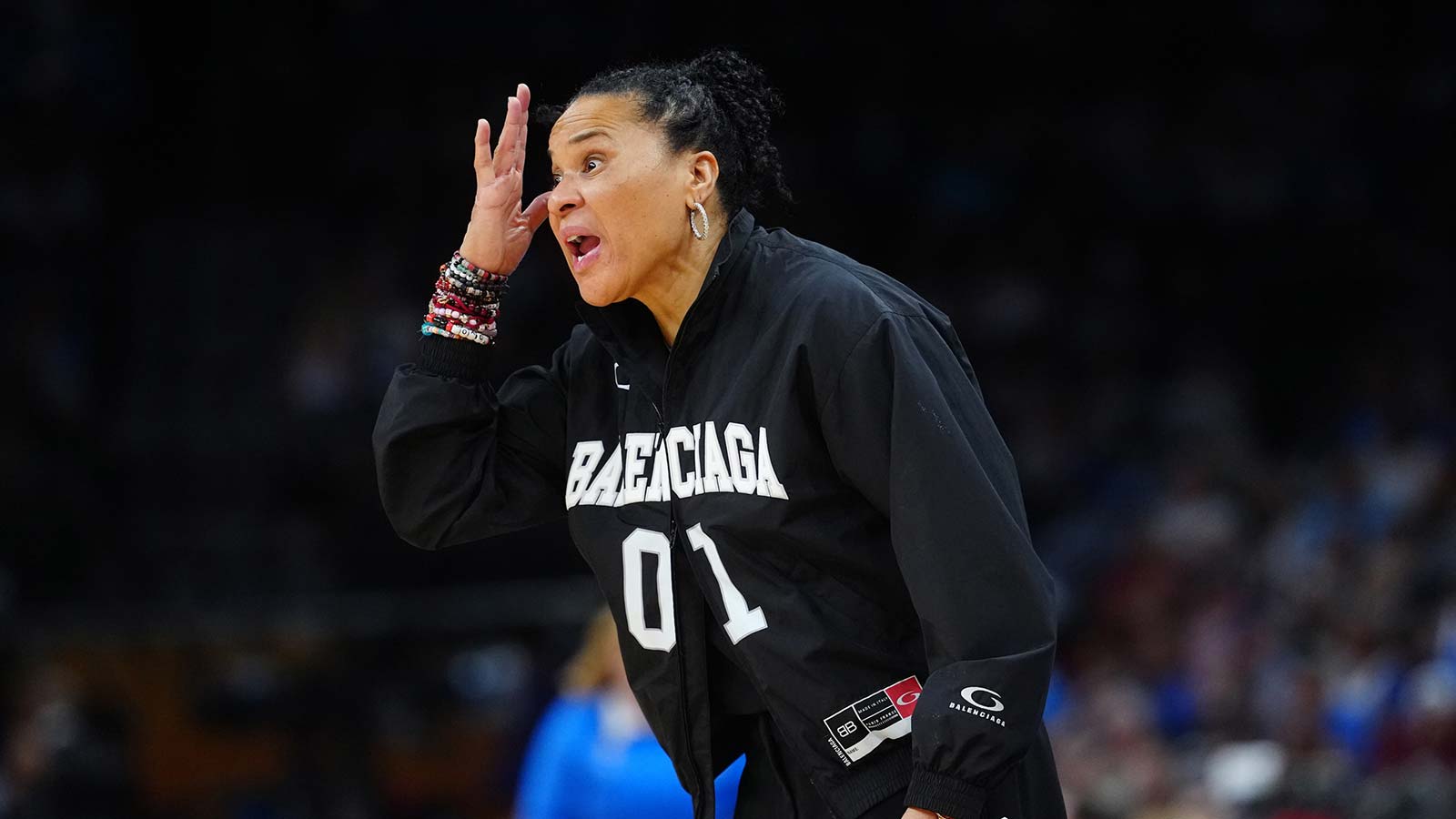
South Carolina’s late-December showing reaffirmed its reputation for balance and resilience. While not always flashy, the program’s execution is precise, and its defensive foundation remains among the strongest in the nation. The ability to rotate players when an injury occurs without losing intensity speaks to both roster construction and coaching philosophy.
Offensively, South Carolina women's basketball thrives on patience, finding high-percentage looks and punishing mistakes. Even during a quieter holiday stretch, their performance reflected a team confident in its structure and fully prepared for the grind ahead.
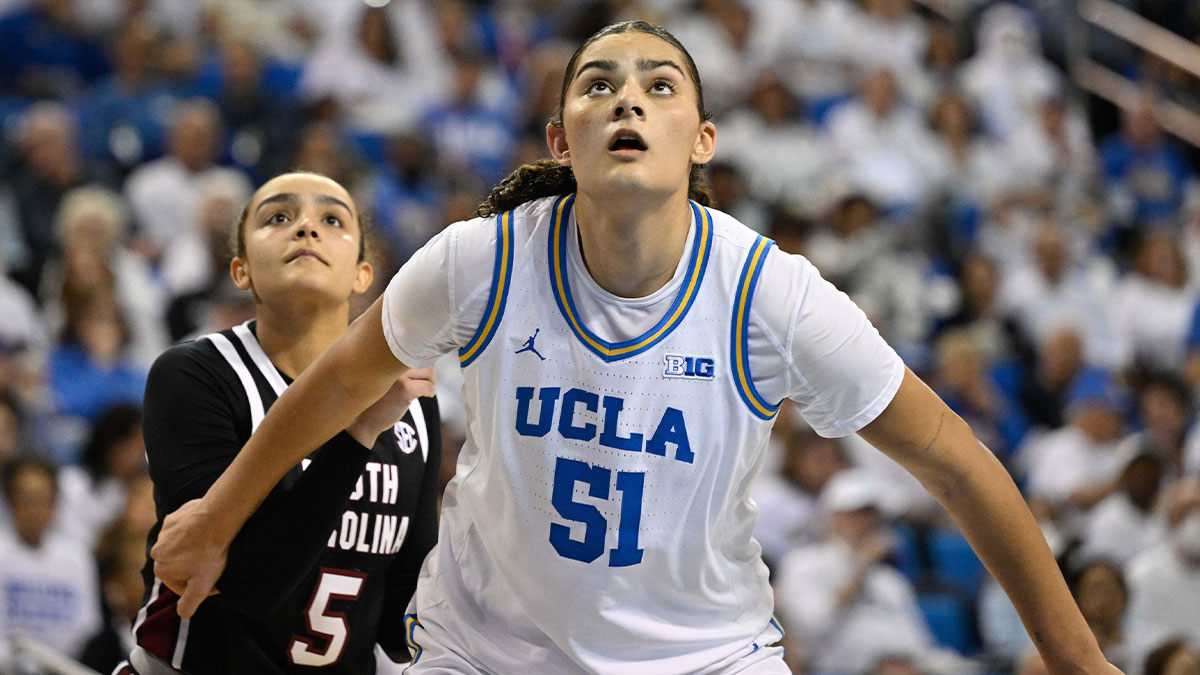
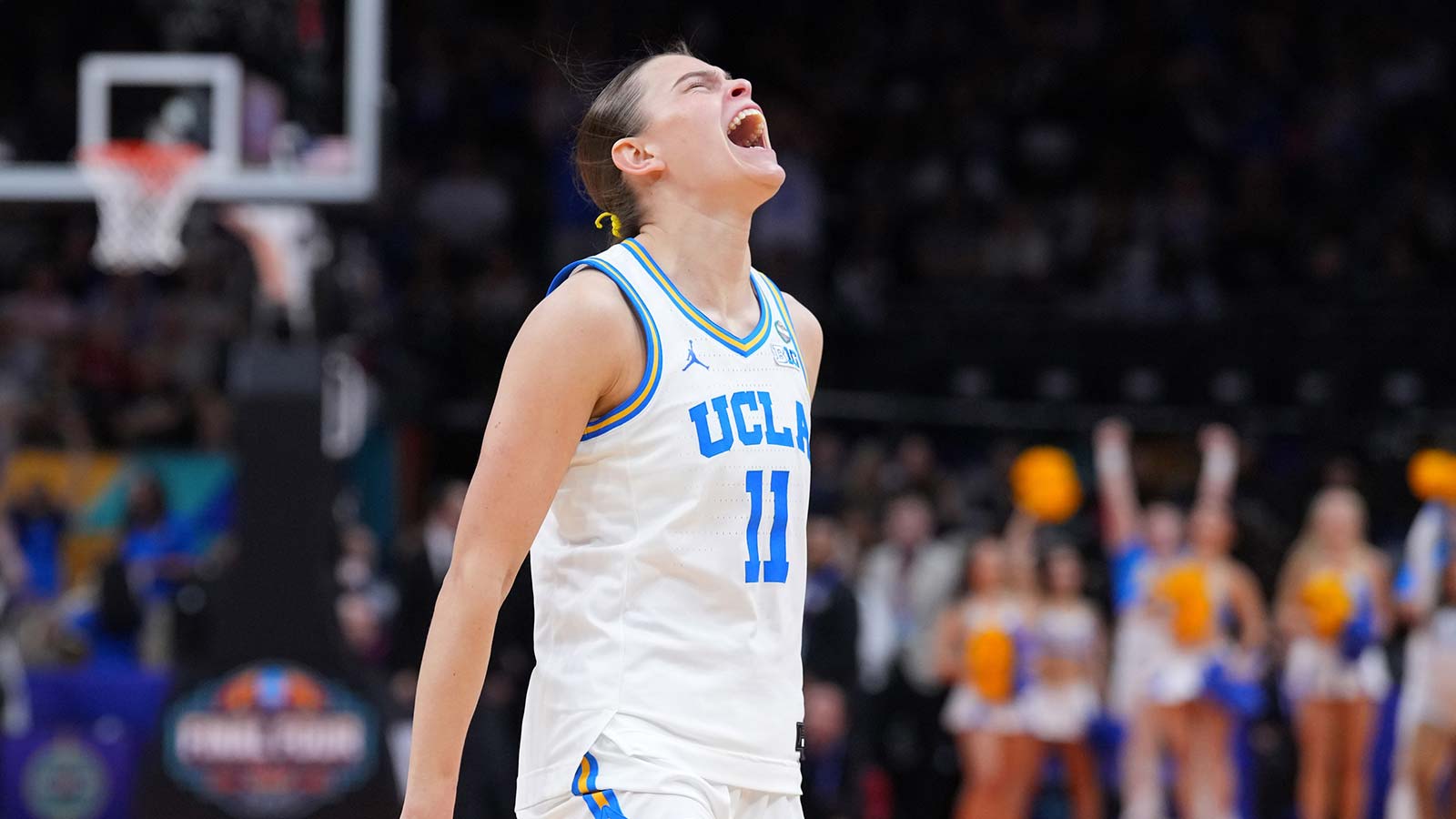
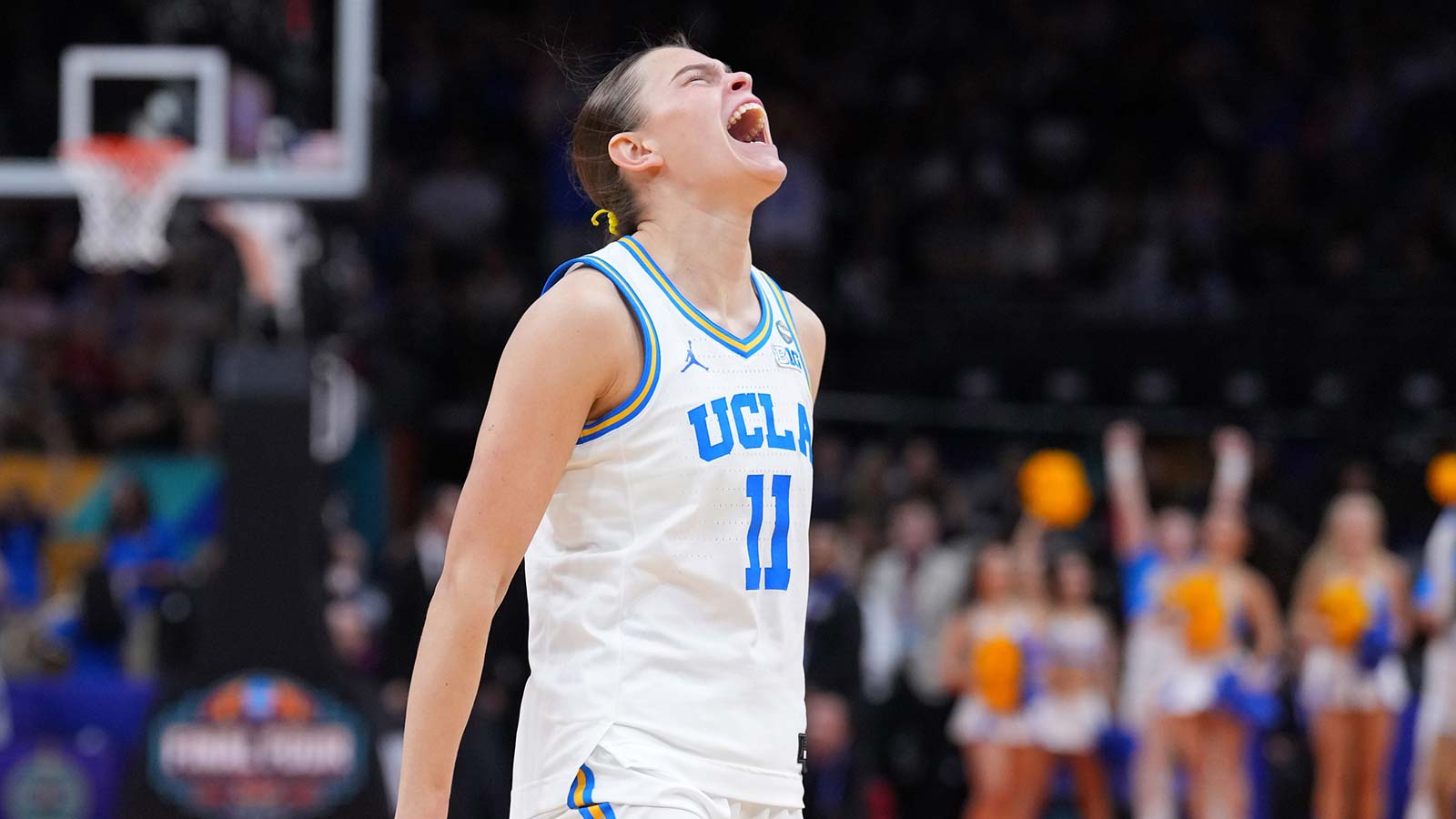
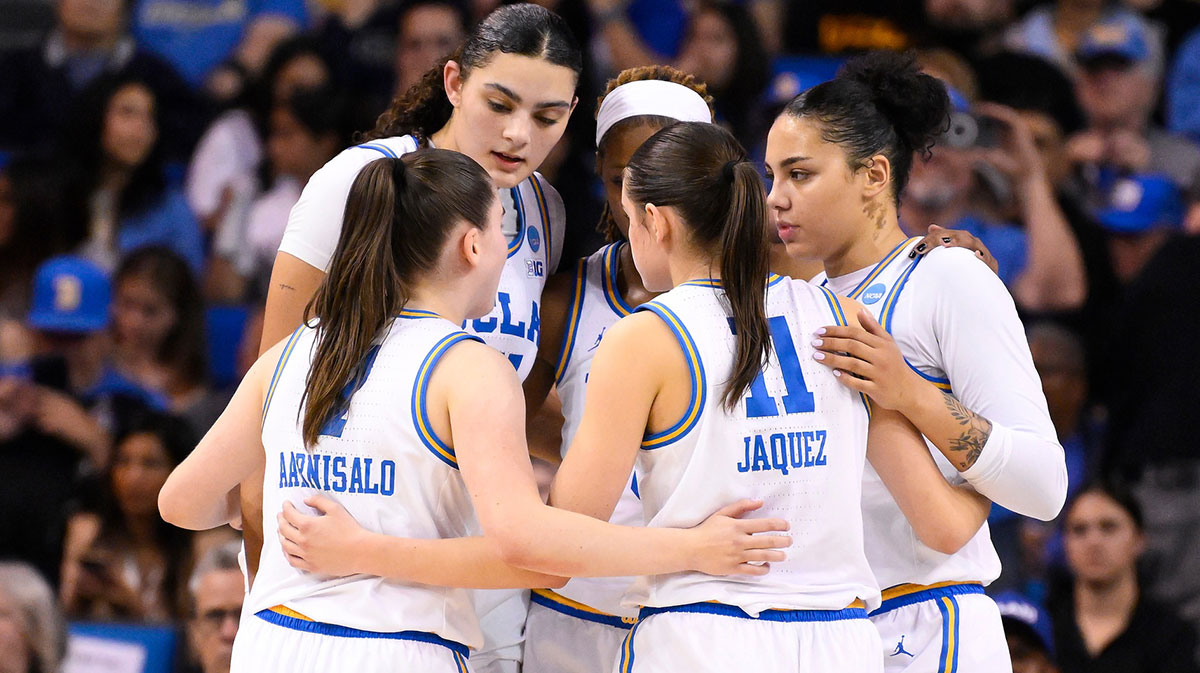
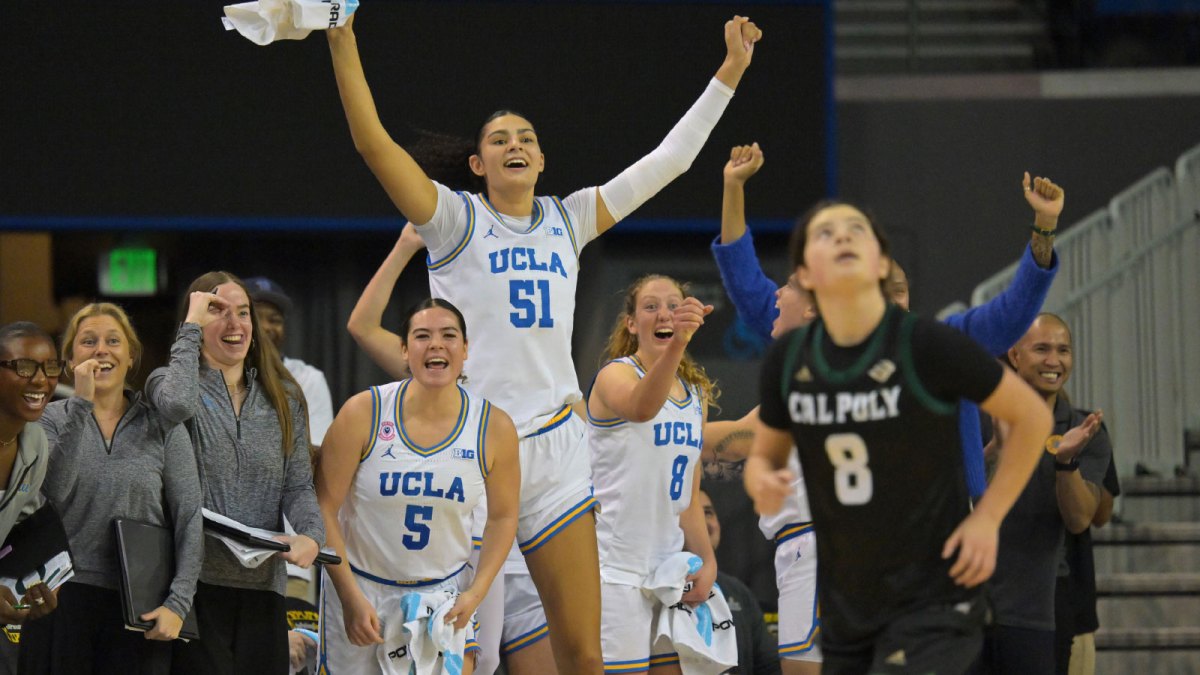
4. UCLA (=)
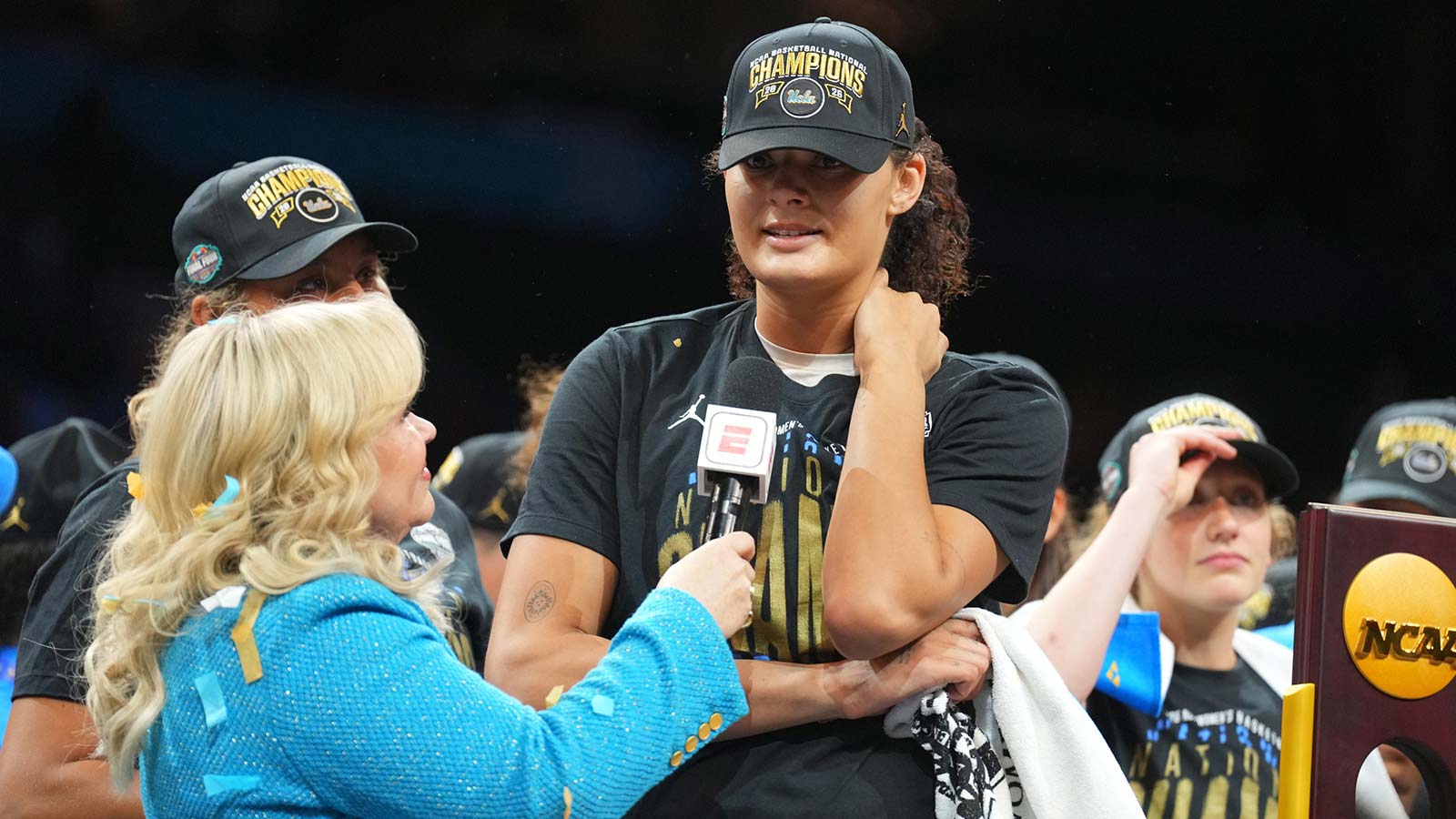
UCLA women's basketball distinguished itself during this stretch with a performance that underscored its growth away from home. The Bruins displayed poise under pressure, responding to momentum swings with composure rather than panic. Their offense flows best when the ball moves side-to-side, and that rhythm was evident late in December.
Defensively, UCLA showed an improved ability to close possessions, limiting second chances and controlling the boards. These elements combined to reinforce their status as a legitimate threat capable of winning in hostile environments.
5. LSU (=)
LSU women's basketball ended December in emphatic fashion, leaning into its offensive firepower while continuing to refine its defensive rotations. The Tigers’ ability to score in waves remains unmatched by most of their peers, yet what stood out late in the month was improved discipline.
Turnovers were limited, shot selection improved, and bench contributions became more consistent. While questions remain about how this style translates against equally physical opponents, LSU’s December performance left little doubt about its capacity to overwhelm most teams on the schedule.
6. Maryland (+1)
Maryland’s late-December results reflected a team peaking at precisely the right moment. Their execution in transition, combined with strong rebounding, allowed them to control games early and never relinquish momentum.
Maryland’s offense thrives on balance, with multiple scoring threats preventing defenses from overcommitting. Defensively, the team has embraced physical play without sacrificing positioning. This blend of aggression and control positions Maryland as one of the most complete units heading into the new year.
7. Michigan (-1)
Michigan’s December body of work showcased consistency more than spectacle, yet that steadiness is precisely what elevates the program nationally. The Wolverines execute their sets with precision, rarely forcing shots or overextending defensively.
Late-month performances emphasized efficient scoring and strong perimeter defense. Michigan’s ability to stay composed, even when games slow down, speaks to a mature roster comfortable operating within its system. While they may not dominate headlines, their reliability makes them a dangerous opponent for anyone.
8. TCU (=)
TCU’s undefeated momentum carried through December largely because of discipline. The Horned Frogs rarely beat themselves, valuing possessions and communicating well on defense. Offensively, they thrive on spacing and timing rather than isolation, which allows them to maintain scoring consistency even when shots are not falling. December’s quiet slate did little to diminish their standing; instead, it reinforced the idea that TCU’s success is built on sustainable habits rather than short-term bursts.
9. Oklahoma (+1)
Oklahoma closed December with a sense of quiet confidence. Their offense is methodical, designed to exploit mismatches through movement rather than speed alone. Defensively, the Sooners excel at forcing opponents into late-clock decisions. What stood out during the late-month stretch was their ability to adjust mid-game, shifting defensive looks and offensive emphasis as needed. This adaptability suggests a team well prepared for the strategic demands of league competition.
10. Iowa State (-1)
Iowa State’s unblemished December record reflects a program firing on all cylinders. The Cyclones excel at creating efficient shots through ball movement and spacing, and their defensive effort often sparks offensive runs. Even during a lighter holiday schedule, their focus never wavered. Iowa State’s greatest strength may be its collective confidence. Players trust the system and one another, resulting in a style that is both disciplined and assertive.
11. Kentucky (+1)
Kentucky’s December performances highlighted a team growing more comfortable with its identity. The Wildcats balance strong interior play with improved perimeter shooting, making them difficult to scheme against. Defensively, Kentucky has become more physical without sacrificing discipline, a development evident late in the month. Their ability to build and protect leads suggests maturity, and while challenges await, December provided encouraging signs of upward momentum.
12. Vanderbilt (-1)
Vanderbilt’s late-December dominance showcased an offense capable of explosive scoring while maintaining structure. The Commodores push tempo when opportunities arise but are equally comfortable operating in half-court sets. Their defensive pressure forces opponents into rushed decisions, often leading to easy transition points. December reinforced Vanderbilt’s reputation as one of the most efficient and disciplined groups outside the traditional elite.
13. Louisville (+2)
Louisville closed December with steady, if unspectacular, performances that nonetheless reinforced its national relevance. The Cardinals rely on balance, spreading scoring responsibilities across the roster and emphasizing defensive accountability. While not always overpowering, Louisville’s consistency and attention to detail keep them competitive against a wide range of styles. December’s results suggested a team building toward sharper execution as the season progresses.
14. Iowa (-1)
Iowa’s late-December showing highlighted resilience. After earlier setbacks, the Hawkeyes responded with assertive offense and improved defensive communication. Ball movement was crisp, and scoring came from multiple positions. Iowa’s willingness to push the pace while maintaining control reflects a team learning from experience. December served as a reminder that Iowa women's basketball remains a formidable presence capable of surging at the right time.
15. Ole Miss (-1)
Ole Miss navigated December with an emphasis on defensive structure. Their ability to limit opponent efficiency kept games manageable even when offensive stretches cooled. Late-month performances showed improved shot selection and greater patience in half-court situations. Ole Miss may not overwhelm opponents, but their disciplined approach and physical defense make them difficult to break down.
16. North Carolina (=)
North Carolina’s December body of work reflected steady growth. The Tar Heels have embraced balance, spreading scoring responsibilities while emphasizing defensive rebounding. Late-month games highlighted improved execution in late-game situations, an area that often separates contenders from pretenders. North Carolina’s trajectory suggests a team gaining confidence with each outing.
17. USC (=)
USC’s December surge was defined by resilience. Facing pressure situations, the Trojans responded with composure and physicality. Their defensive effort stood out, particularly in limiting transition opportunities. Offensively, USC women's basketball demonstrated an ability to adjust mid-game, finding production through movement rather than reliance on individual brilliance. December elevated their national standing significantly.
18. Notre Dame (=)
Notre Dame women's basketball closed December with renewed offensive energy. Ball movement improved, and scoring became more evenly distributed across the lineup. Defensively, the Irish showed increased intensity, particularly on the perimeter. This combination produced one of their most complete performances of the season late in the month. Notre Dame’s December form suggested a team rediscovering its rhythm at a crucial juncture.
19. Ohio State (=)
Ohio State’s late-December results underscored competitiveness even in defeat. The Buckeyes demonstrated an ability to stay within striking distance against elite opposition, relying on defensive toughness and timely shooting. Their resilience and refusal to fold under pressure speak to strong internal culture. December reinforced Ohio State’s reputation as a program capable of challenging anyone on a given night.
20. Nebraska (+2)
Nebraska’s December run showcased discipline and confidence. Even when faced with setbacks, the team maintained structure and effort. Their offense thrives on spacing and unselfish play, while defensively, they emphasize positioning over gambling. Nebraska’s late-month performances suggested a group capable of weathering adversity without losing identity.
21. Texas Tech (+2)
Texas Tech’s December emergence was one of the month’s most notable developments. The Red Raiders combined physical defense with opportunistic scoring, disrupting more established opponents. Their energy level remained high throughout games, and bench contributions proved meaningful. December validated Texas Tech’s place among the nation’s most competitive programs.
22. Baylor (-2)
Baylor’s late-December performances reflected experience. While not flawless, the Bears relied on veteran poise to navigate close stretches. Their offense remains efficient when patient, and defensively, they communicate well in half-court settings. Baylor’s December form suggested a team capable of steady improvement as competition intensifies.
23. Tennessee (-2)
Tennessee women's basketball’s December stretch was defined by grit. The Volunteers leaned on defensive pressure and rebounding to compensate for offensive inconsistency. Late-month games highlighted improved execution in transition and a willingness to battle for possessions. Tennessee’s identity remains rooted in toughness, a foundation that served them well as December concluded.
24. Michigan State (=)
Michigan State ended December with a reputation for discipline. The Spartans value possessions, defend without fouling, and execute their sets with precision. Their ability to control tempo allows them to remain competitive even against more athletic opponents. December reinforced Michigan State’s standing as a program built on fundamentals and resilience.
25. Princeton (=)
Princeton’s December success was grounded in structure and intelligence. The Tigers execute one of the most disciplined systems in the country, emphasizing spacing, cuts, and unselfish play. Defensively, they rely on positioning rather than athleticism alone. December’s results highlighted how preparation and cohesion can level the playing field against more heralded programs.
As December closed, the national picture revealed both clarity and intrigue. A small group of programs established clear separation through dominance and consistency, while a deep middle tier demonstrated that competitive balance is stronger than ever. December’s performances were not merely about wins and losses; they revealed habits, resilience, and adaptability — qualities that matter most as the season advances.
With league schedules looming and intensity set to rise, the hierarchy established in late December serves as both a benchmark and a challenge. Some teams will solidify their standing, others will surge, and a few may fade. What remains certain is that the foundation laid during this stretch will shape the storylines that define the months ahead.