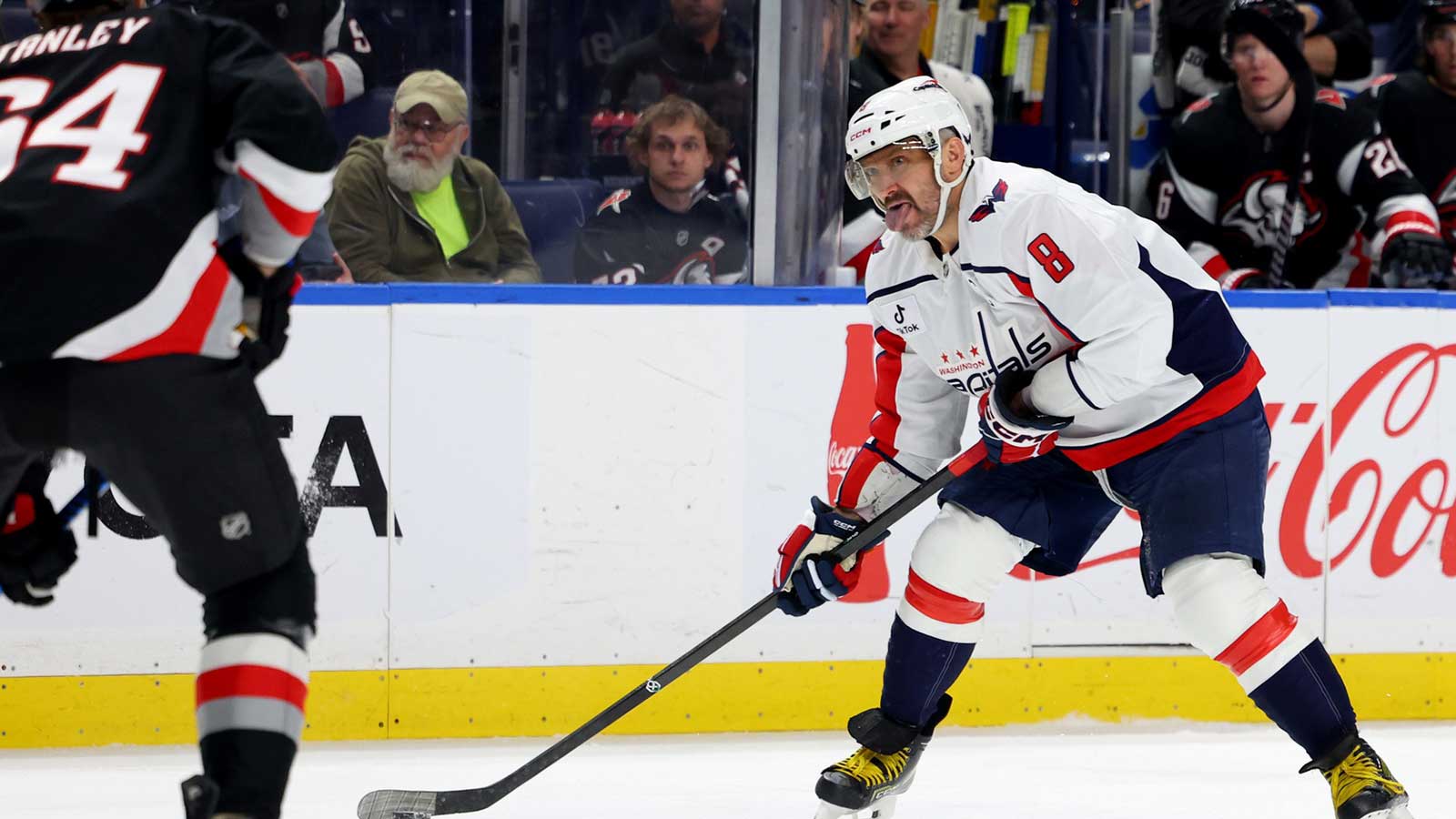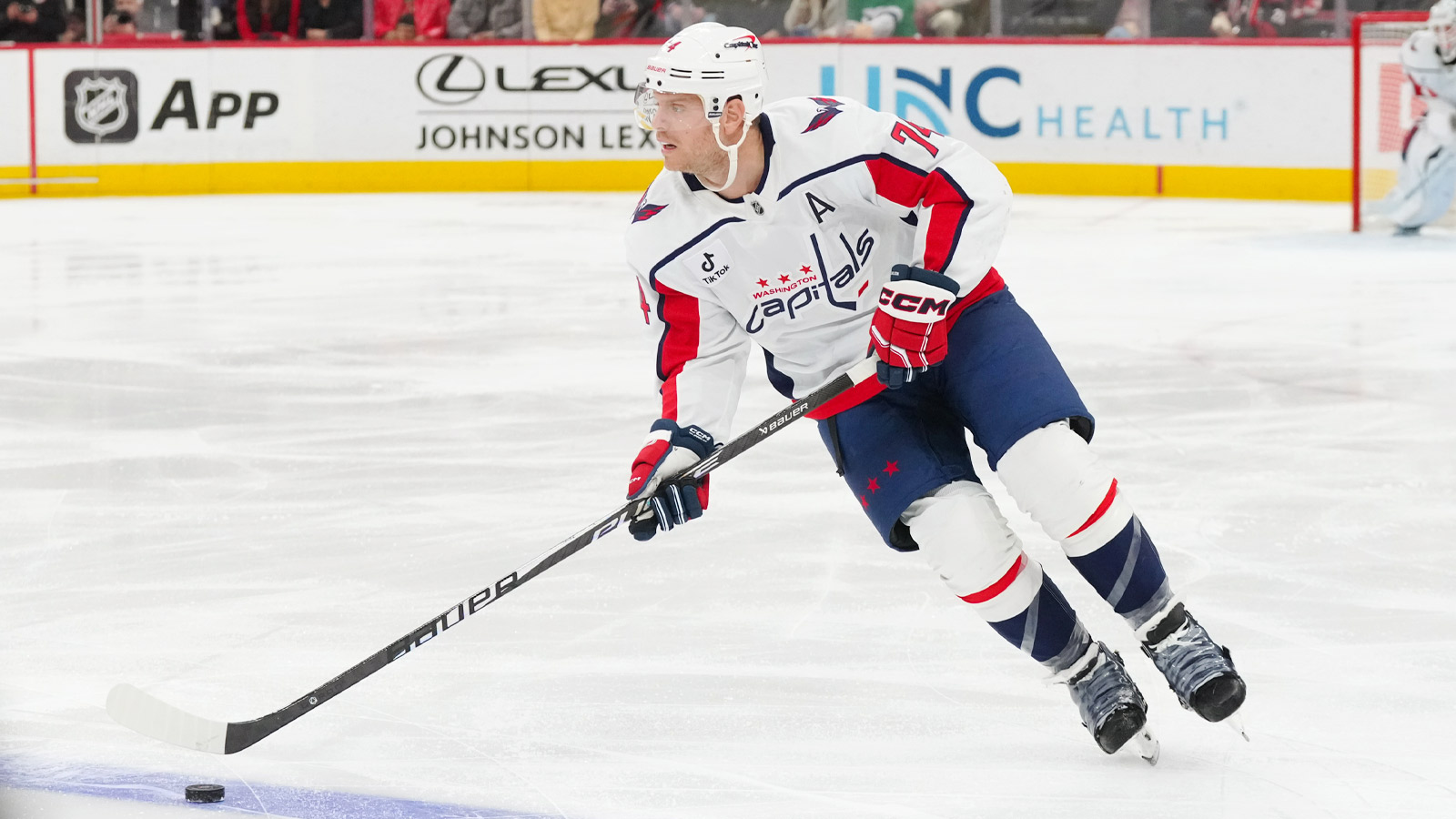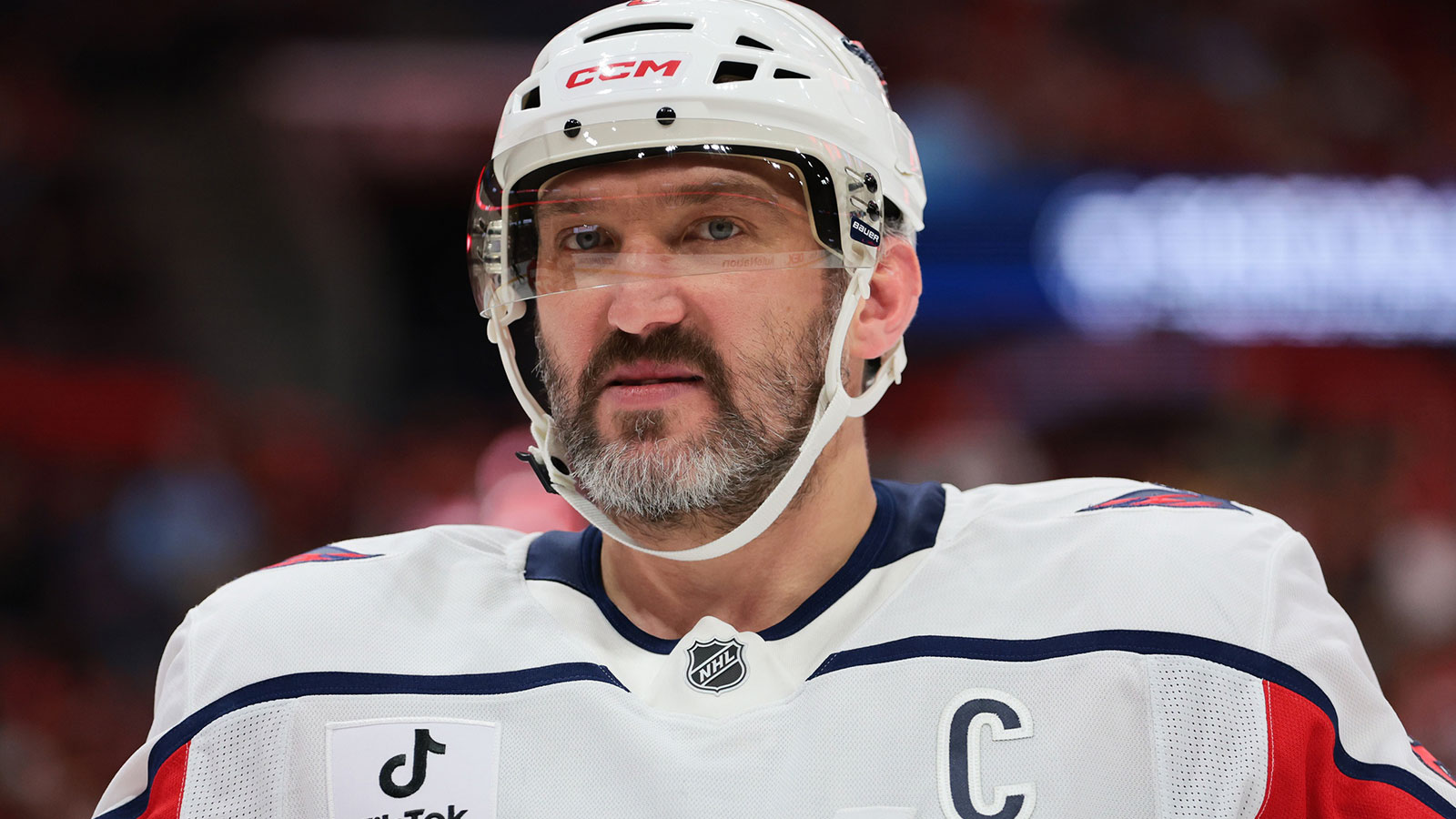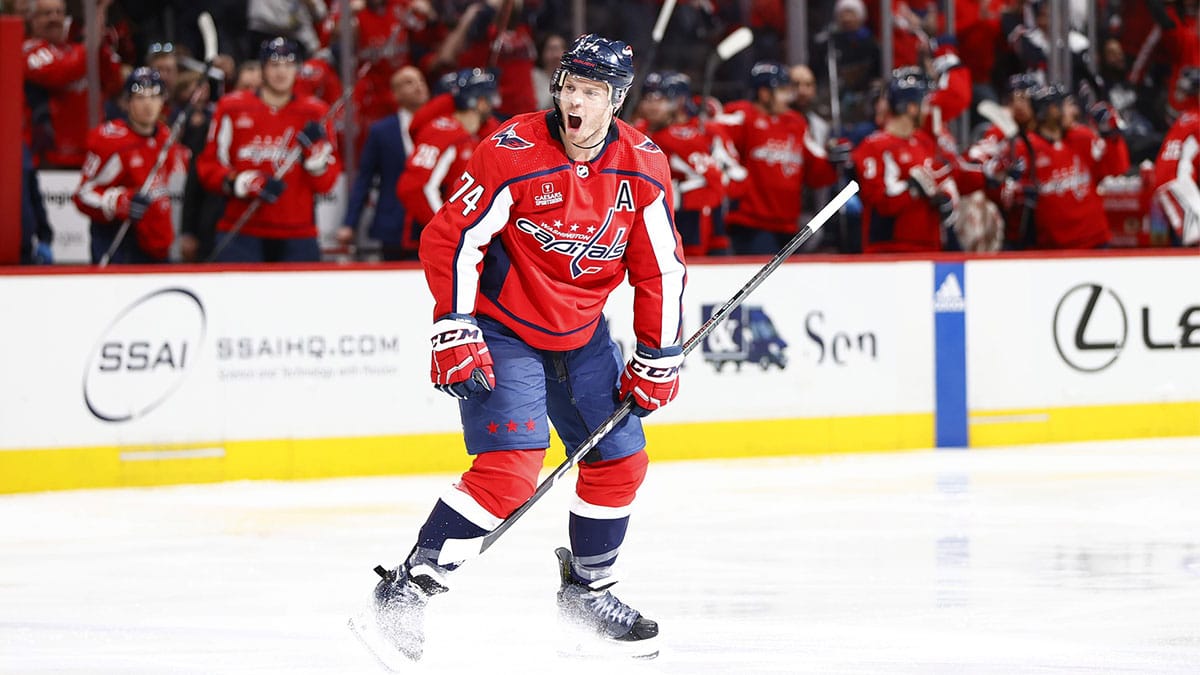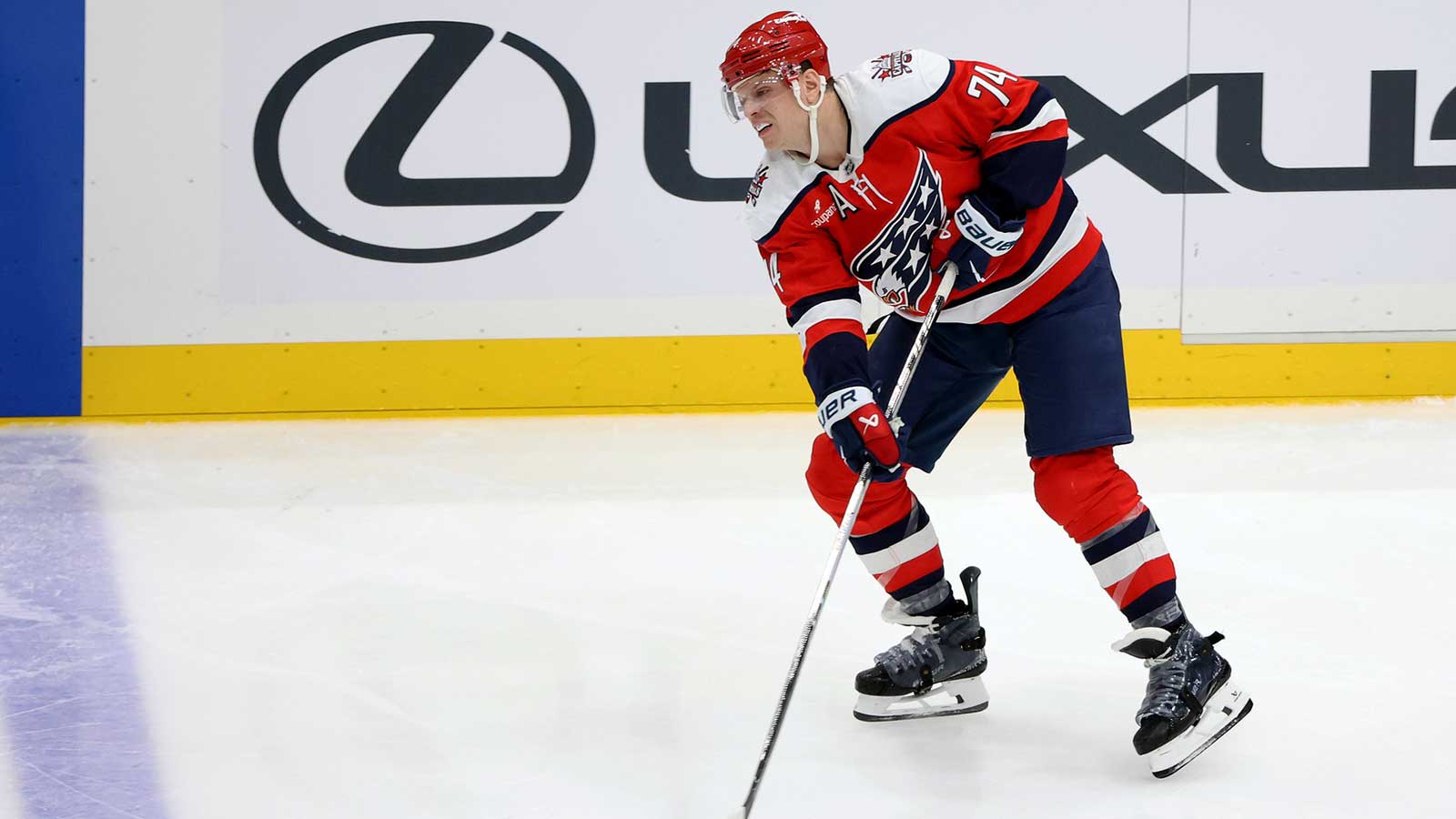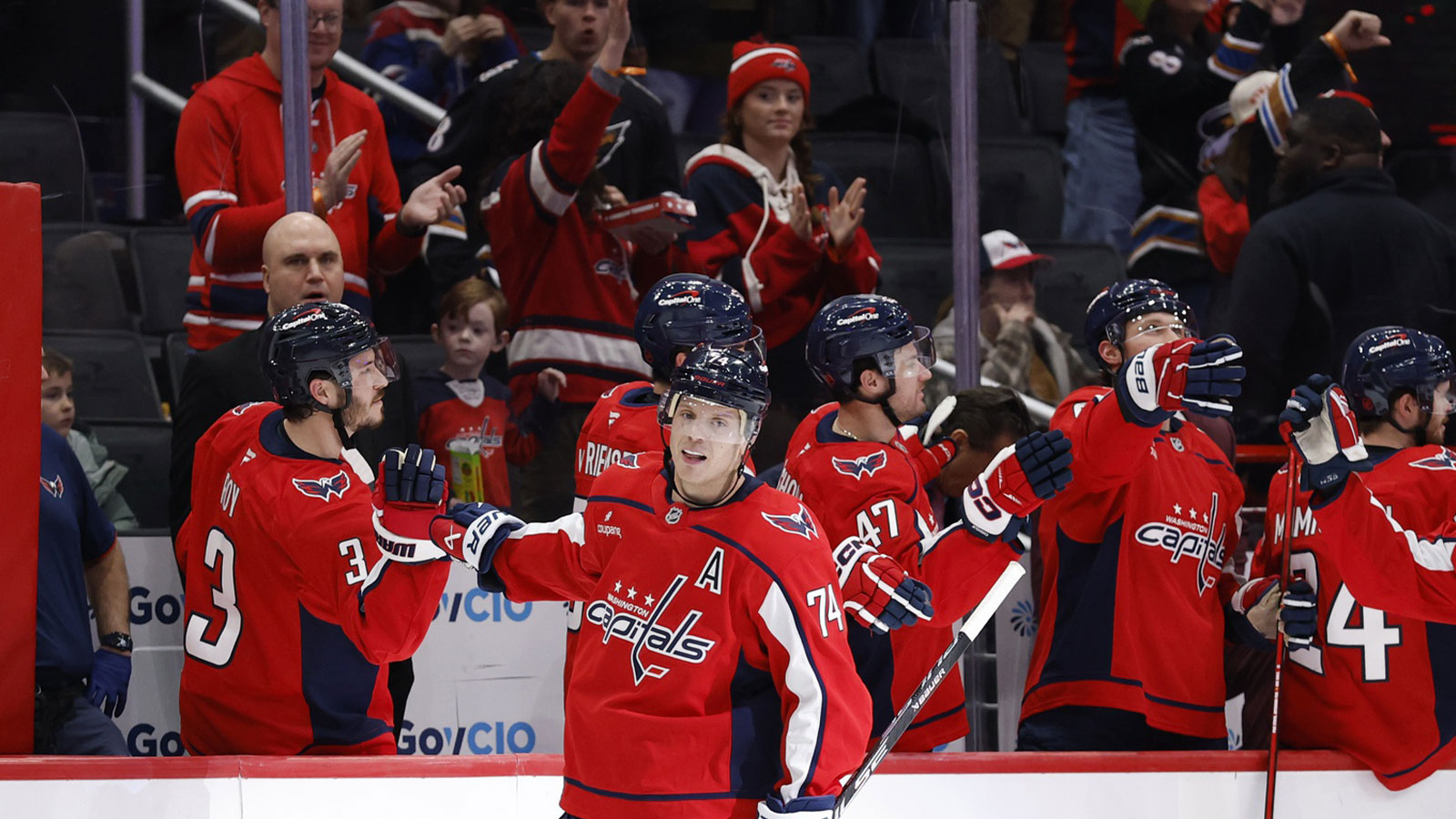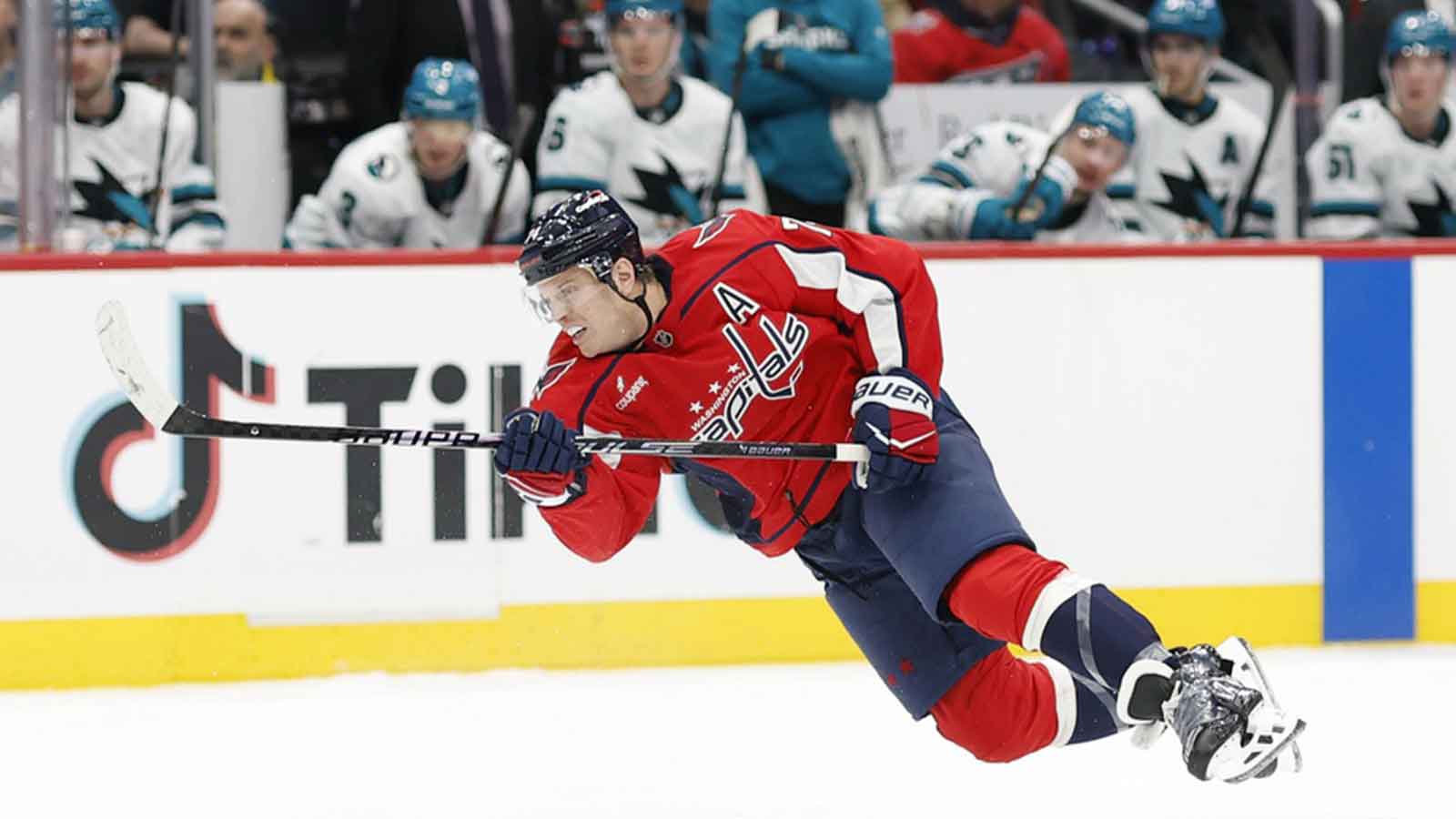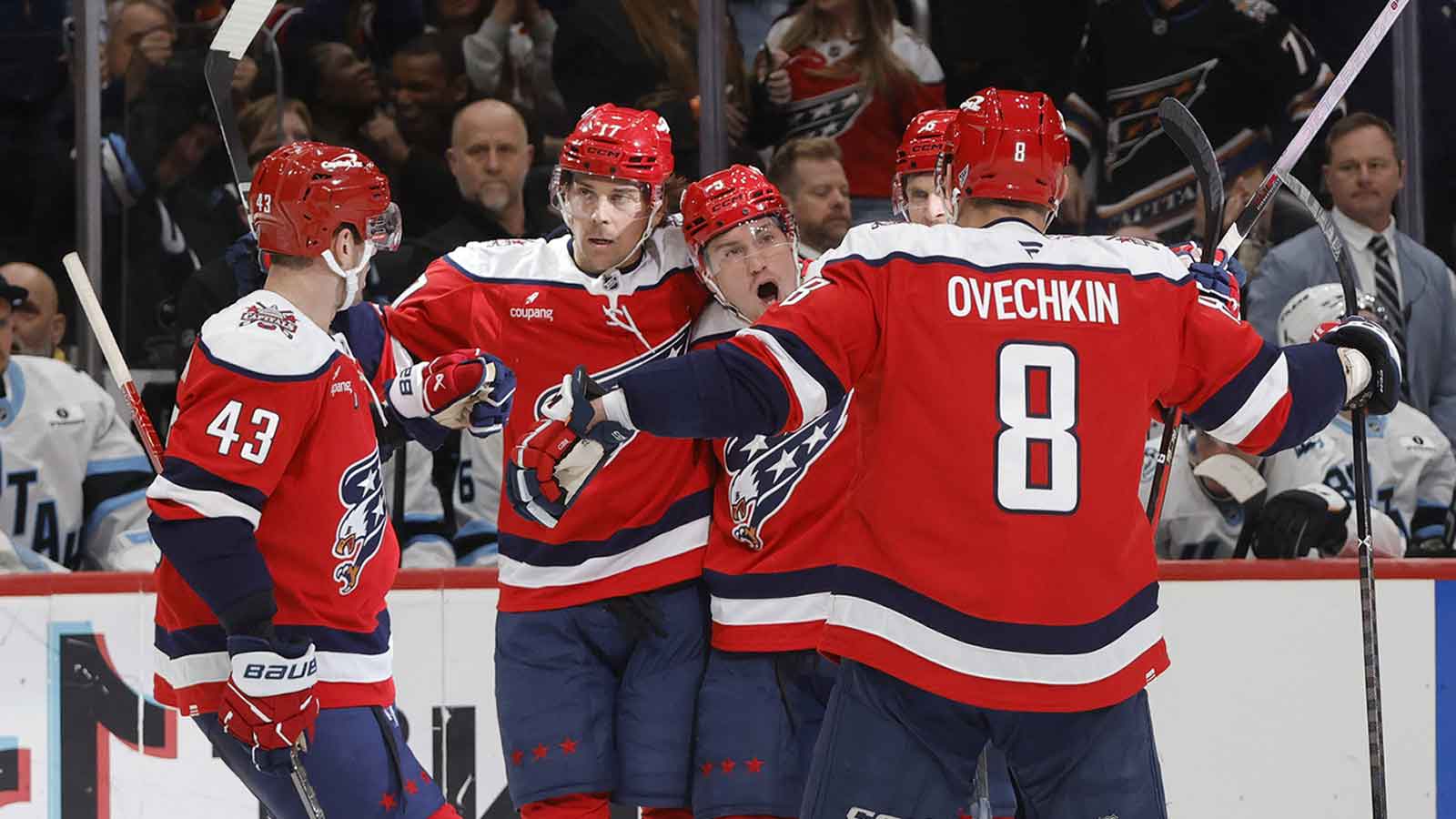

The Washington Capitals sit at 7-6-1 through their first 14 games of the 2025-26 season, and the panic meter is starting to rise in the nation's capital. After finishing atop the Eastern Conference standings last season with 111 points, watching your team cling to the eighth playoff spot feels like a catastrophic drop-off. However, the reality of what's happening in Washington is far more nuanced than the win-loss record suggests.
The Capitals are actually playing excellent hockey right now, but the hockey gods simply haven't cooperated. Their underlying analytics tell a story completely at odds with their record.
Elite Defense Masking Offensive Struggles

The most compelling reason not to panic is Washington's defensive prowess. The Capitals are allowing just 2.27 goals against per game, which ranks first in the entire NHL. This isn't a fluky sample size either—through 14 games, Washington has been disciplined, structured, and methodical in their approach to keeping pucks out of the net.
More importantly, the team's expected goals against sits at a league-leading rate, meaning they're not just getting lucky with shot distribution. Their defensive core of John Carlson, Matt Roy, Jakob Chychrun, and the rest of the group is executing Spencer Carbery's system to near-perfection. The defense isn't the problem; if anything, it's been the Capitals' greatest strength.
The issue lies on the other end of the ice, where scoring has been painfully inconsistent.
Expected Goals and Underlying Metrics Tell the Real Story
Here's the key stat that should ease Capitals fans' minds: Washington had the third-highest expected goals percentage at 56.1% early in the season, according to advanced analytics. This means the Capitals are creating quality scoring chances at an elite rate.
The power play sits at just 18.2% efficiency, ranking 24th in the league, but as one analyst noted, it's still early and their five-on-five play has been strong. The problem isn't their overall quality of play—it's that the team has been brutal at capitalizing on the opportunities they're generating. That's the kind of slump that corrects itself when small-sample variance evens out over an 82-game season.
Context Matters: Injuries and Early-Season Rust
The timing of Pierre-Luc Dubois's season-ending injury couldn't have been worse. Washington's top-two-way centerman underwent surgery and will miss three to four months with abdominal and adductor injuries. Dubois was supposed to be a key contributor up the middle, providing defensive reliability while opening up space for other offensive weapons.
Furthermore, the Capitals are still in their team-building phase after last season's success. Alex Ovechkin has cooled off after his historic 44-goal campaign—an unsustainable pace—and several of last year's role players shot at unsustainable rates.
The team went 6-1-0 in its first seven games before hitting a rough patch. That early success shows the roster still has championship-caliber talent when everything clicks.
The Capitals' 7-6-1 record is concerning only if you ignore how they've been playing. A team that allows the fewest goals in hockey, generates elite chances at even strength, and possesses a championship-caliber roster doesn't stay at the bottom of the standings for long. Once their power play finds its rhythm and depth scorers start converting chances at sustainable rates, Washington will look like the elite team they were built to be.
The poor record isn't a harbinger of collapse—it's a temporary blip that will correct itself.