There is always a never-ending debate amongst NBA fans about the state of the league as a whole. Despite the league's immense talent and some of the highest competition the NBA has ever seen, discussions about ratings, attendance, salary cap numbers, and other factors outside of the game itself are often brought up to try to undermine the league's overall value.
This year has been no different, as the continued conversation about NBA ratings and other data associated with the league continues to be taken not only out of context but also simply presented from a skewed perspective.
As the 2025-26 NBA season winds down and both Commissioner Adam Silver and fans prepare for the playoffs, a new topic of conversation has arisen regarding the upcoming salary cap projections for the 2026-27 season.
The fact of the matter is that the health of the NBA could not be in a better spot.
There is at least one All-Star-level talent or rising star on each of the 30 franchises, the league is seeking to expand to new markets like Las Vegas and Seattle, and revenue across the league continues to hit new highs.
So, why are there continued negative conversations about NBA ratings, attendance numbers, and this upcoming salary cap?
Let's take a look at each of these topics to highlight all of the missing key context that proves the NBA couldn't be in a better spot than it is right now.
The myth surrounding NBA ratings
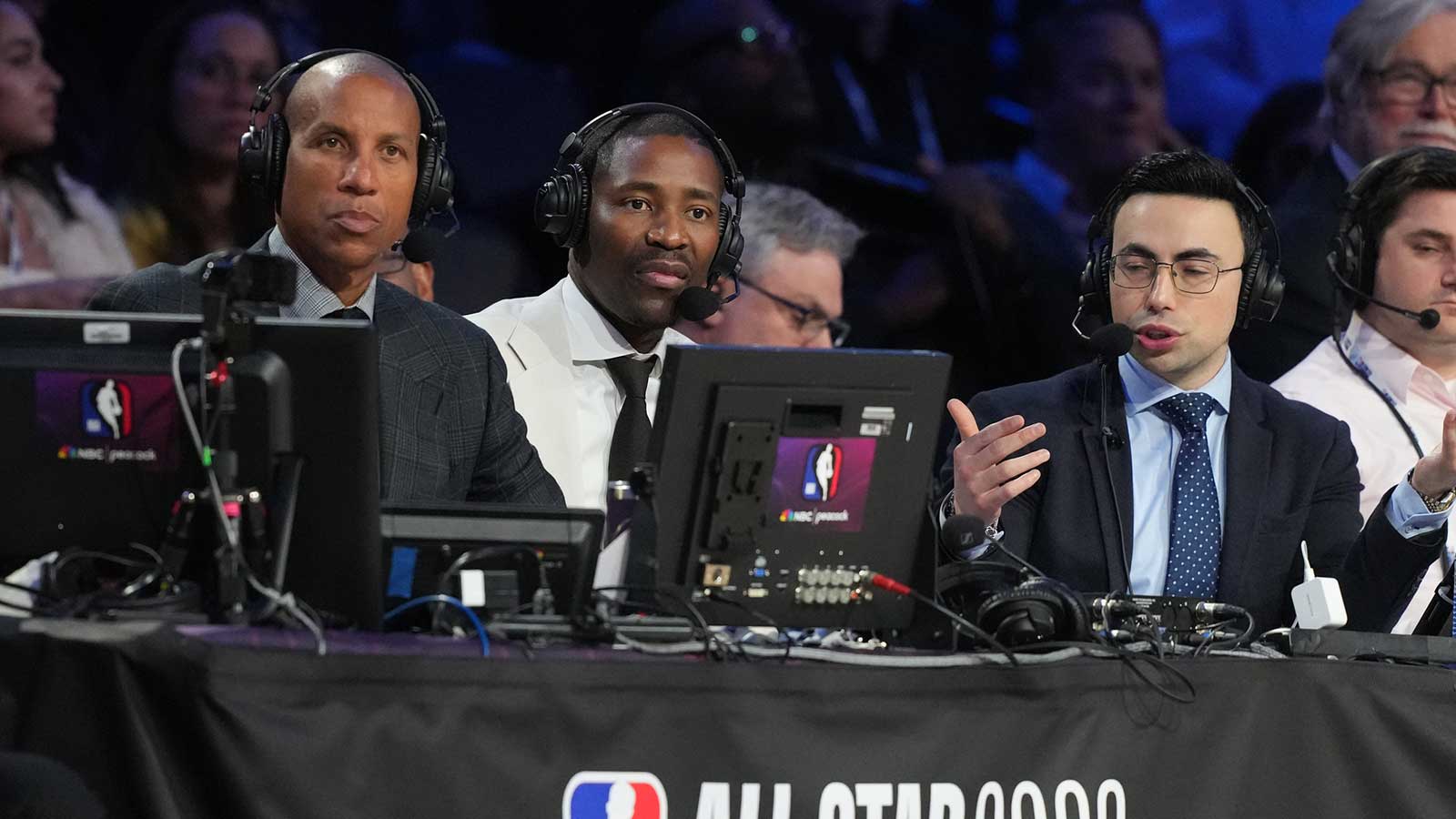
The NBA made headlines in 2024 when it agreed to a new 11-year, nearly $77 billion media rights deal with ESPN, NBC, and Amazon. With interest around the world in the league and basketball as a whole reaching new heights, this was the perfect time to introduce new options for fans to consume content, specifically in the form of streaming services.
At the time, there were concerns that this would limit exposure and accessibility to many NBA fans. However, the league's viewership numbers and ratings continue to steadily rise.
In the first season of the league's new $77 billion media rights era, nationally televised games on ESPN, NBC/Peacock, Amazon, and NBA TV are averaging their highest viewership in 13 years.
Heading into the All-Star break this year, regular-season games across these networks were averaging 1.8 million viewers per game, according to Sports Media Watch. NBA viewership on these main networks is up 16 percent from the 2024-25 season and the highest average at the All-Star break since 2018.
When you include NBA TV in the mix, the league's viewership is up 38 percent in total.
As far as the new networks go, viewership and ratings on NBC couldn't be better. The NBA on NBC is averaging an average of 2.6 million viewers per game, while ESPN/ABC games are averaging roughly 2.06 million viewers per game.
Compared to the MLB, which averaged 1.8 million views on ESPN's Sunday Night Baseball in 2025 and 2.04 million viewers on FOX, it's clear to see that the NBA is still dominating as the second-most popular sports league on television.
The 2026 NBA All-Star Game this year on NBC and Peacock drew an average of 8.8 million viewers, which topped last year's viewership by nearly 87 percent. That is quite the percentage increase for a league some try to say is “dying.”
When looking at the NBA compared to the MLB directly, for the full 2025 calendar year, including All-Star Games, the NBA's average of 2.03 million viewers ran laps around the MLB's 1.05 million average viewers. The NBA's viewership as a whole was up 94 percent compared to the MLB's, and baseball's most-watched game of 3.045 million viewers would have ranked as the eighth most-watched NBA game.
And to get a small glimpse at where the NBA ratings stand during the 2025-26 season, the league reported that there were more than 87 million people in the U.S. who had watched games on NBC/Peacock, ESPN, Amazon Prime Video, and NBA TV through the first two months of the season.
That is the most viewers the league has recorded through its first two months in 15 years and up 89 percent compared to the 2024-25 season.
More than 164 million people in the U.S. have watched nationally televised NBA games this season as of March, which is the most viewers at this point in the season since the 2001-02 season. The number of viewers across NBC/Peacock, ESPN, Amazon Prime Video, and NBA TV is up 84 percent compared to the same point in the season last year.
Aside from the television numbers and continued record-highs in ratings, the NBA has also seen an incredible rise in social media numbers during the 2025-26 season.
Across the four major sports leagues in America (NBA, NFL, MLB, and NHL), 37 of the 50 most followed athletes on Instagram are NBA players, and the NBA leads all four major sports leagues in social video views and engagement, generating tens of billions of annual views.
Last season, the NBA generated a record 124 billion views across social and digital platforms, up 67 percent year-over-year.
Interest in the NBA continues to hit new highs, which is why all the talk about ratings being down and the MLB surpassing the NBA as the second most popular league in America is nothing but a myth.
League attendance reaching all-time numbers
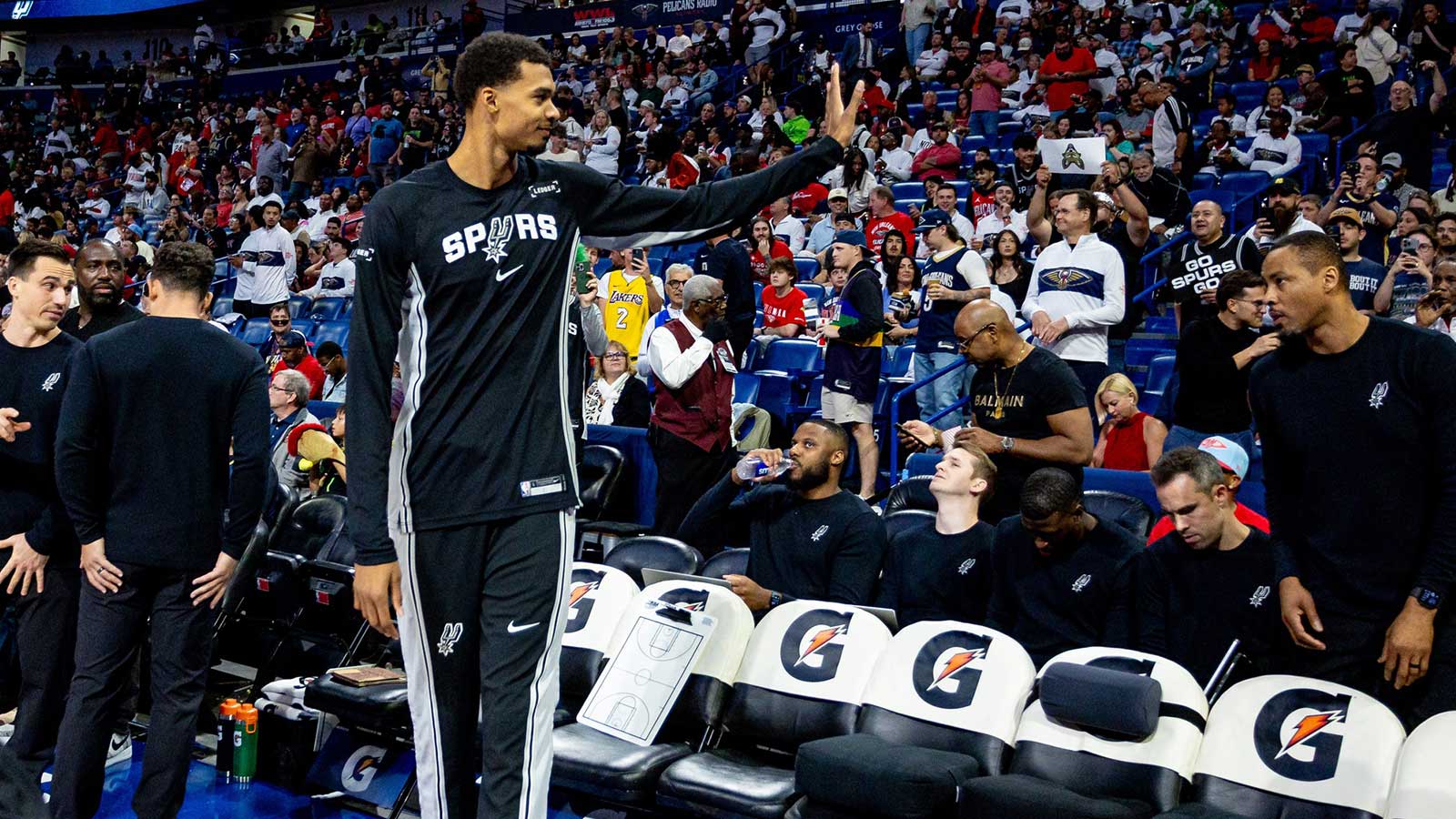
As ratings and social media engagement continue to increase during the 2025-26 NBA season, so does attendance at games for all 30 franchises.
There has been a lot of talk about tanking in basketball and teams not giving it their all to try and land a better pick in the 2026 NBA Draft, yet attendance and fan engagement at games continue to rise.
With two weeks left in the regular season, the NBA is on pace to surpass 22.3 million fans in attendance throughout the regular season for the third time ever. In doing so, the league would achieve its largest total attendance over a three-season span in league history.
Obviously, the well-known franchises and big-market teams will consistently dominate when it comes to sold-out crowds. The Golden State Warriors are one of them, as they recently just surpassed a milestone by celebrating their 600th straight sellout, a streak that began in 2012.
Teams like the Warriors, Los Angeles Lakers, and New York Knicks always play in front of sold-out crowds, but now we are seeing small-market teams lead the way when it comes to attendance numbers as well.
The Detroit Pistons, who recently ended their five-year drought a season ago, rank among the best in the league when it comes to total attendance this season, and they are on pace to finish the regular season with the best record in the Eastern Conference.
Then there is the Charlotte Hornets, who have been among the best in the league since the All-Star break. Hornets fans have been showing out in full force this season, recording a new franchise record for sellouts and continuously reaching new record highs for attendance. For a small-market team, Charlotte has suddenly become one of the best home-court advantages in the NBA.
With league attendance hitting record highs and fan engagement increasing, so have the valuations of NBA franchises.
Three of the top 10 highest-valued U.S. sports franchises are from the NBA (Warriors – $11.33B, Lakers – $10B, Knicks – $9.85B), while only two are from the MLB (Yankees – $9.4B, Dodgers – $9.05B), according to Sportico. The average valuation for NBA franchises is currently $5.51 billion, with the cheapest NBA franchise, the Memphis Grizzlies, being valued at $4 billion.
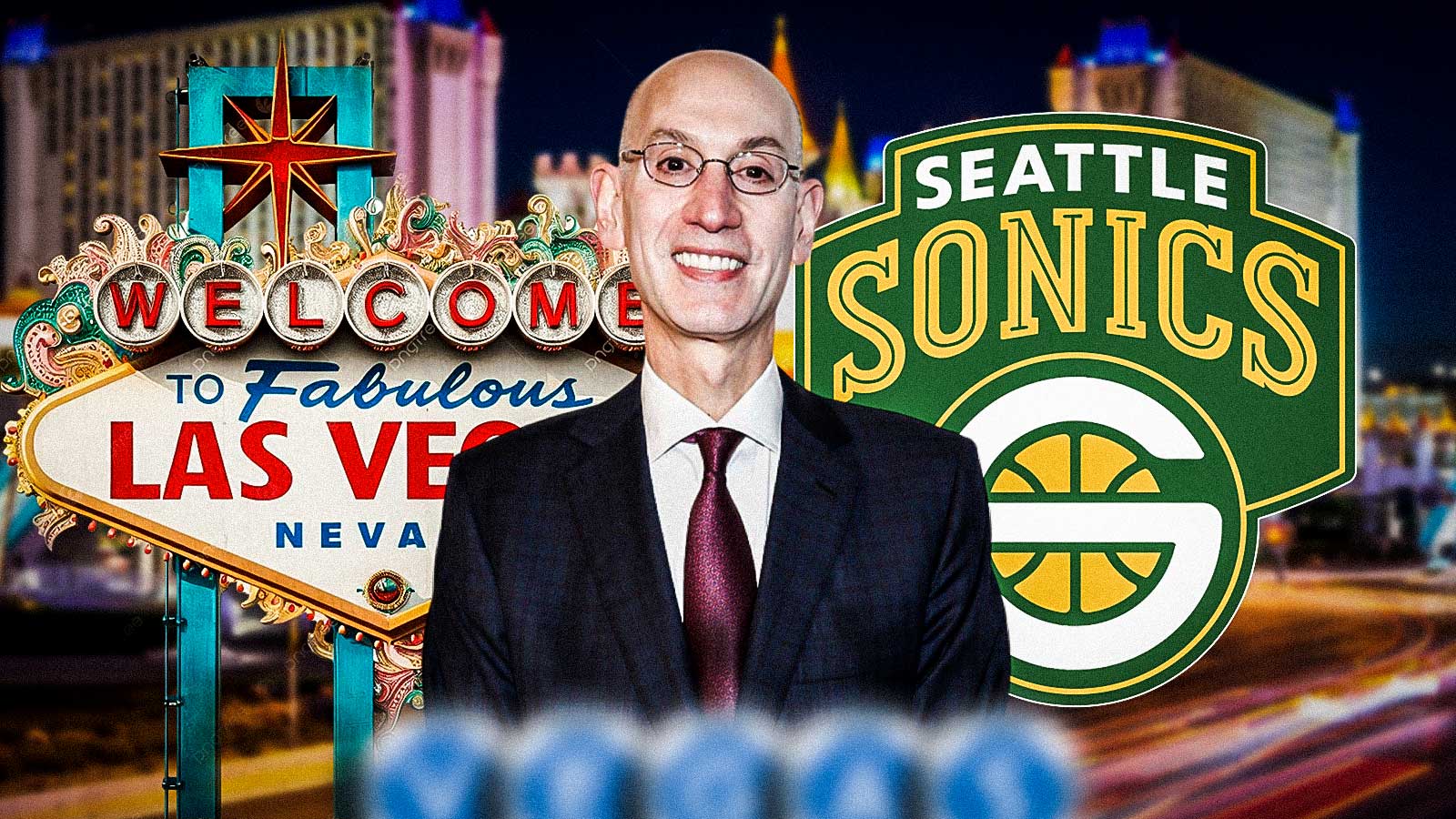
The NBA recently approved a vote to begin seriously considering expansion to Las Vegas and Seattle, and it is expected that these new markets will generate offers in the $7 billion to $10 billion range. Last year, the Boston Celtics sold for $6.1 billion, while the Los Angeles Lakers sold for $10 billion.
Record revenue and franchise valuations continue to drive the league in a positive direction financially.
Making sense of 2026-27 salary cap
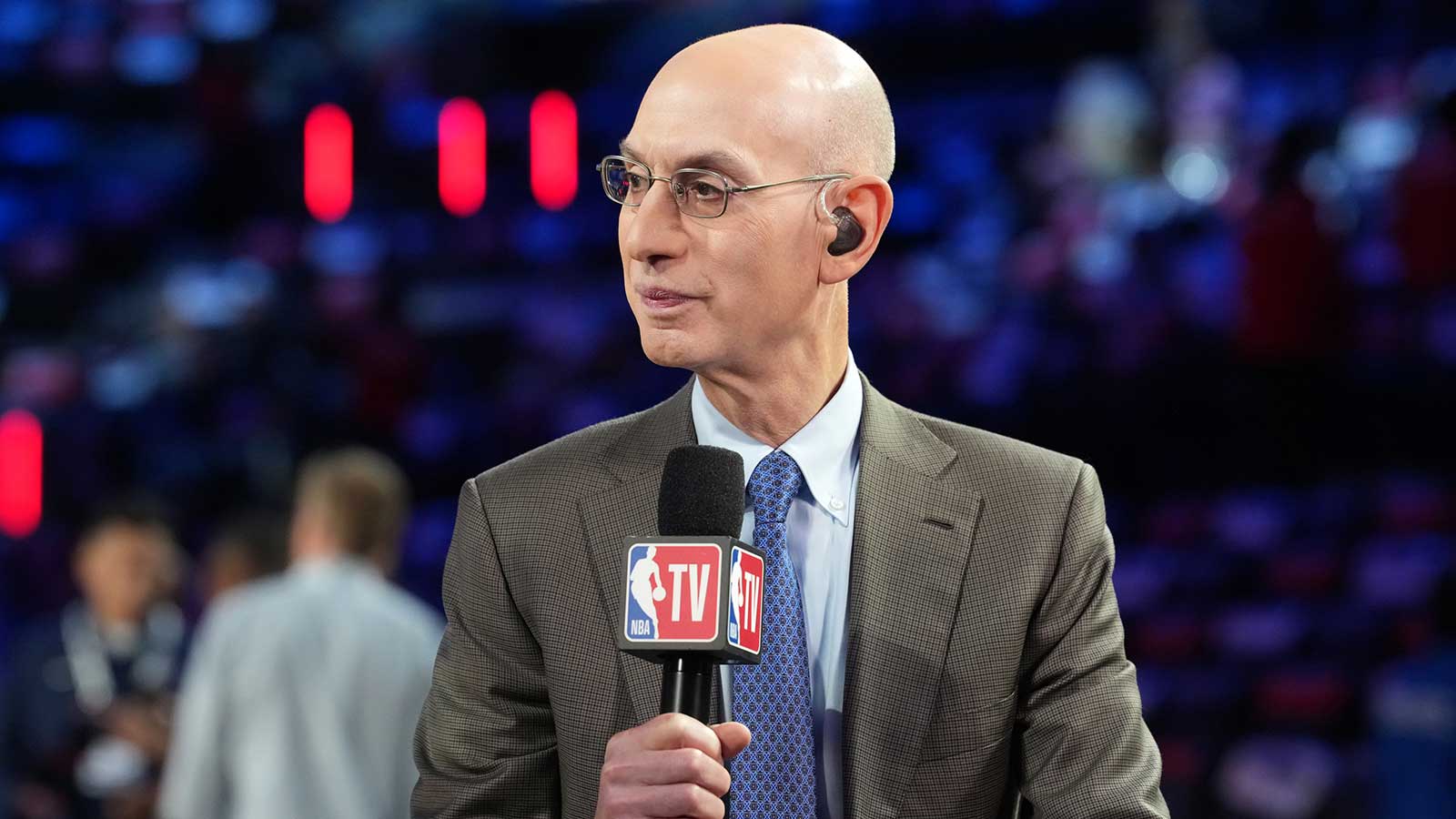
And finally, the main topic of discussion in the NBA as of late: the new salary cap numbers for the 2026-27 season.
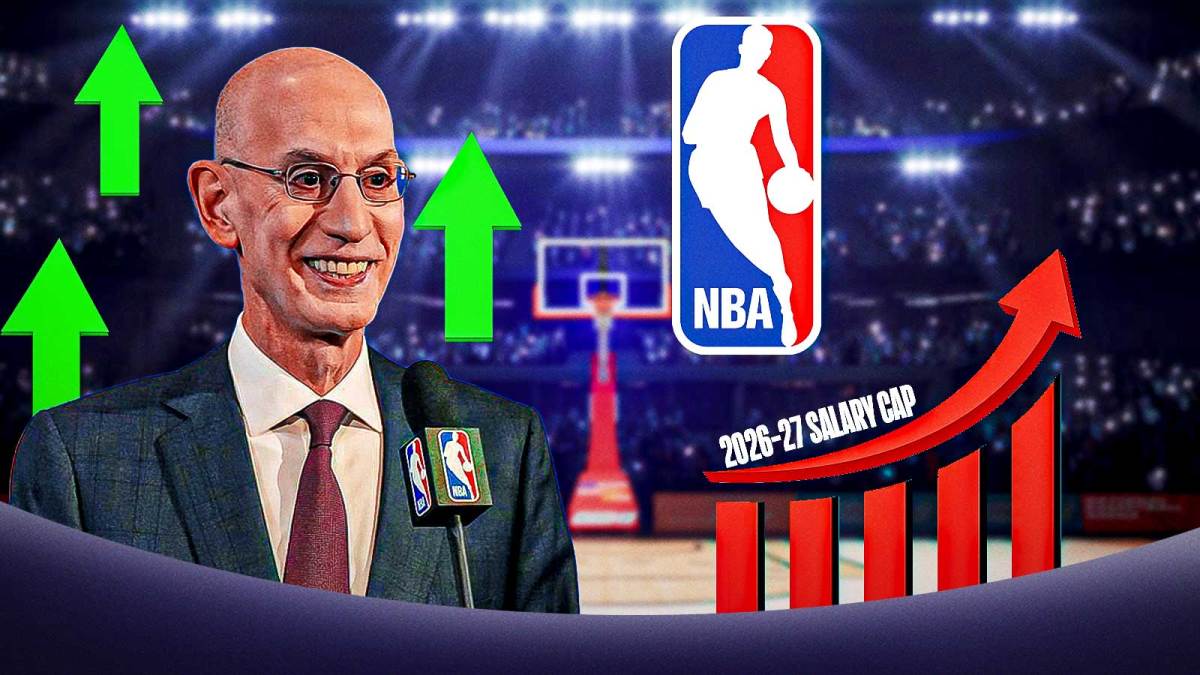
Although these numbers are subject to change and have yet to be finalized by the league office for next season, ESPN reported on Monday that the projected salary cap for the 2026-27 season will be $165 million, which is $1 million below previous outlooks and projections.
The main reason for this is due to the regional sports networks and local media revenue decreasing. More specifically, the reason for this is that Main Street Sports Group, which operates FanDuel Sports Network, is expected to shut down and go bankrupt as early as April.
This media company is on the verge of liquidation, which means some of the big NBA media partners, like Amazon, NBC, or even a new entity like YouTube TV, could swoop in and buy parts or all of Main Street Sports Group.
Although this may seem like a concern, it really isn't.
The slight $1 million decrease in the projected salary cap is nothing of significance, as the league's cap is still increasing by about 7 percent, which is roughly $10 million more per team in the league. When you do that math, that's an extra $300 million allocated to the teams compared to the 2025-26 season.
Perhaps the biggest point of emphasis with this new salary cap is that the only change is a slight trim from an earlier projection, not a year‑over‑year decrease. That is where a lot of NBA fans have been misinformed lately, as the NBA did not lose money and the valuations of the cap and franchises continue to rise heading into the 2026-27 season.
As for the other numbers associated with the cap, ClutchPoints was informed that the minimum cap will increase from about $139 million to about $149 million, and the luxury tax threshold is increasing from about $187.8 million to about $201 million, a nearly $13 million increase in spending power for teams.
Both the first and second tax aprons are also increasing by about $13 million each. These are still estimates and have yet to be finalized by the league for next season.
And of course, this small issue of the RSNs collapsing may easily be solved by the NBA in the offseason, as Sports Business Journal reported in early March that the NBA is exploring a national broadcast streaming hub for local broadcasts that would allow fans to watch games for all 30 teams.
The layout and format of this potential streaming service could be very similar to that of NFL Sunday Ticket.
Through the first year of its $77 billion media rights deal, the NBA has seen a steady increase, and this $1 million decrease in projections on the salary cap really doesn't mean anything since the cap and team revenue continue to increase drastically.
The NBA as a whole, when looking at the 30 franchises, is worth over $200 billion, the salary cap is increasing by over $10 million, and the league is just finishing the first year of its $77 billion media rights deals.
Contrary to some wild opinions about the status of the NBA, this league is doing just fine and continues to outperform expectations.