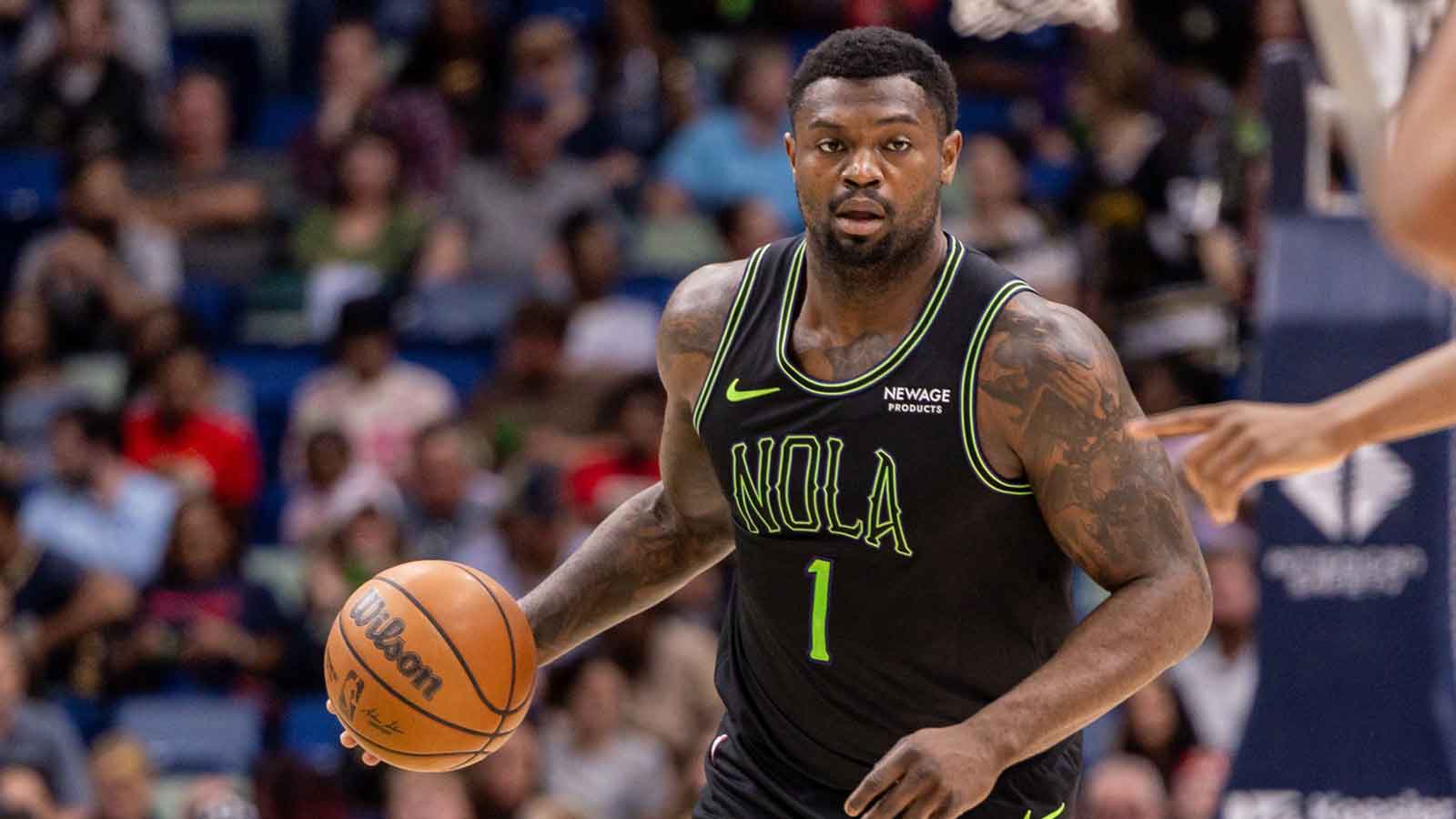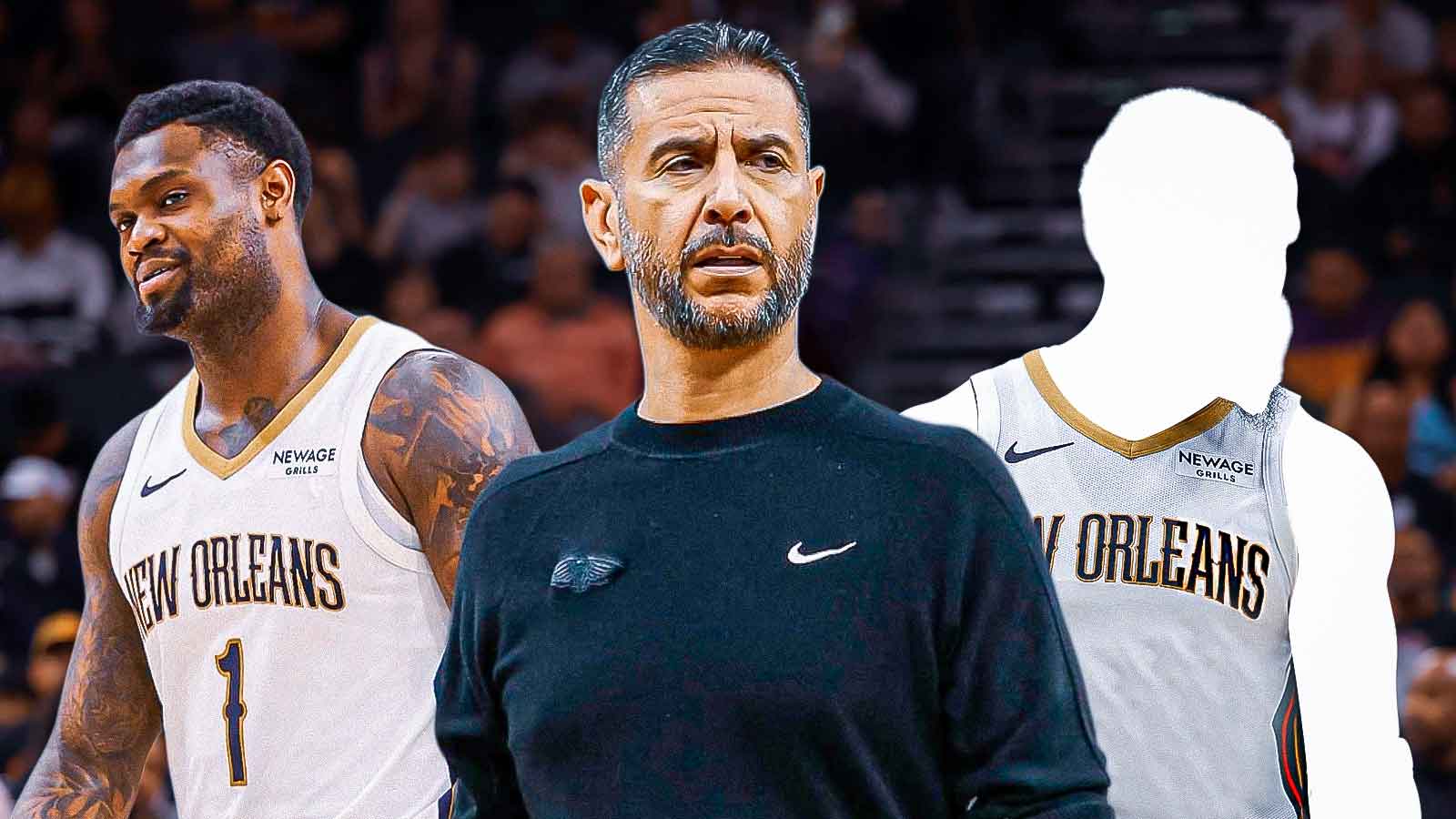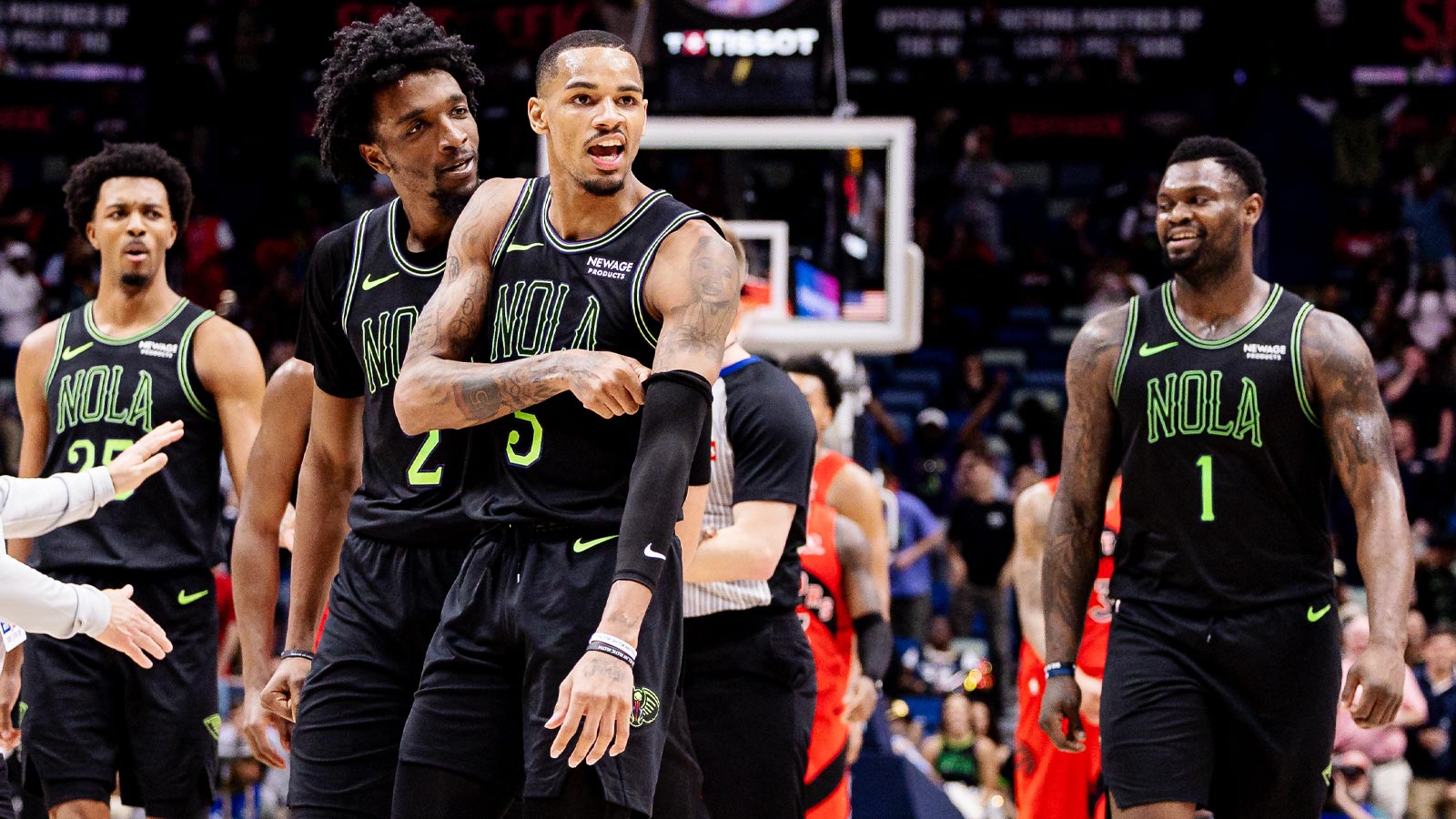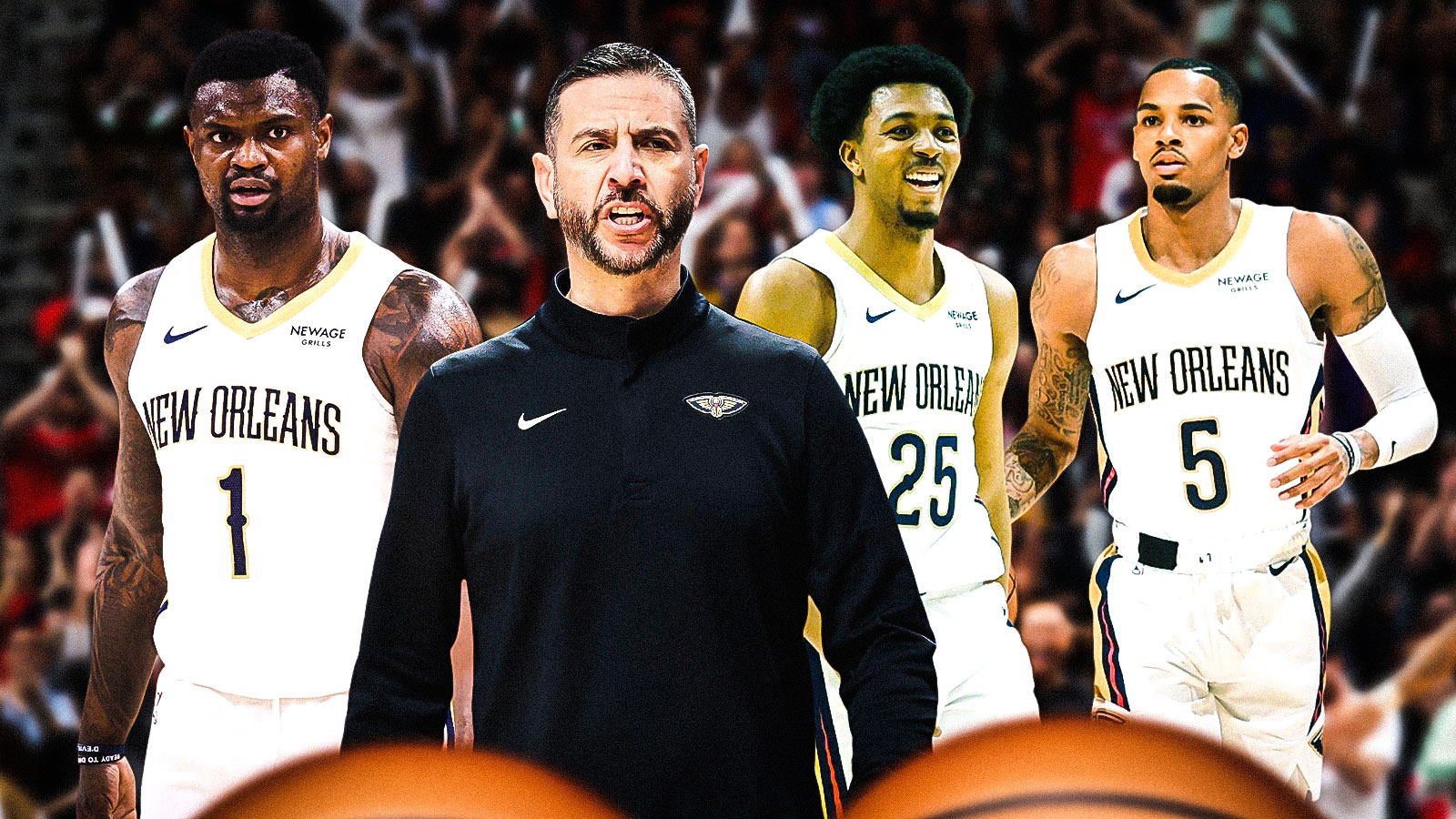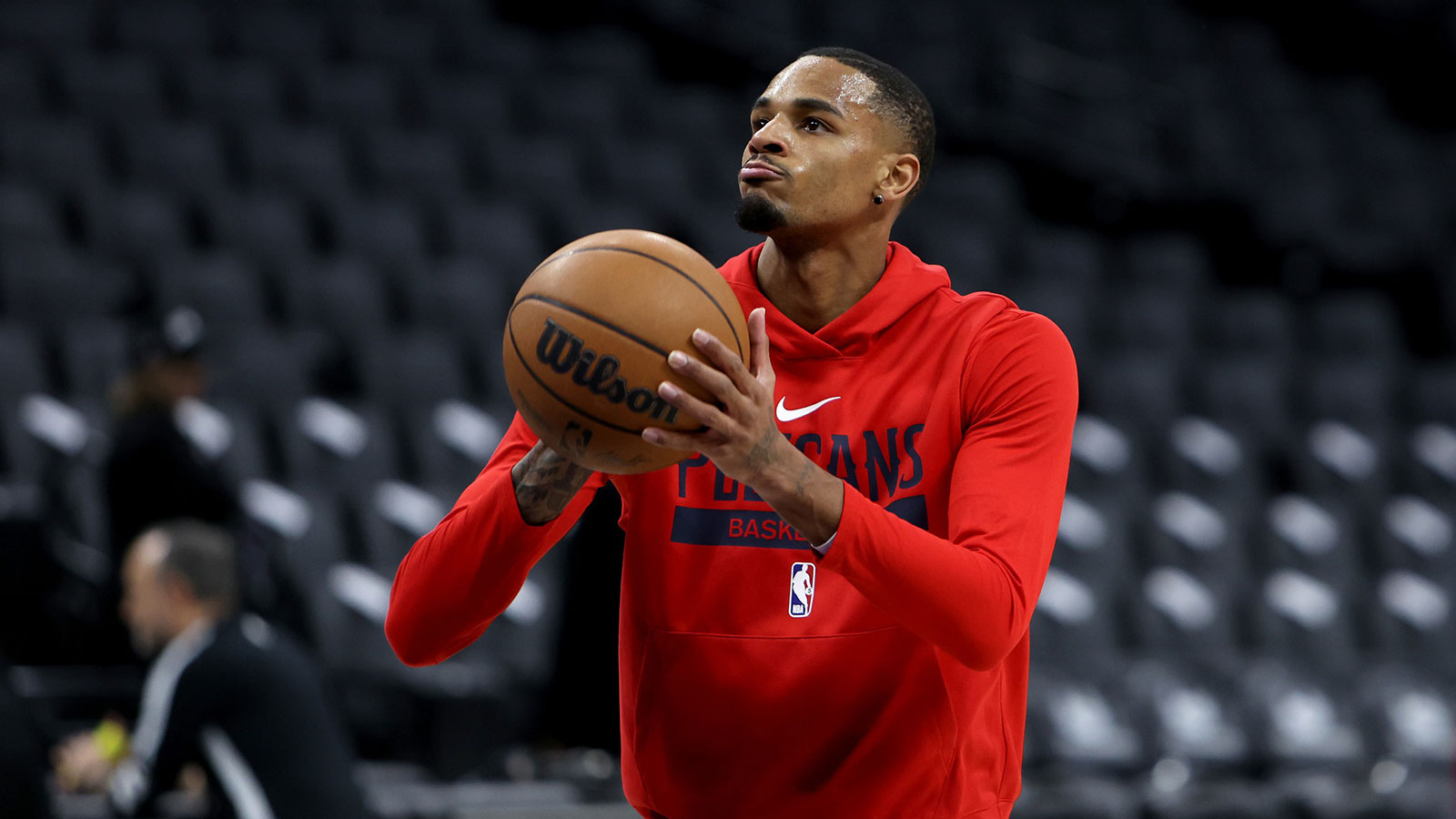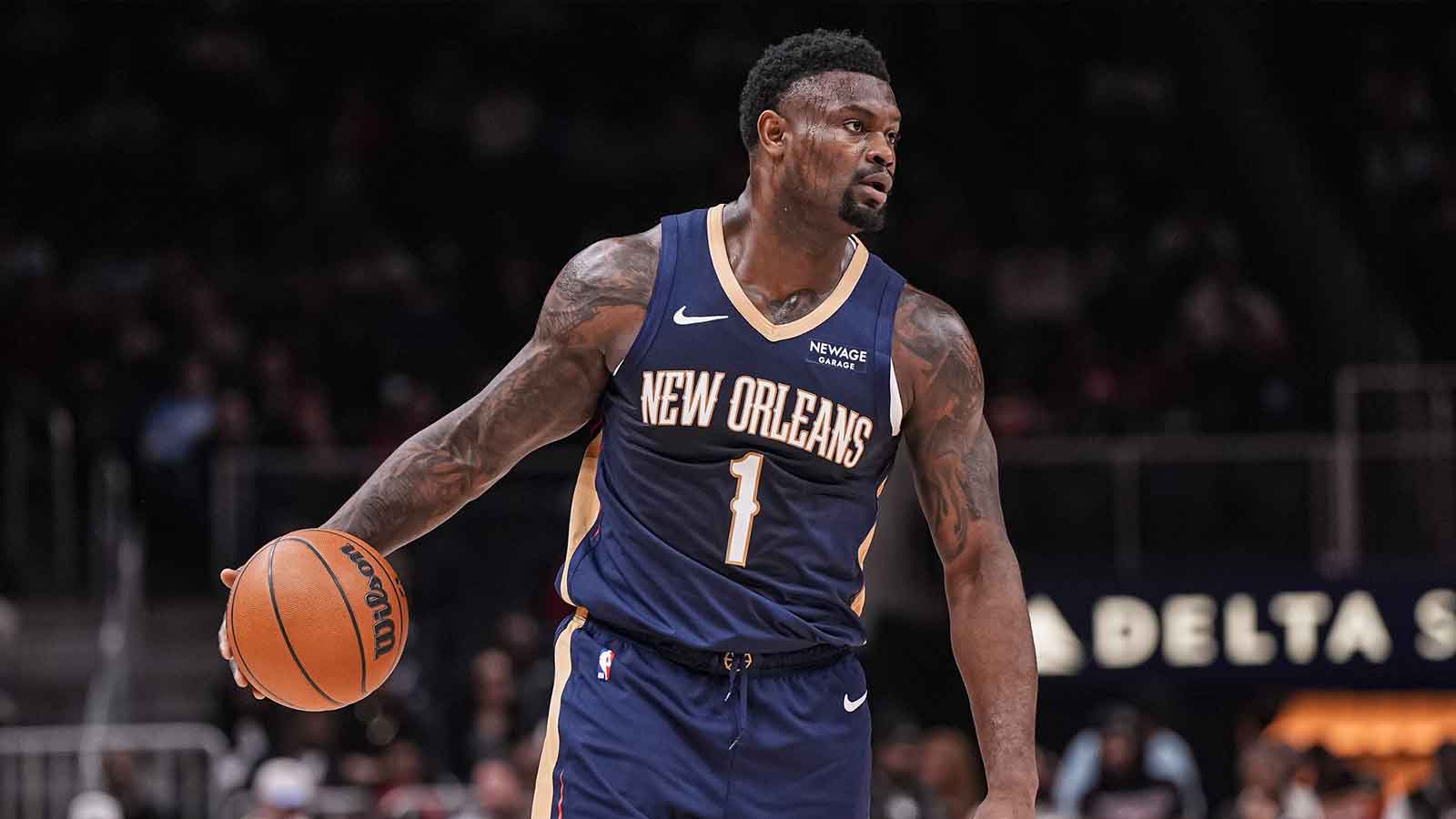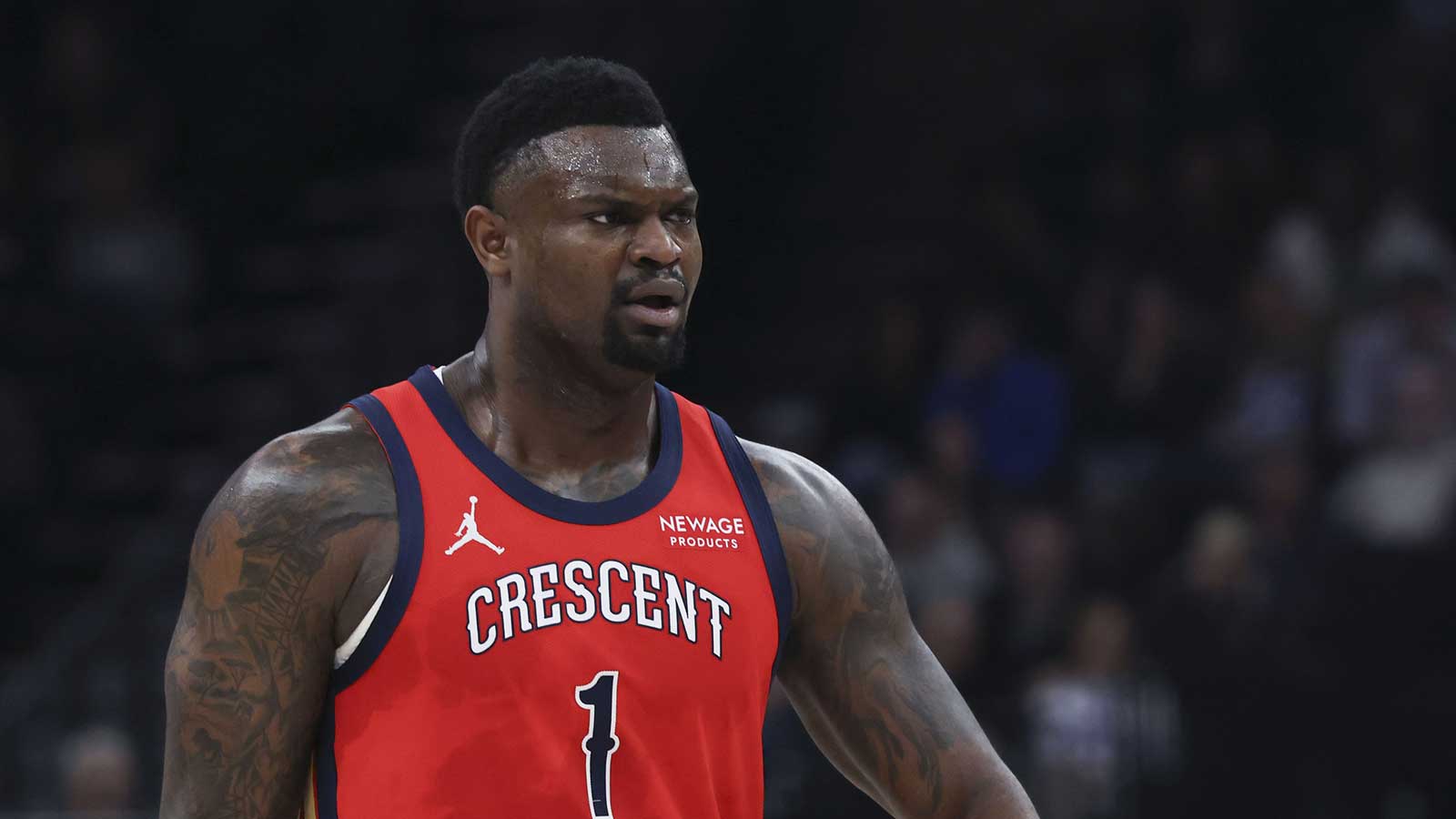
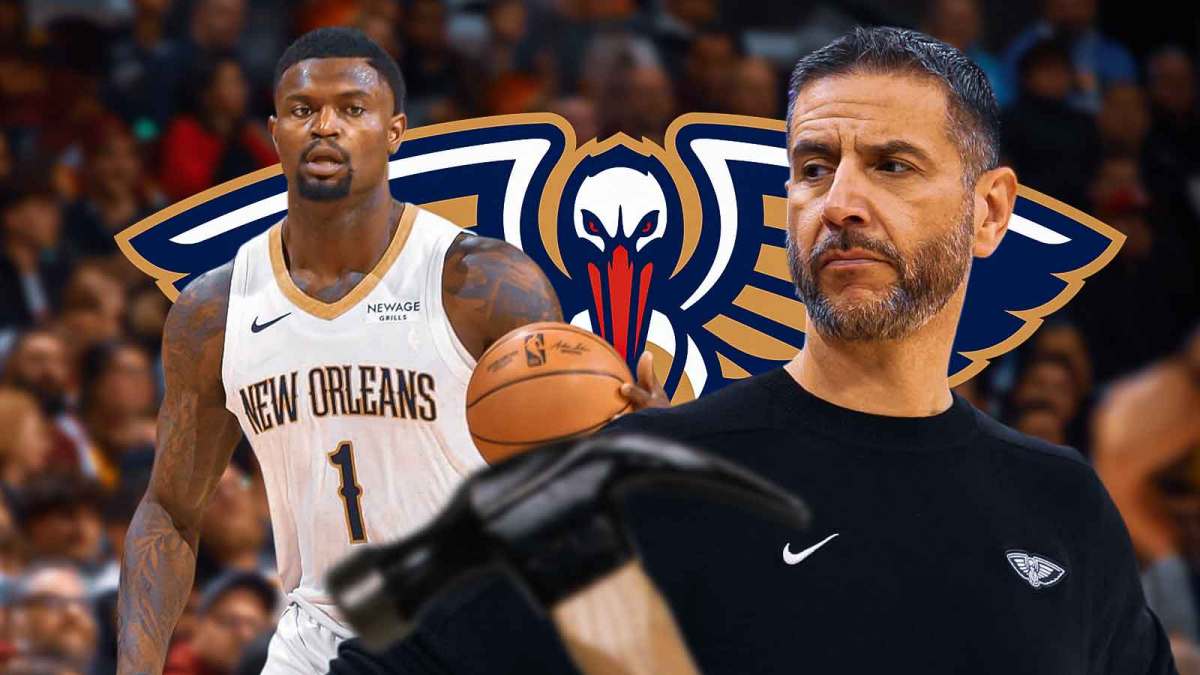
As the calendar flips toward the new year, the busted-up New Orleans Pelicans find themselves once again scraping for relevance in the Western Conference standings. Sporting a dismal 8-26 record going into a New Year's Eve date with the Chicago Bulls, Zion Williamson and Derik Queen are languishing in last place. Still, the locker room has shown flickers of life under interim coach James Borrego, including a five-game winning streak that briefly ignited hope for the final Play-In Tournament spot.
The transformation has not come from wholesale changes to their system. According to Borrego, the uptick has been less about schematic reinvention and more about collective buy-in.
“What I saw, and it's something we've been hammering, is moving the ball and sharing it. I think we had 19 threes at half. A lot of corner threes, a lot of kickout threes. We emphasized it (before playing the Knicks),” Borrego explained. “The guys went in, trusted in it, believed in it, and that to me was the catalyst in the whole first half, was just sharing the basketball. It's that simple.”
The formula dovetails with Williamson’s gravity. When the Pelicans get downhill, particularly through Williamson’s rim pressure, the offense becomes a sequence of reads rather than forced outcomes.
“We're a team that gets downhill,” Borrego suggested, “but can we trust it, get off the ball, and get quality threes or the rim? Either one that presents itself is good.”
That willingness to make the extra pass has opened up the offense in ways that pure athleticism alone couldn't accomplish. When defenses collapse on penetration, the Pelicans are now consistently finding open shooters rather than forcing contested finishes.
“In any NBA game against a good team, they are going to pick up their defense in the second half. I thought we stuck with it, though. Our offense had enough going. Our defense picked up, too, and we had a seven-point lead to start the fourth. We'll take that, we've just got to close. Bottom line. We've just got to go close.”
The final possession against the Knicks highlighted the delicate balance between coaching and player execution.
“Three-point game, we made a call,” Borrego replied. “We did not have a timeout with 16 seconds on the shot clock; we were trying to get a good look. We made a simple call. Ad at that point, they've [the players] got to go make plays. Obviously, I'll go watch it to see what we could have done better, but it looked to me like (Jordan Poole) thought he could have drawn a foul there in a three-point game.”
As the Pelicans chase one of the final Play-In Tournament spots, the margin for error remains razor-thin. However, the foundation Borrego is building represents exactly the kind of sustainable approach that can carry a team through the pressure-packed final months of the season.
The question now isn't whether the Pelicans can play winning basketball. Their five-game winning streak proved they can. The real test lies in their ability to maintain that standard consistently and, most critically, to execute when games hang in the balance. If they can master the art of closing, the offensive principles they've been hammering all season will give them a genuine chance to extend their campaign into the postseason.