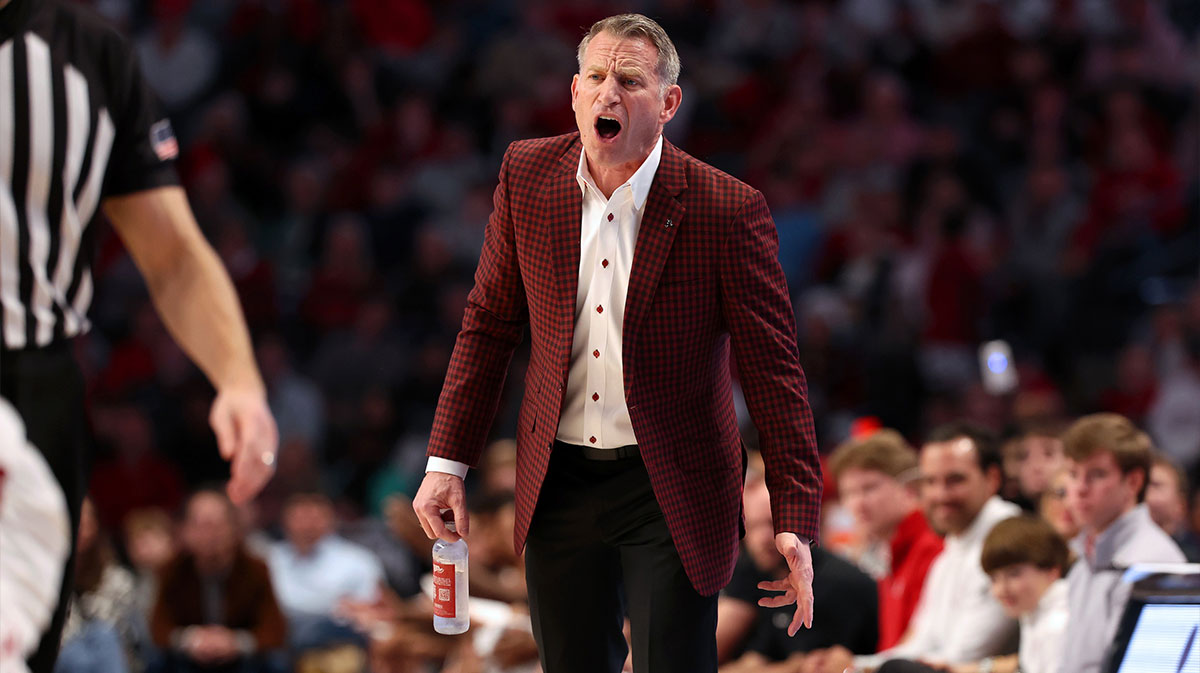
Alabama coach Nate Oats did not shy away from accountability after the Crimson Tide were physically overmatched in a 96-75 loss to top-ranked Arizona. Instead, he labeled the defeat for what it was. A combination of roster miscalculations and an ongoing failure for Alabama to meet the standard against elite opponents.
“In hindsight, I probably made some mistakes,” Oats said afterward. “I probably should’ve played a few guys more because the guys we had in there obviously didn’t get the job done very well.”
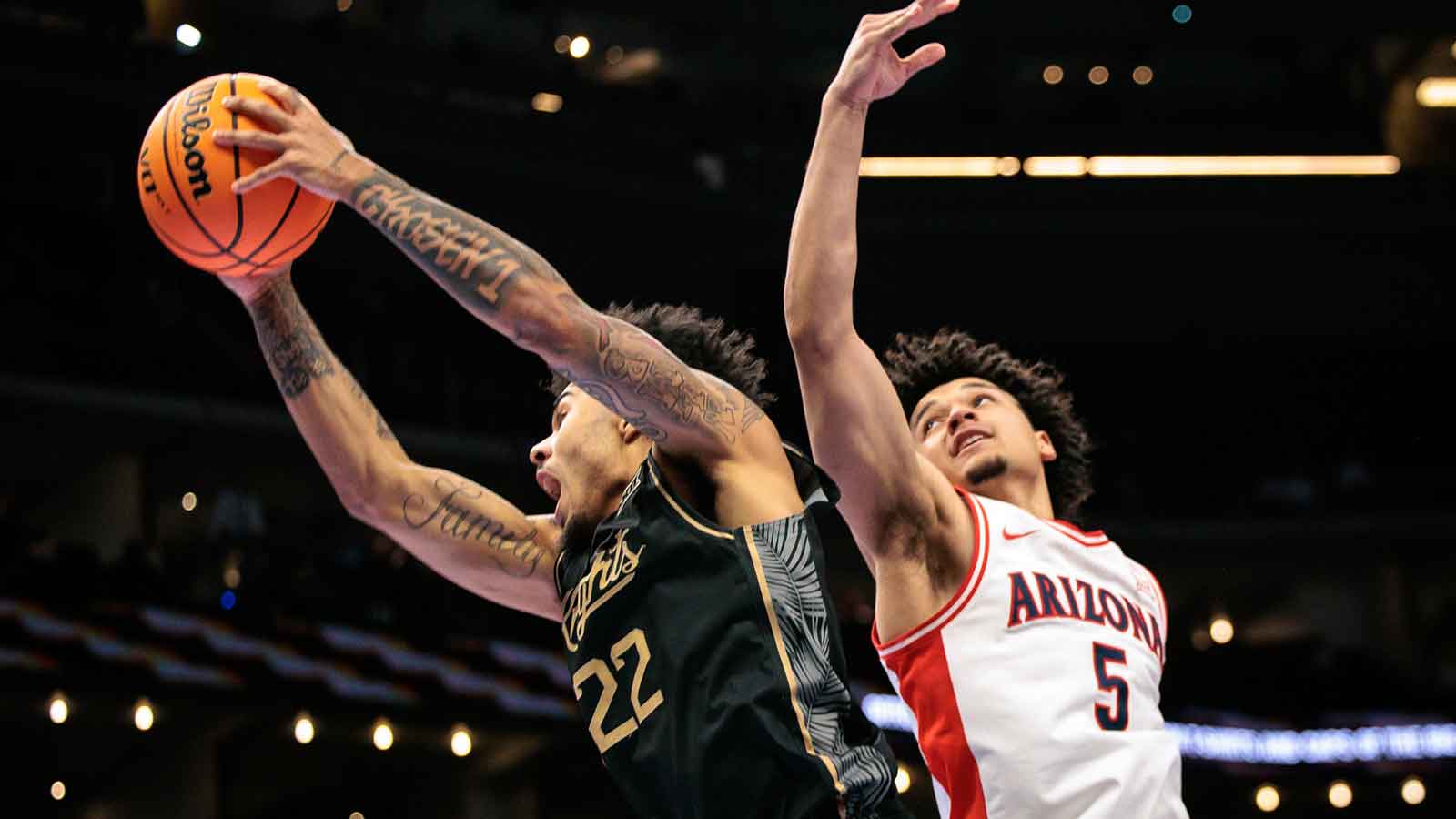
Arizona’s dominance on the glass decided the game. The Wildcats outrebounded Alabama 52-32 and owned a lopsided 22-3 advantage in offensive rebounds, including an 11-1 edge after halftime. That disparity fueled a 28-6 run early in the second half and turned a competitive game into Alabama’s fourth-largest loss under Oats.
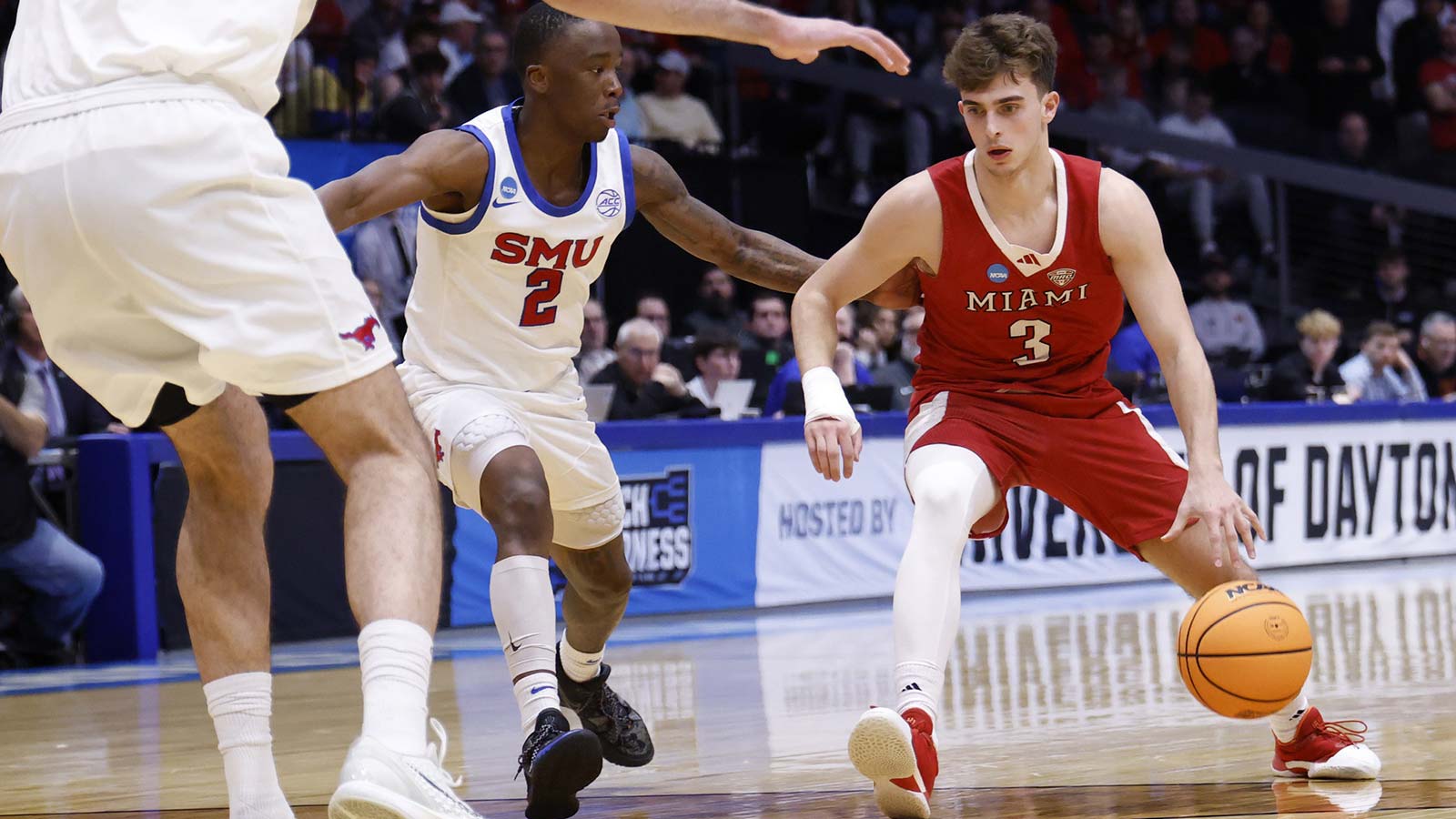
Personnel choices loomed large. Freshman guard Davion Hannah never entered the game, while Miami transfer Jalil Bethea played just three minutes despite coming off a 21-point performance the previous week.
“Davion plays hard,” Oats said. “He probably could help fix the rebounding issue, just the turnover rate has been really high.”
Oats added that “Jalil probably needed a few more minutes.”
These issues aren't new for Alabama

The issues were not new. Alabama was similarly overpowered on the glass in losses to Purdue and Gonzaga, and Arizona’s frontcourt combination of Motiejus Krivas and Tobe Awaka exposed the same weakness. The duo combined for 29 rebounds, nearly matching Alabama’s entire team total. The Crimson Tide managed just one offensive rebound in the second half.
“This has been a recurring issue for us,” Oats said. “When we play these tough, physical teams, we haven’t answered the bell real well on the glass.”
Oats also faced questions for declining to call a timeout during Arizona’s second-half surge, a decision that puzzled some observers. His explanation was firm.
“Call a timeout and tell them to play harder?” Oats said. “These guys are supposed to be competitors.”
Injuries added to the challenge. Guard Aden Holloway, playing through a wrist injury, scored zero points in 21 minutes and attempted only two shots. Oats acknowledged the limitation but defended the decision to play him.
Alabama (7-3) now turns its attention to learning from mistakes rather than deflecting blame. For Oats, the message was clear.
“Until we fix the rebounding,” he said, “we’re not really going to be able to beat a good team.”