The Field of 64 in March Madness kicked off early this afternoon. But for HBCU fans, the festivities kicked off on Tuesday.
The HBCU world discovered on CBS's Sunday Selection Show that MEAC champion Howard University and SWAC champion Prairie View A&M University were both slated for First Four games. The First Four is a mini-play-in tournament for the lower seeds in the tournament bracket. It consists of four games played between the lowest seeds in the tournament, as well as two games played between the at-large teams with the lowest resumes.
Over the past two seasons, HBCUs have consistently found their way into the First Four, and they've had formidable success. The Southwestern Athletic Conference, for example, has seen its champion win the First Four tournament game for three straight seasons, including Prairie View’s victory over Lehigh on Wednesday evening. Since 2021, the SWAC champion has won a First Four game and earned a bid to the tournament, winning five of their last six First Four matchups.
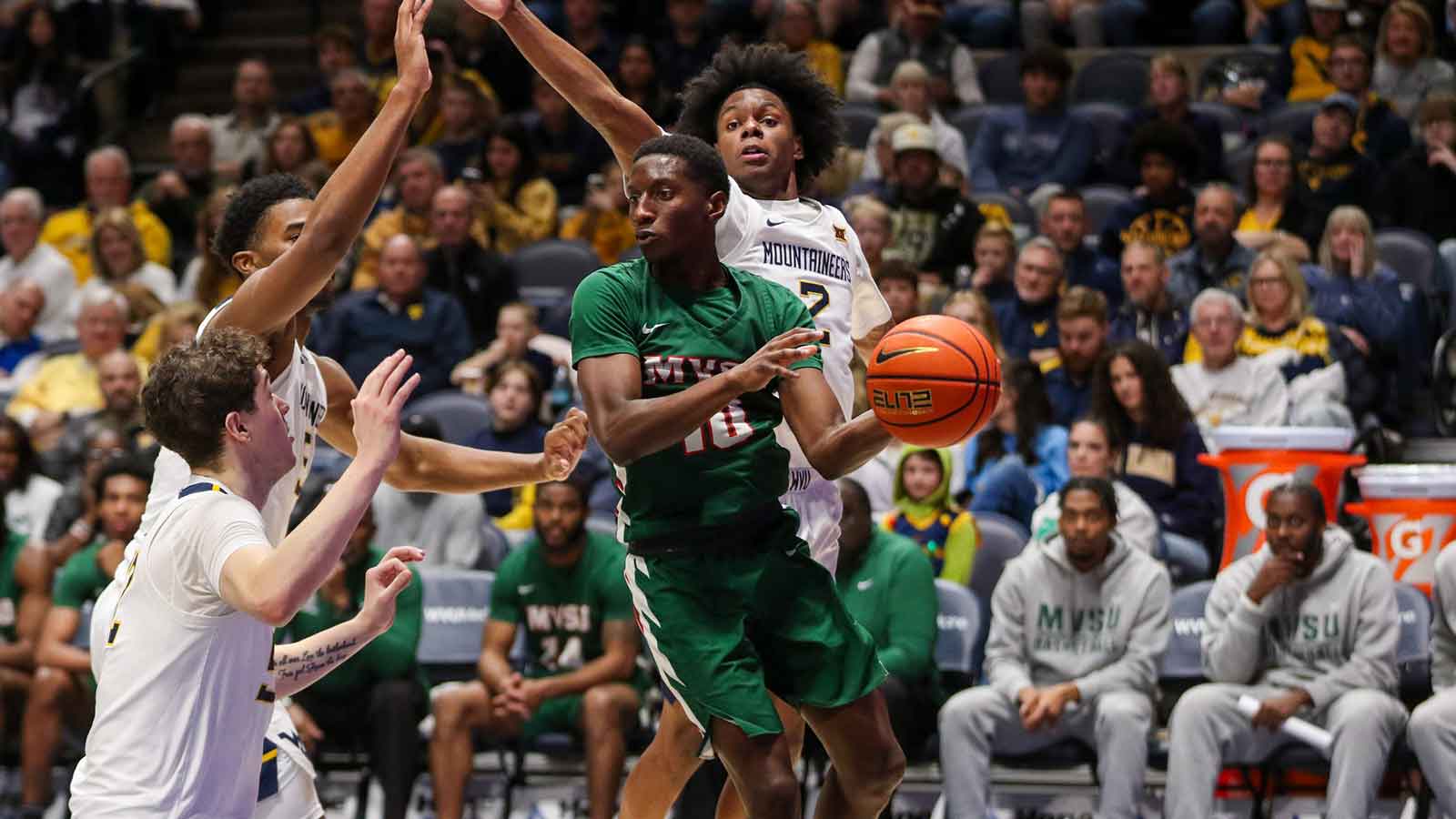
In basketball, you've seen HBCUs compete against teams from power conferences and often win those matchups. Scheduling tough out-of-conference games is seen as a way to earn the committee's respect. But still, conference champions from HBCUs tend to get pushed to the First Four.
Now, this doesn't always happen. The Norfolk State teams of the 2020s, led by then-coach Larry Vickers, found themselves with solidified seeding, and there have been HBCUs that have outright gotten the 16-seed without having to play the First Four game. Also of note, Nolan Smith and Tennessee State won the OVC Championship, and they are ranked 15th in the Midwest region with a matchup against second-ranked Iowa State.
But it always seems as if the only landing spot for HBCUs is the First Four tournament. I share the frustration. I believe that across all sports, HBCUs have talent and are proving time and time again that they deserve high recognition. I believe it isn't unreasonable to see an HBCU as a 13, 14, 15-seed or higher more often, or even just to allow HBCU basketball teams to be featured as a 16-seed without having to play a First Four tournament game and possibly risking player injury.
While I believe HBCUs should receive more respect in tournament seeding, I also believe that being slotted in the First Four ultimately pays dividends. This March, we saw Howard University and Prairie View A&M both earn their first victory in the tournament. A topic that is not often discussed is the money HBCUs receive when they win tournament games.
Per a report by Kyle T. Mosley at HBCU Legends, Prairie View A&M and Howard University have earned four million dollars for the SWAC and the MEAC, respectively. As Mosley explains, the unit system allows for financial incentives to conferences when teams win games in the tournament.
“The NCAA does not pay competing schools directly. Instead, it distributes revenue to conferences through a “unit” system, where each conference earns one unit per game played in the men's tournament. The more a team advances, the more units it earns and, therefore, the more money it earns for its respective conference — SWAC, MEAC, or OVC,” Moseley said in his piece.
It is entirely possible that an HBCU can pull off an upset against a national contender slotted at the 15 or 16-seed. We saw it in 2001, when 15-seed Hampton beat 2-seed Iowa State 58-57, and in 2012, when 15-seed Norfolk State beat 2-seed Missouri 86-84. Anything is possible during March Madness, and HBCUs are certainly capable; they've proven it with those victories. But the last non-First Four tournament victory was Norfolk State in 2012. Every other time that HBCUs have earned a victory in March Madness since then has been in the First Four.
So, the First Four tournament gives HBCUs an equitable chance to generate revenue for their respective conferences, as well as millions of dollars in earned media from their participation, as they are the first teams to face off to kick off the tournament. The First Four tournament slotting is a Catch-22. Yes, HBCUs should be given more respect and not consistently have to prove themselves in a play-in game to make the official Field of 64. But there are benefits to HBCUs being in the First Four, as we've seen in recent history.
Nevertheless, the conversations surrounding this issue will certainly be interesting as HBCU fans root for a huge upset in one of the three HBCU matchups in the opening round.