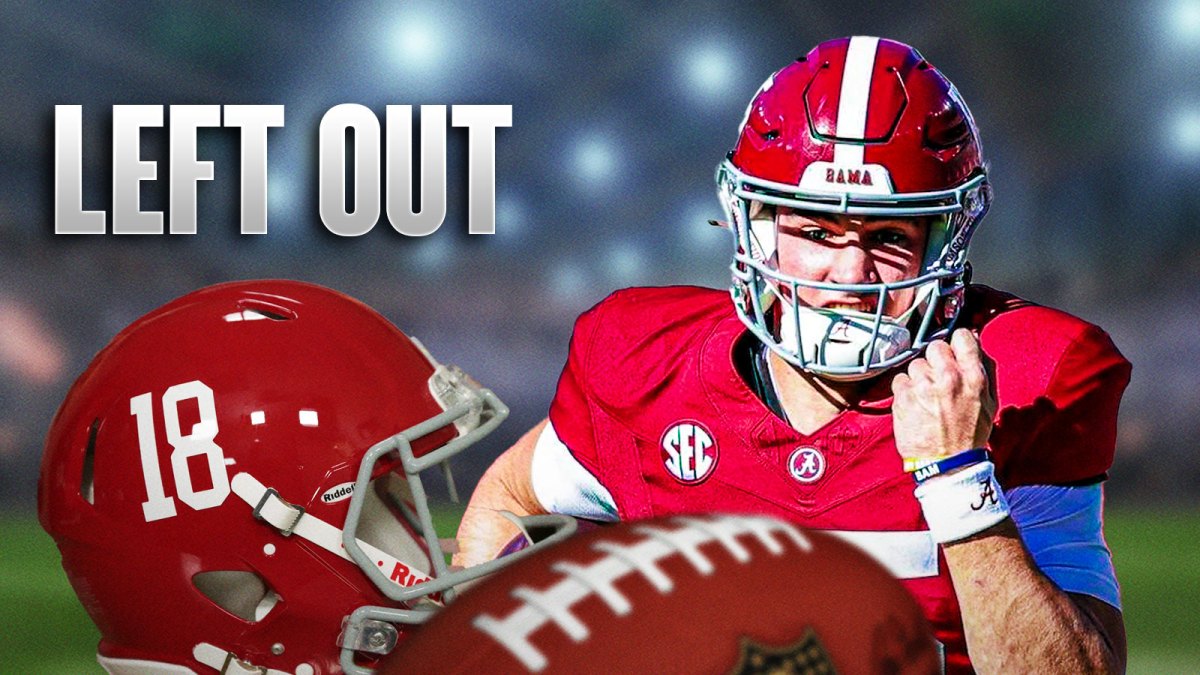
Alabama’s 2025 football campaign is a prime case study in how brand reputation can overshadow objective evaluation when it comes to playoff selection. The Crimson Tide, sitting at 10-2, is still being discussed for a College Football Playoff (CFP) berth, despite a resume littered with pitfalls no truly elite program would accept.
Their signature blemish is a double-digit defeat at the hands of a Florida State team that failed even to reach bowl eligibility. Paired with a late-season home loss to Oklahoma and ongoing offensive concerns, Alabama’s inclusion would bend the playoff’s intent beyond recognition. Selection must go to teams demonstrating consistent excellence, not those coasting on past glories or the committee’s desire for blue-blood representation.
Why Alabama’s opening loss changed everything
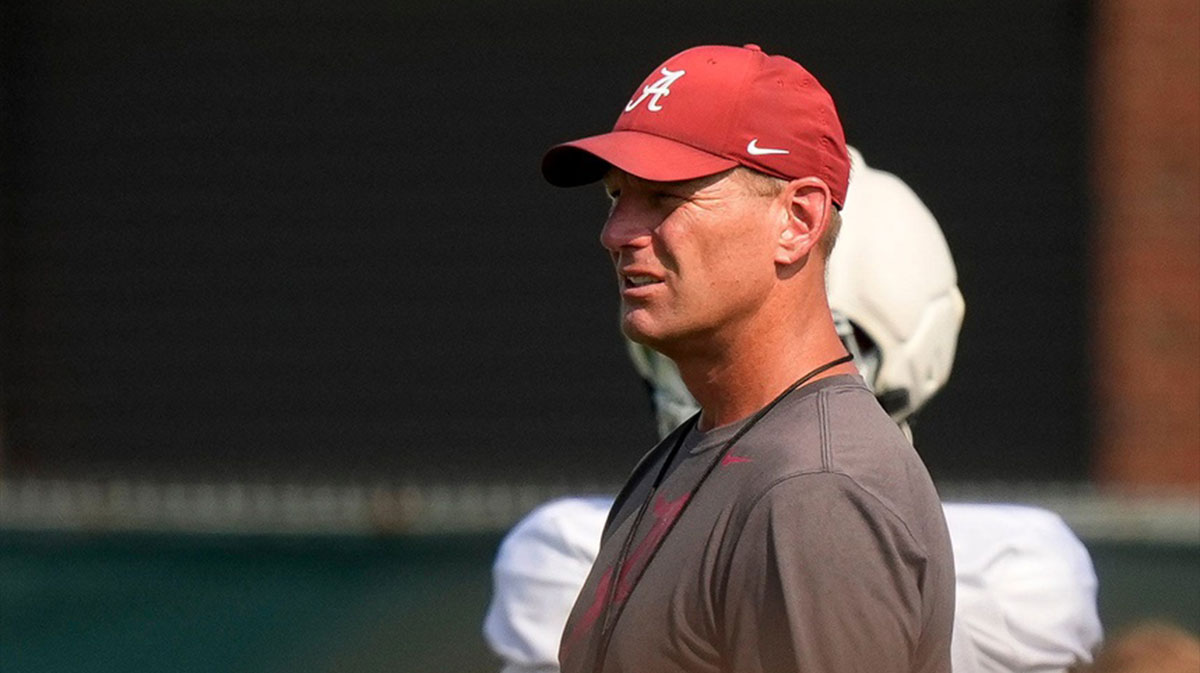
Alabama’s Week 1 loss to Florida State looms over everything that followed. It wasn’t just a defeat; it was a 31-17 thumping by a team that ended the year 5-7 and nowhere near bowl contention. This is more than a nasty stain; it’s an outlier for a playoff aspirant. No serious contender for the playoffs owns a double-digit loss to a non-bowl team, especially one whose own season spiraled out of control.
Committee debates often pivot on “quality losses”; this isn’t one. On the contrary, it highlights just how uneven Alabama has been when challenged in 2025.
Defenders may claim growth and improvement after that early defeat. The reality is that college football’s postseason is ruthless for a reason. Allowing Alabama in, while undefeated or one-loss teams with lesser names are present, would send the message that some brands enjoy immunity to poor scheduling outcomes.
The committee’s task is to reward what happens on the field. Unless egregious inconsistency is the new standard for entry, Alabama’s Florida State loss should alone torpedo their playoff hopes.
Alabama’s offense is not playoff material
Elite teams are built on units that rise to big occasions, especially in playoff environments. Alabama’s offense demonstrates the opposite. With a rushing attack ranked 103rd nationally and a passing game that falters under pressure, the Tide have spent the final third of the season searching for answers, not asserting dominance. Against Auburn, they posted just 280 total yards, and Ty Simpson barely topped 120 passing yards, a paltry figure regardless of opponent. Relying on late-game heroics to survive inferior teams is not a playoff formula; it’s a sign of a program regressing toward the pack instead of separating from it.
Advanced metrics and the “eye test” both point to a glaring Achilles’ heel. When forced to throw, Alabama’s offense sputters. When pressed to run, it collapses. That’s why, when challenged by Oklahoma and Auburn, the team stumbled badly, raising legitimate doubts about its ability to compete against elite CFP squads, especially those with top defenses. Alabama’s supposed talent pipeline and tactical pedigree have not prevented alarming stagnation on the scoreboard.
Should reputation outweigh results for a playoff spot
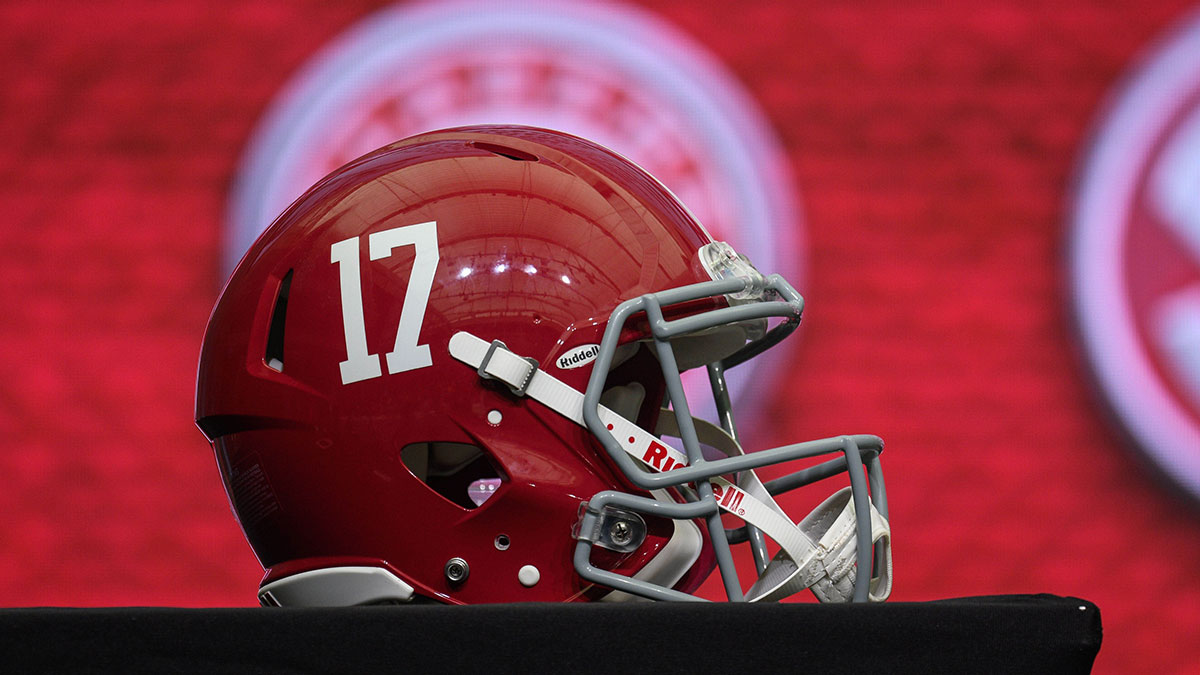
Some analysts will assert that Alabama’s “body of work” and “strength of schedule” still give them a seat at the playoff table. But handing the Crimson Tide an at-large spot would ignore superior claims from teams like Indiana and entirely reward reputation over results.
The playoff was created for the best football teams, assembled on merit and record. If Alabama is included on this year’s evidence, it would confirm every suspicion that blue-blood programs can stumble, sputter, and still find safe harbor, while less celebrated teams, playing better football, are left outside. That precedent would mark a turning point in CFP credibility, and not in a good way.