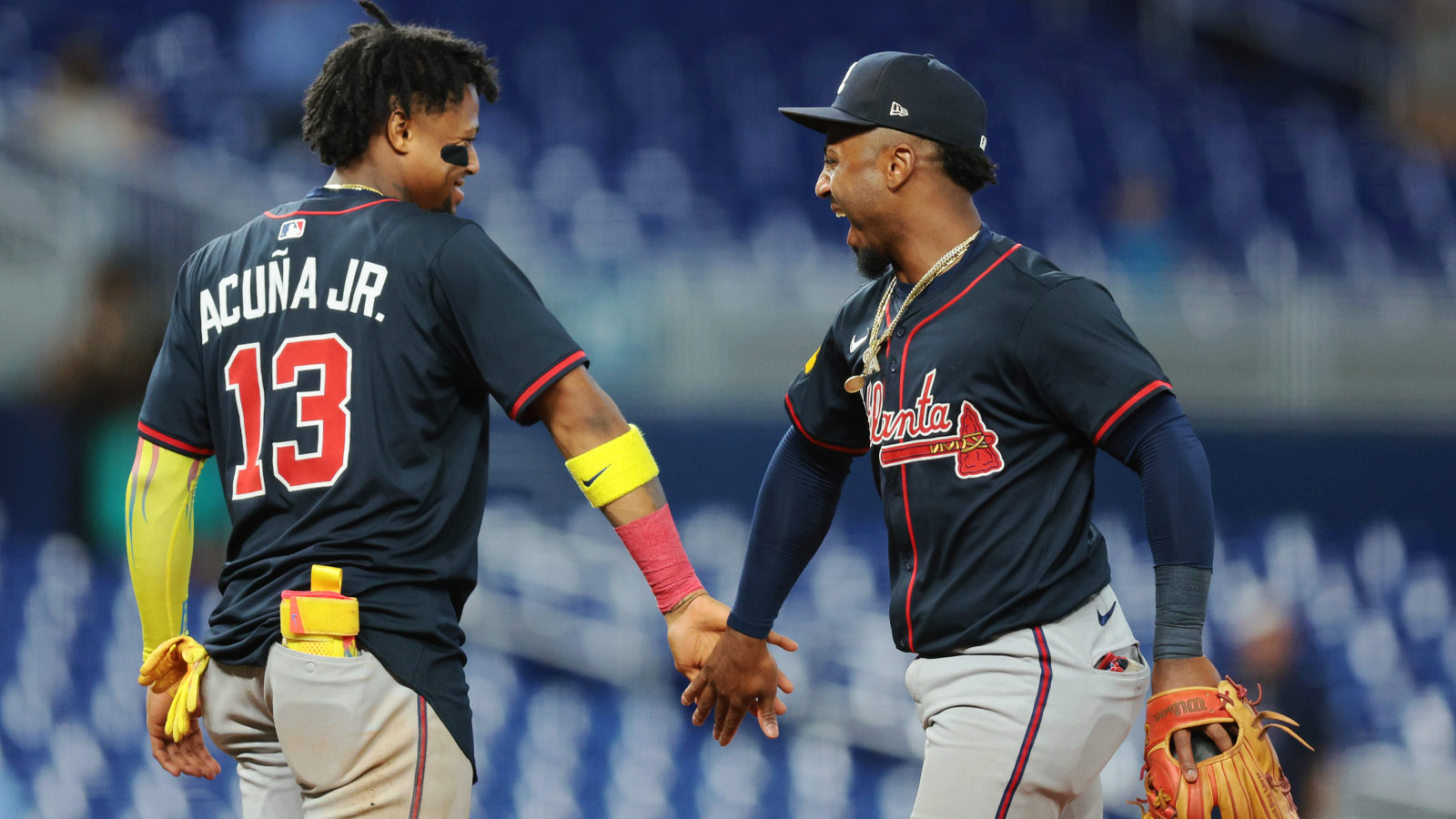
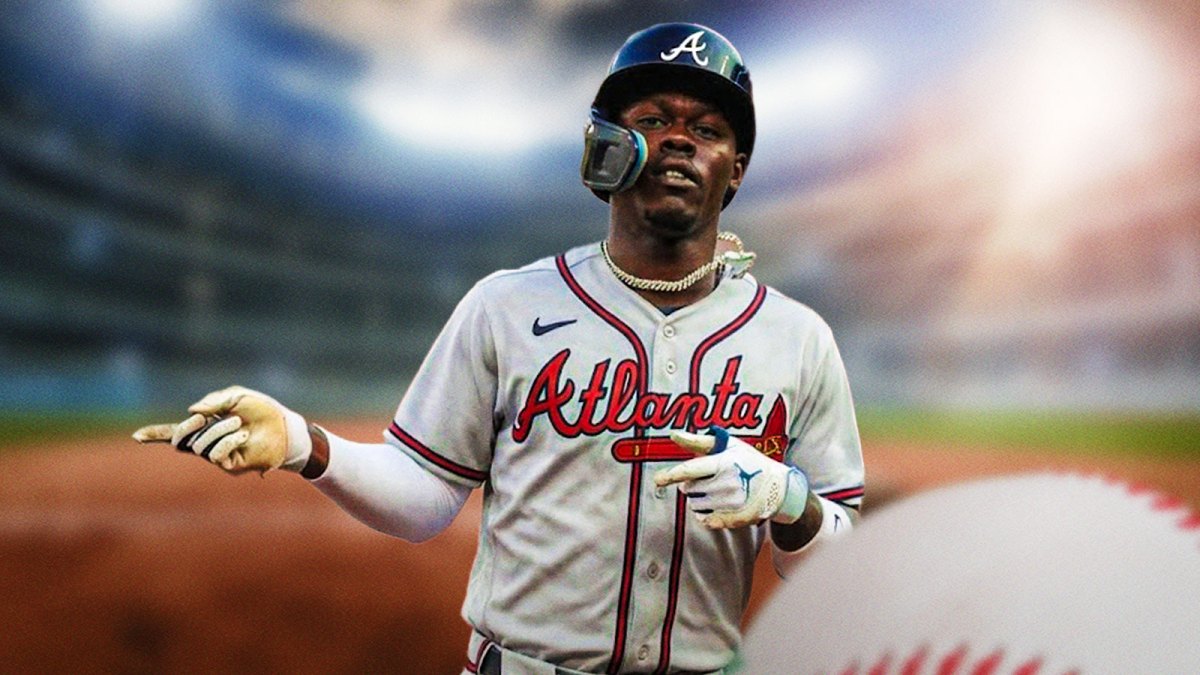
The Atlanta Braves have a genuine opportunity to address their infield depth during the off-season, and the New York Yankees could be presented with an enticing package that addresses some of their rotation needs heading into 2026. Trading for Jazz Chisholm Jr. makes tactical sense for Atlanta's franchise trajectory, particularly when they can offer a talented young arm prospect package that aligns with New York's developmental timeline.
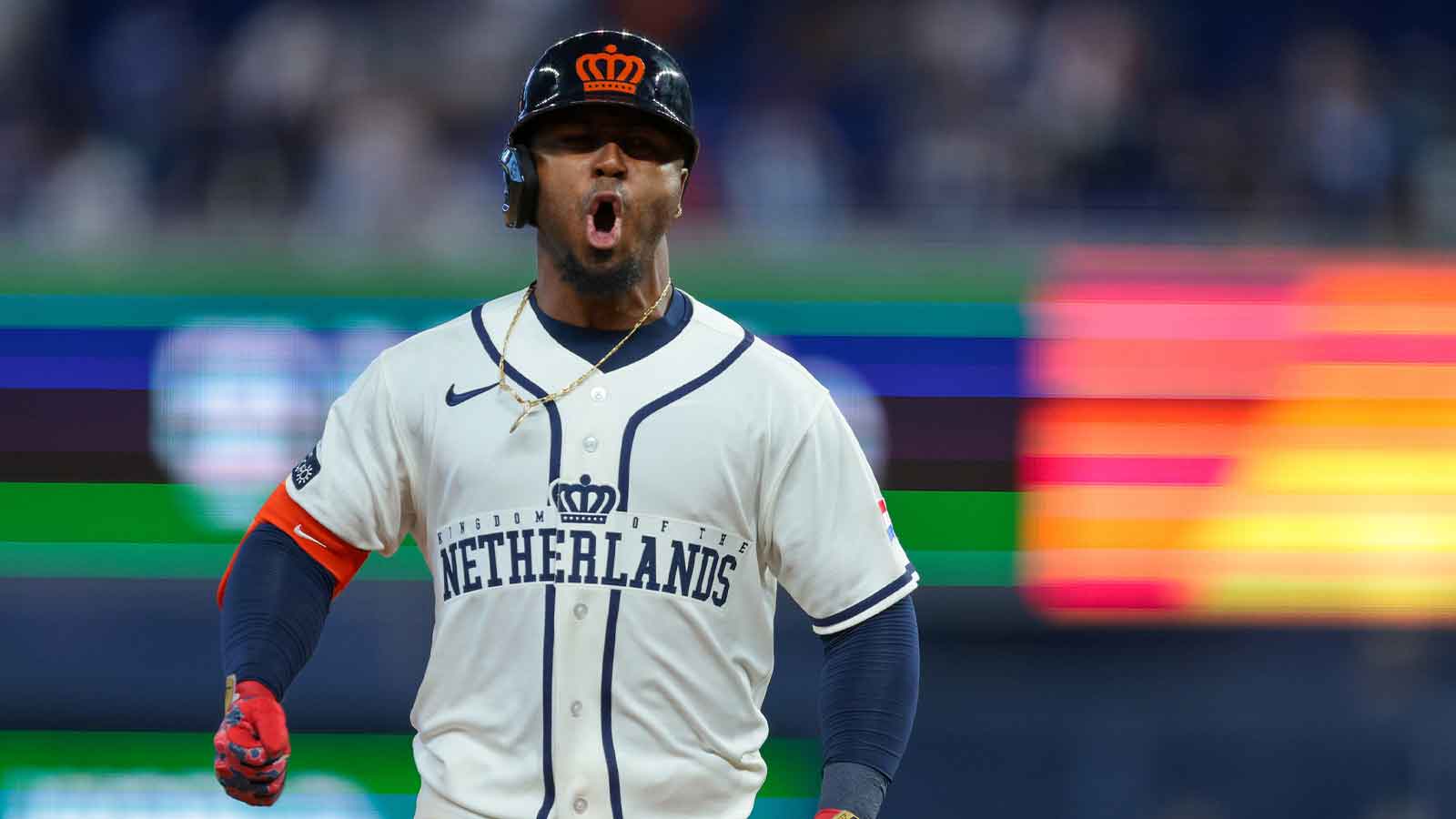
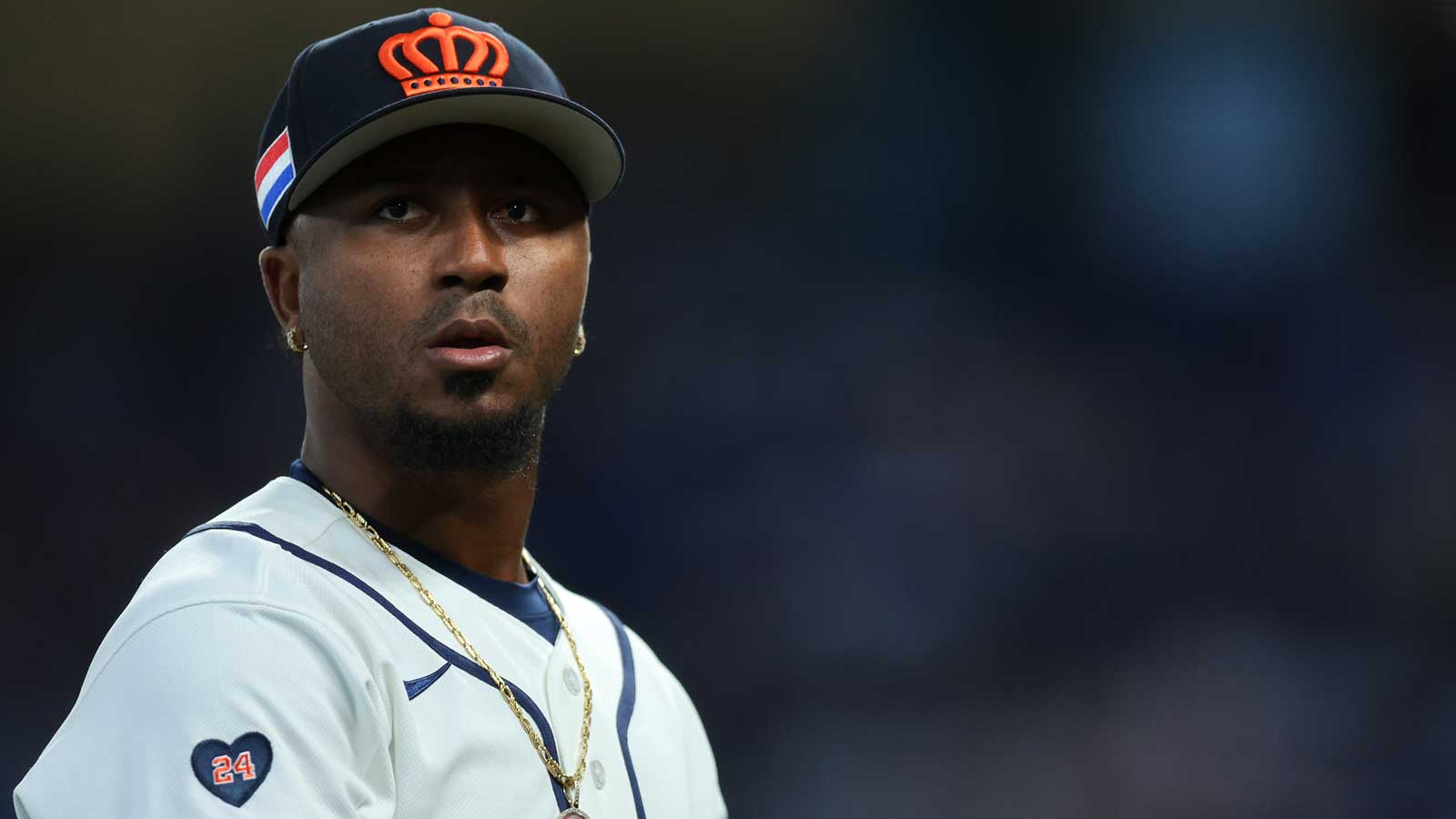
Chisholm Jr. has proven to be a dynamic offensive threat capable of producing 30-plus home runs with elite base-running ability. His 2025 campaign with the Yankees showcased his versatility at multiple positions in the infield while maintaining an acceptable batting average and on-base percentage. For a Braves organization looking to bolster their lineup following this season, acquiring a player of Chisholm's caliber would immediately address their offensive production needs while providing flexibility in positioning.
The Braves should approach this trade aggressively, banking on their proven ability to develop young talent and maximize player performance. This proposed deal reflects exactly the type of win-now framework that championship-contending organizations deploy when addressing roster gaps.
The Trade Framework for Jazz Chisholm Jr.
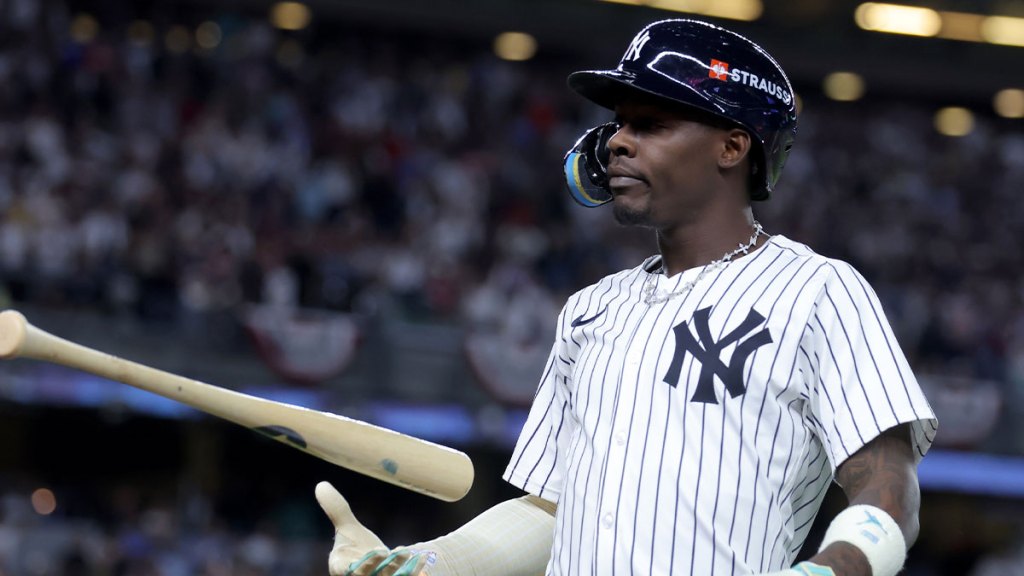
Atlanta Receives:
- 2B Jazz Chisholm Jr.
New York Receives:
- RHP Hurston Waldrep
- RHP Jhancarlos Lara
This proposal gives the Yankees two promising young pitching arms with significant upside. Waldrep, in particular, represents the type of controlled, cost-effective rotation depth that New York values. His 2.88 ERA over 56.1 innings in 2025 demonstrates his competitiveness at the major league level, and his elite fastball velocity paired with a devastating splitter creates a formidable starter profile. Lara offers intrigue as a high-velocity bullpen piece whose raw stuff plays up in short-inning situations, despite his current command challenges.
Why This Deal Works for Both Sides
For the Braves, acquiring Chisholm Jr. addresses immediate positional needs while maintaining financial flexibility. His reasonable salary structure and remaining arbitration eligibility through 2026 provide Atlanta with cost-controlled depth at a premium position. The Yankees, meanwhile, receive two legitimate pitching prospects who align with their organization's age curve and provide stability to a rotation that requires developmental depth moving forward.
Both franchises benefit from a transaction that addresses distinct roster requirements while swapping player profiles that better fit their respective organizational blueprints. This is exactly the kind of calculated trade proposal that creates alignment across both front offices.