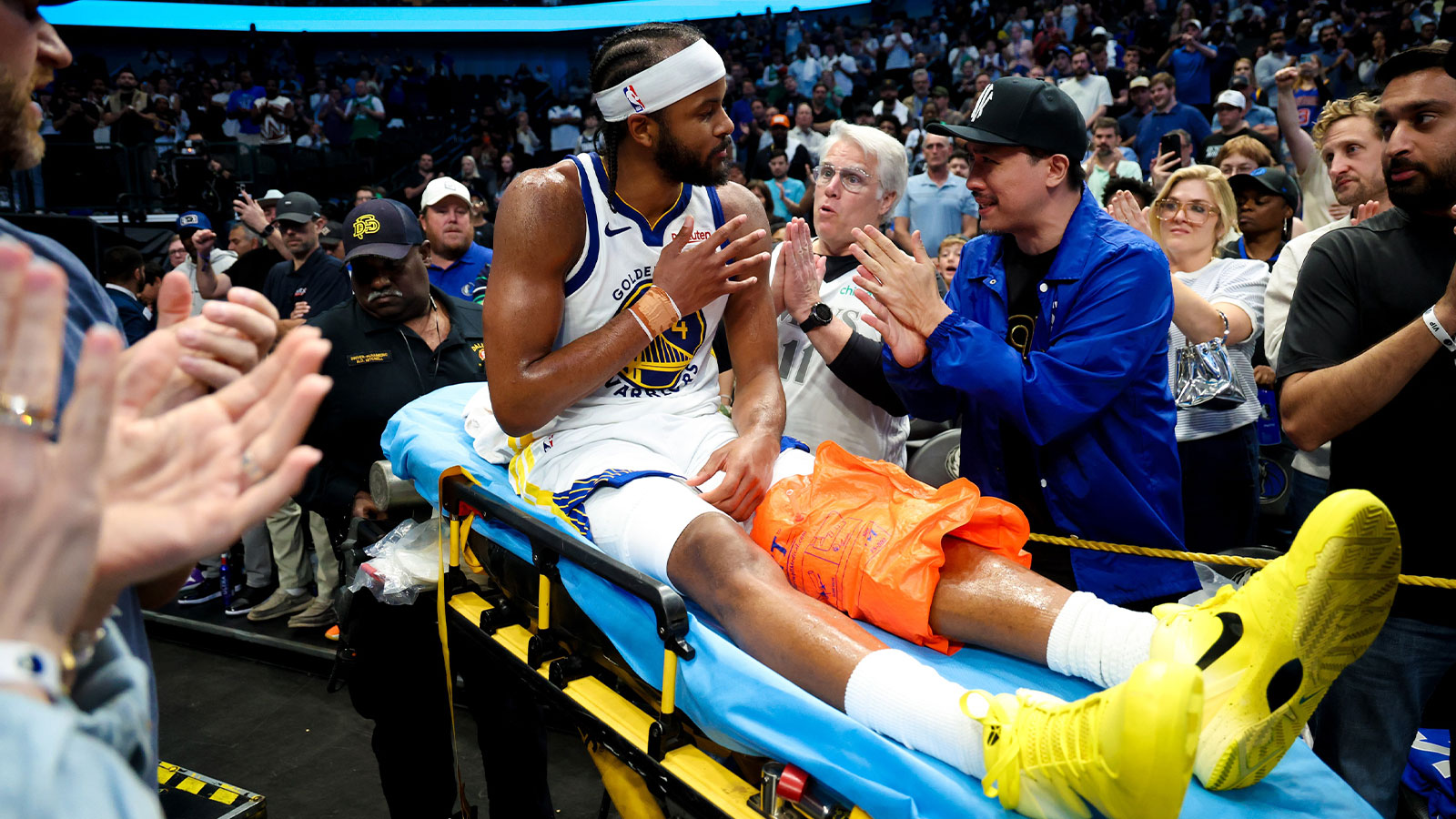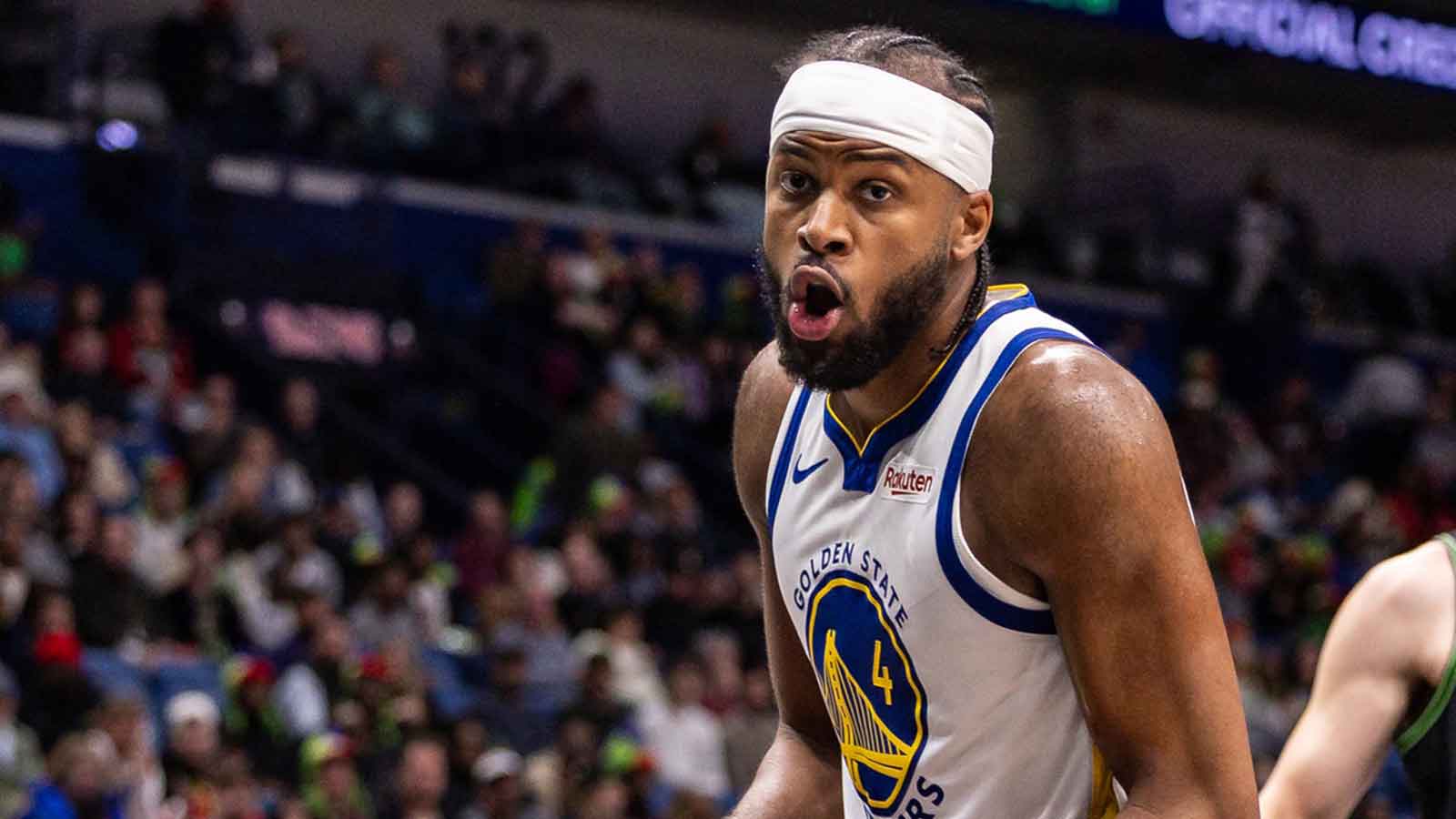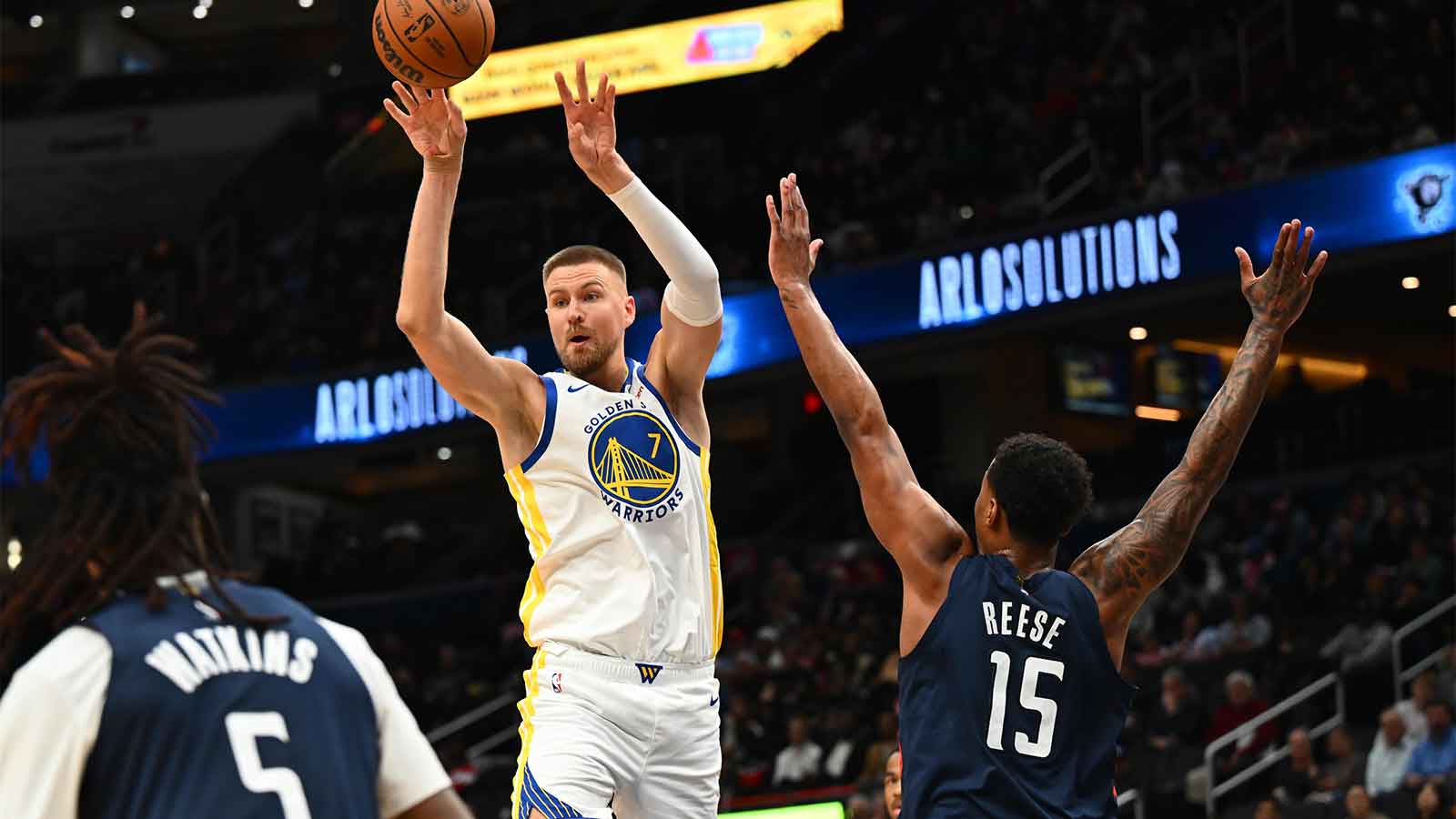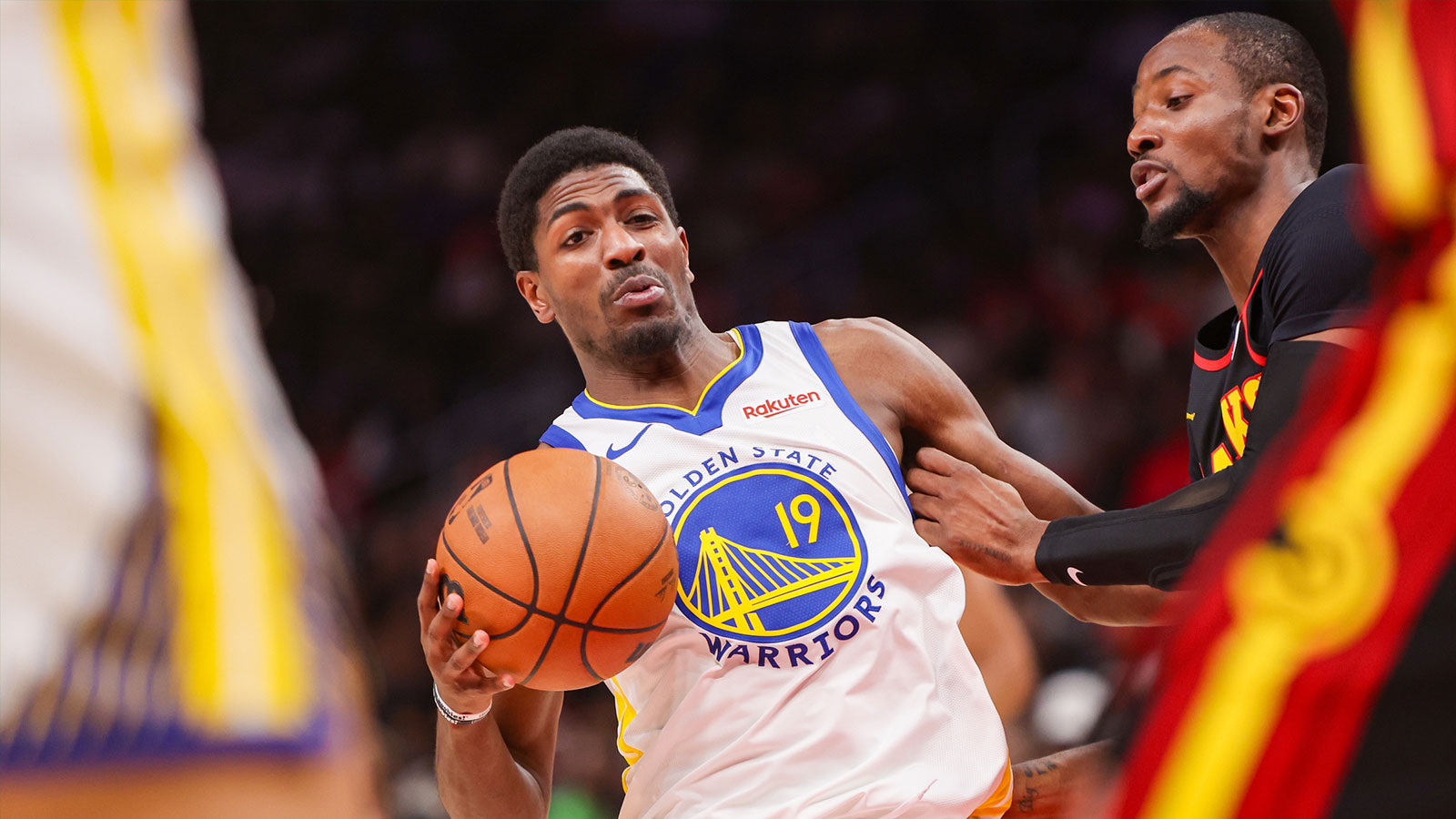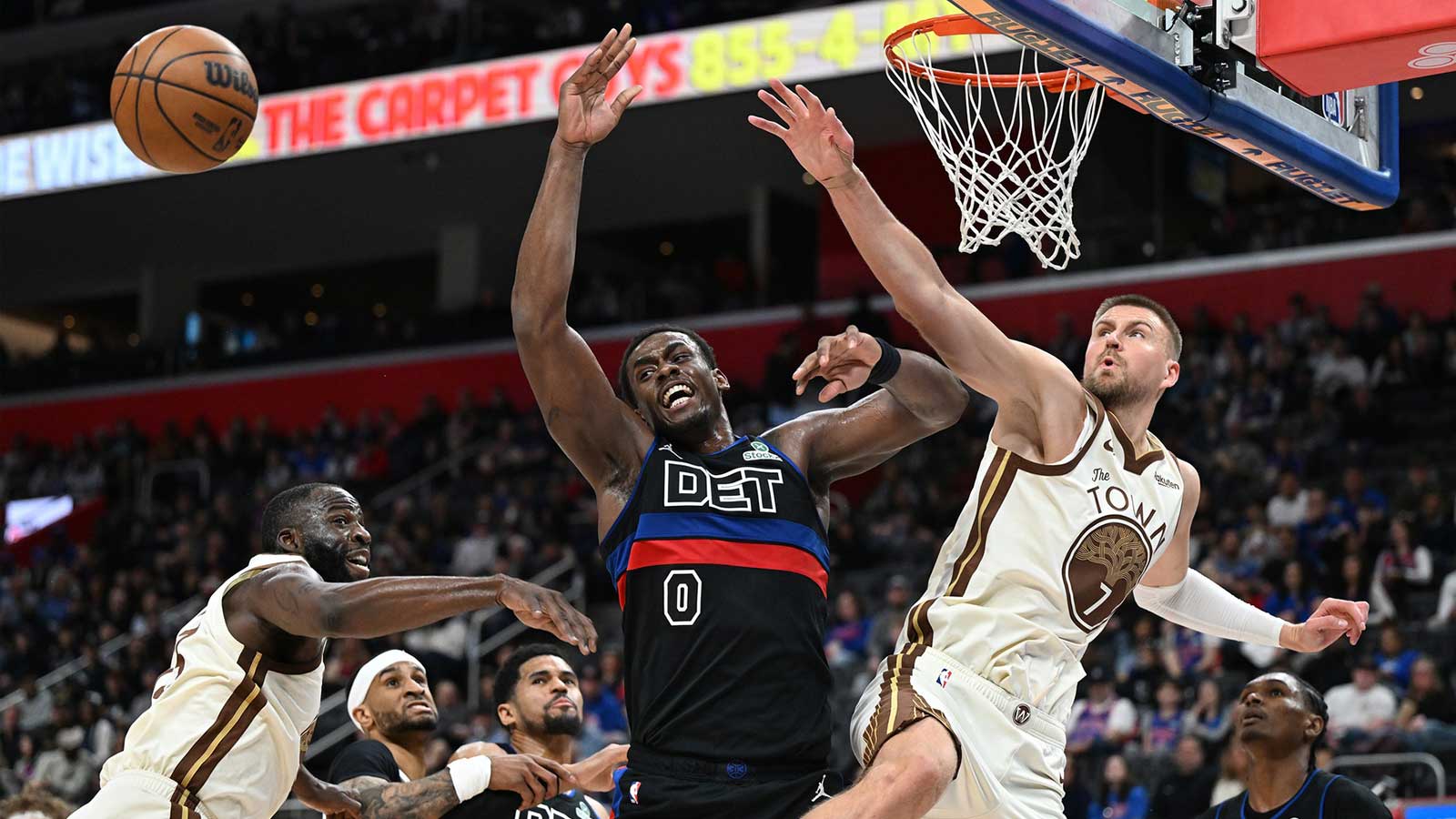
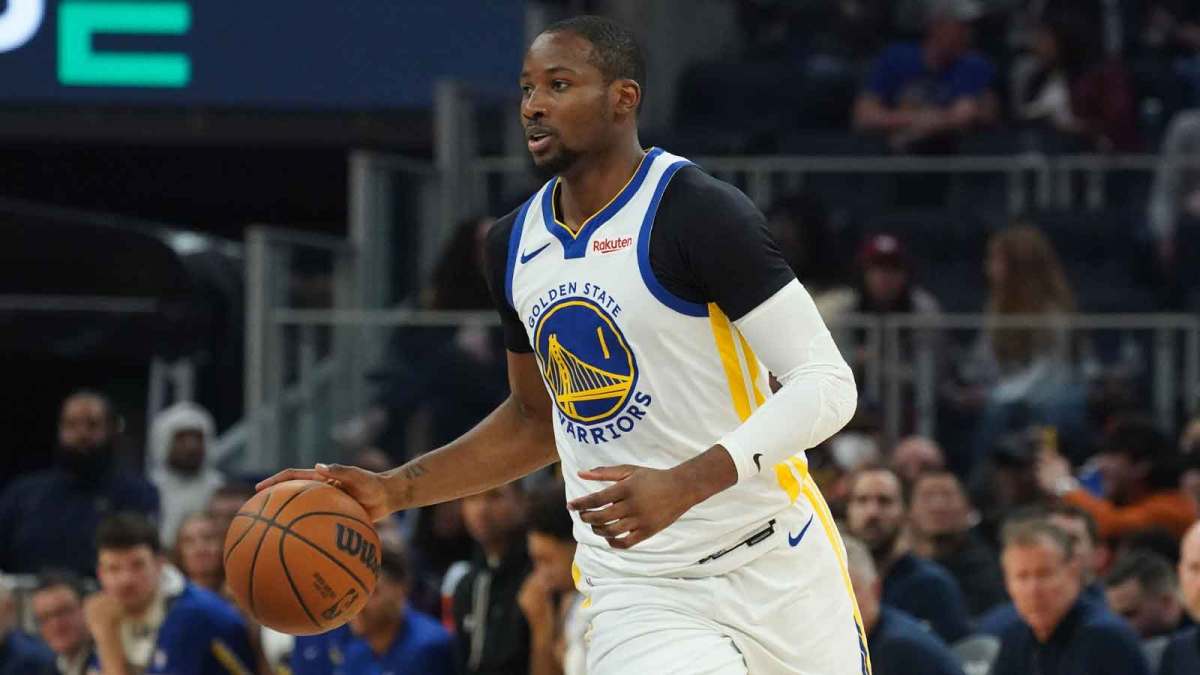
The Atlanta Hawks are currently waiting for the team debut of Jonathan Kuminga, who arrived from Golden State in a significant trade involving Kristaps Porzingis. Kuminga is currently managing a knee injury that will keep him out of action until at least after the NBA All-Star break, when he is scheduled for medical re-evaluation.
That move for the Hawks followed a highly publicized period of frustration, where the young forward found himself out of the rotation under Steve Kerr and eventually requested a trade to salvage his career.
While Kuminga focuses on his recovery, his departure signifies the end of a lengthy internal struggle within the Warriors organization regarding his development and trade value.
That departure from the Warriors organization brings to light the underlying conflict between coaching and ownership that delayed such a move for years, as detailed in a recent report from ESPN.
The report suggests that team owner Joe Lacob was a primary obstacle in potential trades, including a much-discussed deal for Alex Caruso at the 2024 deadline, because he wanted to be proved correct in his original assessment of the lottery pick.
While some within the franchise viewed the Caruso deal as a missed opportunity, others suggested the situation was more nuanced.
One source mentioned by ESPN noted, “Joe gets outsized blame,” and characterized the standoff as a “complex situation” involving a “ton of indecision” from several people.
While Kuminga works his way back to health in Atlanta, Caruso has reinforced his value as a defensive star for the Oklahoma City Thunder, recently helping them secure a victory over the Lakers.
Following a brief shouting match with LeBron James during that game, Caruso joked that they “were about to fight” before clarifying that they were merely clearing the air.
Caruso's elite defense and veteran poise remain the exact traits Golden State was rumored to be targeting, yet Lacob’s persistent belief in Kuminga's upside kept the young player in San Francisco until the relationship finally reached a breaking point this winter.