Ole Miss football faced a major setback late Wednesday night after a ruling reshaped the program’s outlook for the 2026 season. A decision tied to NCAA eligibility has introduced uncertainty around one of the Rebels’ most important pieces and could significantly impact their championship aspirations.
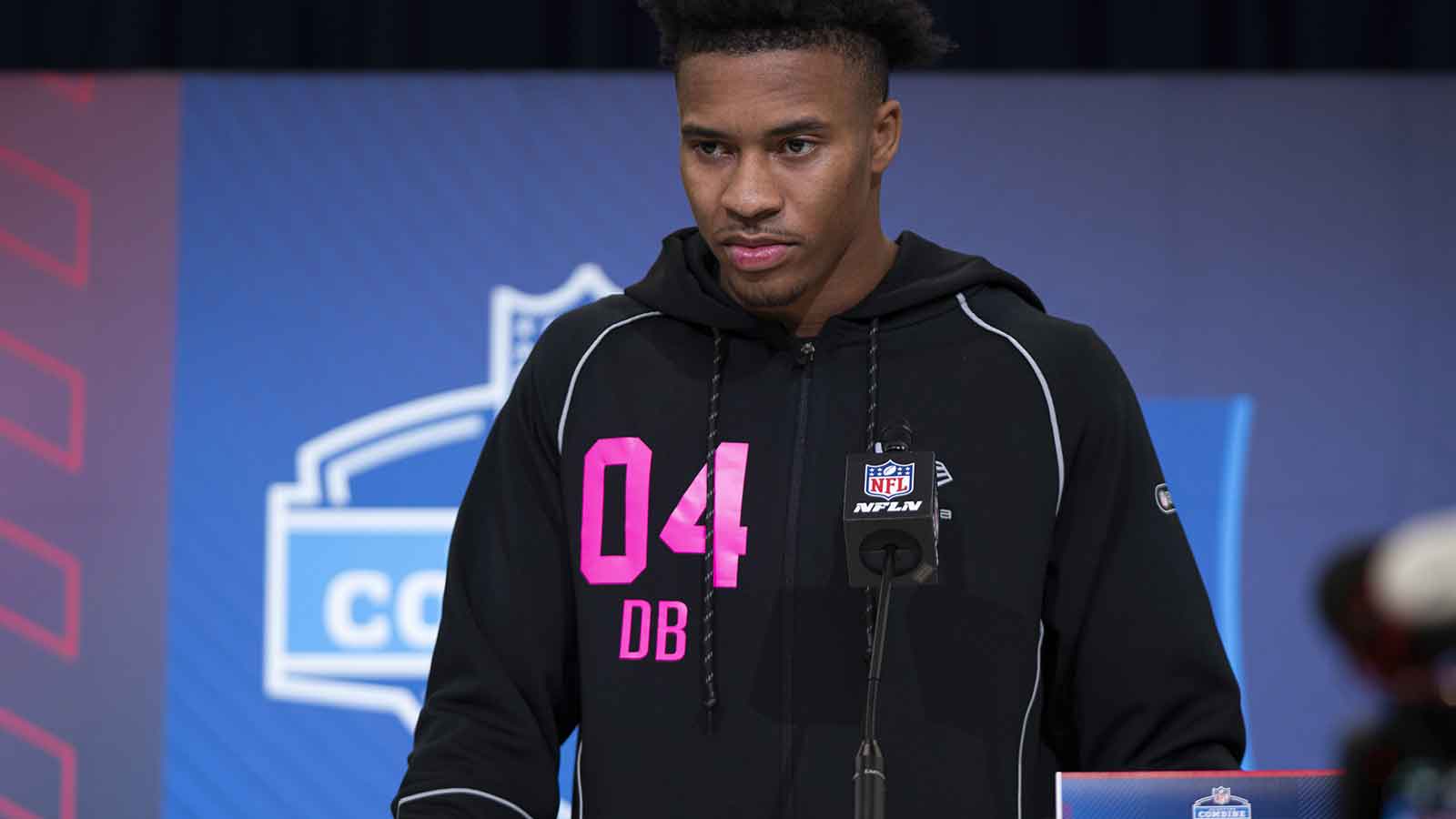
The university learned that the NCAA Athletics Eligibility Subcommittee denied quarterback Trinidad Chambliss’ request for a sixth year of eligibility. The ruling concludes the administrative appeals process and places Chambliss’ availability for the upcoming season in immediate jeopardy.
Chambliss had petitioned for a medical hardship waiver related to a prior season impacted by documented medical issues. Ole Miss maintained that the supporting documentation met established NCAA standards and aligned with precedent set in similar cases. The subcommittee ultimately disagreed, leaving the Rebels quarterback ineligible under current NCAA bylaws.
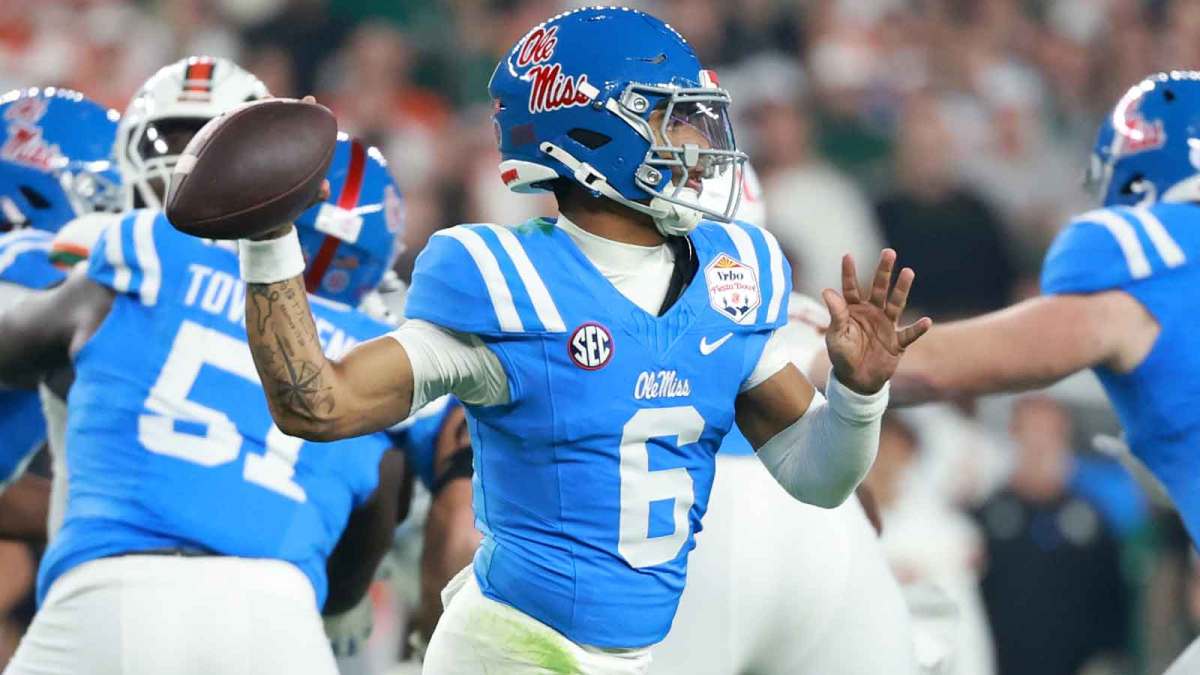
The decision carries substantial competitive implications. Chambliss led the Rebels to a historic 13–2 record in the 2025 season, highlighted by the program’s first-ever College Football Playoff semifinal appearance. He also finished eighth in Heisman Trophy voting and was named SEC Newcomer of the Year following his transfer from Ferris State.
ESPN's Pete Thamel shared Ole Miss’ immediate response in a post on his official X (formerly known as Twitter) account, outlining the program’s stance and potential next steps following the denial.
Ole Miss statement: Chambliss' representatives "will continue to pursue all available legal remedies, and we will publicly stand behind Trinidad while holding the NCAA accountable for a decision that fails to align with its own rules, precedent and the documented medical record. https://t.co/SrtcwrUrKB
— Pete Thamel (@PeteThamel) February 5, 2026
According to Thamel, Ole Miss publicly reaffirmed its support for Chambliss, stating that the NCAA’s decision does not align with its own rules, established precedent, or the documented medical record. The university also confirmed that Chambliss’ representatives intend to pursue all available legal remedies.
That language points toward a possible legal challenge, including the pursuit of an injunction to restore Chambliss’ eligibility before the season begins. The approach reflects a broader trend in college football, where programs increasingly turn to the courts to contest NCAA rulings.
Without Chambliss, Ole Miss would need to recalibrate its offensive approach entering the 2026 season. With him, the Rebels retain one of the nation’s most productive dual-threat quarterbacks. It now appears that the next chapter of this dispute will move from Indianapolis to the courtroom.