Amid all the noise of the playoff run, Texas Tech quietly landed exactly the kind of piece that keeps an offense humming. Tight end Matt Ludwig, a four-star prospect and Montana’s Gatorade Player of the Year, was released from his letter of intent at Michigan on December 11 and committed to the Red Raiders the very next day, per Hayes Fawcett of Rivals.
He’d been heavily recruited by powers like Georgia, LSU, Texas, Tennessee, Penn State, and others, and his late flip came in the fallout of Sherrone Moore’s firing in Ann Arbor. Now, instead of catching passes in the Big Ten, Ludwig will be part of a Texas Tech team that’s sitting as the No. 4 seed in the College Football Playoff.
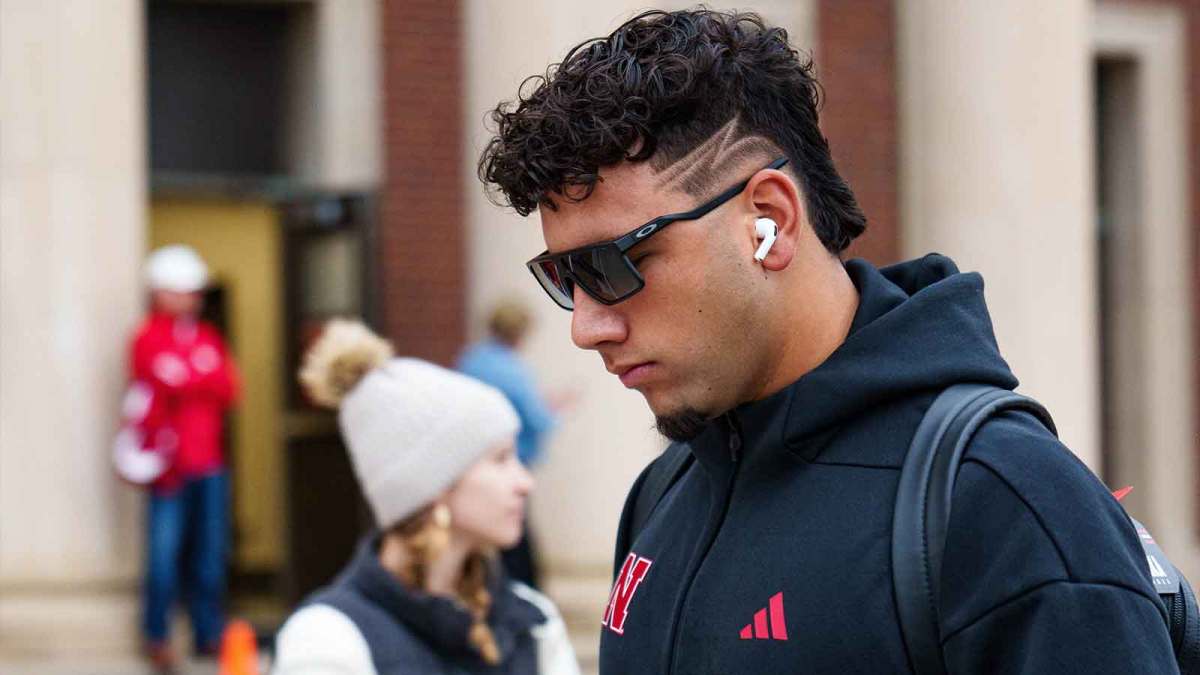
What the Red Raiders won’t be doing, at least for now, is chasing a splashy quarterback with a familiar last name. As Pete Nakos reported, Nebraska quarterback Dylan Raiola is expected to enter the NCAA transfer portal.
Not long after that initial update, Nakos added important context: sources told On3 Sports that Texas Tech is not expected to be a factor in Raiola’s portal recruitment. In other words, fans dreaming of the next Patrick Mahomes dropping into Joey McGuire’s lap via transfer probably need to let that one go.
The roster already has a defensive centerpiece that other schools would kill for. Linebacker Jacob Rodriguez just became the first Red Raider to win the Lombardi Award, capping a season in which he also grabbed the Butkus, Bronko Nagurski, and Pony Express awards while anchoring a defense that ranks among the nation’s stingiest and leads the country in takeaways.
His stat line, from triple-digit tackles to a nation-leading seven forced fumbles, explains why Texas Tech is giving up barely double digits on the scoreboard most weeks.
So, here's the thing: the Red Raiders are chasing long-term staying power, not a quick celebrity fix at quarterback. Ludwig boosts the passing game, Rodriguez sets the tone on defense, and Raiola’s next stop will almost certainly be somewhere else, even as Texas Tech keeps stacking reasons to believe its current blueprint is working.