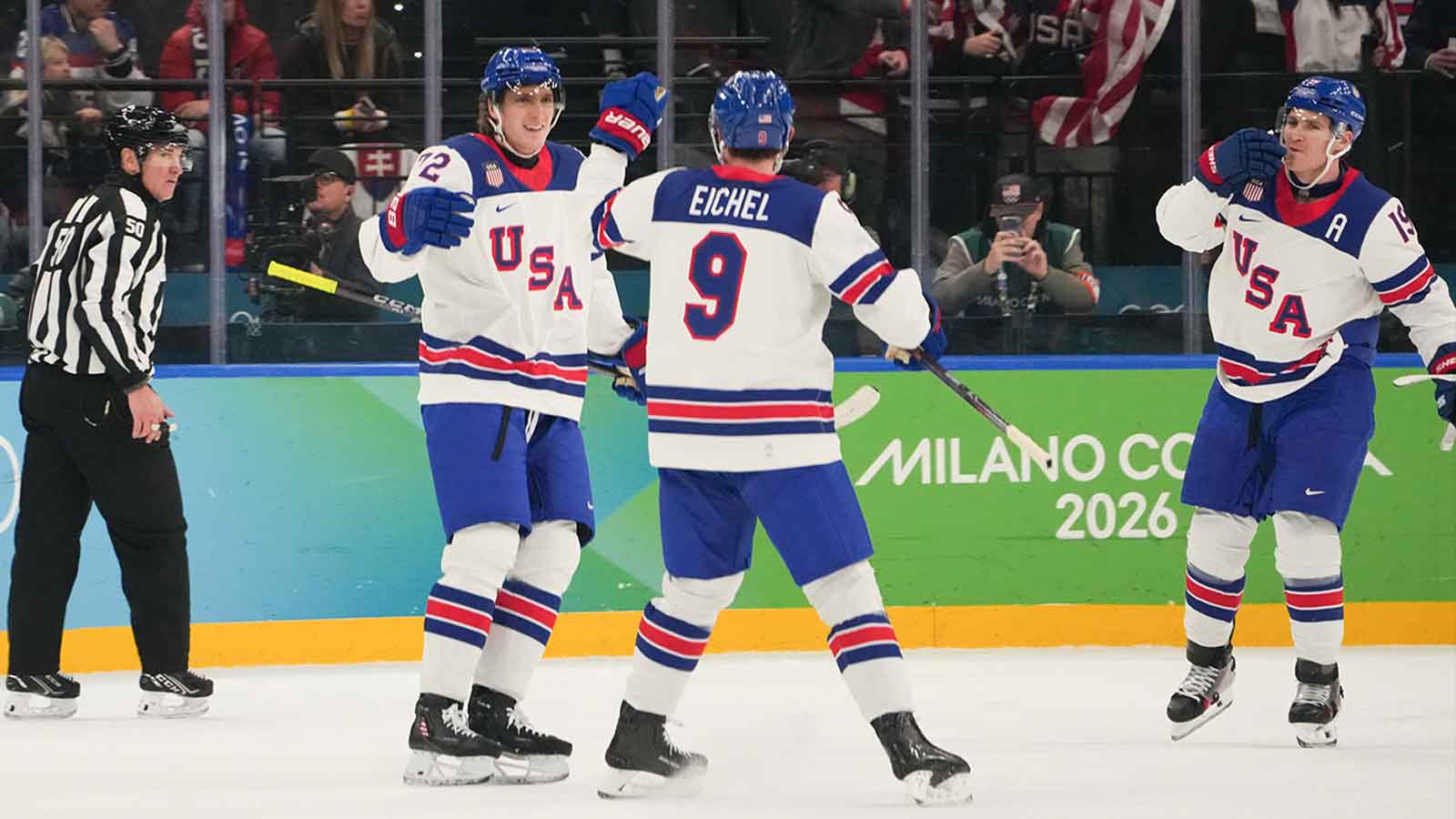
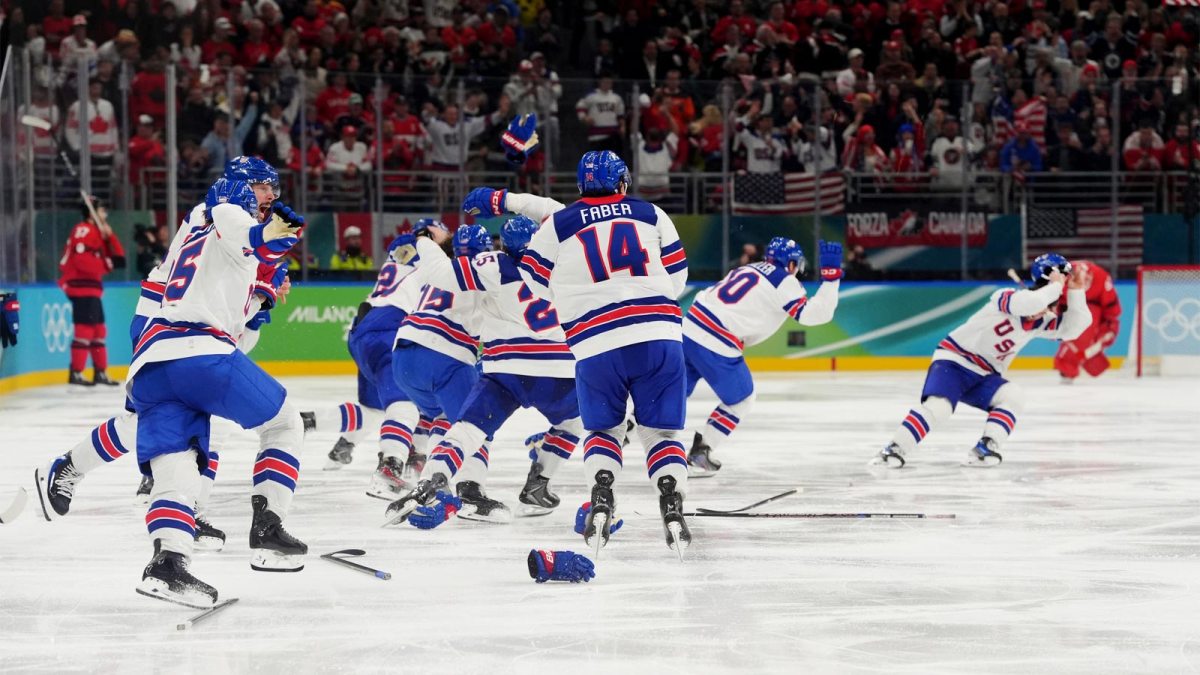
Team USA beat Canada 2-1 in overtime on Sunday to win the gold medal at the Olympics. It is the Americans' third gold medal in men's hockey in 26 opportunities, and their first since the 1980 Miracle on Ice in Lake Placid. But many, including Canada's coach Jon Cooper, were not fans of the overtime format for the Olympics. The Athletic and TSN insider Pierre LeBrun was one of those overtime detractors from the start.
“Honestly will say it again, 3 on 3 OT in gold medal game is such a brutal way to end it,” LeBrun posted on social media before Jack Hughes scored the Golden Goal for the Americans.
LeBrun is far from alone with this take. Even the NHL, which first implemented three-on-three overtime in regular-season games, leaves it behind in the playoffs. In last year's 4 Nations Face-Off, an international tournament put on by the NHL, overtime was five-on-five. Canada beat the US in overtime in the championship.
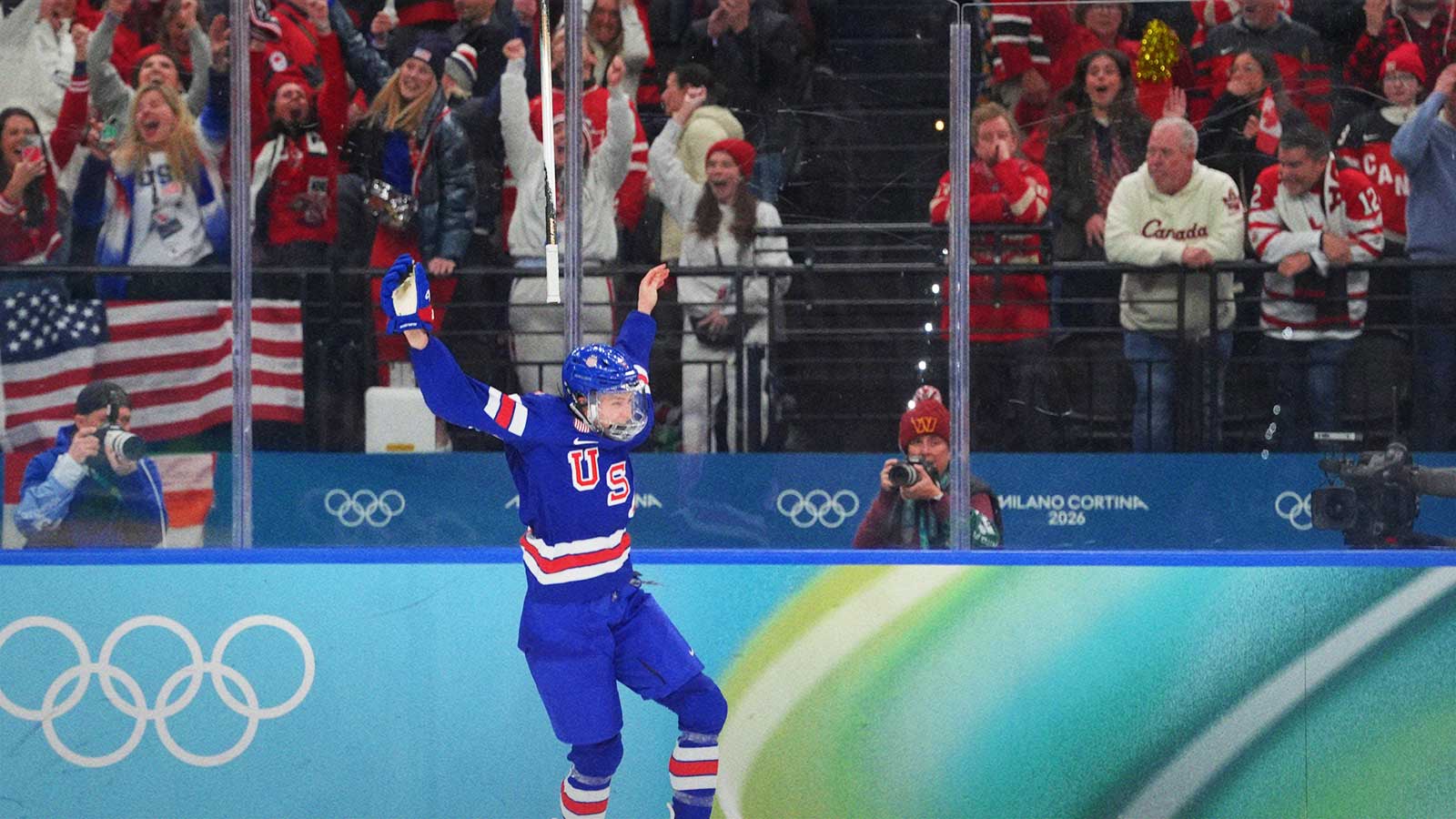
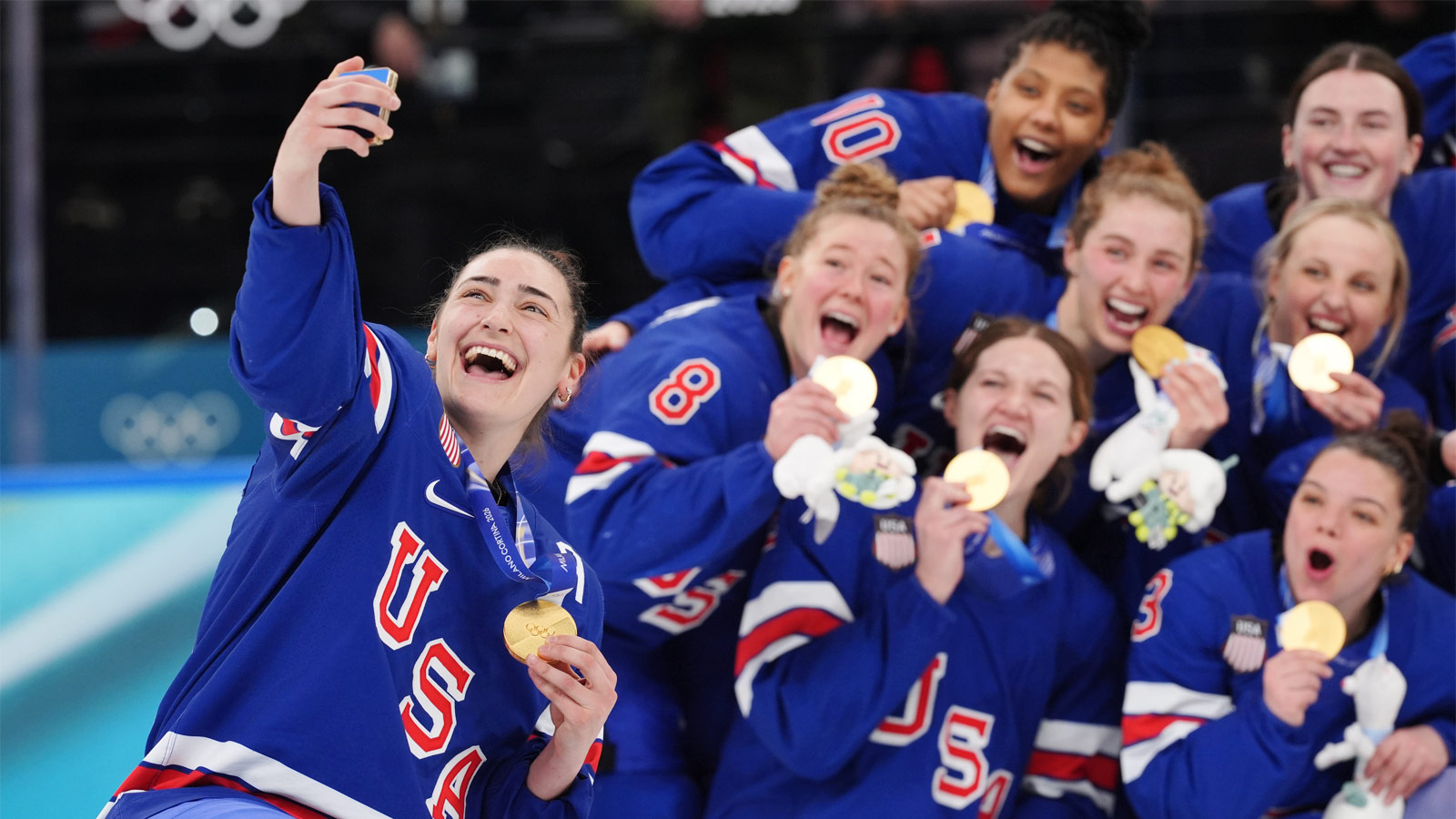
Both Olympic gold medal games ended in three-on-three overtime. USA defender Megan Keller scored the golden goal on the women's side, just like Hughes did a few days later for the men. Whether the IOC will change the rules moving forward won't change the outcome of the Milan Games. Team USA won both tournaments, beating the Canadians along the way.
Team Canada benefitted from three-on-three overtime earlier in the tournament, using their skill to beat Czechia in the quarterfinals. Mitch Marner scored that goal to avoid a Canadian disaster and prevent leaving Milan without a medal.
Team USA scored two goals in three-on-three overtime in the tournament, both by a Hughes brother. Minnesota Wild defenseman Quinn Hughes netted the game-winner in the quarterfinal against Sweden. And Jack helped take home the gold. Three-on-three overtime is not used to determine champions in the NHL, but the Americans won gold in part because of their dominance in the format.