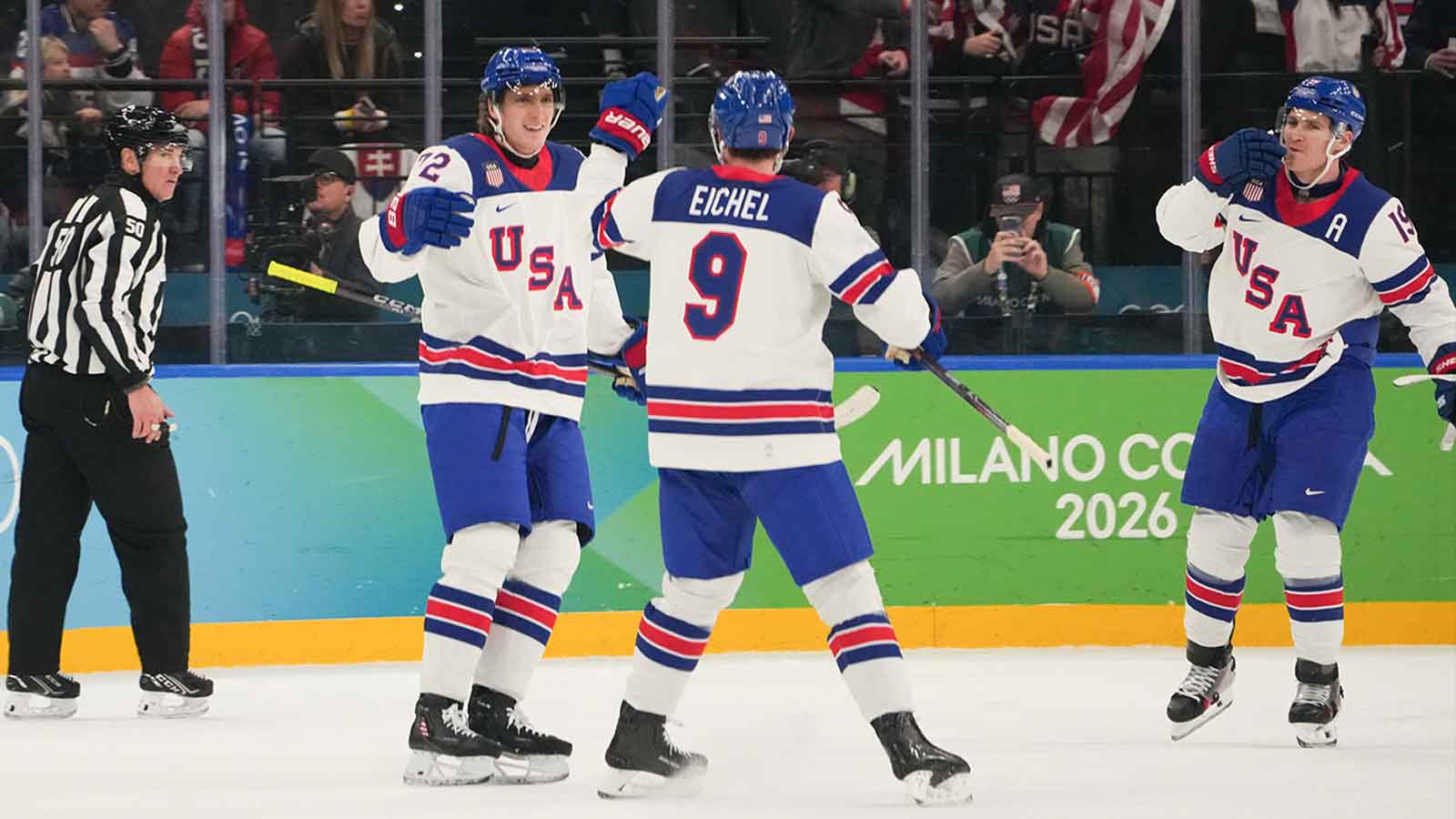

Team Canada lost the Olympic gold medal game 2-1 to Team USA in overtime. After beating the Americans in overtime to win 2025's 4 Nations Face-Off, they could not slam the door in Milan. That overtime was five-on-five, as Stanley Cup Playoffs overtime is. But the Olympics is three-on-three, which is what the NHL utilizes in the regular season. Canada head coach Jon Cooper spoke with The Hockey News' Michael Traiko about the overtime rules.
“You take four players off the ice, now hockey’s not hockey anymore,” Cooper said, per Traiko.”There’s a reason overtime and shootouts are in play — it’s all TV-driven to end games, so it’s not a long time. There’s a reason why it's not in the Stanley Cup final or playoffs.”
Cooper is correct: the NHL introduced three-on-three overtime in the regular season to reduce the number of games that went to a shootout. But once the playoffs come around, the short overtimes and shootouts to end games are long gone. But the Olympics did not follow suit, bringing the three-on-three overtime to the biggest games.
Canada won in overtime when it was five-on-five last year and lost when it was three-on-three this year. Connor McDavid's goal in the 4 Nations was the result of a defensive breakdown that could only happen at full strength. Jack Hughes' golden goal on Sunday was thanks to open ice only available due to the lack of players.
Whether the IOC will change the Olympics overtime rules in the future won't change the outcome of the 2026 gold medal game. Canada dominated play for the final 30 minutes of regulation, but they only beat Connor Hellebuyck once. The defending NHL MVP stood on his head, allowing Hughes to end the game early in overtime.
Canada had their chances in overtime, including an early rush from McDavid. But it wasn't meant to be for Cooper's club.