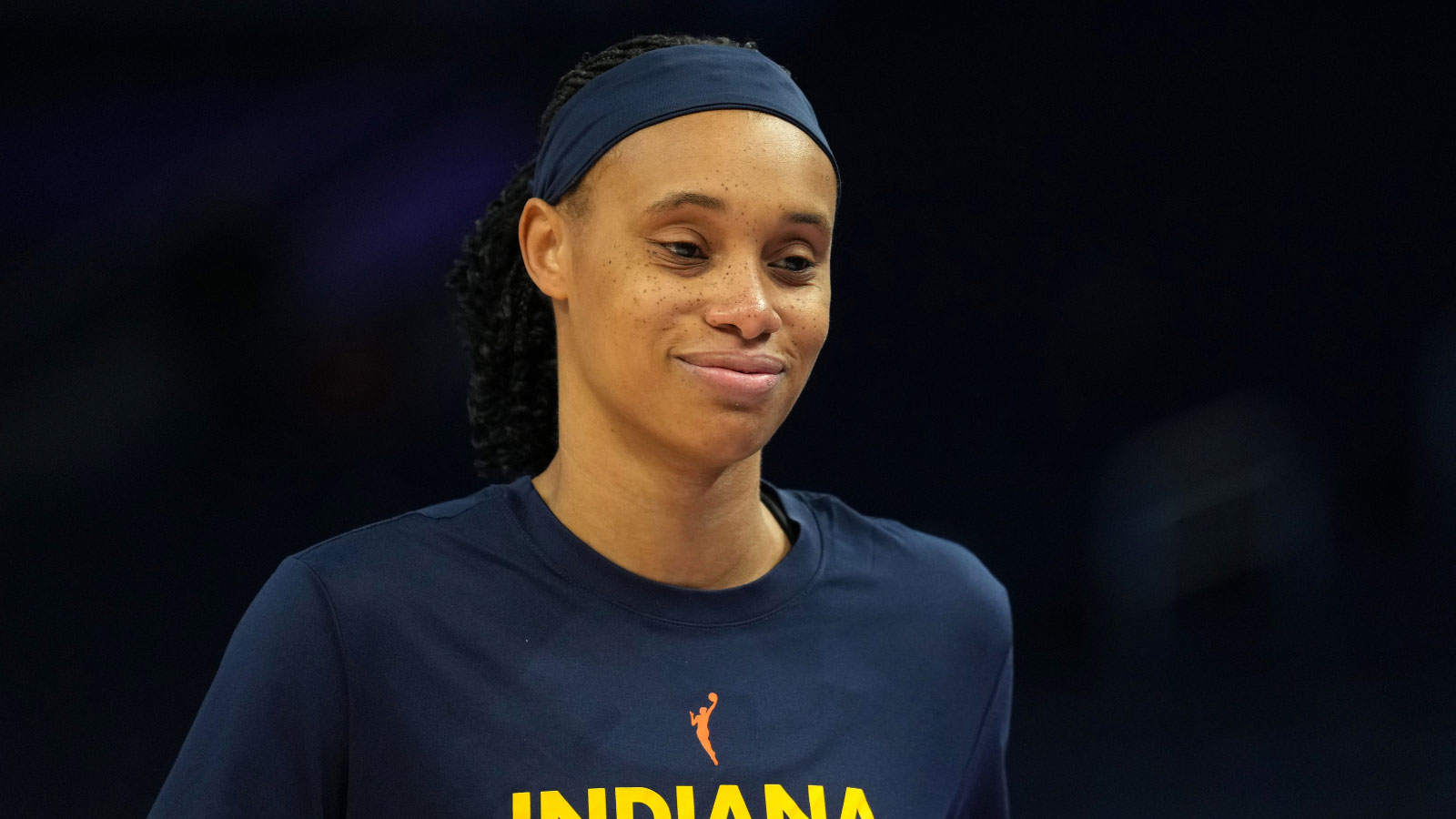
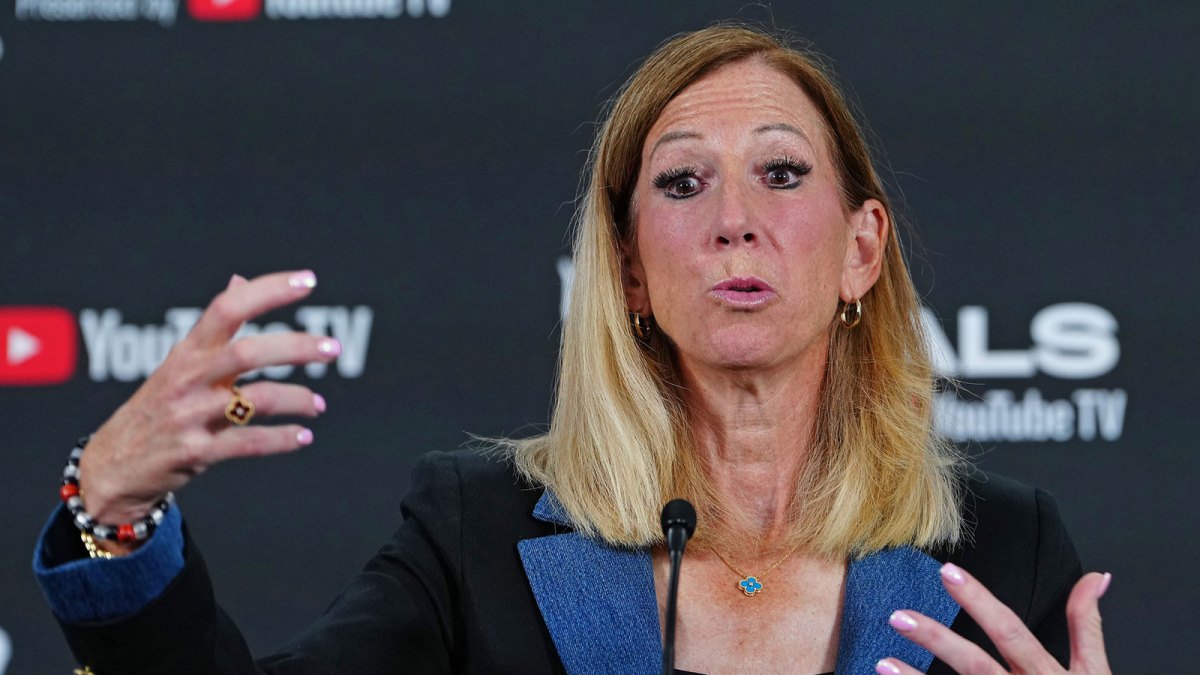
The Indiana Fever’s Sophie Cunningham became the latest WNBA star to shed murky light on the ongoing negotiations between the WNBA and the WNBPA for a new Collective Bargaining Agreement (CBA). With the two sides now effectively working with a deadline of March 10, the threat of a strike appears imminent, considering there has been minimal movement as far as an agreement is concerned.
With the WNBPA stating on March 4 that the league’s latest proposal was “not worth taking,” Cunningham claimed that the WNBA had not been willing to budge on revenue-share, which in its current proposal is dependent on certain parameters being met.
“I think a lot of people who are on the outside, they’re like, just sign it. Like your salary increase is four times, five times higher, but that's not it at all. And so on the last CBA, the league actually came back to us last night at like 10:00 p.m. And they came back and zero, nothing happened with the revenue share,” she said on her podcast, Show Me Something.
All major leagues, including the NBA, NFL, NHL, MLB and the MLS, have some form of independent revenue-share. For the WNBA, it depends on certain revenue targets being met. The WNBA achieved its first-ever revenue-sharing threshold in the 2025 season, triggering a $16 million shared pool for players, with 50% ($8M) going to active players and 50% to marketing agreements.
“And that is the whole thing what we're fighting for. And then they go and they change our salary cap, but only like half a percentage. Like they give us like 50 to $100,000 more dollars. We’re trying to meet somewhere, I mean it’s not in the middle, we’re trying to meet somewhere, but for then they won’t even talk revenue share, but that is our whole fight is revenue share,” Cunningham concluded.
The WNBPA is pushing for a system that would grant players roughly 26% of gross revenue over the life of the agreement, starting at 25% in the first year, while the league is offering players more than 70% of net revenue, revenue after operating expenses are deducted. Based on projections, that framework would translate to less than 15% of gross revenue, a gap that continues to define the stalemate.
The WNBA’s latest proposal
Despite disagreement over the revenue structure, the WNBA’s financial proposal signals significant growth in compensation. The league’s most recent offer would raise the salary cap to $5.75 million in 2026, a dramatic increase from $1.5 million in 2025, representing a 280% jump in team payroll capacity.
The cap would then grow to approximately $8.5 million by 2031, according to league projections. Player earnings would rise accordingly. Under the proposed system, maximum salaries could exceed $1.3 million in 2026, compared to the $249,000 supermax in 2025, while average salaries would climb from roughly $120,000 to $540,000 in the first year of the deal. Even the minimum salary would surpass $230,000, nearly matching the previous CBA’s maximum base salary.
Regardless, in December 2025, players authorized the WNBPA executive committee to call a strike if necessary, with 98% voting in favor and 93% of players participating. Hence, for now, even if an agreement does not come to fruition, the WNBPA does have the option of going on a strike.