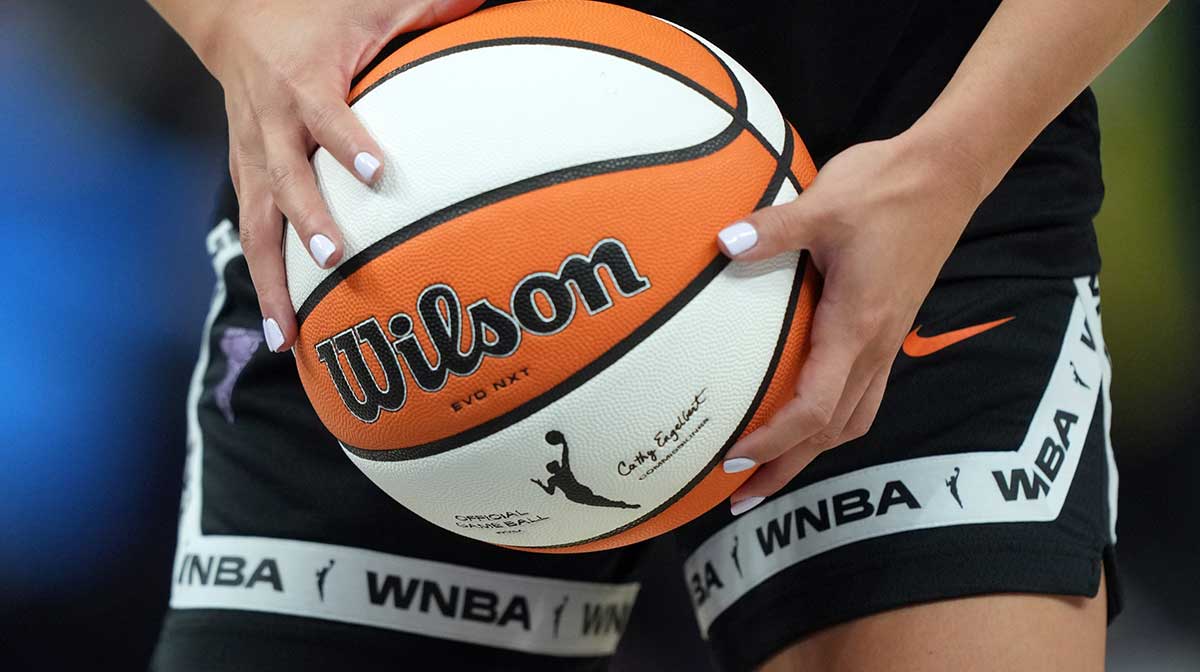
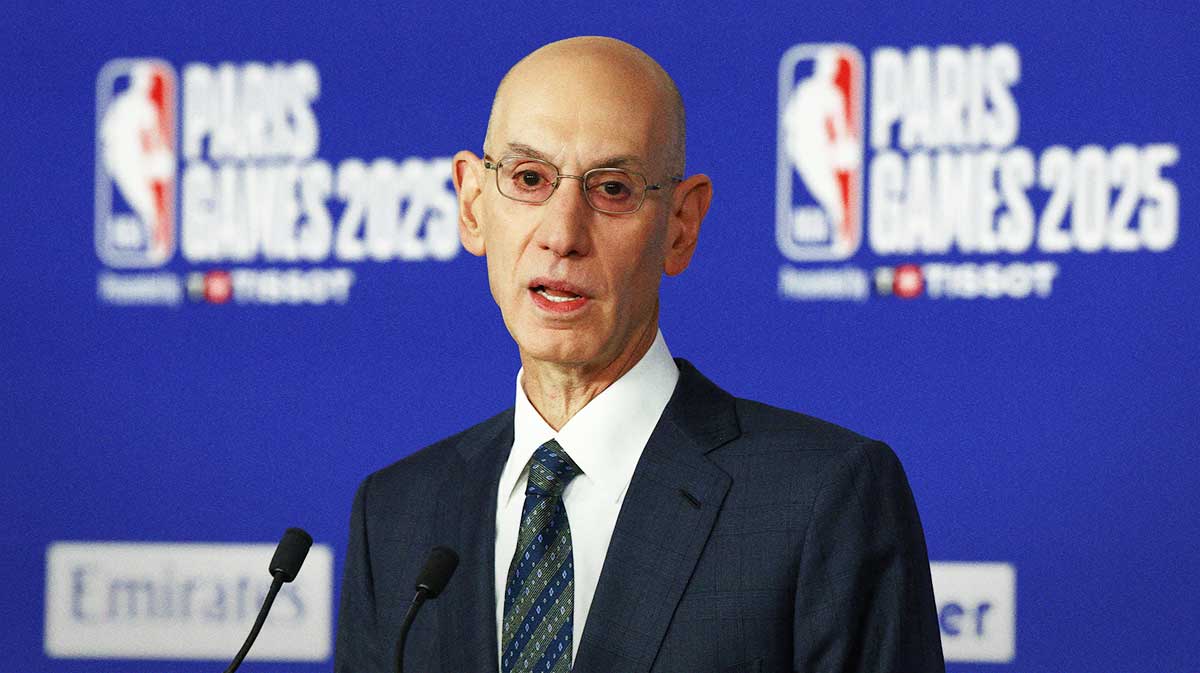
As collective bargaining talks between the WNBA and the Women's National Basketball Players Association intensify, NBA Commissioner Adam Silver made clear during All-Star Weekend that negotiations are nearing what he called the “11th hour.”
“Let me begin by saying I think it's unfortunate where we find ourselves right now, both from the team standpoint and from the players,” Silver said. “We're coming off tremendous momentum in the WNBA. It’s not lost on anyone. I feel like in the last few years in particular, the league has turned a corner in terms of fan interest, commercial success, popularity of players. All arrows are pointing up in terms of the WNBA.”
Silver, for his part, stressed the practical realities.
“I'm not ready to set a drop-dead date,” he said. “But I will say, as I look at the calendar and the amount that we need to get done, really over the next two months, because training camps are scheduled to open roughly two months from now… We have to get not one but two drafts done. We have an expansion draft and a collegiate draft, and then we need to fit in free agency. Plus, whenever we shake hands on a collective bargaining agreement, the lawyers have to go to work and memorialize it.”
The league must conduct an expansion draft for the Portland Fire and Toronto Tempo, hold the WNBA Draft on April 13, and open training camp around April 19 ahead of the scheduled May 8 opener.
“What I'd love to accomplish is sort of putting pressure on everybody,” Silver added. “I've been through so many cycles of collective bargaining, and often things tend to get done at the 11th hour. We're getting awfully close to the 11th hour now when it comes to bargaining. We need to now move towards the next-level sense of urgency and not lose momentum in terms of the amazing amount of progress we've seen in women’s basketball.”
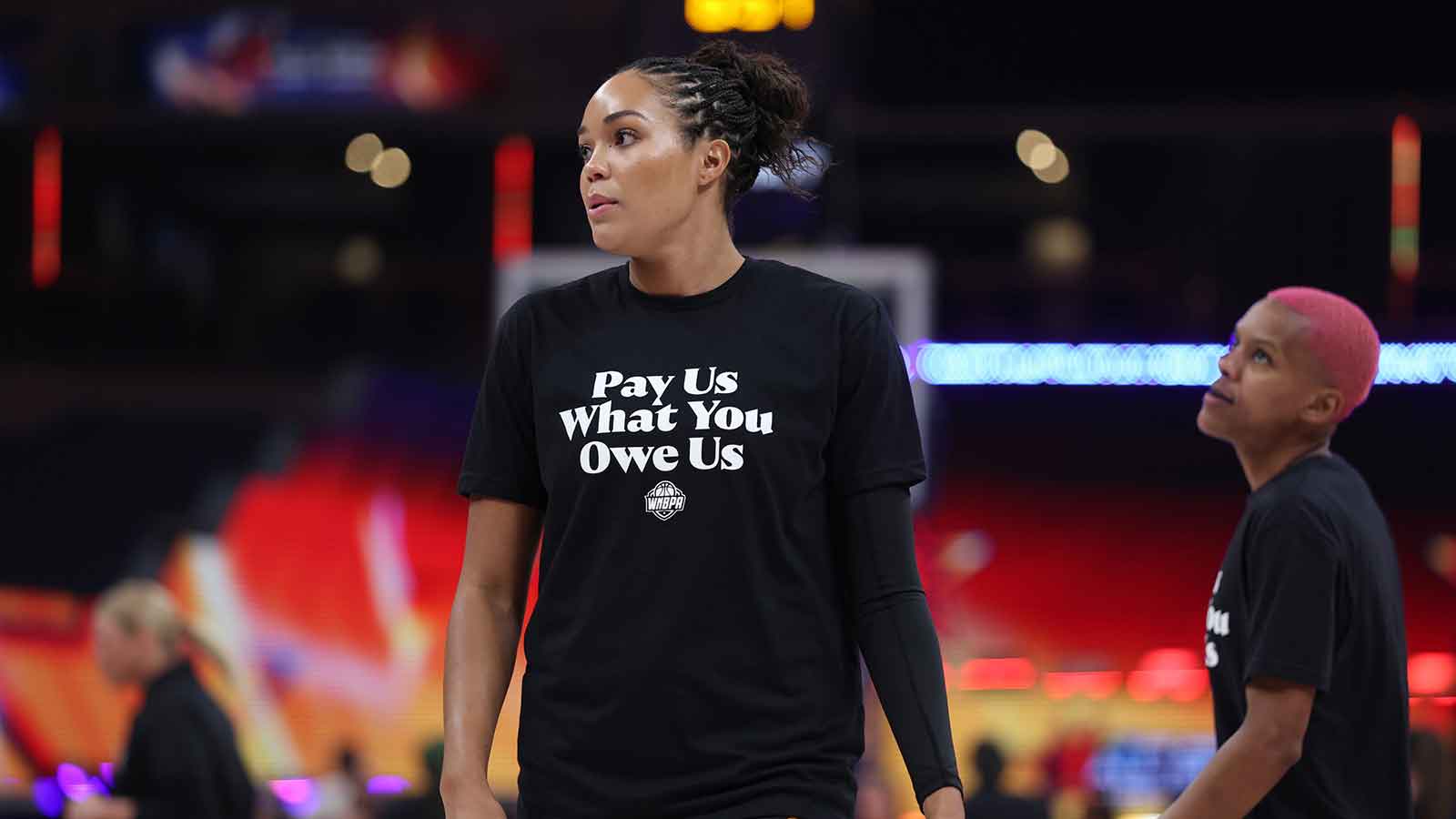
The WNBA and the WNBPA agreed to the previous CBA in 2020, and it expired on Jan. 9, 2o26. In December, 98% of players voted to authorize a strike if necessary. Revenue sharing remains the primary dispute. The union has proposed receiving 30% of gross revenue and a $10.5 million salary cap. The league's latest offer includes a $5.65 million cap in 2026 (up from around $1.5 million in 2025) and proposes that players receive, on average, more than 70% of net revenue.
The league projects maximum salaries, including revenue sharing, at $1.3 million in 2026, reaching nearly $2 million by 2031. The 2025 supermax was $249,000, and the average salary was $120,000, but projections would raise it to $540,000 in 2026 and $780,000 by 2031. The league expects $700 million in losses under the union's plan, but the union argues it would maintain profitability.
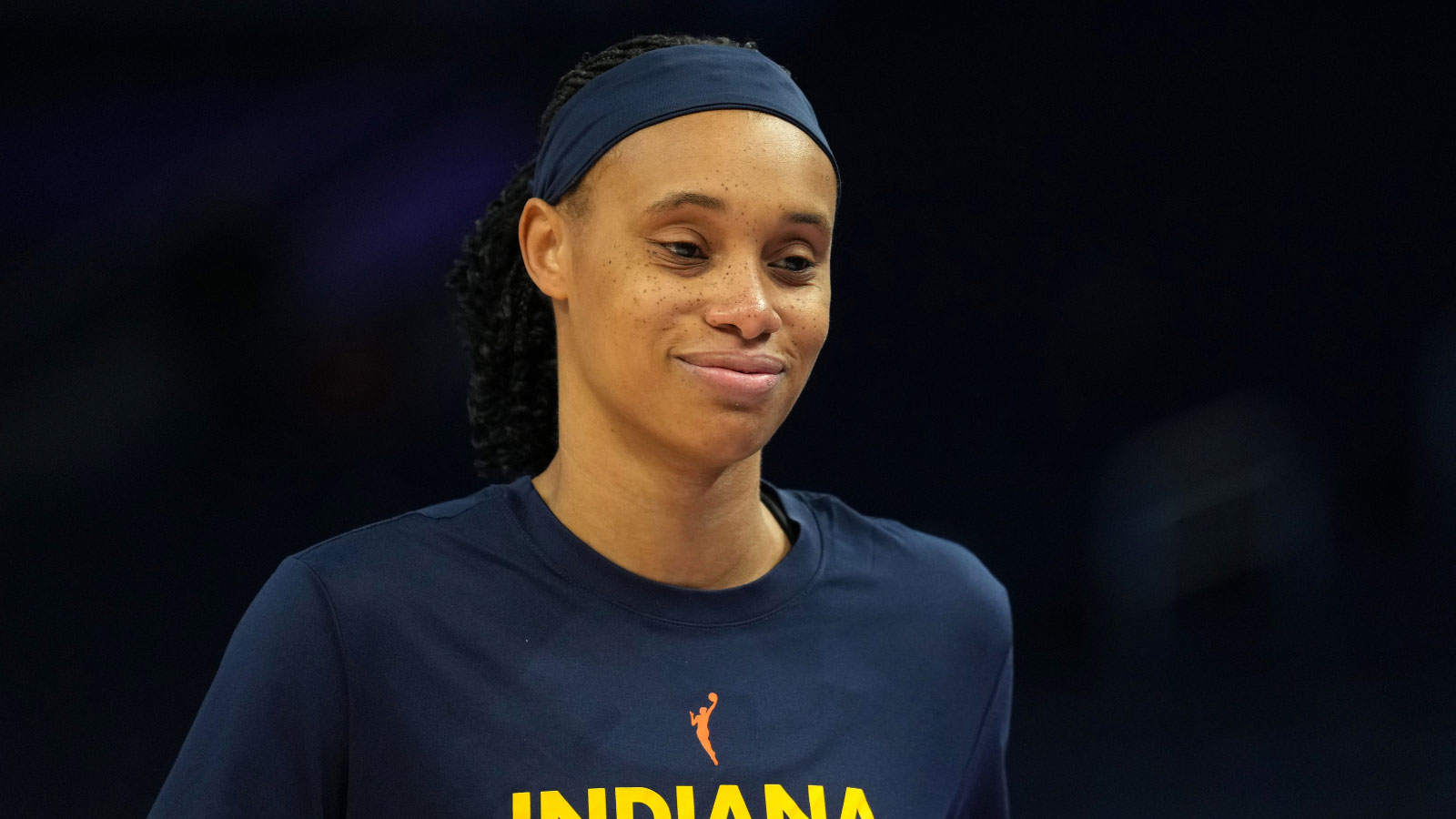
Executive committee treasurer Brianna Turner stated last week that a strike “is not imminent at this point,” as both sides continue negotiations with the 30th season approaching.