
The Atlanta Braves have a unique opportunity to fortify their outfield by acquiring Luis Robert Jr. from the Chicago White Sox, provided they construct a compelling trade package that addresses Chicago's rebuilding priorities. While the White Sox have maintained steadfast resistance to trading their talented outfielder, a strategic offer centered on controllable, high-upside pitching prospects could shift the narrative heading into Spring Training.
The Braves possess the organizational resources to create a framework that benefits both franchises. Atlanta's farm system features elite young arms with significant upside, and the timing aligns with Chicago's stated focus on acquiring cost-effective prospects and pitchers who can advance quickly through the system. For the Braves, acquiring Robert Jr. would immediately address center field depth while providing legitimate power production to complement an inconsistent lineup.
The Perfect Trade Package for Luis Robert Jr.
The Braves should present this targeted trade offer:
White Sox Receive:
- RHP Hurston Waldrep
- OF Conor Essenburg
Braves Receive:
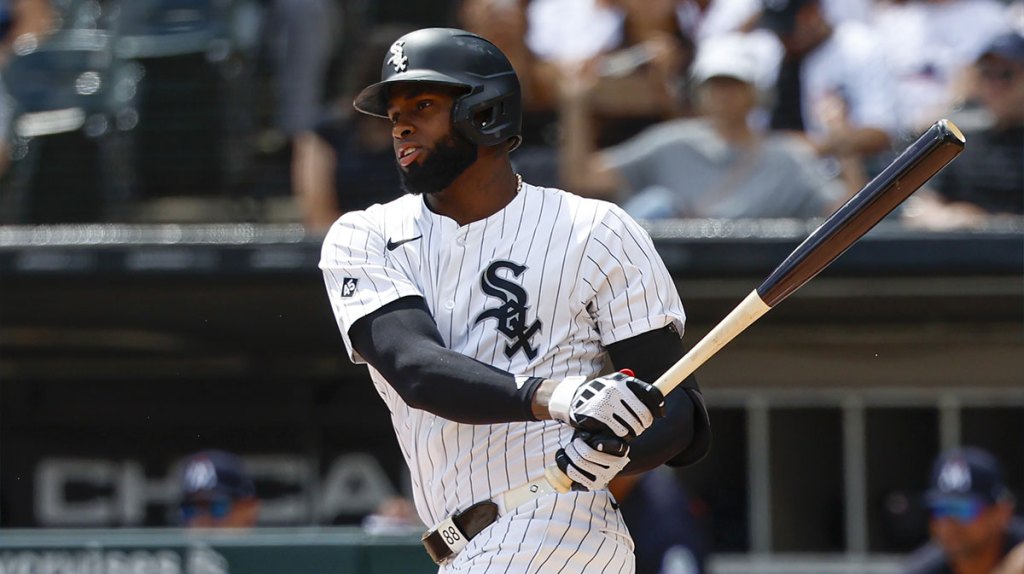
- OF Luis Robert Jr.
This combination provides the White Sox with immediate pitching depth from prospects positioned to impact the majors within the next 12-18 months, while reducing Chicago's financial burden associated with Robert Jr.'s remaining contract.
Why This Deal Makes Sense for Both Organizations
The Braves would acquire a 28-year-old center fielder with legitimate power upside and proven defensive capabilities. Despite recent production concerns, Robert Jr.'s second-half 2025 performance demonstrated his ceiling—a reminder that change of scenery often unlocks hidden value. Atlanta's lineup would benefit from his presence, particularly in protecting other offensive weapons and providing protection in the cleanup position.
The White Sox achieve a critical objective: accelerating their rebuilding phase by acquiring two high-upside pitching prospects simultaneously. Waldrep's elite strikeout stuff and Essenburg's versatile arm profile align perfectly with Chicago's organizational philosophy of acquiring controllable talent. Both prospects feature realistic timelines to impact the major league roster, satisfying the organization's stated preference for rapid player advancement and cost-effective depth building.
The framework also acknowledges market realities. Robert Jr.'s recent injury history and two-season performance decline have deflated his market value despite his talent ceiling. The White Sox can maximize their return by accepting a strong prospect package rather than holding firm on unrealistic demands and potentially retaining an increasingly immobile asset through an entire season.
For the Braves, this represents a calculated risk on a reclamation project with proven talent and runway for recovery. Atlanta's recent organizational stability and pitching infrastructure provide Robert Jr. with an optimal environment for a statistical bounce-back. Acquisition costs remain reasonable relative to Robert Jr.'s upside, and the Braves maintain financial flexibility for additional roster construction.