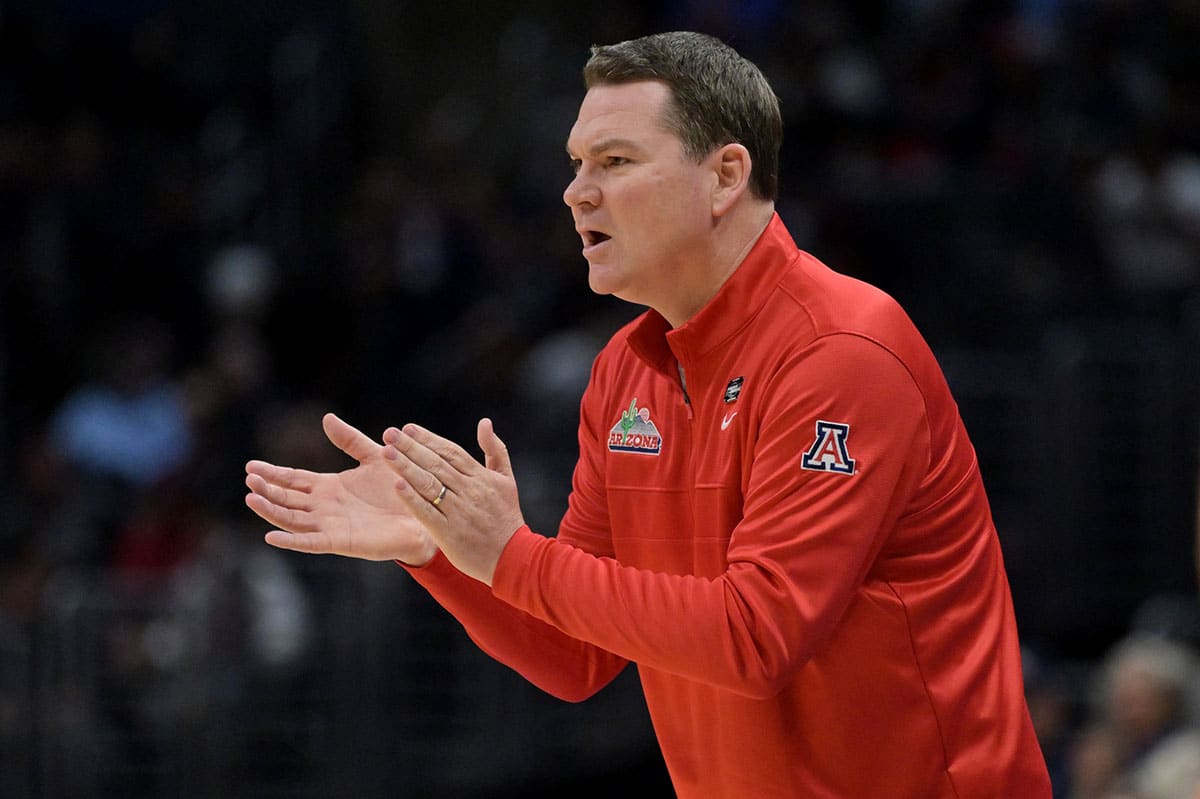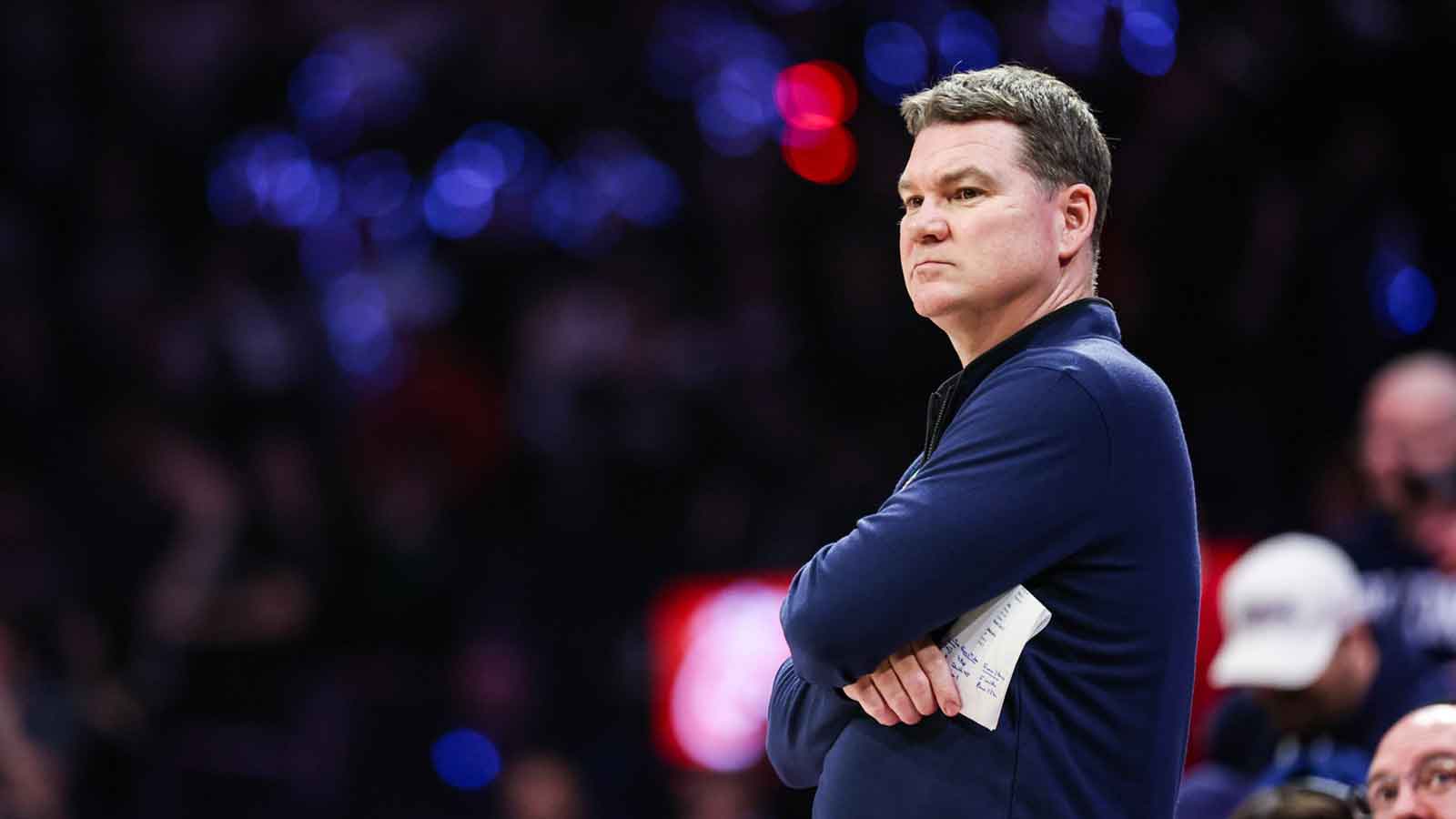

As if the 2025-2026 college basketball season did not have enough volatility, Arizona has gone from the clear-cut best team in the country to another reeling program on a small losing streak in just one week. Tommy Lloyd's team will still be favored to win the Big 12 and enter the NCAA Tournament as a No. 1 seed, but the Wildcats have clear flaws to address before the postseason.
Arizona looked unbeatable through the first three months of the season. The Wildcats rattled off 24 consecutive victories to begin the season, separating themselves from the field from the very beginning.
Arizona's early success includes non-conference wins over UConn, Florida, Alabama, UCLA and Auburn, as well as Big 12 victories over BYU, TCU and UCF.
However, while Arizona boasts an impressive 10-2 Big 12 record, it is just 1-2 against top-25 opponents in the conference, a concerning record for the Wildcats' championship ceiling. While their two losses have come by a combined seven points, their only ranked win in league play was a three-point nail-biter against BYU, in which they nearly blew a double-digit lead.
There is no doubting the Wildcats' ceiling, but they are not looking nearly as unbeatable in mid-February as they were a month ago. Lloyd has also struggled in the NCAA Tournament, never advancing past the Sweet Sixteen as a head coach, raising more red flags as the regular season nears its end.
Before Arizona can begin preparing for the big dance, it must win the Big 12 Tournament to clinch the No. 1 seed that once looked like a foregone conclusion. It is not time to panic just yet, but the Wildcats need to shore up a few areas before the postseason if they wish to win their first conference title.
Arizona has lost to the 2 biggest teams in the Big 12
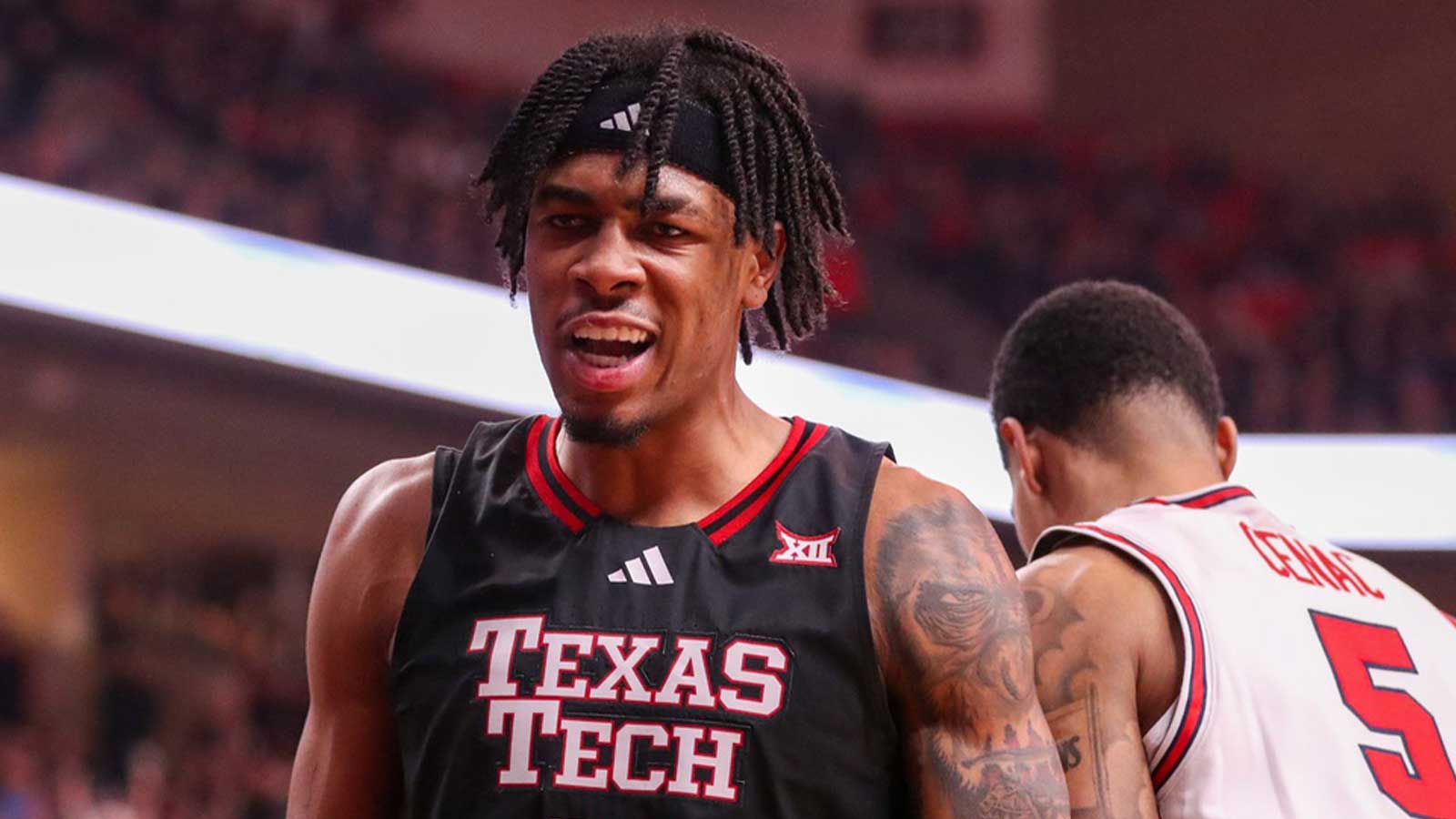
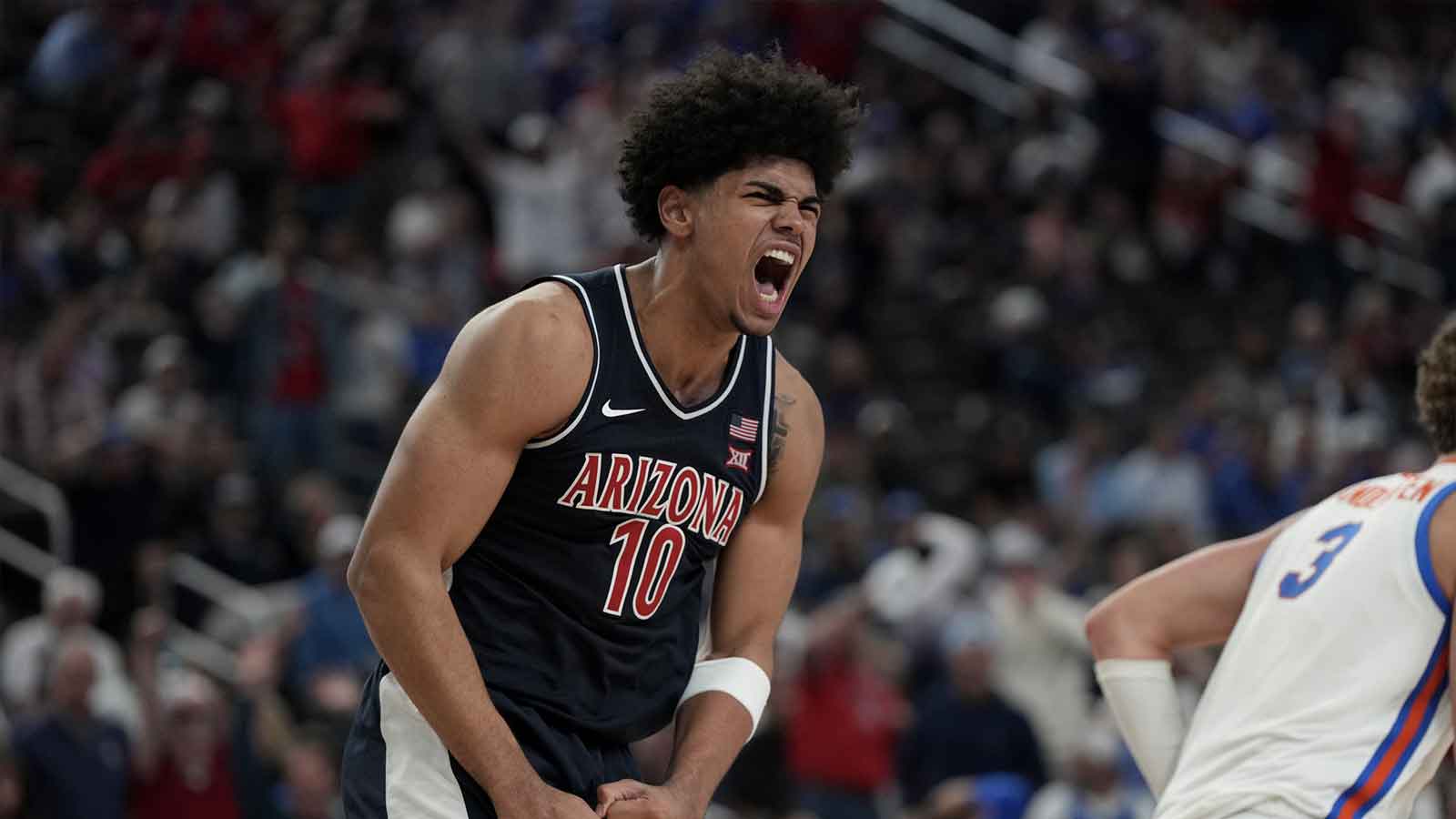
Arizona has been one of the most physical teams in college basketball all season, often leaning on that to wear down opponents. Few teams are equipped to handle the size and versatility Motiejus Krivas and Koa Peat bring up front. Tommy Lloyd supplements his elite Peat-Krivas duo with arguably the best backup big man in the country, Tobe Awaka.
Arizona's guard duo of Jaden Bradley and Brayden Burries paces the offense, but everything starts and ends in the paint. The Wildcats average 45.0 points in the paint, second in the country, and make 25.8 two-point field goals per game, according to CBB Analytics.
However, Arizona's struggles have come against teams that can match its size. The Wildcats' two losses have come against the two other biggest teams in the Big 12 who had the personnel to match up with them in the paint.
Texas Tech and Kansas have their own flaws, but they have the frontcourt personnel to match up with Arizona's forwards inside. The Wildcats are used to having big advantages inside; they average 19.5 more points per game in the paint than their opponents. The Red Raiders and Jayhawks were both able to keep pace with them, eroding that massive advantage.
While Arizona is too good and disciplined to get manhandled by anyone down low, teams that can match their size and even the playing field can make life much more difficult for Lloyd's crew. The Wildcats' guards are their best offensive players, but physicality is their biggest strength, and bigger teams are beginning to catch on.
If Arizona does not have an advantage in the paint, it lacks enough offensive versatility to separate from the best teams in the country.
Arizona's 3-point inefficiencies cost it in big moments
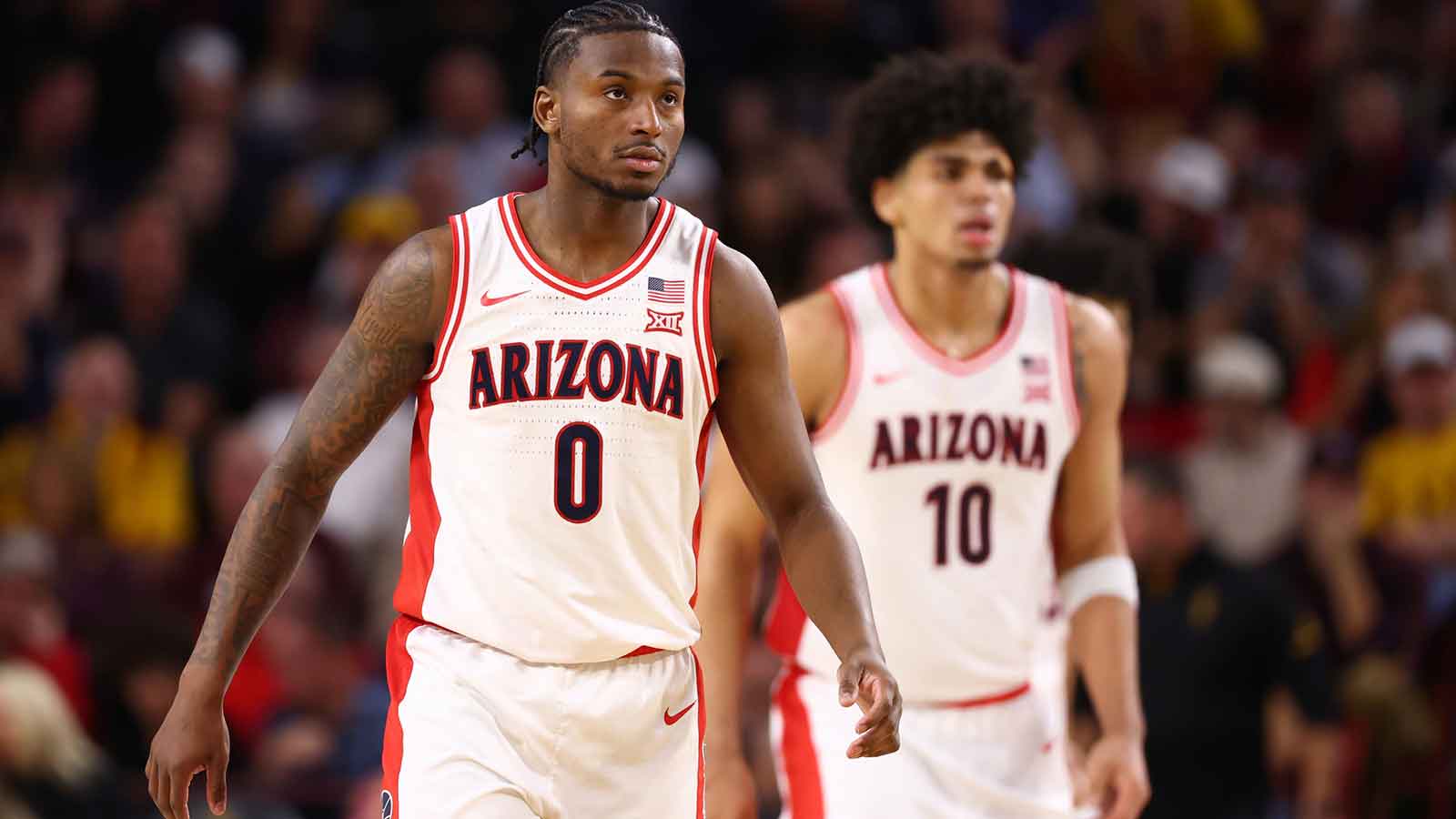
In the modern era of college basketball, in which teams base their offense around the three-point line, Arizona is a total throwback. Tommy Lloyd has his team playing from the inside out, which has worn down smaller opponents, but also leaves them somewhat limited when Plan A falls apart.
Despite having competent shooters on the floor, Arizona has been one of the worst three-point shooting teams in college basketball all season. The Wildcats attempt just 16.4 three-pointers per game, ninth-fewest in the country, and make just 5.8 per game, ranking 334th.
Their lack of outside shooting was evident in each of their losses to Texas Tech and Kansas. Arizona went just 6-for-15 from downtown against the Red Raiders and 4-for-16 against the Jayhawks to lose that battle in both games.
Arizona does not have a bad three-point offense; it is just not in its identity. Jaden Bradley hits 40 percent of his three-point attempts, while Brayden Burries is 37.3 percent from behind the arc. Freshman Dwayne Aristode leads the team with a 43.9 percent three-point clip, although on just 15.5 minutes per game off the bench.
Senior guard Anthony Dell'Orso, who hit 41.3 percent of his threes in 2024-2025, has been the only disappointment from deep, connecting on a putrid 29.7 percent of his long-range attempts in 2025-2026.
It is not that Arizona cannot shoot, nor has its low three-point volume been much of an issue thus far. But it prevents the Wildcats from scoring points in bunches and pulling away from high-level teams that can match their physicality inside.
Teams are not going to stop Arizona inside, but they can keep pace with them by converting in the paint on the other end. When that happens, the Wildcats do not have enough perimeter scoring to fall back on.