
Every March, the landscape of American sports shifts toward one unifying obsession: Basketball. While much of the national conversation often centers on the men’s tournament, women’s college basketball has carved out a powerful, passionate following of its own.
At the heart of this momentum is “Champ Week,” the exhilarating stretch of conference tournaments that determines automatic bids to the NCAA Tournament and shapes the national championship picture. Women’s college basketball's Champ Week is more than a series of games — it's a celebration of competition, redemption, resilience, and the unique identity of the women’s game. Let's break down everything that's important to know before the week tips off.
Champ Week has arrived 🔥@CharlieCreme predicts all 31 women's Champ Week winners and conference players of the year ⬇️ https://t.co/9H8Z2wCixX
— ESPN (@espn) March 2, 2026
What Is Champ Week?
Champ Week refers to the time after the NCAA regular season ends and Division I conference tournaments are played across the country. These tournaments decide which teams earn automatic bids to the main event that is March Madness.
Each Division I conference hosts its own postseason tournament, culminating with Selection Sunday. Regardless of how a team performed during the regular season, winning the conference championship guarantees entry into the national field of 68.
For powerhouse teams, Champ Week is about solidifying seeding and sharpening their edge. For others, it is a last-ditch, desperate opportunity to extend their season. In this way, Champ Week levels the playing field, infusing every game with urgency and possibility.
Structure and format
Conference tournaments typically follow a single-elimination format. Teams are seeded according to their regular-season standings, with higher seeds receiving byes into later rounds. In larger conferences, the top four teams may skip the opening rounds entirely, while lower-seeded teams must play multiple games in consecutive days.
This compressed schedule tests endurance, depth, and mental toughness. It is not uncommon for a lower-seeded team to win three or four games in as many days to claim a championship. These Cinderella runs become defining moments of the season.
The format also heightens drama. Unlike a best-of-seven playoff series, there are usually no second chances. A single cold shooting night or defensive lapse can end months of preparation. That do-or-die intensity gives Champ Week its distinctive emotional edge.
Automatic bids
One of the defining elements of Champ Week is the distribution of automatic bids. Every DI conference tournament champion receives a guaranteed place in the NCAA Tournament, meaning this can be the only realistic path to March Madness for teams from smaller conferences.
In contrast, teams from major conferences may be considered for “at-large” bids if they do not win their tournament. On Selection Sunday, the NCAA selection committee evaluates factors such as strength of schedule, quality wins, and other metrics. Champ Week becomes a high-stakes audition not only for automatic qualifiers but also for bubble teams fighting to impress the committee.
A surprise champion from a smaller conference can disrupt the national bracket by “stealing” a bid, reducing the number of at-large spots available. This ripple effect adds another layer of entertainment, giving fans and analysts the chance to debate which teams are safely in and which are on the brink.
National implications
In recent years, women’s college basketball has seen heightened national attention, fueled by transcendent players and historic rivalries. During Champ Week, major conference tournaments can often feature matchups between top-ranked programs that preview potential NCAA Tournament clashes.
For example, the SEC Tournament frequently showcases programs like South Carolina and LSU battling for supremacy. In the Big Ten Conference, traditional powers such as Iowa and Michigan can draw national headlines. Meanwhile, the Pac-12 Conference — before its recent realignment upheaval — featured elite programs like USC and UCLA competing at the highest level.
The outcomes of these tournaments significantly influence the seeding for March Madness. A conference champion may secure a coveted No. 1 seed, ensuring home-court advantage in the early rounds, or a surprising early exit could drop a team several seed lines, dramatically altering its path.
The magic of upsets
While major conferences dominate headlines, some of the most compelling Champ Week stories emerge from mid-major leagues. For programs outside the traditional power structure, the conference tournament often represents a rare opportunity to steal the national spotlight.
In leagues like the MVC (Missouri Valley Conference) or Sun Belt Conference, regular-season champions sometimes stumble under the pressure of single-elimination play. Lower-seeded teams can catch fire, riding hot shooting or a suffocating defense to improbable postseason runs.
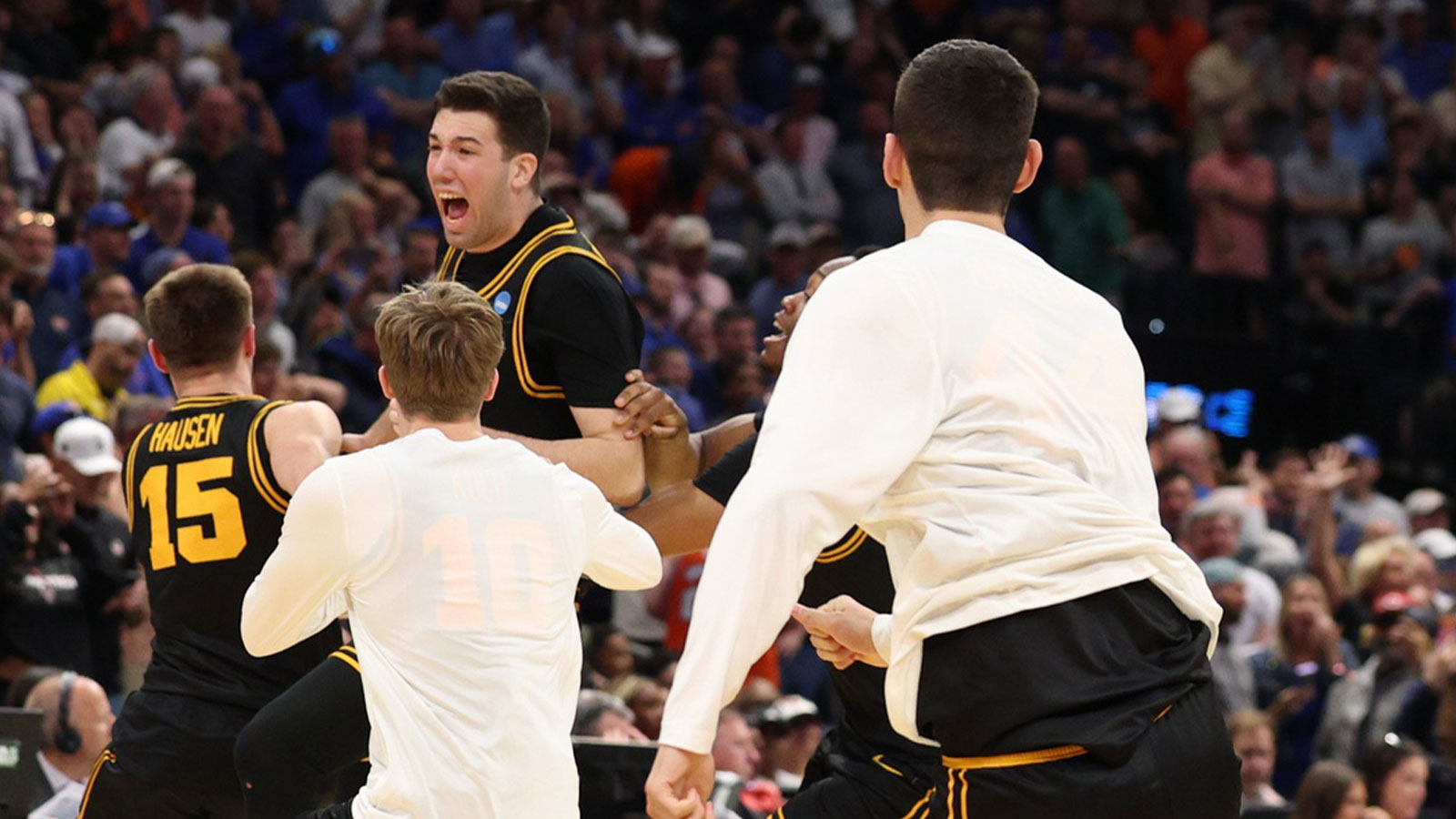
These underdog triumphs embody the spirit of March Madness, reminding fans that the women’s game is rich with depth and unpredictability. When a mid-major champion hears its name called on Selection Sunday, the celebration resonates far beyond just its campus.
Star power
Champ Week also often serves as a showcase for elite talent. Star players can elevate their games under postseason pressure, delivering performances that cement legacies and capture national attention.
In recent seasons, players like Caitlin Clark and Angel Reese have demonstrated how individual brilliance can shape tournament outcomes. Whether through deep 3-pointers, dominant rebounding, or clutch free throws, standout athletes embody the heightened stakes of Champ Week.
At the same time, the week frequently introduces lesser-known players to a broader audience, which worked for Sarah Strong during UConn's 2025 title run. A breakout scoring performance or a game-saving defensive stand can transform a role player into a tournament hero. The spotlight of Champ Week has the potential to amplify both established stars and emerging talents.
Strategy and adjustments
Outside of the individual heroics, Champ Week highlights the strategic depth of women’s college basketball. Coaches must prepare their teams for multiple opponents in rapid succession, often with limited recovery time, at the most high-pressure time of the year.
Adjustments become critical. A team might face a high-tempo offense one day and a methodical, defensive-minded squad the next. Coaches need to tweak defensive schemes and offensive sets, bringing the chess match element of the sport to the surface.
For veteran coaches, Champ Week is an opportunity to reinforce culture and discipline. For newer leaders, it can be a breakthrough moment, proving their ability to guide a program through make-or-break scenarios.
The landscape
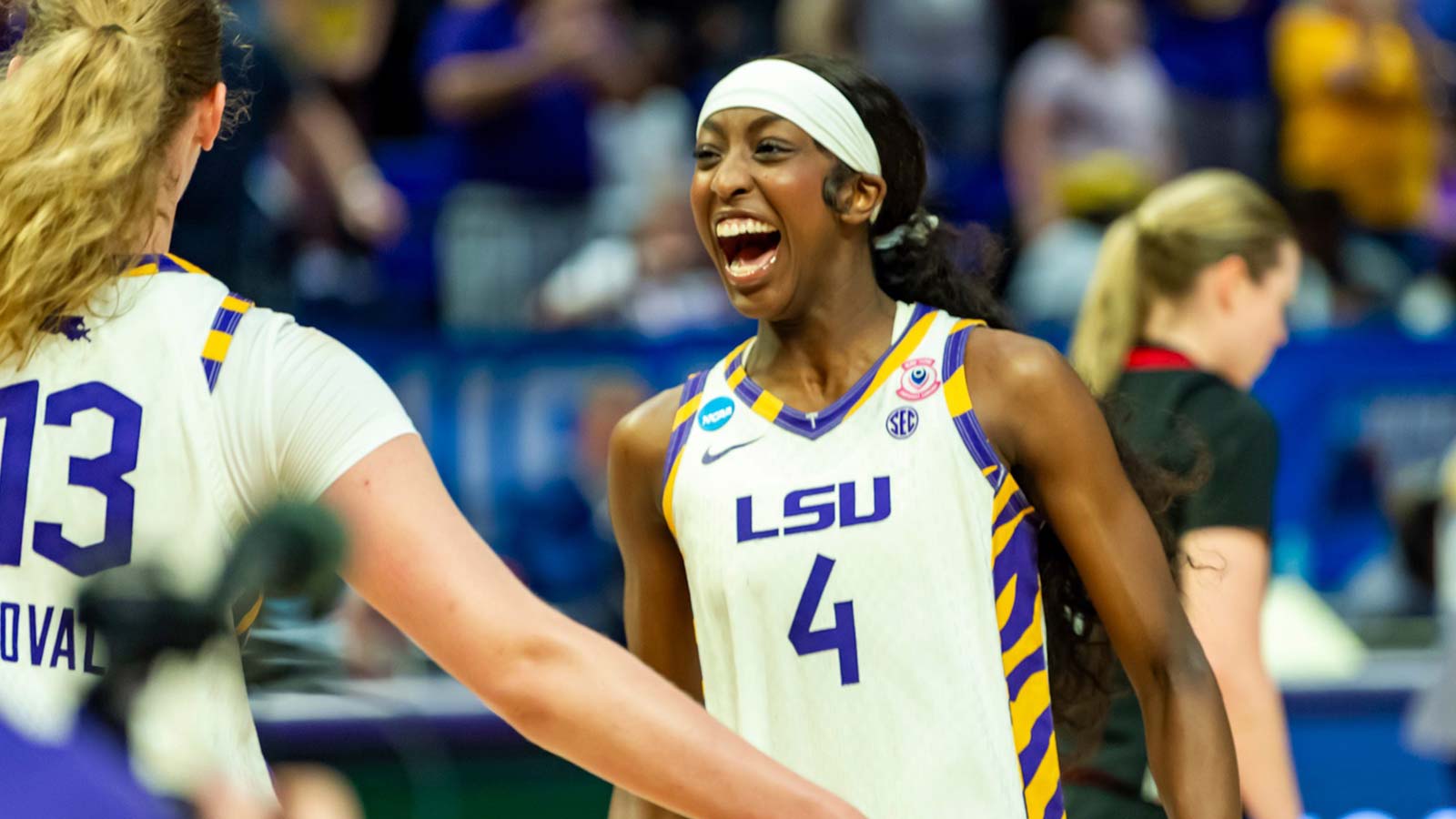
Emotion can define Champ Week as much as athletic performance. For seniors, it may be their final opportunity to wear their school’s jersey, meaning tears often flow in both defeat and victory. A conference championship celebration can be a cathartic pay-off of months, or even years, of hard work.
Invigorated crowds also add to the intensity. Tournament games are often held at neutral sites, creating festival-like environments with bands, cheerleaders, and traveling fan bases contributing to an atmosphere that feels even more electric than usual.
The emotional stakes extend to fans watching from afar, too. Alumni reconnect with their alma maters, families gather around televisions, and social media buzzes with reactions. Champ Week becomes a communal experience, uniting a wide array of communities through shared anticipation.
Cultural impact
It's no secret that women’s college basketball has experienced unprecedented media growth in recent years. Television ratings for regular- and post-season games have surged, reflecting increased interest and investment in the women’s game. Networks dedicate prime-time slots to marquee matchups, and digital platforms amplify highlights constantly.
This visibility during Champ Week reinforces broader cultural shifts. The success of women’s college basketball has been challenging outdated narratives about marketability and audience appeal in recent years, putting more young athletes on national stages.
Moreover, the narratives crafted during Champ Week — underdog runs, rivalry renewals, redemption arcs — carry into the NCAA Tournament, enriching the storytelling that defines March Madness.
Selection Sunday and the Big Dance
At the end of Champ Week competition, attention turns to Selection Sunday. Teams gather to watch the bracket reveal for the Women's NCAA Division I Tournament, reacting in real time to seed placements and first-round matchups as their fate unfolds. For conference champions, the moment affirms their accomplishment. For at-large selections, it validates a season’s body of work. For those left out, it marks a painful end.
But even in disappointment, Champ Week leaves an imprint. It has tested teams, sharpened skills, and produced unforgettable moments. The intensity of conference tournaments often prepares squads for the rigors of the national stage.
Women’s college basketball's Champ Week stands as a defining chapter in the college basketball calendar. It blends structure and spontaneity, strategy and emotion, star power and collective grit. From powerhouse conferences to mid-major dreamers, every team enters with hope.
The beauty of Champ Week lies in its dual purpose: Crowning conference champions while setting the stage for national glory. It captures the idea that opportunity can change everything.
As the final nets are cut down and confetti falls, the impacts of Champ Week reverberate through Selection Sunday and into the NCAA Tournament, reminding fans that before the bright lights of the Final Four, there was a week when everything was on the line and anything was possible.