The NCAA announced that the targeting penalty will have less of an impact on suspensions in the 2026 college football season.
While the penalty itself will still result in an ejection, the NCAA will decrease its post-game effect. The organization announced in a statement that a second-half penalty will not result in suspension for the first half of the next game on the first offense.
However, any player who commits two targeting penalties in the same college football season will receive that first-half suspension.
“For the 2026 season, the Division I Football Bowl Subdivision Oversight Committee on Thursday approved a one-year trial rule to modify the penalty structure when players are penalized for targeting,” the statement read. “Under the rule, a player disqualified for targeting for the first time during the season, regardless of which half it occurs, may participate in the next game. Any player disqualified for targeting a second time during the season will be required to miss the first half of the next game. If a player is disqualified for a third targeting penalty during the season, the player will be required to miss the entire next game.”
The announcement made it clear that the rule change is only a “one-year trial” for now and is subject to change.
Teams are still allowed to appeal targeting calls, which will be at each conference's discretion. Appeals will go to the NCAA national coordinator of football officials, the statement confirmed.
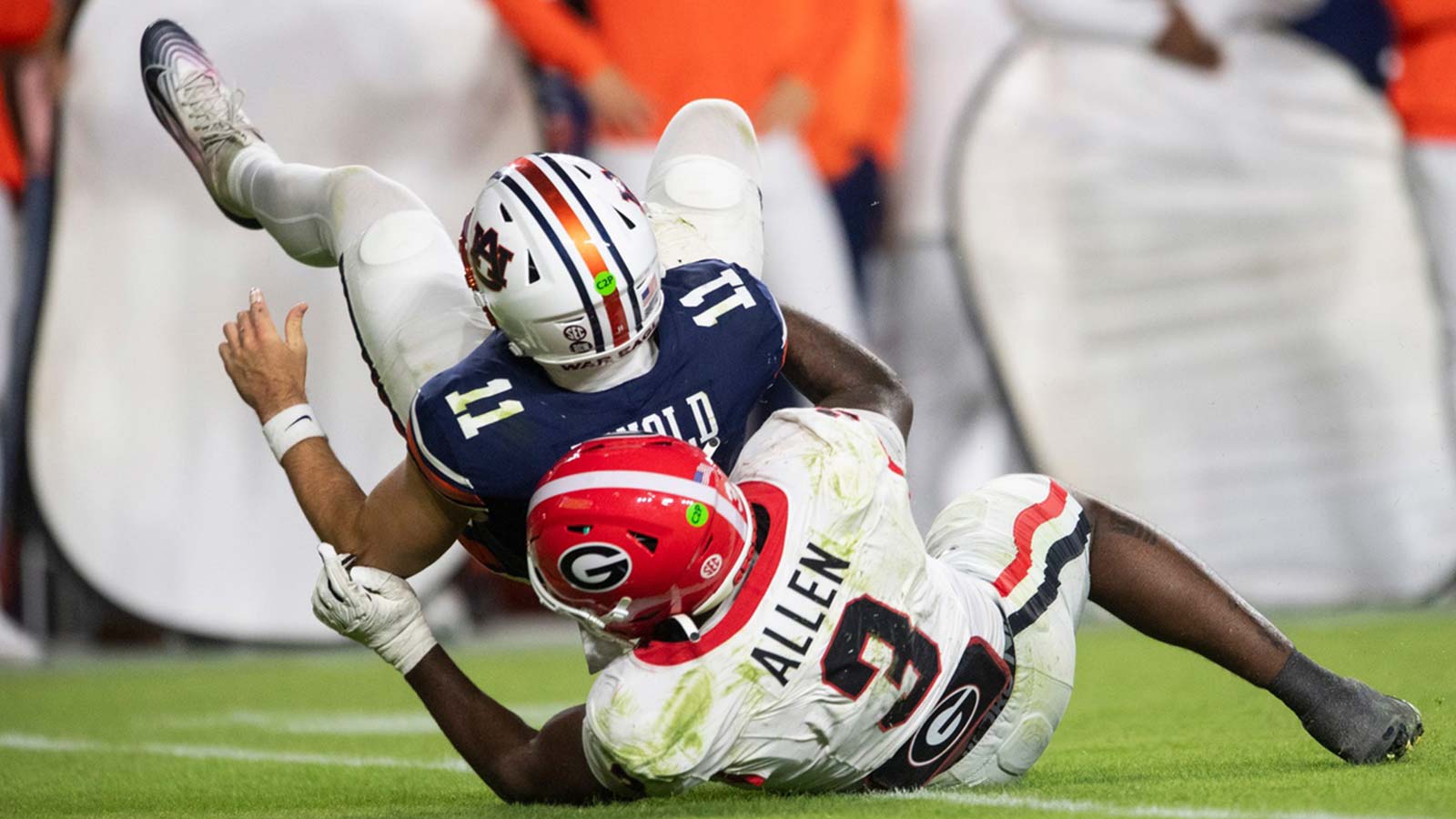
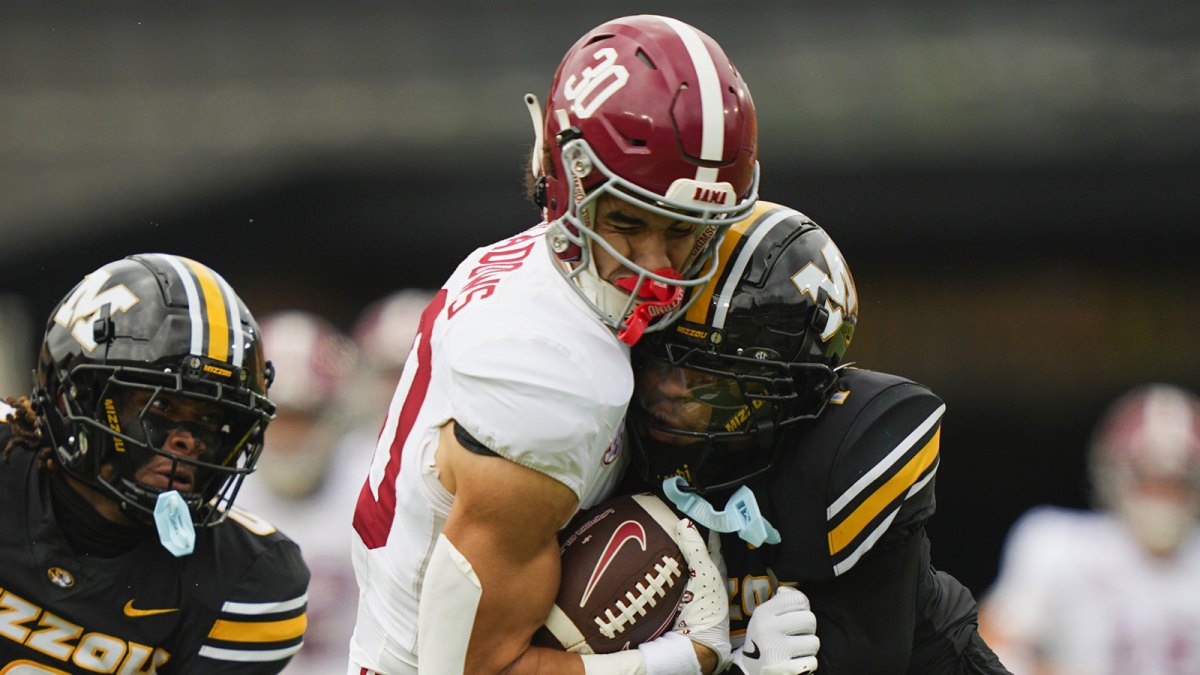
Targeting has always been one of the most controversial penalties in college football, particularly with the way it is called. Many complain that the rule has diminished the hard-hitting aspect of the sport that fans love, while coaches have been calling for a change to the suspension ruling for years.