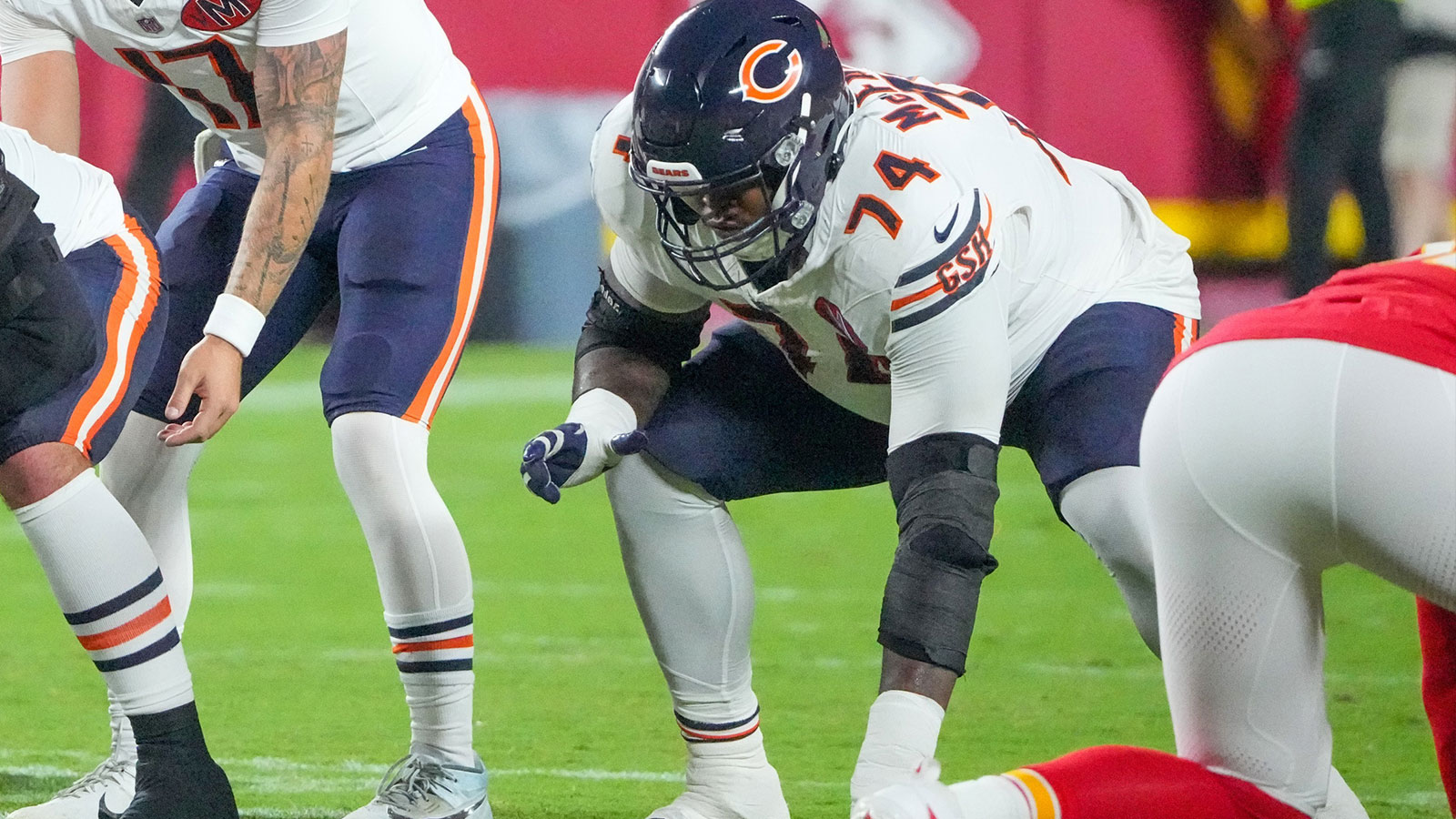
A narrow loss at Lambeau might have done more to legitimize Chicago than some of its wins. The Bears went toe-to-toe with the Packers, erased a 14-3 deficit, and showed they can trade blows with their rival instead of folding late.
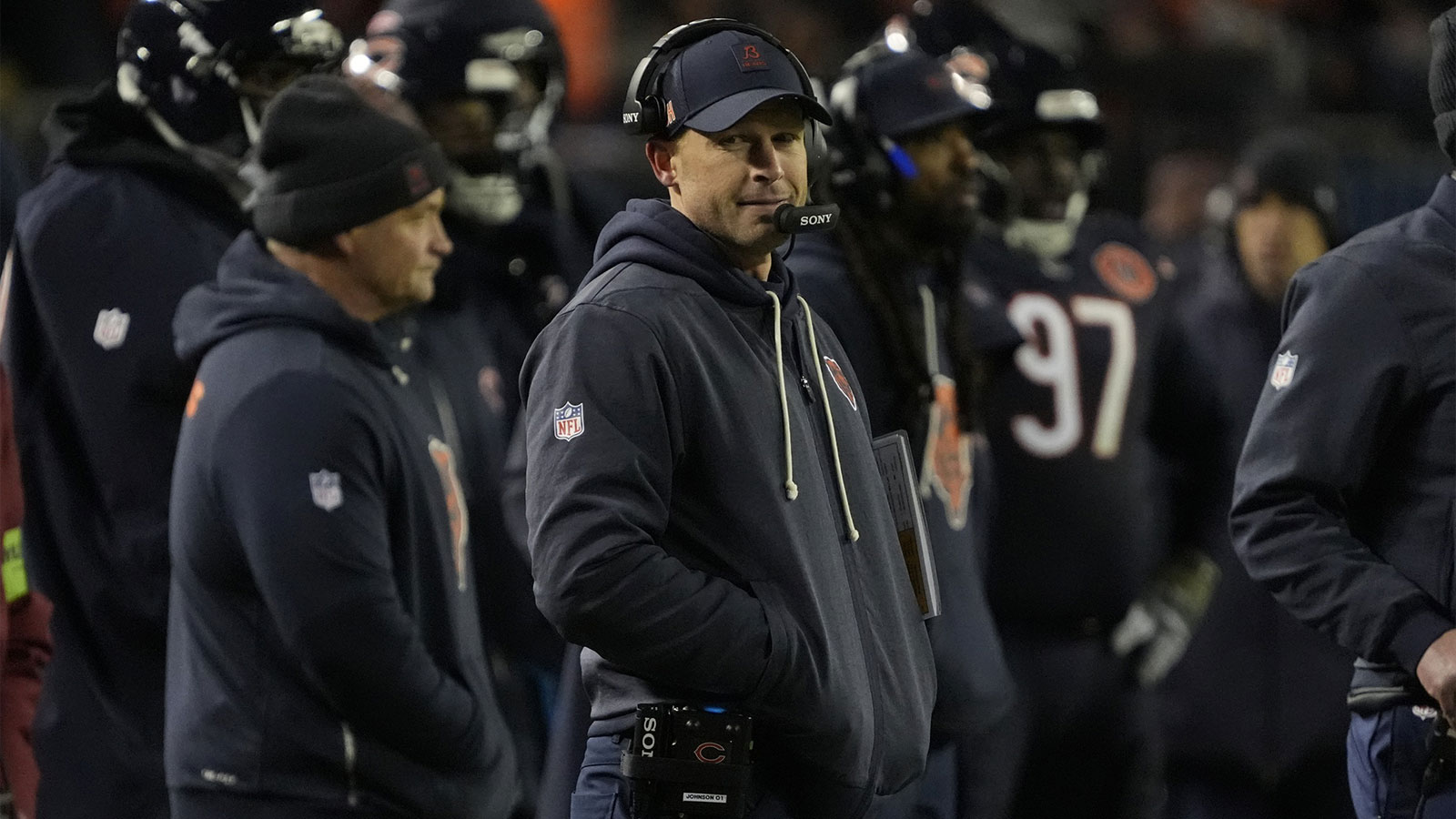
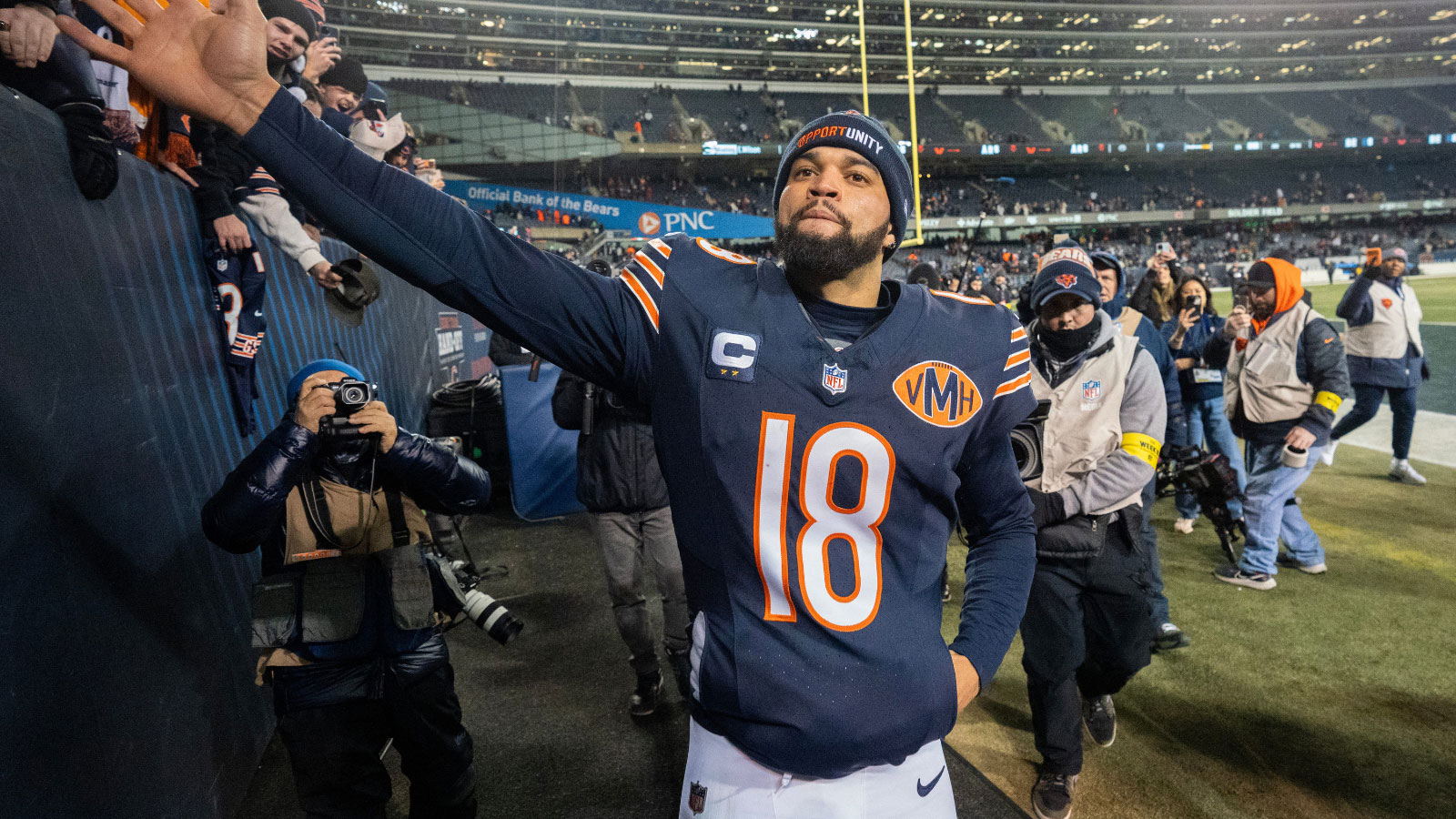
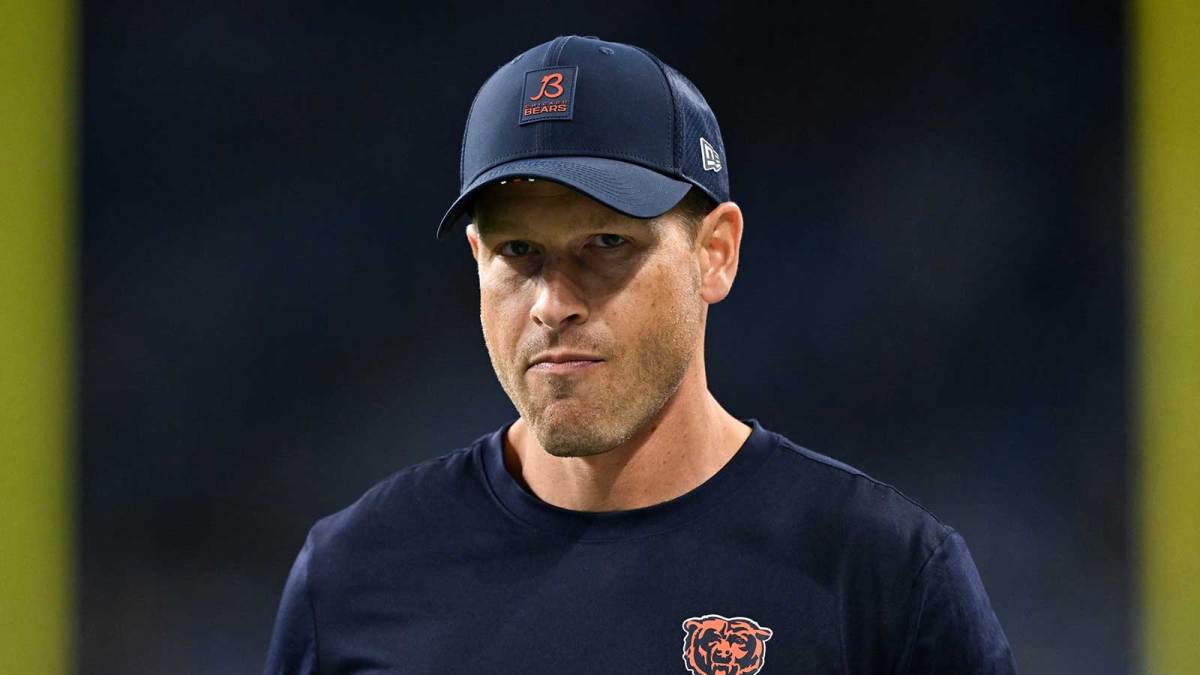
That surge out of halftime, driven by adjustments from first-year head coach Ben Johnson and the growth of Caleb Williams, is exactly why the Week 16 rematch at Soldier Field suddenly feels dangerous for the rest of the NFC North.
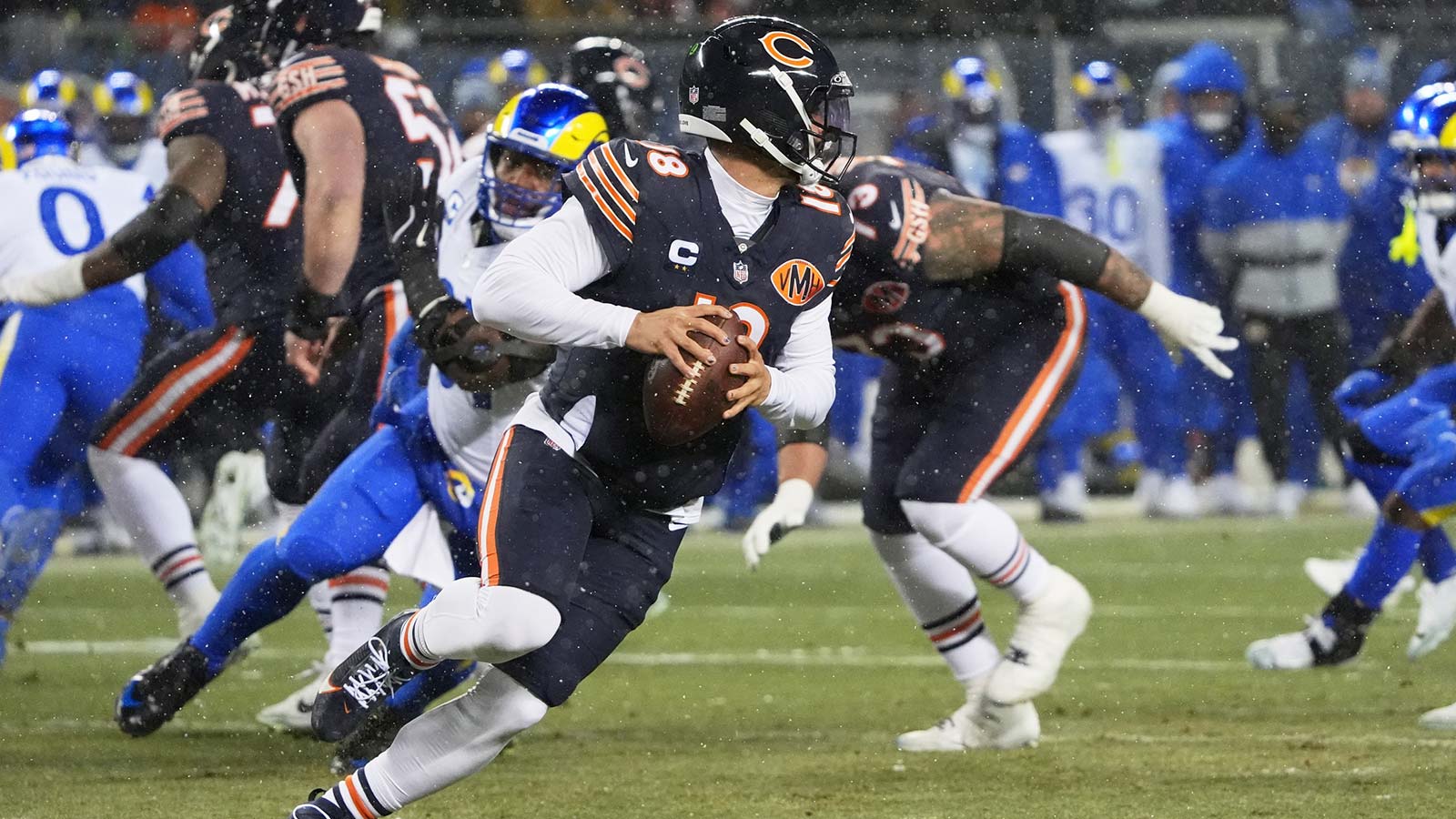
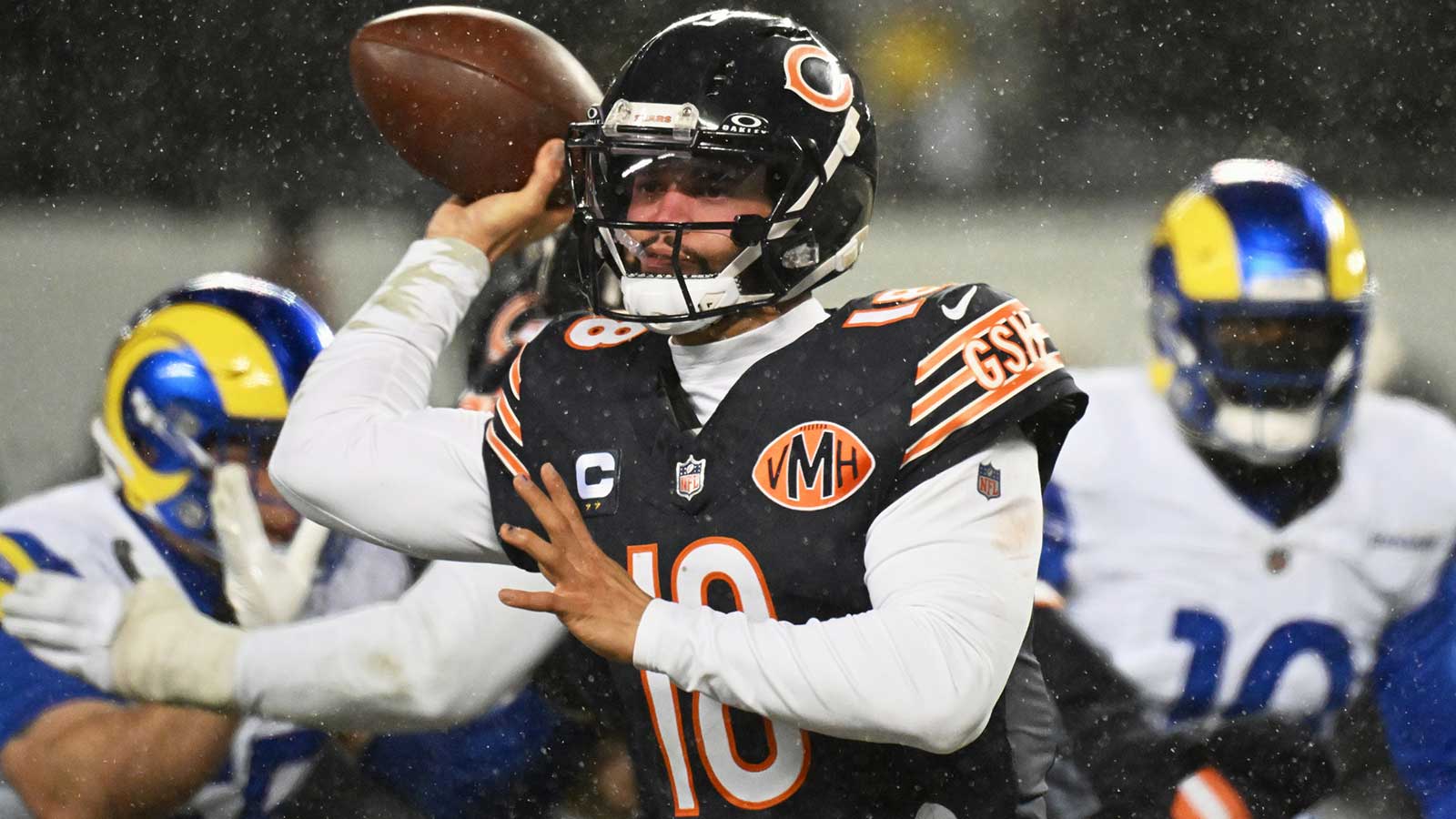
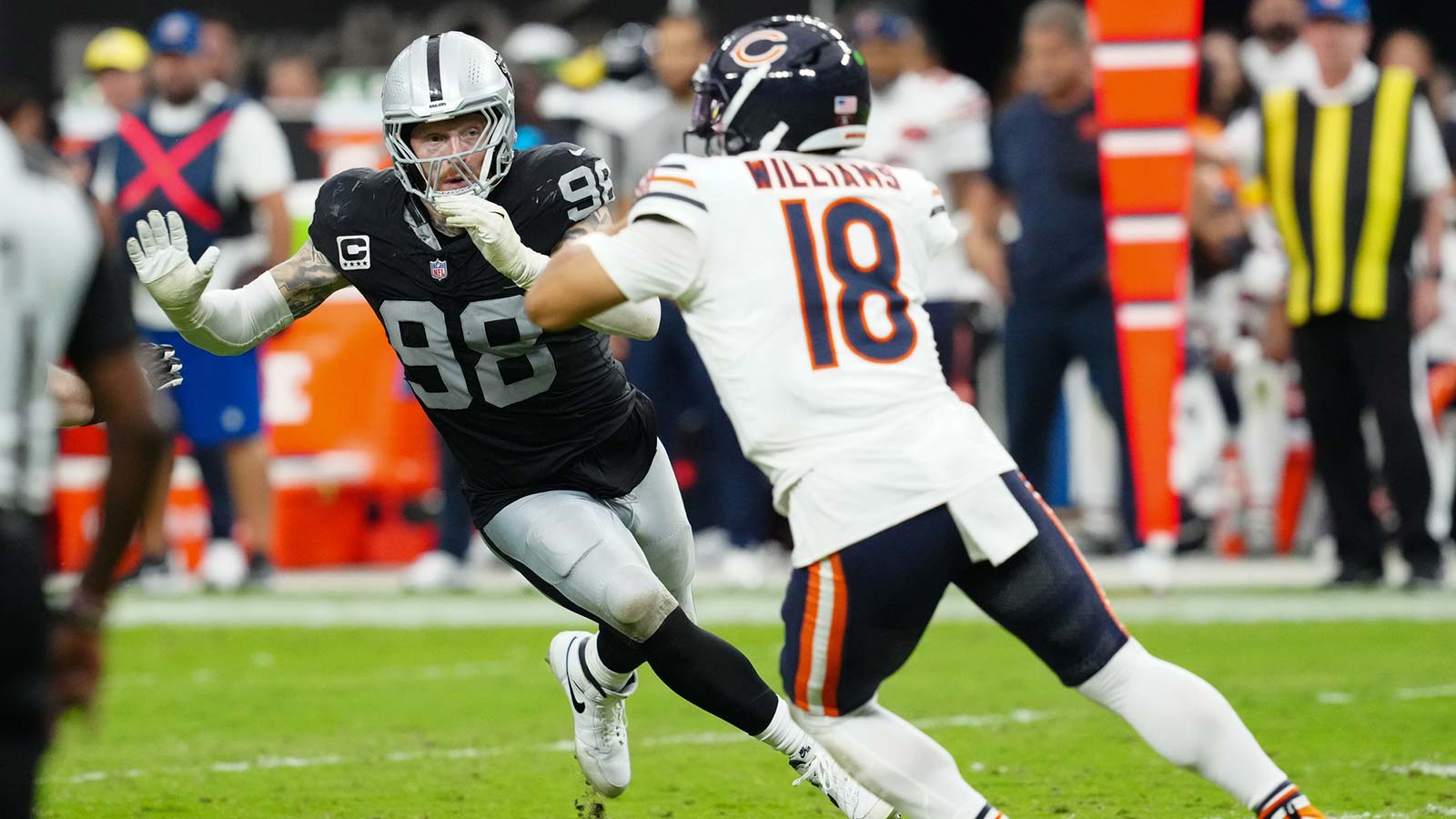
Sports Mockery laid out the issue that’s still holding this offense back: slow starts built into the passing script. In the first halves this year, Williams is completing barely more than half his throws, with no first-quarter touchdown since September and only one passer rating over 76.
After the break, his numbers jump, with more yards per attempt and a far better touchdown-to-interception split. Fans have asked why it takes so long for him to heat up. Johnson has decided the answer is staring back at him.
The play-caller’s system leans heavily on deeper developing concepts and not enough on quick, high-percentage throws. That might work with a veteran who has seen every coverage, but it can leave a young quarterback hunting explosives before he has any rhythm.
Johnson admitted after the loss in Green Bay that he has to change that equation, asking aloud how he can “get [Caleb] in a rhythm early in games” instead of making his first completion an 18-yard dagger on the road.
Nobody is questioning Johnson’s credentials after years of success with Jared Goff, but this is a different stage of quarterback development. Tweaking the script to build Williams’ confidence with easier concepts feels like the necessary compromise, not a philosophical surrender.
Health has to cooperate, too. Johnson called Kyler Gordon’s soft-tissue string of setbacks “disappointing,” admitting he still has not seen enough of the corner on the field and vowing to “exhaust all of our resources” to get him healthy after yet another late scratch against Green Bay.
If the coach smooths out his own flaw, gets Gordon back, and the Bears keep bringing that second-half edge from the opening whistle, the loss at Lambeau may be remembered as the moment Chicago stopped fearing the rivalry and started flipping it.