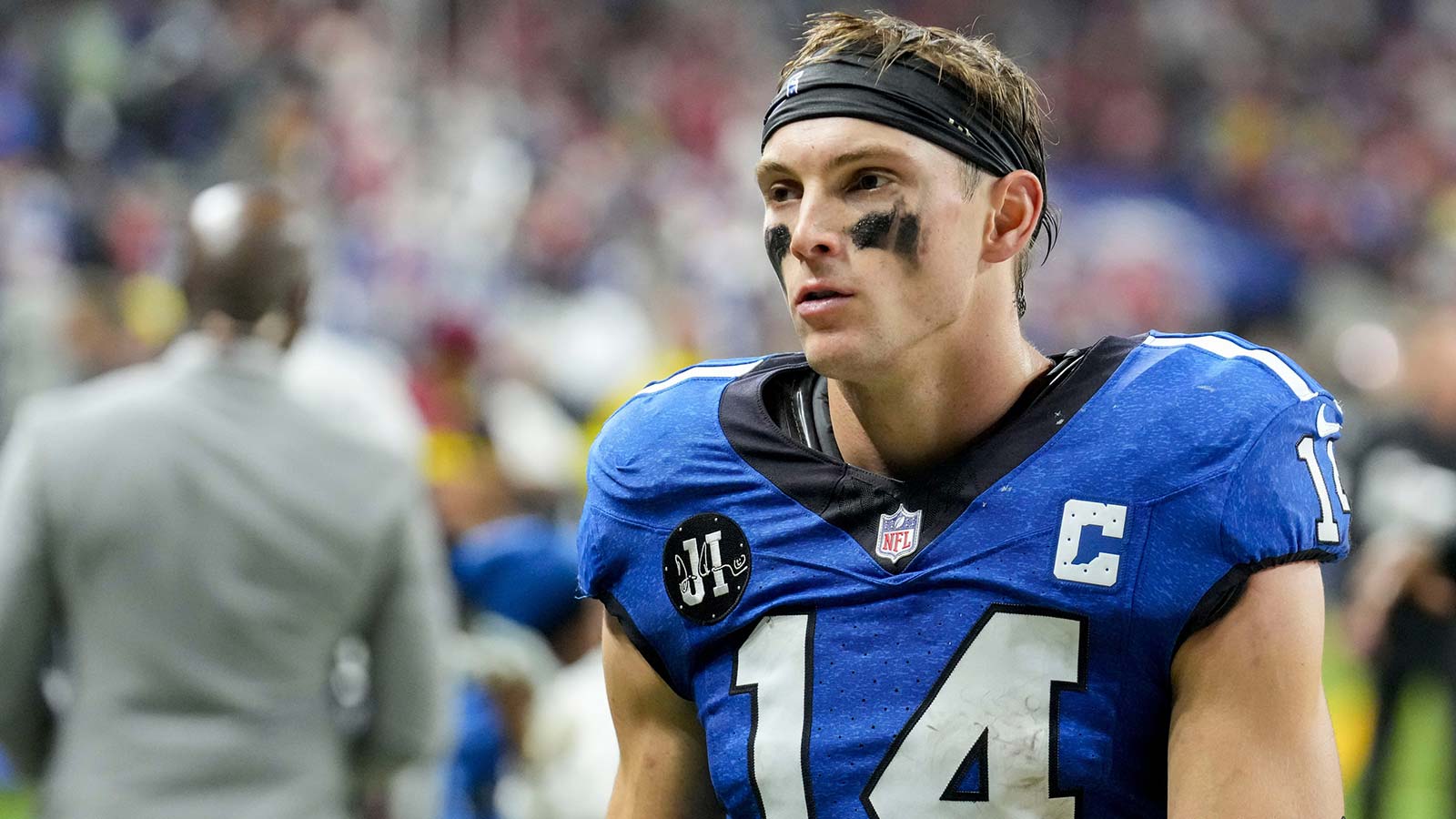

For the Indianapolis Colts, the 2026 NFL Draft begins with building a meaningful class without a first-round pick. That selection was shipped away in the blockbuster trade that brought All-Pro cornerback Sauce Gardner to Indianapolis. That move signaled the franchise’s commitment to competing immediately. However, the trade also places additional pressure on general manager Chris Ballard to extract maximum value from the middle rounds. Using the PFF mock draft simulator after the NFL Combine, the Colts’ projected seven-pick class reflects a strategy built on defensive reinforcements, developmental quarterback depth, and high-motor prospects.
Draft priorities

Heading into the 2026 NFL Draft without a first-round pick, the Colts must prioritize defensive reinvigoration and long-term stability. Sure, the team placed the transition tag on Daniel Jones. However, his recent Achilles injury and Anthony Richardson’s inconsistent health make drafting a developmental quarterback a logical move on Day 2 or Day 3. Defensively, linebacker depth has become a pressing concern after the unit’s struggles in 2025 and the free agency of Germaine Pratt. Meanwhile, the defensive interior requires youth to eventually succeed veteran anchors DeForest Buckner and Grover Stewart. The safety position also remains unsettled with Nick Cross entering free agency. In short, Indianapolis enters the draft looking to inject athleticism and resilience into their defense.
Round 2, pick 47: S AJ Haulcy, LSU
The Colts begin their draft with a tone-setting selection. AJ Haulcy is a throwback defensive back whose instincts jump off the screen. Known as “Mr. Give Me That,” Haulcy blends ball-hawking awareness with physical run support. His ability to diagnose plays quickly allows him to disrupt passing lanes and deliver punishing hits at the catch point.
Yes, his top-end speed could be tested in deep coverage. That said, Haulcy’s anticipation and football intelligence make him particularly effective in zone-heavy schemes. For Indianapolis, he projects as a stabilizing presence in a secondary that needs both leadership and playmaking.
Round 3, pick 78: C Connor Lew, Auburn
Connor Lew represents the kind of technically refined offensive lineman that Ballard has historically valued. Lew’s wide base and leverage fundamentals allow him to win consistently at the point of attack. His flat-back posture and disciplined footwork make him a natural fit in both run and pass protection schemes.
Sure, he is slightly lighter than some NFL centers and can struggle against elite bull rushers. Lew's technique and football IQ, though, provide a strong developmental foundation. In Indianapolis, he could compete for interior depth while potentially growing into a long-term starter.
Round 4, pick 113: DL Skyler Gill-Howard, Texas Tech
Gill-Howard brings chaos. He is undersized for the position but relentless in execution. As such, the Texas Tech defensive lineman wins with leverage, burst, and nonstop effort. He specializes as a disruptive one-gap defender capable of creating backfield penetration.
His lack of ideal length means he may struggle against larger interior blockers. However, Gill-Howard’s motor and quickness ensure he will never be an easy assignment. As part of a defensive line rotation, he provides the type of energy that can swing momentum in critical moments.
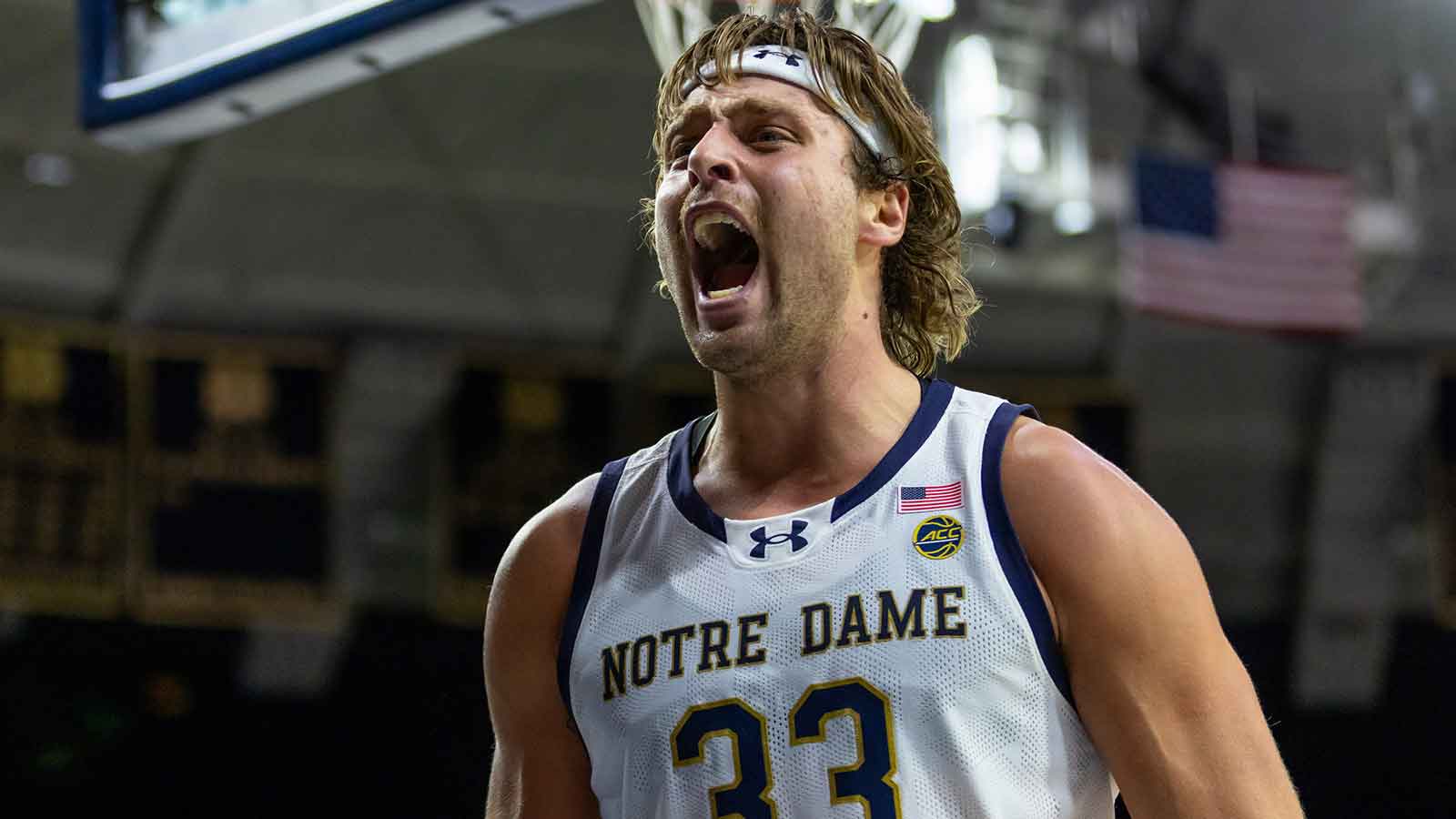
Round 5, pick 154: OL Aamil Wagner, Notre Dame
Aamil Wagner is a fascinating developmental prospect. He stands 6-foot-6 with a massive wingspan and a basketball background. With that, Wagner possesses the physical tools teams covet in modern offensive linemen. His reach allows him to dictate contact in zone-blocking concepts. Wagner's first step in run blocking flashes legitimate upside.
However, Wagner is still adjusting to his frame and weight. With proper strength development and coaching, he could evolve into a versatile depth lineman capable of playing both tackle and guard.
Round 6, pick 216: QB Taylen Green, Arkansas
Green is one of the more intriguing athletes in the class. At quarterback, he flashes mobility and arm talent. Still, he remains raw in several critical areas, including anticipation and pre-snap processing.
For Indianapolis, Green represents a low-risk developmental swing. His athleticism gives him multiple potential pathways. He can continue as a quarterback project or explore a hybrid offensive role. Either way, his physical traits make him an intriguing late-round investment.
Round 7, pick 230: LB Owen Heinecke, Oklahoma
Heinecke embodies the relentless energy teams love on special teams. Though undersized, the former lacrosse player plays with remarkable pursuit speed and a fearless tackling mentality.
Heinecke’s ability to slip blocks and track ball carriers allows him to remain active in pursuit. However, larger blockers can overwhelm him at the point of attack. In the short term, he projects as a core special-teams contributor while developing into a potential nickel linebacker.
Round 7, pick 253: TE Dae’Quan Wright, Mississippi
The Colts close their draft with a developmental tight end in Dae’Quan Wright. Wright possesses the size and vertical speed to challenge linebackers downfield, particularly on seam routes.
Yes, his route-running fluidity remains limited and his blocking technique needs refinement. That said, Wright offers upside as a situational mismatch weapon. With proper coaching, he could grow into a rotational tight end capable of stretching defenses vertically.
Grit and upside
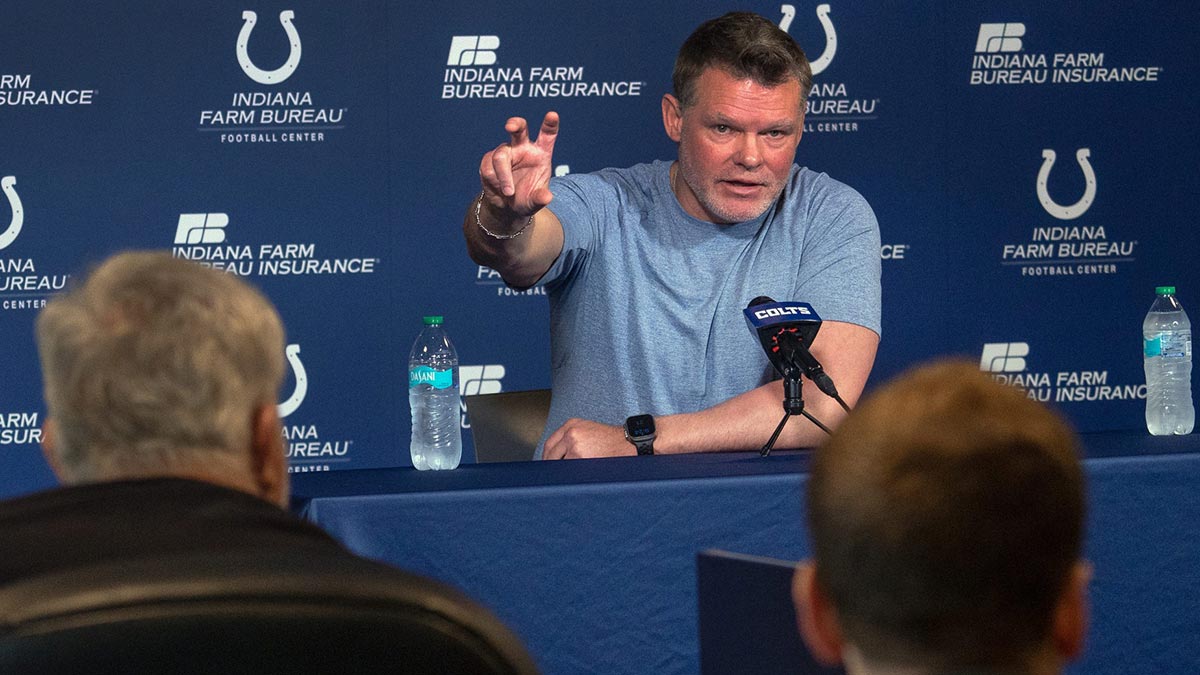
Without a first-round pick, Indianapolis must rely on smart value selections. This projected class reflects that philosophy. Haulcy adds instincts and physicality to the secondary. Lew strengthens the offensive line pipeline. Gill-Howard injects energy into the defensive interior.
Meanwhile, Wagner, Green, Heinecke, and Wright provide intriguing developmental upside that could pay dividends in the coming seasons.
Strengthening the roster core
This post-Combine PFF mock draft does not rely on star power. However, it does reinforce key structural areas for the Colts. By prioritizing defensive intensity, offensive line depth, and developmental quarterback talent, Indianapolis positions itself for both short-term competitiveness and long-term stability. In a draft without a first-round selection, that kind of disciplined roster building could prove invaluable.