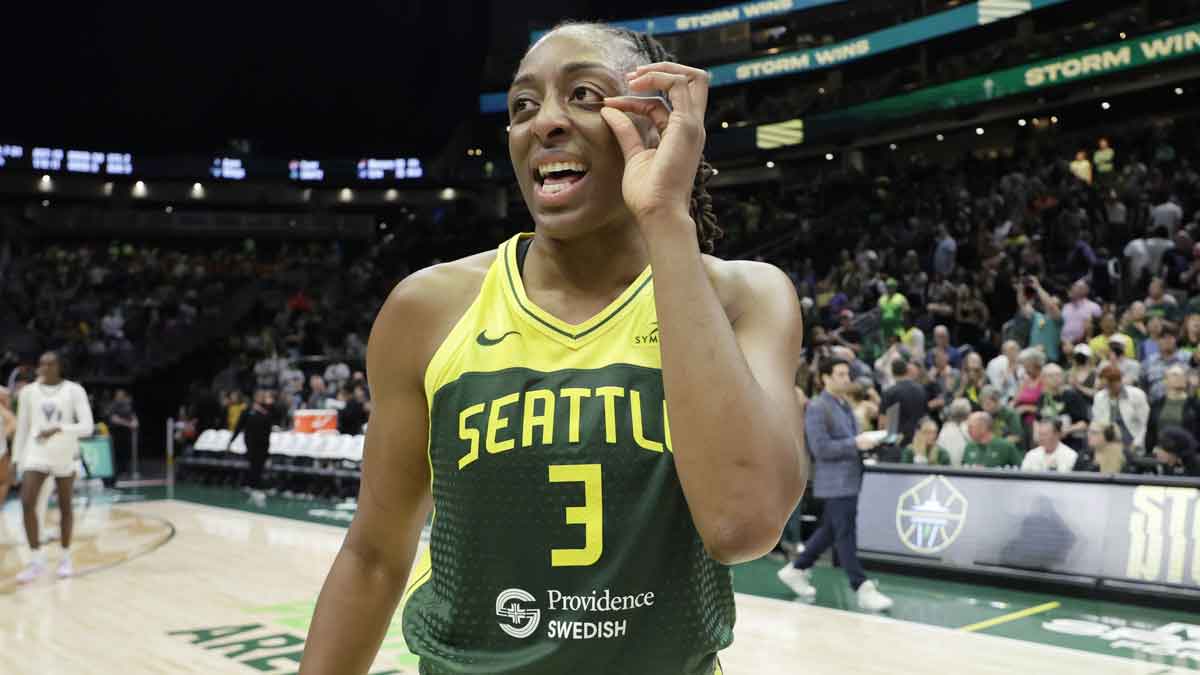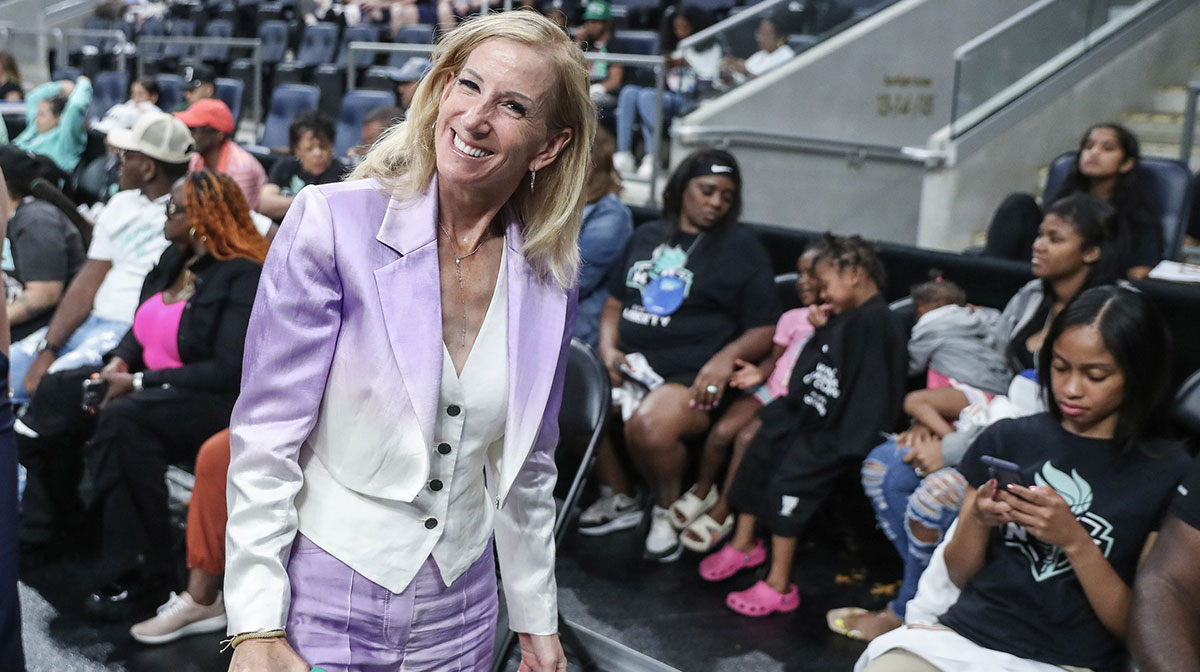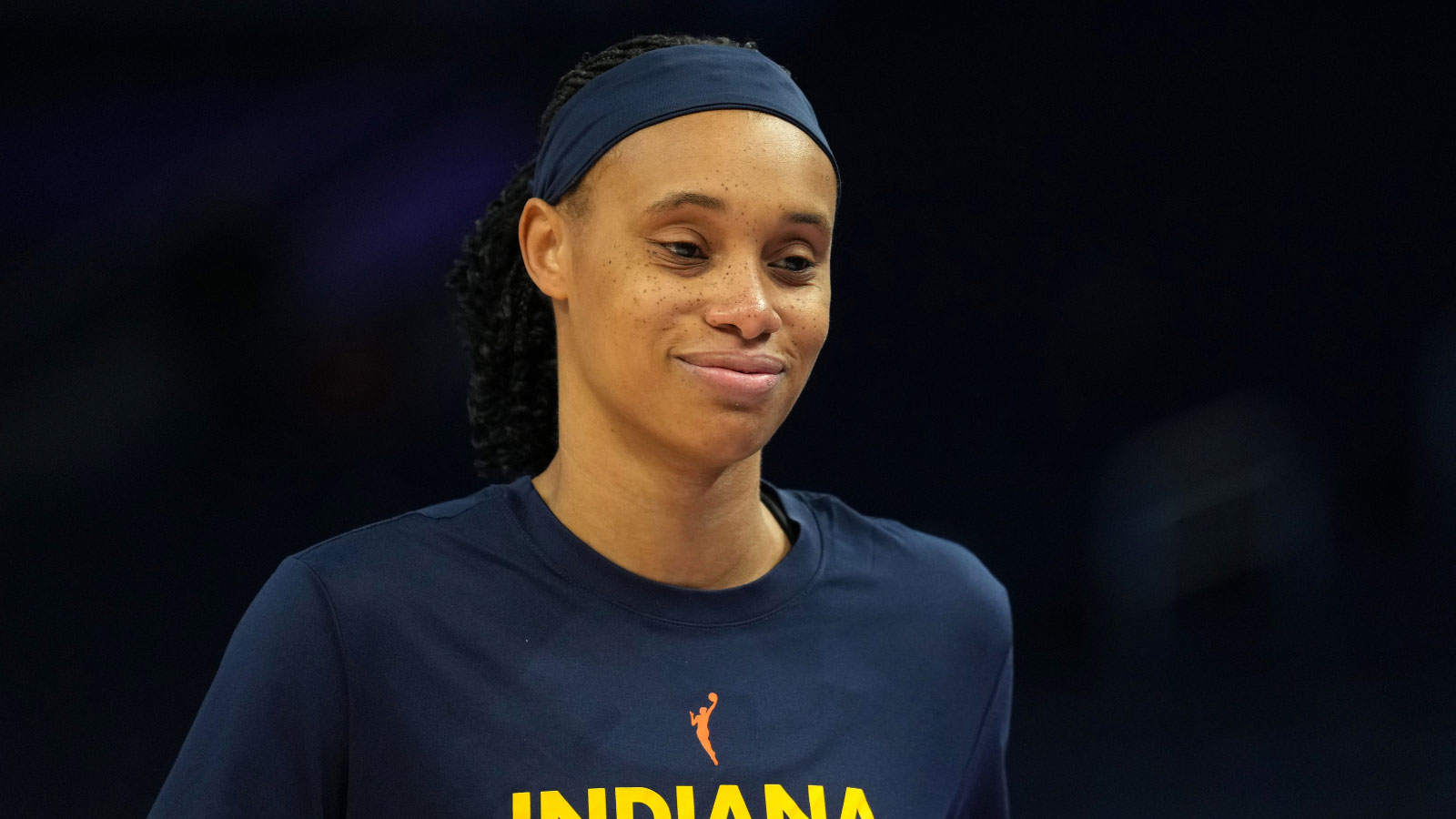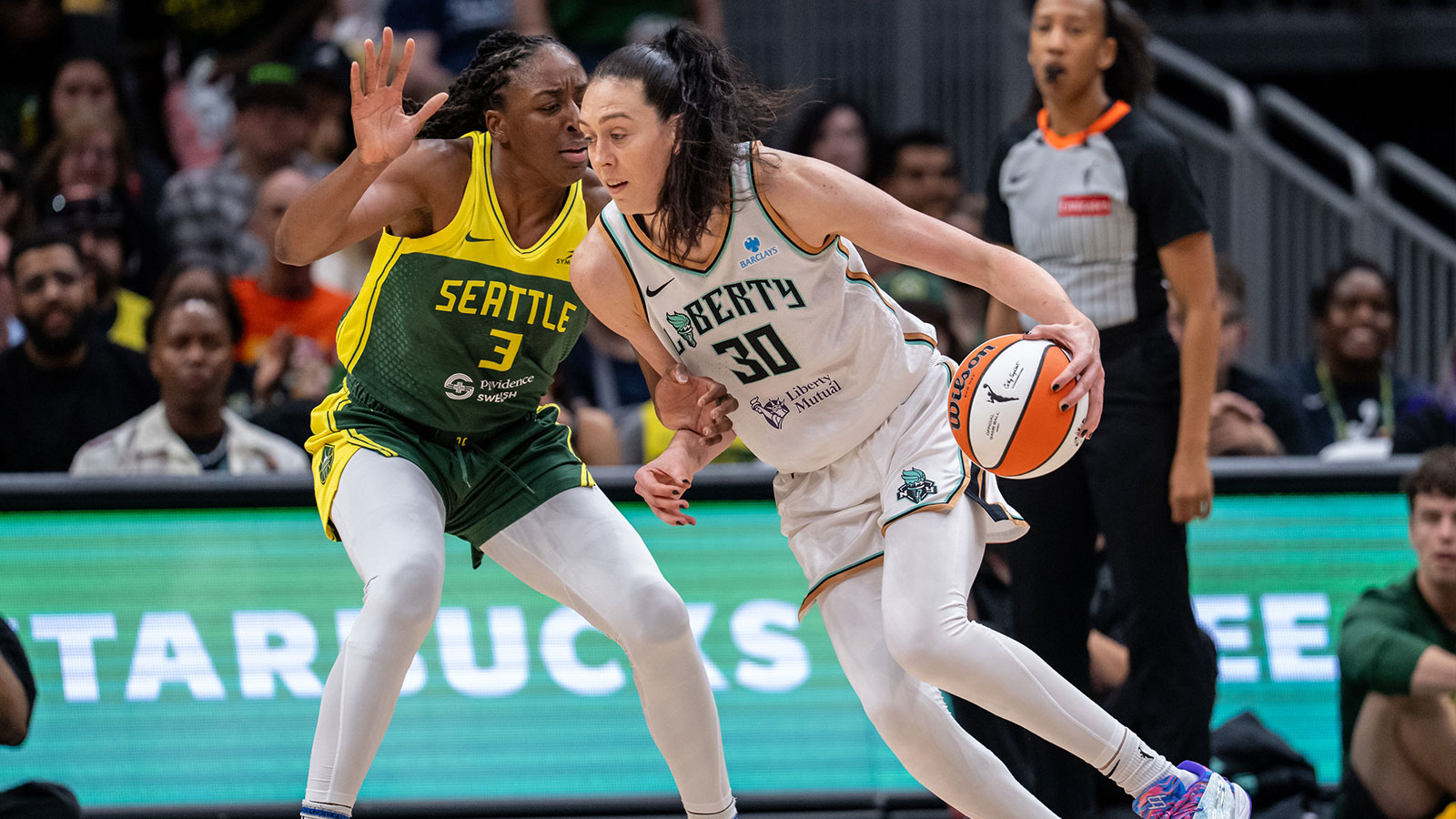

The 2026 WNBA expansion draft presents a uniquely challenging scenario for the Toronto Tempo and the Portland Fire. With a large number of star players, recent draft picks, and key contributors protected from the expansion draft and removed from the available pool, both franchises have to rely more on careful scouting, projection, and roster fit.
Expansion drafts are rarely about assembling instant contenders. Instead, they reward teams that identify overlooked players capable of thriving in larger roles while forming a cohesive identity. This sets the stage for Toronto and Portland to pursue distinct but equally thoughtful strategies.
Now that Toronto has chosen to pick sixth overall in the WNBA Draft happening on April 13, Portland will choose first in the expansion draft on April 3. Each debuting side will receive 12 selections over two rounds to make up their inaugural rosters, but this piece will only cover the top six options that will benefit each team. Let's see which players will form the foundation of the W's 14th and 15th squads.
Toronto Tempo
Bridget Carleton
Carleton serves as the ideal foundational piece for Toronto. Her Canadian identity makes her a natural face of the franchise, while her on-court versatility allows her to contribute in multiple roles. She can defend wings and forwards, knock down perimeter shots, and play within a team-oriented system. For an expansion team lacking an existing hierarchy, Carleton’s adaptability is invaluable.
Dana Evans
Evans becomes one of the most important offensive pieces available in this reduced pool. The reigning champion's quickness and scoring instincts give Toronto a much-needed shot creator. If she expands her role from the Las Vegas Aces, she has the potential to develop into a primary offensive engine.
Haley Jones
Jones provides a unique dimension as a point-forward. Her ability to facilitate offense, defend multiple positions, and rebound makes her one of the most versatile players available. She complements Evans by easing playmaking responsibilities.
Laeticia Amihere
Amihere is a high-upside developmental piece who also has strong ties to Canada as someone from the Greater Toronto Area. Her athleticism, defensive potential, and the fact that she'd be a hometown player make her an ideal long-term investment for Toronto’s frontcourt.
Queen Egbo
Egbo provides interior defense, rebounding, and physicality. She fills a critical need for rim protection and helps Toronto establish a presence in the paint.
Alysha Clark
Clark brings leadership, defensive intensity, and championship experience. Her presence would help set the tone for a young roster navigating its first season.
Portland Fire
Li Yueru
Li provides a strong interior presence with rebounding and physicality. She can complement her teammates by giving the Fire a more traditional low-post option.
Sug Sutton
Sutton’s defensive intensity and playmaking ability make her a key piece in Portland’s backcourt. She fits perfectly into a defense-first system.
Megan Gustafson
Gustafson offers efficient interior scoring and rebounding. Her ability to finish around the rim and play with physicality gives Portland a reliable offensive option in the frontcourt, complementing its defensive anchors.
Karlie Samuelson
Samuelson provides much-needed perimeter shooting and spacing. Her ability to stretch the floor helps balance Portland’s interior-heavy lineup, creating driving lanes and offensive flexibility.
Arella Guirantes
Guirantes brings scoring upside and aggressiveness to the backcourt. She has shown flashes of shot creation and could thrive with increased opportunity, making her a strong developmental pick.
Monique Billings
Billings adds energy, rebounding, and defensive versatility to Portland’s frontcourt. Known for her hustle and ability to impact the game without needing plays called for her, she fits seamlessly into a defense-first system and can contribute as both a starter or high-impact rotational player.
With a significantly restricted player pool, the 2026 WNBA expansion draft becomes an exercise in vision and precision. The Tempo and Fire must choose players who can exceed expectations in larger roles while forming cohesive, identity-driven rosters.
Toronto’s approach centers on versatility, Canadian representation, and balanced guard play, creating a flexible foundation for long-term growth. Portland, meanwhile, emphasizes defense, size, and physicality, building a team capable of competing through effort and cohesion even without elite offensive firepower.
Ultimately, expansion success is defined not by immediate wins but by the strength of the foundation the team has established. Through thoughtful selections and a commitment to development, both franchises can transform a limited pool of players into the building blocks of future success in the WNBA.