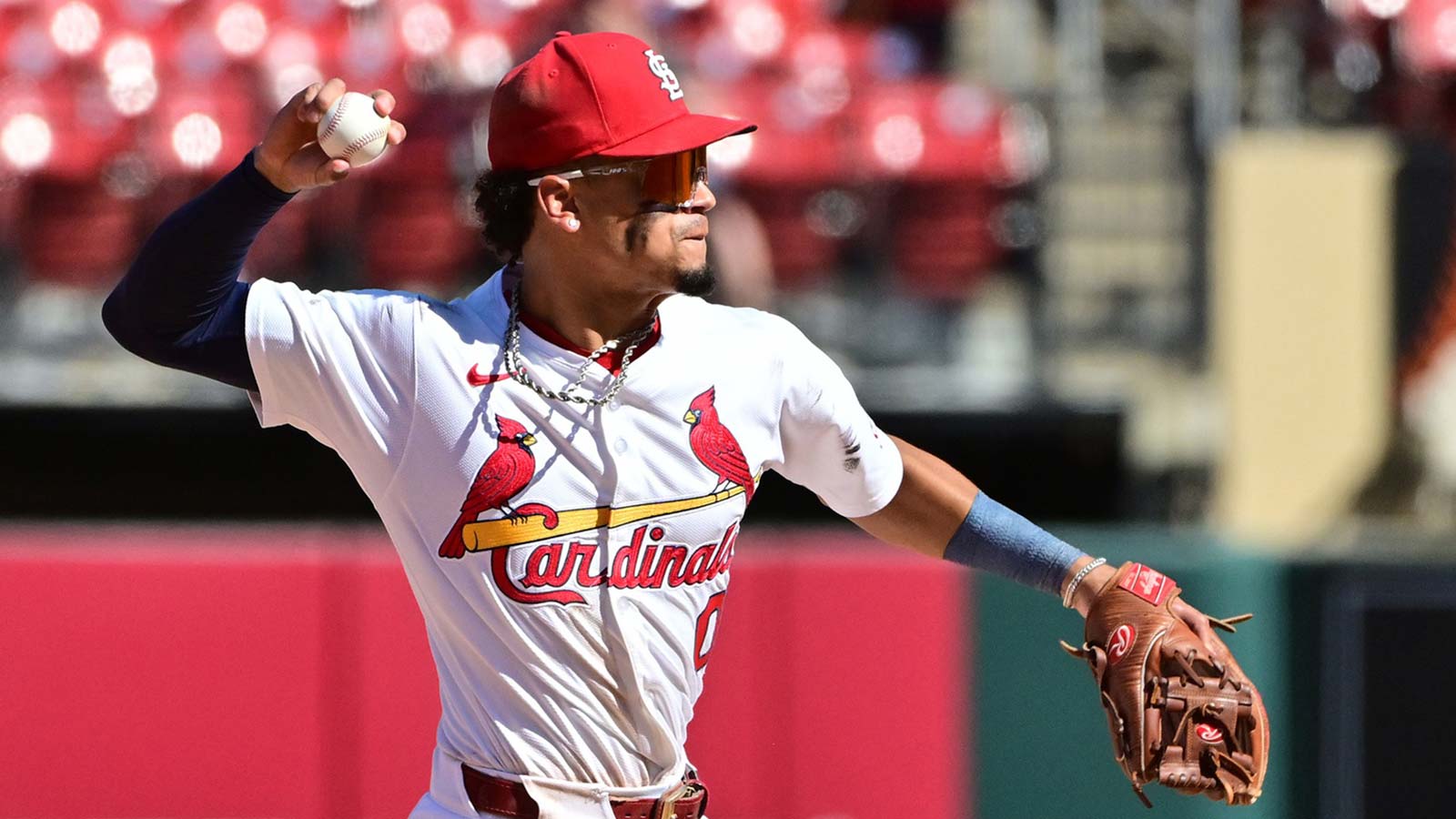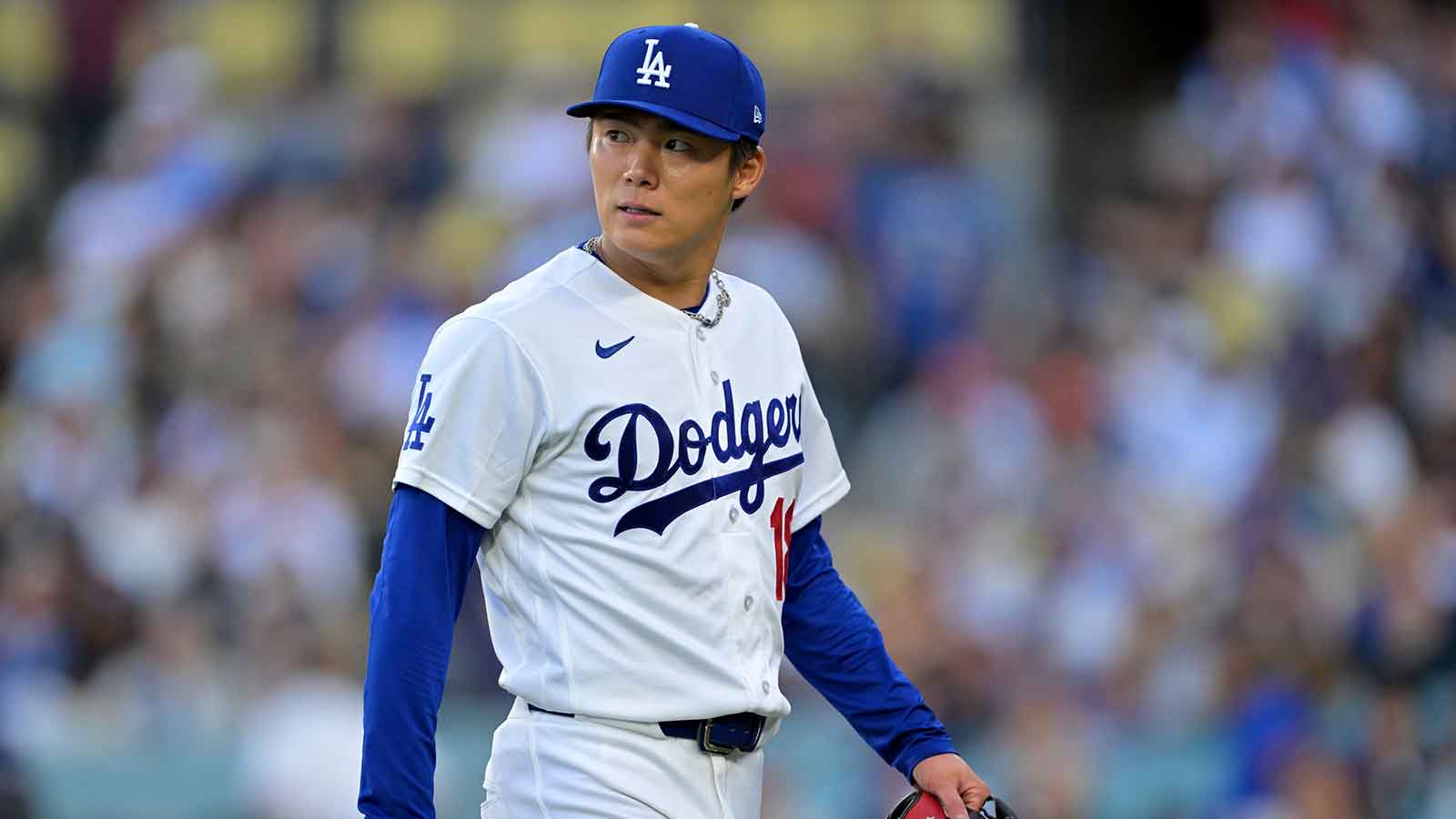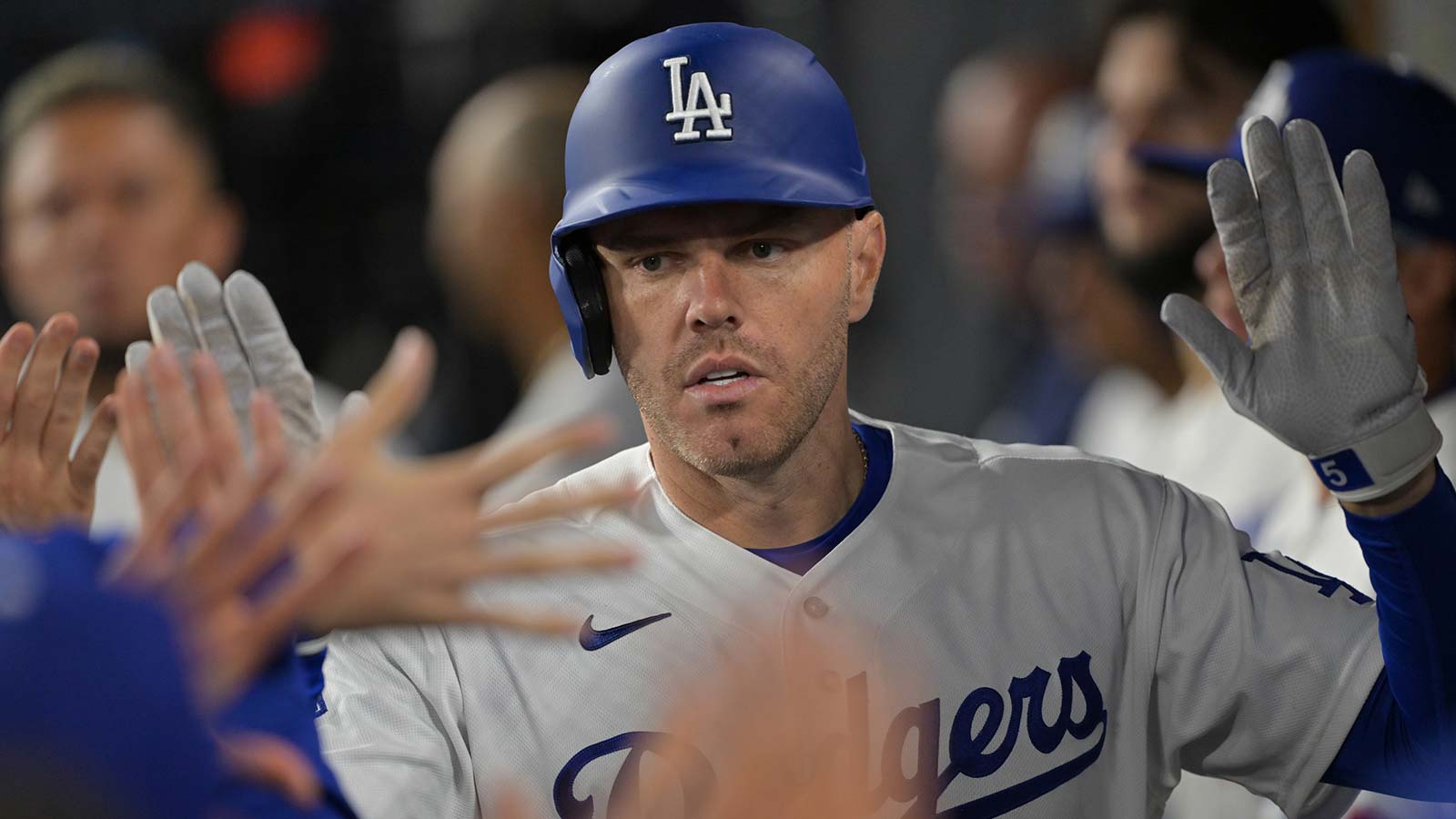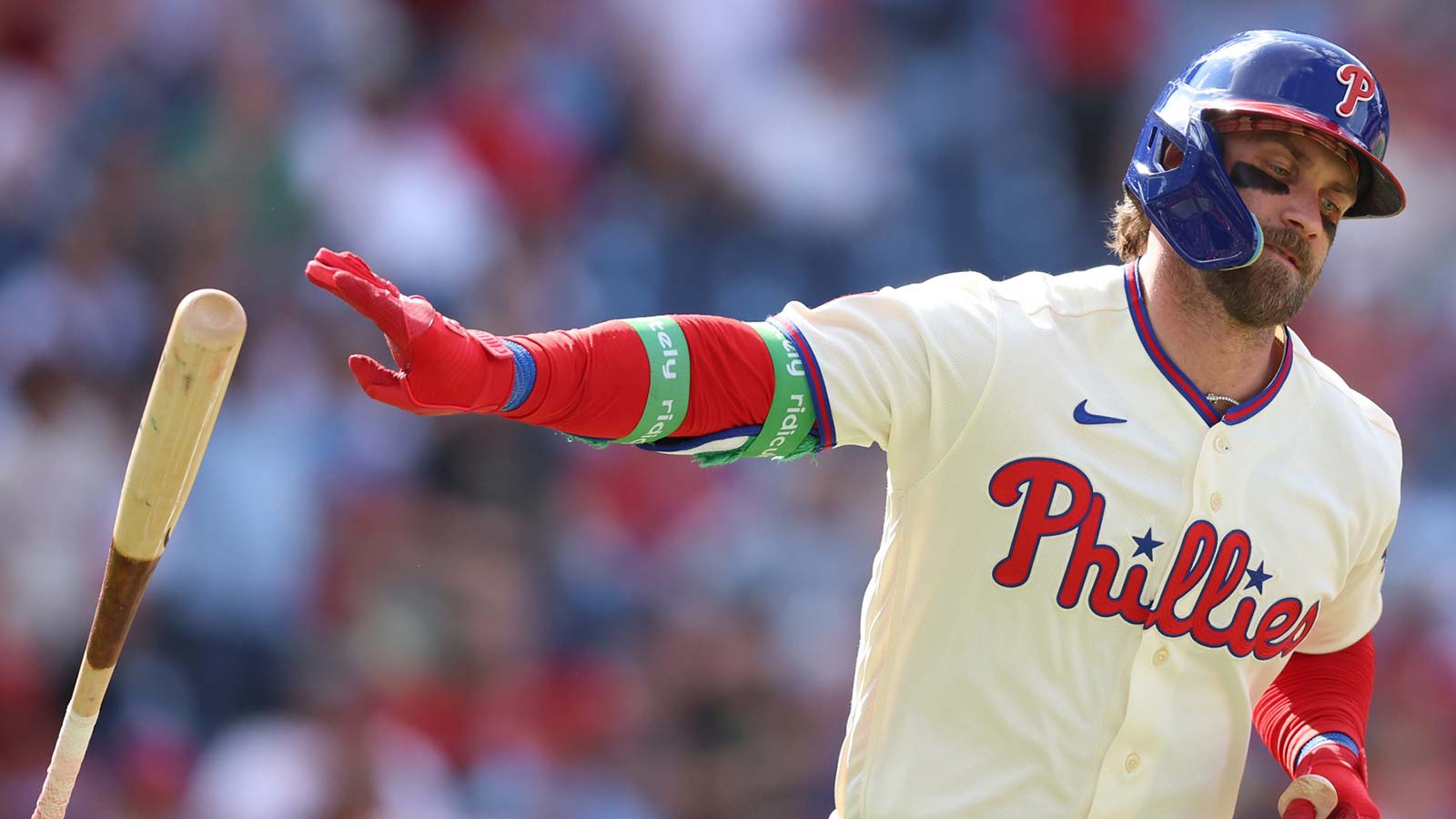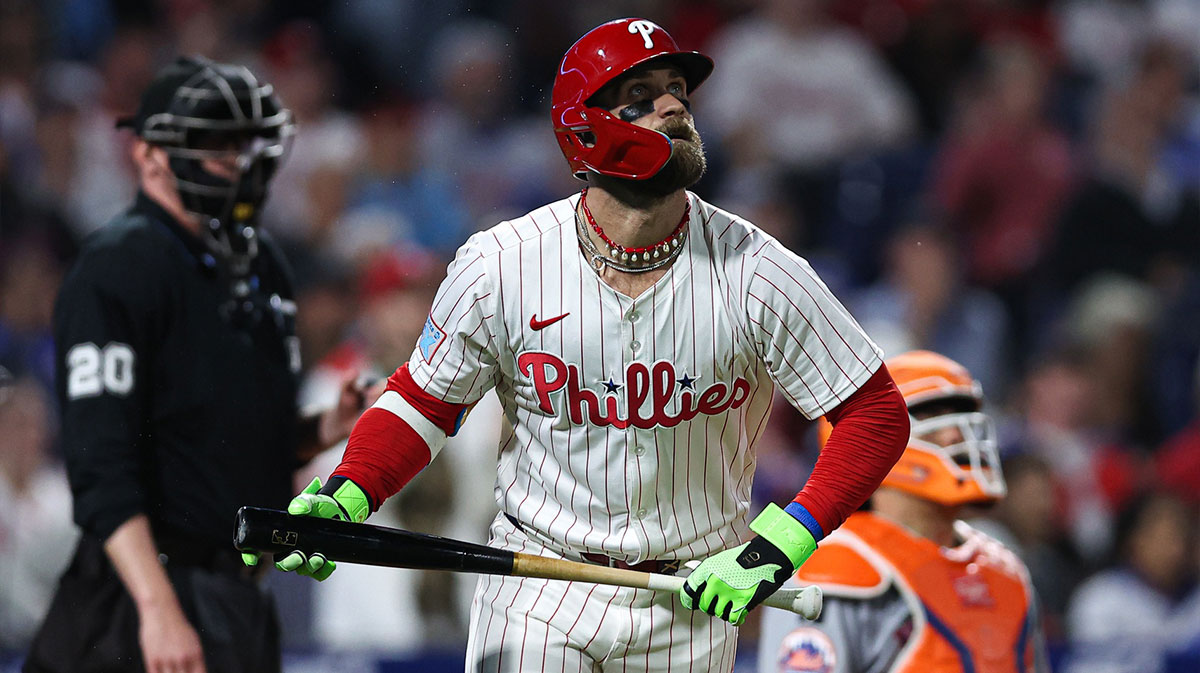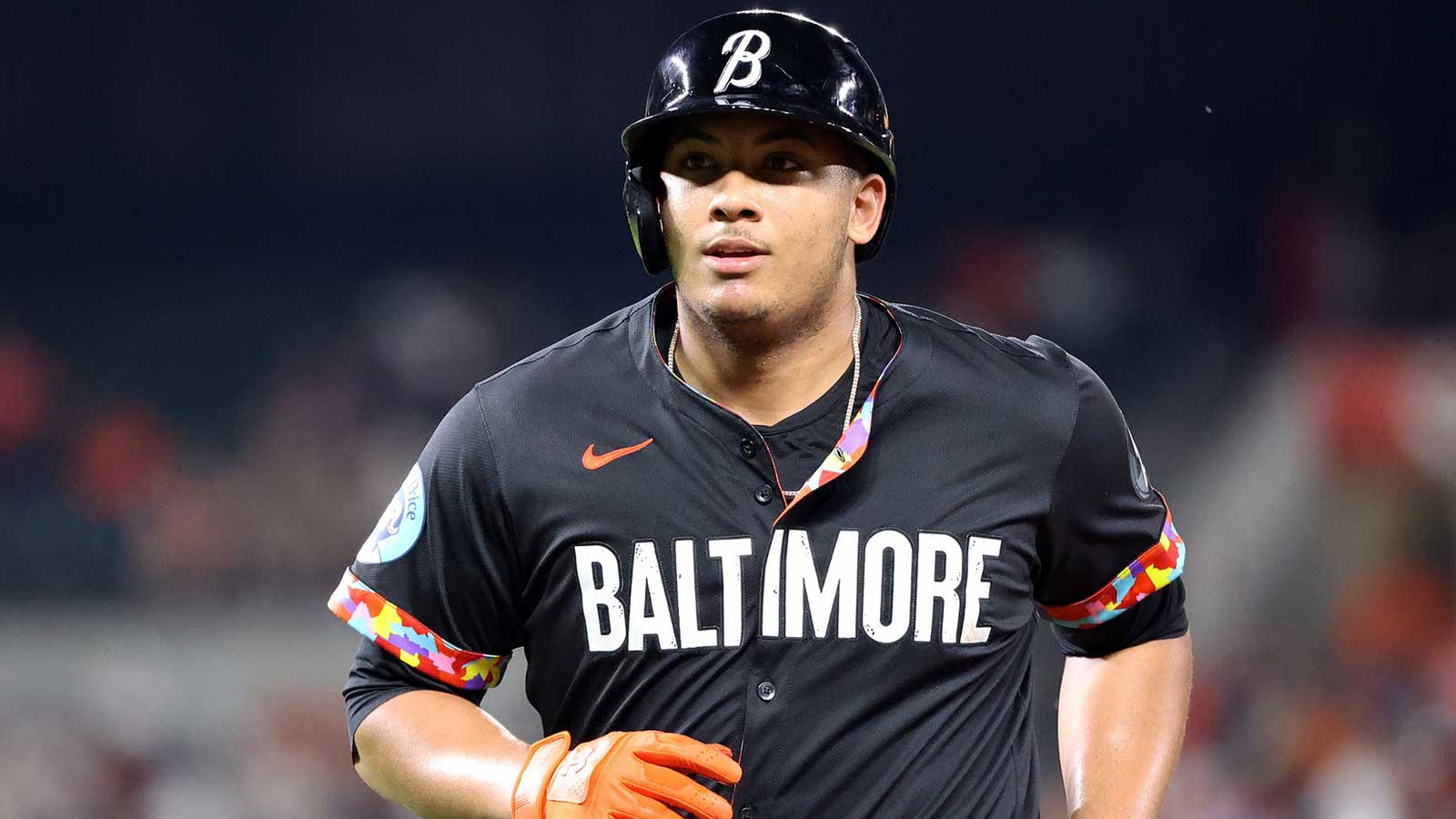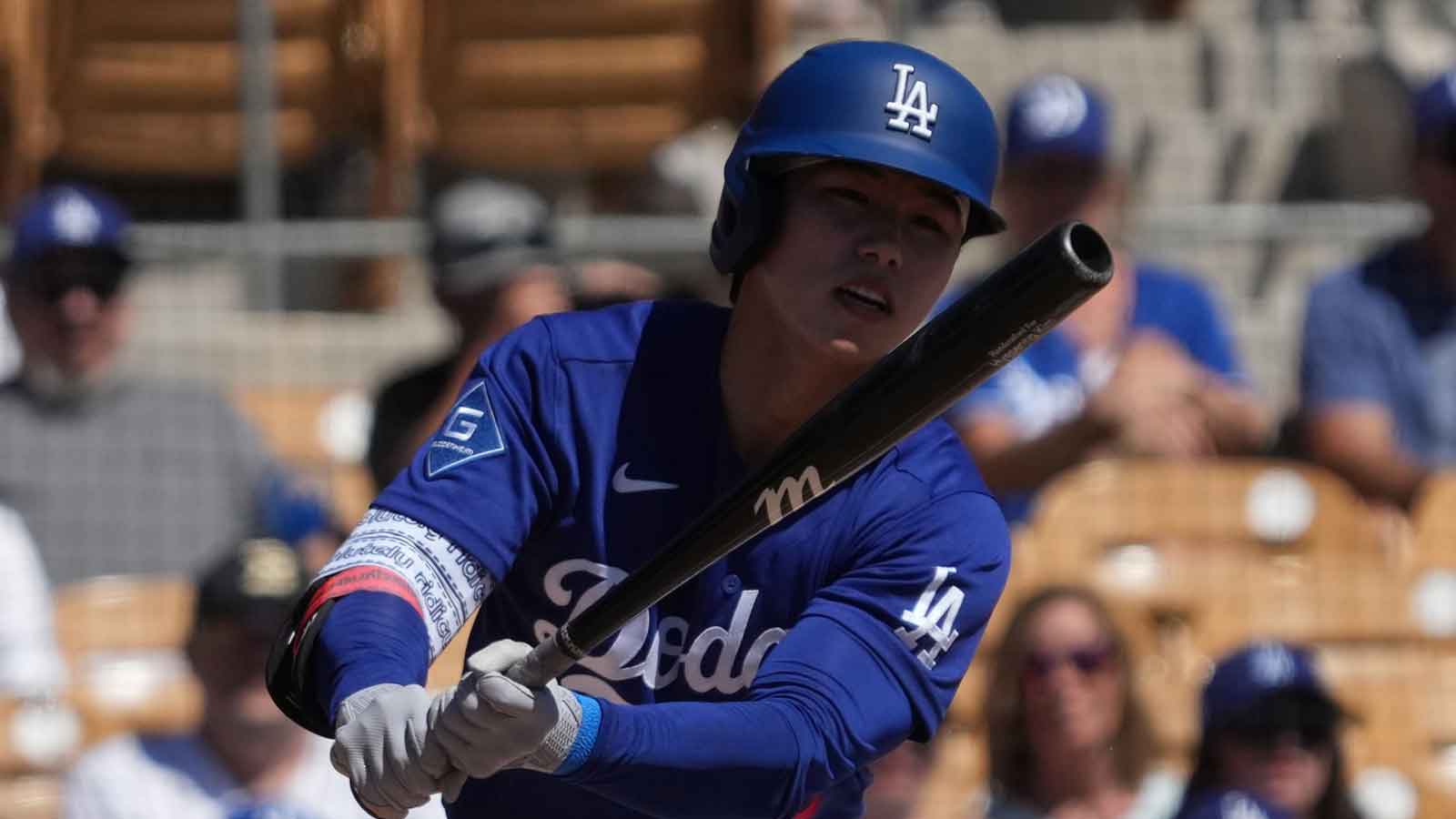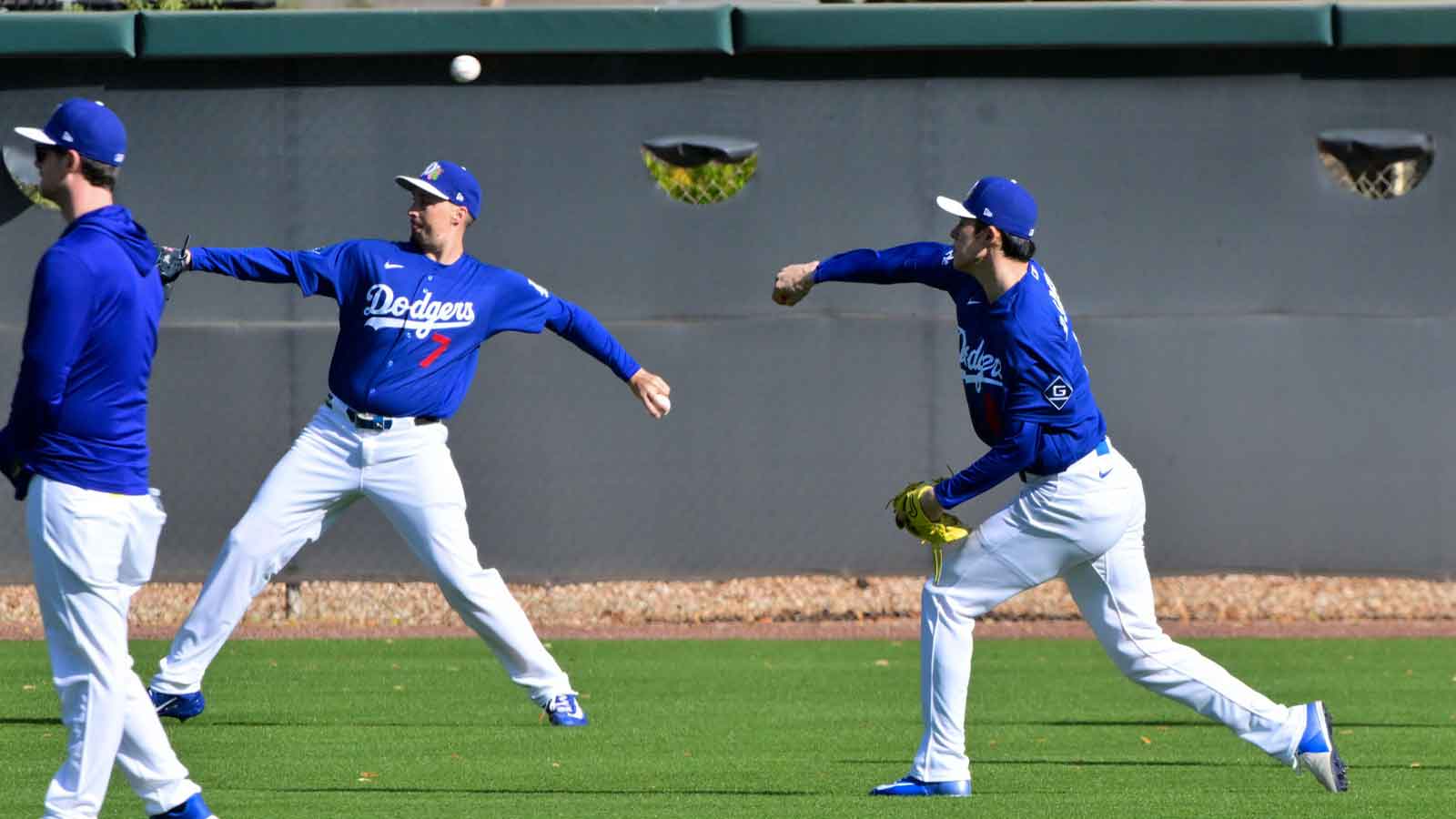

The Philadelphia Phillies didn’t just make a roster move Thursday—they made a bold call. The team released outfielder and designated hitter Nick Castellanos and agreed to pay the remaining $20 million on his 2026 deal. The message was simple. Results and team chemistry matter more than money already spent. With Spring Training about to begin in Clearwater, the Phillies chose a fresh start instead of sticking with something that wasn’t working.
The decision instantly reshaped MLB free agency. Castellanos is no longer a burdensome contract. He’s a league-minimum lottery ticket with 14 years of big-league experience and a track record of right-handed power.
This wasn’t an impulsive decision. Castellanos’ nightmare 2025 season made it unavoidable.
He slashed .250/.294/.400 and posted a career-worst -0.6 fWAR. His 90 wRC+ represented a sharp decline from his 109 career average. The defensive regression was even more glaring, -12 Outs Above Average. Philadelphia canvassed the trade market all winter, but no club was willing to absorb the salary. Once the Phillies signed Adolis Garcaa in December, Castellanos’ path to everyday at-bats effectively vanished.
The Phillies roster move wasn’t about optics. It was about contention.
The club remains responsible for nearly the entire contract, meaning any team that signs the veteran would owe only the prorated league minimum. That financial reality dramatically expands his potential landing spots and shifts the risk-reward equation across MLB free agency.
At 33 and fully healthy, Castellanos still possesses the ability to crush left-handed pitching. Even in a down year, he posted a .215 ISO against southpaws in 2025. In the right role, he profiles as a low-risk platoon bat with postseason experience and multiple 25-plus home run seasons on his resume.
Several teams stand out as logical fits.
However, the San Diego Padres, Cleveland Guardians, Miami Marlins, and Colorado Rockies emerge as the four most logical landing spots.
San Diego offers immediate competitive relevance. In a loaded National League West, the Padres are searching for incremental advantages. With Gavin Sheets projected for significant at-bats and lingering vulnerability against left-handed pitching, Castellanos fits naturally as a platoon complement. His .215 ISO versus southpaws in 2025 reinforces that his bat still carries matchup value. At the league minimum, San Diego could add right-handed power without sacrificing payroll flexibility — a savvy move for a contender navigating financial constraints.
The Guardians’ need is even more pressing. They finished 28th in MLB in runs scored, and their right field production cratered to a combined 70 wRC+, the worst mark in the league. Progressive Field won’t mask offensive flaws, but Cleveland isn’t searching for a superstar—it’s searching for stability. Castellanos would bring professional at-bats and legitimate right-handed power to a lineup built primarily on contact and athleticism. The financial risk is minimal. The potential reward is a more balanced, functional offense.
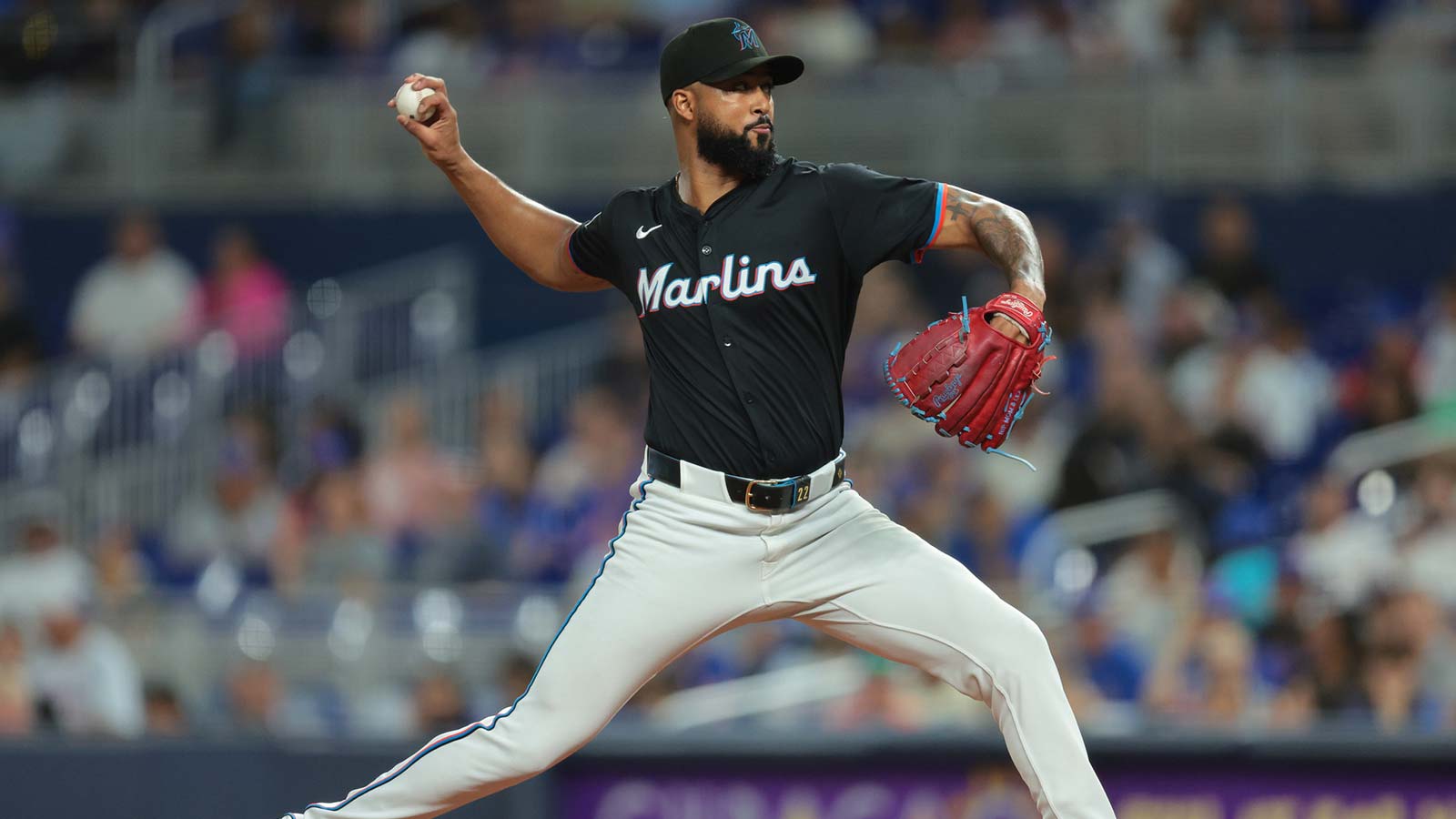
The Marlins present a blend of practicality and upside. Operating within firm payroll constraints, Miami must squeeze maximum value from every MLB free agency decision. Already a resident of Florida, the veteran could step into a designated hitter role while mentoring emerging bats like Owen Caissie and Agustin Ramirez. If he rebounds, the Marlins gain a controllable midseason trade asset. If he doesn’t, the financial commitment remains minimal. For a developing club trying to balance youth with credibility, it’s a calculated swing with tangible upside.
The Rockies may be the most intriguing wildcard. Colorado has increasingly targeted distressed assets with environmental upside, and Coors Field remains baseball’s ultimate offensive accelerator. Castellanos’ line-drive profile and gap power could play up dramatically in Denver’s altitude, potentially pushing him closer to his career 109 wRC+ norm. Colorado frequently fails to capitalize on acquiring veteran bats with rebound potential at a reduced cost. This opportunity carries little financial exposure and legitimate upside.
Each team views the free agent through a different competitive lens—matchup leverage in San Diego, offensive stabilization in Cleveland, asset optimization in Miami, and park-enhanced resurgence in Colorado. None would assume meaningful risk.
Now the question shifts from why Philadelphia moved on to who capitalizes. Castellanos no longer carries contractual baggage. He carries upside at virtually no cost. In today’s MLB free agency landscape, that combination ensures one thing: he won’t remain unsigned for long.