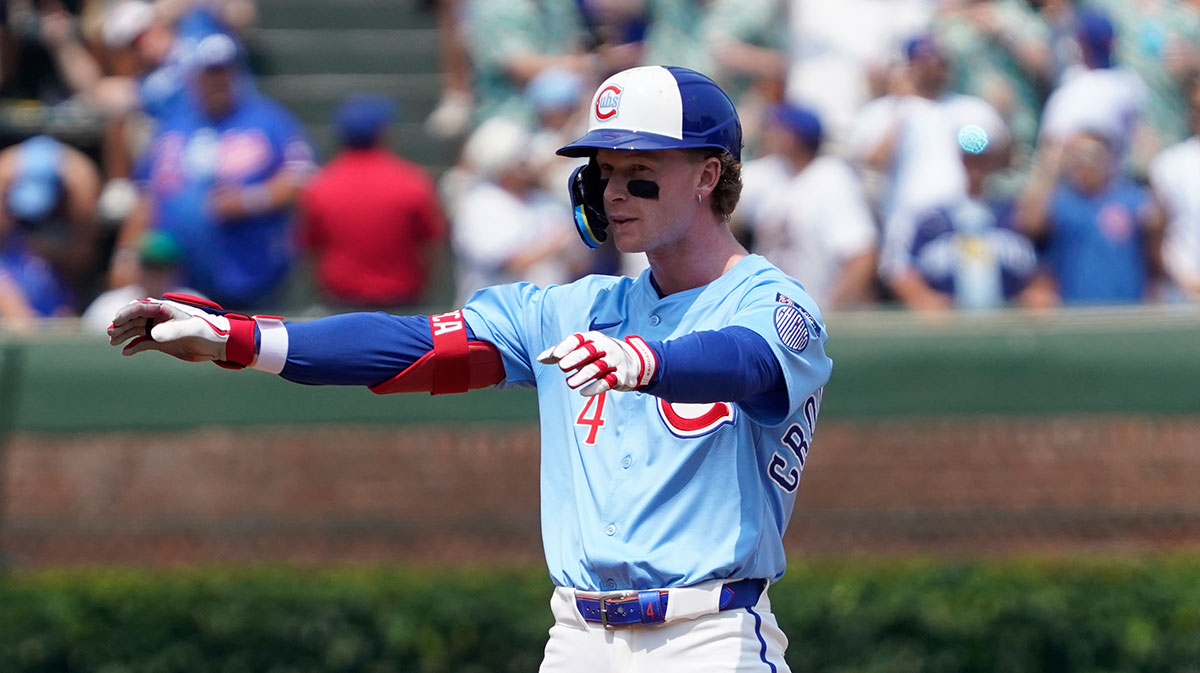
The Chicago Cubs face a defining moment following Pete Crow-Armstrong’s contract extension, as their payroll strategy and roster decisions come into sharper focus. With Nico Hoerner set to reach free agency following the 2026 season, the organization must determine whether it will sustain long-term investment in its core.
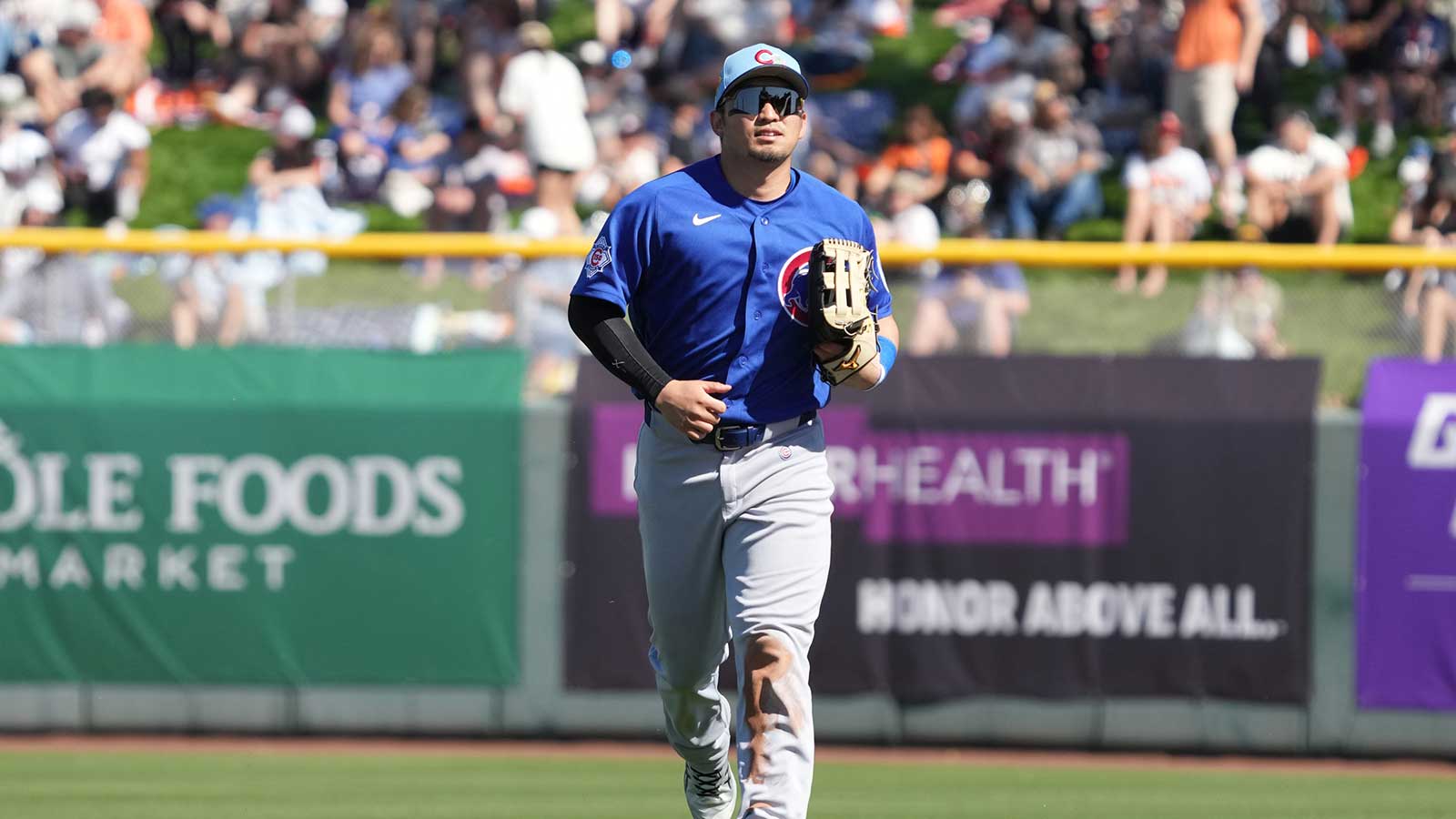
The Cubs' five-tool outfielder recently finalized a long-term deal that signals strong confidence in the rising star. He has delivered elite defense along with steady production at the plate, making him central to the club's future. However, the move also shifts attention to broader roster decisions.
Hoerner remains one of the most important players on the roster. His defense, consistency, and clubhouse presence underscore his value. As Hoerner’s free agency approaches following the 2026 season, the Cubs’ payroll flexibility will play a key role in determining whether he remains part of the long-term plan.
Foul Territory shared insight on X, formerly Twitter, featuring The Athletic’s Ken Rosenthal discussing the situation and outlining the next challenge facing the Cubs’ roster construction.
“The Cubs, to me, still have some work to do to prove that they can spend like a big-market team.”
Nico Hoerner is the next big test for the Cubs, says @Ken_Rosenthal.
"The Cubs, to me, still have some work to do to prove that they can spend like a big market team." pic.twitter.com/hYTiO2RtN2
— Foul Territory (@FoulTerritoryTV) March 24, 2026
“Nico Horner is a free agent after this season. He is another player who has great value, in part because of his defense, and he is a guy that they consider, the players, the coaches, everyone with that organization to be really part of their fabric. So do they resign Nico Horner? There's always another test for a team.”
Rosenthal’s comments frame the issue clearly. Chicago has committed to Crow-Armstrong, but their next move will help define their identity. Teams with big-market expectations typically retain players like Hoerner.
Ultimately, the Cubs must decide how far their financial commitment will extend. The two-time Gold Glove winner’s free agency outcome following the 2026 season will reveal whether the organization’s payroll strategy aligns with championship ambitions or remains selective in its investments.