The Chicago Cubs should be one of the better teams in the National League in 2026. Chicago has enough talent to stay relevant all season and enough depth to handle the grind of 162 games. However, distinguishing between a robust regular-season squad and a team polished for victory in October is crucial. That distinction matters here. The Cubs look more like a club designed to accumulate wins than one equipped to impose itself in the postseason. Two flaws stand out, a rotation without a true series-changing ace, and a roster structure that limits both top-end impact and flexibility.
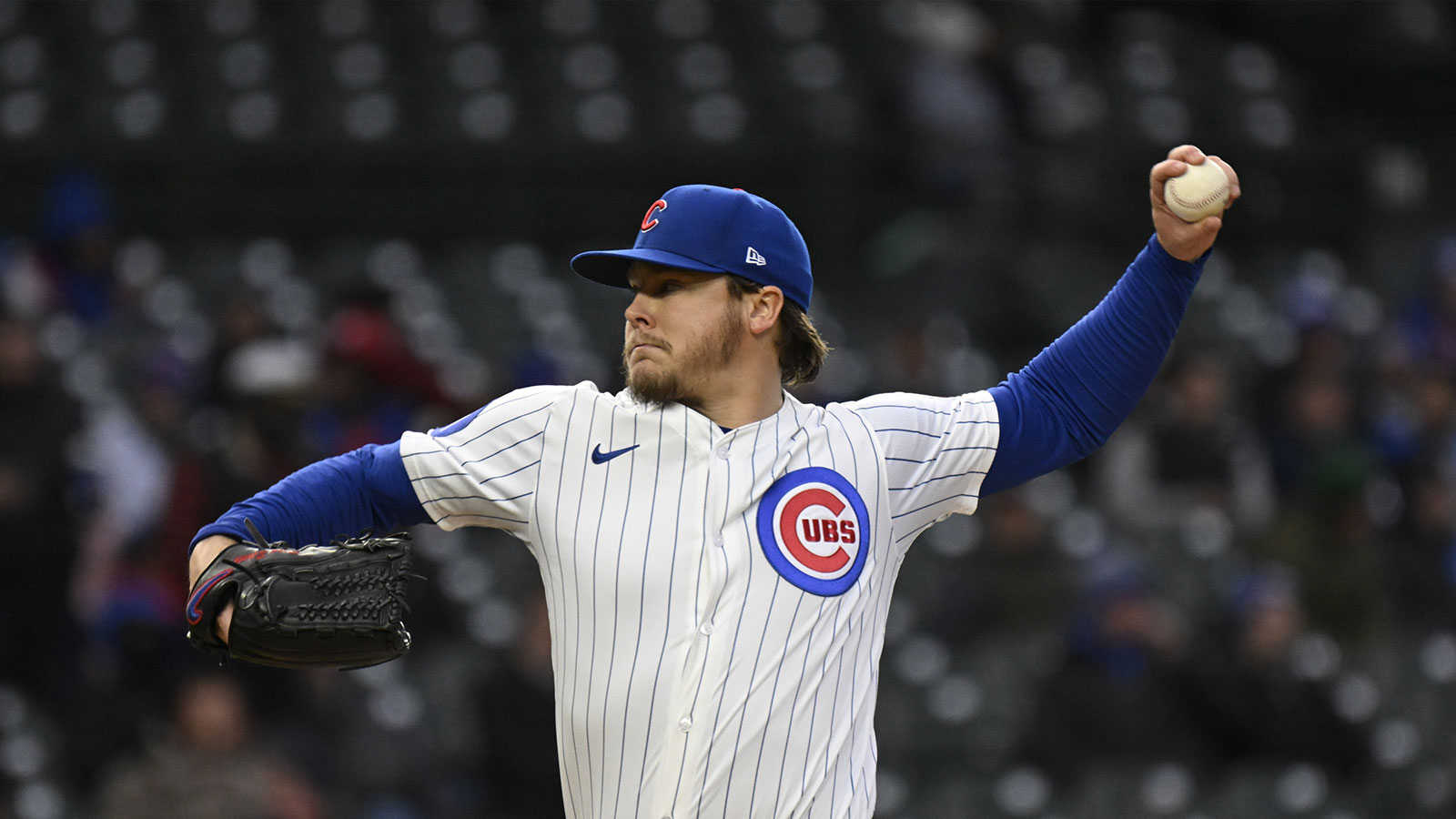
The first problem is on the mound. The Cubs have built a rotation that should keep them competitive most nights. Justin Steele, Shota Imanaga, Jameson Taillon, Matthew Boyd, and Cade Horton give Chicago credible options across the board. Over a full season, that depth has value. Reliable innings stabilize performance and prevent extended downturns.
October changes the standard. Teams that win the World Series typically have at least one starter who can take over a series and dictate matchups. Even champions that win in unconventional ways reinforce that idea. The Atlanta Braves won the 2021 World Series and closed it out with a bullpen game in Game 6 on the road, but they reached that point because their pitching staff had already carried significant weight. A bullpen game can finish a title run, not define it.
A more recent example is clearer. In the 2025 World Series, Yoshinobu Yamamoto gave the Los Angeles Dodgers exactly what elite teams rely on. Control of the moment. A true frontline starter does more than provide innings. He shapes the series, reduces bullpen strain, and forces opponents to adjust.
The Cubs do not have that presence. Steele is the closest thing to a Game 1 option, but he lacks the clear separation that defines elite arms. The rest of the group is steady but similar. The rotation is built on parity rather than hierarchy, which works over 162 games but becomes a limitation in short series.
The bullpen does not fully close the gap. Hunter Harvey offers upside, but the group lacks a proven late-inning force who can consistently shut down top offenses. In the postseason, where games often hinge on a few moments, that absence matters.
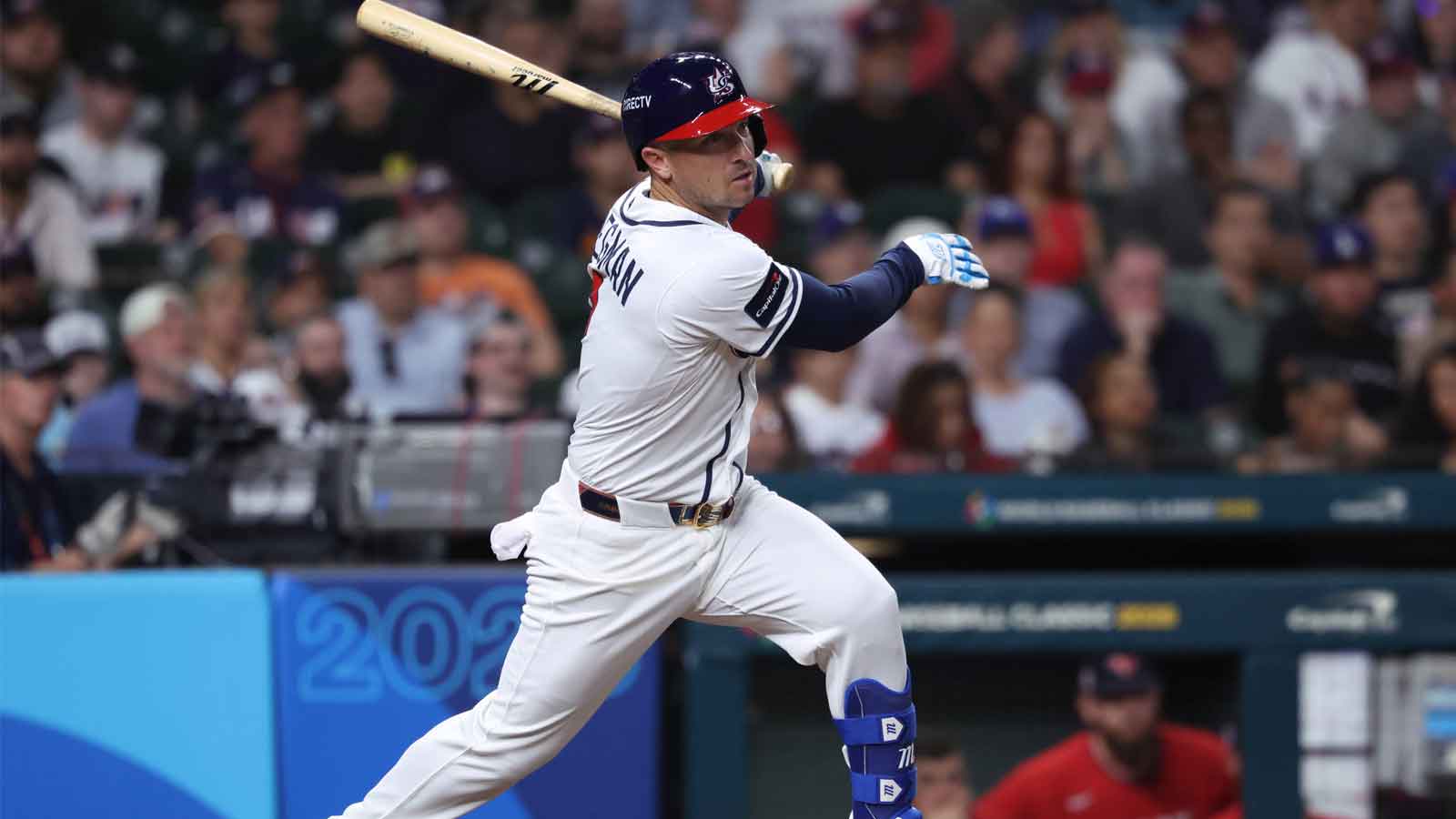
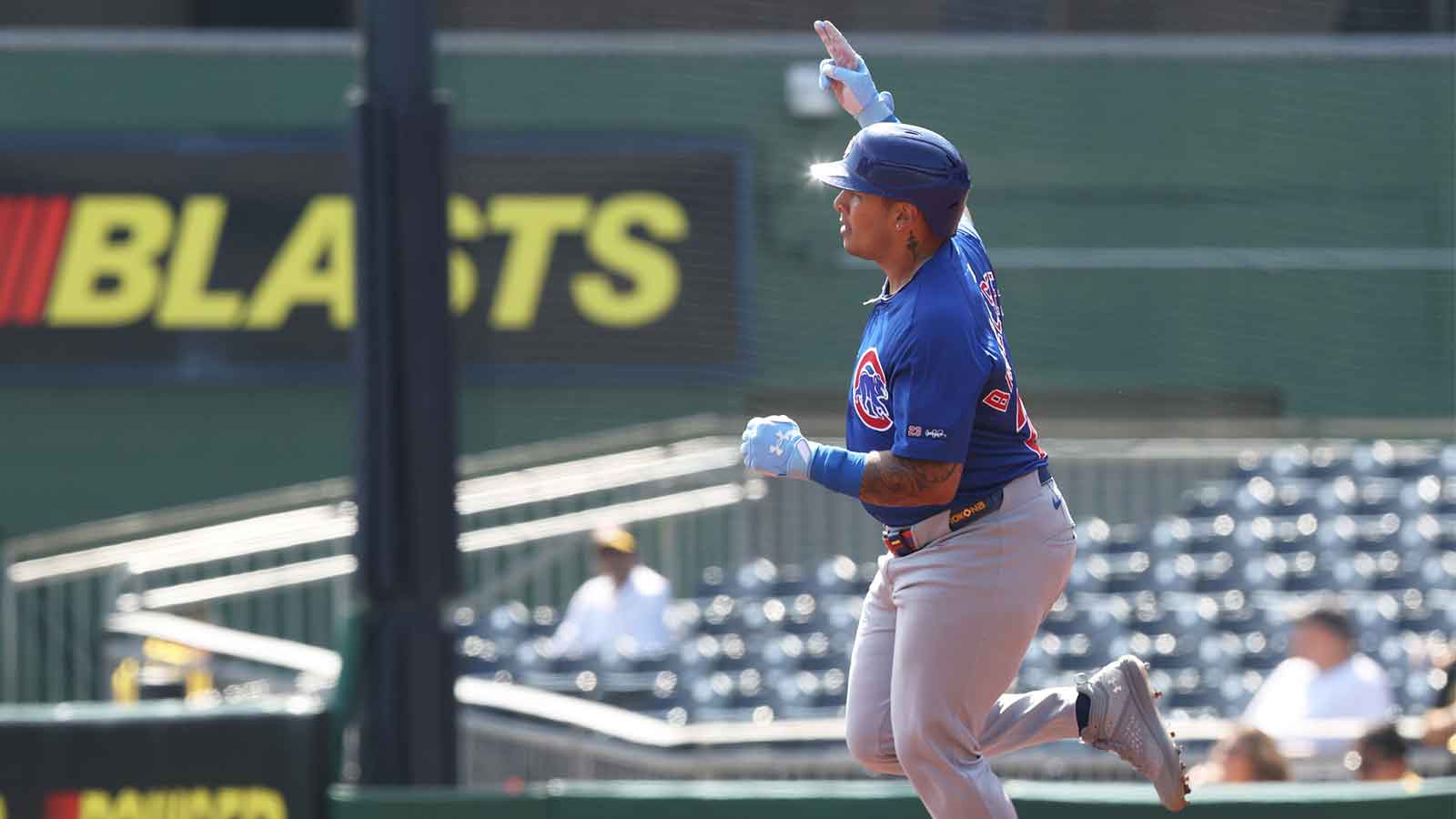
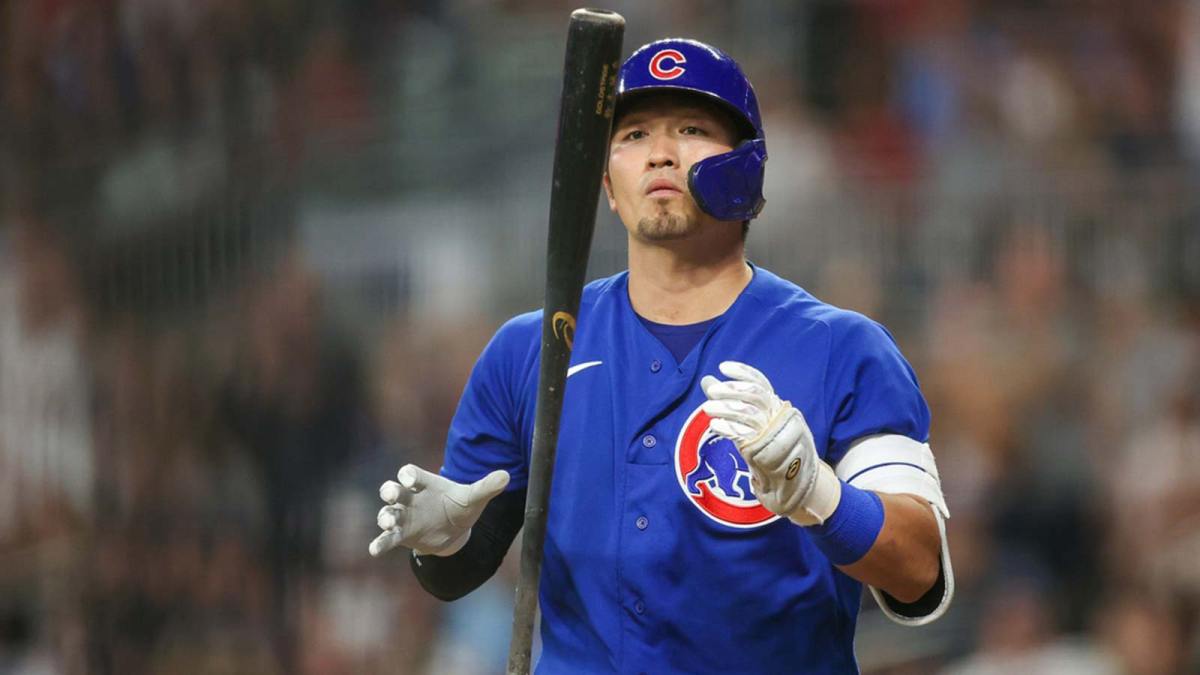
The second issue is structural. The Cubs have invested heavily in position-player stability, creating a lineup with a high floor. Alex Bregman, Dansby Swanson, Ian Happ, Seiya Suzuki, Nico Hoerner, and Michael Busch provide consistency and reliability. Over a full season, that balance produces results.
In October, balance is not always enough. Against elite pitching, teams often need hitters who can change a game instantly. The club possesses productive bats, yet the lineup prioritizes accumulation over impact. That approach can stall when facing top-tier arms.
The farm system adds another constraint. Chicago no longer has the same level of prospect depth, with many top names already contributing in the majors. What remains is more solid than spectacular, limiting trade leverage.
That reality tightens the team’s options at the deadline. If the Cubs need a frontline starter or impact bat, the cost will be steep relative to their remaining assets. Other contenders, such as the Los Angeles Dodgers and the New York Mets, maintain deeper systems that allow for aggressive upgrades. Chicago does not have that same flexibility.
This defect is why the Cubs still fall short of true championship status. The team is strong enough to contend and reach October, but the World Series is won by teams that impose strengths, not just avoid weaknesses. The Cubs lack that defining edge on the mound, and their roster structure makes it difficult to address. Until that changes, they remain a strong team with a clear ceiling.