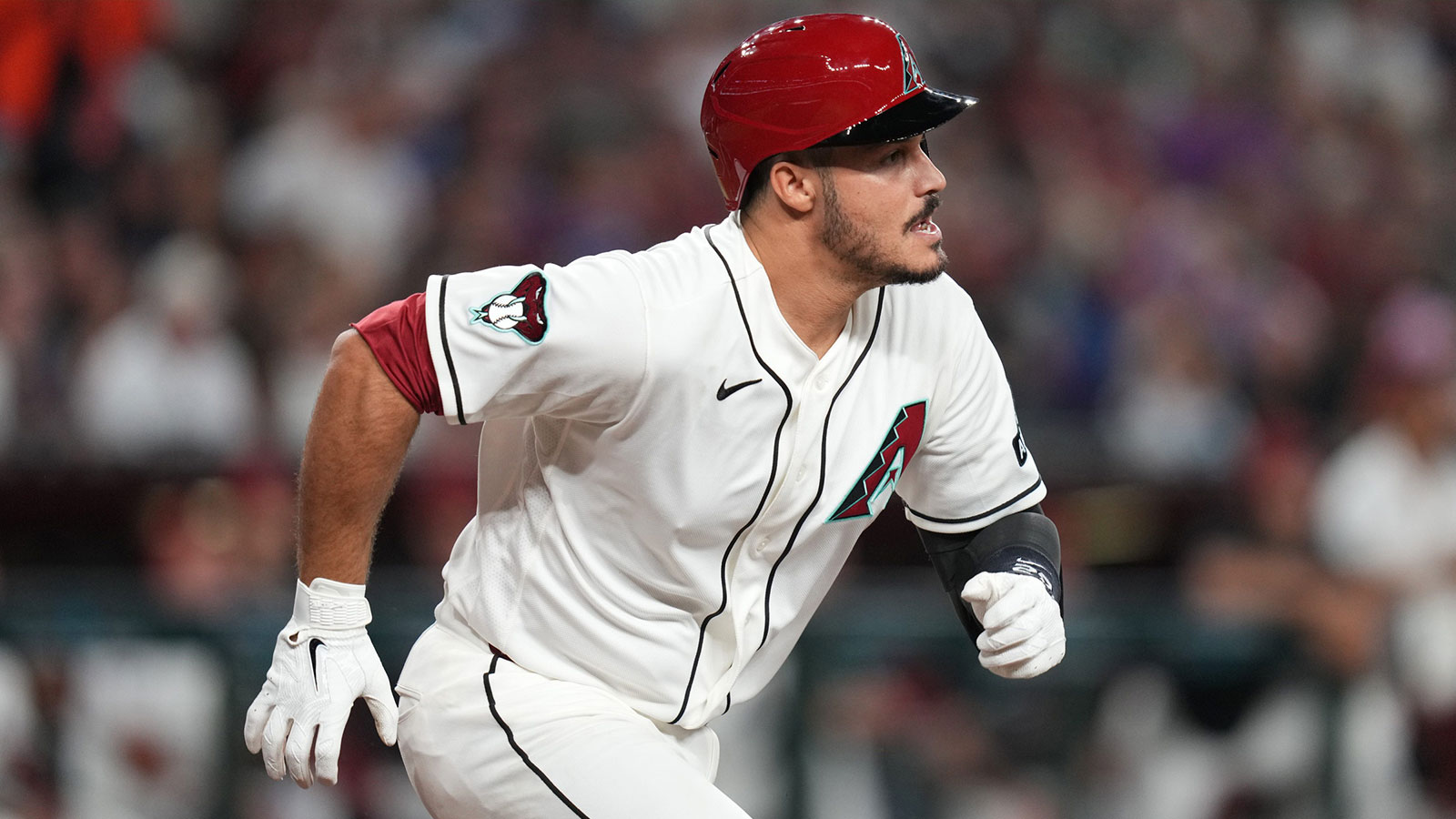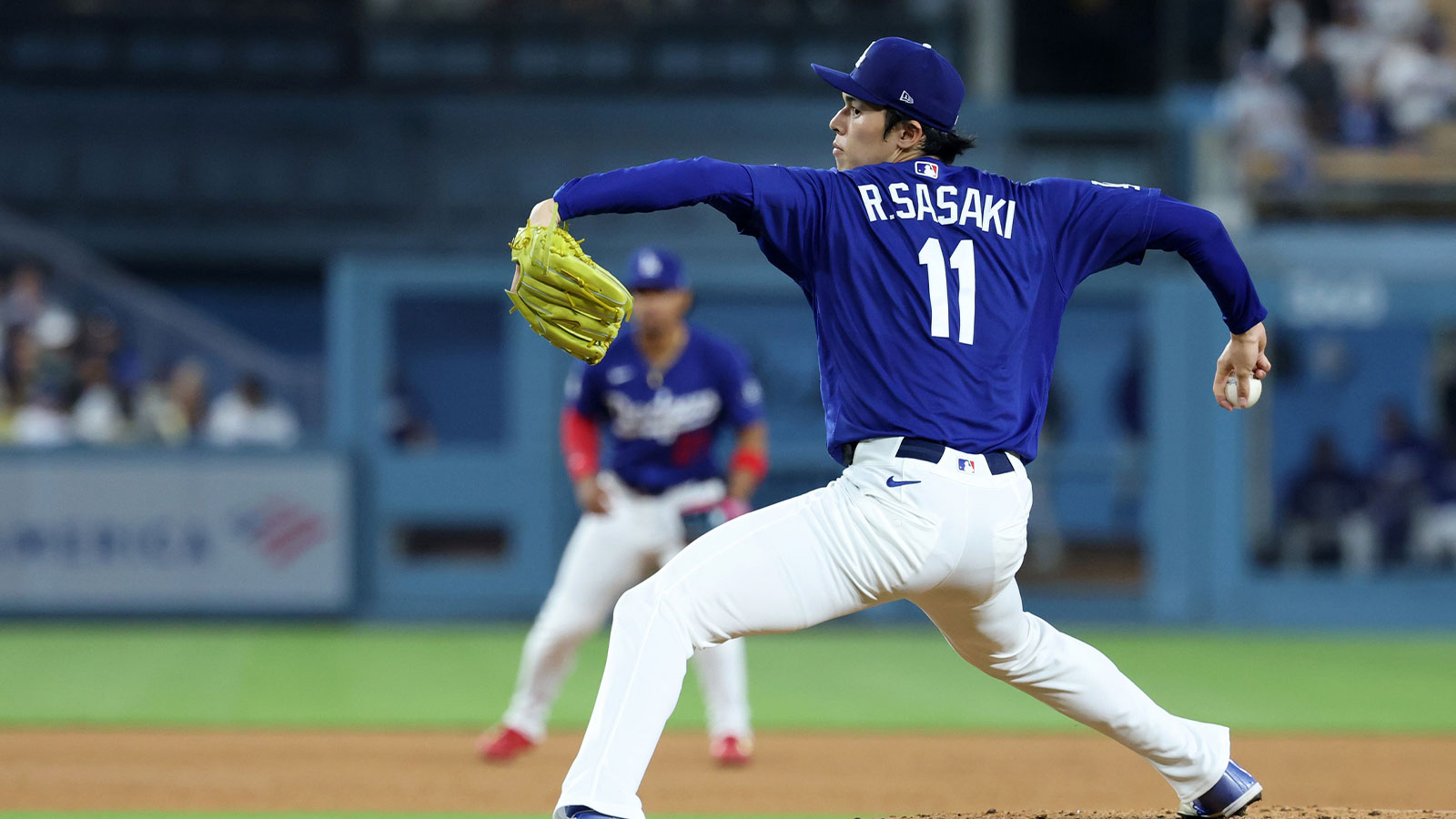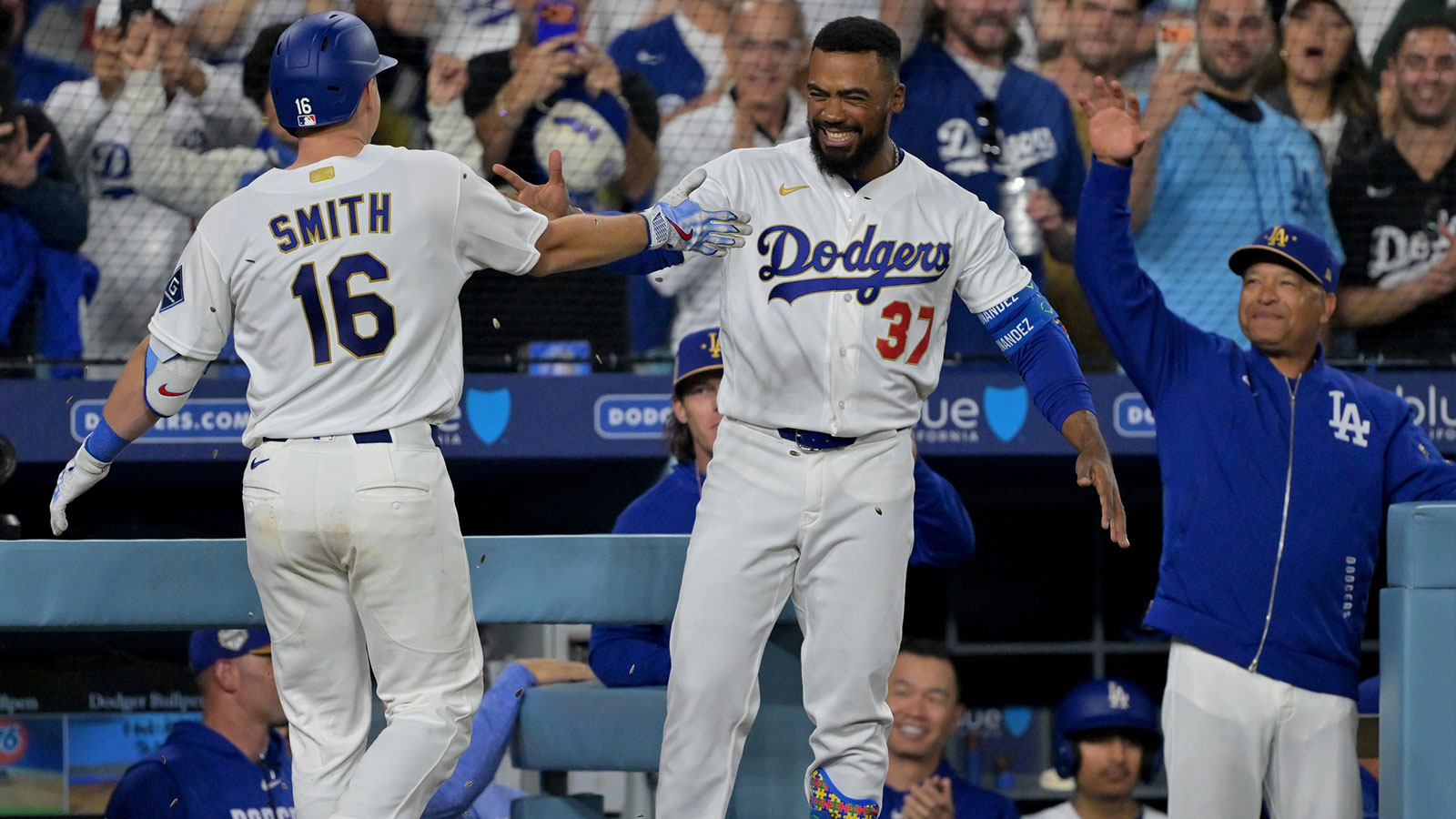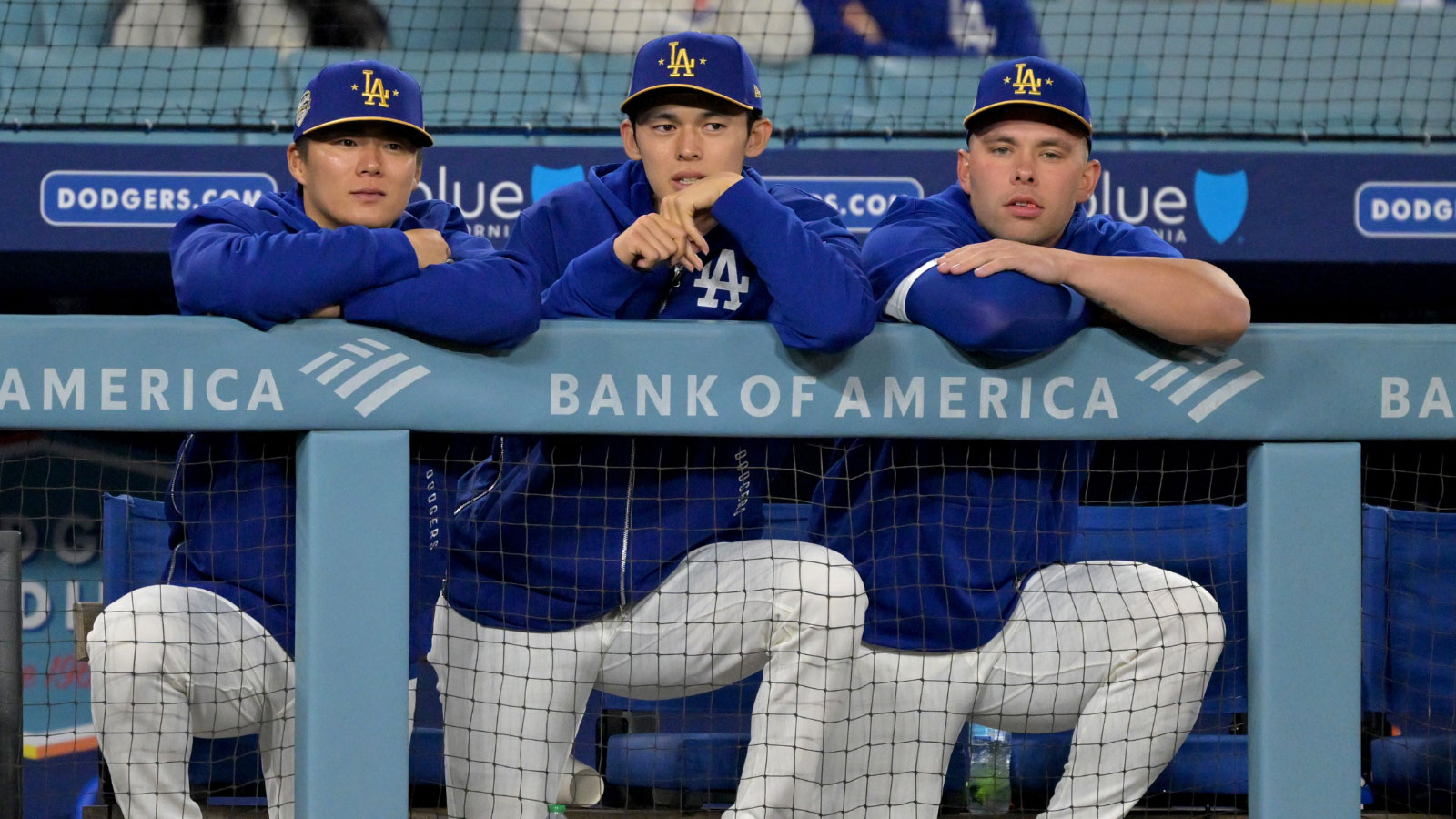
The Los Angeles Dodgers now sit at the center of MLB’s escalating economic debate following their latest blockbuster contract. The ongoing debate intensified after the Dodgers finalized a massive four-year deal with superstar slugger Kyle Tucker, widening payroll gaps further among baseball.
The Dodgers are coming off back-to-back World Series titles while carrying the highest projected payroll in the sport. The four-year, $240 million contract Tucker received only reinforced ownership fears that the luxury tax no longer restrains top spenders in the modern landscape of MLB.
Those concerns spread quickly when the New York Mets followed with a lucrative deal for free agent shortstop Bo Bichette. Smaller-market owners view those signings as a direct threat to competitive equity.
In an article published by The Athletic’s Evan Drellich, he detailed the growing urgency among ownership groups. He reported ownership sentiment hardened dramatically after the Dodgers completed the deal.
“These guys are going to go for a cap no matter what it takes,” a league source told Drellich.
The league office declined direct comment on the issue as Commissioner Rob Manfred maintained that no formal proposal currently exists.
However, internal momentum suggests salary structure reform will dominate upcoming labor negotiations. Those talks are approaching ahead of the current collective bargaining agreement’s expiration in December 2026.
Executive Director Tony Clark of the MLB Players Association has publicly rejected any proposal for a salary cap, setting a firm line.
Clark argued that recent free-agent spending reflects healthy market growth, not a broken system. Drellich also relayed Clark’s comments in his report.
“While the free-agent market is far from over, it is gratifying to see players at all levels being rewarded for their incredible accomplishments by those clubs that are trying to win without excuses.”
Agent Scott Boras echoed that stance. He pointed to team-specific revenue advantages, not league-wide imbalance, as the true driver behind the Dodgers’ spending.
For now, the Tucker contract stands as the catalyst. Ultimately, whether it leads to a salary cap or a lockout remains unresolved.