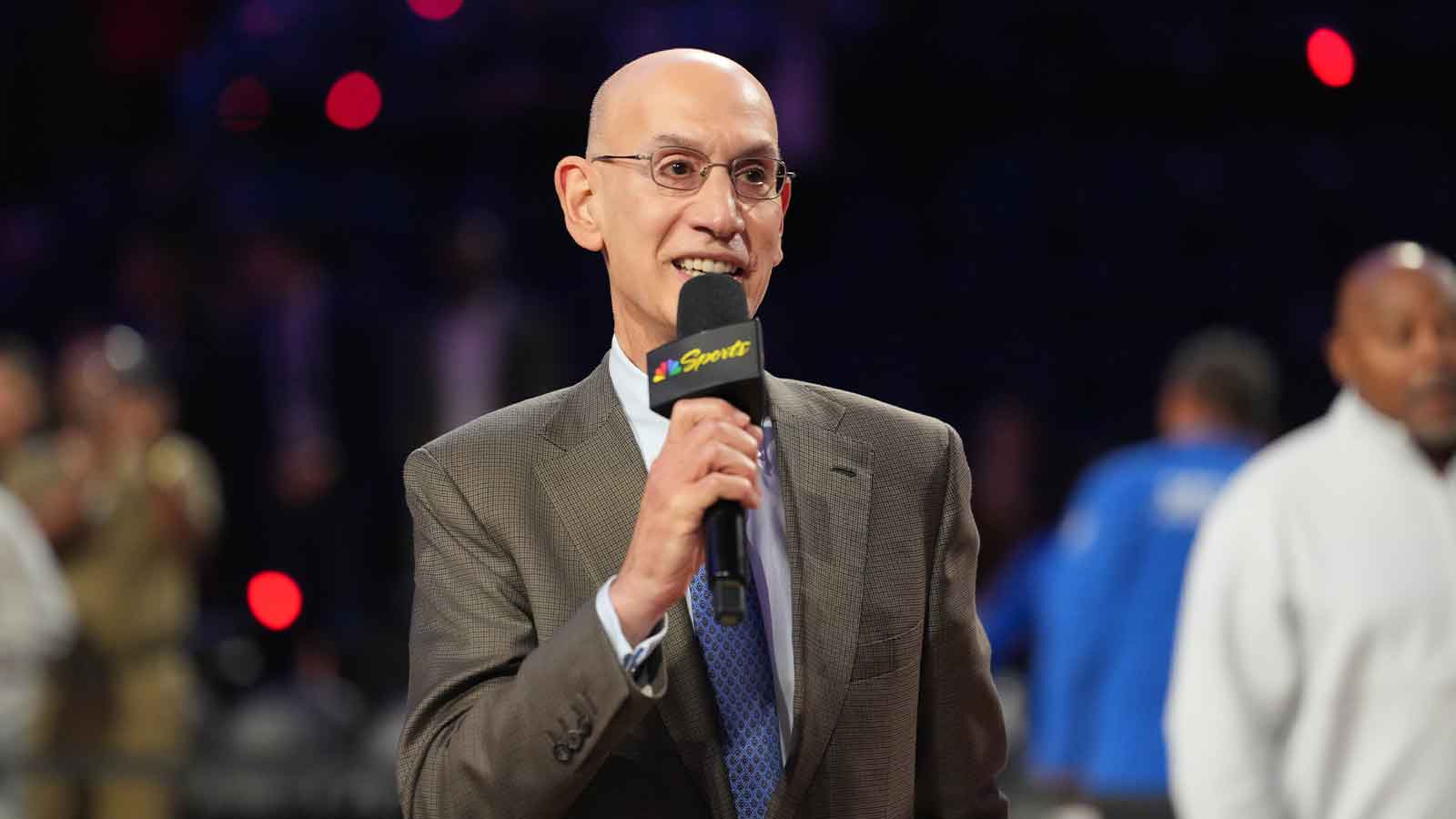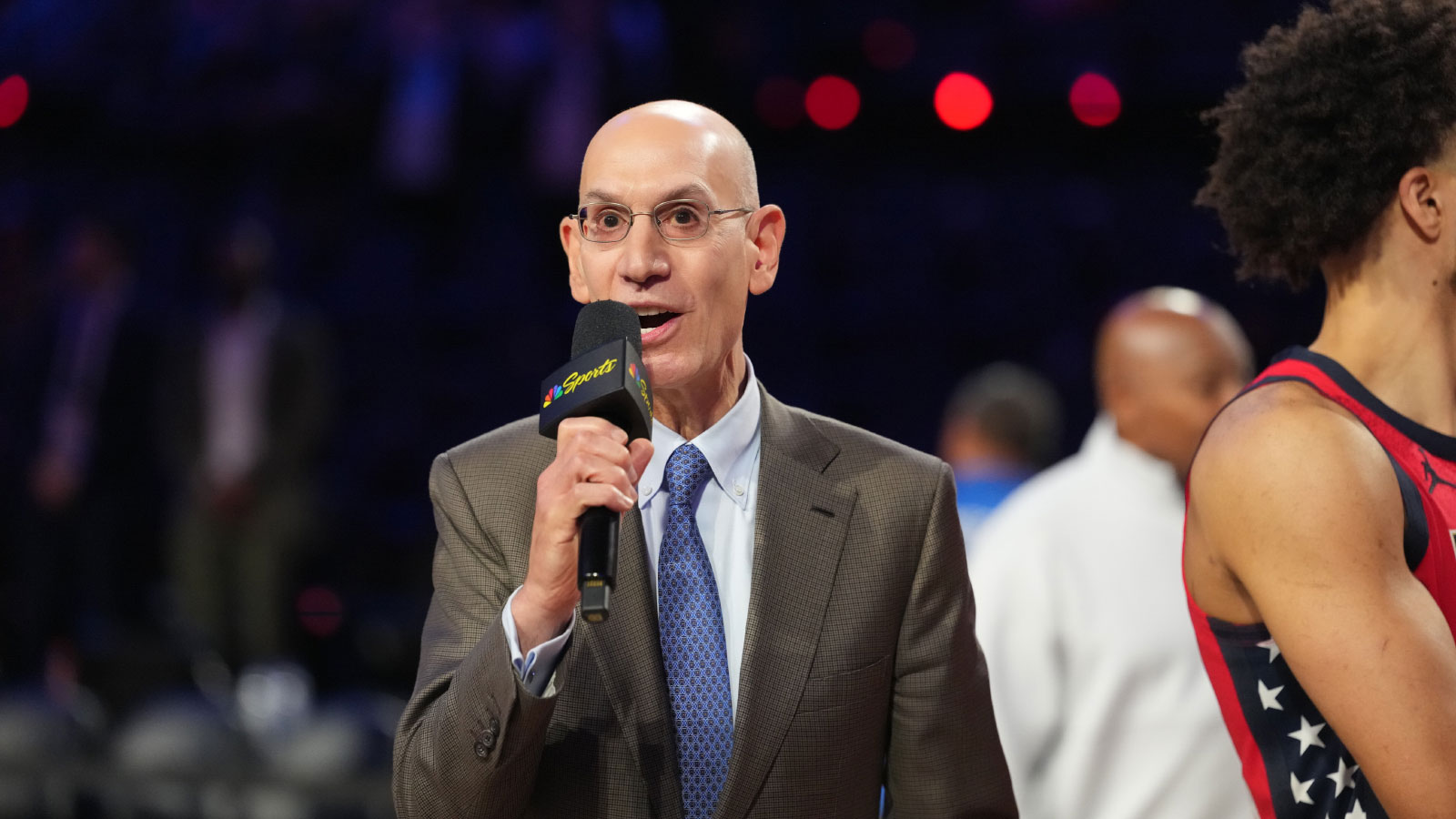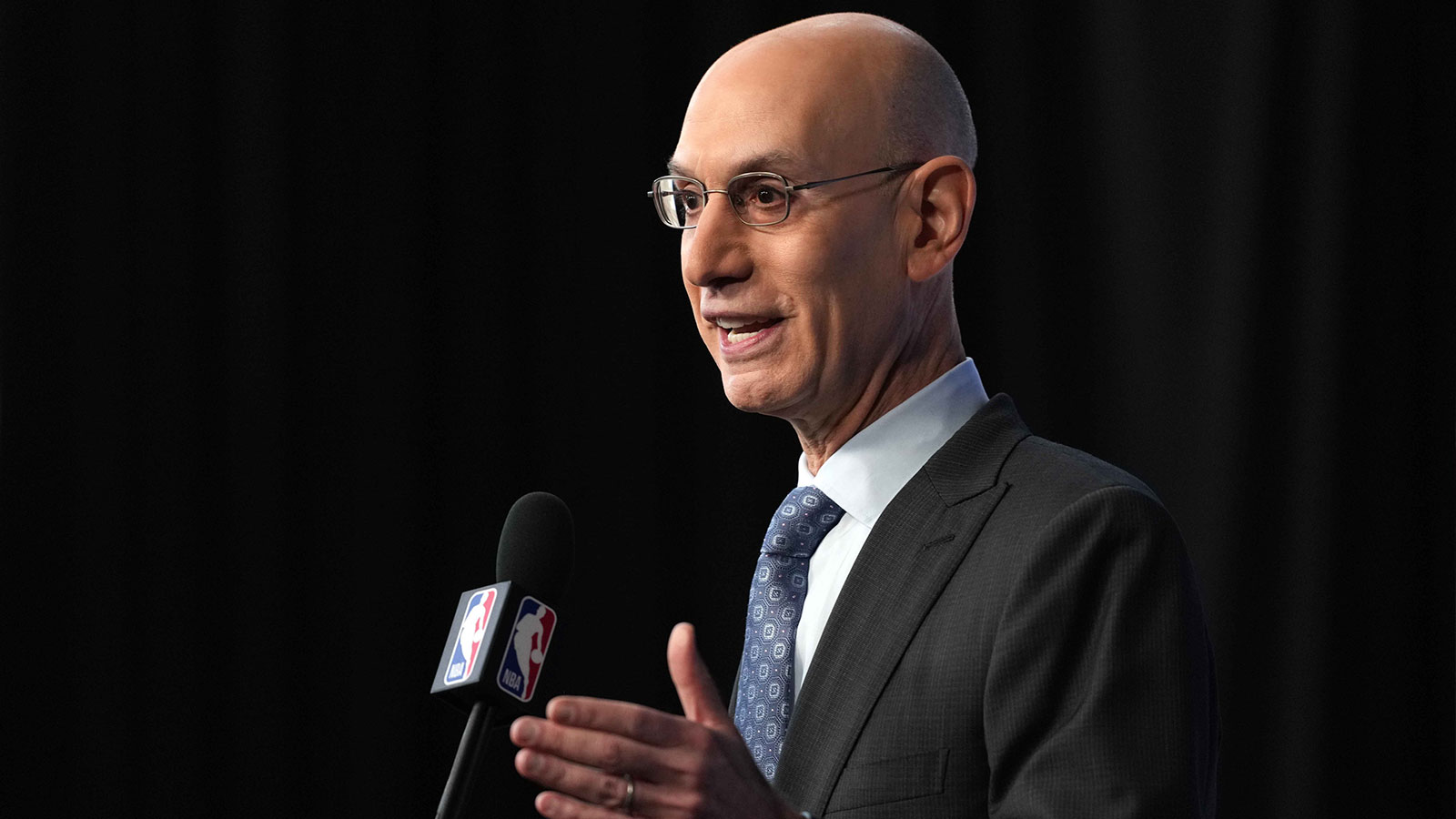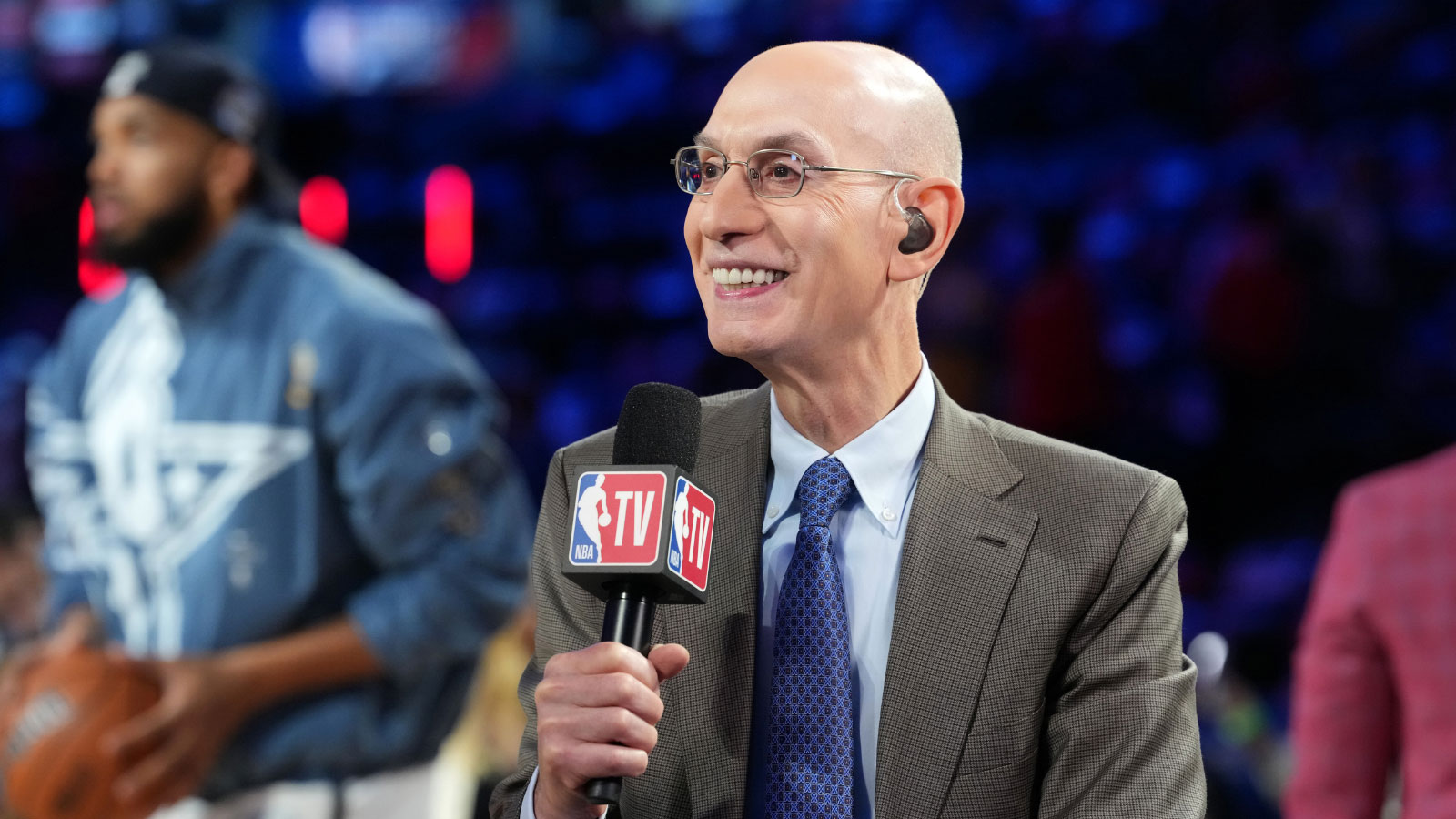
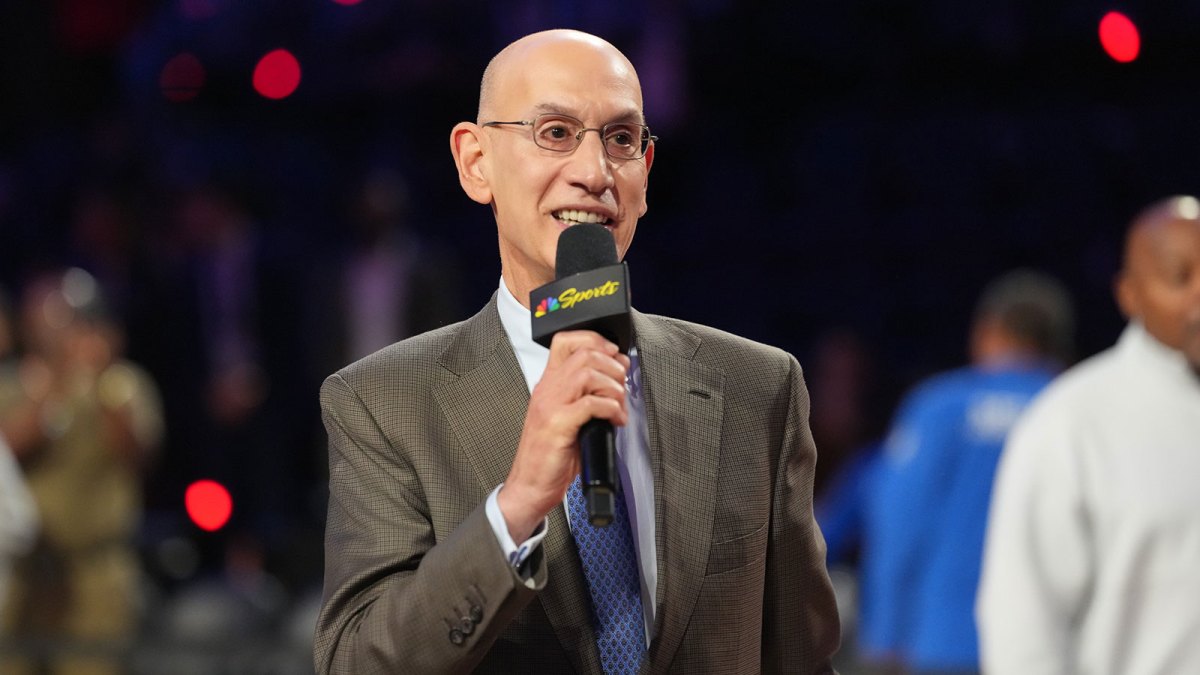
While NBA Commissioner Adam Silver is busy dreaming of a digital future, Brian Windhorst is ready to pull the plug on the simulation.
The 2026 NBA All-Star Game at the Intuit Dome was a massive hit, drawing 8.8 million viewers, the league's biggest audience in 15 years. But while the new “USA vs. World” tournament format actually made the game competitive, the conversation off the court was dominated by Silver’s push for high-tech integration.
During the broadcast, Silver called AI the “most significant change” in sports presentation in his lifetime, touting “hyper-personalized” telecasts that could change how fans watch the game.
Brian Windhorst, however, isn't exactly buying a ticket to the metaverse. On a recent episode of The Hoop Collective, the veteran reporter mocked the absurdity of the NBA’s obsession with AI.
“Why stop at the broadcasters? Why not have an AI Commissioner? Why not have AI referees? Why not have AI coaches? Why not have AI players?” Windhorst asked with heavy sarcasm. “Why not the whole thing just be one giant simulation?”
Windhorst’s point hits home because the magic of this year’s All-Star Game was purely human. No algorithm could have predicted Kawhi Leonard of the USA Stripes going absolutely nuclear in front of his home crowd. Leonard dropped 31 points in a single 12-minute round-robin game, shooting 6-of-7 from deep to eliminate Victor Wembanyama and Team World.
The human drama continued in the final, where Anthony Edwards secured the MVP trophy. Edwards led the youthful USA Stars to a 47-21 blowout win over the veteran Stripes, finishing the night with 32 total points across the tournament. Even “Wemby” brought the intensity, leading the World team with 33 combined points and eight rebounds, proving that fans still crave the unpredictable energy of live, breathing superstars.
Silver might want to personalize the broadcast, but as Windhorst pointed out, the league risks losing its soul if it leans too hard into the “simulation” aspect.