
The Big Ten Tournament still looms ahead, but Michigan has already all but secured a one-seed in the 2026 March Madness bracket. A Senior Night win over Michigan State put the cherry on top of one of the best regular seasons in Wolverines basketball history.
Michigan's second win over Michigan State ended its regular season with a stellar 29-2 record, including 19-1 in the Big Ten. The Wolverines had already clinched the conference regular-season title in February and will begin the Big Ten Tournament as the No. 1 seed.
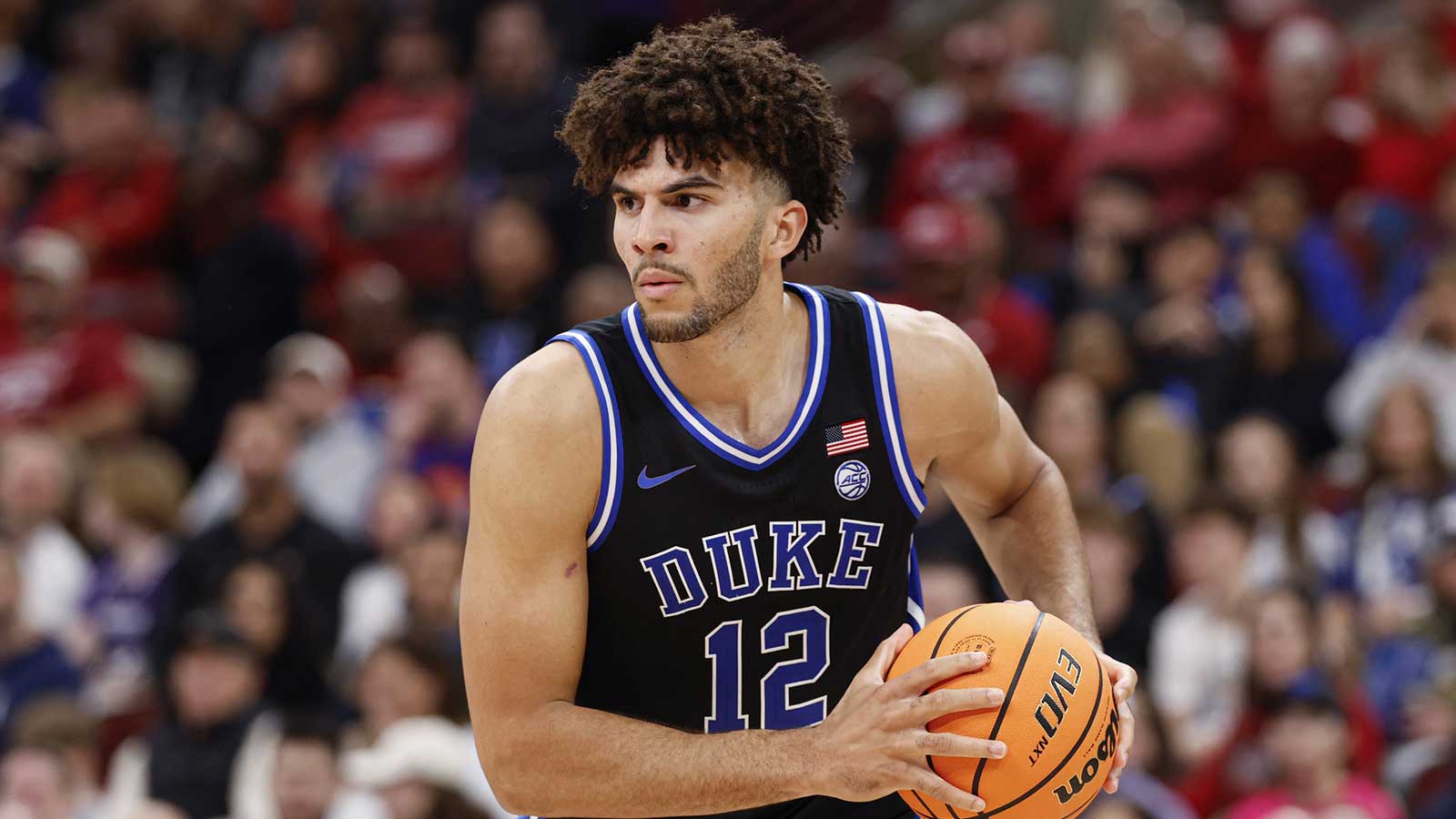
While Michigan does not lead the country in any singular category, it makes a strong case to be the best team in college basketball. Their five-point loss to No. 1 Duke almost made them look better, as they outplayed the Blue Devils for most of the game, had it not been for their subpar shooting on several wide-open shots.
Aside from their two losses, which came by a combined eight points, the Wolverines have virtually dominated everyone else. They won 25 games by double digits, including 13 by 20 or more. Michigan's plus-19.4 average score margin was third-best in the country, only trailing Duke and Gonzaga.
However, as dominant as Dusty May's team has been, it only takes one loss in March for any team's season to come to a screeching halt. Better teams have suffered worse losses, and a few teams began to poke holes in Michigan's game late in the season.
Regardless of what happens in the Big Ten Tournament, Michigan will enter the 2026 March Madness bracket as a one-seed. They are still just as vulnerable to suffering a premature exit as any other team.
Michigan has one massive weakness
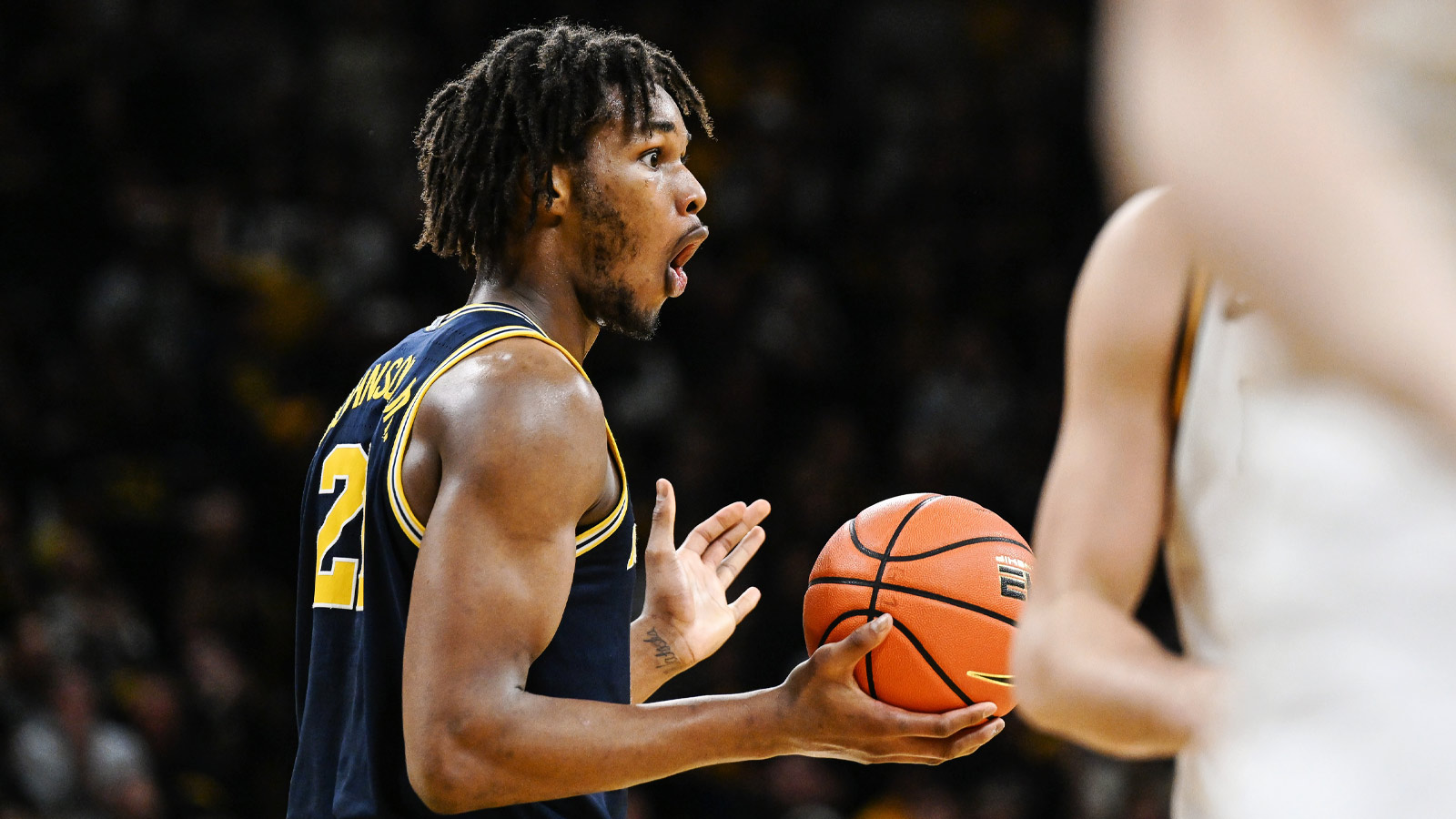
Michigan does not have many weaknesses, but the one it does have has been a thorn in Dusty May's side his entire career. If the Wolverines' NCAA Tournament quest comes to an early end, it will be because of their massive turnover woes.
For the most part, Michigan's fast-paced, efficient offense has been almost impossible to stop. North Carolina transfer Elliot Cadeau has transitioned beautifully into May's scheme to run the offense to near-perfection, while Yaxel Lendeborg, Morez Johnson Jr. and Aday Mara form arguably the best frontcourt in the country. Lendeborg is the team's engine, but the Wolverines have seven different players capable of leading the charge on any given night.
Michigan's offense looks like the best in the country on a good day, but things can quickly spiral out of control. The Wolverines average 12.2 turnovers per game, third-to-last in the Big Ten and 254th in the country.
Michigan's turnover woes have only worsened on paper with backup point guard L.J. Cason out for the remainder of the season with a torn ACL. Cason had begun to hit his stride before going down, averaging 12.1 points and 2.9 assists in 20.1 minutes per game in his seven games prior to the injury.
In two games without Cason, Michigan committed 18 turnovers in a narrow three-point win over Iowa and 10 turnovers in its 90-80 nod over Michigan State.
Turnovers are not always the issue — Michigan coughed the ball up just seven times against Duke and nine times in its previous loss to Wisconsin — but they are an unfortunate recurring issue that May cannot seem to shake. The Wolverines ranked dead last in the Big Ten and 340th in the country with 14.0 giveaways per game in 2024-2025, May's first season in Ann Arbor.
Michigan's 2026 March Madness nightmare scenario
Without Cason to spell Cadeau, Michigan struggled with Iowa's slow pace of play. They remained efficient from the floor, but the decreased tempo rushed the Wolverines, leading to several sloppy turnovers and unforced errors.
When it comes to the NCAA Tournament, Michigan has to hope it will avoid a similar opponent in March Madness.
Michigan's likely one-seed status should not give it much issue in the first round, but the wrong matchup could spell trouble in the Round of 32. Mid-level teams like Santa Clara, TCU and Miami are in the eight- to nine-seed range and are elite at forcing turnovers, potentially giving May a scare in the second round. The Horned Frogs have already pushed the Wolverines to their limit once before, forcing 22 turnovers in a 67-63 nailbiter early in the season.
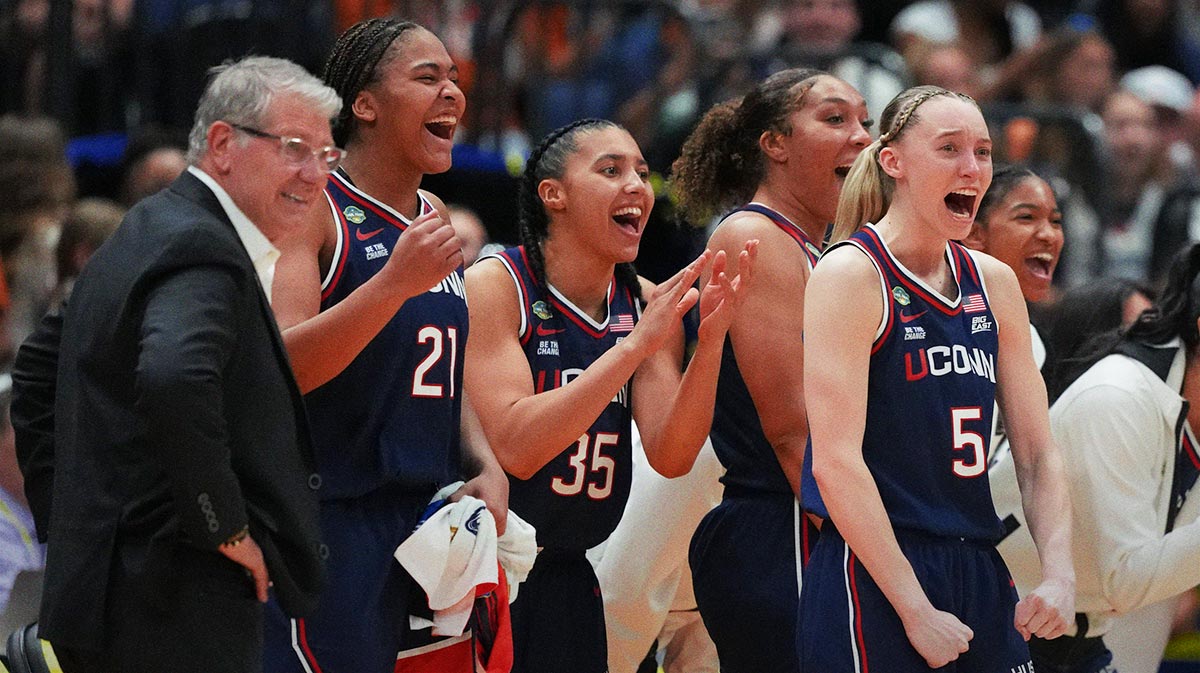
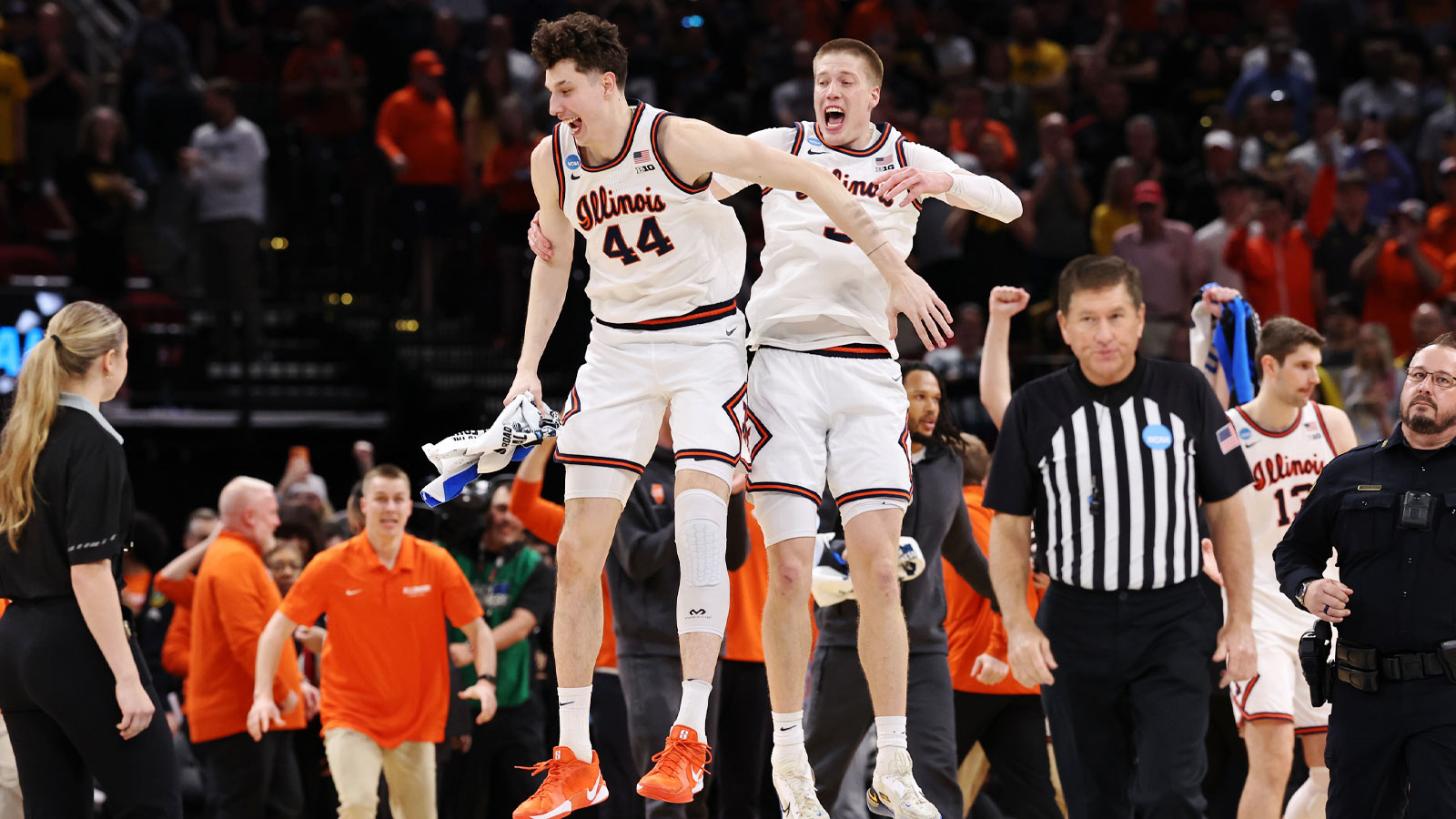
Michigan also has to hope to avoid landing in the same region as stout defensive teams with frontcourt size like Houston, UConn and Illinois. Even Gonzaga, which the Wolverines handed a 101-61 beatdown in November, has the style to put up much more of a challenge in a rematch.
Michigan has not won a national championship since 1989, when Glen Rice and Loy Vaught led it to the pinnacle as a three-seed. They have come painfully close on multiple occasions since, but 2026 is the Wolverines' best chance to get over the hump.
In just his second year with the program, May has everything he needs to win his first national title and bring Michigan to March Madness glory. He just desperately needs to hope his biggest weakness will not come back to doom him again.