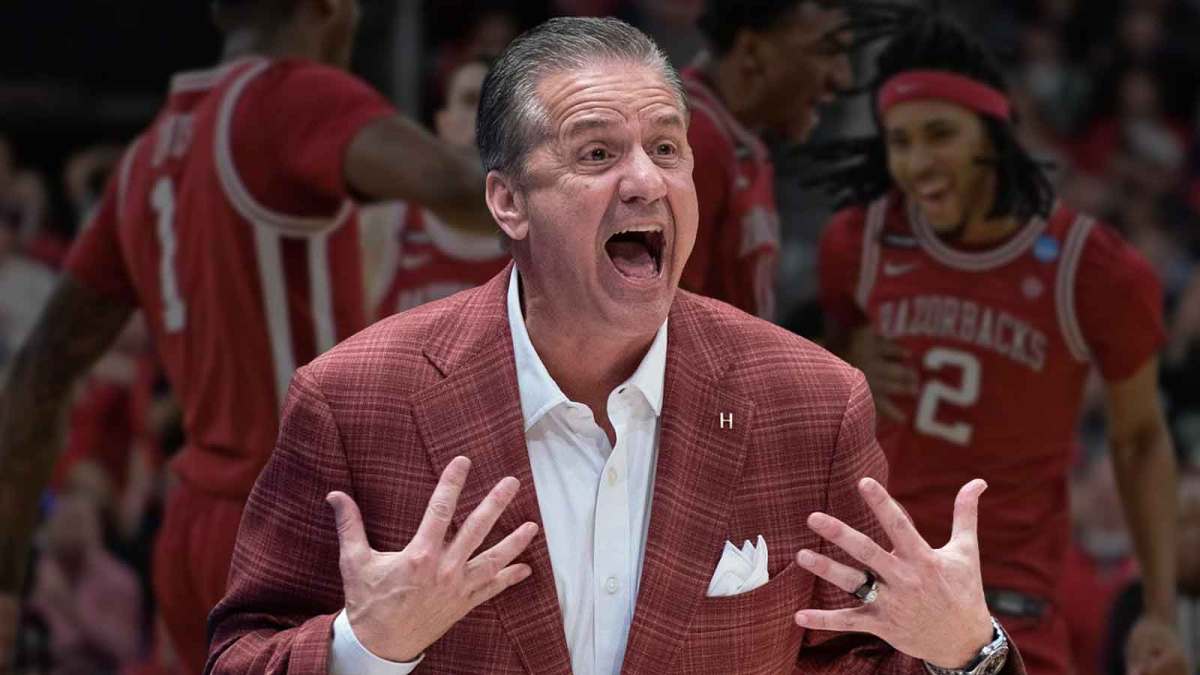
March Madness is defined by the unexpected, but if you look closely at the data, you can often spot a giant standing on shaky ground. Enter the Arkansas Razorbacks. Head coach John Calipari has done a masterful job in his second season in Fayetteville, guiding the Hogs to a 26-8 record, an SEC Tournament championship, and a number four seed in the West Region. The hype machine is operating at maximum capacity. However, as any seasoned college basketball analyst will tell you, a flashy offense does not guarantee postseason survival.
Even though the Razorbacks have a great resume and undeniable star power, they have structural problems that make them very likely to leave early. When you look at their 2025 to 2026 campaign, you see a team that relies heavily on young players, has a weak defense, and has a very tough geographical draw. If you are filling out your bracket, you might want to think twice before writing Arkansas in pen for the second weekend.
A Defense That Leaves the Door Open
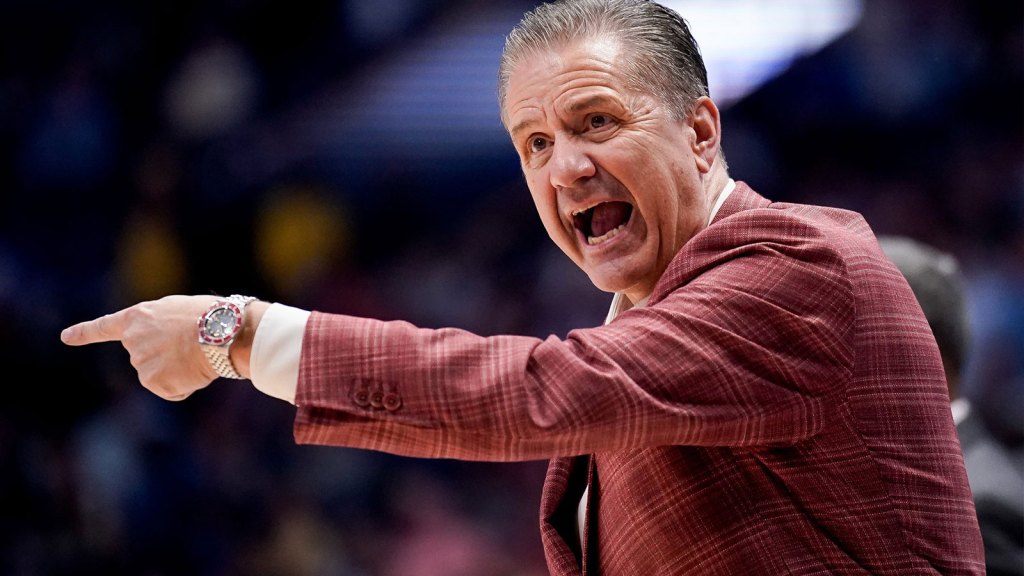
Championship teams string together stops when it matters most. For all of their offensive brilliance, the Razorbacks have struggled mightily to keep opponents off the scoreboard. Arkansas enters the tournament giving up a staggering 80.1 points per game. That defensive mark ranks near the very bottom of Division I basketball.
Having experienced forwards like Trevon Brazile, who grabs 7.3 rebounds and blocks shots per game, is helpful, but the overall defensive plan takes too many risks. The Razorbacks can easily give up easy baskets on the weak side of the paint. Also, their aggressive style can get them into foul trouble, which is a huge problem in a single-elimination format. When you routinely allow teams to score 80 points, you are inherently keeping underdogs in the game. In the NCAA Tournament, letting a lower seed hang around until the final four minutes is a recipe for disaster.
The Freshman Factor and Perimeter Questions
Offensively, Arkansas is an absolute juggernaut. They average 89.9 points per game and boast one of the most efficient attacks in the nation. This high octane system is driven by an incredible freshman backcourt. Point guard Darius Acuff Jr. has been a revelation, averaging 22.7 points and 6.4 assists per game. His running mate Meleek Thomas adds another 15.5 points per contest.
However, relying entirely on freshmen guards in March is historically a risky proposition. The pressure of the Big Dance is entirely different from a regular season conference clash. Defenses will throw complex, junk zones at Acuff and Thomas to force the ball out of their hands. Additionally, Arkansas ranks near the bottom of the country in three point attempt rate. They prefer to score via dribble penetration and interior finishing.
If a disciplined tournament opponent packs the paint and dares the Razorbacks to win from the outside, the offense could stagnate. If Acuff or Thomas has an off shooting night, the Razorbacks do not have a reliable fallback plan to generate quick perimeter points.
A Treacherous Path in Portland
The selection committee did Arkansas absolutely no favors with their bracket placement. As a four seed, they must travel all the way to Portland, Oregon, to face the number 13 seed Hawaii Rainbow Warriors. Playing a team from the Pacific in the Pacific Northwest practically neutralizes any crowd advantage the Razorbacks might have hoped for.
Hawaii enters the matchup with a stellar 24-8 record and a defensive rating that ranks in the top 50 nationally. They play a slower, methodical brand of basketball designed to limit possessions and frustrate high flying offenses. The Rainbow Warriors also feature a seven foot center in Isaac Johnson who can clog the driving lanes that Acuff and Thomas desperately need.
Even if Arkansas survives the opening round, their potential round of 32 matchup is terrifying. They would likely face the number five seed Wisconsin Badgers. Wisconsin is a veteran group that averages over 32 three point attempts per game and features multiple skilled big men who can stretch the floor. A floor spacing offense is the exact kryptonite for an Arkansas defense that struggles to cover the perimeter and rotate effectively.
The Razorbacks have the sheer talent to beat anyone in the country on a good day. Yet, their porous defense, reliance on freshman ball handlers, and daunting regional draw create the perfect storm for a bracket busting loss. Do not be surprised if the Razorbacks are heading back to Fayetteville much earlier than expected.