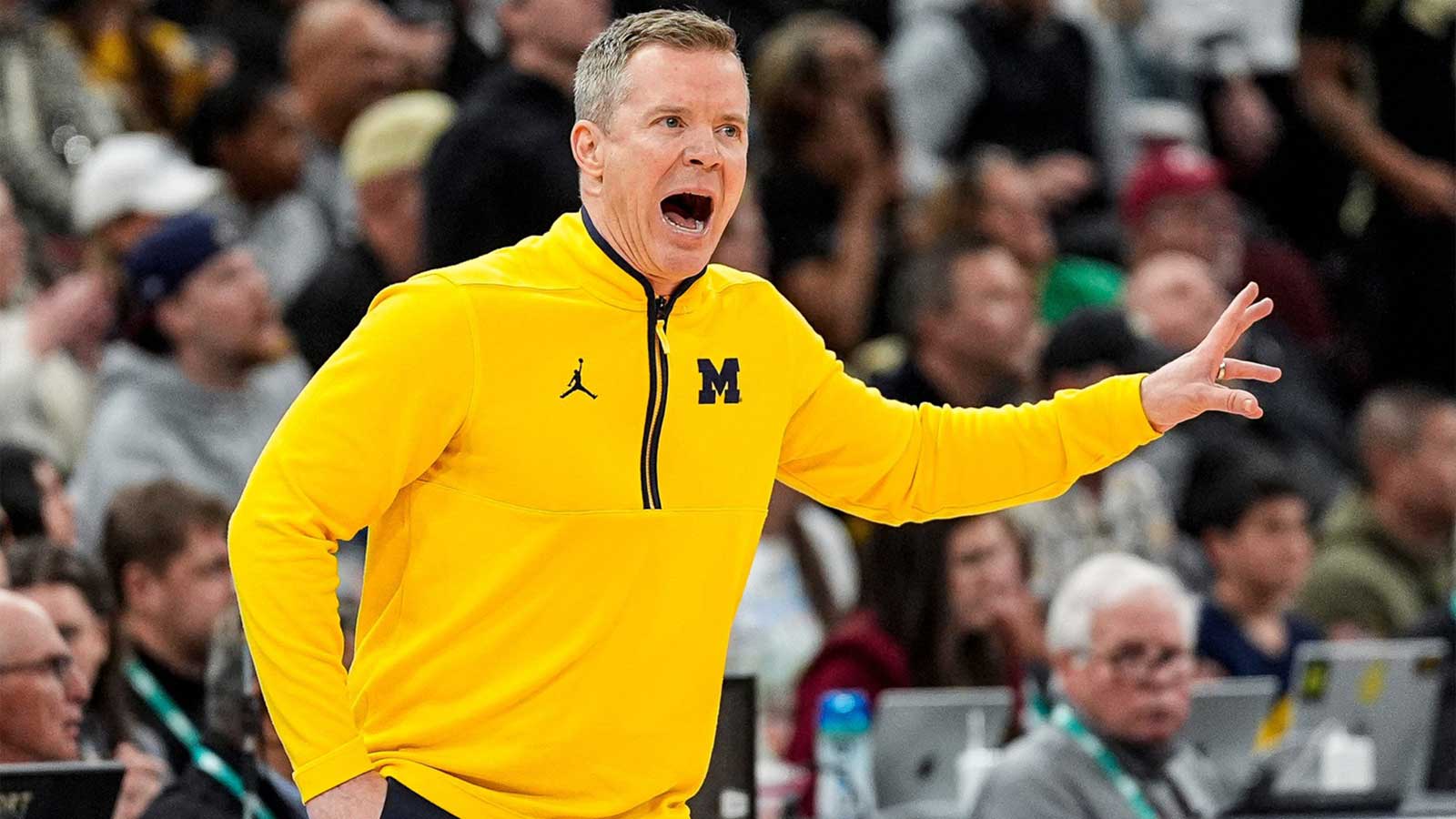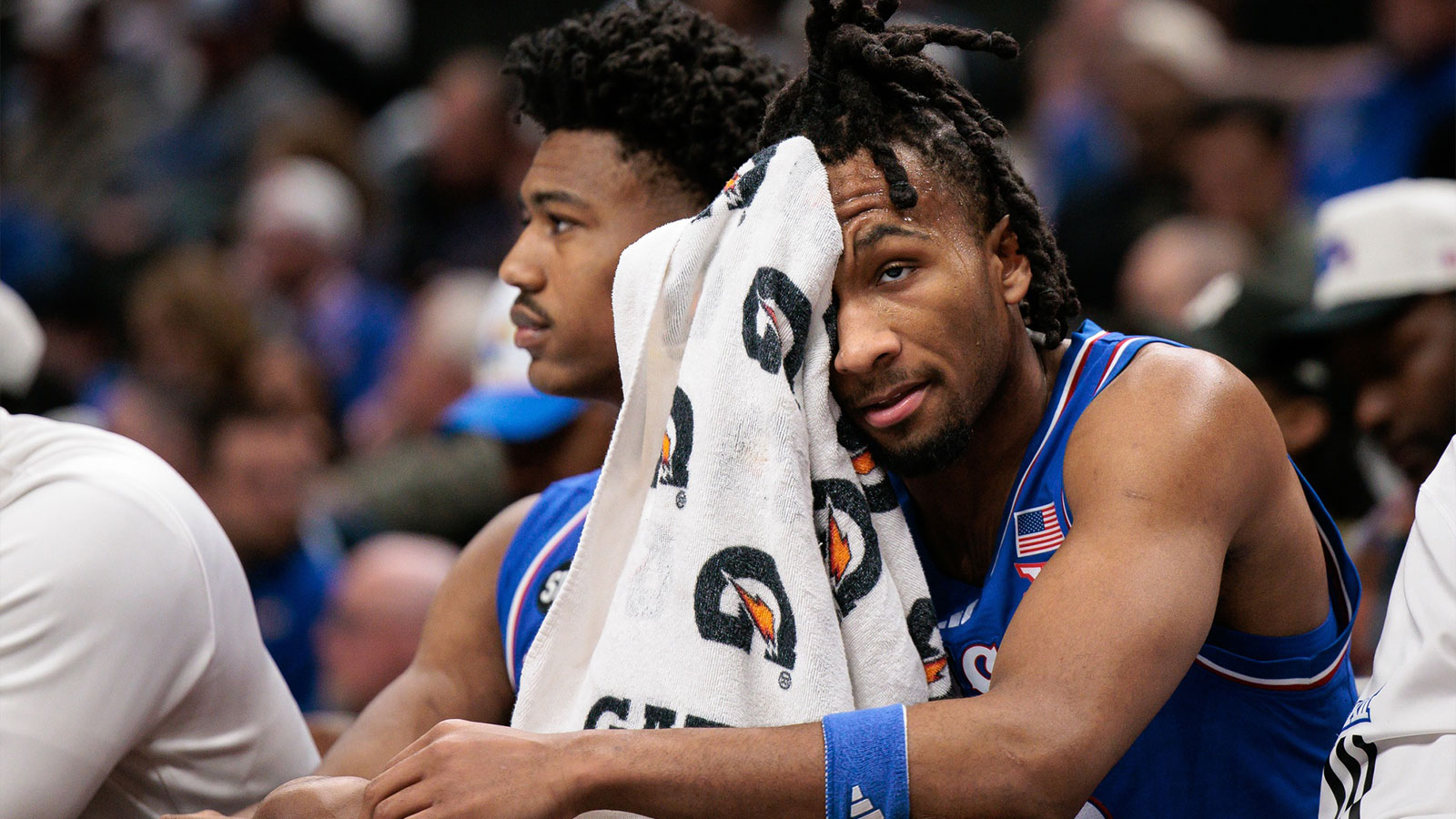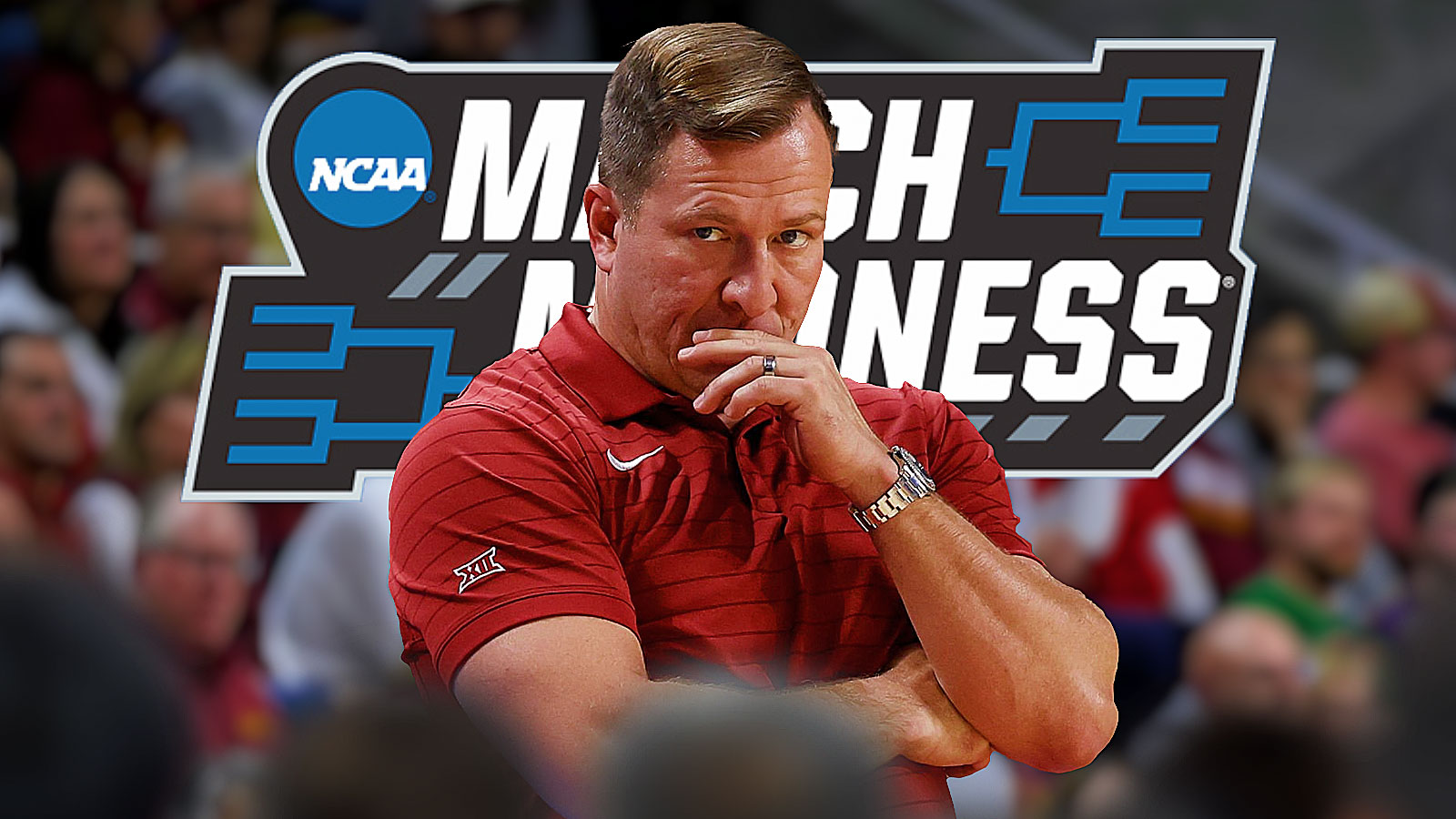

While Michigan State owns the longest active March Madness streak in college basketball, its success in the tournament has fluctuated recently. The Spartans' opening weekend woes could return in 2026, with Tom Izzo finding himself in a quad with a trio of dangerous teams in North Dakota State, Louisville and South Florida.
Michigan State is arguably the most dangerous three-seed in the bracket, with wins over Illinois, Purdue, North Carolina and Kentucky in the regular season. However, Izzo's squad began to show chinks in the armor down the stretch, going just 6-4 in its last 10 games.
Like their head coach, the Spartans are an experienced team in March. Star point guard Jeremy Fears Jr., center Carson Cooper and forwards Coen Carr and Jaxon Kohler are all returning members from Michigan State's 2025 Elite Eight run. Fears is the team's engine with a team-high 15.7 points per game and a Division I-leading 9.2 assists per game.
While Izzo is always a threat to make a deep run, his 2026 Michigan State team is less of a finished product than it has been in previous years. The Spartans' upcoming matchup against North Dakota State is a more dangerous first-round game than it is being made out to be, as is its potential Round of 32 face-off with either Louisville or USF.
Michigan State's biggest struggle
Michigan State is well-rounded on both sides of the ball, allowing it to be a top-25 offensive and defensive team on KenPom. Twenty-two of the last 23 national champions fit into that category, making Izzo's team one of just eight in the 2026 March Madness field that have the supposed title-winning formula.
However, the Spartans have one glaring weakness on both sides of the ball that will eventually spell trouble. They remain extremely limited offensively beyond Fears, who is Izzo's only consistent playmaker. Teams have had success trapping him and forcing the supporting cast to beat them, which they almost never do.
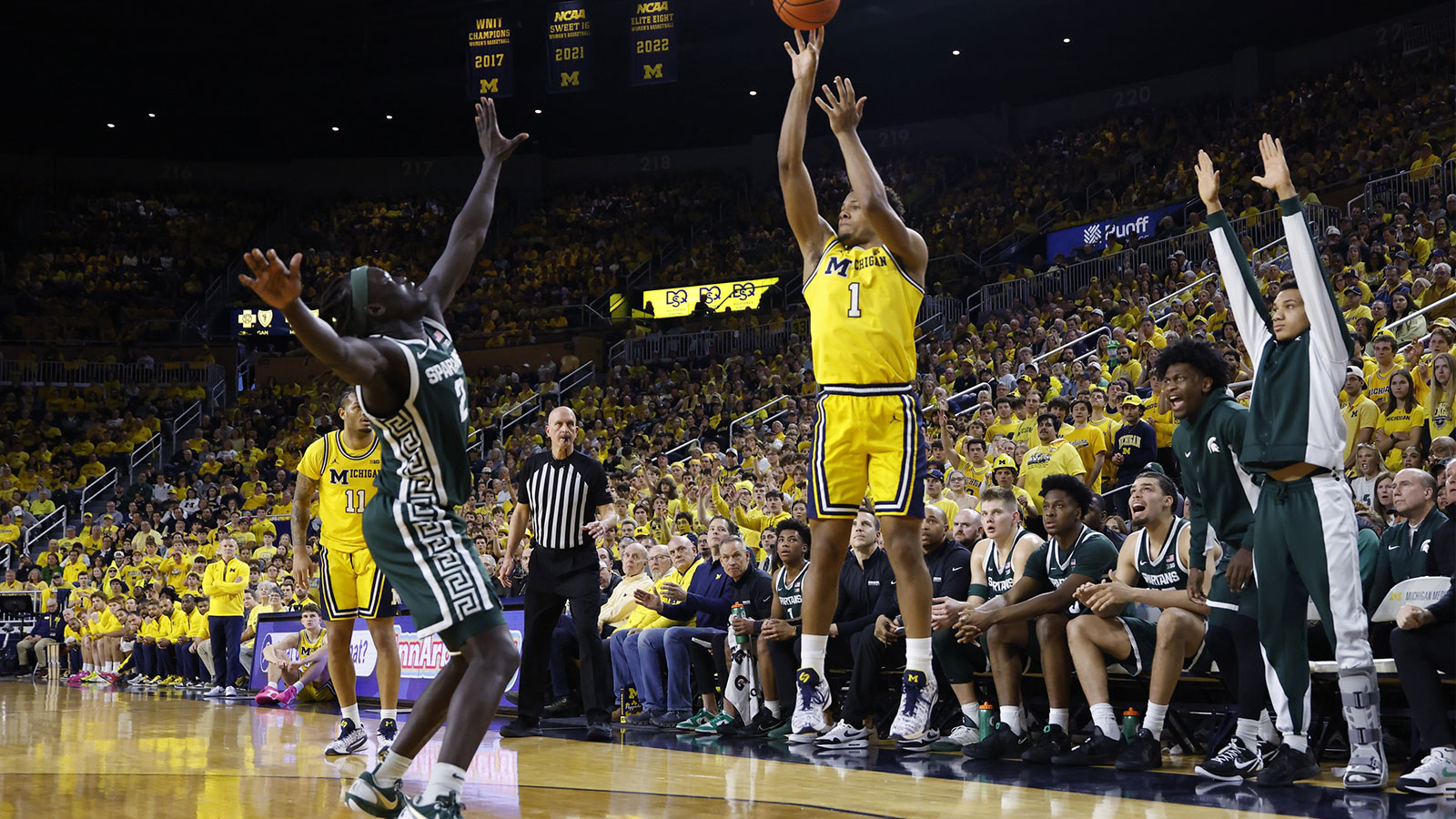
But Michigan State's biggest issue comes defensively, where it has been one of the worst three-point defenses throughout the 2025-2026 college basketball season. They allow 26.1 three-point attempts, ranking 321st in the country, and 8.9 three-pointers made per game, ranking 290th.
The Spartans' atrocious three-point defense reflected on their record. They allowed 11.1 three-pointers in their seven losses, during which their opponents shot 41 percent from distance. Duke and Michigan, two of the four one-seeds in the NCAA Tournament, were the only teams to beat them without making at least 10 triples.
Michigan State defends the interior at a high level, allowing just 25.5 points in the paint per game,13th-fewest in college basketball, per CBB Analytics. None of that will matter if it allows the wrong team to get hot from deep. Three-point shooting is the great equalizer and the one factor that can allow an inferior team to compete against the best on any given night, and the Spartans are among the worst at defending it.
Izzo has suffered many premature March Madness exits before, notably losing to 15-seed Middle Tennessee State and No. 11-seed Syracuse in the last decade. North Dakota State is threatening a similar fate in 2026.
Michigan State could get exposed early in March Madness
Unfortunately for Izzo, Michigan State's three-point defensive woes could get put on blast early. The Spartans find themselves in Buffalo with three of the highest-volume three-point shooting teams in the nation.
Michigan State has the advantage over North Dakota State almost everywhere, as one would expect. it just so happens that its biggest blind spot happens to be the Bison's bread and butter.
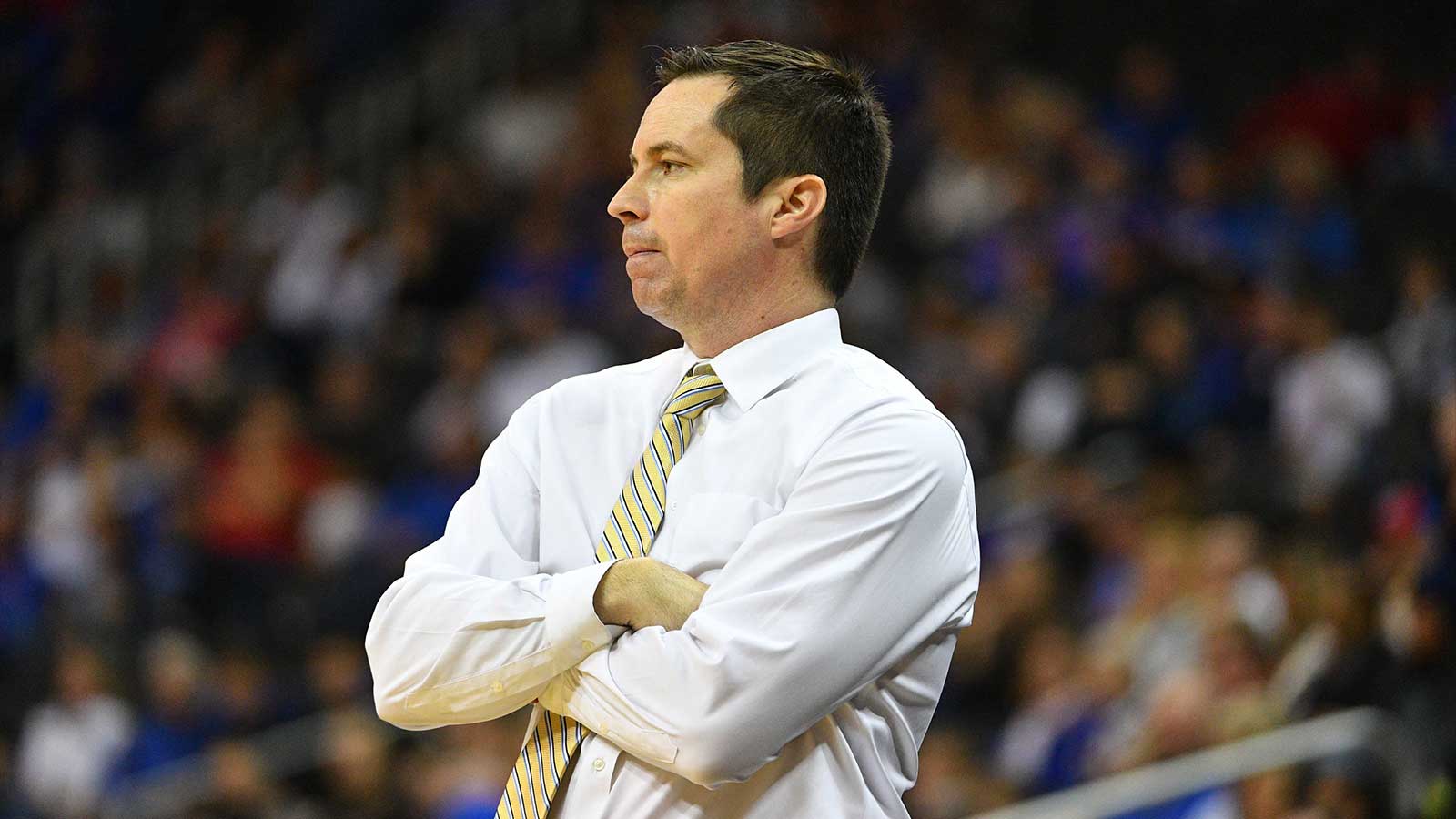
North Dakota State does not play at a fast pace, but it loves to get shots up from the perimeter. Led by Greg McDermott disciple David Richman, they rank in the top 75 in three-point attempts, three-pointers made and three-point shooting percentage.
Junior guard Damari Wheeler-Thomas leads the Bison with 14.5 points per game, but they tend to score by committee, with four players averaging in double figures. Richman runs a deep nine-man rotation, with five players hitting at least 37 percent from deep.
North Dakota State might not have enough to pull off the upset, but it could give Michigan State a good scare. The main issue comes in round two, where the No. 3-seeded Spartans have to pray that USF upsets Louisville.
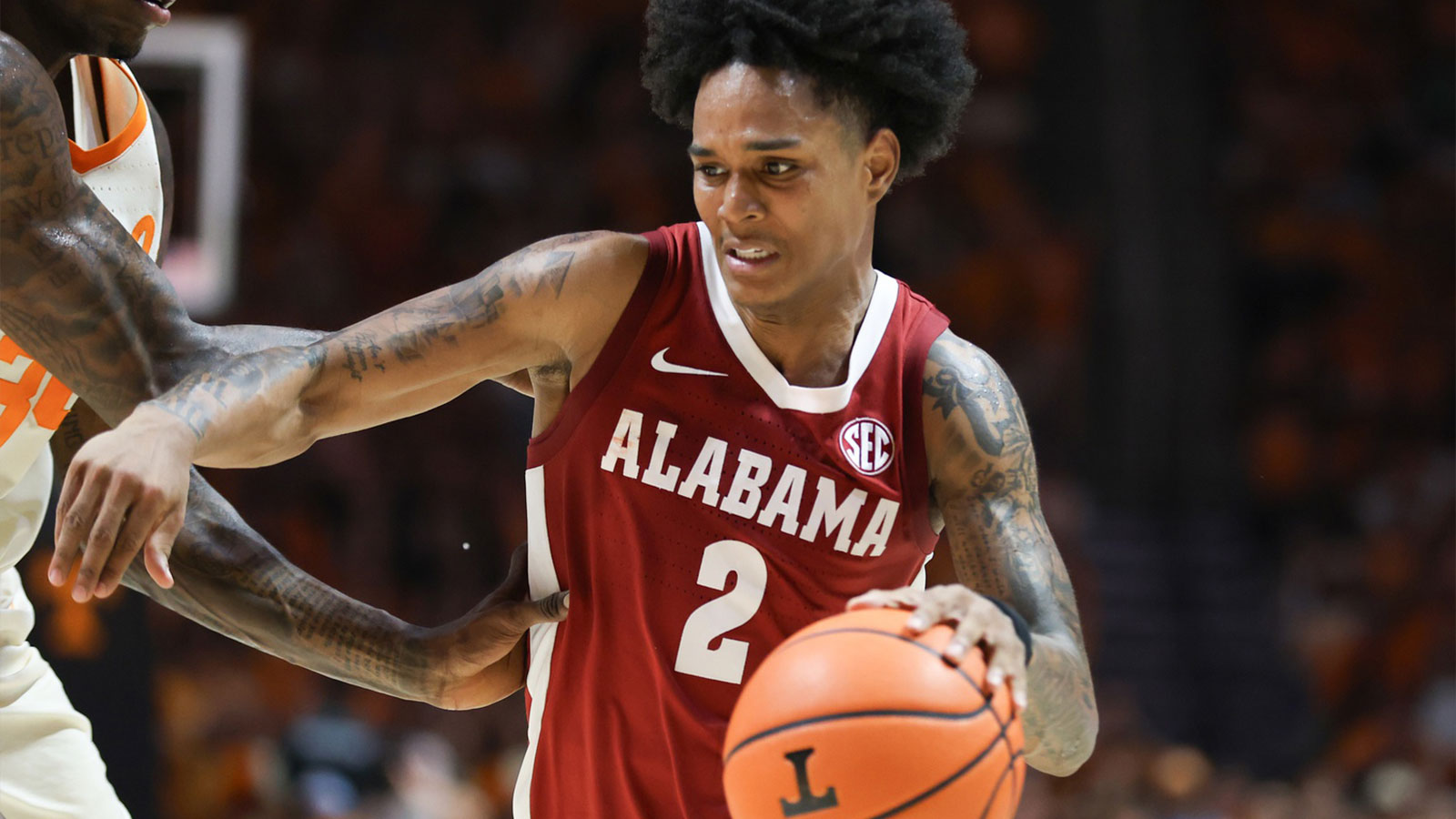
While the Bulls can certainly hit threes at a high level, Louisville is a nightmare matchup for Michigan State. Save for Alabama, the Cardinals are one of the best three-point offenses in the country.
Louisville takes 52.8 percent of its field goal attempts from deep, the fourth-highest rate in Division I. Their sheer volume allows them to hit 11.5 triples per game, the fifth-most triples in the nation.
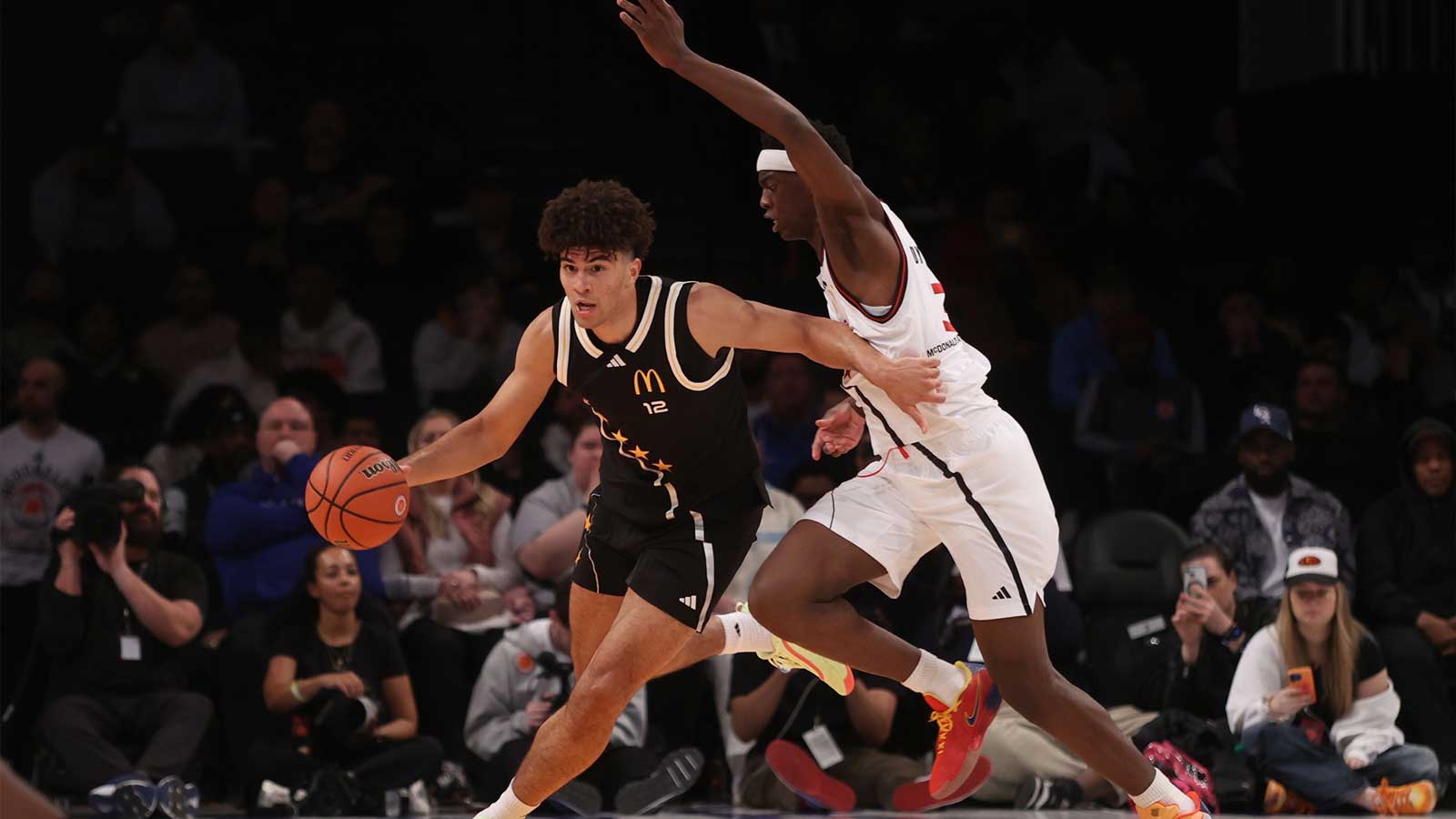
The Cardinals' offense has been shaky down the stretch but is set to receive a boost with freshman guard Mikel Brown Jr. expected to return for his first NCAA Tournament run. Brown, who averaged 26.3 points per game during a six-game stretch in February, has March Madness star written all over him.
Michigan State has already proven itself capable of beating any team in the country, but its bracket placement is asking it to overcome a lot to survive the first weekend.