
After winning its final West Coast Conference Tournament, Gonzaga enters the 2026 March Madness field as a three-seed. The Bulldogs' seeding pits them against No. 14-seed Kennesaw State, with a potential second-round game with either BYU or Texas.
Gonzaga's weak conference schedule has always made it a difficult team to trust in the NCAA Tournament, and those concerns are more pronounced than ever in 2026. Despite their beefy 30-3 record, the fifth-best in the country, the Bulldogs have repeatedly flopped under the brightest lights, giving the appearance of a vulnerable top-three-seeded team.
As difficult as it is to appear vulnerable in just three losses, each of Gonzaga's shortcomings was worse than the last. Their blowout defeats to Michigan and Saint Mary's sandwich a horrific resume-breaking blunder against Portland, their first loss to the Pilots since 2014.
Concerns for Mark Few's team increase a notch with junior forward Braden Huff expected to remain out at least through the first weekend. Huff could return for the Sweet Sixteen, but there are no guarantees Gonzaga will make it that far without its second-leading scorer.
Entering 2026, Gonzaga has made it to the Sweet Sixteen in nine of the last 10 NCAA Tournaments. They ended a nine-year streak in 2025 and are very much in danger of another disappointing exit after receiving a difficult hand.
Gonzaga cannot overlook Kennesaw State
Statistically, Gonzaga has been the best team in the trenches throughout the 2025-2026 college basketball season. The Bulldogs are No. 1 in the country with 44.7 points in the paint and allow only 25.1 per game on the other end, 13th-fewest in Division I.
Gonzaga is also exceptional at preventing easy baskets, only committing 9.7 turnovers and allowing 7.7 fastbreak points per game, both top-60 marks in the country. Clogging the paint and preventing easy points are two great components to avoiding an upset in March Madness.
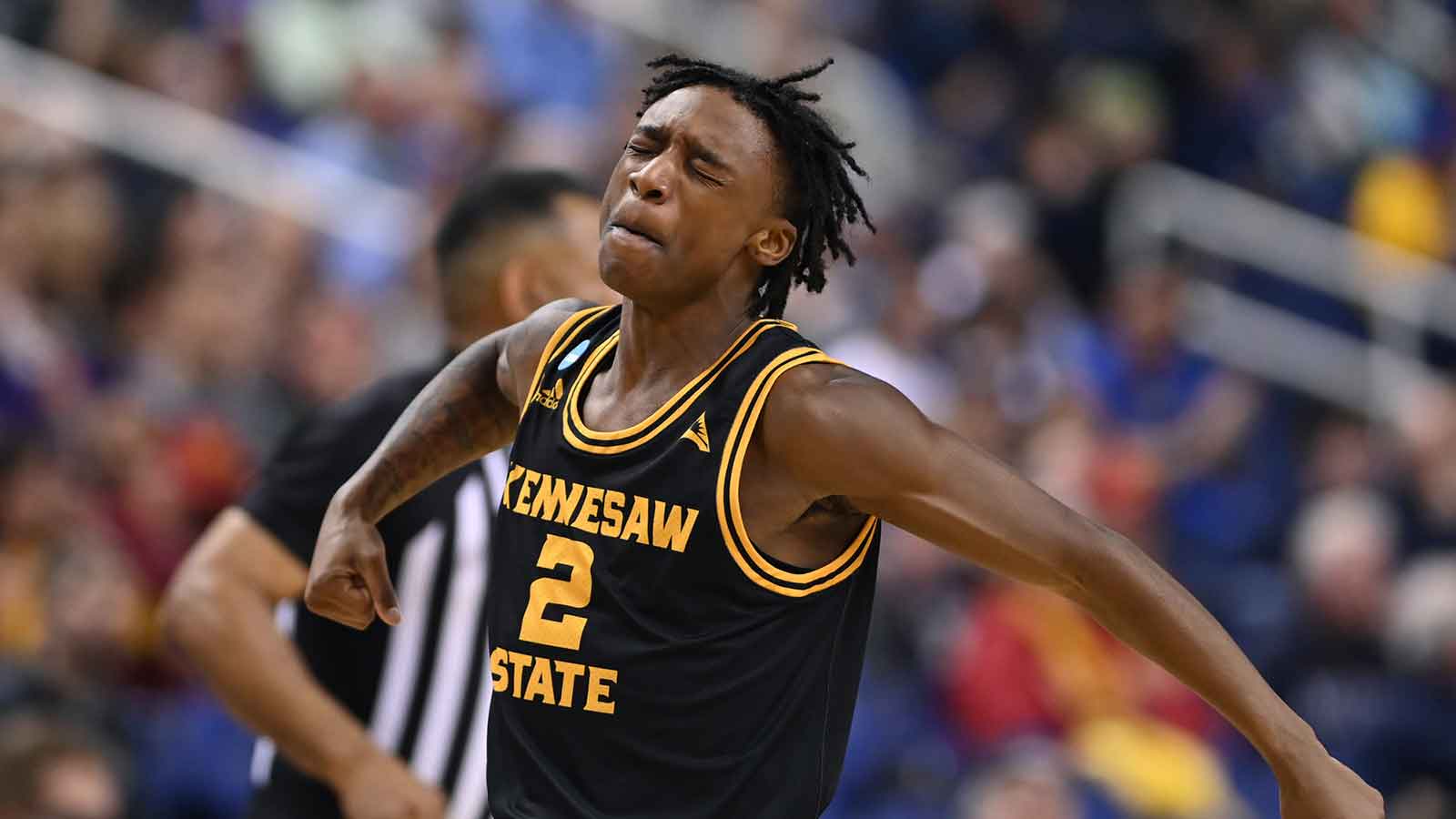
However, Kennesaw State's typical path to victory comes at the line, which could trouble the Zags. The Owls attempt the most free throws in the country, giving them 19.1 points per game at the charity stripe.
That style of play could spell trouble for Few and leading scorer Graham Ike, who has had his share of foul trouble. Ike leads the team with 2.7 fouls per game and has three or more fouls in 18 of his 29 games thus far. As the biggest mismatch on the Bulldogs' roster, any potential foul trouble to Ike would be devastating with Huff already out of commission.
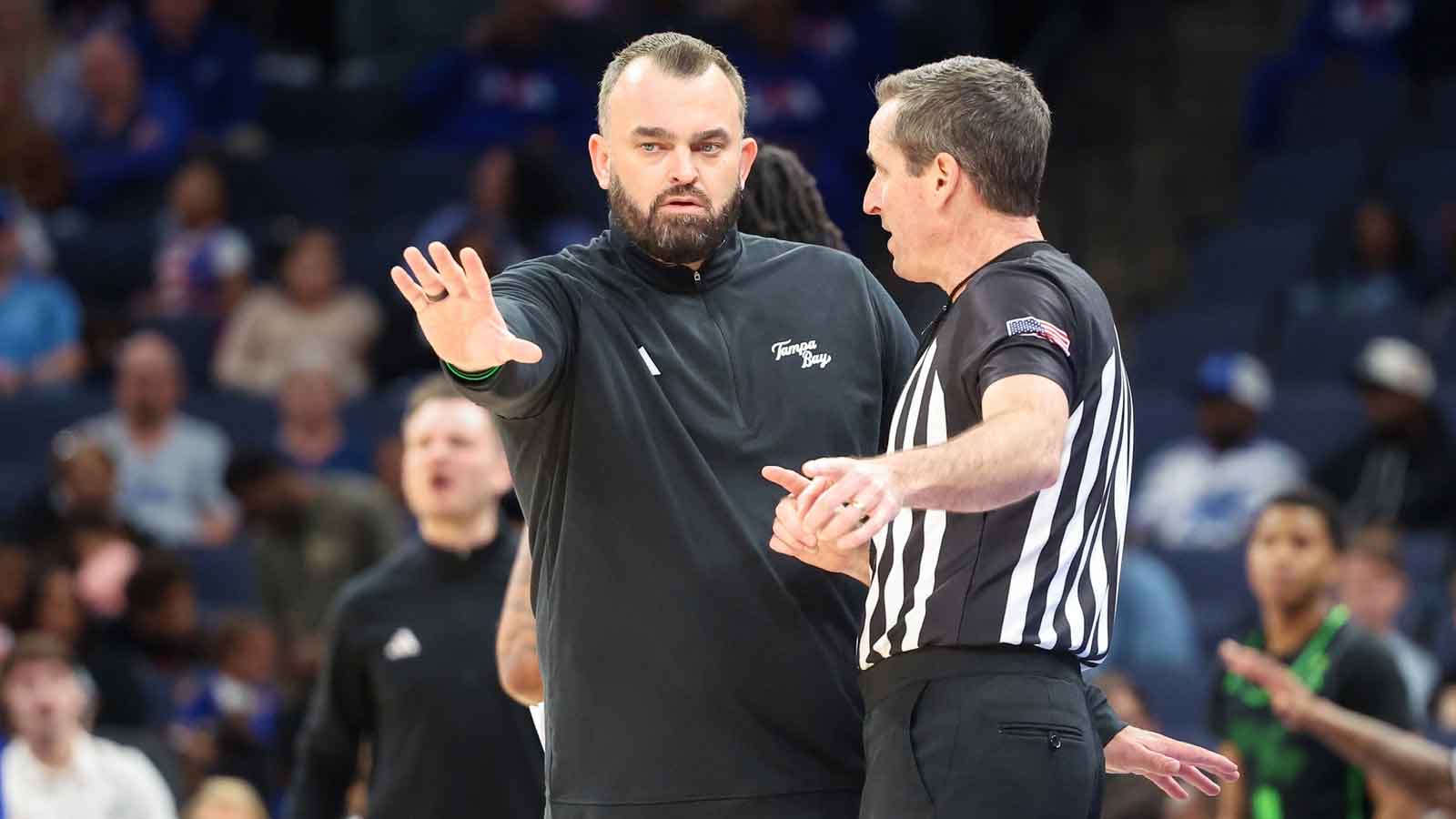
Without Ike, Kennesaw State has players capable of catching fire and becoming the next March Madness hero. They suffered a massive blow when they lost leading scorer Simeon Cottle, but sophomore guard RJ Johnson has hit his stride down the stretch. Johnson, a burly guard with a smooth three-point stroke, is averaging 17.7 points per game since Feb. 12.
The Owls need a small miracle, but they have a path to victory if they can neutralize Ike.
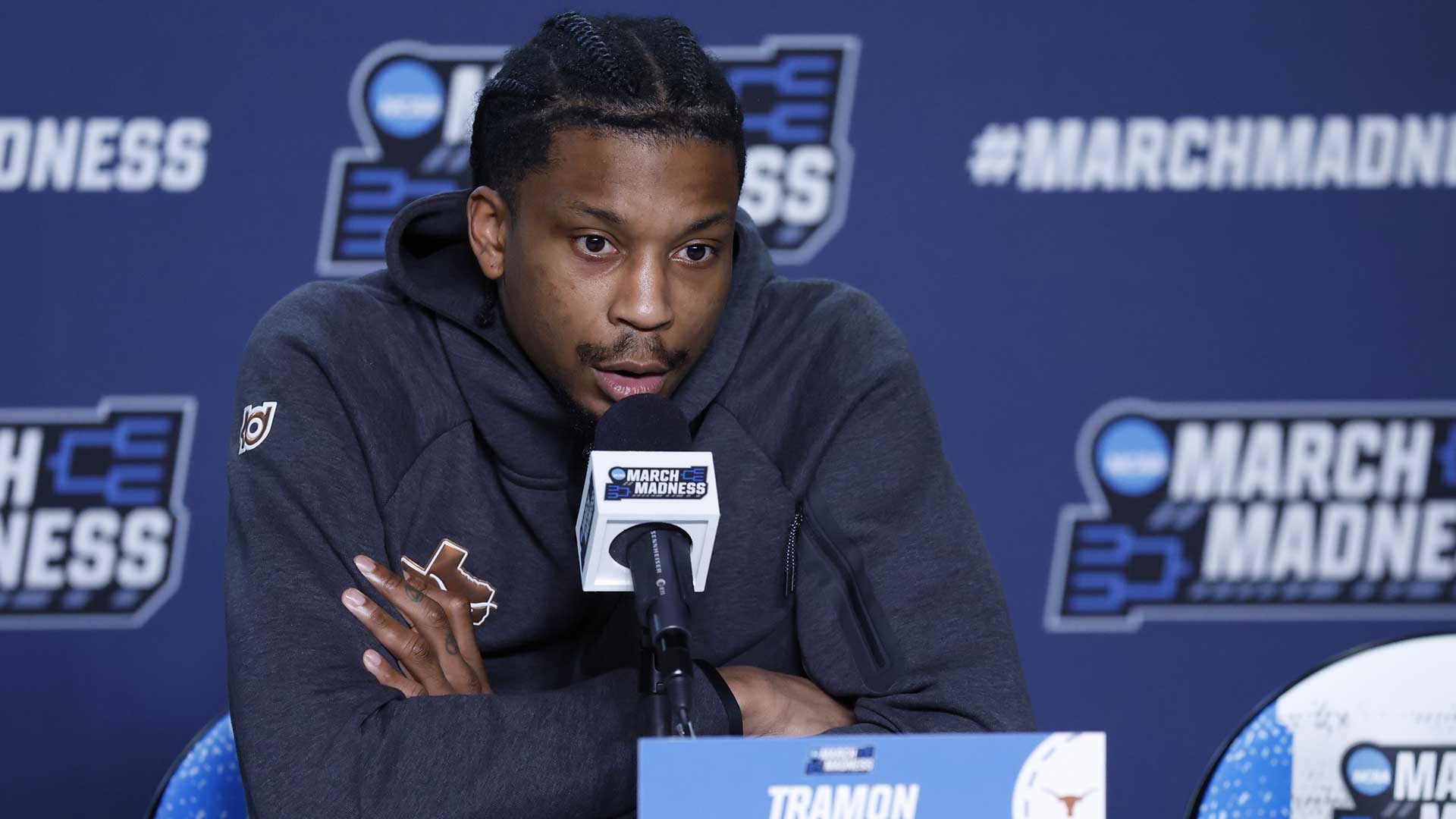
Gonzaga could be on urgent upset alert against BYU or Texas
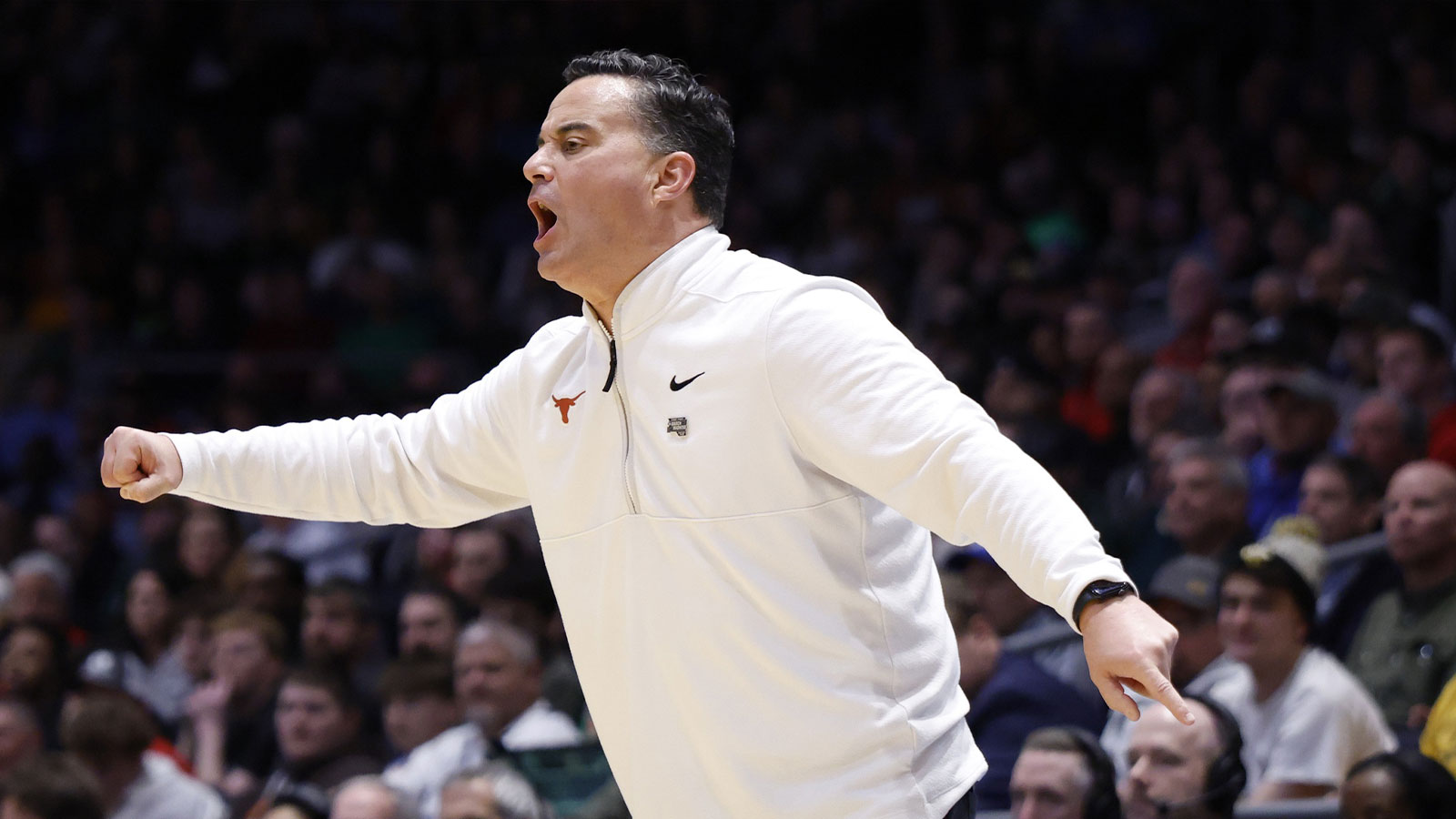
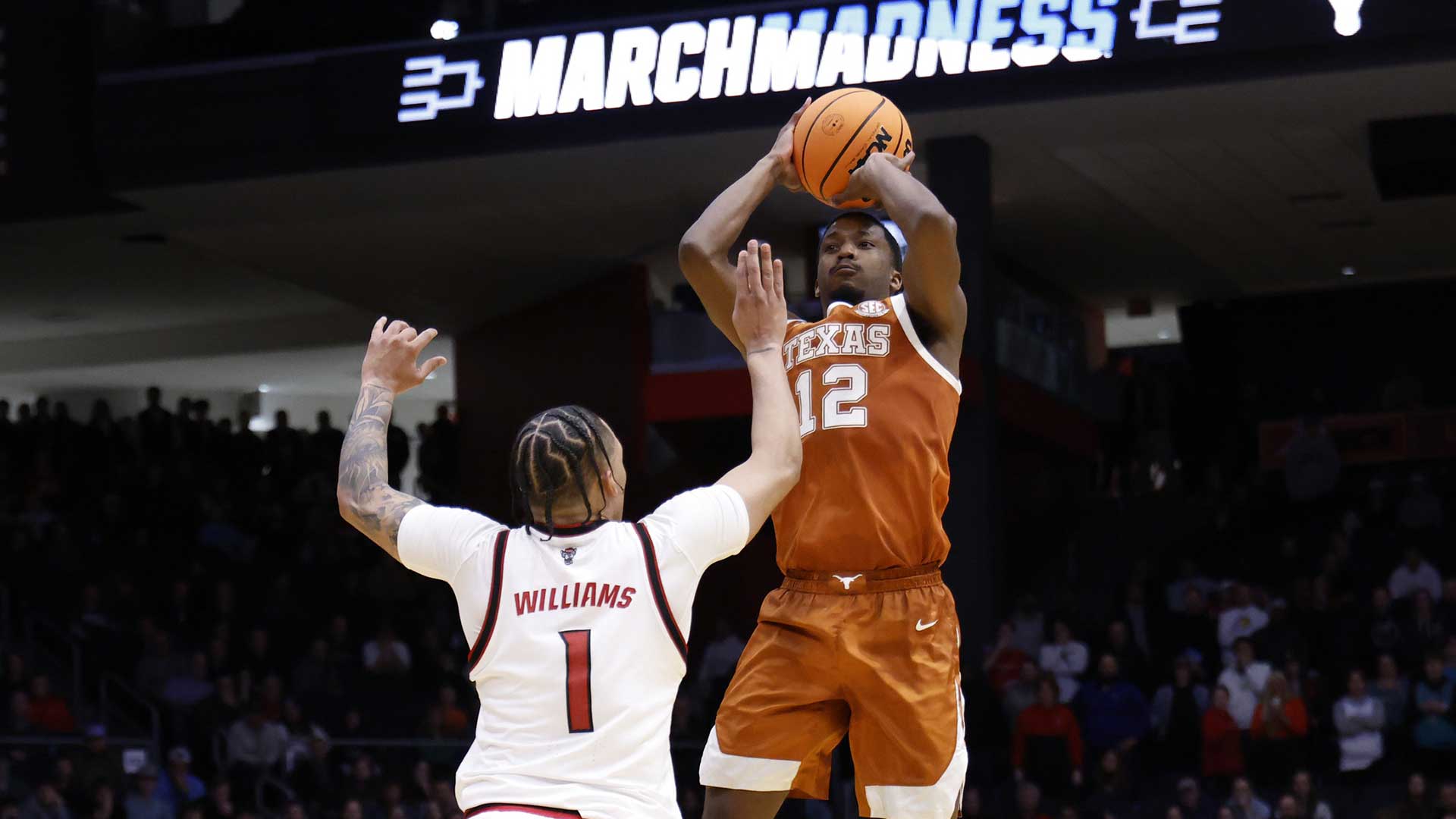
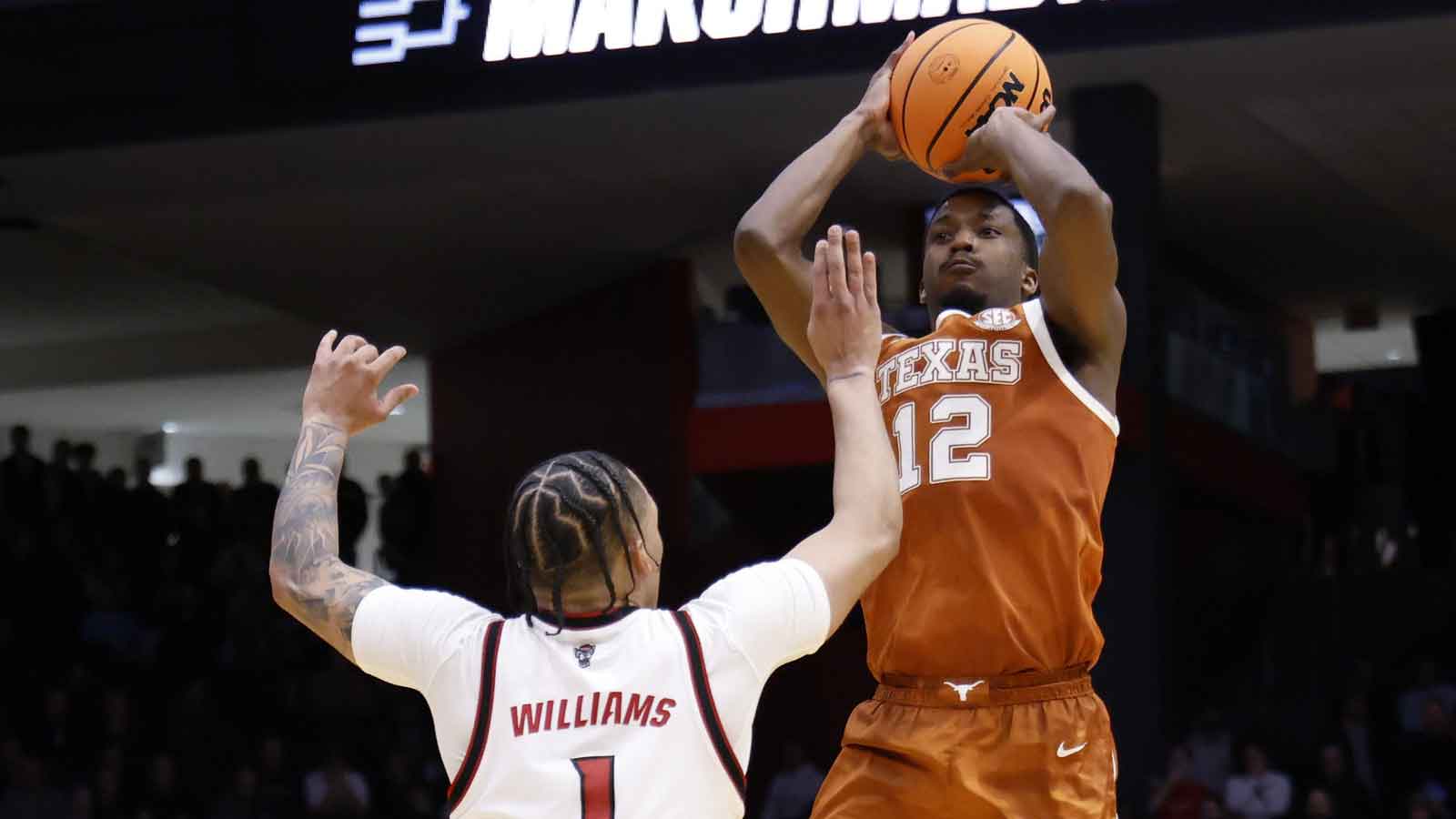
Kennesaw State could apply pressure to Gonzaga, but the Bulldogs' biggest concern should be with their second-round matchup. If it survives the Owls, Few's team could find itself on legitimate upset alert against BYU or Texas.
Both the Cougars and Longhorns thrive on scoring in the paint, which Gonzaga has been adept at defending all season. Regardless, the Bulldogs' defensive numbers have to be taken with a grain of salt. They have not faced a team as physical as either BYU or Texas since Michigan tossed them around in November, and they certainly have not played against a scorer as dominant as the one they could face in the Round of 32.
If BYU can advance past Texas, AJ Dybantsa is precisely the type of player who can give the Zags headaches. Dybantsa, the leading scorer in college basketball, is not a prolific three-point shooter, but his length and physicality are traits Gonzaga's perimeter defenders cannot match.
The Bulldogs have struggled with similar play styles before, allowing 16 points to Kentucky's Otega Oweh and 20 to Michigan's Yaxel Lendeborg.
However, Gonzaga has had its most consistent struggles defending opposing guards. Dynamic ball-handlers like BYU's Rob Wright and Texas' Dailyn Swain have given them fits all season long.
All the attention at BYU goes to Dybantsa, but Wright could be the best guard Gonzaga has faced since Alabama's Labaron Philon dropped 29 points and seven assists against them in early-season non-conference play. The Bulldogs will be favored in each of their first two games, but they match up much better against Texas than against the Cougars.
Gonzaga still has the inside track to return to the Sweet Sixteen, but Kennesaw State, BYU and Texas all have what it takes to shock the college basketball world within the first two rounds.