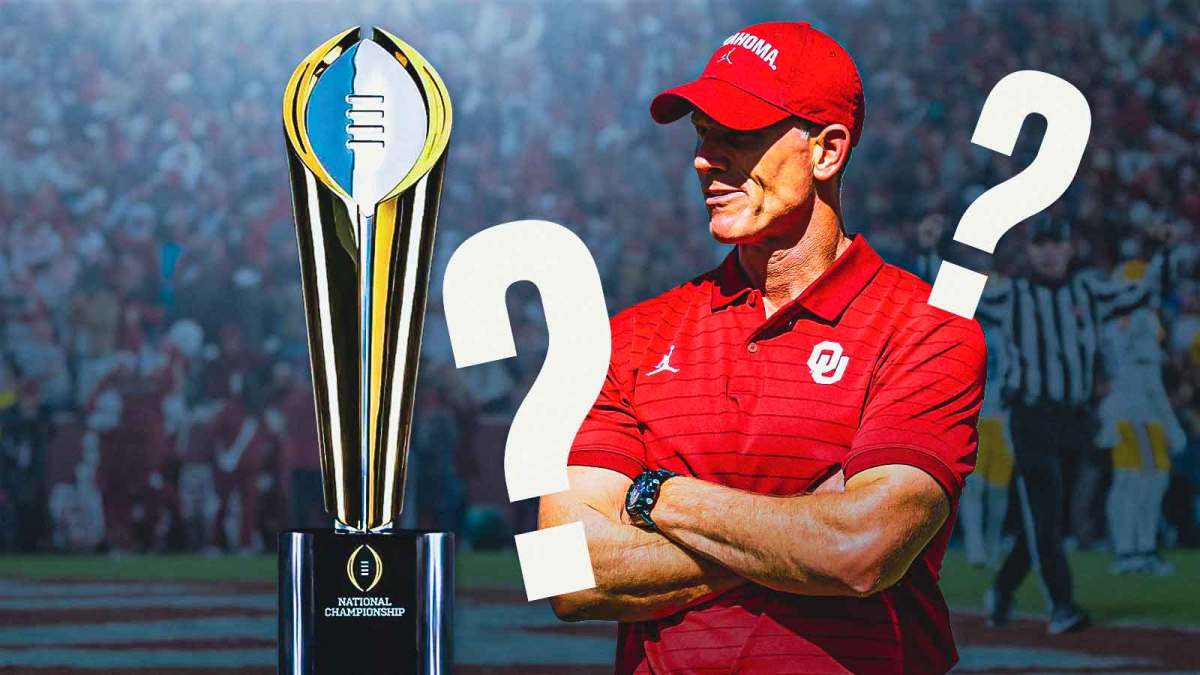
The College Football Playoff Selection Committee faces a pivotal decision this week as the final rankings approach. At 10-2, the Oklahoma Sooners are hovering on the bubble, hoping their brand name and a couple of signature wins will carry them into the 12-team field.
But the uncomfortable truth is, Oklahoma doesn't deserve to be there. Their resume is built on defensive miracles rather than offensive dominance, and their losses exposed fundamental flaws that would be exploited mercilessly in playoff competition.
While the Sooners have shown flashes of brilliance, particularly in their upset of Tennessee, their overall body of work doesn't match that of truly elite teams. This isn't about disrespecting Oklahoma's tradition or its passionate fan base; it's about being honest about what we've seen on the field in 2025.
How can you trust an offense that disappears against quality opponents?
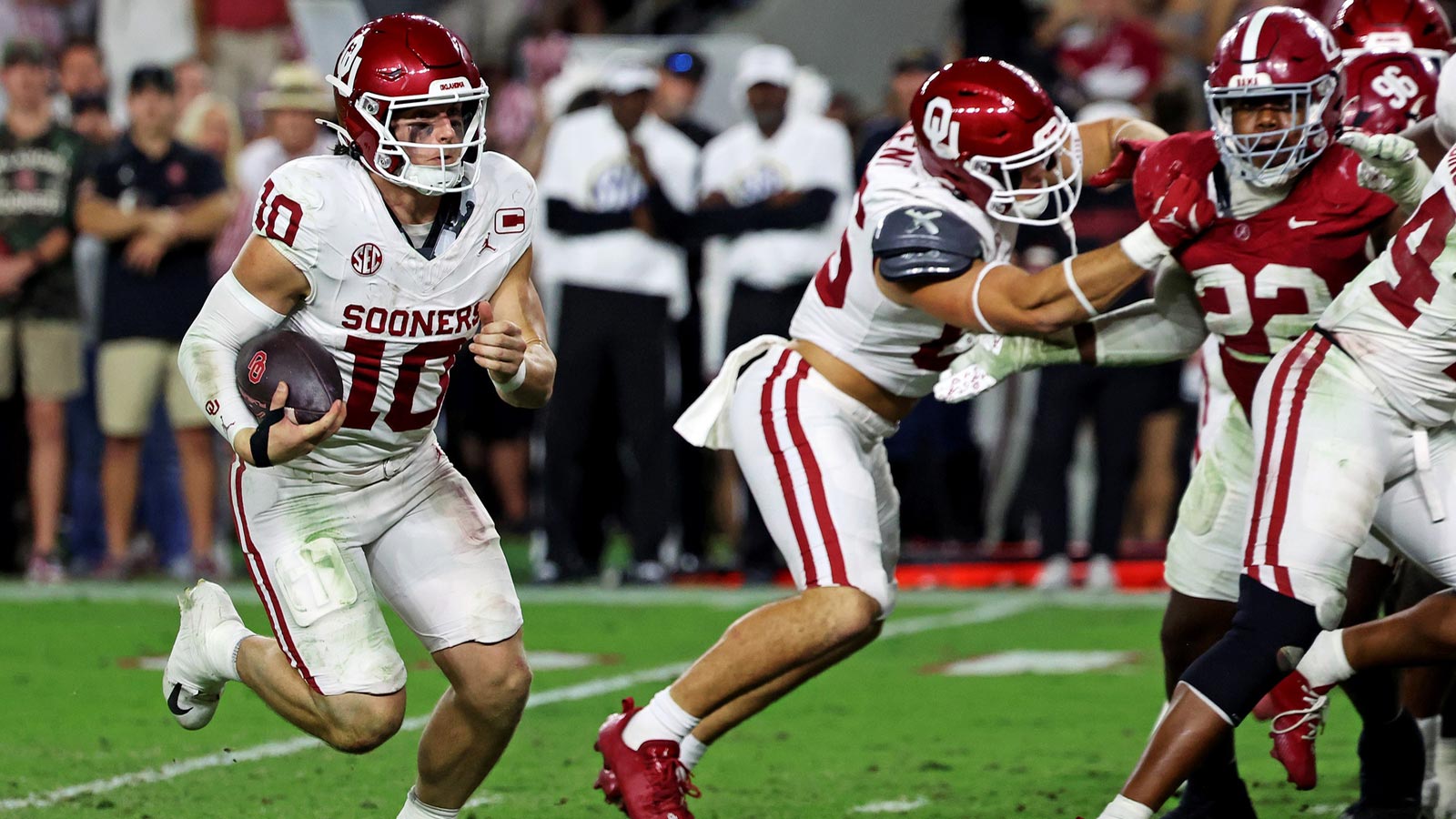
The most glaring issue with Oklahoma's playoff credentials is an offense that goes into hibernation whenever the competition elevates. Look at the numbers from their biggest games, and you'll see a disturbing pattern of offensive incompetence.
Against Ole Miss at home, the Sooners managed just 26 points and blew a lead in the second half, ultimately losing 34-26. The offense sputtered when it mattered most, unable to match scores with a legitimate playoff contender. Then came the Red River disaster against Texas, a humiliating 23-6 defeat where Oklahoma failed to score a single touchdown. That's not just a loss; that's a complete offensive collapse on the biggest stage.
Even in victories, the offense has been alarmingly inconsistent. Quarterback John Mateer threw three interceptions in the season finale against LSU, a game Oklahoma barely survived 17-14. Against Missouri, they managed just 17 points. These aren't championship numbers, they're survival statistics.
The eye test doesn't lie. When Oklahoma faces defensive fronts with NFL talent, their offense looks lost and overmatched. Playoff teams need to score in bunches against elite competition. The Sooners have proven they simply cannot do that consistently enough to warrant a playoff invitation.
Why should one-score luck outweigh dominant performance?
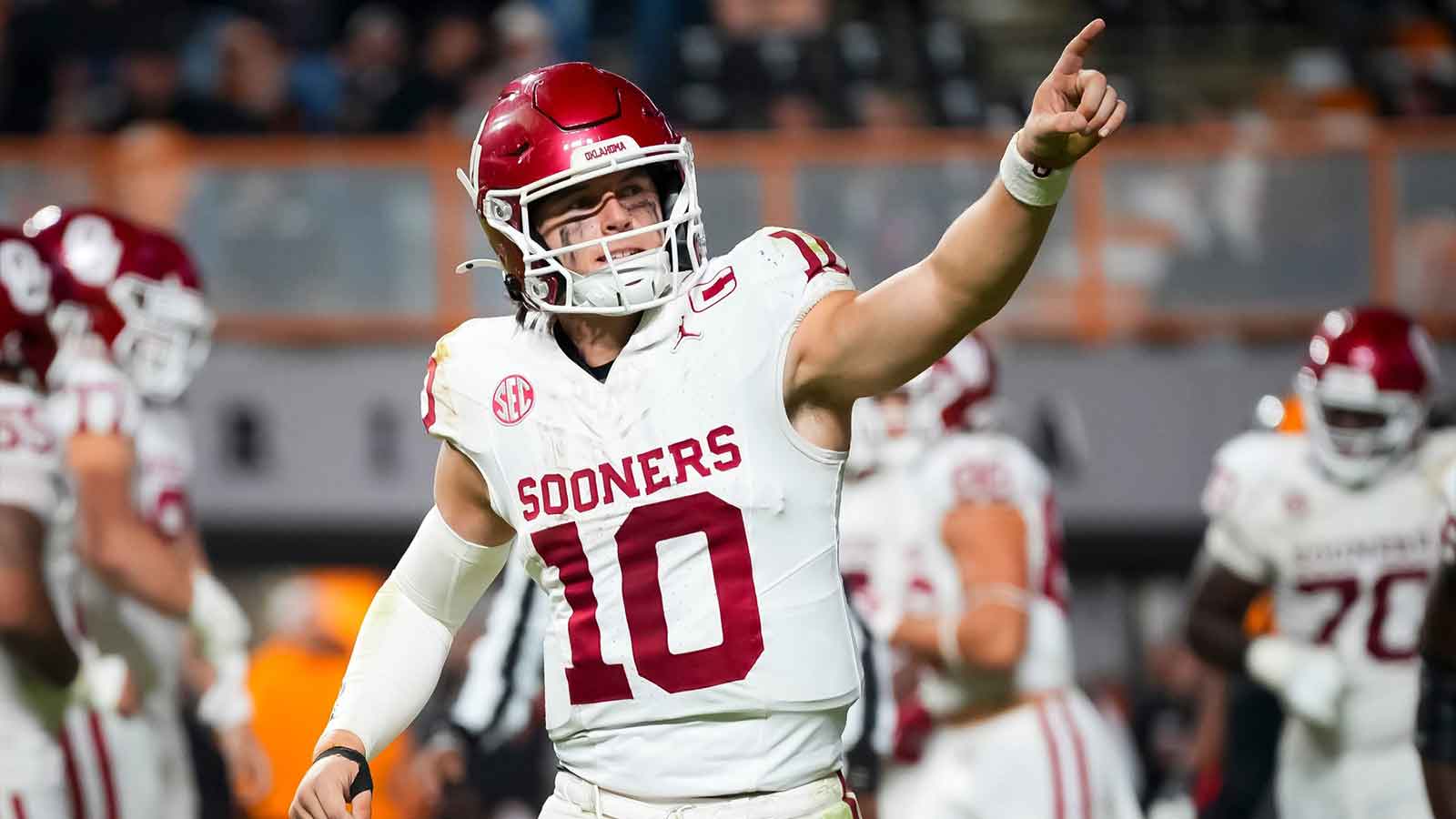
Oklahoma's 10-2 record looks impressive on paper, but dig deeper, and you'll find a team that's been living on borrowed time all season. Their wins haven't been convincing displays of superiority, they've been nail-biting escapes that required defensive heroics and favorable bounces.
The Tennessee victory is the perfect example. Yes, Oklahoma won 33-27 on the road, and that looks great on the resume. But they needed a 71-yard fumble return for a touchdown and a plus-three turnover margin just to escape Knoxville. They were outgained 255-99 in the first half and were lucky Tennessee couldn't capitalize on their offensive dominance.
This pattern repeated itself throughout the season. Close wins over Auburn (24-17) and other opponents revealed a team without a clear identity or the ability to impose their will. Great teams control games, but Oklahoma manages to survive them. There's a significant difference between these two approaches, and the Committee should acknowledge it.
When your margin for error is razor-thin every single week, eventually that luck runs out. We saw it against Ole Miss and Texas. In a playoff environment where you face three straight weeks of elite competition, that approach is a recipe for disaster.
Can Oklahoma really claim a playoff spot over teams that beat them?
This might be the most straightforward and most damning argument against Oklahoma: better teams are sitting right beside them who have superior resumes and, in at least one case, a head-to-head victory.
Ole Miss beat Oklahoma in Norman 34-26. It wasn't a fluke; the Rebels were the better team that day and proved it when the game was on the line. How can the Committee justify putting Oklahoma in the playoff while leaving out a team that beat them on their own field? It defies logic and sets a dangerous precedent.
The 12-team playoff expanded access, but it didn't eliminate standards. Oklahoma has had its chances to prove it belongs among college football's elite. The Texas game was their audition, and they failed spectacularly. The Ole Miss game was their second chance, and they came up short again.
The verdict is clear that Oklahoma's 2025 season deserves recognition as a successful rebuilding year in the SEC, but it doesn't deserve a playoff berth.