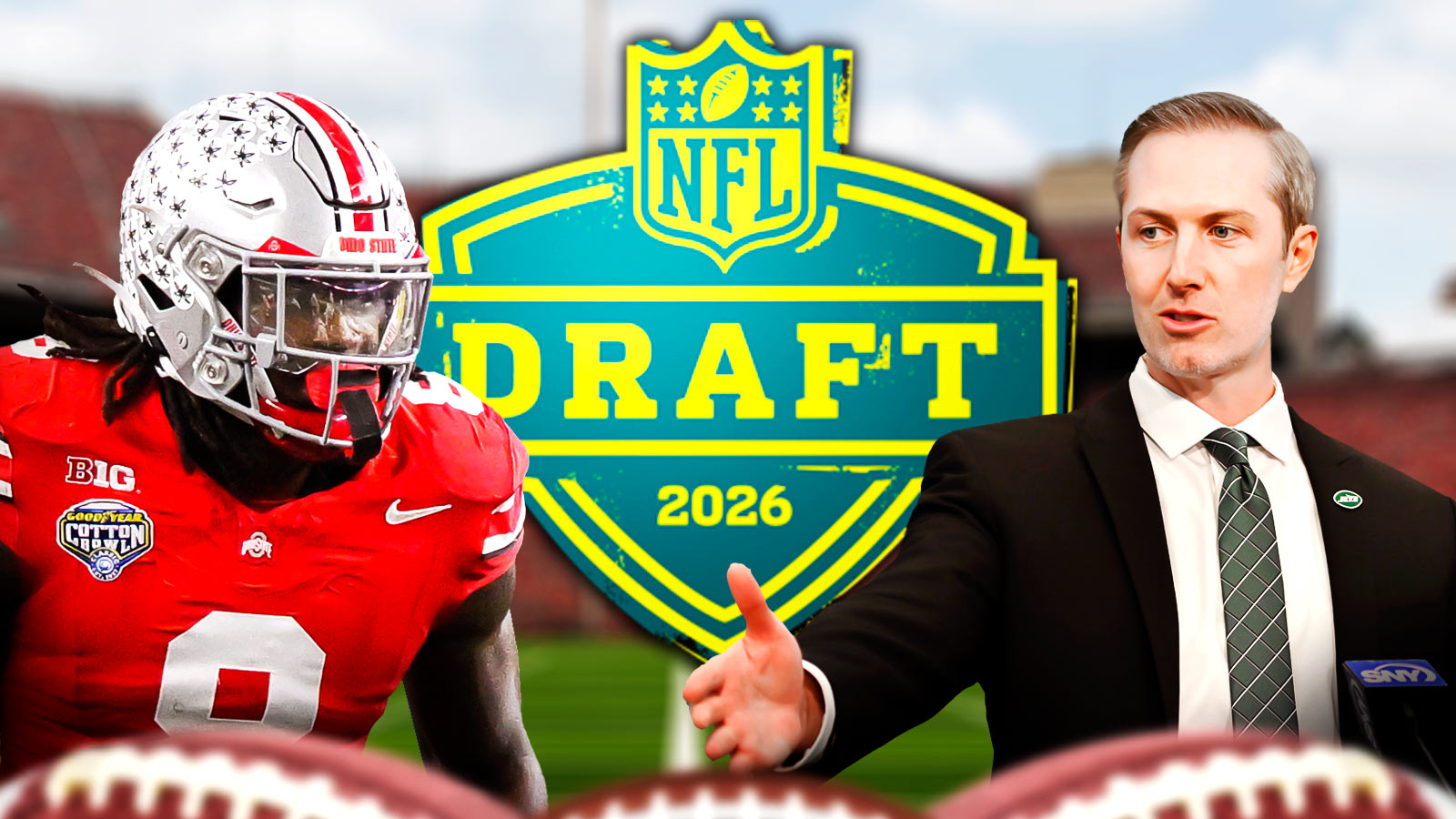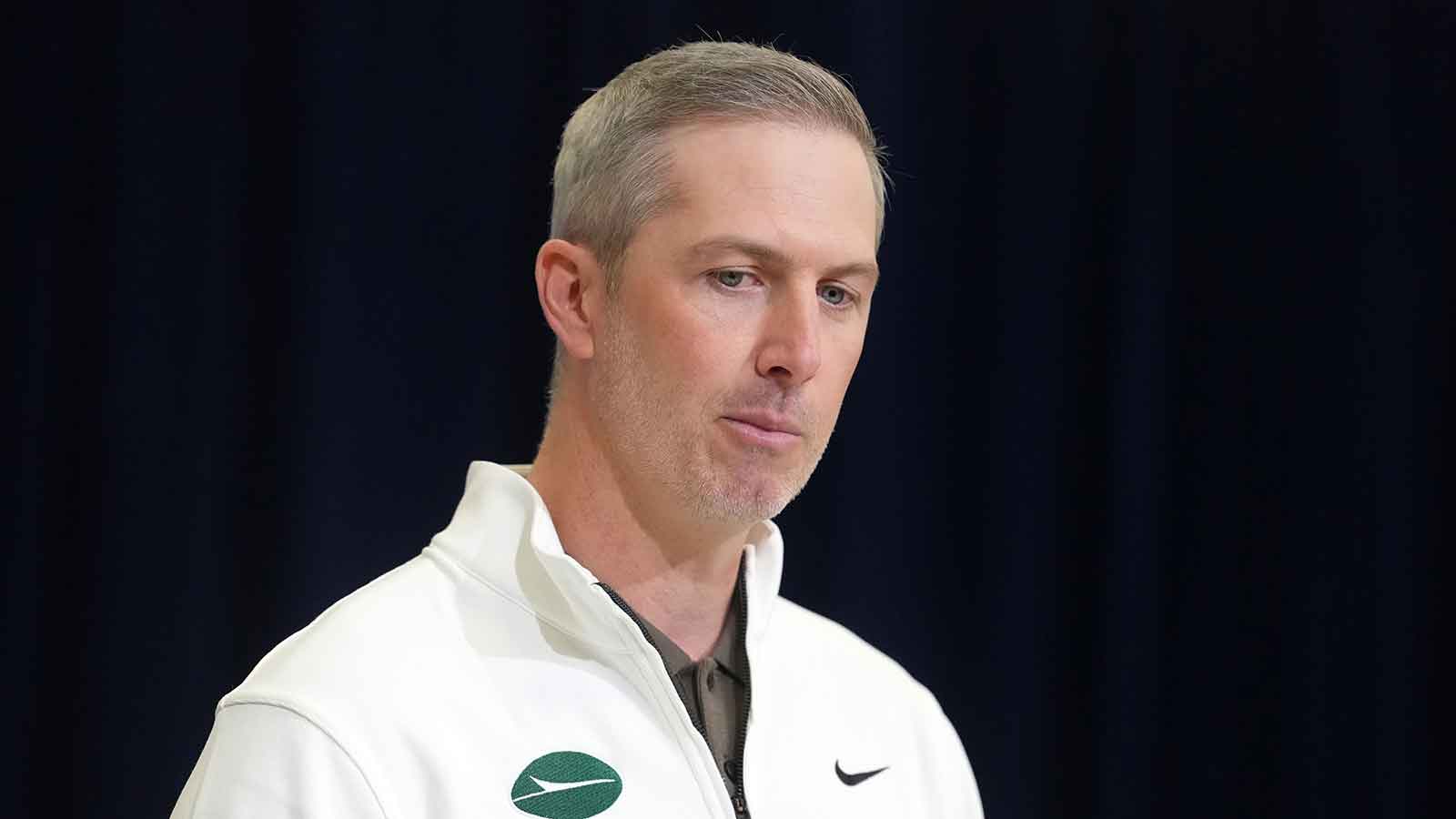
The Jets spent the early part of the offseason addressing two offensive questions without fully resolving either. Zack Rosenblatt reported that New York is still exploring the receiver trade market, but they are not pursuing blockbuster deals that could realistically bring in a player like A.J. Brown. Additionally, the team has scheduled a private workout with Alabama quarterback Ty Simpson following his pro day, which has kept the quarterback discussion alive as April approaches.
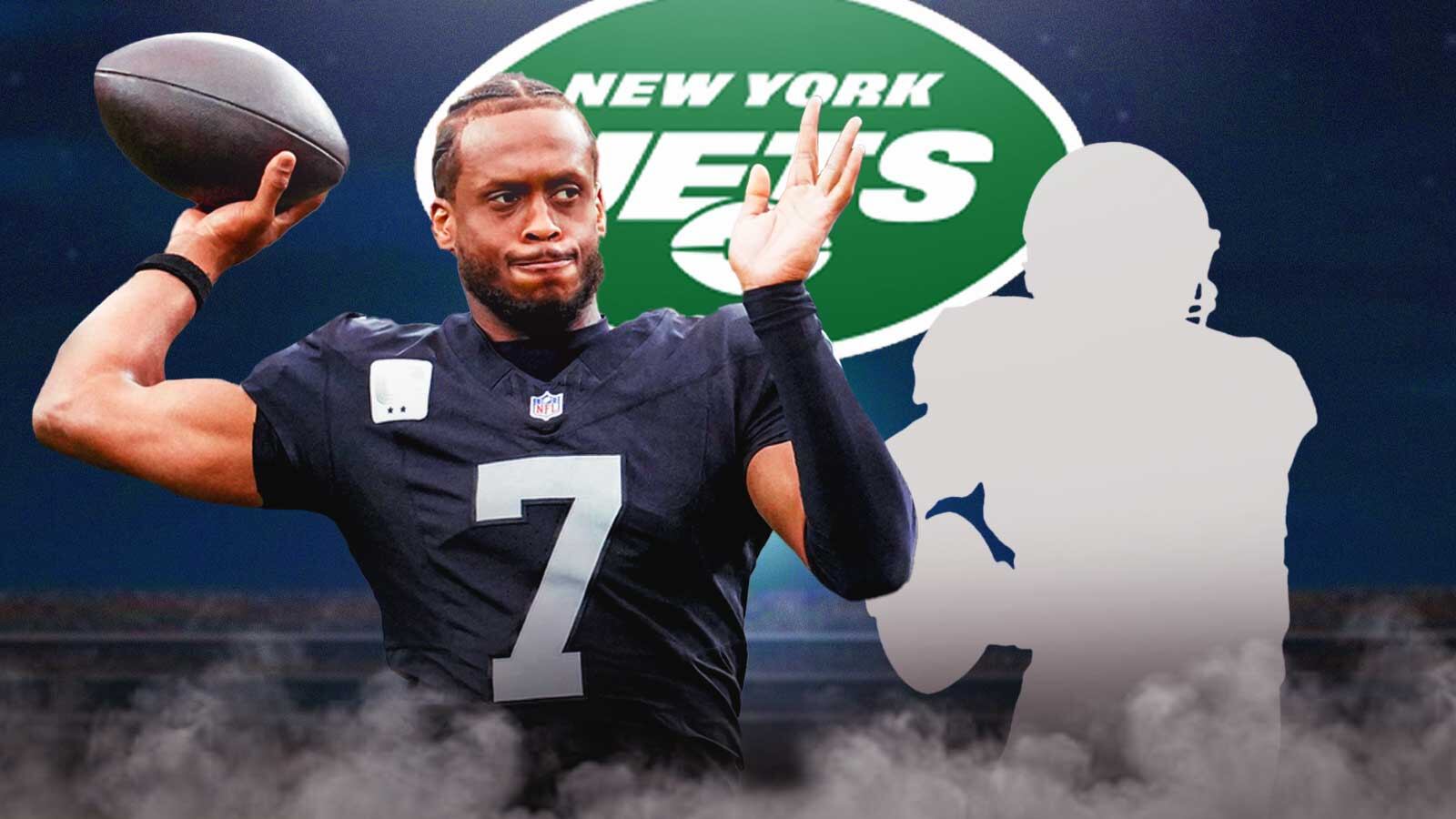
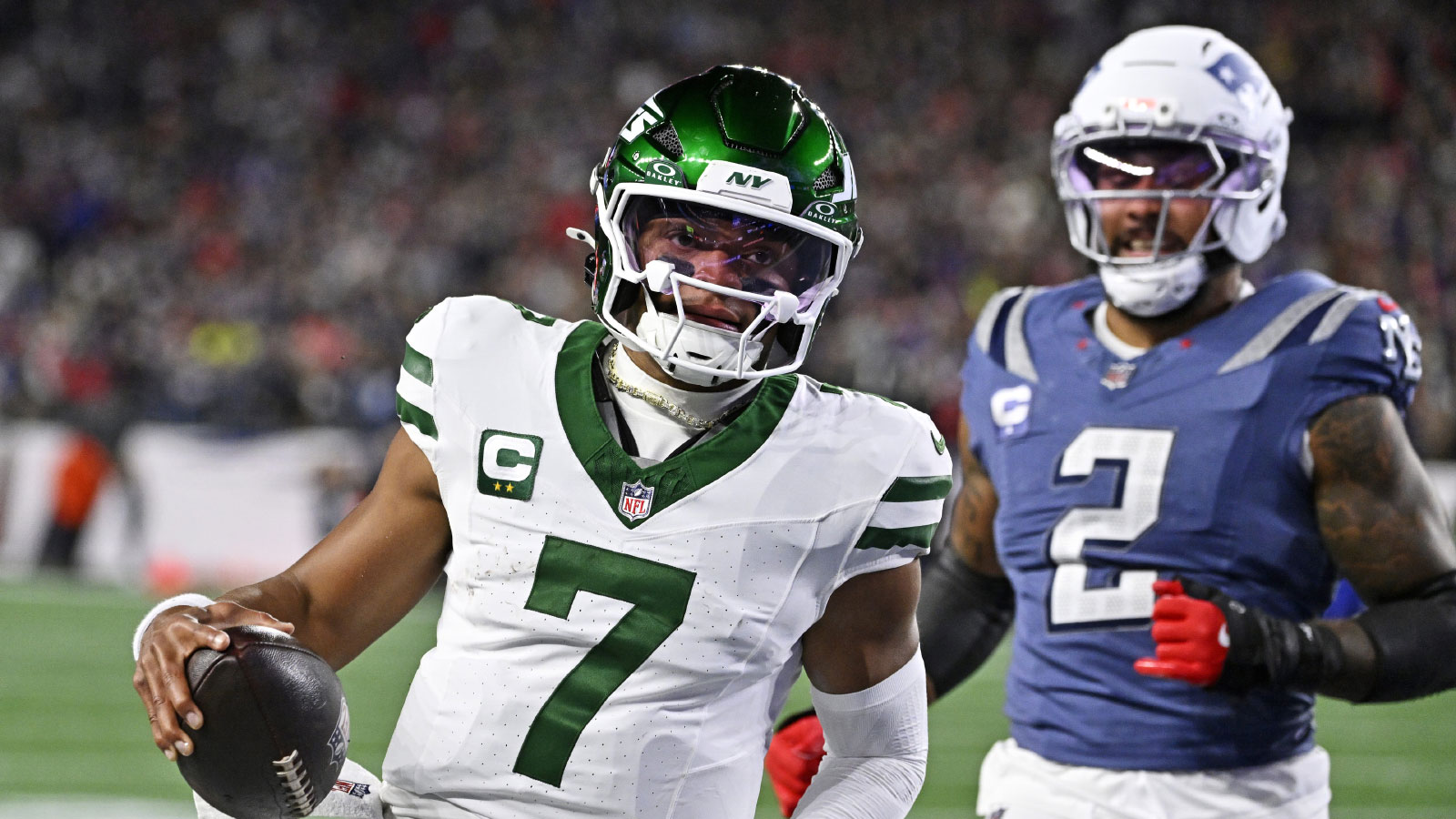
These developments are important, but they carry different levels of significance as the Jets have already brought back Geno Smith to stabilize the quarterback position, and their own draft coverage has emphasized that they do not need to force a quarterback selection simply to address that position, and while Ty Simpson remains a relevant topic of discussion, it indicates that the team's priorities have shifted since the beginning of the offseason.
Why wide receiver remains the Jets’ clearest draft priority after free agency
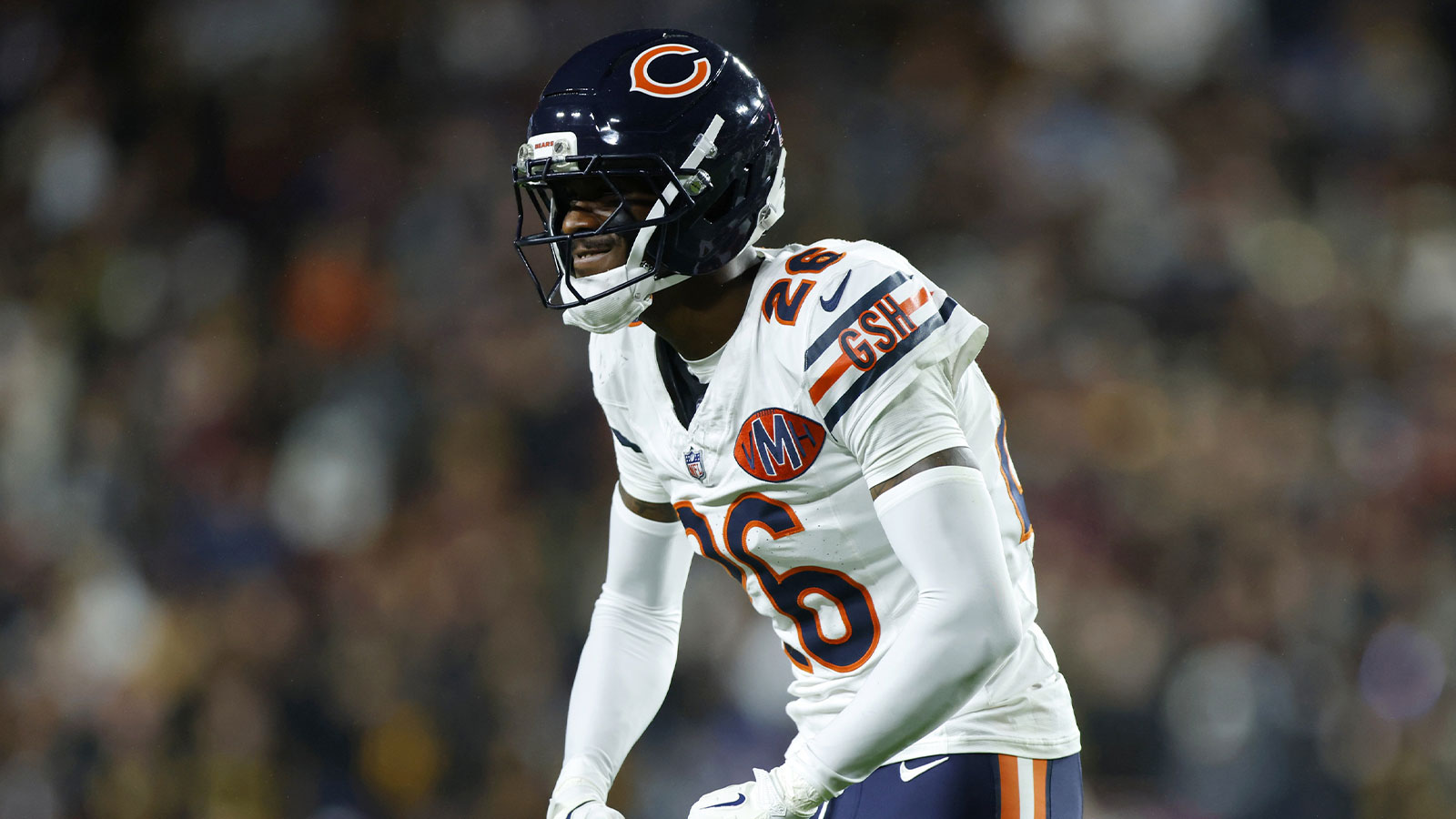
As the New York Jets' offseason goes by, it's increasingly clear that wide receiver remains their biggest unresolved issue. They made significant moves on defense, acquiring Minkah Fitzpatrick, T’Vondre Sweat, Joseph Ossai, David Onyemata, Demario Davis, Kingsley Enagbare, Dane Belton, and Nahshon Wright, and they also addressed the quarterback position by reuniting with Geno Smith.
These actions reflect a genuine effort to stabilize key areas of the roster even before the draft begins. However, the wide receiver position is the one area where they have yet to find a definitive solution.
This gap becomes even more prominent because the Jets have acknowledged it, and reports indicate that Darren Mougey entered the offseason aware that the team needed at least one, if not two, additional receivers and that the Jets have actively explored trade options for added value.
This shows that the organization recognizes the need for improvement in this area, rather than it being merely a speculative concern presented by the media.
While quarterback discussions tend to dominate headlines, the reality of the roster suggests otherwise.
With Geno Smith in place as a credible starter for 2026, the pressure to draft a quarterback early has diminished unless the coaching staff has a strong preference for a specific player. Official discussions, including insights from Connor Rogers, indicate that the Jets do not necessarily need to invest their first two draft days in a quarterback simply for appearances’ sake.
Instead, they should focus on acquiring impactful talent to support the position, and this perspective is revealing because teams that are completely lost at quarterback typically do not express themselves this way, and they recognize the need for a better supporting cast.
At this time, the wide receiver position lacks depth.
Garrett Wilson is the key player, but it is unrealistic for an offense to rely solely on one dependable wideout.
Free agency did not alleviate this issue since the market was not favorable for a team looking to acquire a quality second receiver without incurring a regrettable contract, and several wide receiver deals around the league exceeded what the Jets were willing to pursue, which explains their preference for patience over urgency, and while this cautious approach is understandable, it left their roster largely unchanged, with fewer viable options remaining as they approach the draft.
A team can rationalize passing on an overpriced veteran, but cannot ignore the wide receiver position entirely when its depth chart is still incomplete.
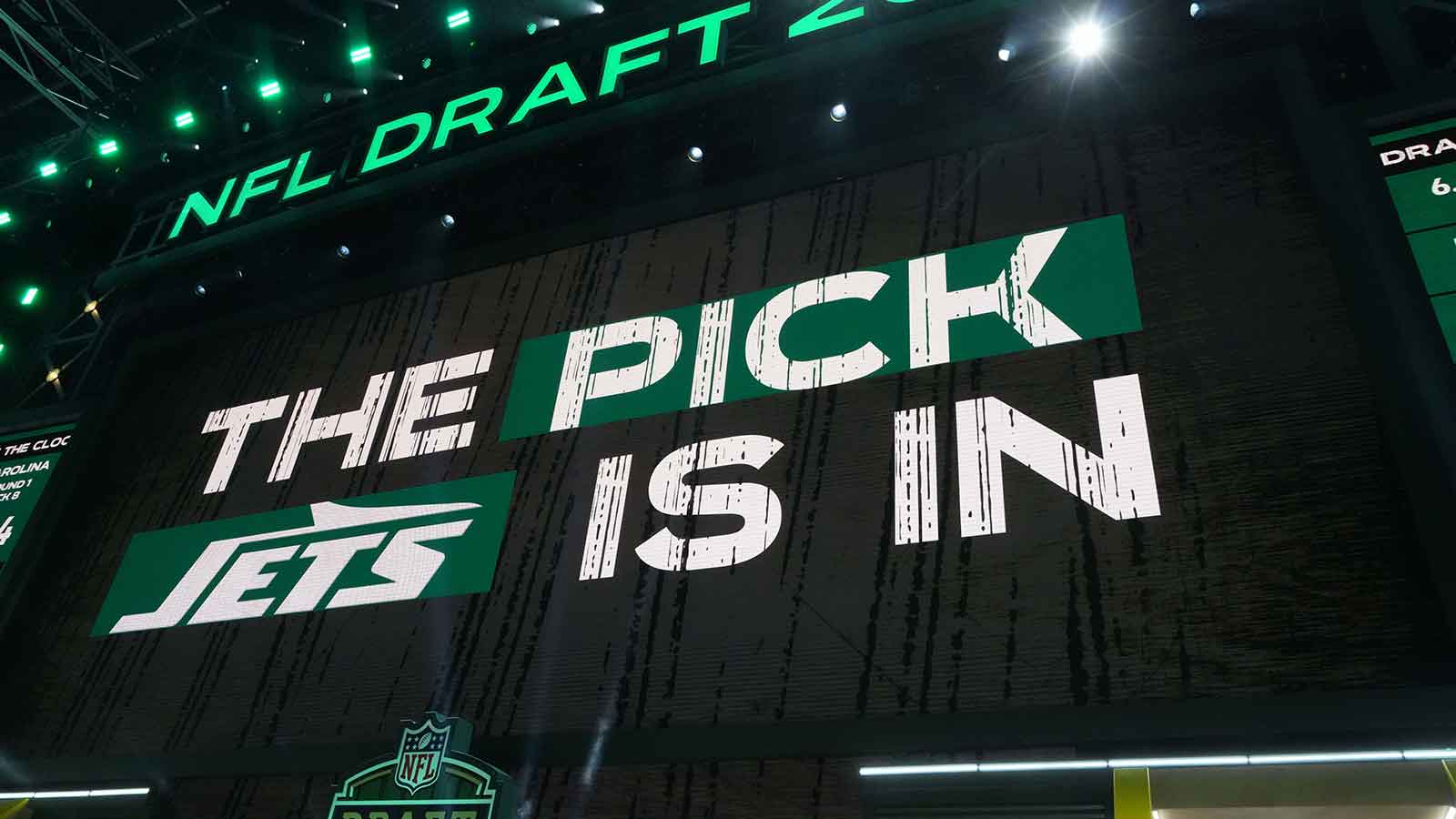
The draft is now the clearest solution for the Jets because they hold premium picks at No. 2, No. 16, No. 33, and No. 44, providing them with the flexibility to address the wide receiver position without resorting to a desperate move.
They can choose a receiver at No. 16 if the right player is available, or they can wait until early in Round 2 if the draft board shifts in a different direction, and they also have the option to trade within that cluster of picks if they decide that a particular receiver is worth the move.
The key point is not that they must use their highest pick on a wide receiver regardless of the circumstances, but rather that improving the receiver position is the most obvious way to use their draft capital for an immediate, meaningful upgrade.
Why can’t New York leave this draft without another receiver
Recent mock drafts have reflected this strategy.
New York has consistently been linked to wide receivers in the middle of Round 1, which is no coincidence, and this aligns with a draft board that does not highlight a quarterback emergency and acknowledges that the roster has already received significant attention on the defensive side.
As a result, acquiring a receiver has become a logical next step rather than a luxury, and a team with a competent veteran quarterback, an improved defense, and multiple early picks should actively seek a wide receiver who can contribute to balancing the passing game.
Some may argue that the Jets have other needs to address, and that is true because they could improve their offensive line depth, continue to bolster their edge depth, and strengthen their safety and cornerback positions.
However, New York has visibly addressed these areas throughout March, and the receiver position is where they have sought improvement, but have not secured a game-changing option.
This distinction is important: the Jets entered free agency with a need at wide receiver, and they emerged from it still needing another player.
This ongoing need also impacts the team's broader offensive strategy more than some of the other positional gaps, and adding a second legitimate receiver would alleviate some of the pressure on Smith, improve the run game by altering spacing and coverage dynamics, and reduce the number of snaps where Wilson has to shoulder the entire passing game alone.
Additionally, a stronger receiver corps would provide a better long-term structure should the Jets choose to draft a developmental quarterback later on, and a more robust receiver room benefits both the current starter and any future quarterback. This value should influence the team’s decisions regarding which roster issues deserve urgent attention in the draft.
If the question is what the Jets most need to address in the 2026 NFL Draft after failing to secure it in free agency, the answer is wide receiver, and this is not to suggest that the Ty Simpson workout is irrelevant or that quarterbacking is suddenly unimportant in the long run, but because New York has done enough in other areas to highlight this remaining weakness.
The defense has been reinforced, the quarterback situation has been stabilized, and the receiver room still lacks its necessary second piece. At this juncture, the draft represents the best opportunity to fill that need.