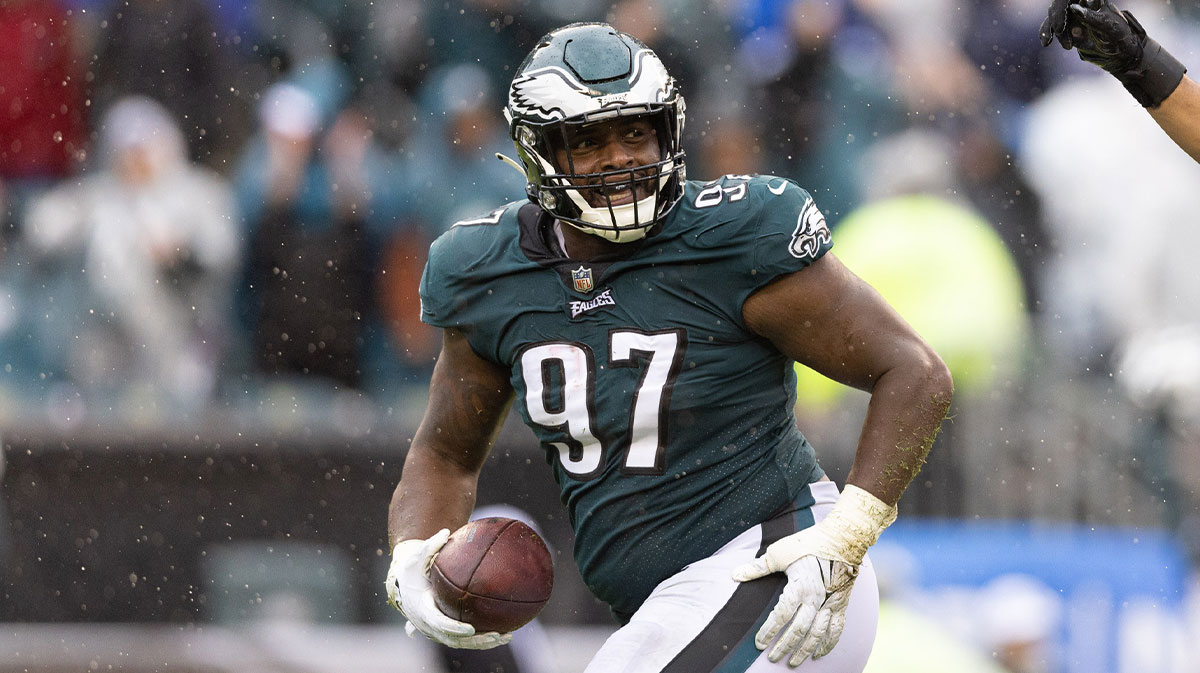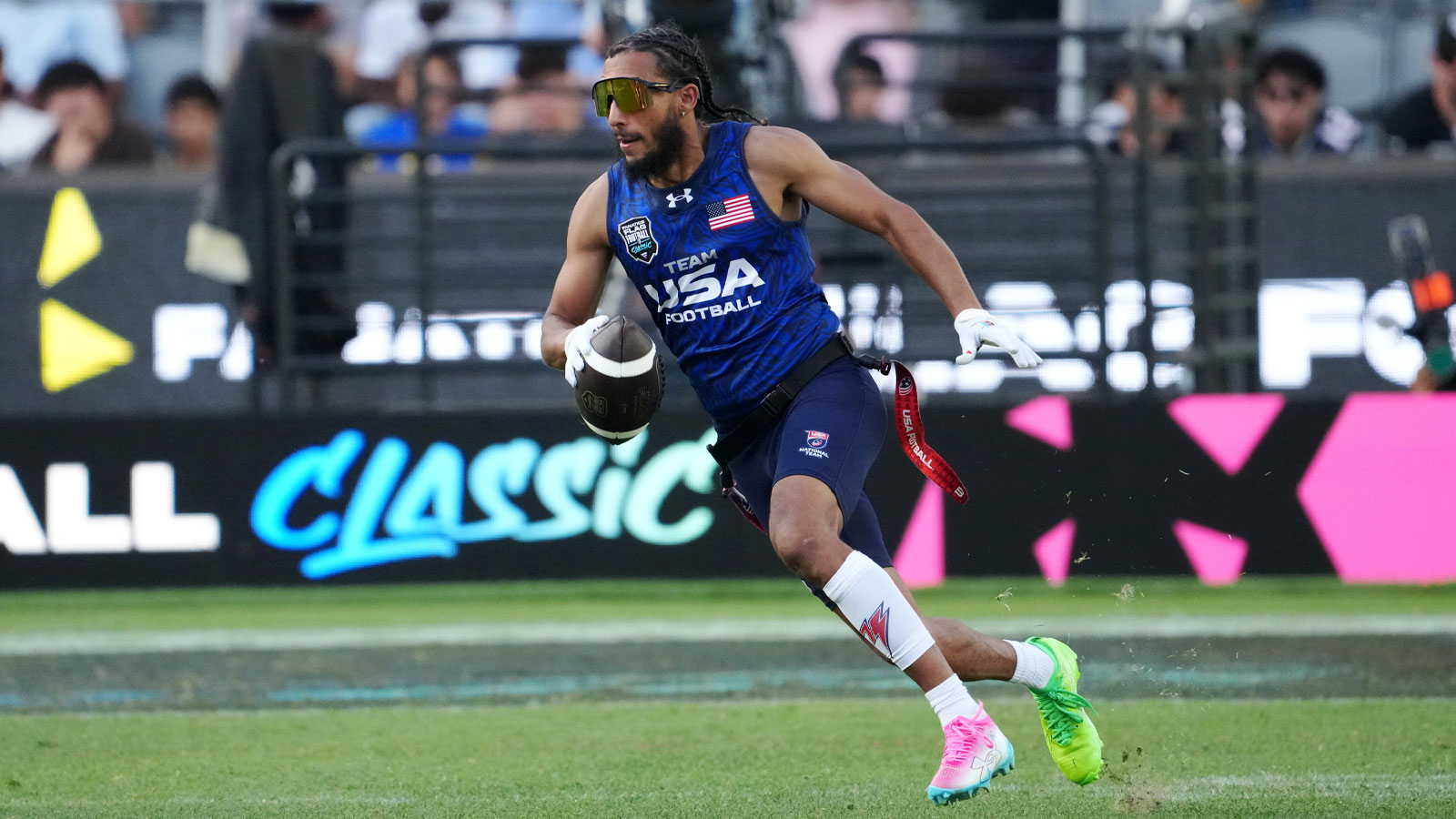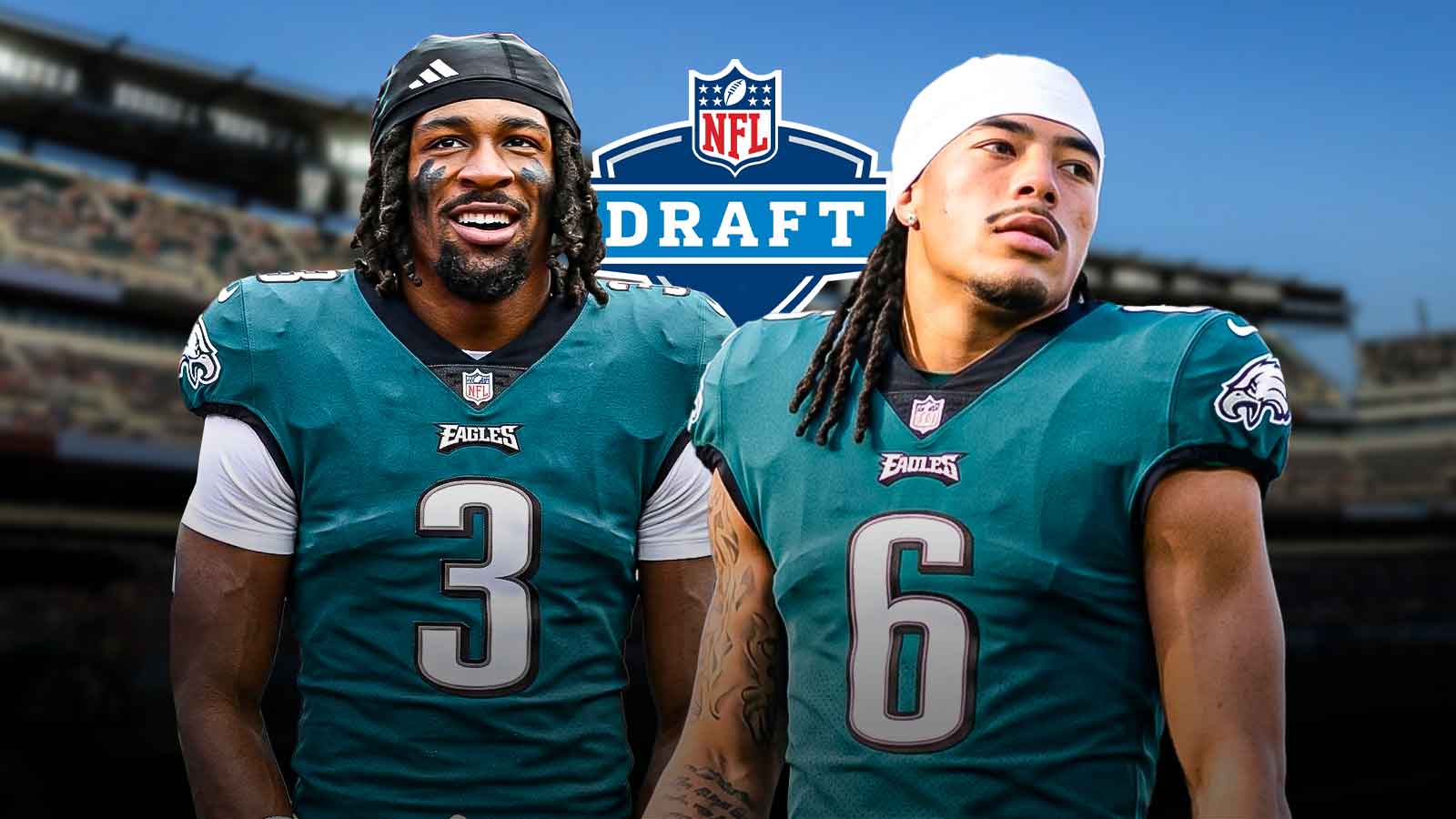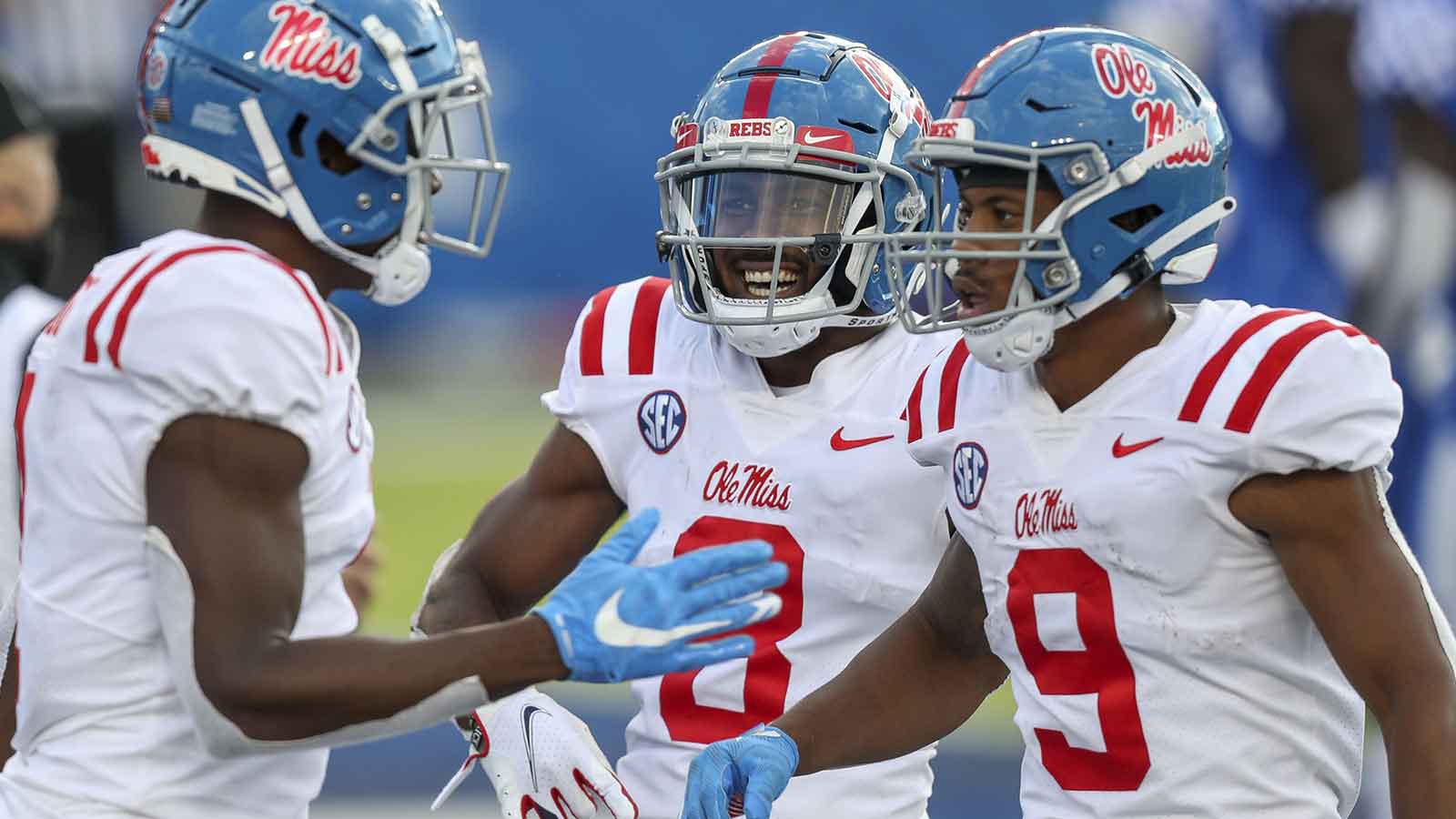
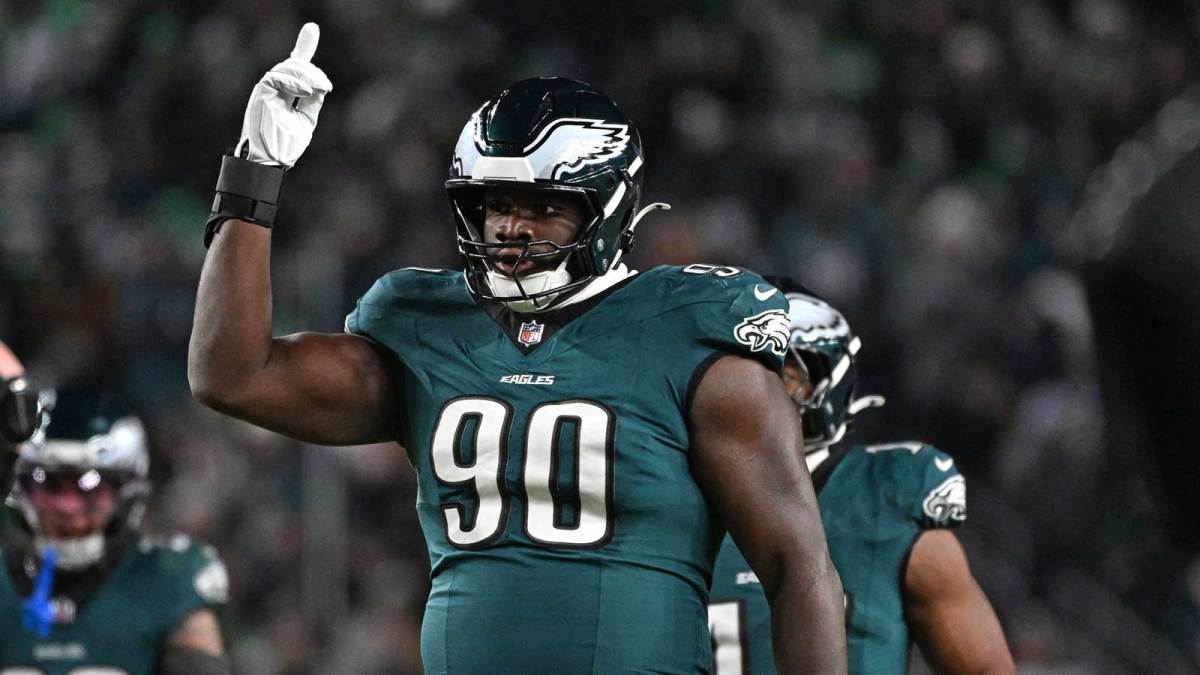
The Eagles have followed their usual approach during this stage of the offseason by making a low-risk addition to the pass-rush rotation with Joe Tryon-Shoyinka, and they continue to reshape their roster to align with a contender's timeline, particularly after Jeff Stoutland’s departure marked the end of a successful era on the coaching staff.
The key detail is not that the Eagles are suddenly undergoing a rebuild, but they are strategically enhancing a veteran roster that already has clear strengths, and this means their draft decisions are less likely to stem from desperation and more from the challenge of selecting the right kind of player.
So, they already have strong solutions at several of the most costly positions on the field, and additionally, they have reinforced the roster through free agency, bringing in players like Hollywood Brown, Arnold Ebiketie, Riq Woolen, Jonathan Jones, and Dameon Pierce, while also extending Jordan Davis.
Given this context, the draft strategy for a team in such a position should prioritize discipline over temptation. It should focus on avoiding overlap, resisting luxury picks, and recognizing that not every talented prospect fits on a strong roster at this stage in its development.
And this is where the “avoid” list becomes important. Although these are not bad prospects, some are quite good; the Eagles have enough clarity about their roster that certain positions should be considered lower priorities unless the value of a player becomes exceptional.
QB Garrett Nussmeier, LSU
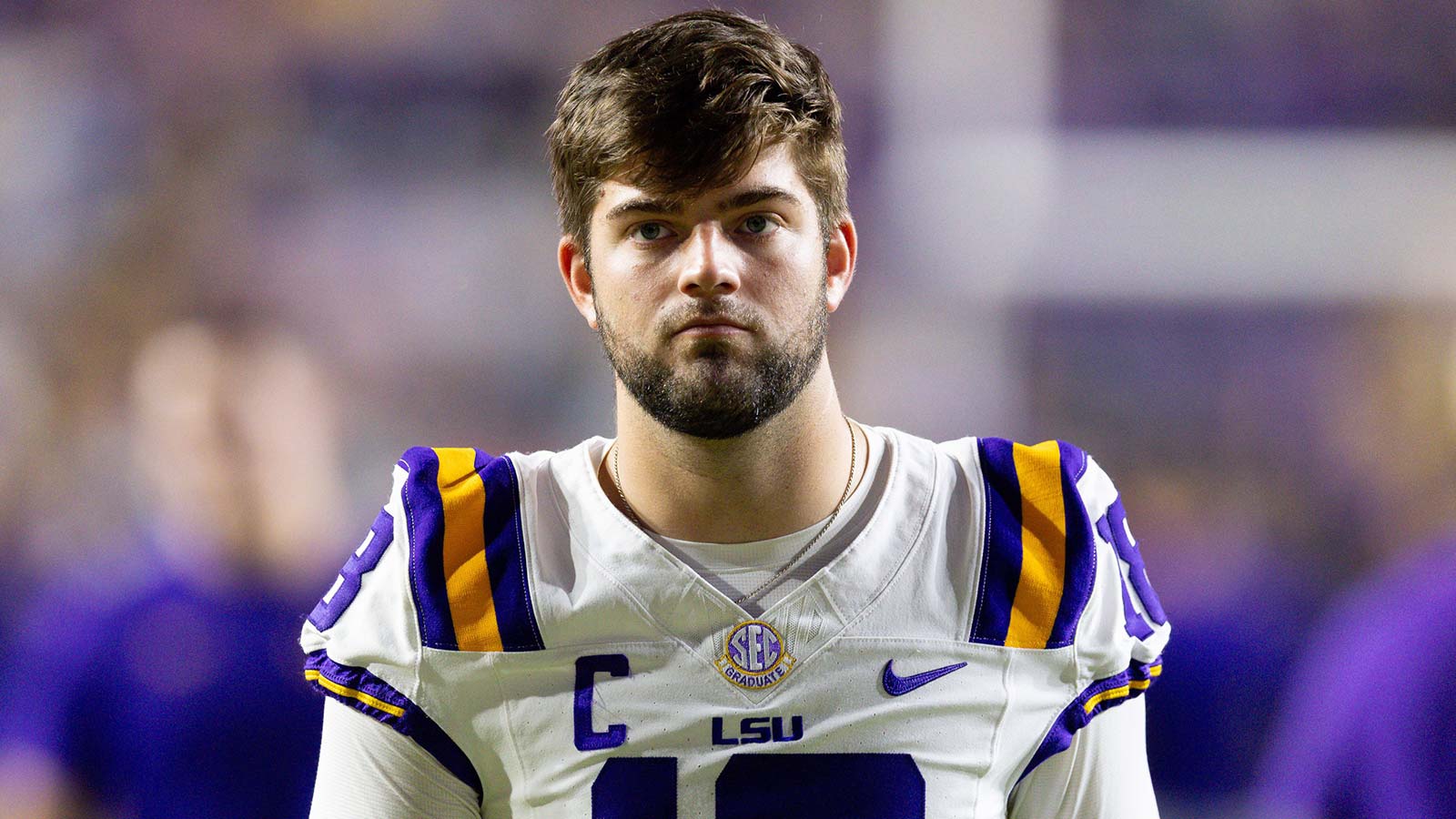
This is the easiest name on the list because the Eagles should not be pretending that the quarterback position is unsettled. Jalen Hurts remains the centerpiece of the franchise, and he is still in his prime and is the kind of player who fundamentally changes how a roster is constructed.
For a team in this position, spending premium draft capital on a quarterback like Garrett Nussmeier would be an imprudent move, and it would be a misuse of resources.
Nussmeier is the type of quarterback that many would consider for a late first-round or early second-round pick because he throws with confidence, has a strong pedigree from a big program, and appears to be a prospect who could develop without immediate pressure.
While these are all reasonable merits, they do not override the fundamental truth of the Eagles' roster, and they are not seeking a long-term answer at quarterback; they aim to maintain a championship-level operation around Hurts.
This distinction is crucial because the moment a contender starts using valuable draft capital on a backup quarterback instead of focusing on the offensive line, the defense, or the long-term health of skill players, it begins to act like a team that has time to waste.
Their roster is too expensive, too talented, and too close to genuine contention for a quarterback stash pick to make sense early in the draft.
There is also a more subtle risk in selecting a player like Nussmeier because they have built their identity on conviction, and when they commit to a player, coach, or structure, they typically do not hedge that commitment with an expensive backup option.
Using a premium pick on a quarterback would muddy that clarity without providing any worthwhile benefit, and if the team wants to draft a developmental passer later on, that is one thing.
However, spending significant resources on the quarterback position at this stage would be a strategic misstep that could seem clever now but unnecessary down the line.
RB Nicholas Singleton, Penn State
Nicholas Singleton will attract any team that values speed, explosiveness, and the potential for immediate offensive impact, but Philadelphia should be one of the teams that ultimately says no.
This isn’t because Singleton lacks upside, but rather because they already have a clear answer in the backfield and too many other areas where premium resources are more urgently needed.
Saquon Barkley remains a central figure in the team's offense, and the Eagles have also acquired Dameon Pierce during free agency to add depth.
While the running back position may not be set in stone forever, selecting an early-round running back feels excessive at this point, especially when the roster is built to operate effectively through Barkley. Also, the team needs to focus on strengthening other areas.
This is a common misstep for successful teams, of course, because running backs can be exciting as they often generate highlight reels and spark imaginations of unstoppable offensive formations.
This is part of why they can distort draft strategy, and adding another premium back behind Barkley would not elevate the Eagles' ceiling as much as acquiring another young lineman, a pass-rusher, or a defensive back ready to step up in case of injuries.
Singleton could certainly evolve into a very good professional running back, but that's beside the point, and the Eagles should invest early draft capital in positions where adding just one more effective player can enhance the overall stability of the roster, rather than complicating a position that already boasts a star player.
This is especially important for a team that understands how quickly a contender's edge can diminish as supporting cast members age or thin out in less glamorous roles.
TE Max Klare, Ohio State

Max Klare is the type of tight end that offensive staffs often find appealing because he has good mobility, offers potential in the passing game, and could be marketed as another versatile option in a creative offensive system. On many teams, that would make for a reasonable discussion, but for the Eagles, it should serve as a warning sign.
Dallas Goedert remains on the roster, and the Eagles have already constructed a pass-catching ecosystem built around A.J. Brown, DeVonta Smith, and now Hollywood Brown, acquired through free agency. This is not a team that is desperate for another top receiving tight end, but they should be cautious about using valuable draft capital on redundancy disguised as innovation.
The issue with selecting Klare lies not in the player's abilities, but in the timing, as teams in Philadelphia's position should focus on whether a prospect addresses a pressing structural need or simply adds another intriguing idea.
Klare would likely fall into the latter category, becoming just another pass-catching option in an already crowded offense, and the more pressing concern for the Eagles should be ensuring that the components protecting and supporting their stars are strong enough to be effective in January.
There is a broader lesson in roster construction to note here. Successful organizations maintain their status by resisting the lure to invest premium assets where quality already exists on the depth chart.
Tight end is not a position in need of urgent attention, and it isn't even one of the most pressing long-term concerns. They should not let the allure of a talented player at a non-urgent position distract them from more critical needs.
CB Domani Jackson, Alabama
Domani Jackson is precisely the kind of player who might make a front office feel intelligent about their pick, because his pedigree, athletic profile, and name recognition make a cornerback selection seem easy to justify, but this is exactly why caution is warranted for the Eagles.
They have already made significant investments in their secondary, having added Riq Woolen and Jonathan Jones in free agency, while the existing young talent in the defensive backfield is already quite strong.
This does not mean that cornerbacks should never be addressed, but it does mean the Eagles should avoid making a premium investment at the position unless the value is truly exceptional.
Jackson would be the sort of move that looks appealing on paper, as it would enhance the speed and talent of the secondary, but the problem is that the team may not need that level of high-cost reinforcement as much as they need attention on their defensive front or long-term offensive line issues.
Teams in contention can easily convince themselves of the necessity of “one more corner,” particularly with the influx of talented receivers in the league, and while there is some truth to this logic, it also comes with a cost, especially if it means missing out on an opportunity to add a young player for the offensive line or a pass-rushing option at the same time.
This situation requires them to understand their own needs, and they thrive when they address attrition in crucial areas.
And they do not need to spend a premium draft pick on every attractive position simply because a polished player is available. After all, while Jackson might develop into a quality NFL starter, that does not necessarily make him the right choice for a defense that has already seen substantial veteran investment and where more pressing concerns exist.
So, all of this shows how good teams can have disappointing drafts, not by making obviously poor choices, but by selecting the wrong type of good player, because they have sufficient clarity regarding their roster to avoid that mistake, and the smarter approach is to let other teams pursue novelty and to continue using the draft as contenders should, by strengthening the parts of the team that still require support rather than embellishing those that are already functioning well.