
Thursday night was supposed to be a turning point for the Tampa Bay Buccaneers. A prime-time stage, divisional stakes, and a chance to steady a season that had quietly slipped off course after a 6–2 start. Instead, it turned into the defining low point of their 2025 campaign. Tampa Bay’s stunning 29–28 collapse against the Atlanta Falcons was a referendum on everything that has gone wrong over the past six weeks. Fans witnessed missed tackles, missed assignments, and missed opportunities. When the moment demanded composure and execution, the Buccaneers delivered chaos instead. At 7–7 and suddenly clinging to fading playoff hopes, the Bucs exposed the structural cracks threatening to pull the entire season apart.
A meltdown to forget

The Buccaneers appeared in full control late into the third quarter of this clash. Baker Mayfield had thrown three early touchdown passes. The offense was moving efficiently, and Tampa Bay carried a commanding 28–14 lead into the fourth quarter. The Falcons, sloppy and penalty-prone, looked overwhelmed.
Then everything unraveled.
Atlanta quarterback Kirk Cousins engineered a ruthless 15–0 comeback. He just carved up a Tampa Bay defense that seemed to forget how to tackle, cover, or communicate. Tight end Kyle Pitts torched the secondary repeatedly. He finished with three touchdowns, while Bijan Robinson punished defenders in space. Even after Tampa Bay had a golden chance to seal the game on 3rd-and-28, the Bucs failed to put it away. Moments later, Zane Gonzalez drilled a walk-off field goal to complete the collapse.
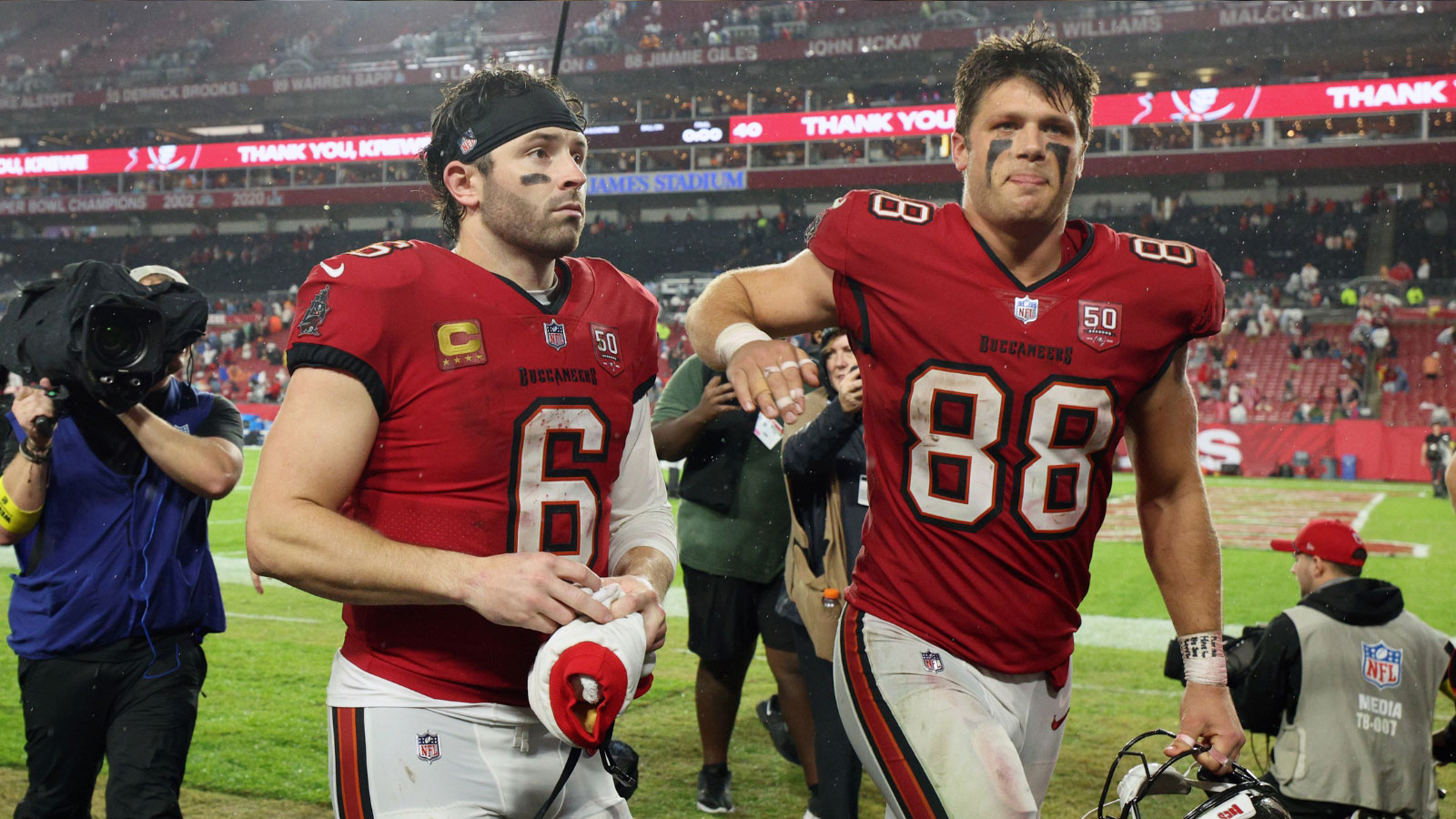
Todd Bowles’ profane sideline eruption afterward said what the scoreboard already had: this loss was ‘inexcusable.' Tampa Bay dropped to a tie atop the NFC South. They are, however, trending sharply in the wrong direction after losing four of their last five games.
Here we'll try to look at and discuss the Tampa Bay Buccaneers most to blame for their primetime Week 15 loss to Falcons.
QB Baker Mayfield
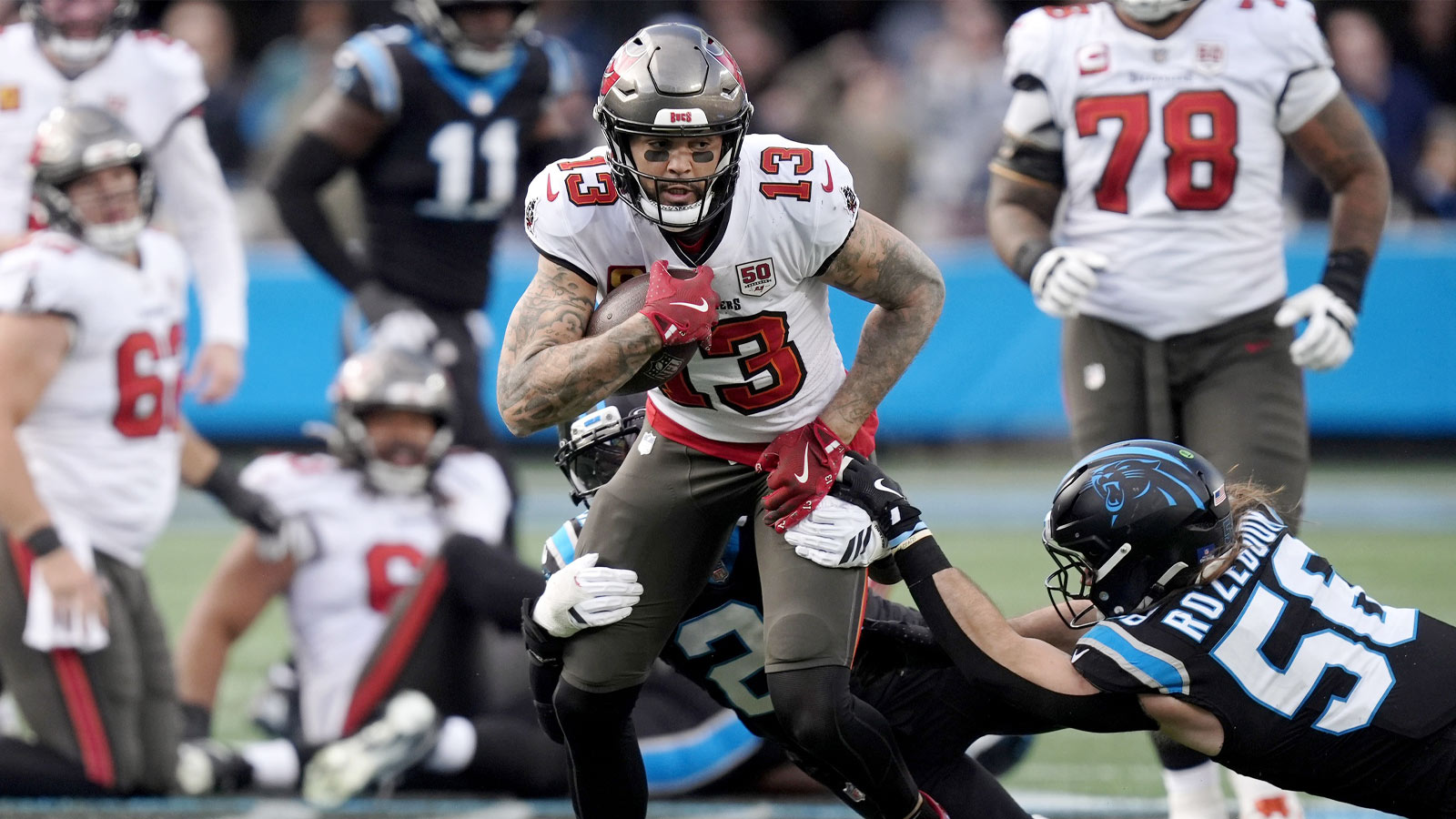
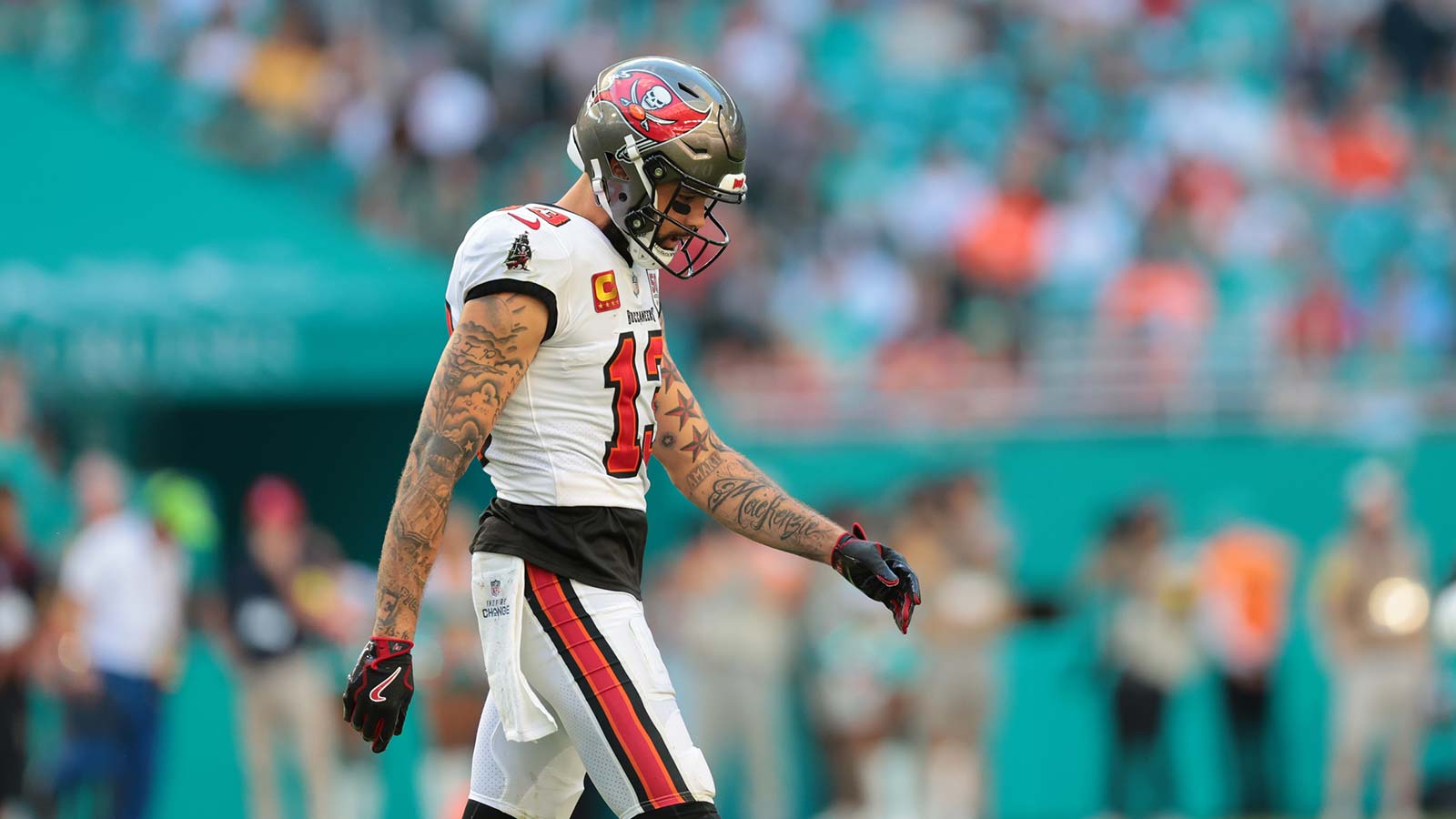
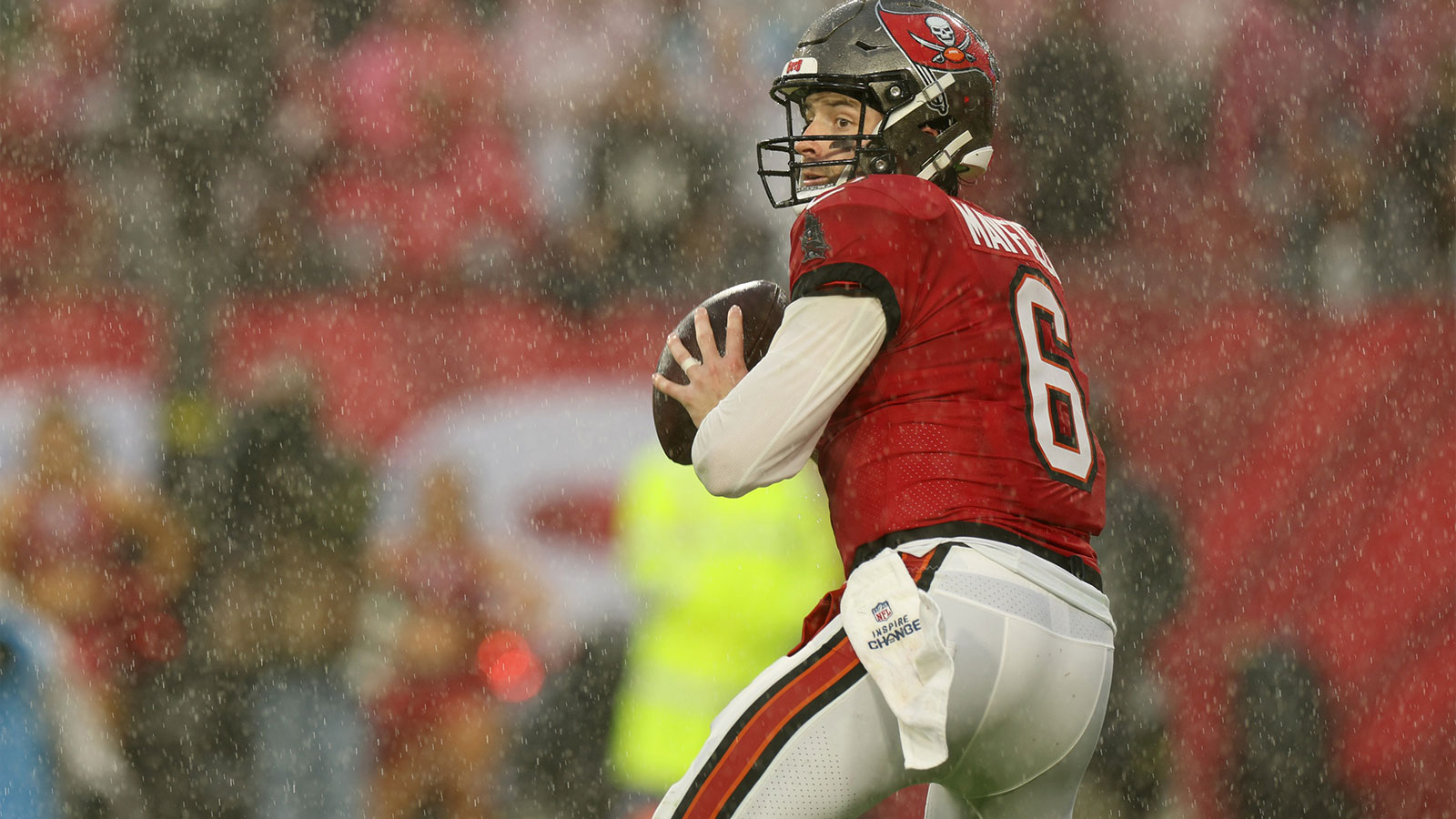
On paper, Mayfield had a respectable night. He completed 59 percent of his passes for 250 yards. He spread the ball to seven receivers and reconnected seamlessly with Mike Evans. Early on, Mayfield looked confident, decisive, and capable of leading Tampa Bay to a much-needed win.
Once again, though, the critical moments told a different story.
Mayfield was tentative in the pocket when pressure mounted. He took unnecessary sacks instead of throwing the ball away. He absorbed five sacks overall, several of which killed drives or flipped field position. Most damaging was his fourth-quarter interception while holding a seven-point lead. It was an avoidable mistake that swung momentum squarely in Atlanta’s favor.
The Buccaneers didn’t need hero ball. They needed situational awareness, clock control, and ball security. Instead, Mayfield pressed when patience was required. He continued a troubling trend of turnovers and hesitation in high-leverage moments.
Offensive line
The Buccaneers’ offensive line once again failed the moment it mattered most. With Ben Bredeson and Cody Mauch sidelined, Tampa Bay’s interior protection collapsed repeatedly. Center Graham Barton was blown off the ball too often. Pressure up the middle made Mayfield uncomfortable throughout the night.
Pass protection was a consistent liability. Atlanta recorded five sacks and countless pressures, particularly when Tampa Bay tried to drain clock late. On what should have been a game-clinching possession, the line allowed immediate penetration that resulted in a four-yard loss on a Bucky Irving run. Forced into an obvious passing situation, Mayfield was promptly sacked on third down. That handed Atlanta one final opportunity.
Entire defense
If there’s a single unit that deserves the harshest scrutiny, it’s Tampa Bay’s defense. Entering the game, expectations were already low. Somehow, the performance still managed to disappoint.
The pass rush was virtually nonexistent. Outside of Haason Reddick’s lone sack-fumble, the Buccaneers failed to consistently pressure Cousins. The defensive line couldn’t win one-on-one matchups. That left the secondary exposed for extended stretches.
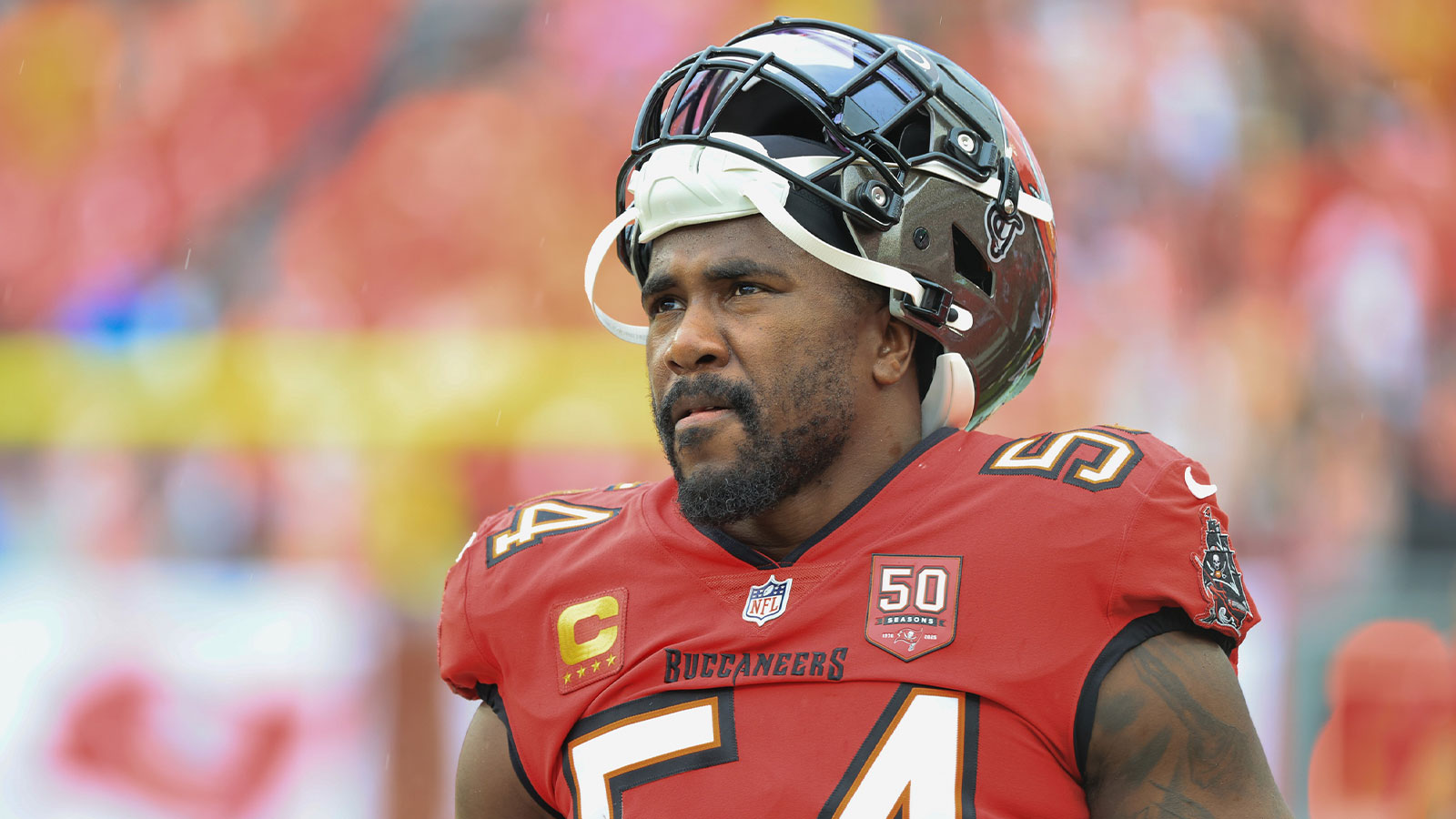
Linebacker play was particularly damaging. Nick Jackson struggled mightily in coverage and run fits. Meanwhile, Deion Jones offered little resistance. Lavonte David, the emotional leader of the defense, surrendered a crucial late touchdown to Kyle Pitts in coverage. It was an uncharacteristic but costly lapse.
The secondary was no better. Christian Izien battled but was overmatched early. Zyon McCollum exited early, Benjamin Morrison was a healthy scratch, and coverage busts became routine. The most egregious came on 4th-and-14. That's when Tampa Bay inexplicably allowed David Sills V to get behind the defense and extend the Falcons’ final drive.
Bad tackling. Soft zone coverage. Poor communication. The Buccaneers’ defensive performance was a masterclass in how to lose a winnable game.
Coaching
Bowles might be on his way out sooner rather than later. Defensively, he stubbornly stuck with zone concepts that Pitts shredded all night. The breaking point came on Atlanta’s final drive. That's when the Buccaneers somehow had 12 men on the field. They gifted the Falcons a first down and prime field position. That penalty alone could define Bowles’ tenure.
Offensively, Josh Grizzard showed flashes of creativity. That said, his late-game sequencing was baffling. With a lead and the clock in Tampa Bay’s favor, the play-calling failed to protect the defense or reduce risk.
When the Buccaneers needed calm leadership and situational mastery, they got disarray instead.
Season slipping away

This wasn’t just another Thursday night loss. It was a collapse that revealed Tampa Bay’s deepest flaws. These were on the line, on defense, and on the sideline. At .500, the Buccaneers are still mathematically alive in the NFC South. The downward trend, though, is unmistakable.
Teams don’t stumble into collapses like this by accident. They ‘earn' them. On Thursday night, the Buccaneers earned every ounce of embarrassment that came with it.