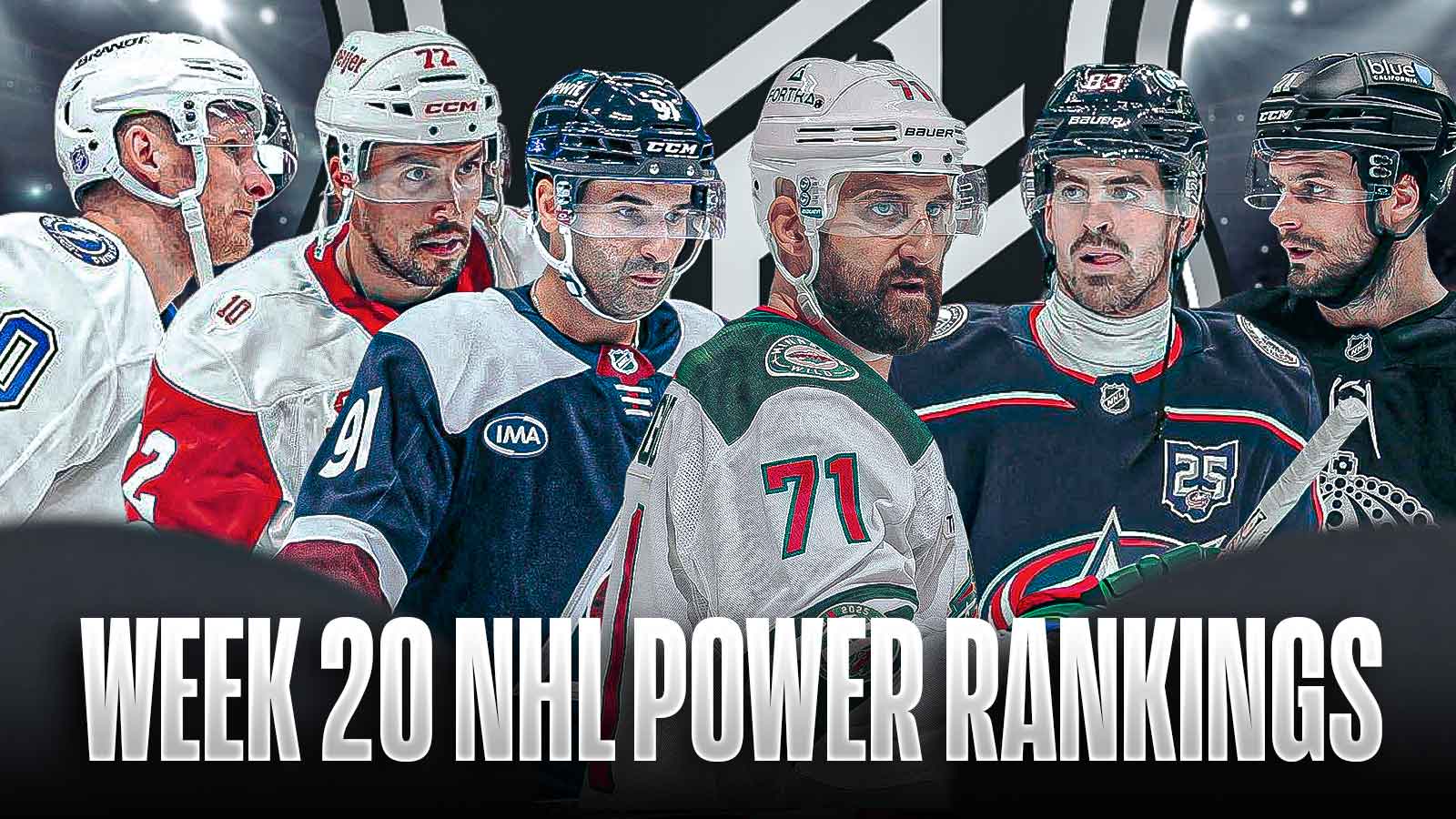

The 2026 NHL trade deadline was less than impressive. Some of the most talked about names: Robert Thomas, Colton Parayko, Jordan Binnington, Vincent Trocheck, Elias Pettersson, and Sergei Bobrovsky didn't change teams by the time the clock ran out. Whether it was a lack of interest or a lack of ability to reach the team's value, it was largely a dud. However, Colorado Avalanche general manager Chris MacFarland saved the day and became one of the trade deadline's biggest winners with a late Nazem Kadri addition.
The Minnesota Wild were dangerously close to being on the winners' list until the Avalanche forced their way on with the Kadri deal. It's unfortunate for Bill Guerin that, after acquiring Nick Foligno, Bobby Brink, and Michael McCarron, two of his Central Division rivals are ahead of him on the list. Still, one reason those teams felt it necessary to have big trade deadlines was how well he improved the Wild by adding Quinn Hughes earlier this season.
The Detroit Red Wings made a late pitch to get on this list by adding Justin Faulk to their defense depth, but most fans would've liked to see an addition to their forward group as well. They were also close to cracking the top three, but they didn't really do enough to put themselves ahead of their Atlantic Division competition.
While the postseason can go plenty of ways, one thing is for sure after this trade deadline: the winner of the Central Division bracket is going to have a long four weeks of battle.
Avalanche cemented their place as Stanley Cup favorite

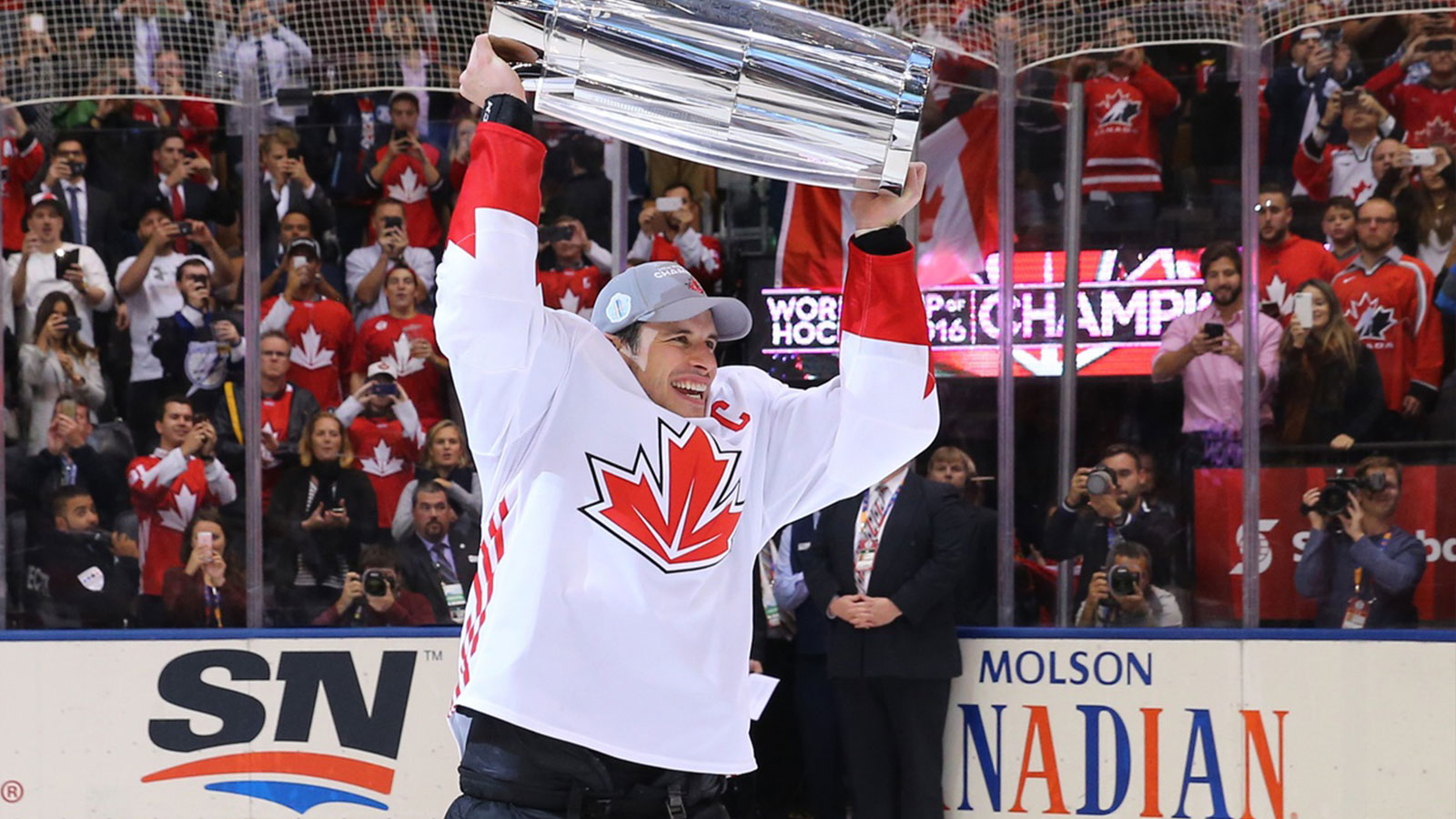
The Avalanche are very close to re-creating these pictures of the Stanley Cup parade after acquiring Kadri from the Calgary Flames. Colorado needed to upgrade their center depth at the trade deadline, and instead of being content with Nicolas Roy, they also added the Flames' center in a reunion. MacFarland pushed all his chips into the middle in a crowded Central Division.
Good luck facing a lineup that consists of Nathan MacKinnon, Brock Nelson, Nicolas Roy, and Kadri down the middle. While it looked like the Wild and Dallas Stars were beginning to catch the Avalanche in the playoff race, the front office rejuvenated their lineup with some Stanley Cup pedigree. It is now championship-or-bust in Denver.
Stars did what they had to do with limited cap space
The Stars weren't going to have much cap space to make a move until the unfortunate injury to Tyler Seguin forced the team to label him as out for the season. The designation opened up the veteran's cap space to make some moves, which Dallas used to acquire Tyler Myers at 50% retention from the Vancouver Canucks and Michael Bunting from the Nashville Predators.
While those additions might not move the needle for some people, it's the culture that those two players bring that Nill was after. Dallas has a ton of skill throughout their lineup, but Myers adds some extra size to the blueline to withstand teams like the Avalanche and Wild. At the same time, Bunting gives them an agitating energy guy who will serve them well during the postseason.
The Central Division battle has the potential to be some of the best playoff hockey we've seen in some time. While some don't love the playoff bracket, it's times like this where putting the division rivalries first makes sense.
Ducks looking to take hold of weak Pacific Division
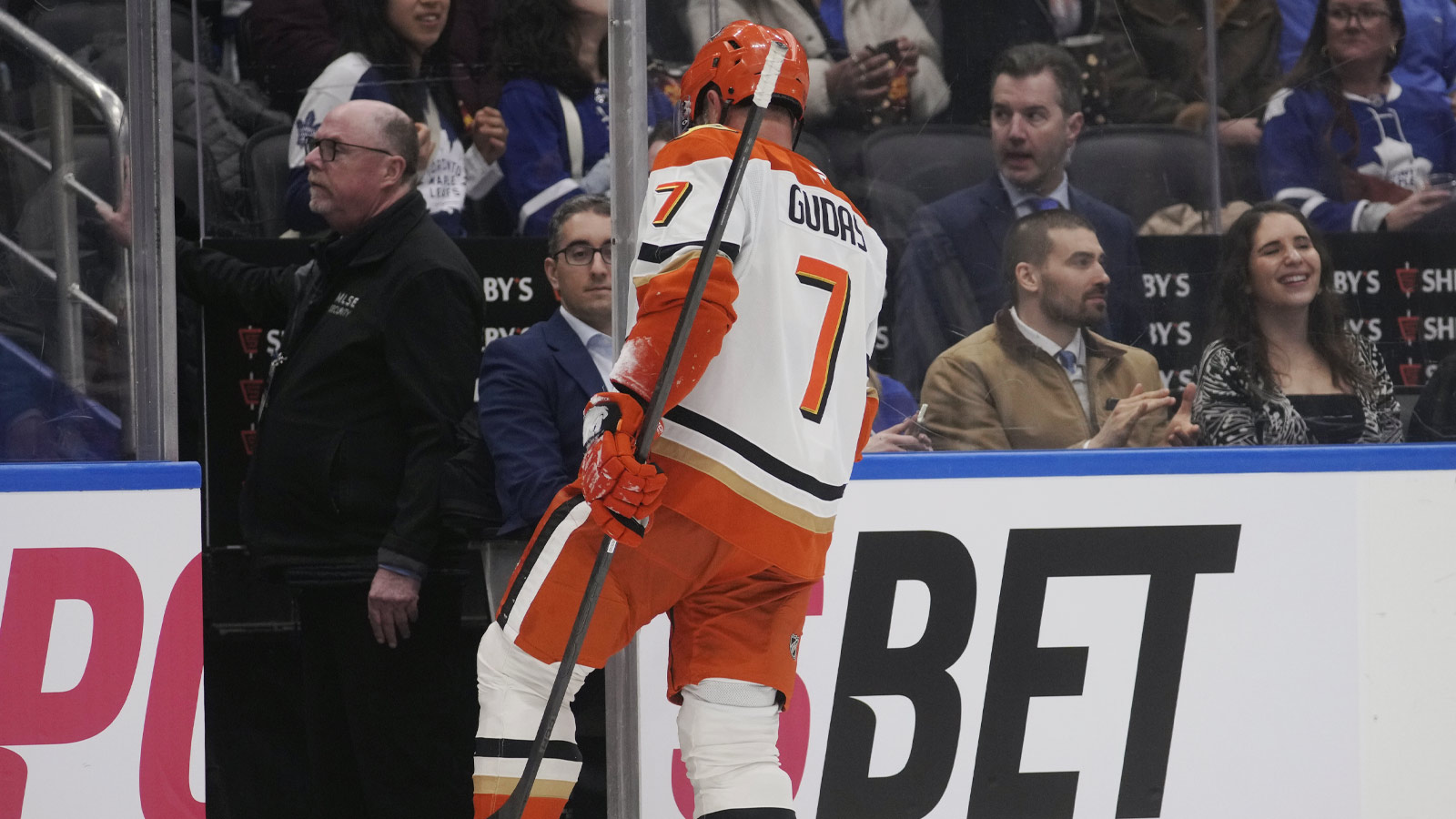
The Ducks didn't make as many cumulative moves as some other teams, but the surprising addition of John Carlson shows that Pat Verbeek is willing to take some big swings to improve his team. The Ducks have been a bit of a wildcard on defense this season, and having a trio of Carlson, Jacob Trouba, and Radko Gudas in front of Lukas Dostal in a seven-game playoff series gives Anaheim an edge in that area against most Western Conference teams.
Speaking of wildcards, the Pacific Division is also going to be an interesting time during the playoffs. The Vegas Golden Knights beat a playoff team for the first time in months on Wednesday night, the Edmonton Oilers still have questions about their goaltending and defense, and the next best team is the Seattle Kraken.
If the Ducks can improve their defense and get their young forwards to excel in a playoff atmosphere, they have a great chance of coming out of the Pacific Division bracket to compete for a Western Conference championship. That was true before the Carlson trade, and they look like they have an even better chance now.