Hockey fans, the time has finally come. After a long 12 years, NHL players are back where they belong — at the 2026 Winter Olympics in Milano Cortina. The ice hockey portion of the competition officially kicks off on Feb. 11, with a total of 148 players from the National set to represent their respective countries in Italy, including 124 first-time Olympians.
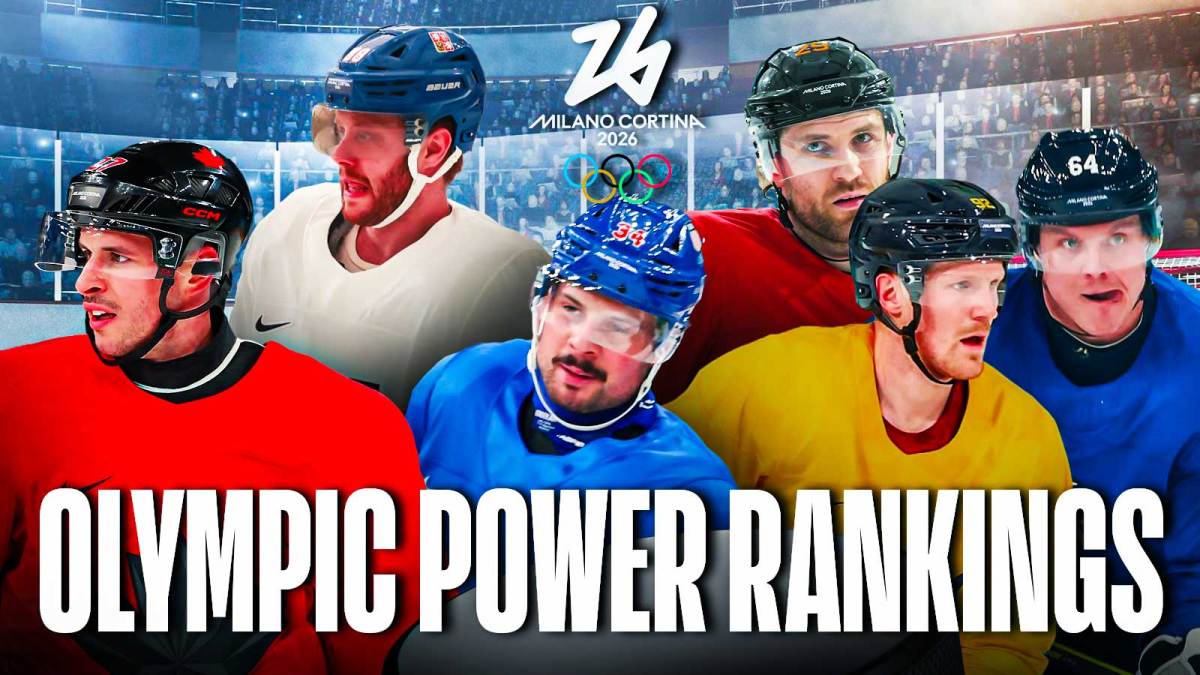
With over two weeks until the league resumes — and thus a break from ClutchPoints' weekly NHL Power Rankings — we would be remiss not to switch gears and, instead of ranking the 32 NHL teams on this Monday, create a leaderboard of the 12 participating nations ahead of Italy-Sweden on Wednesday morning.
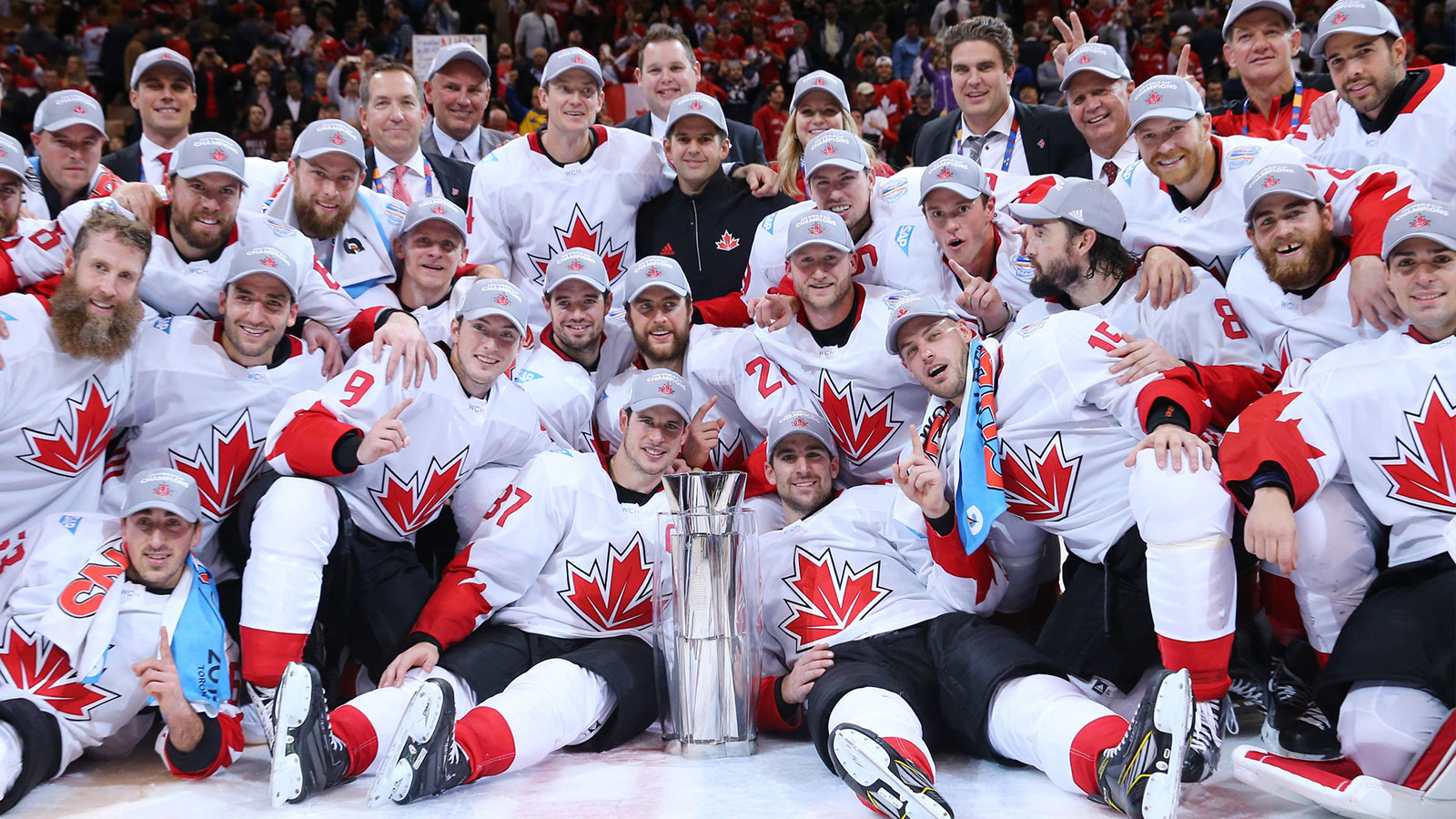
The hype for the Olympics has been building ever since an incredible 4 Nations Face-Off in Montreal and Boston last February, one that saw Team Canada retain international hockey supremacy. Yes, it's Canada's to lose again in 2026, but there will be stiff competition from a couple of stacked rosters eyeing an elusive gold medal.
The last time NHL players participated back in 2014, it was the same story. Canada went undefeated in the preliminaries before dominating the medal round, beating Latvia, USA and Sweden — in that order — while allowing just a single goal in the knockout phase. Without NHL participation over the next two iterations, the Olympic Athletes from Russia capitalized on their chance to win it all in PyeongChang in 2018, while Team Finland emerged golden four years later in Beijing.
Fast forward four more years and here's the 2026 breakdown: Group A consists of Canada, Czechia, France and Switzerland; Group B is Finland, Italy, Sweden and Switzerland; Group C features Denmark, Germany, Latvia and the United States. There will be 18 preliminary round games from Wednesday through Saturday — three for each team. The group winners and best second-place finisher will get an automatic bye to the quarterfinals, while the remaining eight teams will play a qualification game to reach the QF.
Those contests will take place on Feb. 18, with the winners advancing to the semifinals on Feb. 20. The bronze medal game is set for Feb. 21 and the championship will be played on Feb. 22 — the last official day of Olympic competition.
With all due respect to the long and storied history of the Olympic Games, it's probably not too far-fetched to say that this could be as strong a field as we've ever seen for men's ice hockey. Based on the collection of talent assembled in Milan, there's potential for this to be the greatest tournament in the history of the sport.
It's time to buckle up for what should be a phenomenal two weeks of puck. Here's how each 25-man roster stacks up ahead of the festivities.
1. Canada
Head coach: Jon Cooper
Last medal: Bronze, 2018
Schedule: Feb. 12, Czechia (10:40 a.m. ET); Feb. 13, Switzerland (3:10 p.m. ET); Feb. 15, France (10:40 a.m. ET)
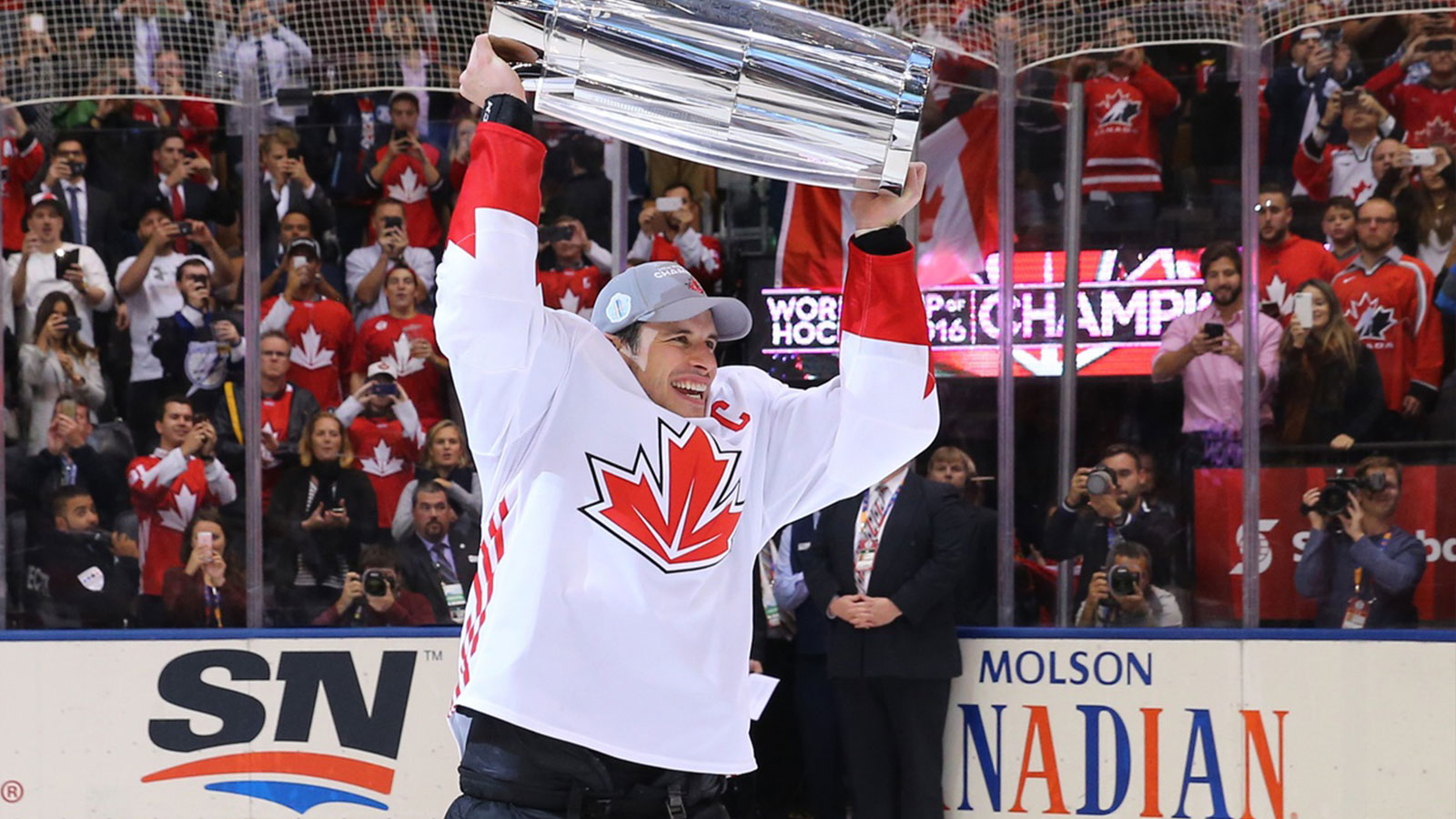
After winning two of the last three Olympics that included NHL players — and capturing first in each of the past four international best-on-best tournaments overall — it's not at all surprising to see Team Canada entrenched in the No. 1 spot in these Power Rankings. Minus the goaltending, this is as star-studded a group as any collection of professional hockey players in the country's history. The trio of captain Sidney Crosby, Connor McDavid and Nathan MacKinnon up front is a three-headed monster, while Cale Makar remains the best defenseman in the world.
The depth is also unbelievable; a potential ‘B' team could be selected that would realistically compete with almost any other country participating. As it is, 19-year-old Macklin Celebrini will make history as the youngest NHL player to ever suit up for Canada; he's fourth in NHL scoring with 81 points. He's one of a couple of new faces on the team, as 19 of the 23 skaters who played at the 4 Nations are on the roster. There are just a ton of stars on both forward and defense, and as we learned last February, they come at you in waves. Canada's roster has combined for 383 goals in the NHL this season.
The goaltending is the big question mark, with Jordan Binnington, Logan Thompson and Darcy Kuemper a relatively weak trio compared to a few other countries. Still, Binnington was heroic in the 4 Nations, and despite an .864 save percentage with the St. Louis Blues this year, he will likely get the nod as the starting netminder. If Canada doesn't win gold, it will probably be because of their goalies. Either way, this is the best roster in the tournament, bred for one purpose: to keep hockey supremacy in the Great White North.
2. United States
Head coach: Mike Sullivan
Last medal: Silver, 2010
Schedule: Feb. 12, Latvia (3:10 p.m. ET); Feb. 14, Denmark (3:10 p.m. ET); Feb. 15, Germany (3:10 p.m. ET)
If there's any country that can knock Canada off the pedestal — as we nearly learned in the 4 Nations — it's the United States of America. Without a gold medal since the Miracle on Ice in Lake Placid all the way back in 1980, this is the best chance USA will get, as they're the deepest roster competing in 2026. It's a new generation of American stars after a couple of heartwrenching losses earlier this century. America lost to Canada in the gold medal game in 2002 in Salt Lake City, were defeated again by their archrivals in the championship game in Vancouver in 2010 in overtime, and finally, were shut out in a semifinal loss in Sochi in 2014.
It's been disappointment after disappointment for the States at the Olympics, but this squad is absolutely stacked. So stacked, in fact, that two of the top-five goal scorers in the NHL in Jason Robertson and Cole Caufield didn't even make the team. Still, there is so much elite talent, from former 69-goal scorer and captain Auston Matthews, to the Tkachuk brothers, to Tage Thompson, to Jack Eichel, to Jake Guentzel, and the list goes on.
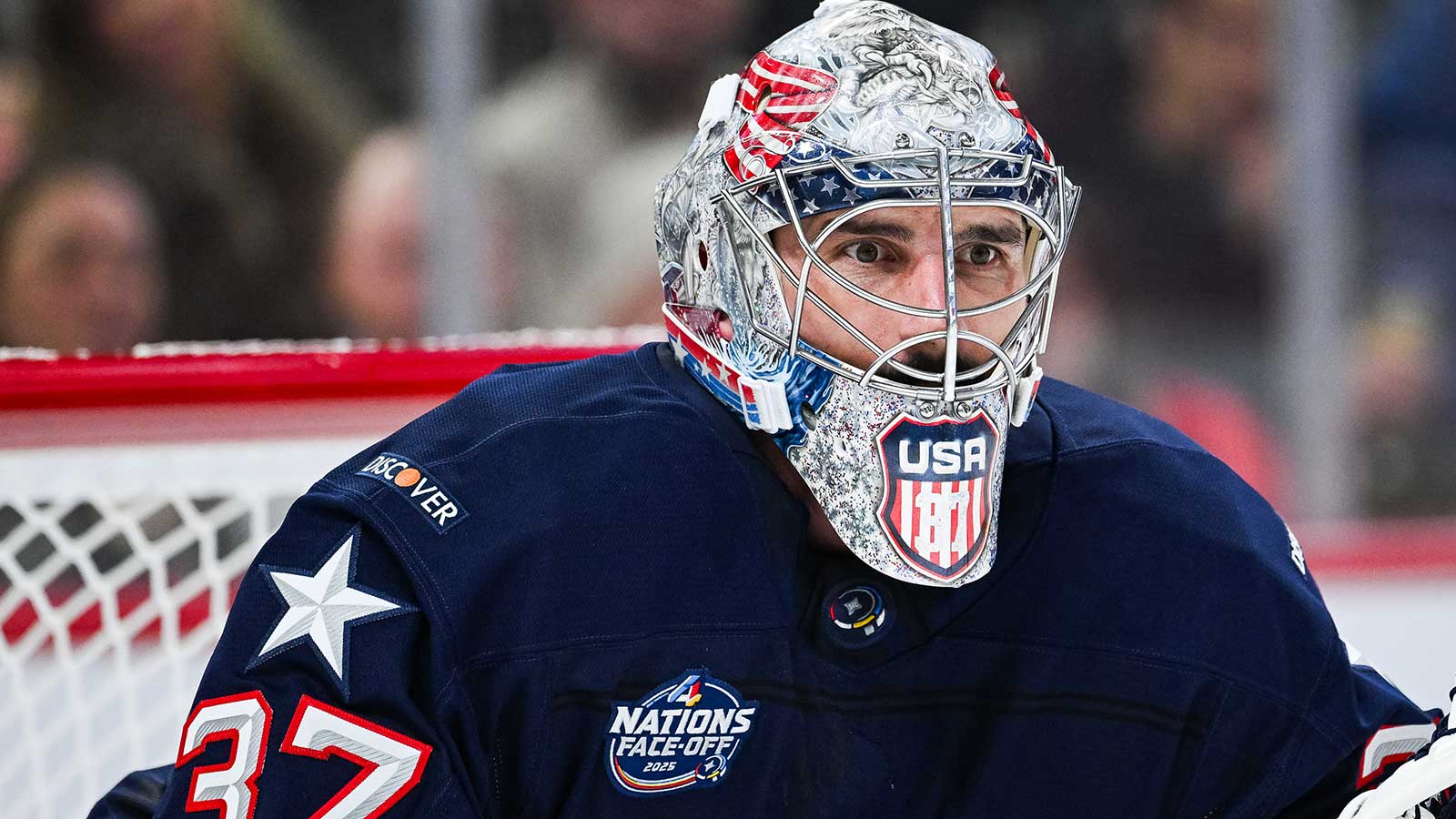
The defense is also ferocious, led by an X-factor that the United States didn't have last time: Quinn Hughes. Hughes is a difference-maker on the back end, a force both offensively and defensively, and he joins an elite blue line also featuring Zach Werenski, Charlie McAvoy and Jaccob Slavin. The goaltending is the tournament's premier trio, featuring last year's regular-season MVP in Connor Hellebuyck, alongside Jake Oettinger and Jeremy Swayman. It's Hellebuyck's net to lose, and the defensive unit in front of him is miles better than the one in Winnipeg.
This is an ultra-confident group that was oh-so-close to winning the 4 Nations, and will be trying to capture something much more important in a couple of weeks. Does the 46-year Olympic gold drought end on Feb. 22?
3. Sweden
Head coach: Sam Hallam
Last medal: Silver, 2014
Schedule: Feb. 11, Italy (3:10 p.m. ET); Feb. 13, Finland (6:10 a.m. ET); Feb. 14, Slovakia (6:10 a.m. ET)
Although Sweden isn't quite as potent as its two North American rivals, this is the clear cut No. 3 team, which boasts more than enough talent to win a first gold medal since 2006. This is a strong, deep lineup with superstars and Stanley Cup champions aplenty. The offense is great, led by Lucas Raymond, William Nylander, Mika Zibanejad and an ideally healthy Gabriel Landeskog, who was named captain.
But it's the blue line that could be Sweden's biggest strength, headlined by two former Norris Trophy winners in Victor Hedman and Erik Karlsson, and a superstar in Rasmus Dahlin who is better than both of them. Gustav Forsling is also one of the best shutdown D-man in the world, as evidenced by his performances en route to back-to-back championships with the Florida Panthers. The country will need Hedman and Landeskog to be at full strength to win gold, but just as importantly is that a couple of underperforming players — Elias Pettersson and Jesper Bratt being the most notable — find their games on the international stage.
The goaltending is steady with Filip Gustavsson, who has had an excellent season with the Minnesota Wild. If he falters, teammate and top prospect Jesper Wallstedt will be ready to fill in, as will veteran Jacob Markstrom. This is a terrific roster, as it was at the 4 Nations, and anyone can beat anyone in one game. As it always is, the gold medal expectation is there for the Scandinavian powerhouse.
4. Finland
Head coach: Antti Pennanen
Last medal: Gold, 2022
Schedule: Feb. 11, Slovakia (10:40 a.m. ET); Feb. 13, Sweden (6:10 a.m. ET); Feb. 14, Italy (10:40 a.m. ET)
Team Finland enters the 2026 Winter Olympics with the most question marks of any of the 4 Nations Face-Off participants. There is a legitimate drop off in depth of talent after Canada, USA and Sweden, but this is still the No. 4 country worldwide, which was evidenced by their participation in last February's tournament.
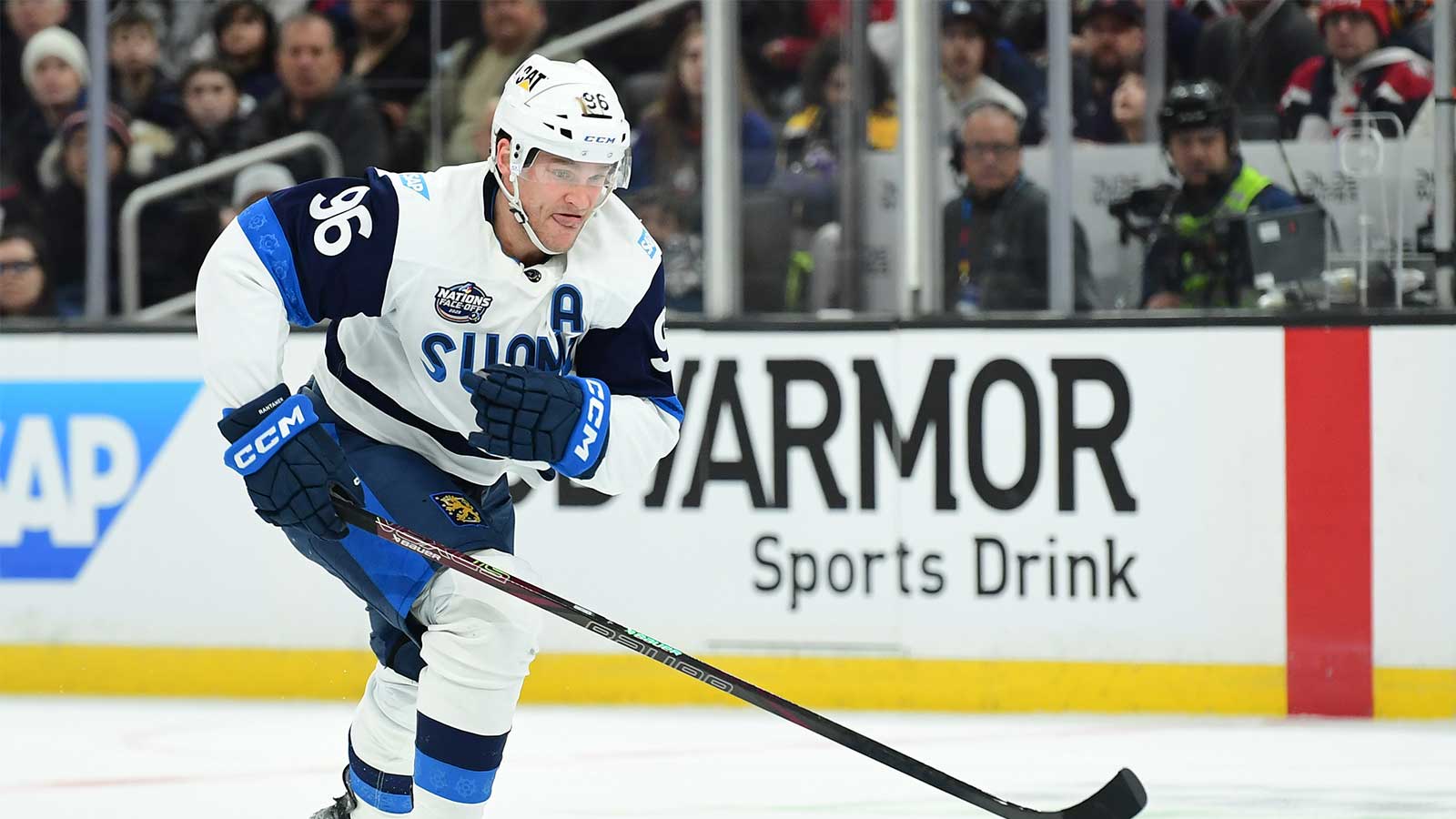
Finland is only bringing back one player from the 2014 Olympic team, veteran defenseman Mikko Lehtonen, who plays for the ZSC Lions. But it will be another Mikko who will be leaned on much more. Mikko Rantanen is one of the best players Finland has ever produced and he'll need to be a superstar in this tournament. The depth isn't overwhelming, but the star power is there with Sebastian Aho, Roope Hintz, Mikael Granlund and Anton Lundell — in a breakout campaign — up front. Things will be much, much more difficult without Aleksander Barkov, who is probably the best defensive forward in the world.
The blue line is good but not great, and will run through Dallas Stars teammates Miro Heiskanen and Esa Lindell on the top pairing, and Rasmus Ristolainen and Niko Mikkola below them. All four should play huge minutes, as there is a significant drop off afterwards. Along with the worst defense of the Big Four, Finland also has question marks in goal, with Juuse Saros posting some of his weakest career NHL numbers this season, and Kevin Lankinen sinking along with the ship that is the Vancouver Canucks. If Saros falters, expect Joonas Korpisalo to get a look in between the pipes.
Finland captured gold without NHL participation in 2022 in Beijing, and they've been effective even with the league involved, winning silver in 2006, and bronze in each of 2010 and 2014. Suomi would love to turn a medal golden, and while it's an uphill climb, it's not an impossible quest for Antti Pennanen's group.
5. Czechia
Head coach: Radim Rulík
Last medal: Bronze, 2006
Schedule: Feb. 12, Canada (10:40 a.m. ET); Feb. 13, France (10:40 a.m. ET); Feb. 15, Switzerland (6:10 a.m. ET)
Probably the most difficult decision in this Power Rankings leaderboard was deciding whether Finland or Czechia would occupy the No. 4 slot. And although they didn't get the benefit of the doubt, the Czech Republic are bringing a very good team to these Olympics. They won't have to wait long to see how it stacks up, either, with their first game coming against Canada on Thursday.
Czechia has performed well internationally, winning gold in Nagano in 1998 and bronze in Turin in 2006. The most recent gold was at the 2024 IIHF World Championship, which was on home soil. A full 18 players from that team will be participating in the 2026 Winter Olympics, including one of the league's premier wingers in David Pastrnak. The veteran has led the Boston Bruins back into a playoff spot, and he's eyeing a fourth straight 100-point season. As Rantanen powers Finland, so Pastrnak is the engine that will drive Czechia.
He's joined by Tomas Hertl and Martin Necas up front, who are both having excellent campaigns. Captain Roman Cervenka leads the European contingent offensively; there isn't much more NHL talent to write home about up front. Filip Hronek will play the big minutes on the blue line, as he does for the Canucks, joined by veteran bodybanger Radko Gudas and 2018 Stanley Cup champion Michal Kempny. But Czechia's best chance to win gold is between the pipes, where NHL wins leader Karel Vejmelka and breakout star Lukas Dostal will battle for the starting role. Vejmelka has dragged the Utah Mammoth into the playoff picture, and he could be a legitimate difference-maker for the Bohemians.
6. Germany
Head coach: Harold Kreis
Last medal: Silver, 2018
Schedule: Feb. 12, Denmark (3:10 p.m. ET); Feb. 14, Latvia (6:10 a.m. ET); Feb. 15, USA (3:10 p.m. ET)
Germany might not have the depth of the top-five countries in this tournament, but they boast a legitimate star at every position. The gold medal hopes could live and die by Edmonton Oilers superstar Leon Draisaitl, who was two-years-old when his father played in his final Olympics. It's the first appearance for Draisaitl, who has helped lead the Oilers to back-to-back Stanley Cup Final appearances.
The 30-year-old is an absolute force, eclipsing the 100-point mark in each of his last six full NHL campaigns. He's scored over 50 goals four times, and won the Hart Trophy in 2020. Only three players have more points than him since he entered the league in 2014. And there's another superstar up front; Ottawa Senators' Tim Stutzle is having one of the best seasons of his career, to the tune of 61 points in 57 games.
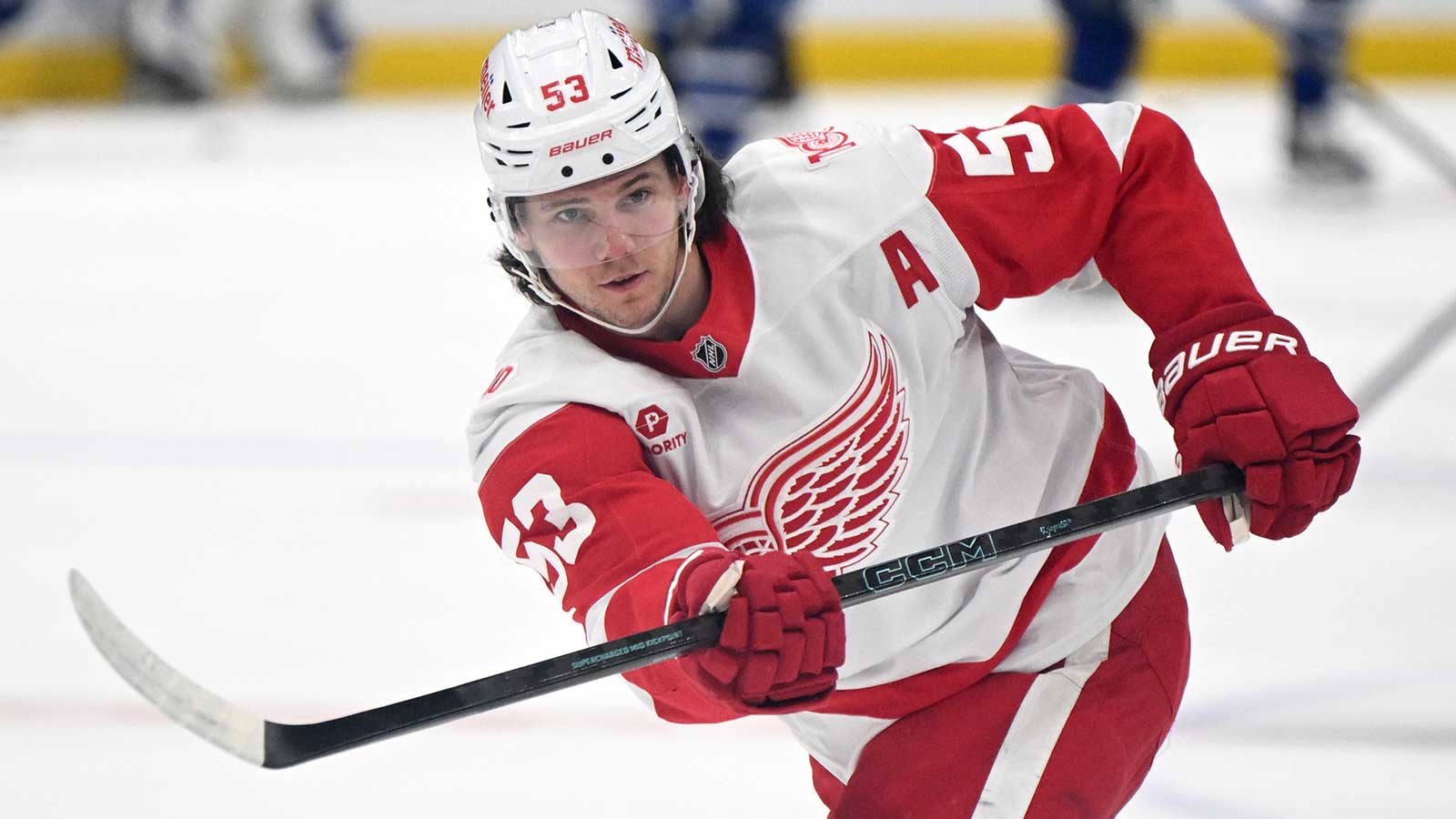
On defense, Moritz Seider will play as many minutes as head coach Harold Kreis can give him, as the Detroit Red Wings have done in 2025-26. He's third in scoring among Germans since 2020, behind only Draisaitl and Stutzle. The 24-year-old helped Germany make the 2023 World Championship final, and he is big, strong, and knows what it takes to be a No. 1 D-man. He is going to be a catalyst.
Between the pipes, Philipp Grubauer is putting together a terrific campaign with the Seattle Kraken and will be the bonafide No. 1 option. His .919 save percentage this year is excellent, and as long as the 34-year-old stays healthy, he should see the lion's share of stars. After winning a silver medal in 2018, Germany will ride Draisaitl, Stutzle, Seider and Grubauer, and hope it's enough to return to the podium.
7. Switzerland
Head coach: Patrick Fischer
Last medal: Bronze, 1948
Schedule: Feb. 12, France (6:10 a.m. ET); Feb. 13, Canada (3:10 p.m. ET); Feb. 15, Czechia (6:10 a.m. ET)
It's probably not hyperbole to say that, in its quest to snap a 78-year medal drought, this is probably the best team Switzerland has ever brought to the Winter Olympics. The roster is flush with NHL talent, with 10 players from the National competing, and another seven with experience in the sport's highest league.
Despite Olympic futility, Switzerland has performed well internationally as of late, winning silver at the last two IIHF World Championships after gold medal game losses to Czechia in 2024 and the United States in 2025. A full 19 players on this team also participated in 2025. They're led by two stars and NHL captains in New Jersey Devils' Nico Hischier and Nashville Predators' Roman Josi, and joined by a strong supporting cast featuring Kevin Fiala, Timo Meier, Pius Suter, Nino Niederreiter, Jonas Siegenthaler and JJ Moser.
The Swiss aren't as top-heavy as the Germans, but they're certainly deeper offensively and on the blue line. The starting goaltender figures to be Akira Schmid, who has played well for the Vegas Golden Knights this year and will be relied on — especially with Canada and Czechia on deck in the group stage.
Switzerland has a good deal of depth, and a lot of these guys are used to playing with each other internationally. This could be the Dark Horse in Milan, and recent success on the international stage should give them some confidence ahead of their Thursday opener vs. France.
8. Slovakia
Head coach: Vladimír Országh
Last medal: Bronze, 2022
Schedule: Feb. 11, Finland (10:40 a.m. ET); Feb. 13, Italy (6:10 a.m. ET); Feb. 14, Sweden (6:10 a.m. ET)
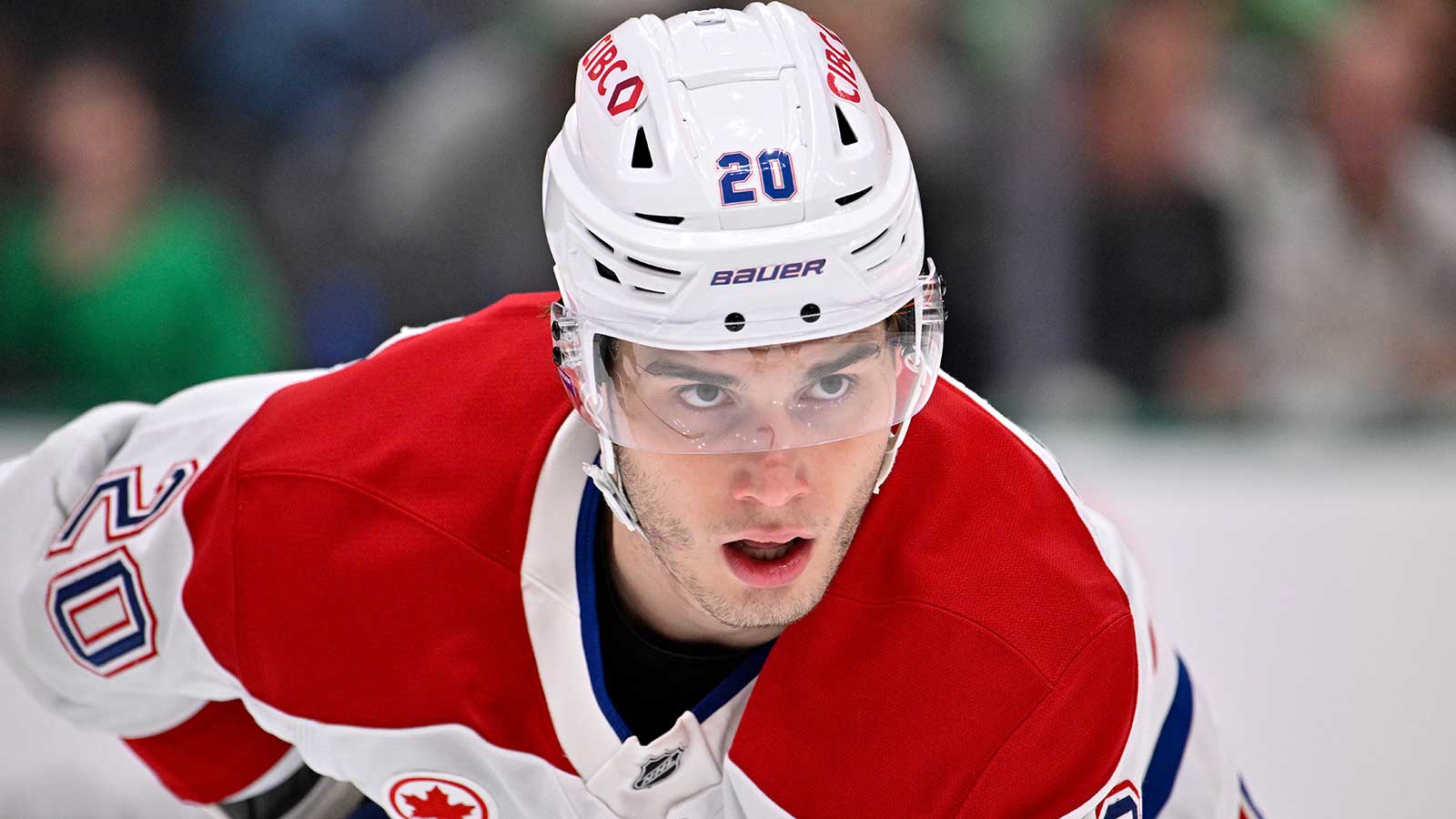
Slovakia has not had a lot of luck at the Winter Olympics since the dissolution of Czechoslovakia in late 1992. They've managed to win just one medal, but it came in the most recent iteration, in Beijing in 2022. The MVP of that tournament? Montreal Canadiens star Juraj Slafkovsky, who had not yet entered the NHL.
The 21-year-old was terrific in the tourney, leading all skaters with seven goals. After being selected No. 1 overall by the Habs in 2022 — and becoming the highest-drafted Slovak of all time — he's on track for a career season in Quebec in 2025-26. He will need to be at his absolute best to get Slovakia on the podium, which is a longshot. Gone are the days of Miroslav Satan, Peter Bondra and Marian Hossa, and the new class of countrymen — Tomas Tatar, Martin Pospisil, Pavol Regenda — aren't even near that level of talent.
Still, there are a couple of effective NHL players on the roster, notably on the blue line. Martin Fehervary, who plays big minutes for the Washington Capitals, joins Tampa Bay Lightning's Erik Cernak — a two-time Stanley Cup champ — and New Jersey Devils youngster Simon Nemec. Two of the three goaltenders on the roster are playing in the minors in the United States, but probably, veteran Stanislav Škorvánek — who plays in Czechia — will be the starter. A lack of NHL-calibre goaltending could really hurt Slovakia, especially with games against Finland and Sweden in the group stage.
9. Latvia
Head coach: Harijs Vītoliņš
Last medal: N/A
Schedule: Feb. 12, USA (3:10 p.m. ET); Feb. 14, Germany (6:10 a.m. ET); Feb. 15, Denmark (1:10 p.m. ET)
Considering Latvia boasts a glaring lack of NHL talent, they've performed relatively well at the Olympics over the years. After qualifying for the 2002 edition in Salt Lake City, they've failed to advance just once, in PyeongChang in 2018. The best finish remains a quarterfinal berth in Sochi in 2014, and there are really no expectations that that is going to change in 2026.
Latvia has 10 NHLers on the roster, although none of them are bonafide stars. Teddy Blueger, Sandis Vilmanis and Zemgus Girgensons should play big minutes up front, through the trio have combined for just 26 points this season. Uvis Balinskis is having a breakout campaign with the Florida Panthers — the team Vilmanis also plays for — and should be the No. 1 option on defense. After him, NHL talent is nonexistent on the blue line, which is a big blow to the already lofty medal hopes.
The difference-maker could be between the pipes, as we've seen from Latvian goalies over the years. Veteran Kristers Gudlevskis is a stud internationally, although he'll struggle to usurp reigning American Hockey League playoff MVP and Pittsburgh Penguins starter Arturs Silovs or Columbus Blue Jackets' Elvis Merzlikins, who has come alive after a slow start. Regardless of who starts, he will face a ton of rubber behind a porous defense.
The player to watch for Latvia in this tournament is defenseman Alberts Smits, who is 18-years-old and the only 2026 draft-eligible player at the 2026 Olympics. He plays for Jukurit in Finland's top league and has been ranked as high as No. 2 on NHL Central Scouting's midterm ranking of international skaters. He could be the highest-drafted Latvian player of all time if he can beat out teammate Girgensons, who was selected No. 14 overall by the Buffalo Sabres in 2014.
10. Denmark
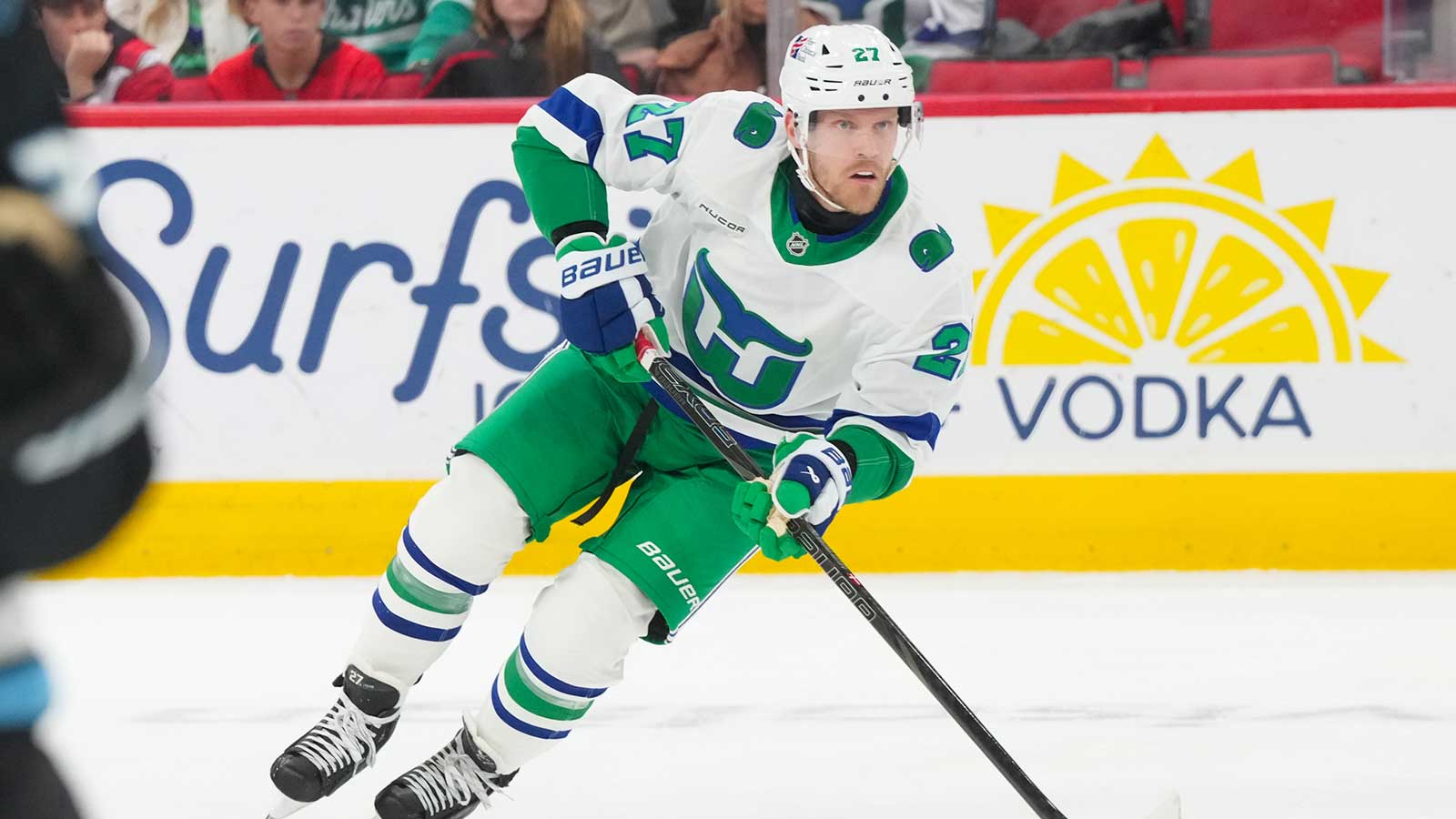
Head coach: Mikael Gath
Last medal: N/A
Schedule: Feb. 12, Germany (3:10 p.m. ET); Feb. 14, USA (3:10 p.m. ET); Feb. 15, Latvia (1:10 p.m. ET)
Like Latvia, Denmark has never medalled at the Winter Olympics, and the roster doesn't look like it has any kind of juice to break that drought in 2026. In fact, they barely even made it in, needing Nicklas Jensen to score twice against Norway in the final qualification tournament to sneak in.
Jensen played a couple years in the NHL and is now in Switzerland, along with a few others players on the roster. Leading the Danish charge is Nikolaj Ehlers, who is having a strong season with the Carolina Hurricanes after a long spell with the Winnipeg Jets. Oliver Bjorkstrand and Stanley Cup champion Lars Eller will play big roles offensively, although there is a significant gap after that. Joachim Blichfeld is second in league scoring in Finland, and he should be the most impactful non-NHL player on the team.
Not a single defenseman on the Danish roster is playing in North America, which probably won't be a ton of help to Mads Sogaard or Frederik Andersen between the pipes. Andersen has had a long playing career but has struggled this season, while Sogaard has been playing second, and sometimes third fiddle with the Ottawa Senators. Expect the 36-year-old Andersen to get a long leash in his Olympic debut.
Denmark is the oldest team in Group C with an average age of nearly 31. There's a lot of experience here, but compared to most of the other countries participating, not a lot of talent.
11. France
Head coach: Yorick Treille
Last medal: N/A
Schedule: Feb. 12, Switzerland (6:10 a.m. ET); Feb. 13, Czechia (10:40 a.m. ET); Feb. 15, Canada (10:40 a.m. ET)
The chances of France winning a maiden Olympic medal in 2026 are about the same as they've always been: close to zero. The only NHL player on the roster is Montreal forward Alexandre Texier, who has managed seven goals and 17 points in 30 games with the Habs this season. There are three other players with NHL experience: Yohann Auvitu, Stephane Da Costa and, the feel-good story of the tournament, Pierre-Edouard Bellemare.
Bellemare is the oldest player in the tourney at 40-years-old — and also one of the most decorated French players in history. He's played over 700 NHL games, and will suit up in his first Games after failing to help France advance five times in his career. It's the first time since 2002 since that they've qualified for the Olympics in men's hockey.
“The beautiful thing is that, hockey-wise, we are in the Olympics, we're all newbies,” Bellemare said. “We're all together enjoying the moment, living the moment for the first time.”
France will need to live in the moment and then some; they start against Switzerland, then play Czechia, and even if they can manage to squeak out an upset win in one of those two tilts, it'll be Canada waiting in the final preliminary game. Yorick Treille's team is going nowhere fast, but the group just getting a chance to play against the best players in the world will be good enough.
12. Italy
Head coach: Jukka Jalonen
Last medal: N/A
Schedule: Feb. 11, Sweden (3:10 p.m. ET); Feb. 13, Slovakia (6:10 a.m. ET); Feb. 14, Finland (10:40 a.m. ET)
The only reason Team Italy will be competing in this tournament is because the 2026 Winter Olympics are in their backyard. The Italians have played in three editions of the Games that also featured NHL players, and have won just one game: in 1998 against Austria. They automatically advanced in 2006 in Torino, but finished last in their group.
This time around, the climb is as uphill as ever. This is the only squad without a single NHL player, although 6-foot-6 goaltender Damian Clara was selected in the second round in the 2023 NHL Draft. There are 25 first-time Olympians on the roster, and four NHL draft picks including Clara: Thomas Larkin (fifth round in 2009), Matthew Bradley (fifth round in 2015) and Cristiano DiGiacinto (sixth round in 2014).
Most of the roster is made up of North American players with Italian roots who currently play in Europe. DiGiacinto is a great example; the 30-year-old played parts of three seasons with the AHL's Hartford Wolf Pack before joining Bolzano HC in Northern Italy, and that's a blueprint much of the roster has followed.
Head coach Jukka Jalonen coached Finland to gold in Beijing in 2022, but to take the 18th-place team in the IIHF World Ranking anywhere close to that would be miraculous. Just winning a single game would be Italy's Miracle on Ice, and we wouldn't be at all upset if the hosts were able to pull out a W on home soil. What Italy lacks in on-ice talent, they'll make up for with enthusiasm and, hopefully, loud and proud fan support at the PalaItalia Santa Giulia.