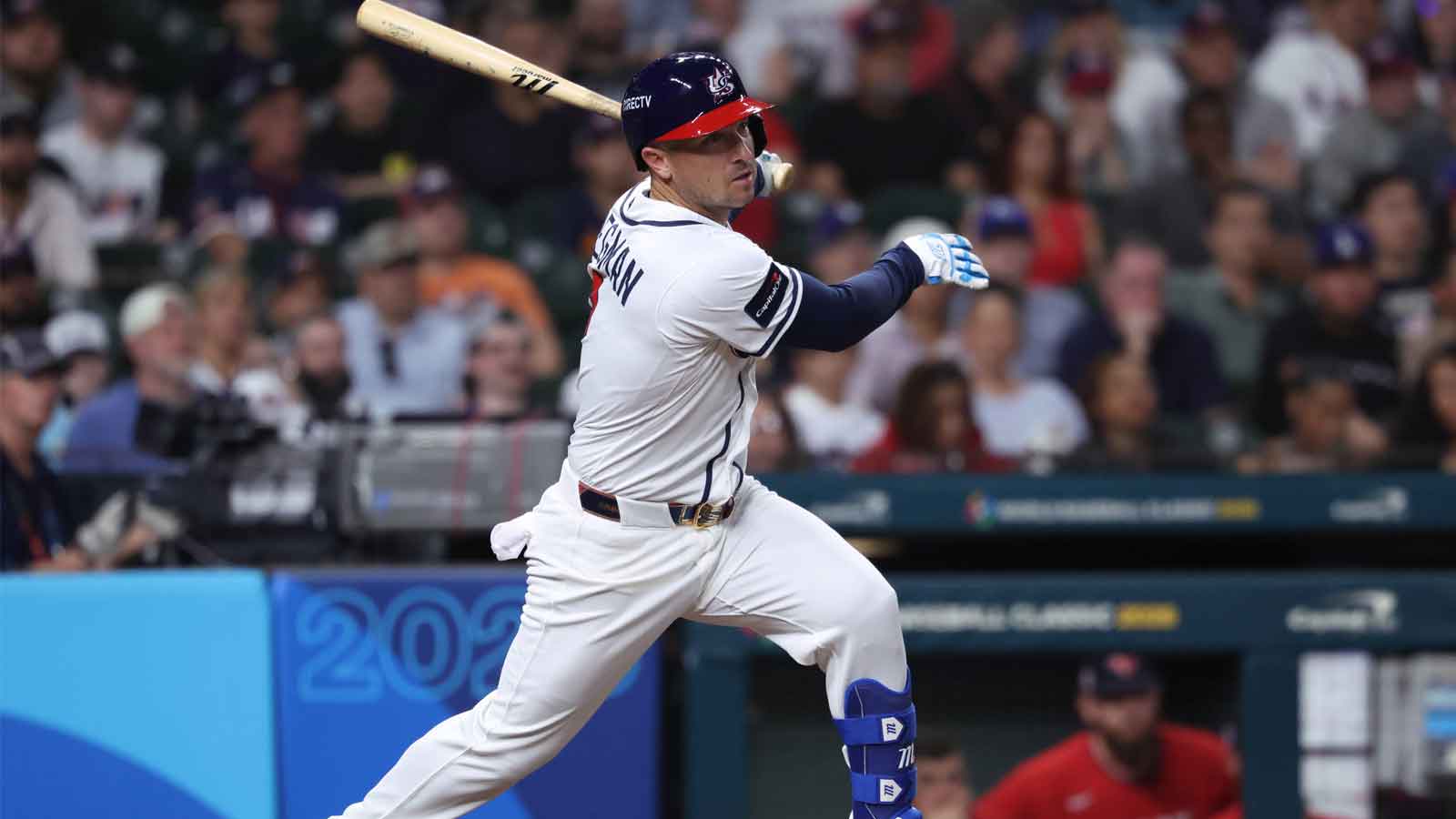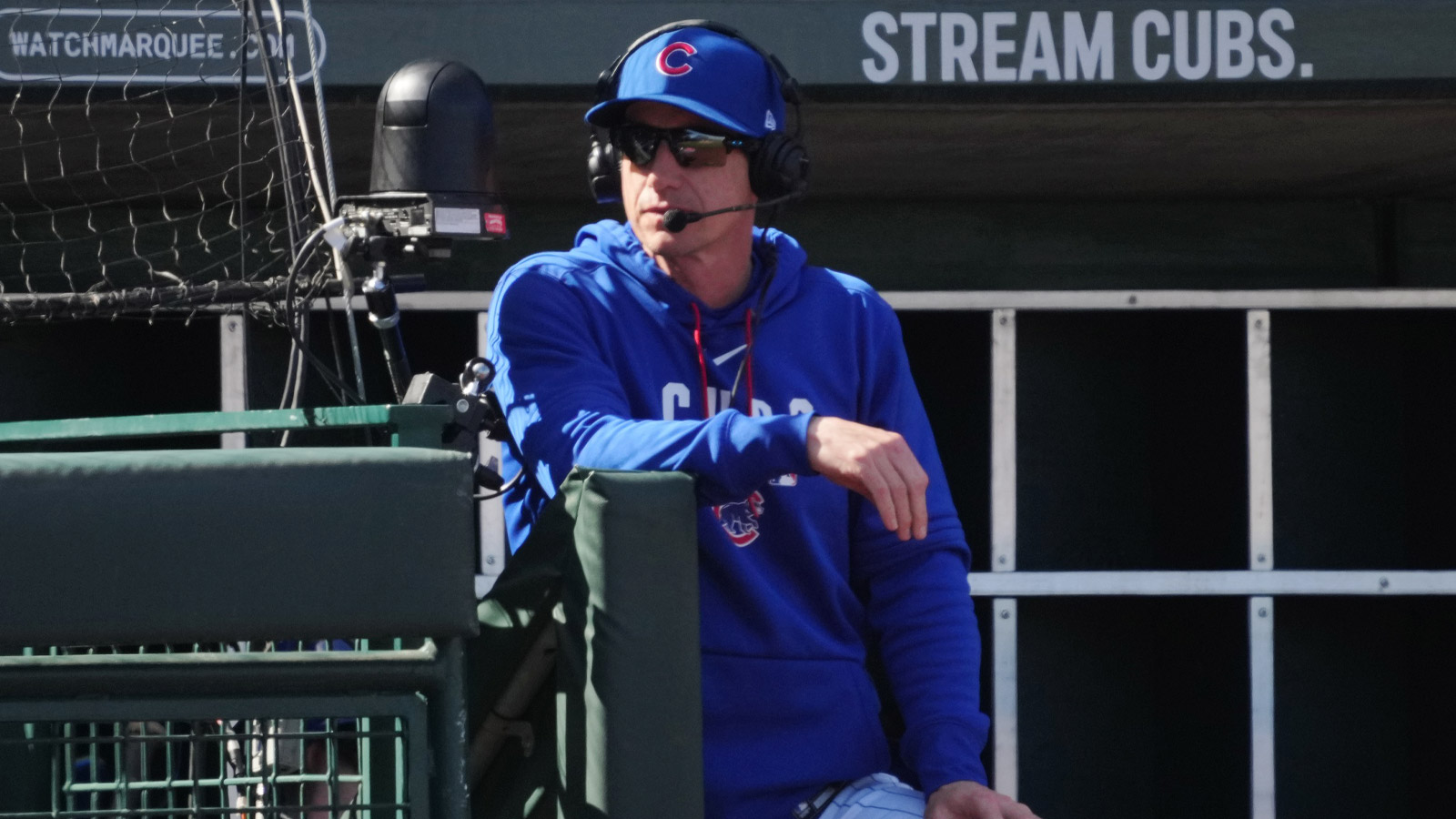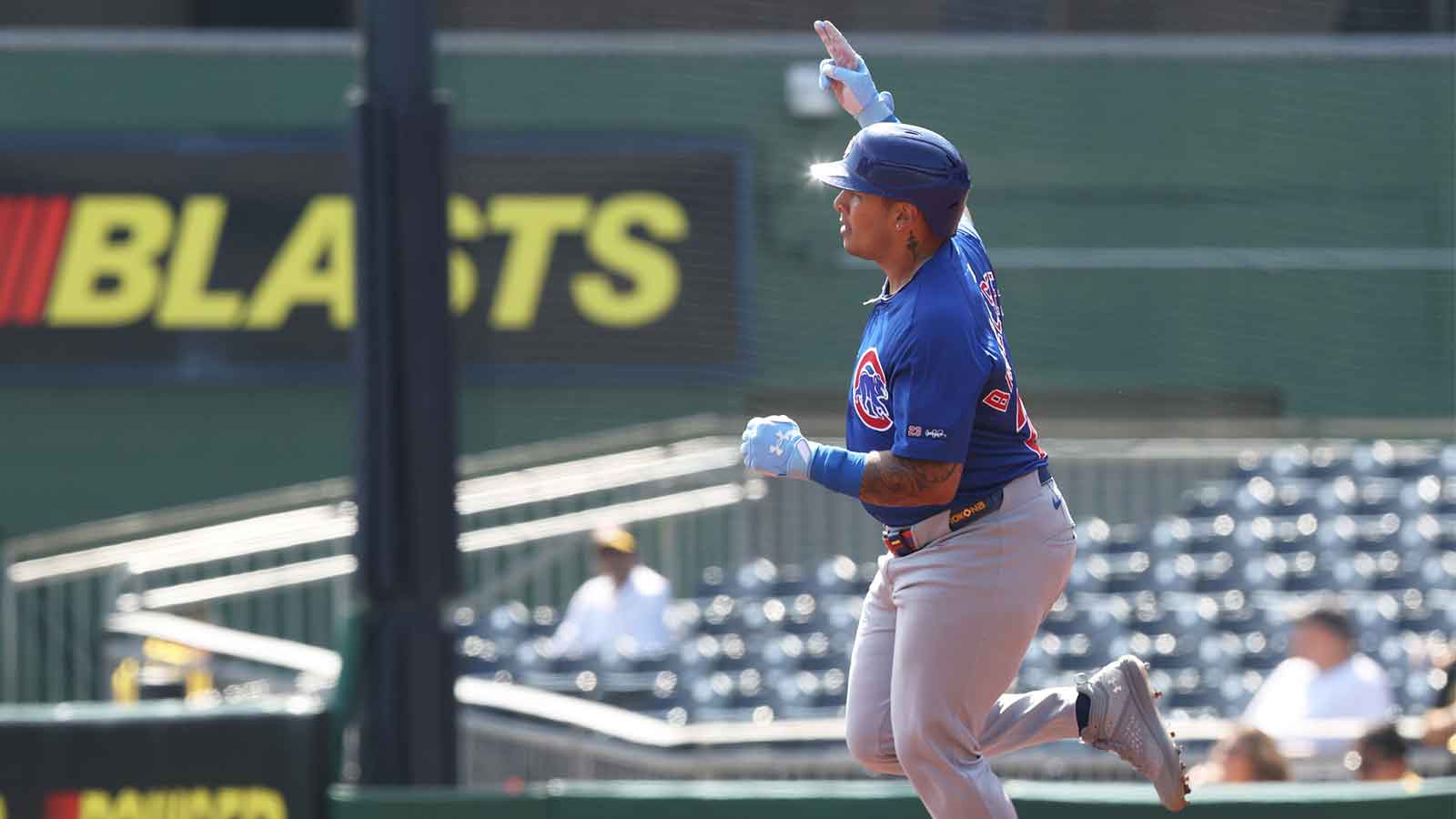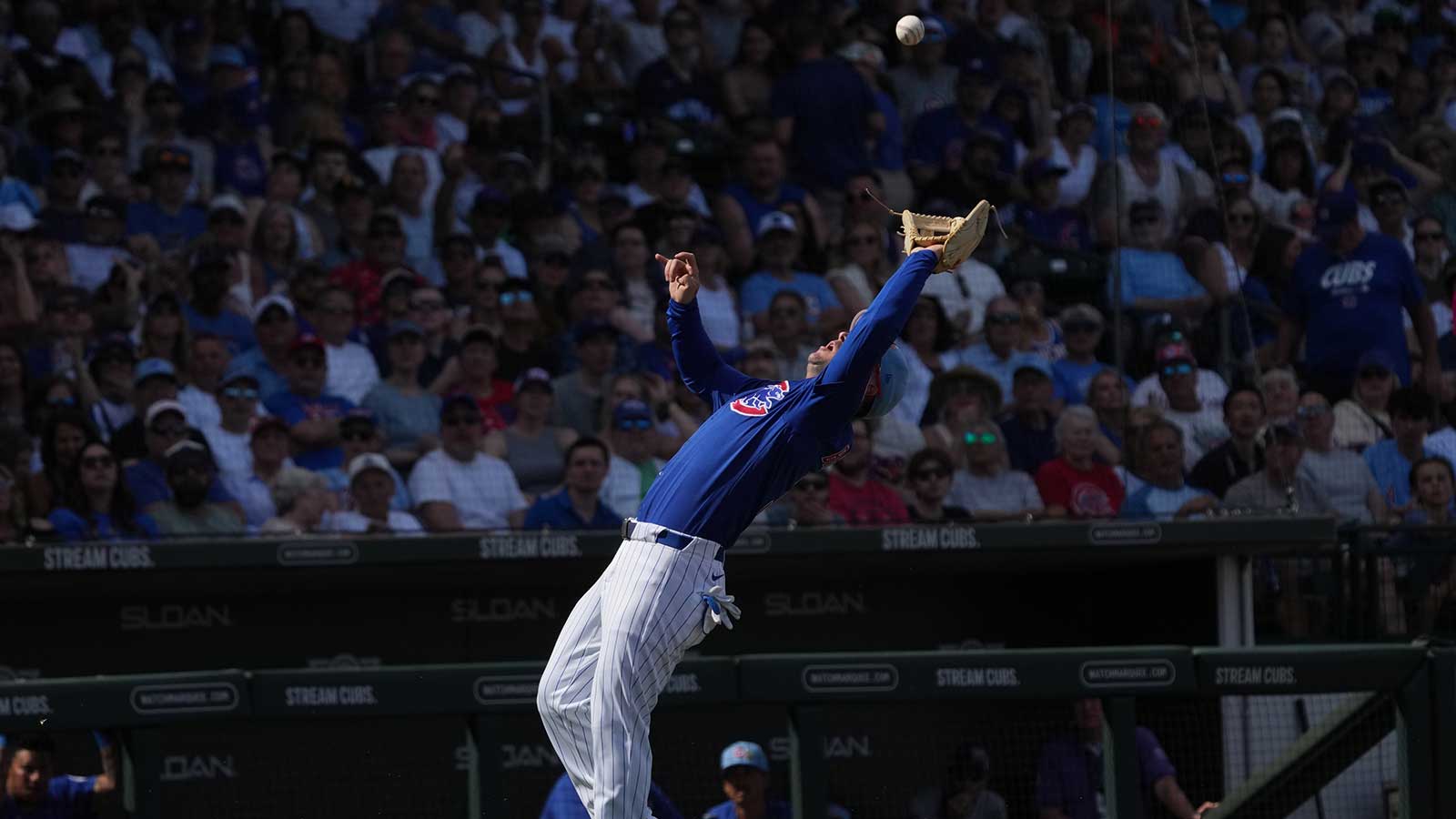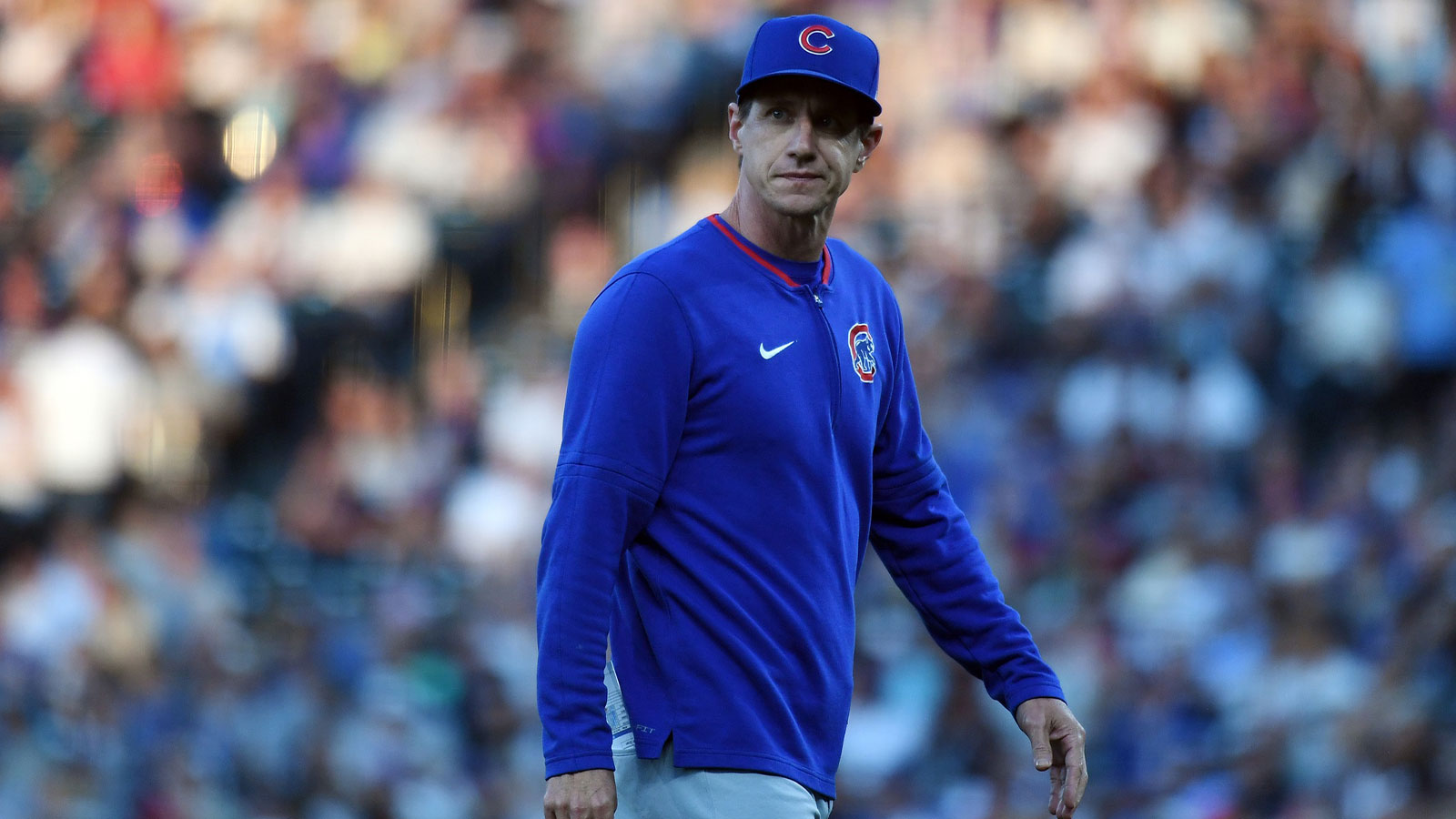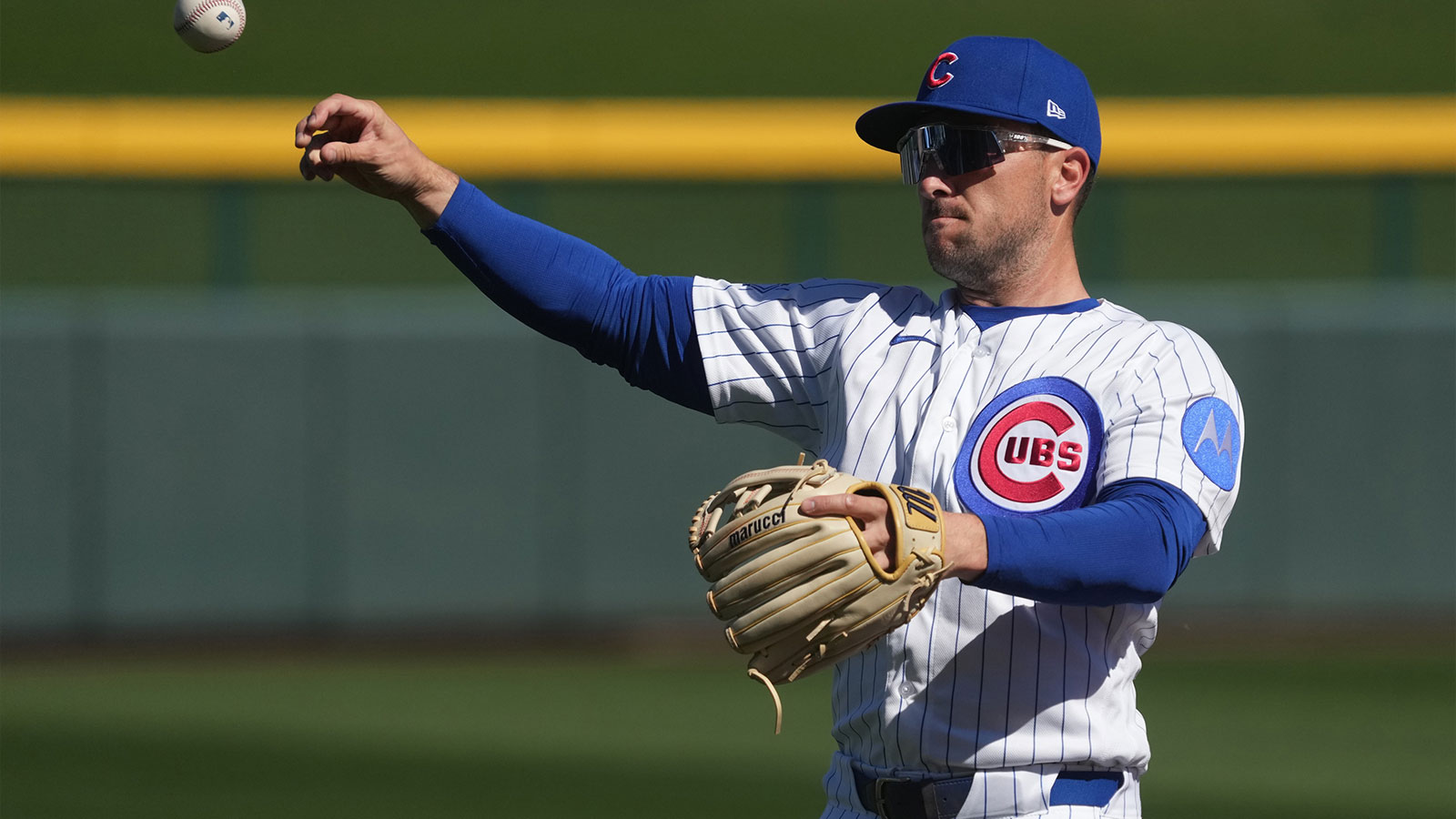
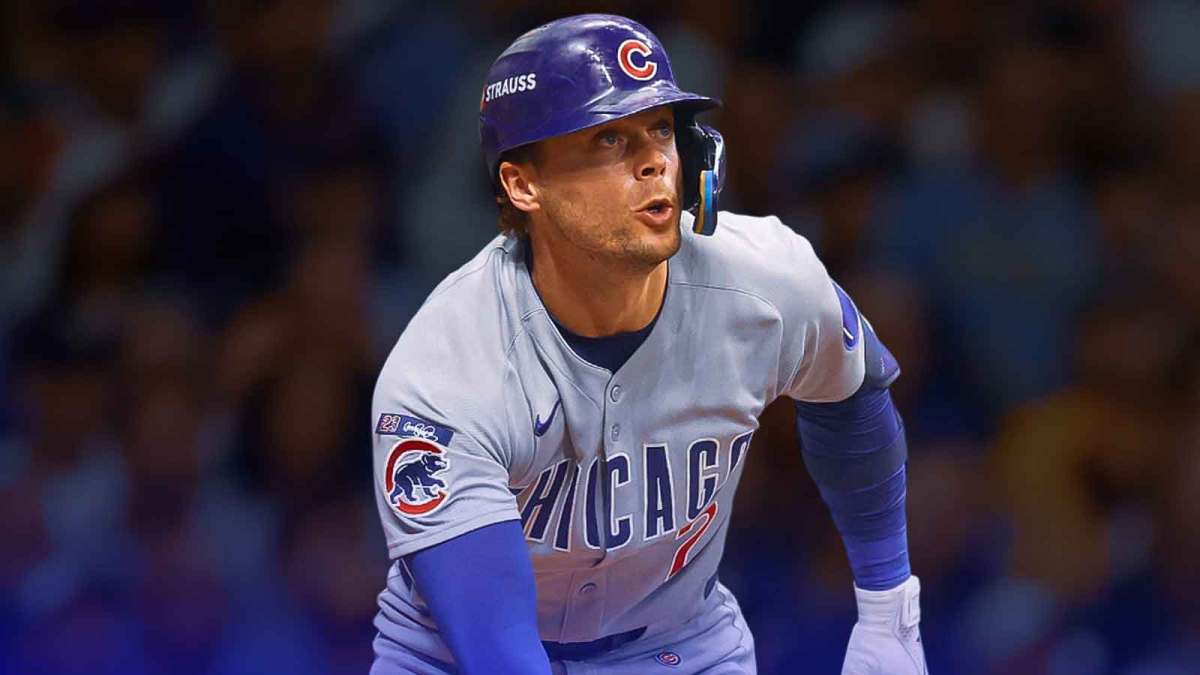
The Chicago Cubs made big news when they signed Alex Bregman to a five, year, $175 million contract, a move that was their most aggressive in years and one that clearly signals that they are ready to compete in the National League Central. However, even before Bregman's contract was officially signed, the Cubs were already dealing with a roster logjam that required them to take immediate action. The solution is straightforward, but difficult: Nico Hoerner has to be traded before spring training.
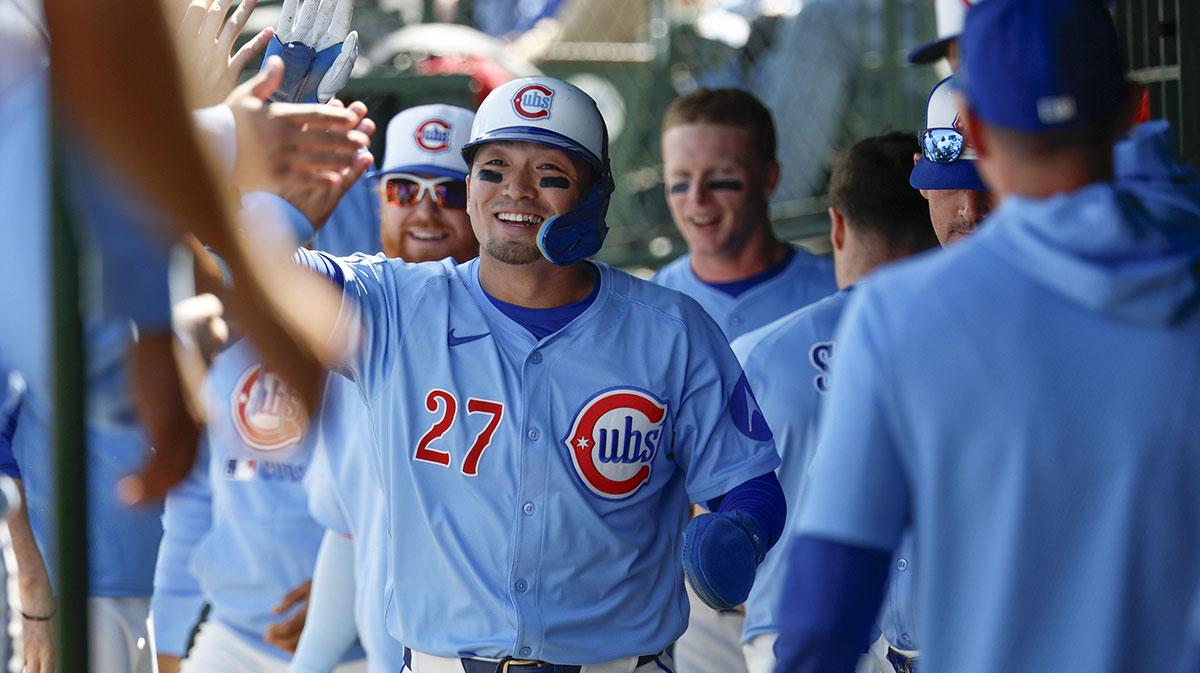
It's not a question of skill; Hoerner just finished what may have been the best season of his career, earning his second Gold Glove while hitting .297/.345/.394 with 29 stolen bases and a pitiful 7.6% strikeout rate in 2025.
Every contender longs for a middle infielder who is contact-oriented and defensively superior. However, the Cubs' decision to devote significant resources to Bregman has led to an uncomfortable reality: Hoerner is now the most sensible trade chip, with Matt Shaw in the wings and a luxury tax threshold looming at $244 million.
Why the Cubs Must Act Now
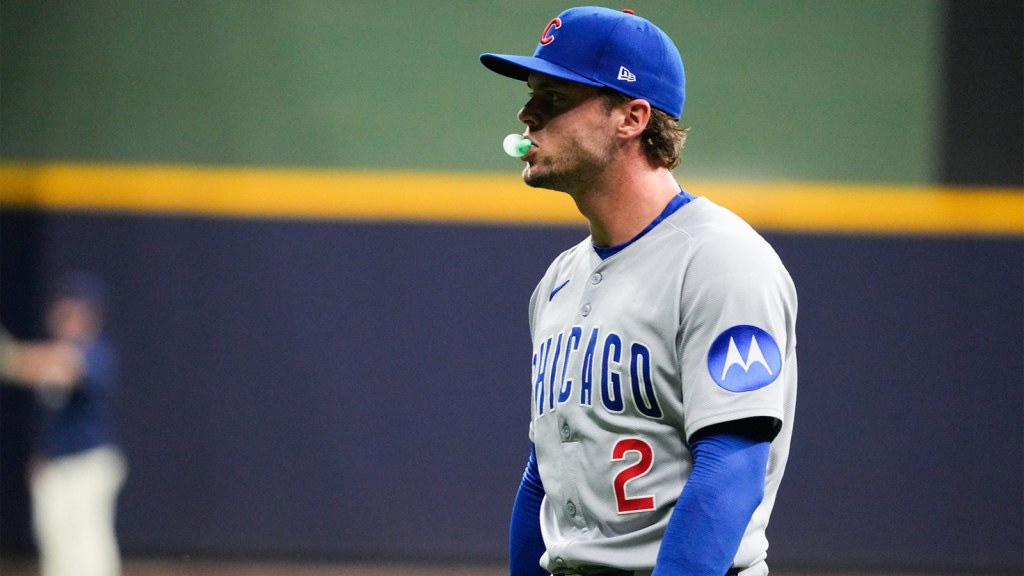
It is impossible to avoid the financial math. At just under $243 million, Chicago's payroll is perilously close to the first luxury tax threshold. The Cubs are still treading carefully even though they allegedly postponed $70 million of Bregman's contract to lessen the immediate burden. In addition to being a luxury they cannot afford, Hoerner's $12 million salary for 2026—his last year before free agency—represents an opportunity they cannot pass up.
More significantly, Hoerner's retention is no longer supported by the organizational depth chart. Shaw, the 13th overall pick in the 2023 draft and the team's 2024 Southern League MVP, needs daily at-bats to keep improving. Shaw's natural landing spot is second base, which is exactly where Hoerner has flourished, with Dansby Swanson solidified at shortstop and Bregman locked in at third base. Trading Hoerner now maximizes his value while clearing a path for Shaw to become the cornerstone middle infielder the Cubs envisioned when they drafted him.
Additionally, the Cubs cannot afford to let Hoerner walk for nothing in free agency next winter. Although they could extend him, doing so would require a multi-year commitment of at least $18 million per year, which would further complicate their payroll situation and possibly prevent Shaw from signing a contract for an indefinite period of time.
The Perfect Trade Partner
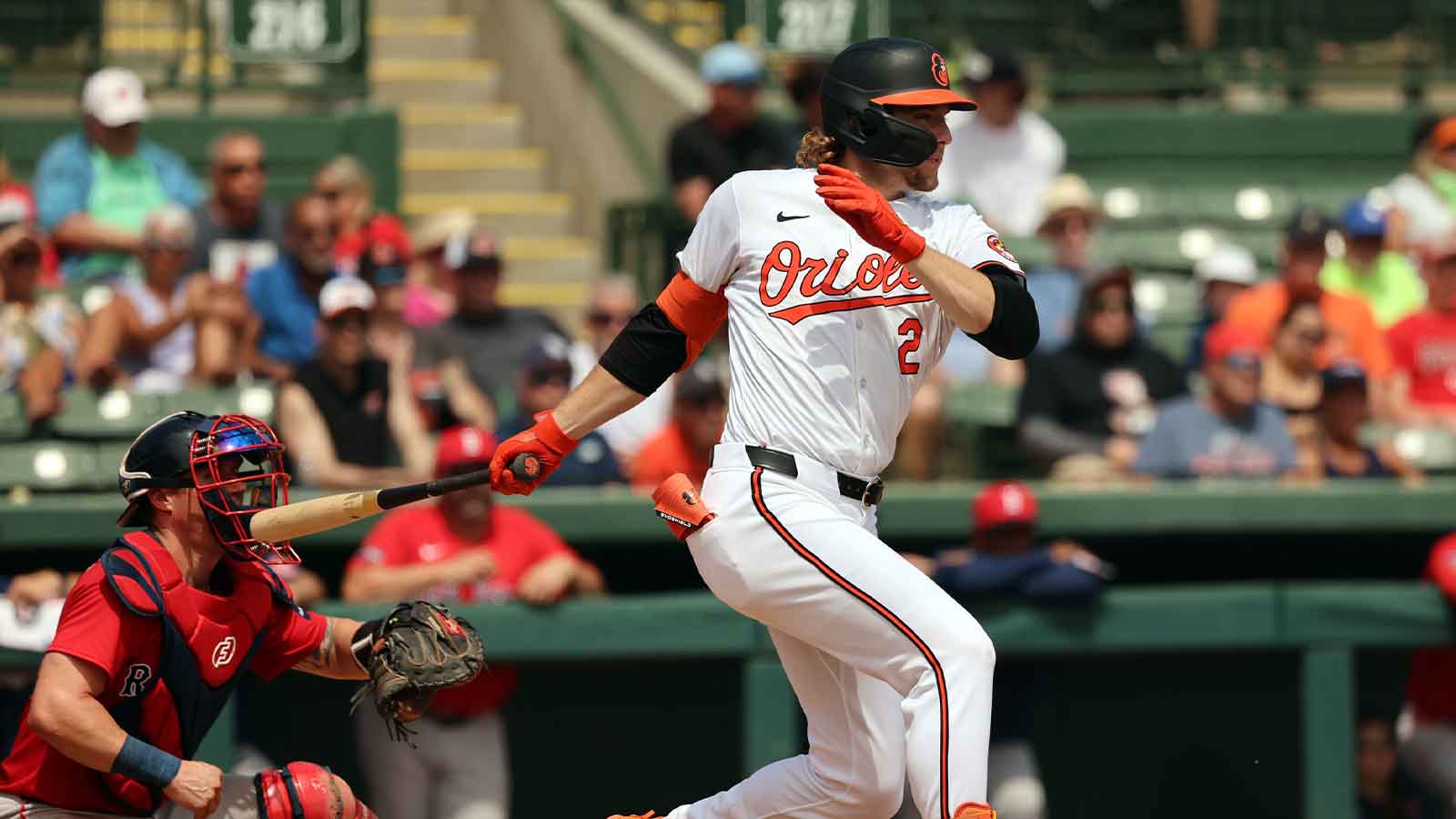
The New York Yankees are Chicago's perfect trade partner and a team in dire need of middle infield stability. The Yankees have been wanting to find a right-handed contact hitter, and Hoerner fits the bill. Anthony Volpe, who was once thought to be the Yankees' shortstop of the future, has had an OPS below .670 for three straight seasons and will be out until at least May 2026 due to shoulder surgery.
Hoerner's superior defense, outstanding contact skills, and base-running prowess are exactly what the Yankees need. Volpe's youth, team control (three more years of arbitration), and unrealized potential are what the Cubs need. Volpe, who is only 24 years old, averaged 20 home runs and 68 stolen bases in his first three Major League Baseball seasons despite his difficulties. The talent that made him the 30th overall pick in 2019 might be unlocked by a change of scenery.
Here's the deal that makes sense for both sides:
Cubs receive:
- SS Anthony Volpe
- RHP Chase Hampton
Yankees receive:
- 2B Nico Hoerner
Both clubs' immediate needs are met by this trade. The Yankees acquire a seasoned veteran who can play shortstop or second base, giving their lineup the consistency and contact-oriented style they sorely lack. While Hampton provides much-needed pitching depth to a farm system that has been depleted by recent trades, Volpe offers the Cubs a cheap reclamation project that might flourish in a new setting.
Trading Hoerner won't sit well with Cubs fans who've seen him grow into a two, time Gold Glove winner and a fan favorite. Still, the franchise's focus on Bregman and Shaw makes it necessary to take some tough steps. Giving up Hoerner nowat his peak value, to a trade partner who is eagerwill allow the Cubs to get their financials in order, free up the playing time for their top prospect, and get controllable assets that match their competitive window.
The time is running out. There are just a few weeks left until spring training, and this roster congestion definitely isn't going to clear itself. Chicago needs to act quickly and make the trade that will set them up for both 2026 and the future.