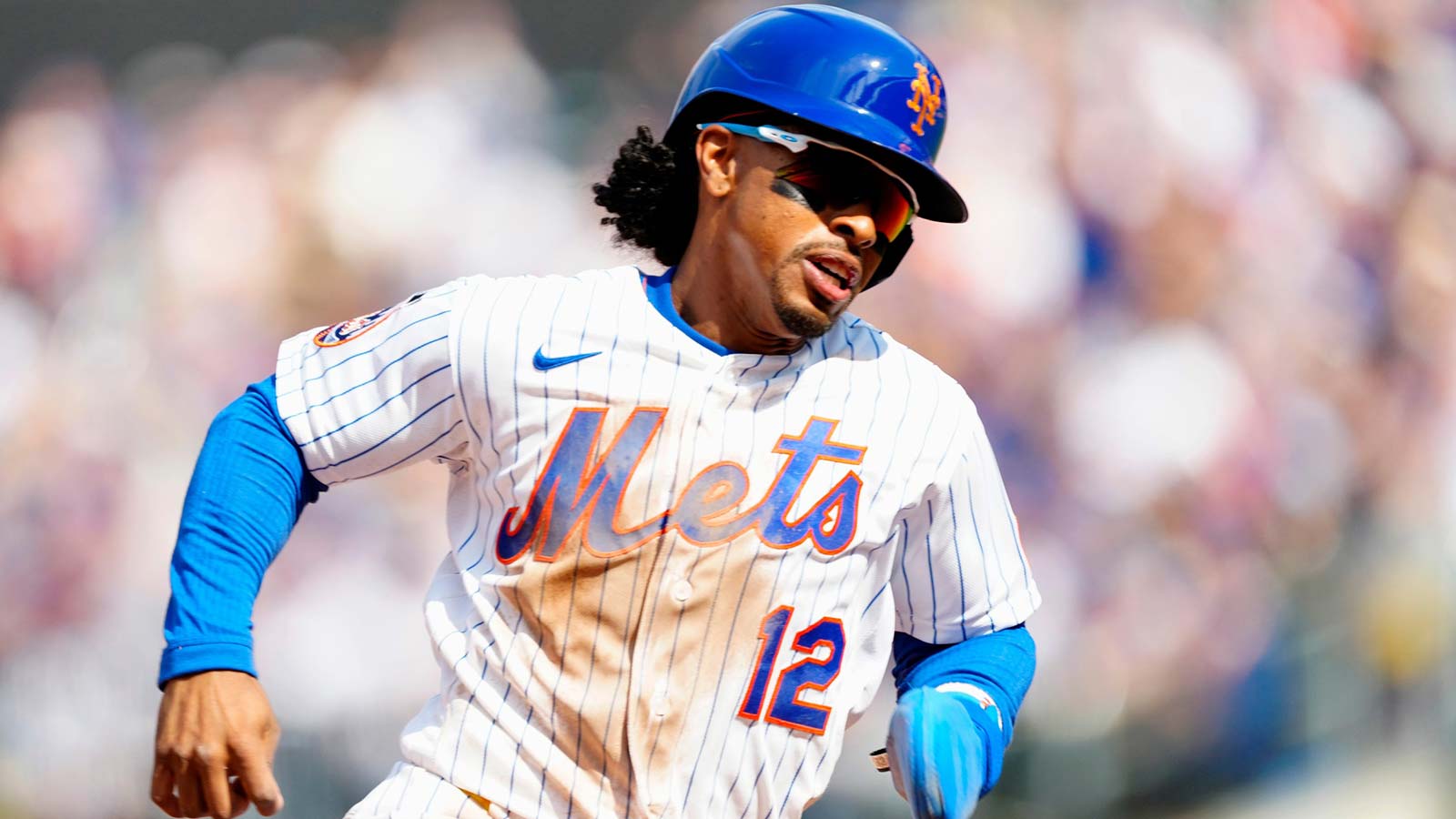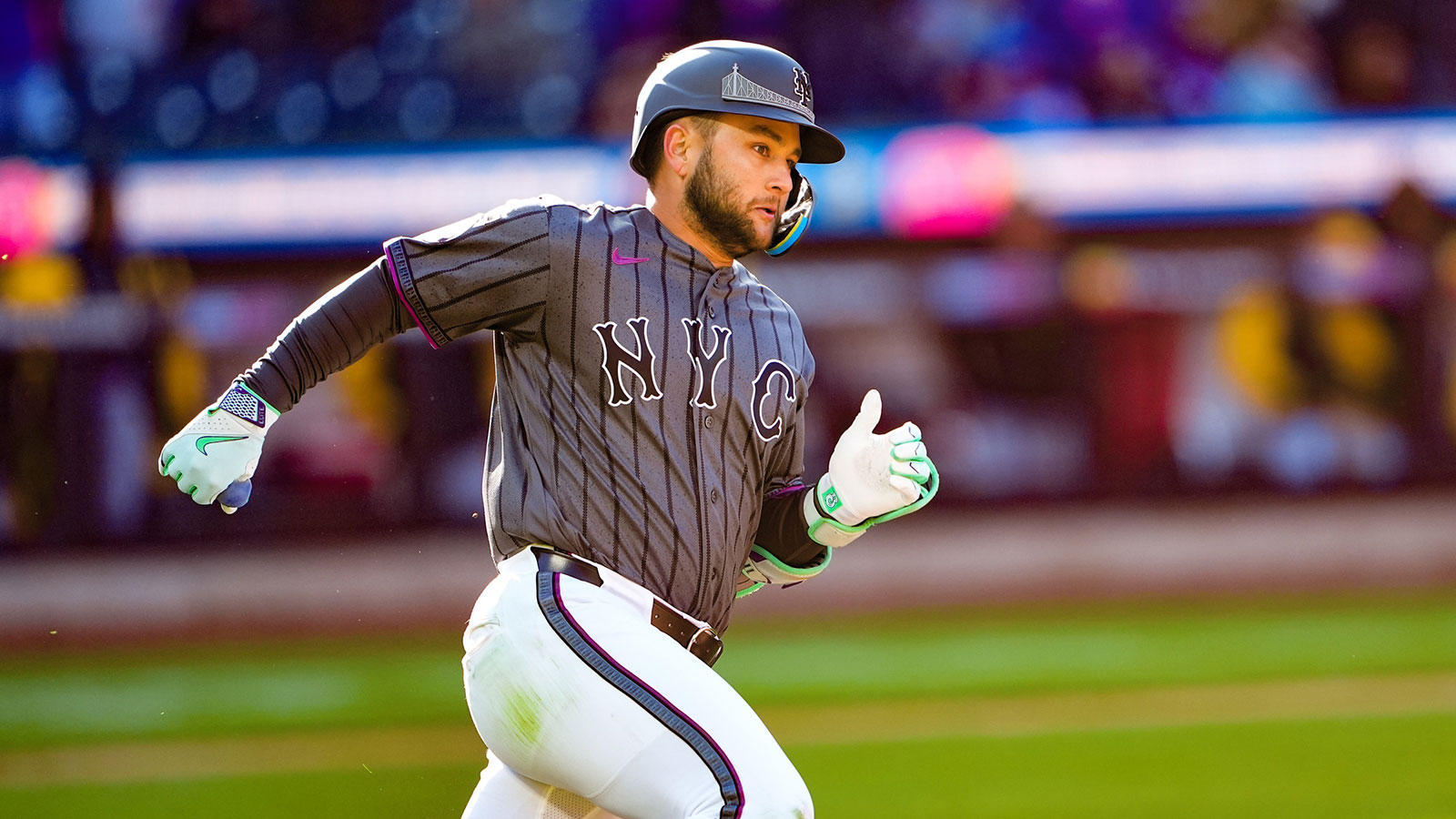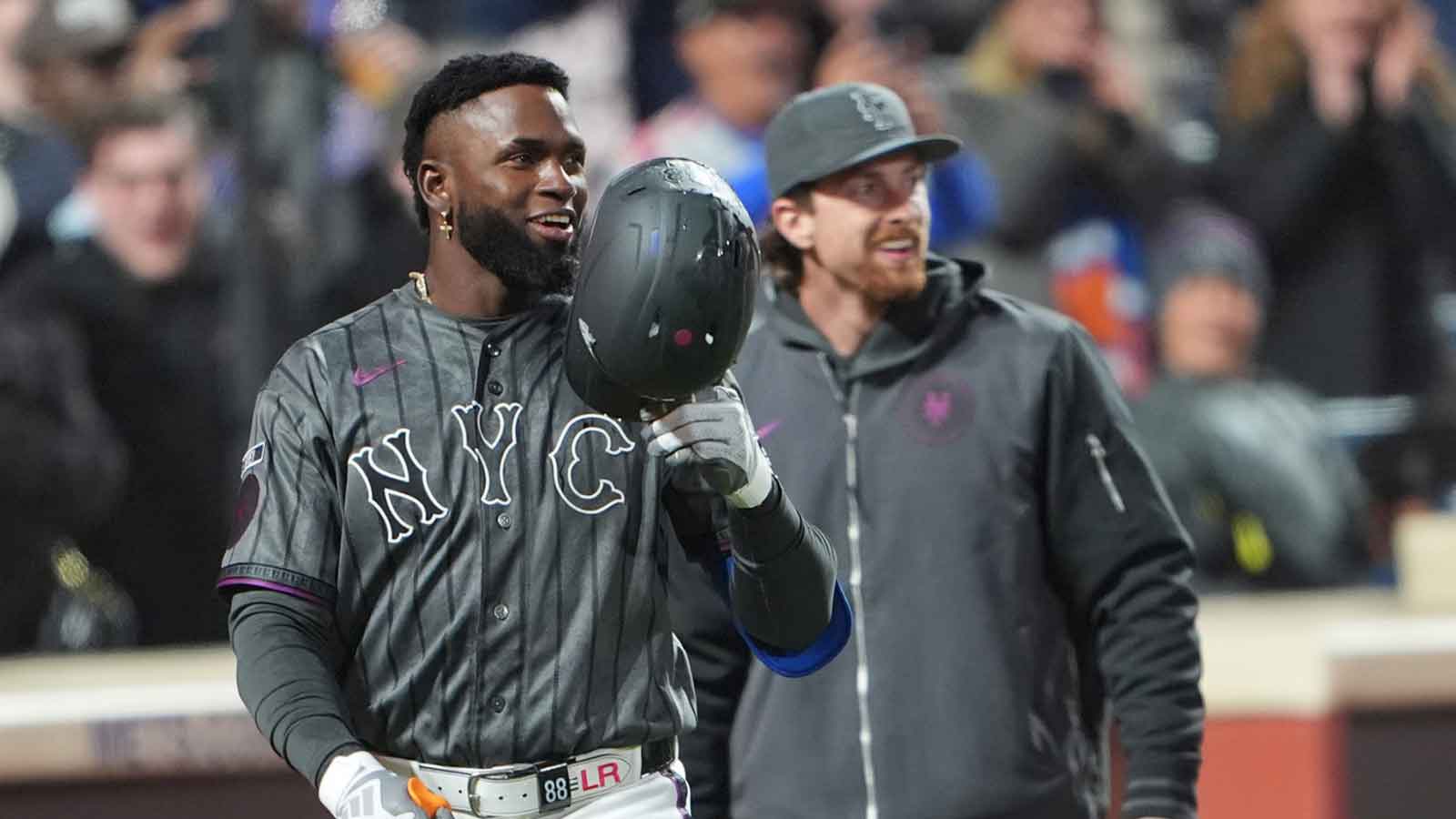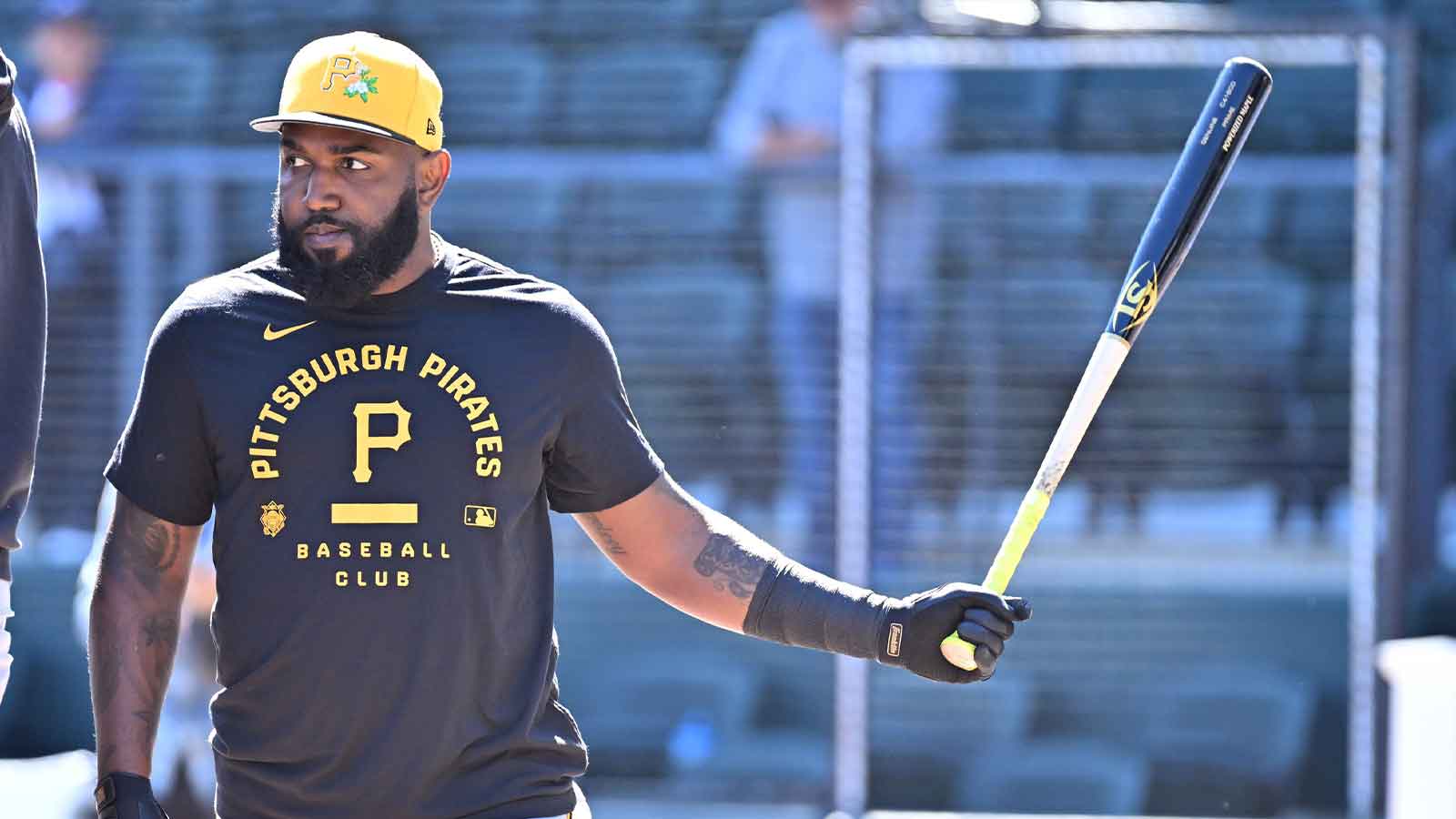
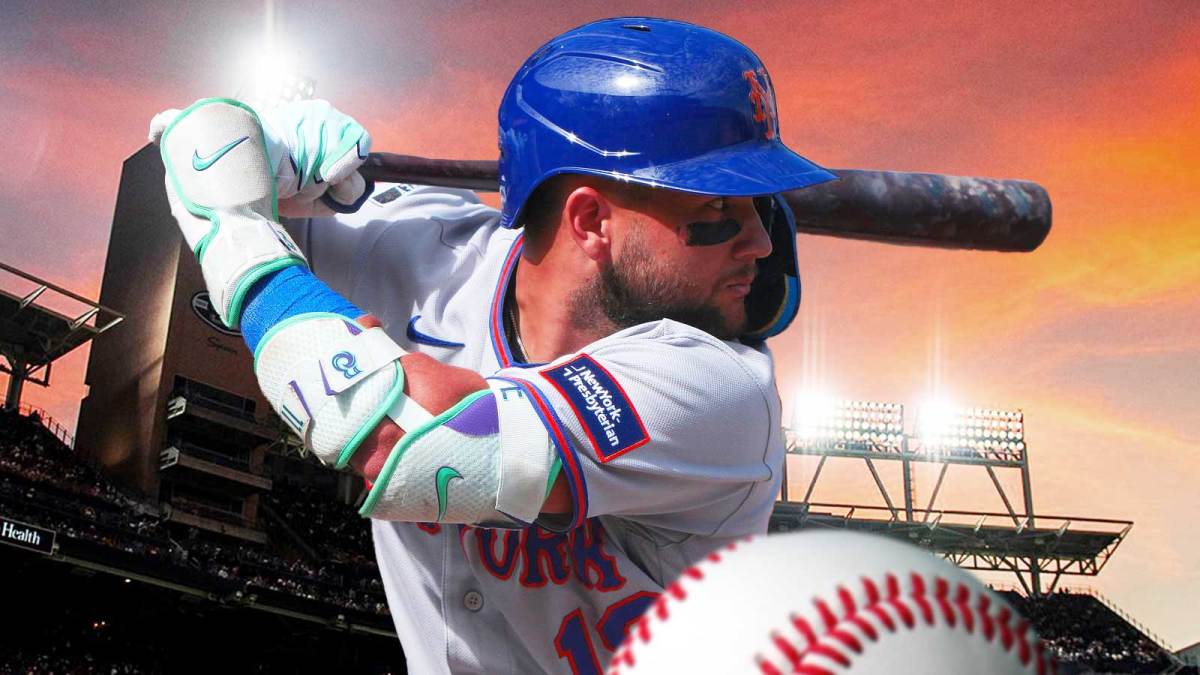
The ink on Bo Bichette’s three-year, $126 million contract with the New York Mets is barely dry, but the panic in Queens is already palpable.
Welcome to New York, Bo.
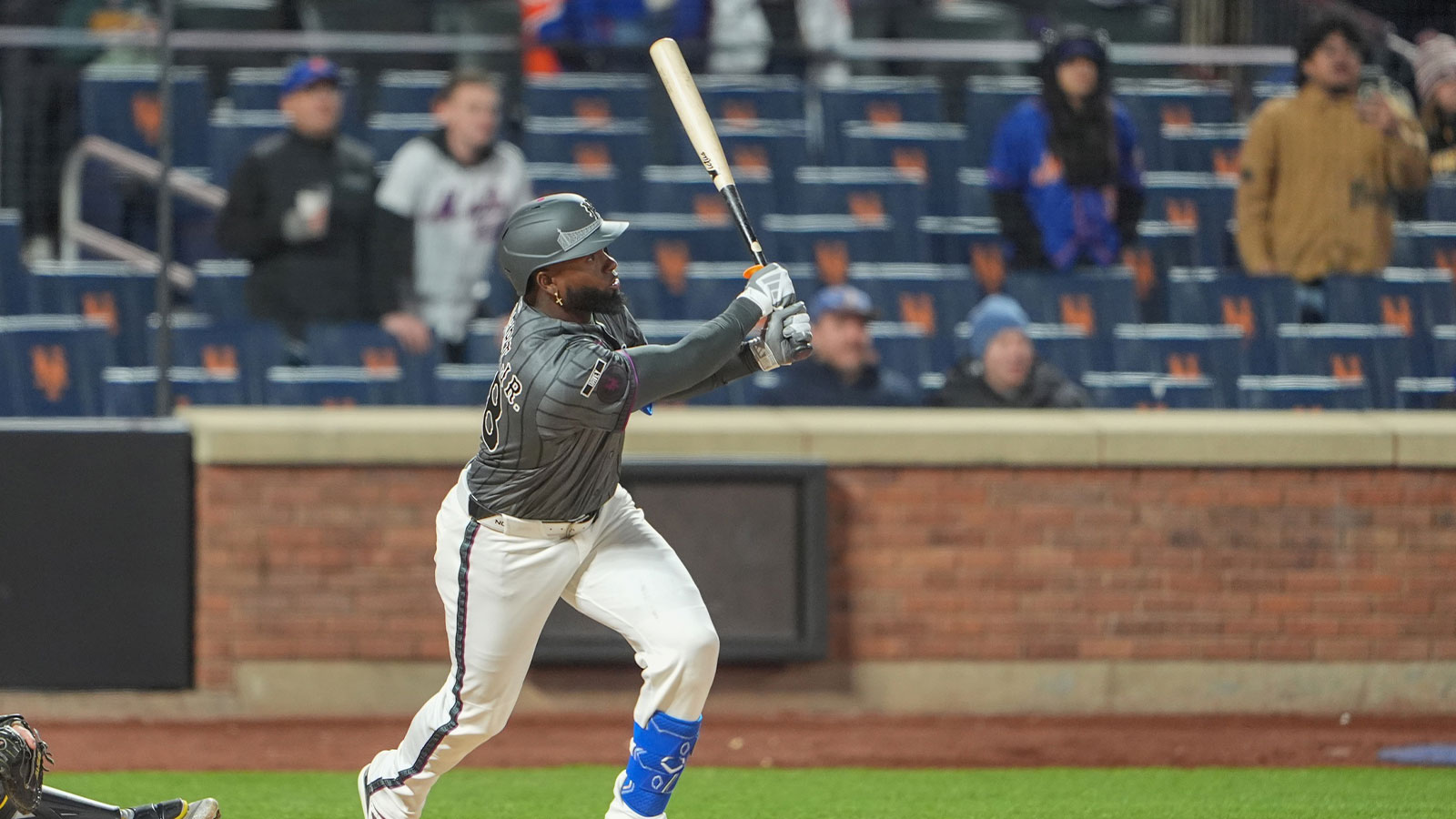
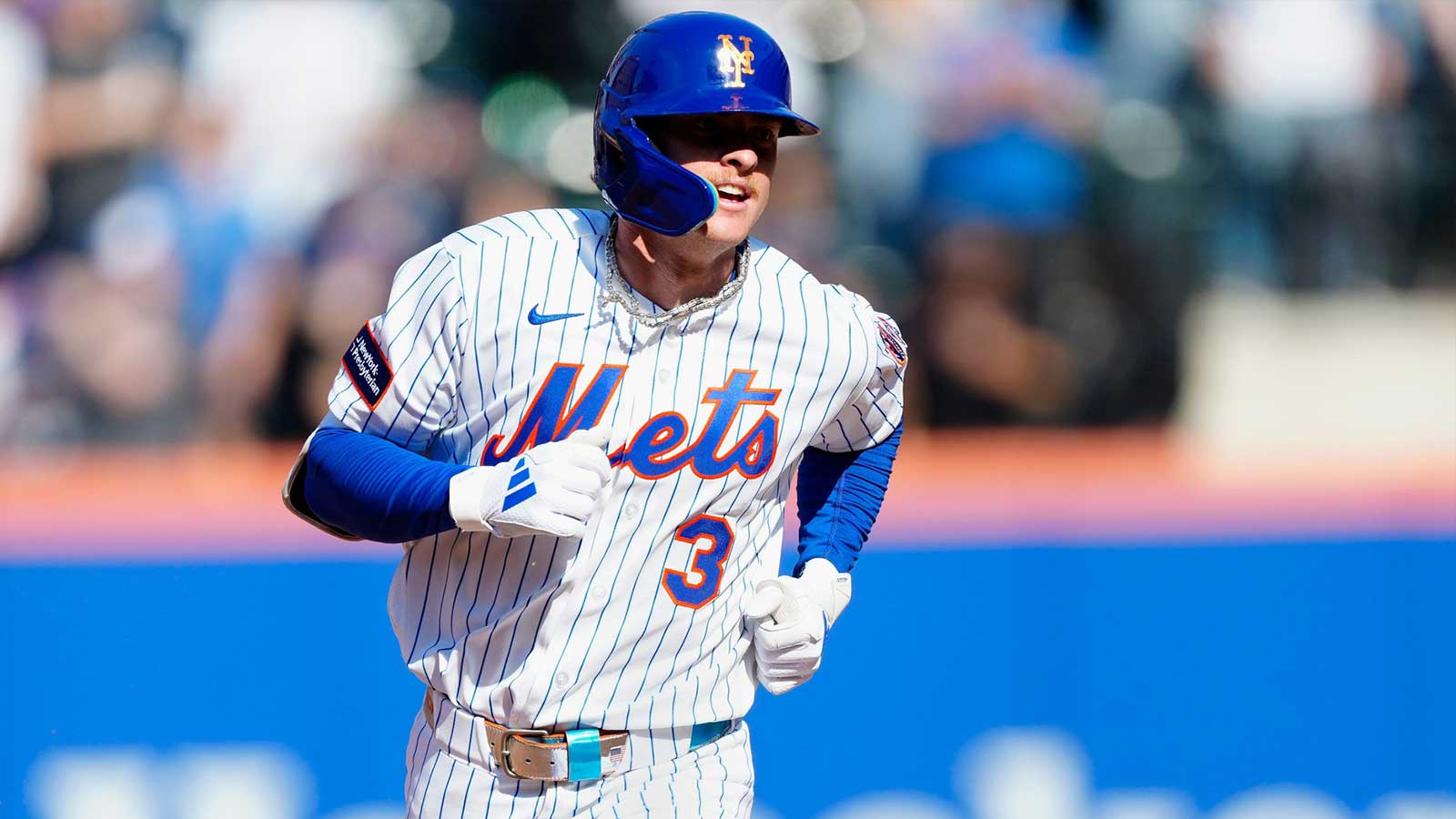
The two-time All-Star and the Mets fans didn't expect this start when he turned down the Phillies to sign a huge deal worth an average of $42 million a year. Bichette is hitting just.200/.229/.244 with no home runs, only two walks, and 12 strikeouts in 45 at-bats in his first 10 games of the 2026 season. When the New York Mets played the Pittsburgh Pirates at Citi Field, the home crowd didn't hold back their anger. They booed their new star player as he tried to get his timing right.
When a high-priced free agent starts off badly in a big market, the takes are sure to get very hot. Talk radio lines are full, and social media is full of doomsday predictions. But before we throw away the rest of his contract, we need to take a step back, look at the numbers behind it, and add some logical baseball analysis to the conversation.
Here are two massive early-season overreactions to Bo Bichette’s sluggish start, and why everyone needs to take a deep breath.
The move to third base has broken Bo Bichette's offensive mechanics
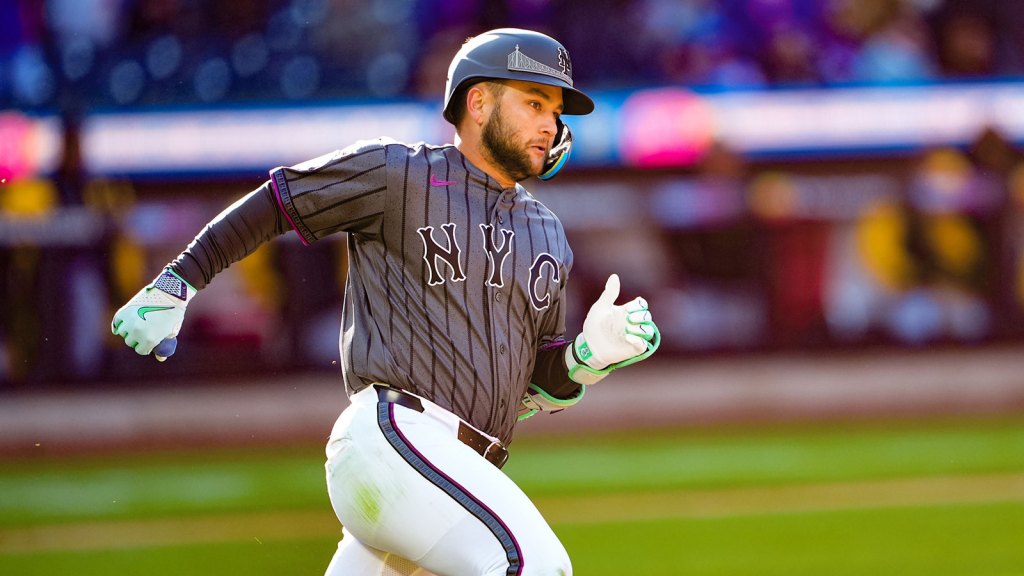
The Mets made it clear when they signed Bichette in January that he would be moving from shortstop to third base. He had been playing shortstop for seven seasons in Toronto. Of course, when a player struggles to score while switching to a defensive position, analysts and fans are quick to connect the two. The story writes itself: Learning the hot corner is too mentally taxing, and he is taking his defensive anxieties into the batter's box.
Stop it. This is a classic case of conflating correlation with causation.
Bichette’s defensive metrics early on suggest he is adapting nicely to third base. More importantly, a quick look under the hood at his offensive peripherals tells a story of bad luck and pressing, rather than broken mechanics. Historically, Bichette is a notorious fast-bat, high-contact hitter who puts the ball in play at an elite rate. Right now, his chase rate is slightly elevated, a hallmark of a newly minted free agent trying too hard to justify a massive paycheck in front of a demanding fan base. He is expanding the zone in two-strike counts, resulting in a 25.0% strikeout rate that sits significantly higher than his career average.
Furthermore, we are dealing with the notoriously fickle beast of early-April baseball. Cold-weather games suppress offense across the board, and Bichette’s BABIP is currently hovering around the Mendoza line. He is still generating solid exit velocities, but he's hitting the ball right at defenders. A 45 at-bat sample size is a drop in the 162-game bucket. Once the weather warms up and the pressure of his first Citi Field homestand subsides, his elite bat-to-ball skills will normalize. His swing isn't broken, his luck is just currently in a freeze.
The early boos guarantee he will opt out and leave next winter
The most exhausting narrative surrounding Bichette's early slump is the contractual doomsday scenario. Because Bichette negotiated opt-outs after the 2026 and 2027 seasons (plus a $5 million bonus if he triggers the first one), cynical fans are already convinced that the opening-week boos have alienated him. The theory suggests that he is mentally checked out and will inevitably opt out of his deal this November to escape the toxic glare of the New York media.
Let's look at the financial reality. If Bichette continues to hit .200 with a sub-.500 OPS, he isn't opting out of anything. A player only triggers an opt-out clause if they have drastically outperformed their current AAV and can command more guaranteed money on the open market. If Bichette opts out next winter, it means he caught fire, carried the Mets' offense, and put up MVP-caliber numbers for the remainder of 2026. If he plays poorly, he is absolutely opting in to secure his remaining $84 million. In short, Mets fans should want him to play well enough to consider opting out.
Bichette knew exactly what he was signing up for. He had a seven-year, $200 million offer from Philadelphia on the table. Still, he chose a shorter, high-AAV deal with the Mets because he wanted the immediate pressure and the opportunity to prove himself on the biggest stage alongside Francisco Lindor and Juan Soto. He is a fierce competitor who grew up around the game. A smattering of boos in March and April won’t send him running for the hills. If anything, they will serve as fuel.
Baseball is a game of staggering length and endless adjustments. It is easy to fall victim to small-sample-size theater in early April. Yes, Bo Bichette’s first 10 games in a Mets uniform have been underwhelming. He knows it, the manager knows it, his teammates know it, and the fans certainly know it.
But writing an obituary for a 28-year-old superstar who has won multiple AL hit titles and has a career.293 average is just bad math. Give him a few weeks to get used to his new borough, and let his BABIP get back to normal. The panic button should stay behind protective glass until at least Memorial Day.