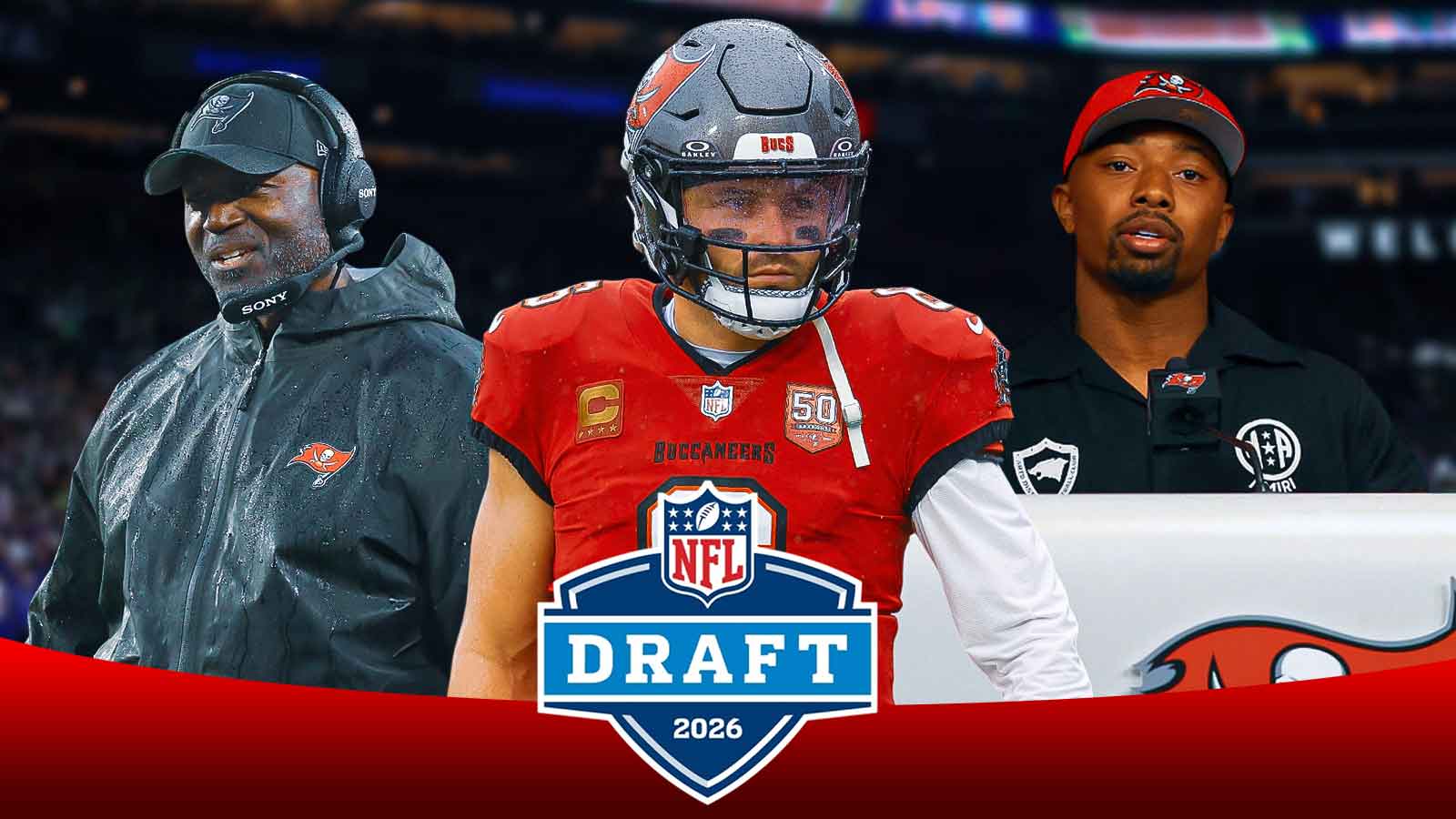
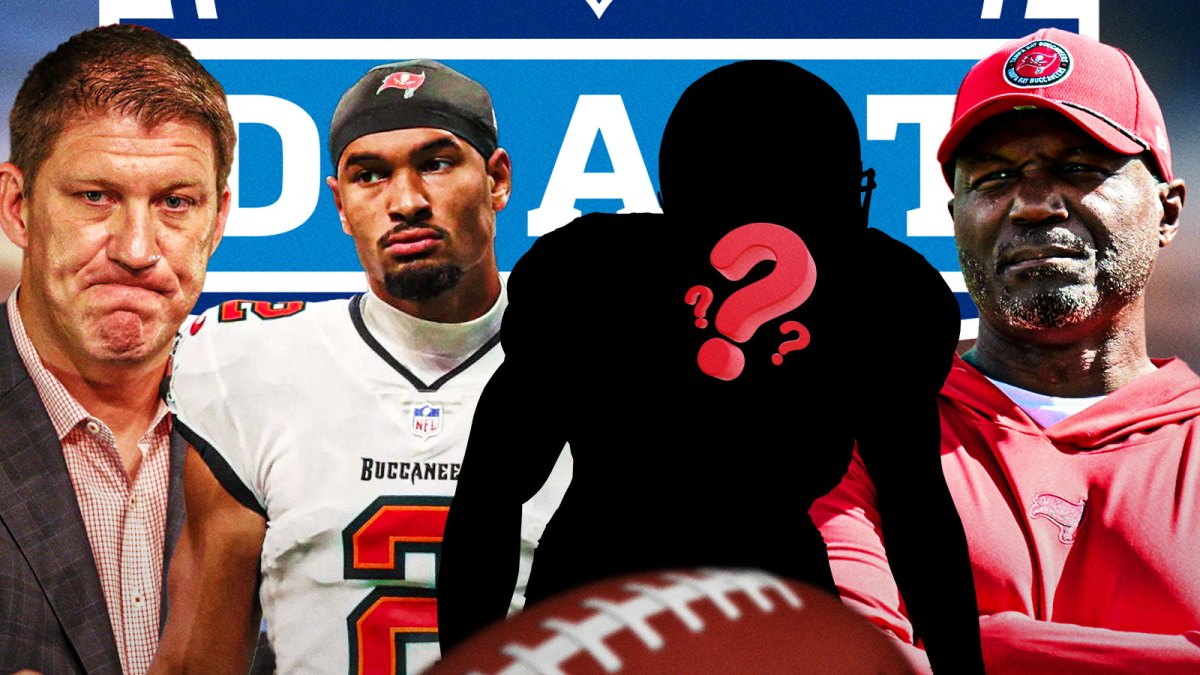
General Manager Jason Licht has always been a man who thrives on the “no risk, no biscuit” mantra. With that, the current landscape of the NFC South demands that same level of audacity. We have seen the Tampa Bay Buccaneers taste the ultimate glory and then grapple with the grueling reality of missing the playoffs. Now, the 2026 NFL Draft represents a chance to redefine the identity of the Pewter and Red. The fan base in Tampa is restless for another deep playoff run. The only way to facilitate that is through a move so unexpected that it shifts the power balance of the entire division.
Damage and repairs
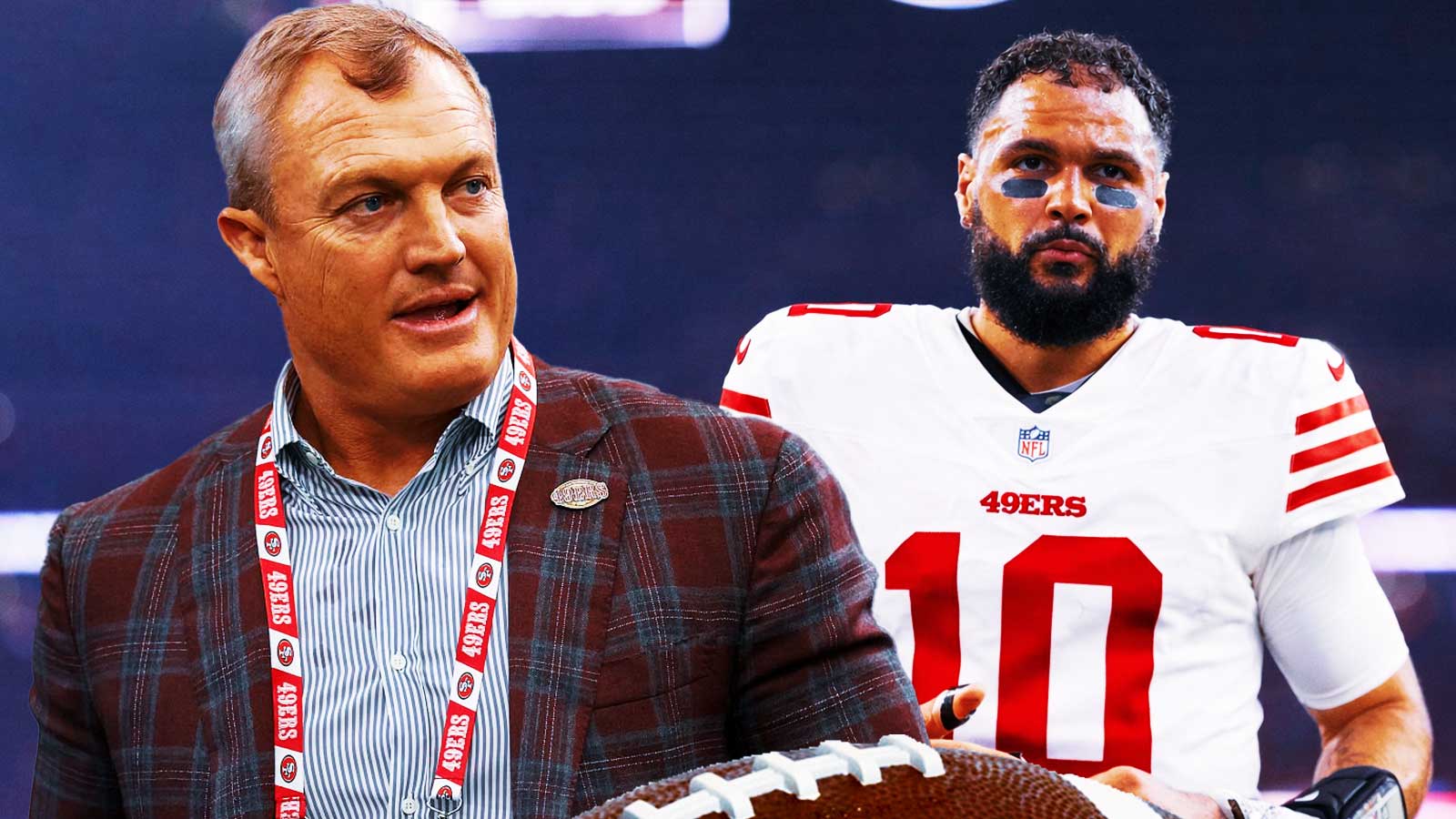
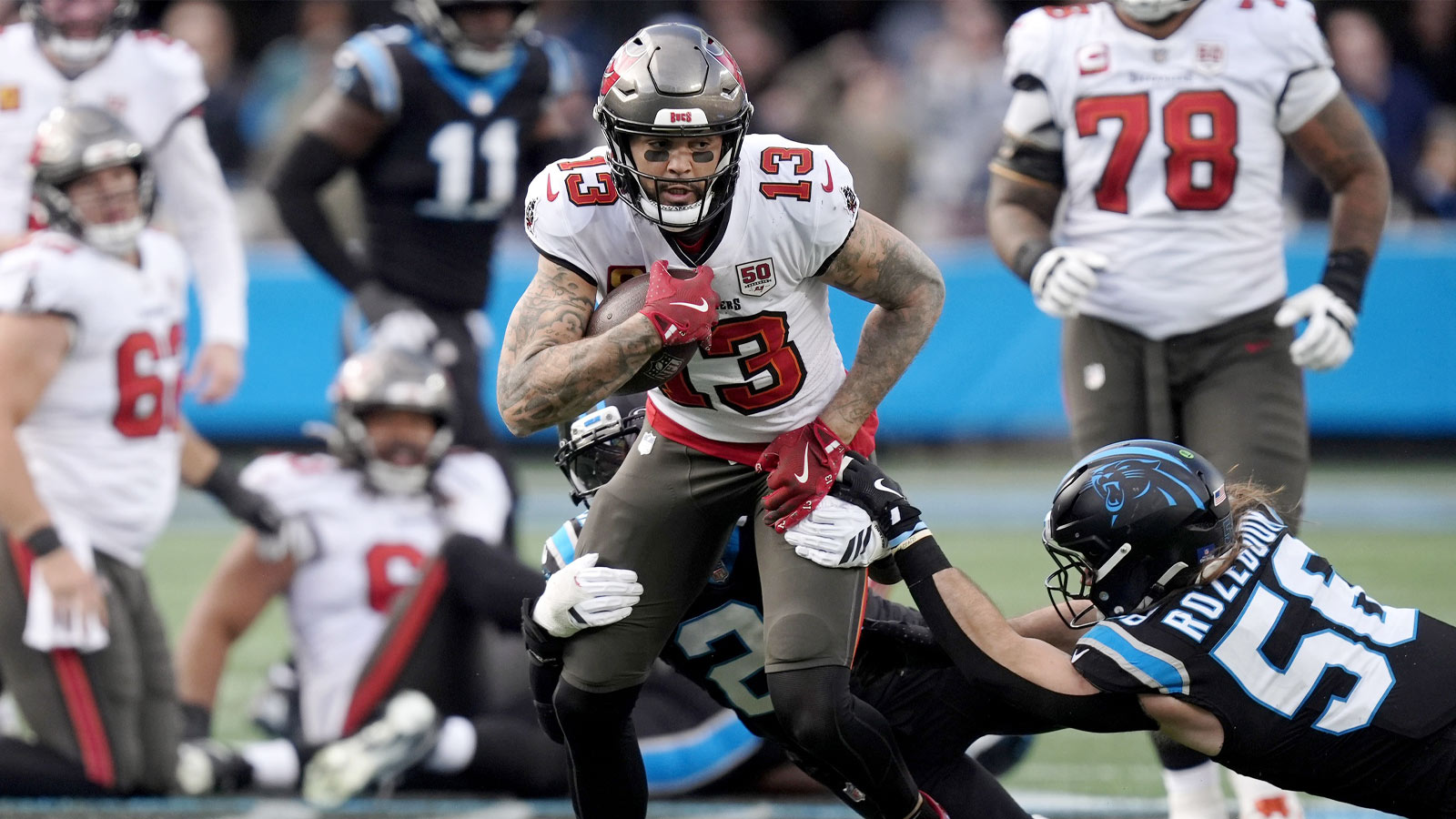
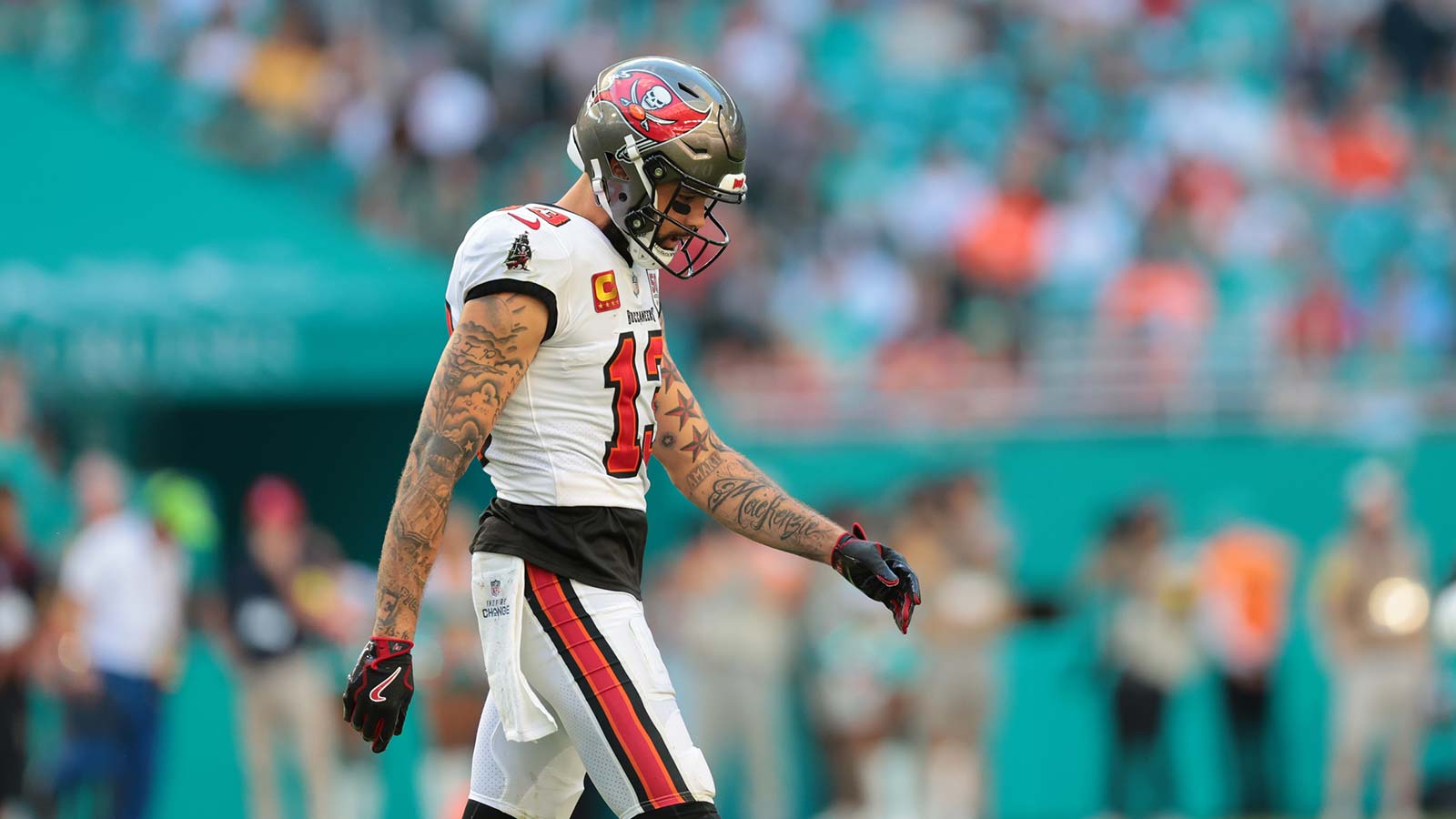
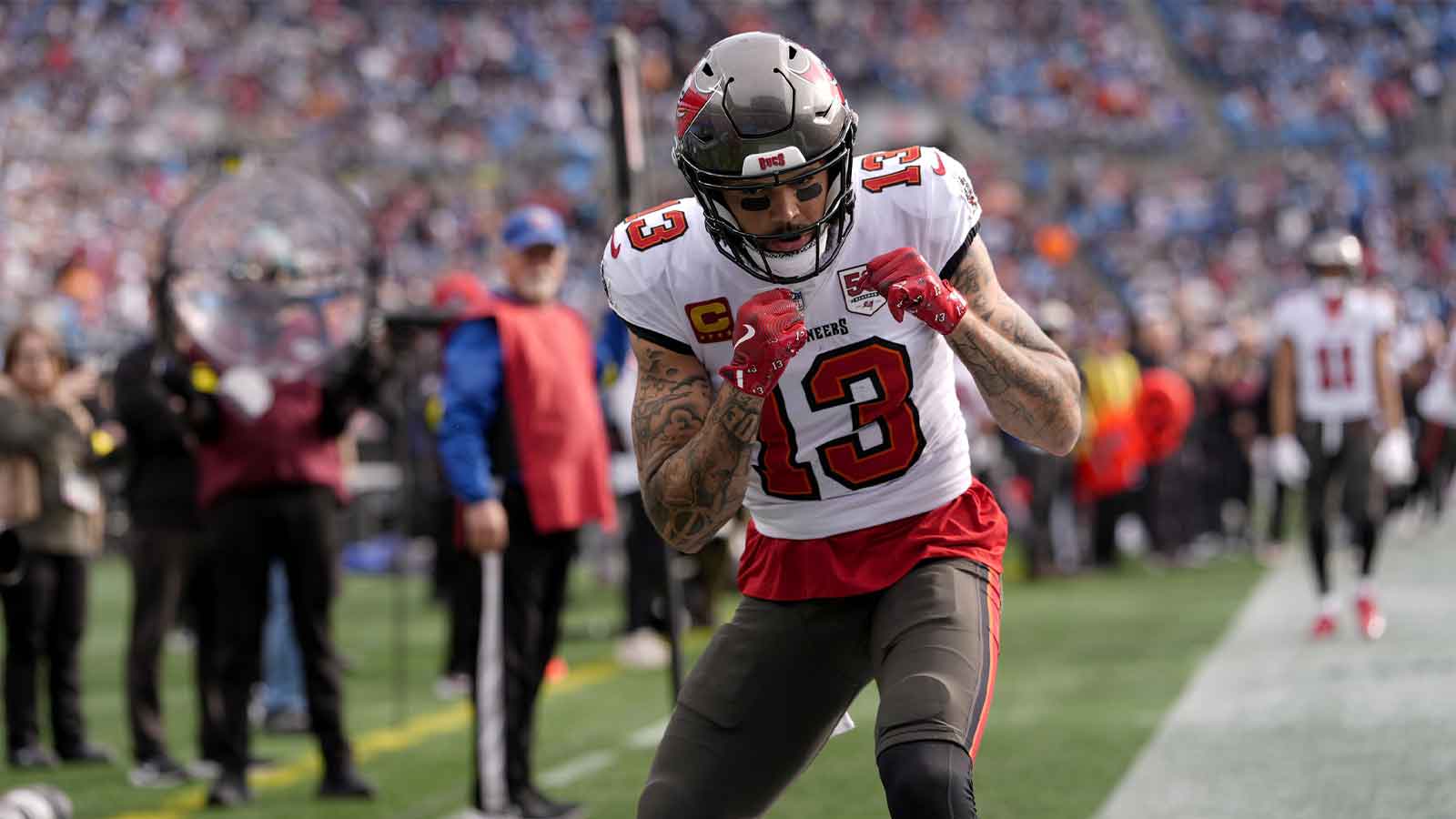
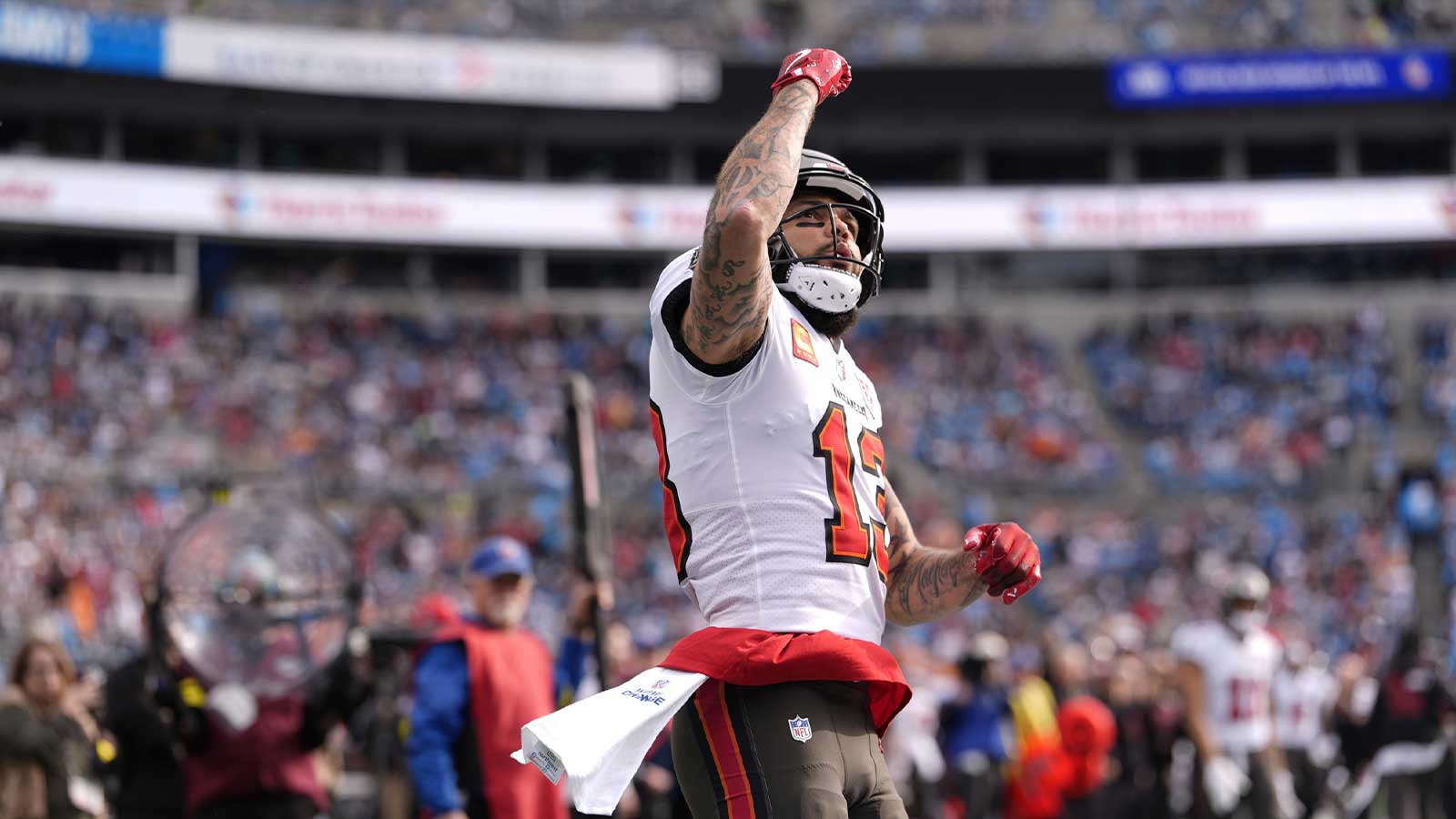
The 2026 free agency period for the Buccaneers has been a whirlwind of calculated risks and emotional departures. The most jarring headline was undoubtedly the exit of franchise icon Mike Evans to the San Francisco 49ers. Replacing that level of production and veteran leadership is nearly impossible. However, the front office attempted to pivot quickly. They secured some much-needed defensive stability by signing linebacker Alex Anzalone and edge rusher Al-Quadin Muhammad.
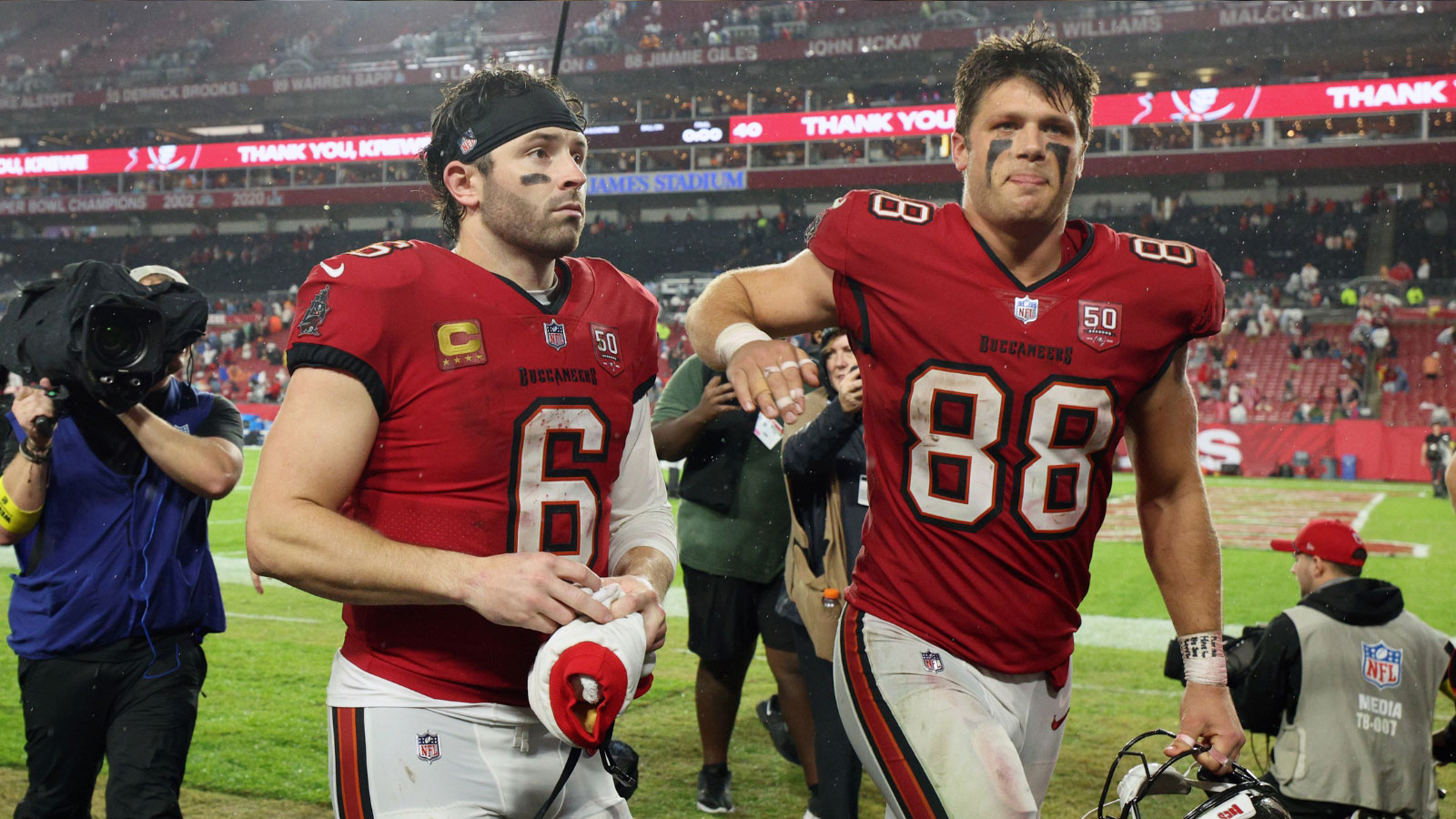
On the offensive side of the ball, the Bucs focused on backfield versatility and depth. They brought in Kenneth Gainwell to complement Bucky Irving. The team also secured Jake Browning as a high-end insurance policy at quarterback. Yes, the retention of Cade Otton and the addition of interior line depth like Dan Feeney showed a commitment to stability. Still, the sheer volume of departures, which included Jamel Dean and Rachaad White, means this roster is far from a finished product. The holes on the edge remain glaring despite the veteran additions. Free agency alone wasn't enough to patch the leaks.
Buccaneers' critical void
If you look at the film from 2025, one painfully clear thing is that coach Todd Bowles needs a game-changer on the defensive line. Sure, the secondary received a boost with the emergence of Benjamin Morrison. However, the pass rush has lacked a consistent, terrifying presence. The Buccaneers’ defensive scheme relies heavily on the ability to generate pressure without always having to sell out on the blitz. Right now, the roster lacks that singular force that keeps opposing offensive coordinators awake at night.
Without a high-motor disruptor, the Buccaneers risk being picked apart by the elite signal-callers on their 2026 schedule. That's regardless of how well the back end holds up. For Tampa, coverage and pass rush are inseparable; one cannot thrive without the other.
Steal the draft
This is where the brilliance meets the “wild.” Most mock drafts have the Buccaneers playing it safe at No. 15, perhaps taking a high-floor interior lineman or a safe offensive weapon. If Tampa Bay wants to actually contend, though, they must execute a massive trade-up to select Rueben Bain Jr out of Miami. Yes, the Buccaneers have needs elsewhere. That said, Bain is a rare, versatile specimen. This about securing a 263-pound wrecking ball who already has an ACC Defensive Player of the Year trophy on his mantle. By moving into the top three, GM Jason Licht would be signaling that the Buccaneers are not in a “rebuild” but a “re-arm.”
The cost of such a move would be steep, obviously. It would most certainly involve future first-round capital and a package of picks. The payoff, though, is a defense that can finally dictate terms again. Imagine a scenario where Bowles can combo Bain with Calijah Kancey and Vita Vea. That would create a front that is physically overwhelming and schematically impossible to block.
This move is wild because it flies in the face of conventional roster-building logic. Teams in transition are supposed to accumulate picks, not spend them. Tampa Bay, though, is not a typical rebuilding team. They have a proven quarterback, an established coaching staff, and a defense that is one piece away from dominance. Playing it safe at No. 15 might yield a solid contributor. However, it won’t change the trajectory of the season. Trading up for Bain could.
Flexibility
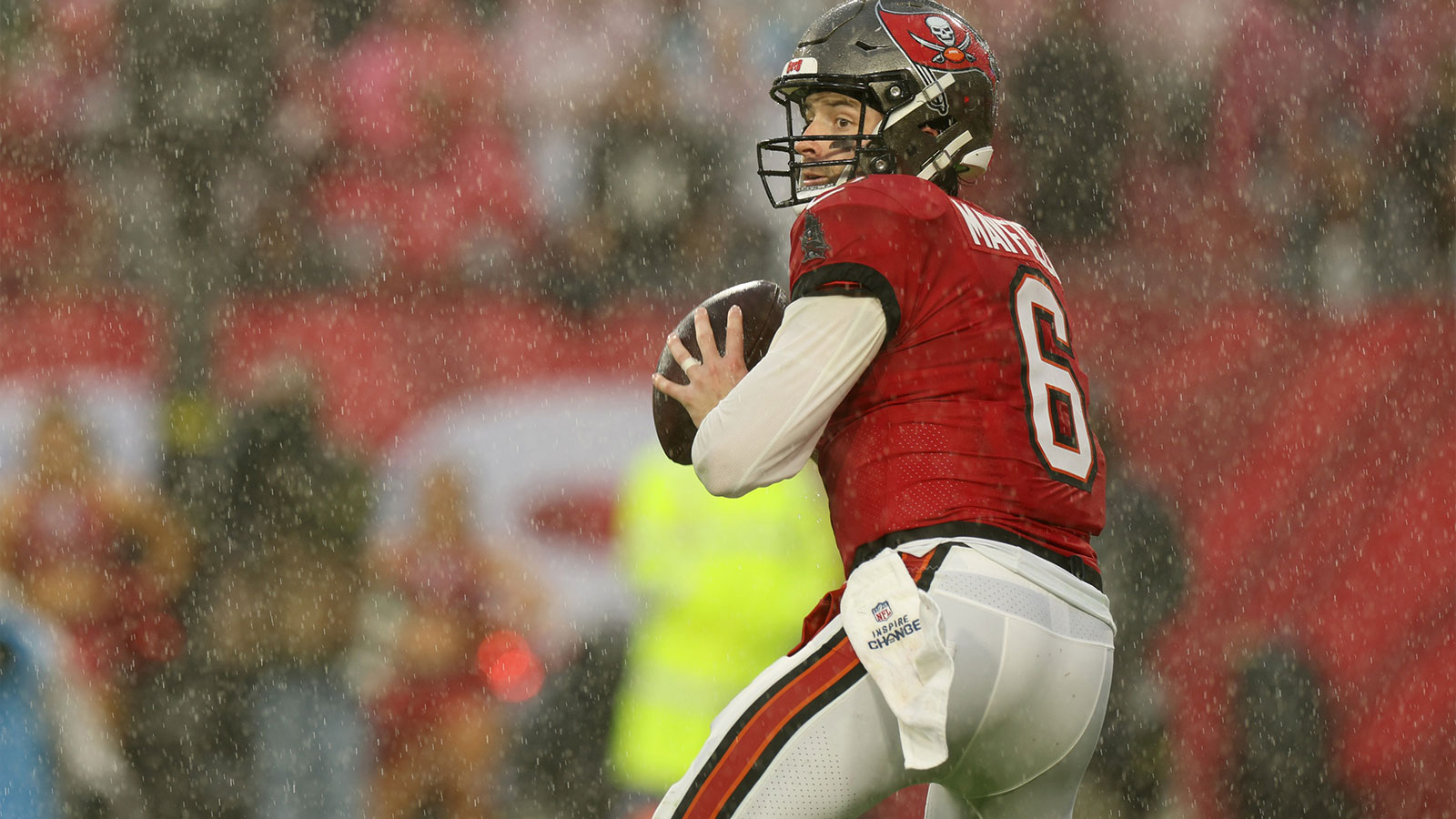
There’s also a deeper, more strategic layer to this decision. The Buccaneers would gain significant financial flexibility in the coming years. Having an elite defender producing at a fraction of veteran cost is the ultimate advantage. It allows Tampa Bay to allocate resources elsewhere, whether that’s reinforcing the offensive line or eventually replacing the production lost with Evans’ departure.
In the end, identity is at the core here. Are the Buccaneers content with being competitive, or do they want to be feared? The answer lies in how bold they’re willing to be on draft night. Trading up for Rueben Bain Jr would be a massive statement. In doing so, Tampa Bay refuses to drift into mediocrity. The Bucs still believe in their championship DNA, and that they're willing to pay the price to prove it.