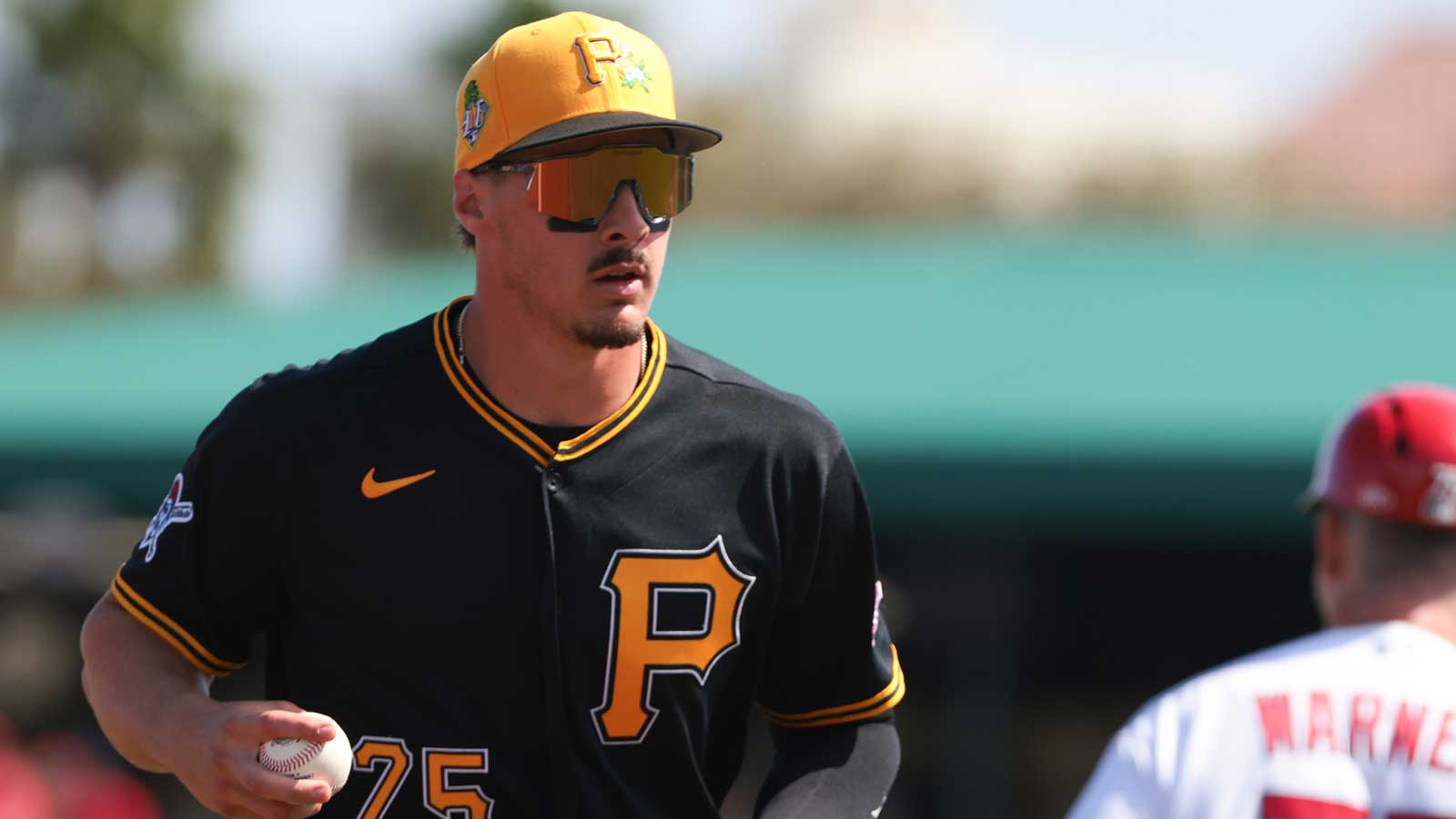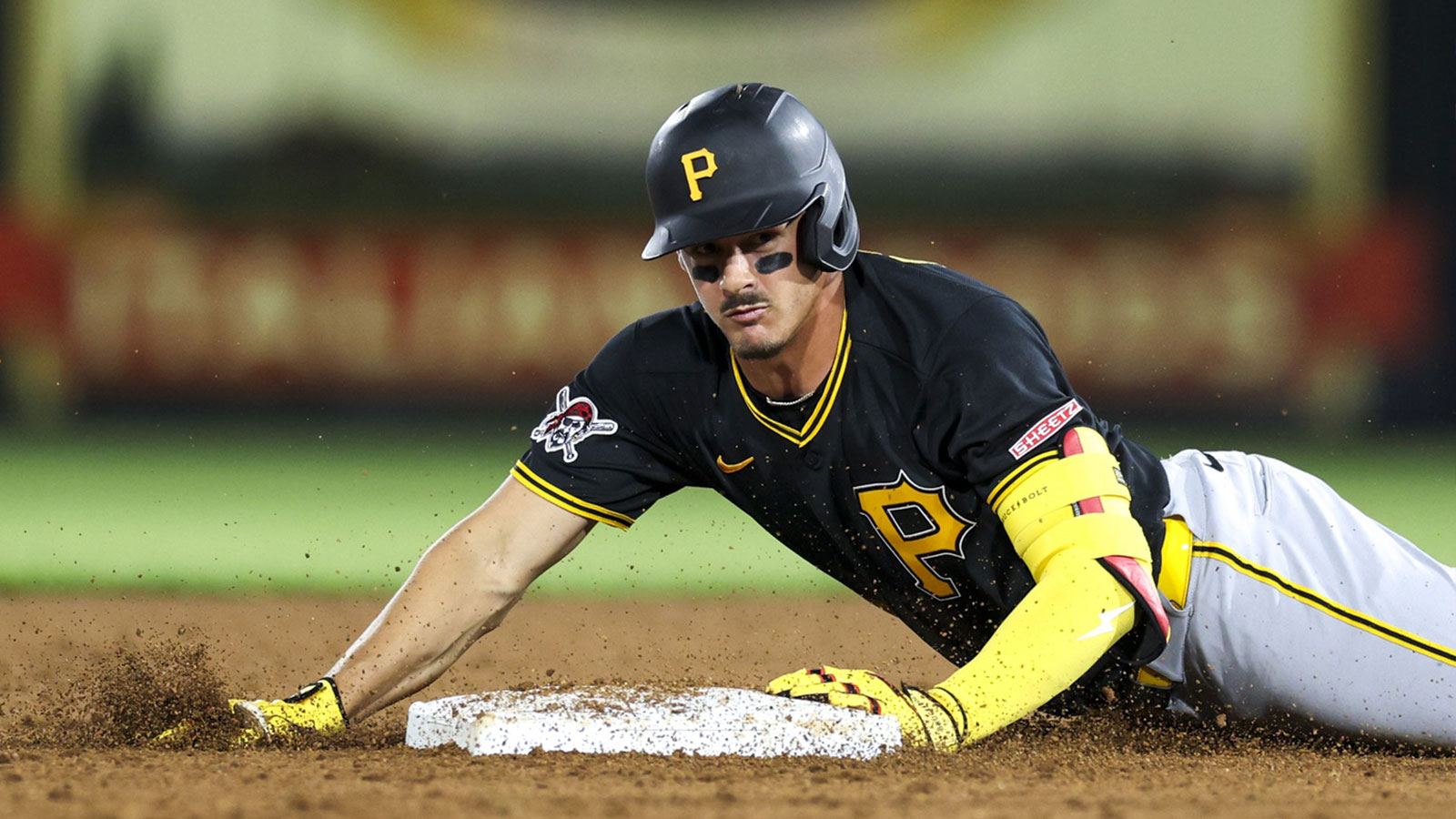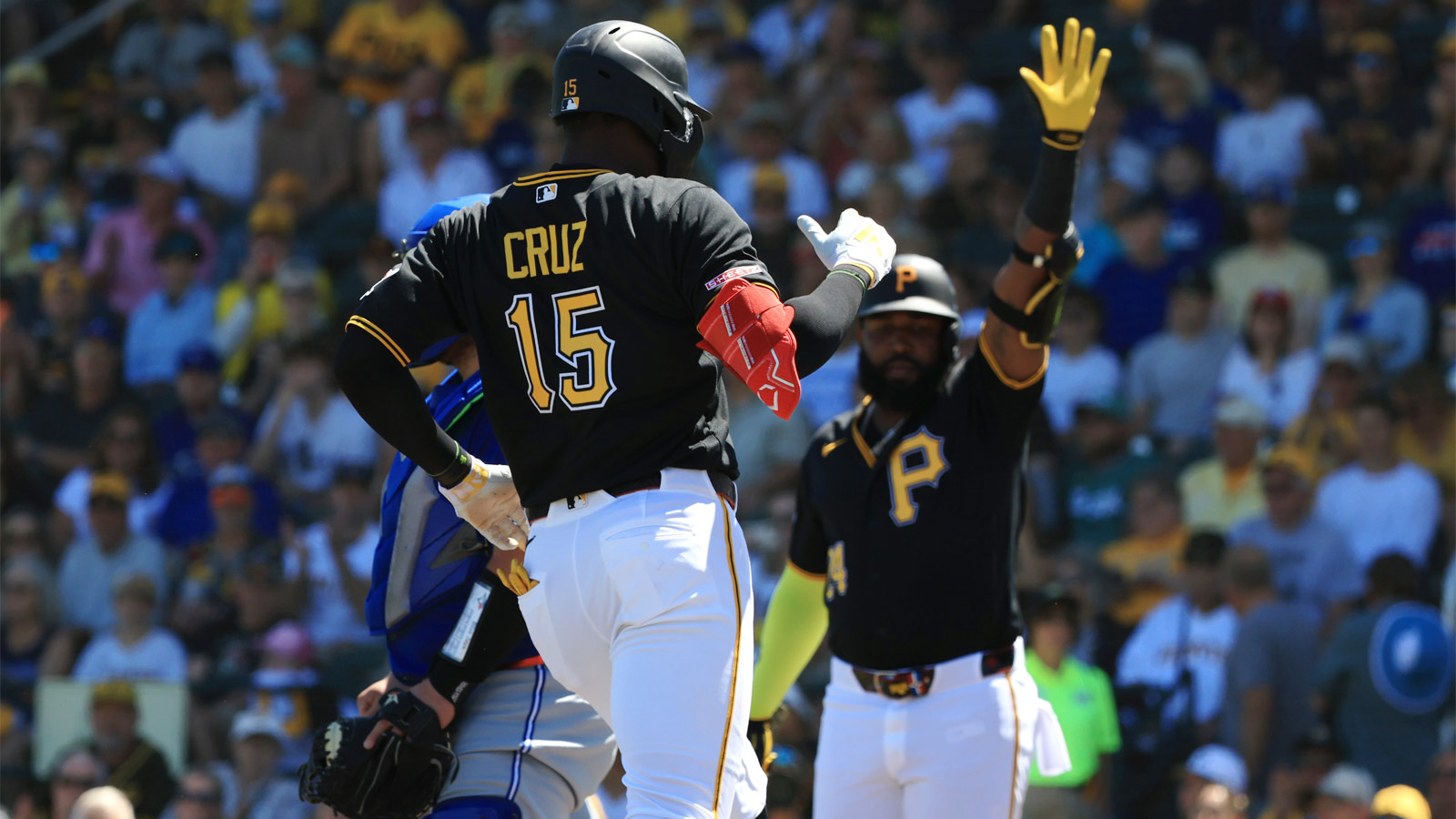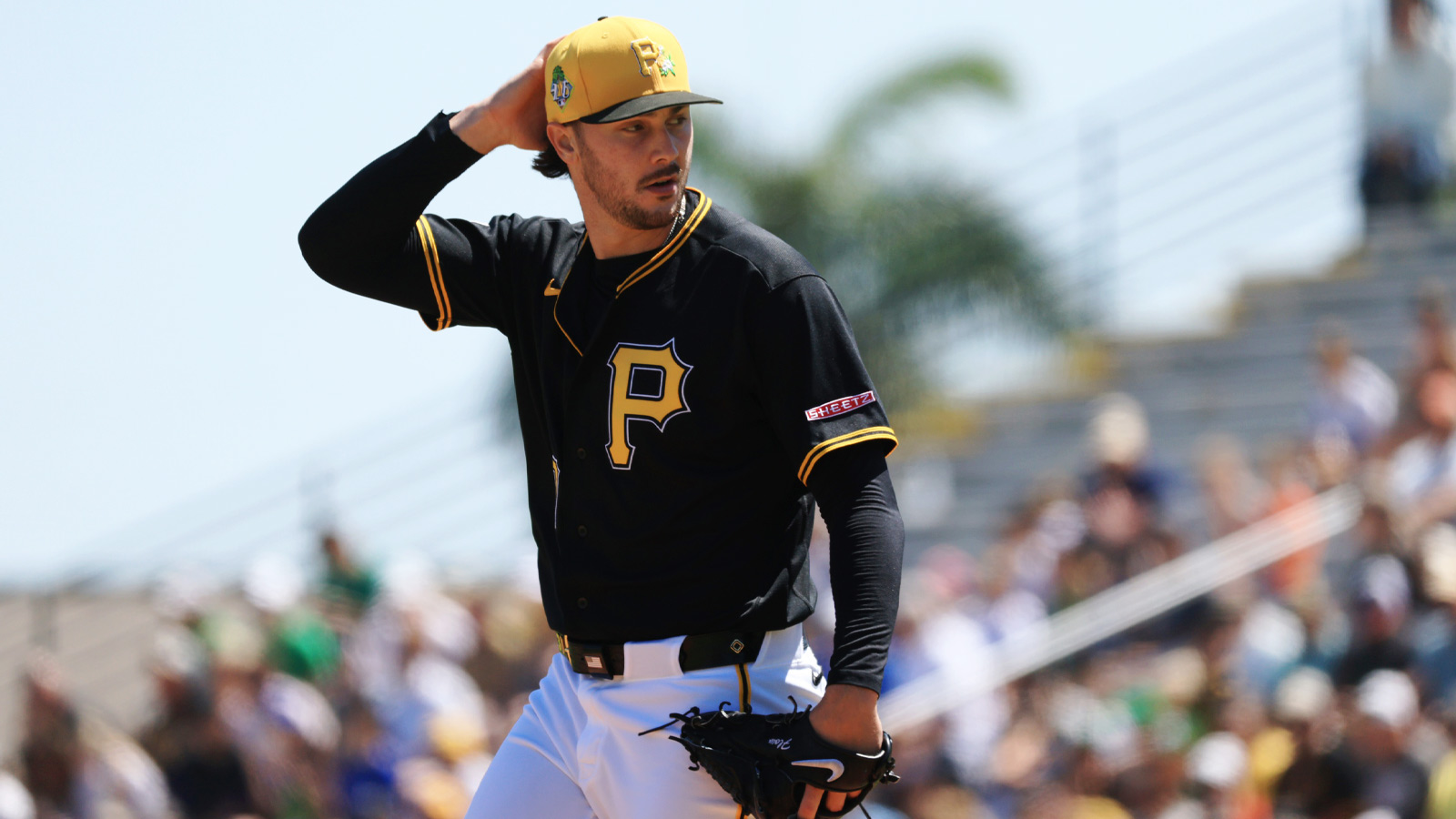

Konnor Griffin hasn’t taken a major league swing, yet the top prospect is already reshaping the trajectory of the Pittsburgh Pirates. A $140 million commitment over nine years will do that. For a franchise that rarely operates in this financial stratosphere, the deal is more than bold—it’s transformative. It thrusts the Pirates into the center of baseball’s evolving conversation around prospect extensions, market inefficiencies, and a growing willingness to gamble on potential.
At its core, this contract is a bet on projection over proof. The Pirates are wagering on development, athleticism, and belief in their ability to turn elite raw tools into sustained major league production. That distinction matters. While other extensions reward proven performance, Griffin’s deal invests in possibility. Pittsburgh is buying risk—but also opportunity.
Griffin projects as a dynamic, multi-dimensional talent whose value won’t hinge on one skill. His speed, defensive range, and developing power give him multiple avenues to impact games. If he settles in as a three‑win player, the deal could soon look like a bargain—especially as the price of a win continues to climb. Even a two‑win baseline would justify the investment, providing a stable floor for a franchise built on controlled costs.
But the ceiling is what truly excites. If Griffin grows into a four‑plus‑win player, the surplus value becomes enormous. In a league where elite talent earns escalating salaries, locking in a potential cornerstone through his prime years gives small‑market Pittsburgh both stability and flexibility. It’s the kind of forward-thinking play a team like the Pirates must make to compete sustainably.
This move also fits within a broader league shift. More organizations are offering aggressive early extensions, trading upfront risk for long‑term cost certainty. Deals for Julio Rodríguez and Corbin Carroll helped set the model. The top prospect pushes it further—no big league debut yet and already a nine‑figure contract. The deal represents a bold endorsement of scouting, development, and predictive analytics.
For Pittsburgh, the stakes couldn’t be higher. This contract represents the largest in the franchise’s history, leaving little room for error. A miss would sting for years. Still, the risk feels calculated, not careless. Griffin’s well-balanced skill set offers natural insulation — if one tool falters, another can sustain his value. That versatility makes him the prototype for where the game is headed.
From the 19-year-old super prospect's perspective, the decision makes equal sense. He locks in generational wealth before ever facing big‑league volatility. Injury and performance swings are no longer existential threats. While this deal might cap his ceiling if he becomes a perennial All‑Star, the security it provides in today’s unpredictable market is difficult to pass up.
Griffin’s Grade: A
He earns top marks for securing life-changing stability while maintaining the freedom to grow into a franchise anchor.
Pirates’ Grade: A‑
Pittsburgh gets nearly an A for conviction and vision, hedging calculated risk with projection upside that could redefine their next competitive window.
Ultimately, the deal guarantees nothing—but it changes everything. The young shortstop hasn’t even stepped into a major league batter’s box, yet the weight of expectation already surrounds him. Now, all that remains is the simplest and hardest question in baseball. Can projection become production for the Pirates?