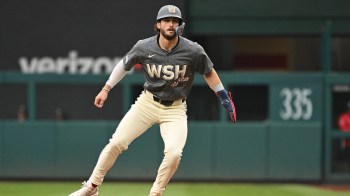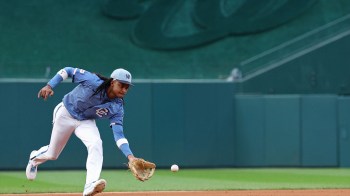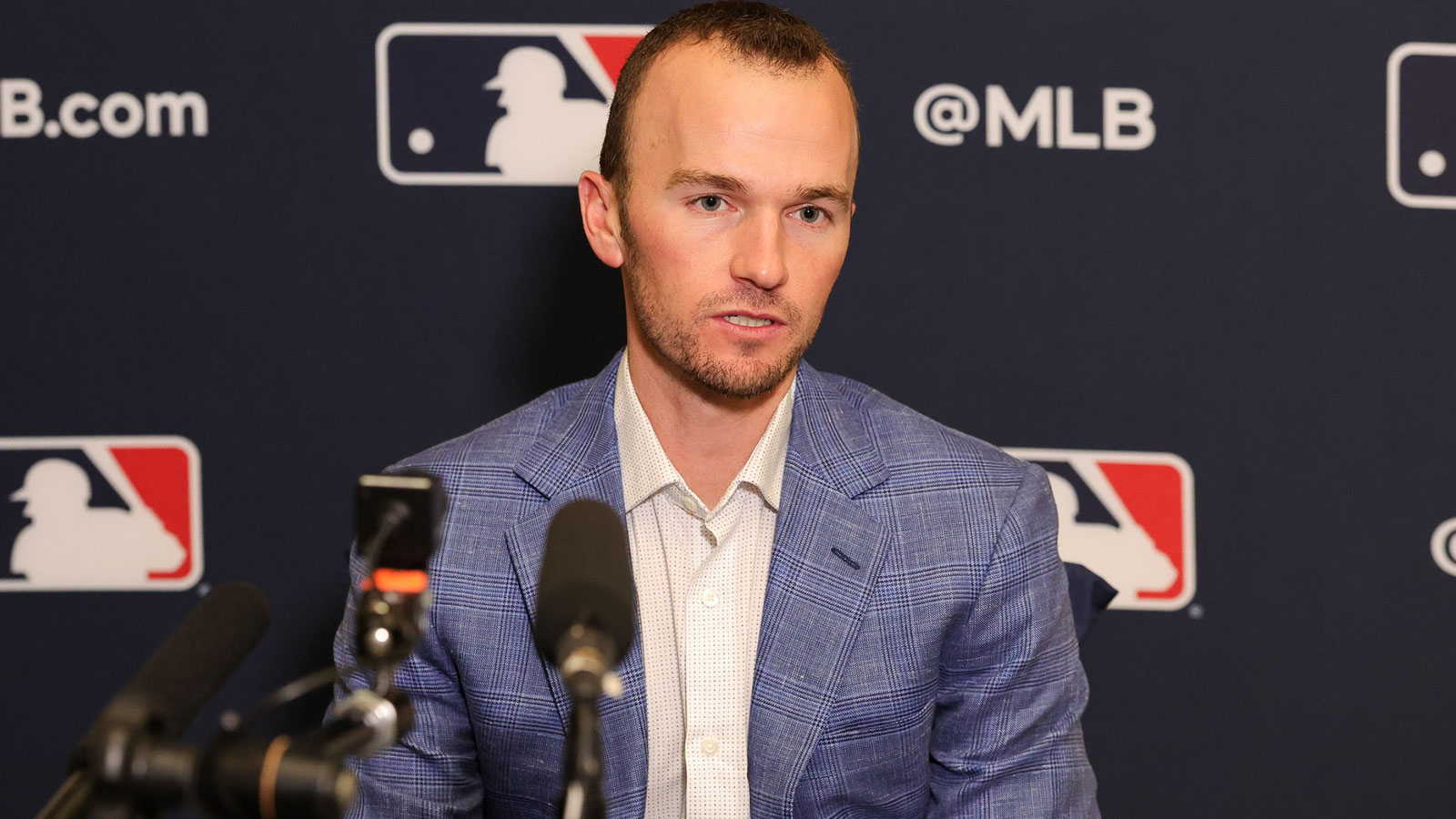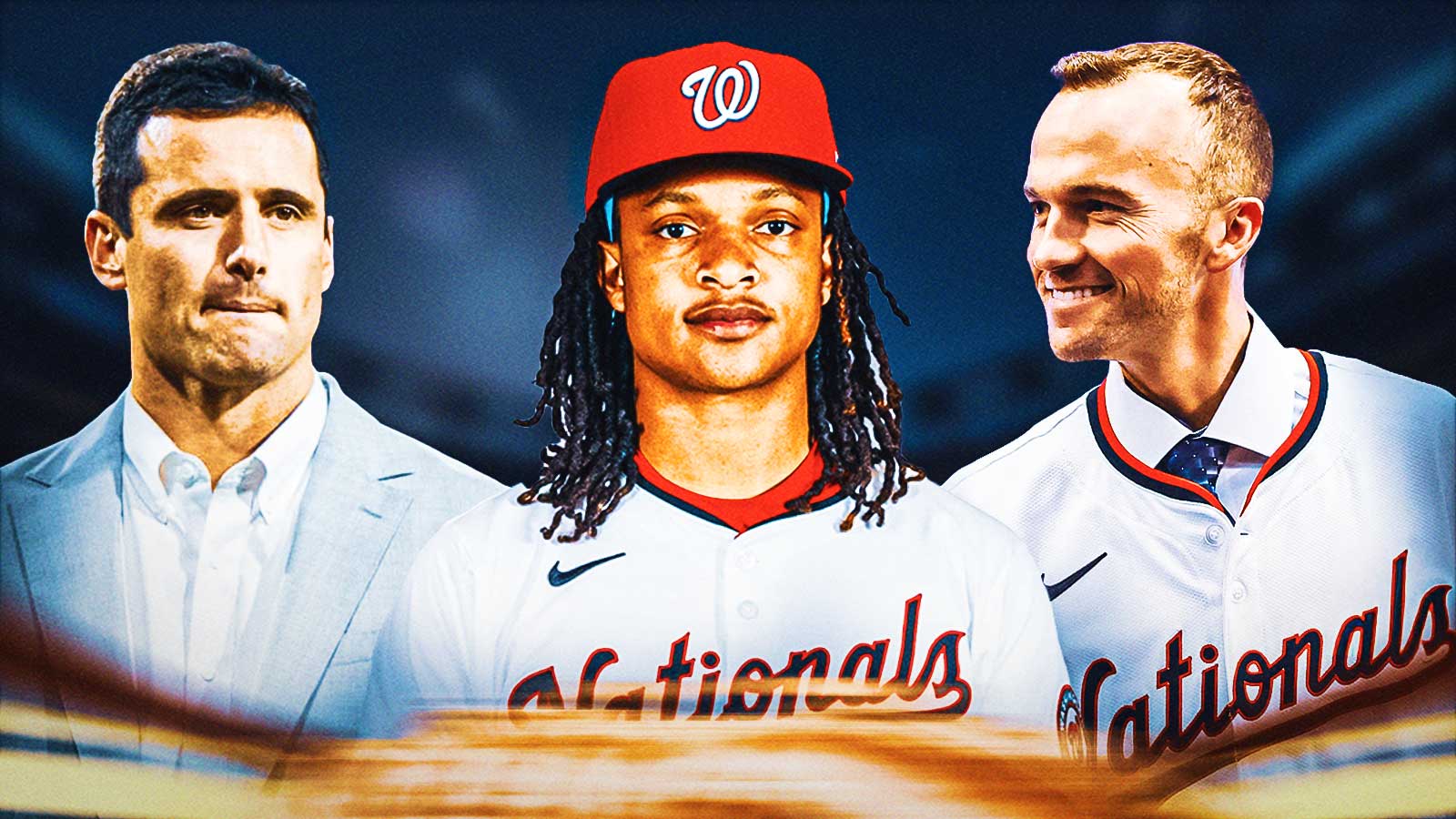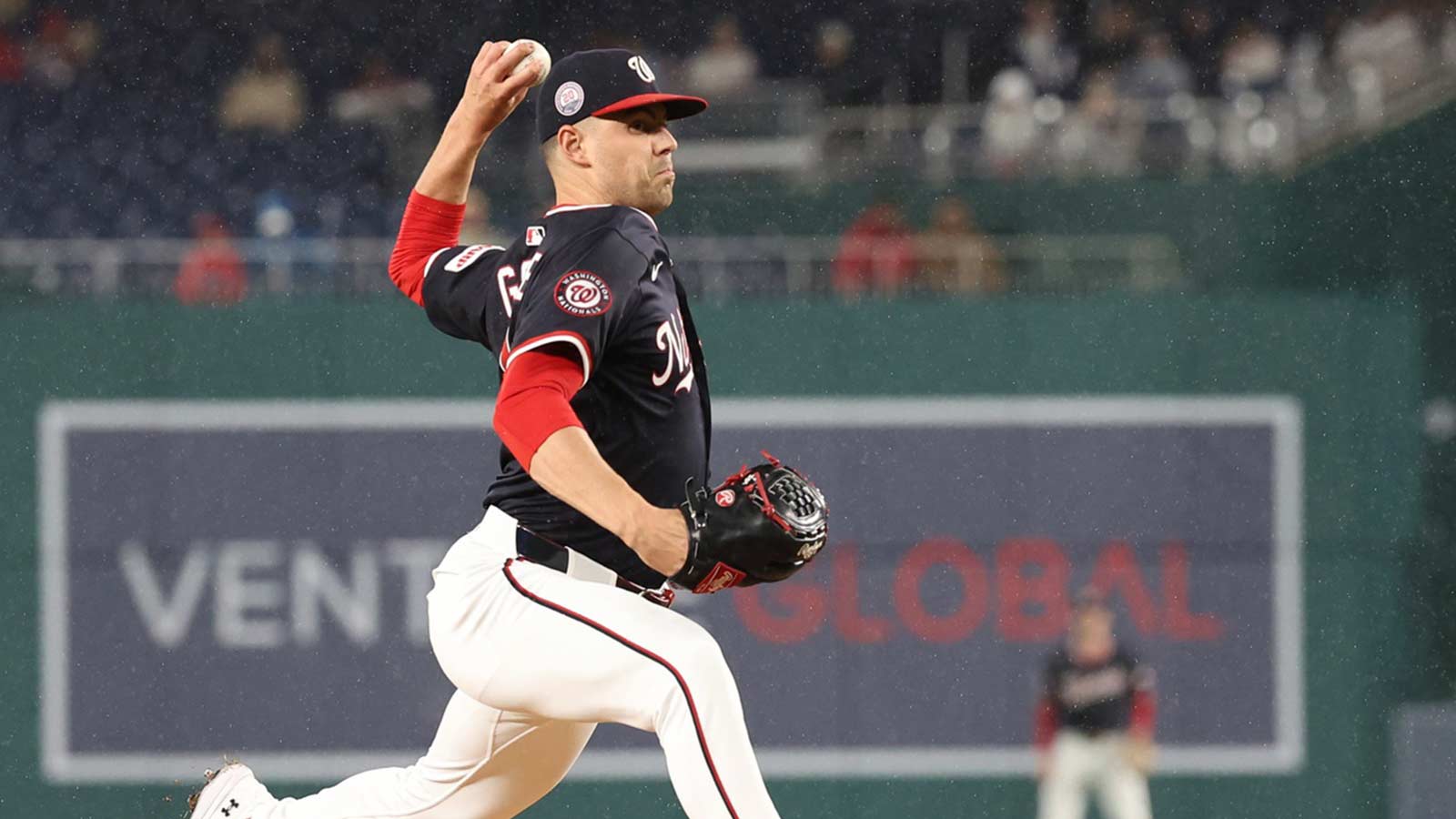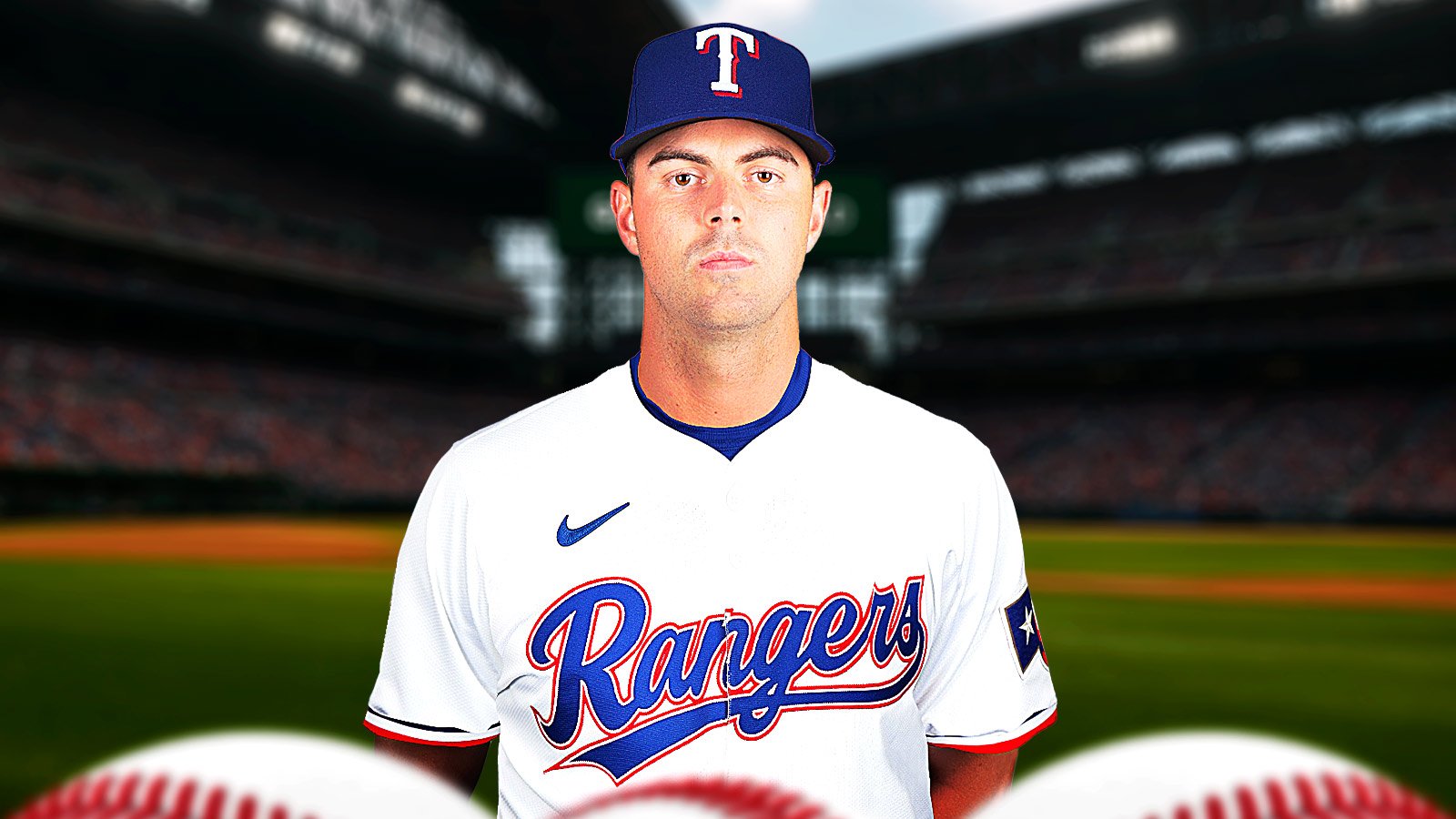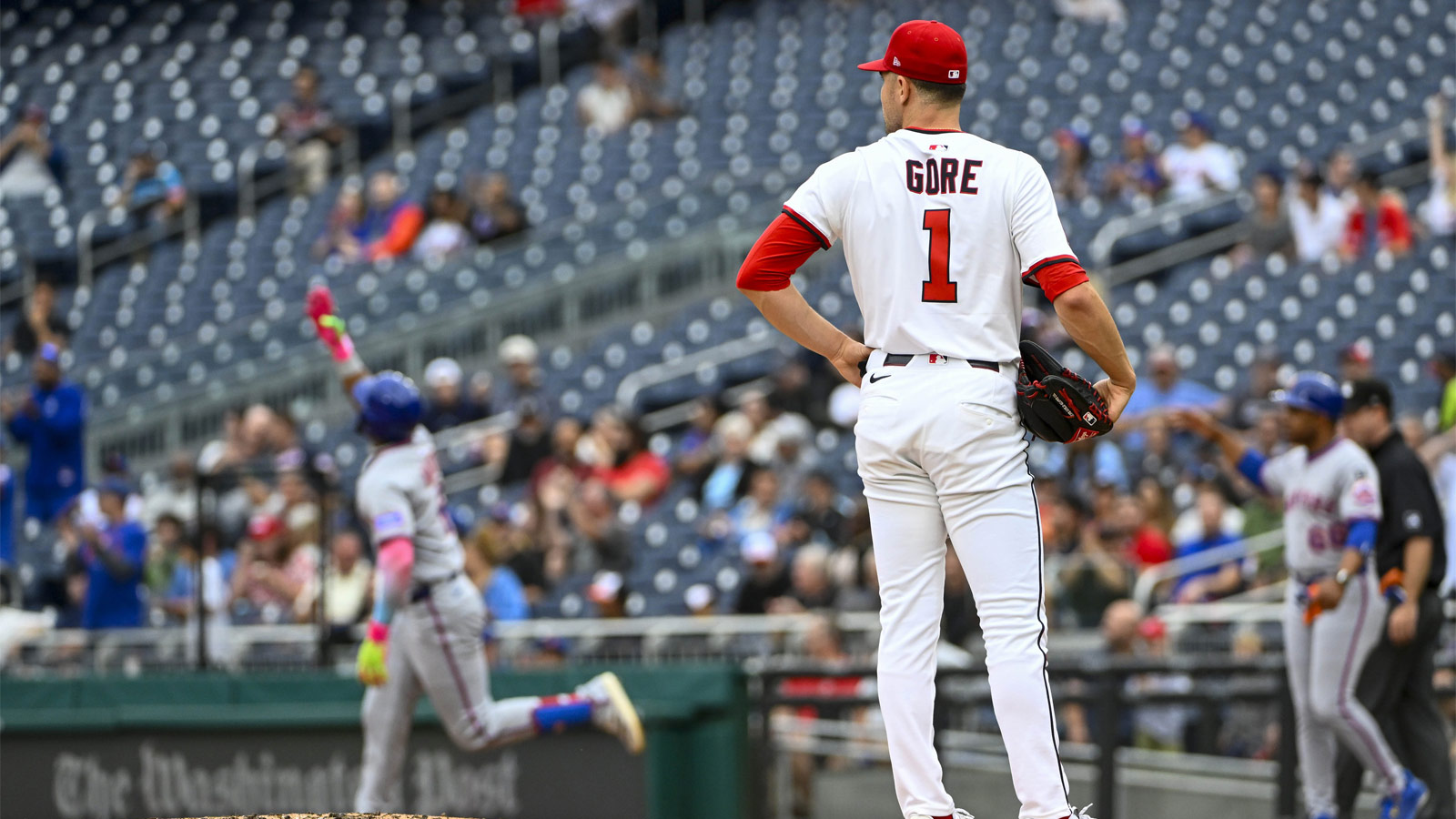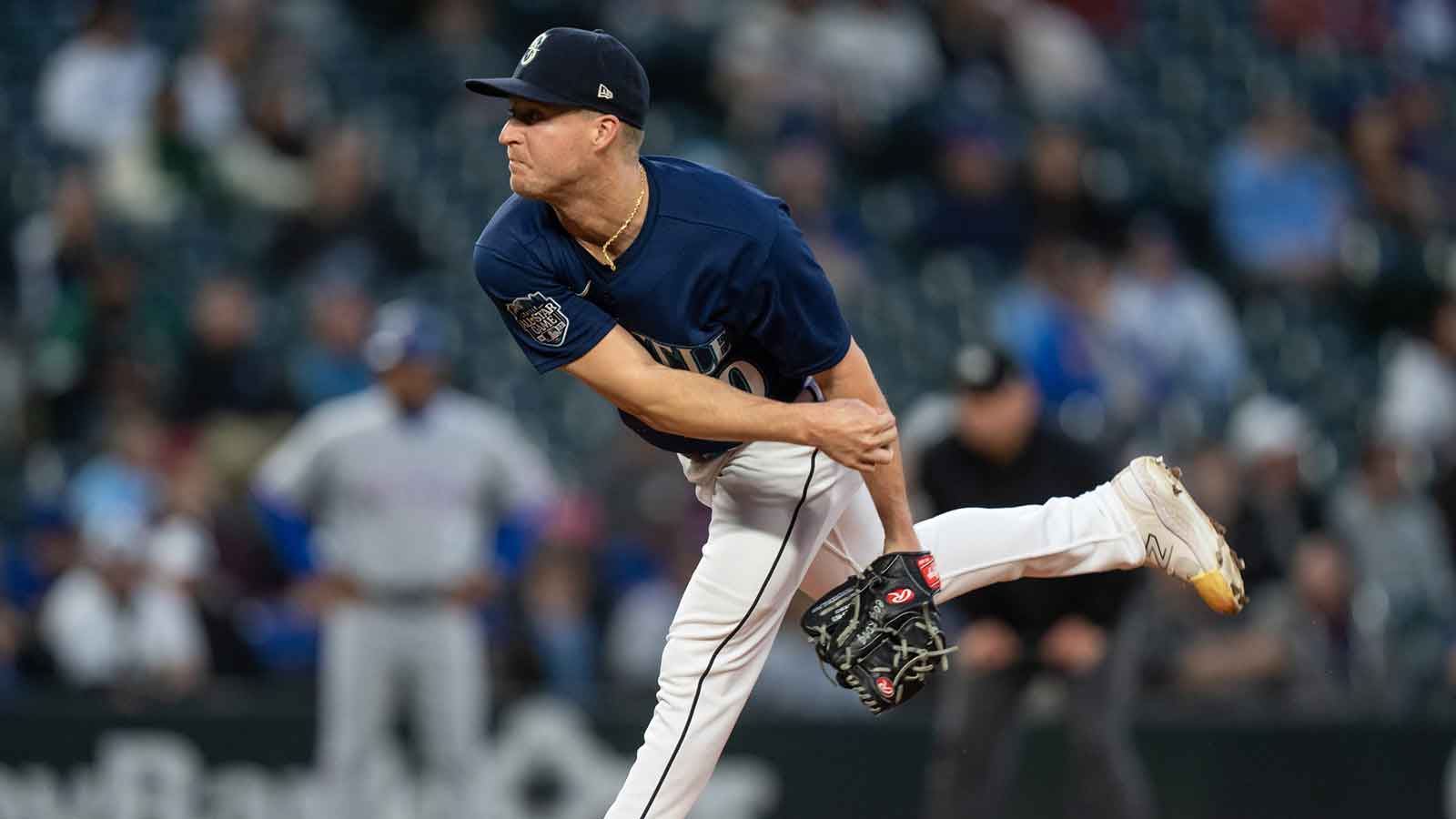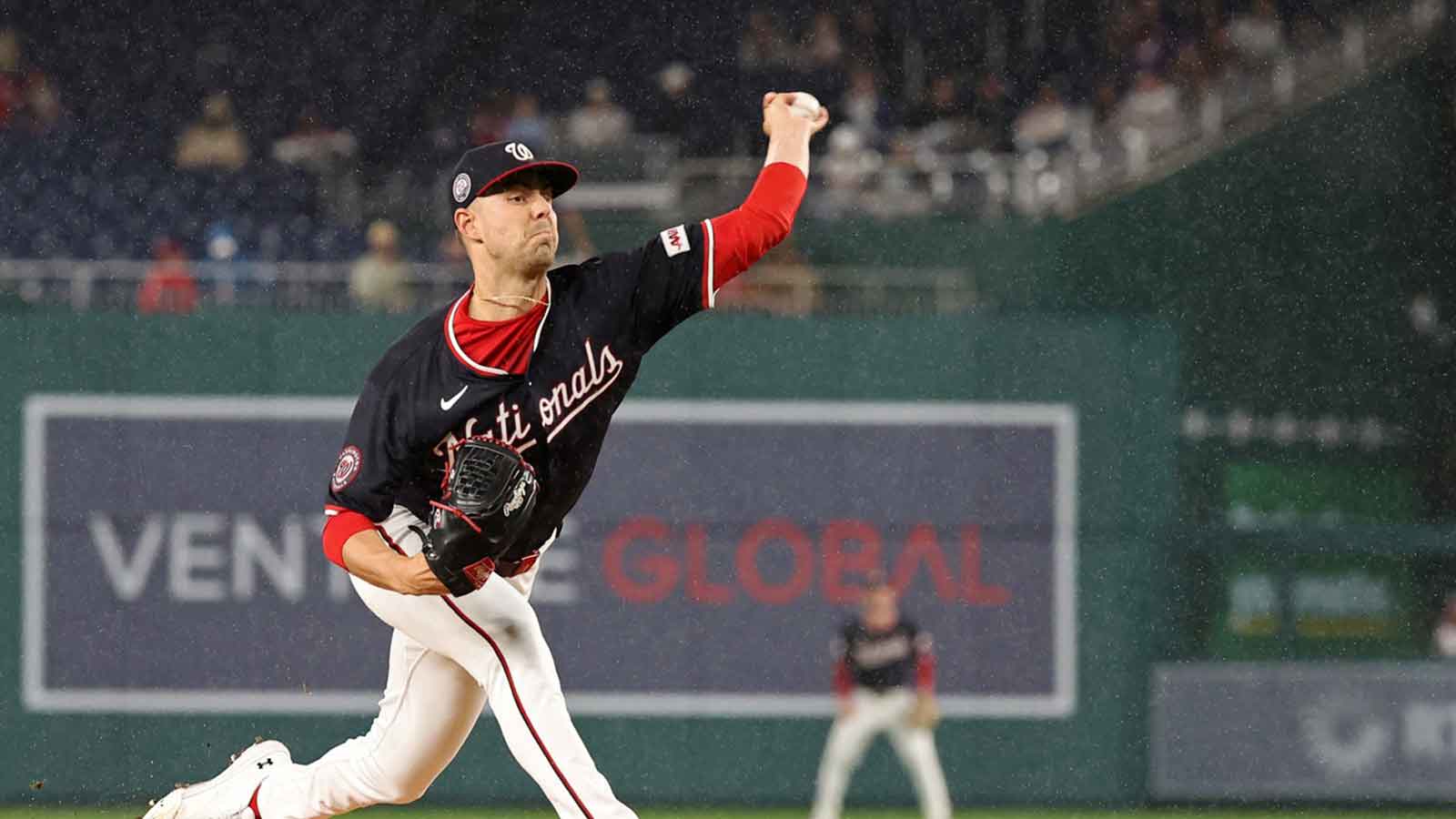
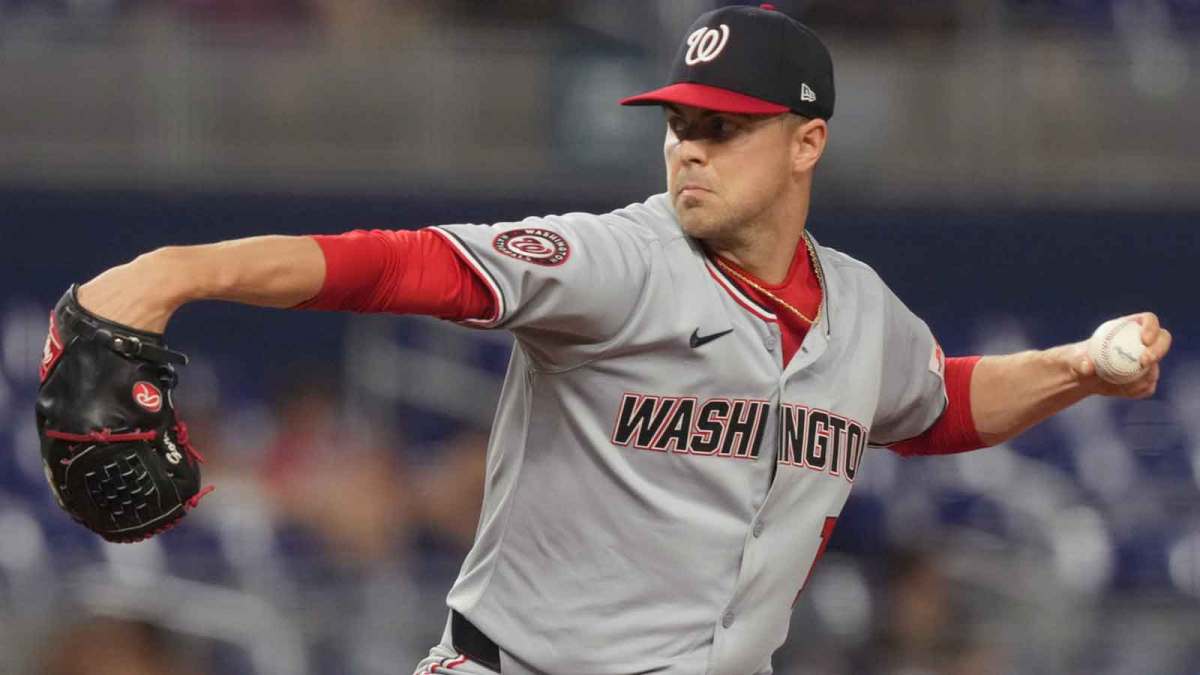
The Washington Nationals push through the Winter Meetings with a clear message: they are listening on MacKenzie Gore, but they are not rushing into a trade. Teams continue to call. Executives continue to probe. And yet the trade conversation remains steady because the Nationals sees value in patience. They see a young arm with upside, team control, and room to grow under a revamped system.
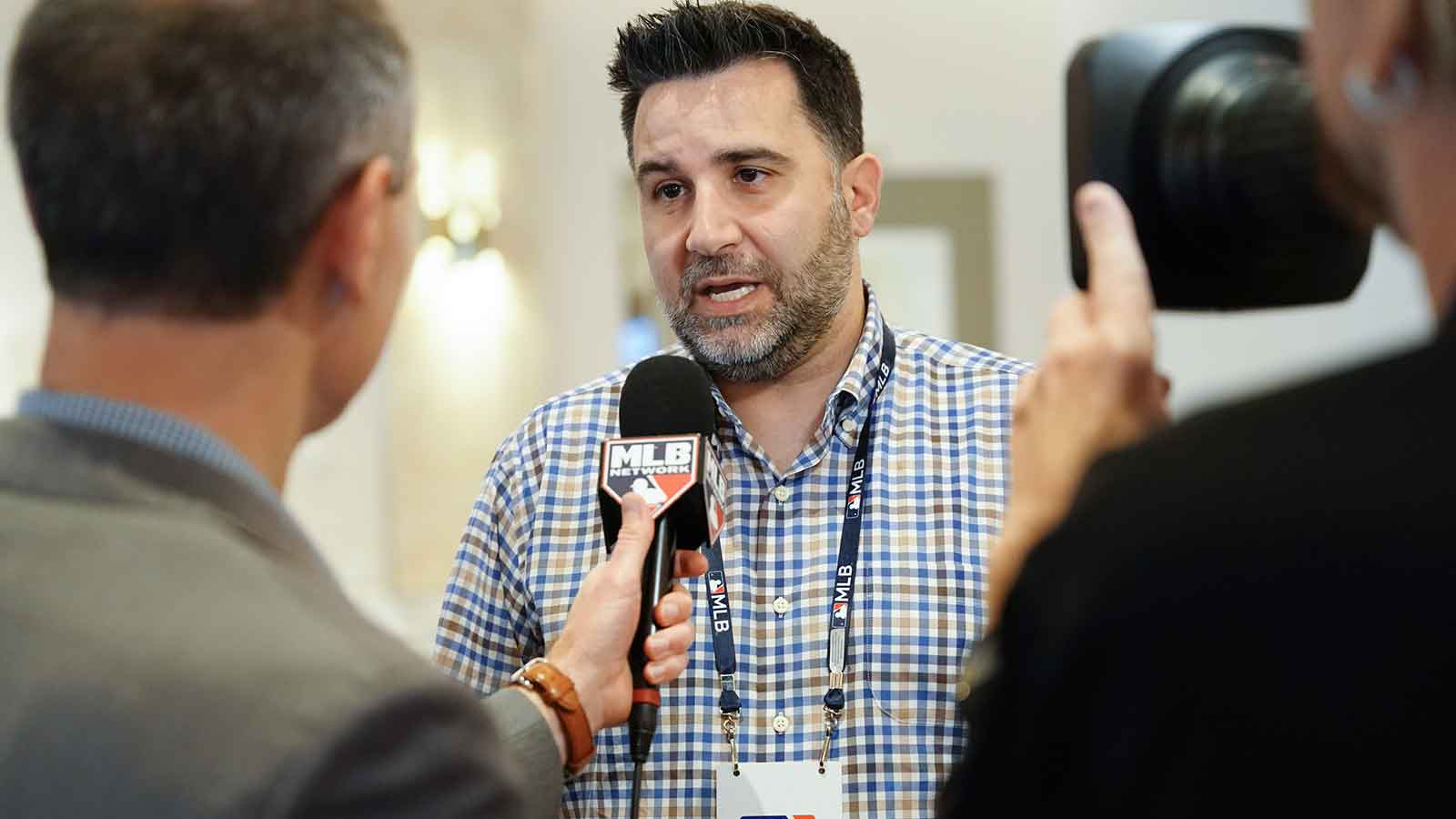
New president of baseball operations Paul Toboni believes in development. He believes the Nationals can make Gore better. His early moves reflect that vision. He traded for catcher Harry Ford, a defensive upgrade who can sharpen Gore’s strengths. He also vowed to overhaul the Nationals' information and technology. “We’re sitting here thinking to ourselves, ‘Gosh, it’s going to be really fun to see a player achieve X, Y and Z,’ once we put them in this environment to develop,” Toboni said. Under the lights of the Winter Meetings, that optimism matters.
A calculated wait for the Nationals, not a refusal
MacKenzie Gore has become one of the most popular names in Orlando. His projected 2026 salary is low. His ceiling remains enticing. But the Nationals also know the risks of timing. Gore isn’t a free agent until 2028. If he improves next season, his value spikes. If he stalls or suffers another injury, the window narrows. That tension shapes every call the front office receives. Toboni admits the Nationals must stay open-minded, saying they have to listen when “other teams come our way and give strong offers.”
Last season showed both sides of Gore’s future. He dominated in the first half with a 3.02 ERA and an All-Star nod. Then he faded, dealing with a 6.75 ERA and late-season injuries. Washington believes the right structure unlocks the earlier version. Rival clubs want to bet on that version, too.
Now everyone waits. Will a strong trade offer push Washington forward, or will the Nationals bet on MacKenzie Gore reaching his peak in their new system?