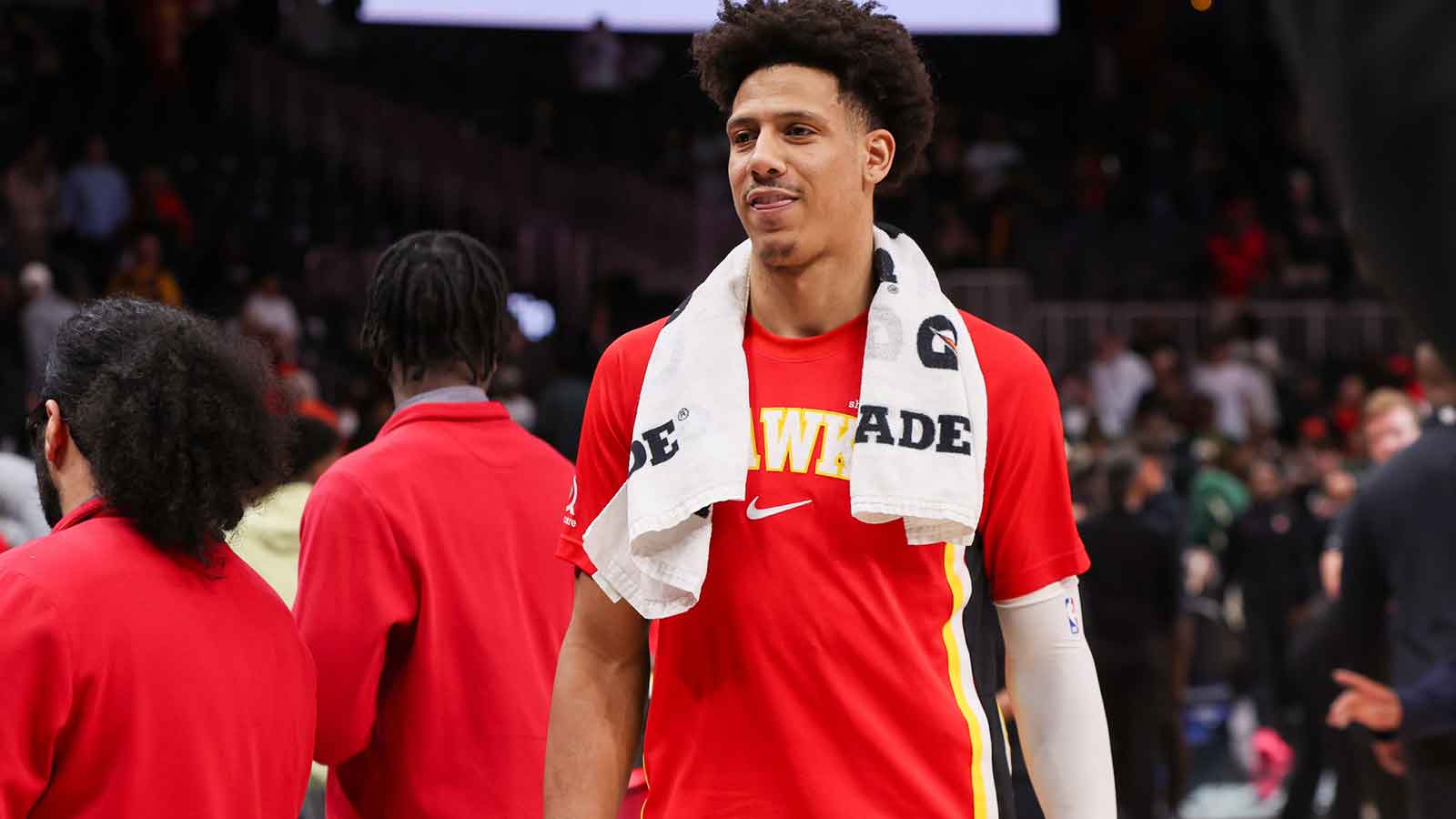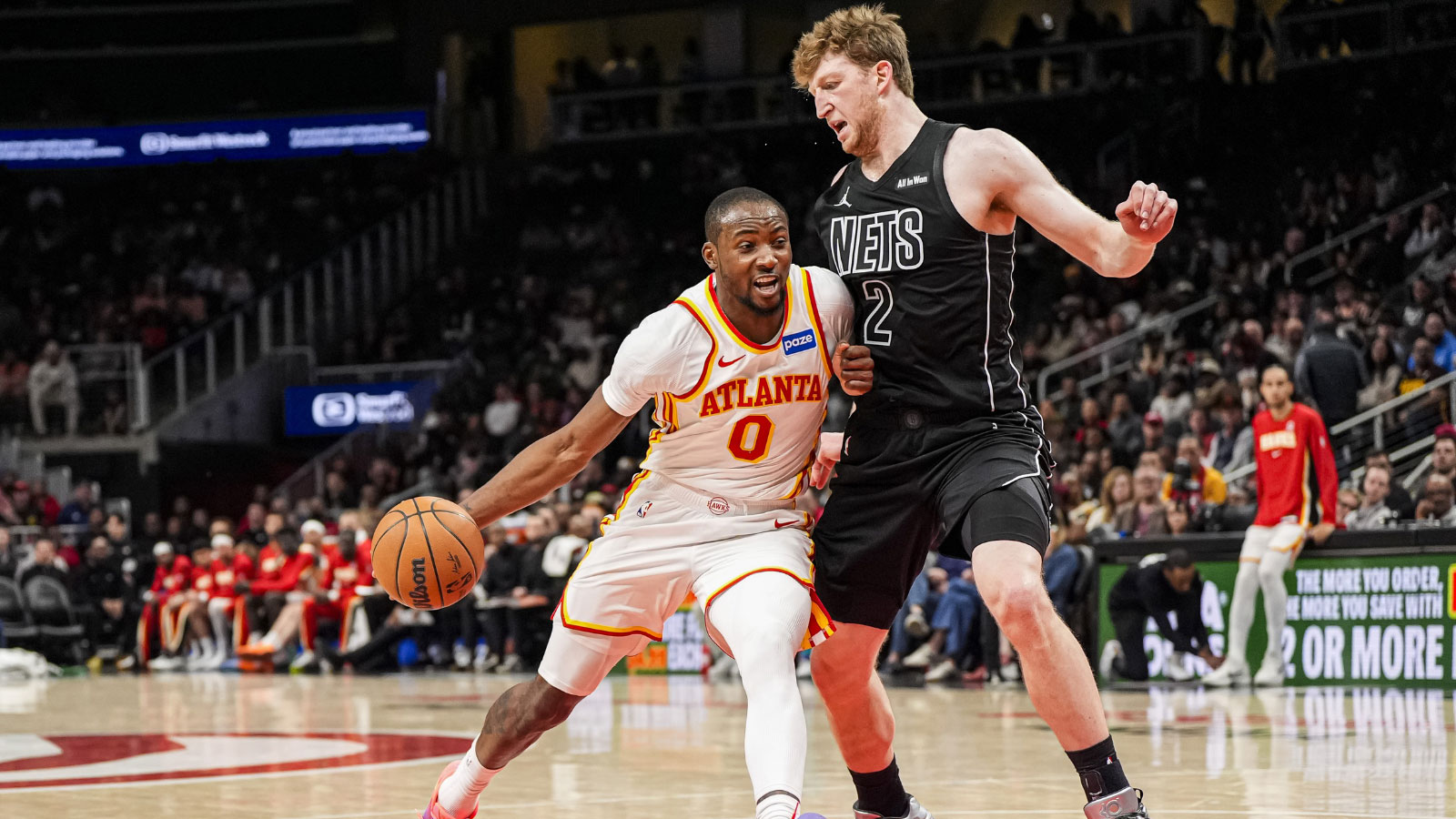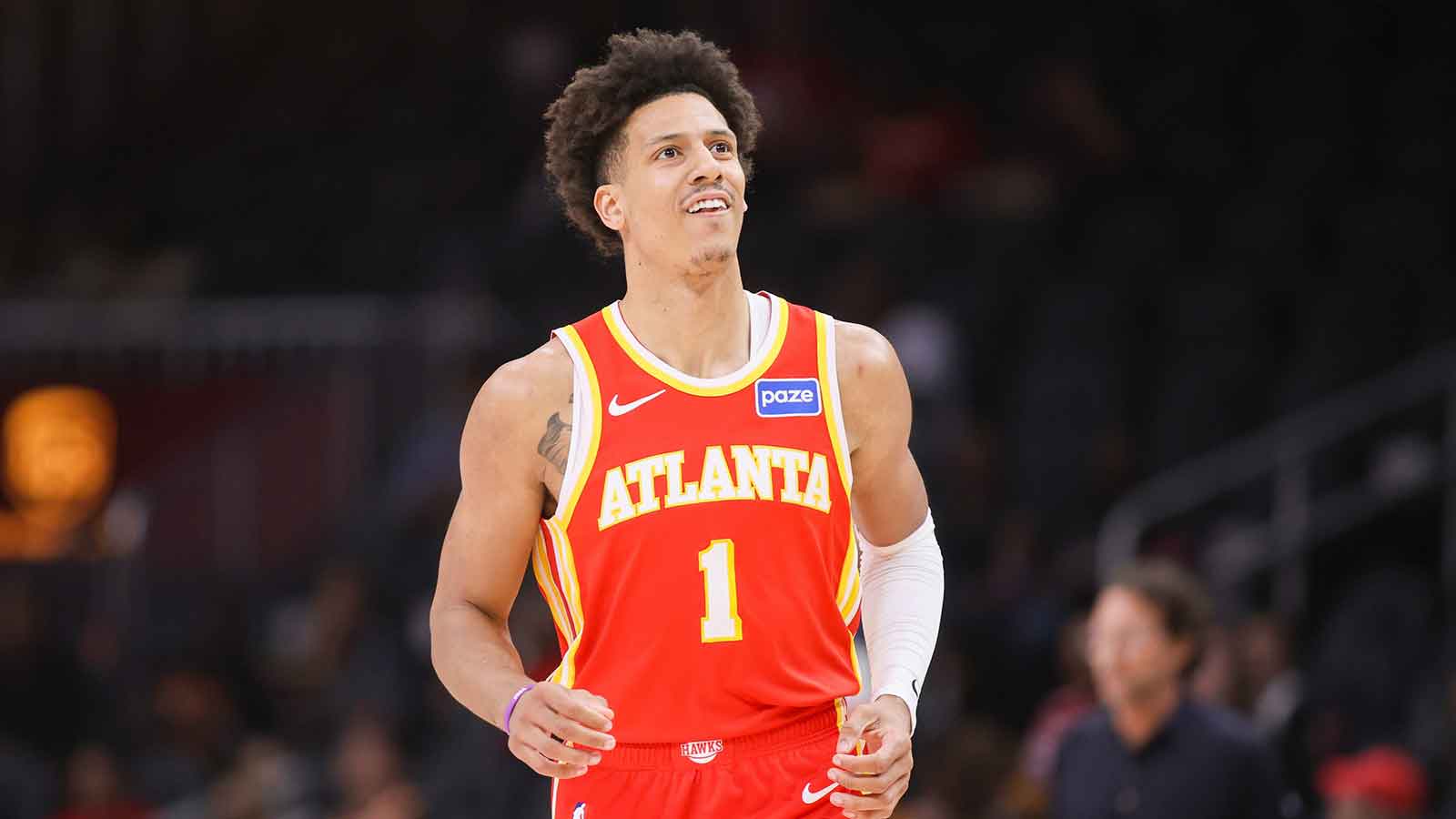

The Atlanta Hawks have spent much of the 2025-26 season navigating a landscape of transition and transformation. Following the monumental January trade that sent franchise icon Trae Young to the Washington Wizards, the team initially struggled to find its footing. However, under the steady hand of Quin Snyder, Atlanta has ignited a spectacular ten-game winning streak heading into the final stretch of March. Thet currently sit at 37-31 and hold the eighth seed in the Eastern Conference. As such, the Hawks are playing their best basketball of the year.
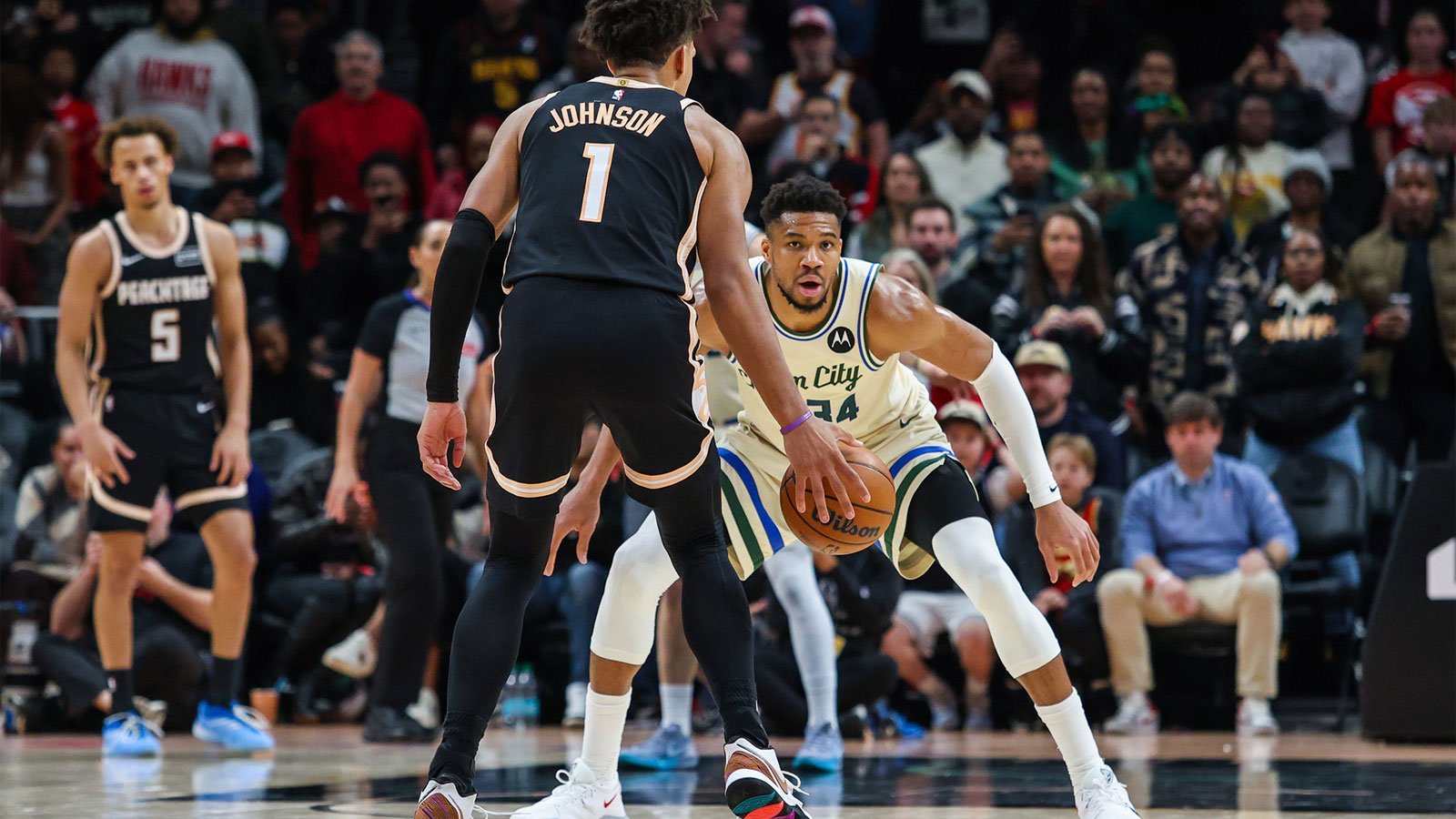
Jalen Johnson has blossomed into a legitimate All-Star. He is racking up triple-doubles with terrifying frequency. Meanwhile, Dyson Daniels has locked down the perimeter. This recent success has changed the energy in the A. However, the front office knows that to move from a play-in hopeful to a true contender. They must capitalize on their upcoming draft assets.
Missing pieces

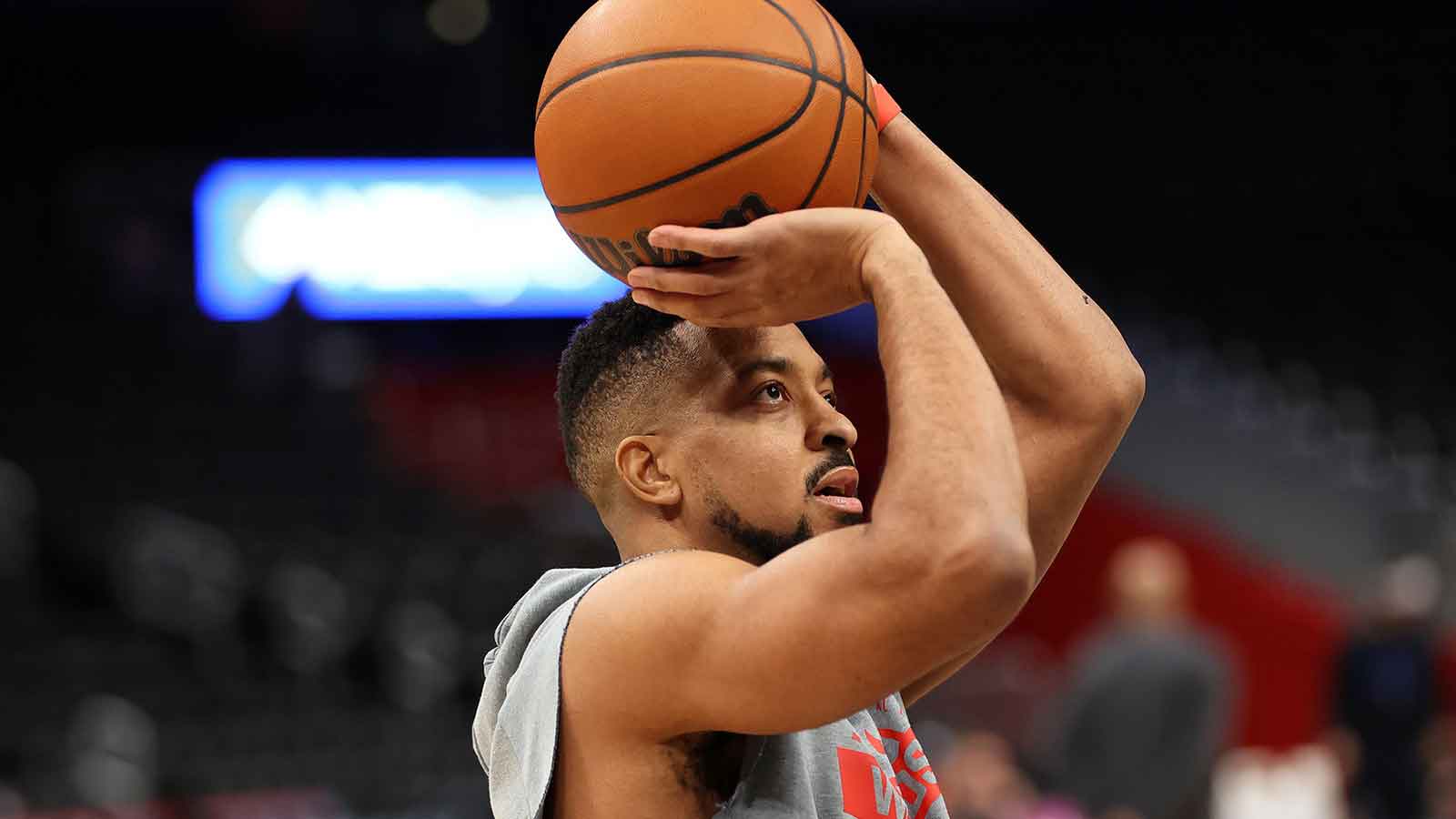
Despite the current winning streak, the Hawks' roster still possesses clear areas for improvement that the 2026 NBA Draft can address. The departure of Young has left a massive void in high-level shot creation and long-term backcourt stability. That's especially true with McCollum serving as more of a veteran bridge. Atlanta needs a dynamic perimeter threat who can both facilitate and score at all three levels to complement Johnson’s point-forward brilliance.
Additionally, while Onyeka Okongwu remains a defensive stalwart, the team could benefit from more elite wing depth. They may also look for a versatile forward who provides both floor spacing and defensive switchability. The goal for Onsi Saleh and the scouting department is to find a high-impact talent who fits the modern, versatile identity Snyder is building. They need a player who can thrive in a fast-paced, high-assist system that currently leads the NBA in dimes per game.
Darryn Peterson, Kansas
If the Hawks are searching for a premier backcourt successor, look no further than Kansas guard Darryn Peterson. Standing at 6-foot-5, Peterson is widely regarded as the most polished guard prospect to enter the draft in years. He draws lofty comparisons to some of the league’s most elite three-level scorers. Despite dealing with minor hamstring issues earlier in the season, his performance for the fourth-seeded Jayhawks has been nothing short of spectacular. He possesses an effortless ability to get to his spots, using picturesque footwork and a devastating change of pace to leave defenders in the dust.
For Atlanta, Peterson’s ability to knock down a high volume of threes and manipulate defenses out of the pick-and-roll would be a perfect fit. Watching him navigate the pressure of the East Region will reveal if he has the mental fortitude to lead a backcourt at the next level.
AJ Dybantsa, BYU
Sure, the Hawks have found a star in Johnson. However, adding a jumbo wing like BYU’s AJ Dybantsa could create the most feared forward tandem in the Eastern Conference. Dybantsa is a 6-foot-9 scoring machine with a 7-foot wingspan and athleticism that feels almost unfair. He has spent the season lighting up the scoreboard. That includes multiple 40-point outbursts that have solidified his status as a potential number-one overall pick. His offensive ceiling is astronomical, too. He can pull up from the mid-range with ease or use his elastic body type to finish acrobatically at the rim.
Yes, critics have pointed to his defensive consistency. Still, the physical tools are there for him to be a lockdown presence under Snyder’s tutelage. If Dybantsa can lead the Cougars on a deep run, he might just force the Hawks to do whatever it takes to move up the board.
Cameron Boozer, Duke
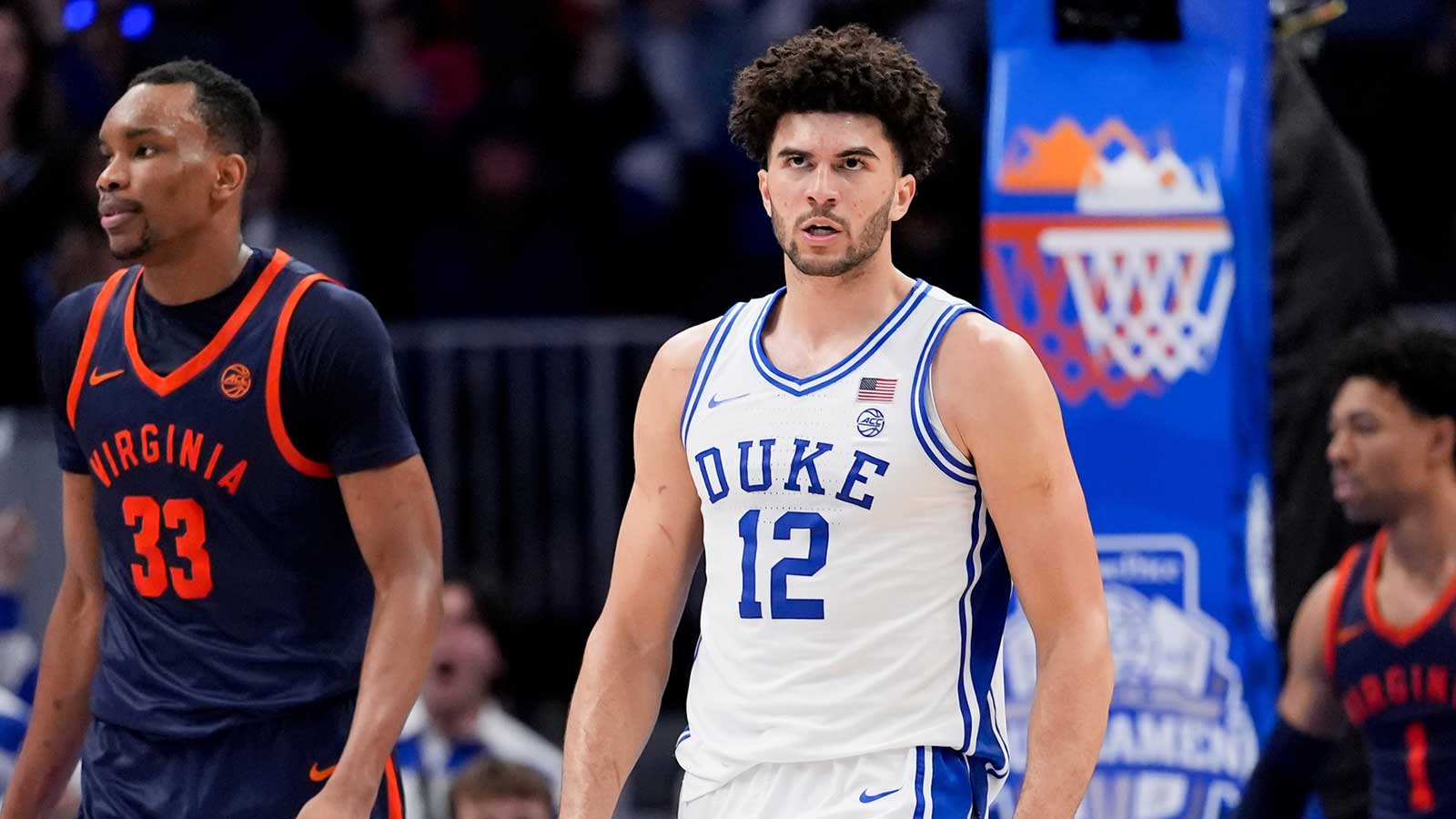
For those who value high-floor prospects with an unmatched winning history, Duke’s Cameron Boozer is the name to circle. At 6-foot-10 and 250 pounds, Boozer has been the driving force behind the Blue Devils earning the number-one overall seed in the tournament. He is the rare prospect who combines elite physicality with a warp-speed basketball IQ. Boozer can process the floor like a ten-year veteran. His inside-out scoring versatility and magnetic hands on the glass make him a double-double threat every single night.
For the Hawks, he represents a plug-and-play asset who impacts winning through elite rebounding, pinpoint outlet passing, and underrated defensive versatility. As he anchors Duke through the gauntlet of the East Region, scouts will be watching to see how his strength and skill-set translate against the most athletic bigs in the country. Adding a player of Boozer’s maturity would immediately stabilize Atlanta’s frontcourt for the next decade.
Seizing the moment
The 2026 draft class is being whispered about in the same breath as the legendary 2003 group. Now, March Madness is the ultimate proving ground for these future stars. For the Hawks, the tournament represents a live-action scouting report for the pieces that will define their future. Whether it is the elite shot-making of Peterson, the raw athletic ceiling of Dybantsa, or the disciplined dominance of Boozer, the talent available is transformative.
The Hawks have shown they can win now. To win big, though, they must choose wisely when the clock is ticking. As these prospects take the floor under the bright lights, the path back to the top of the Eastern Conference becomes clearer with every bucket and every defensive stop.