The Houston Rockets are still trying to figure out who they want to be.
Team broadcaster Craig Ackerman remarked this week that the Rockets haven’t been playing “Rocket basketball’’ of late. Which raises the question: what exactly is Rockets basketball these days?
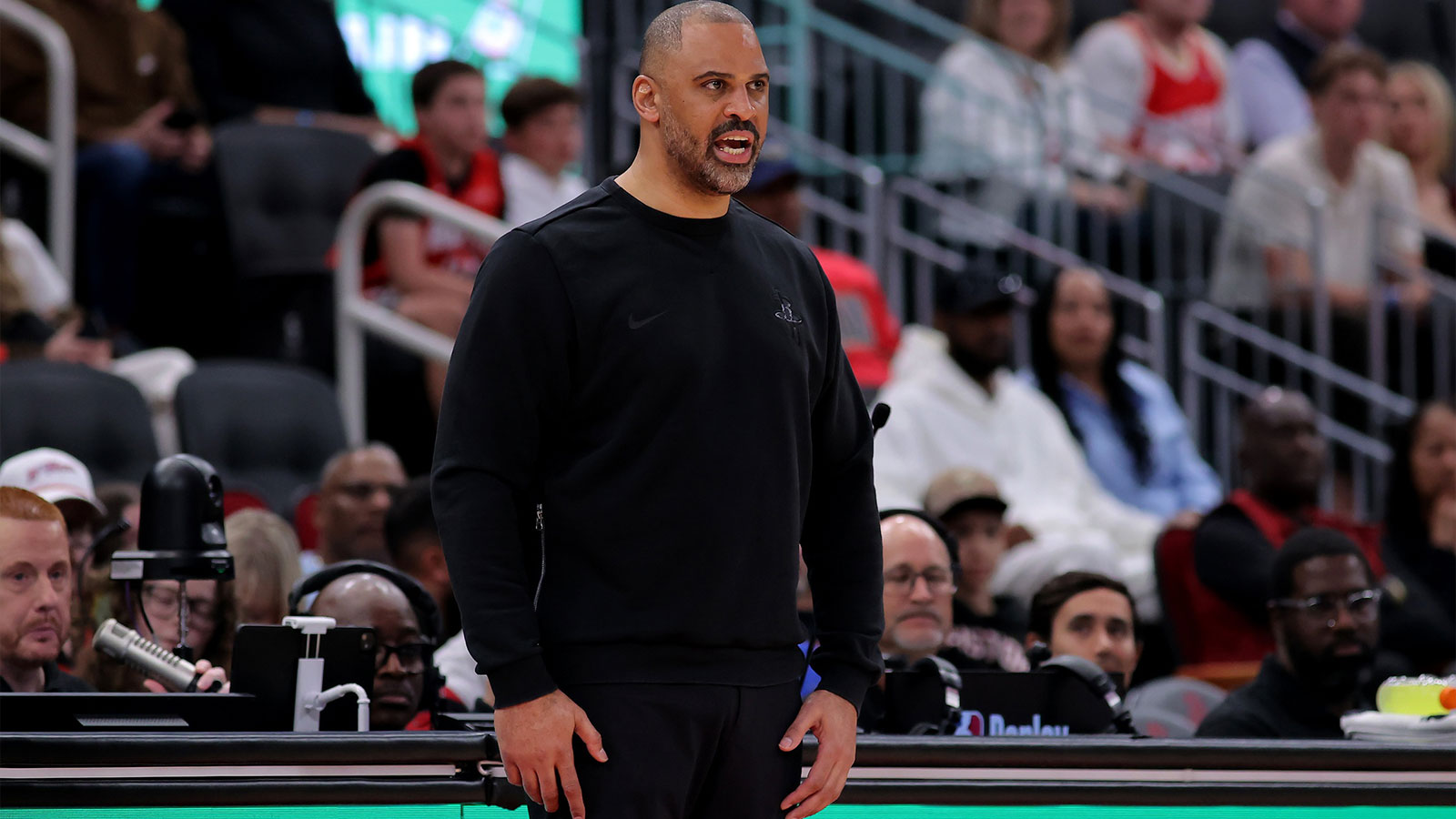
The answer was clear a season ago. Without a discernible star, Houston adopted the identity of its head coach, Ime Udoka: defense. And they rode that approach all the way to the No. 2 seed in the Western Conference.
But offseason moves shifted that identity. The Rockets' trade for Kevin Durant sent away defensive stalwart Dillon Brooks, and Fred VanVleet’s injury later in the offseason further moved Houston away from its tough-nosed defensive approach.
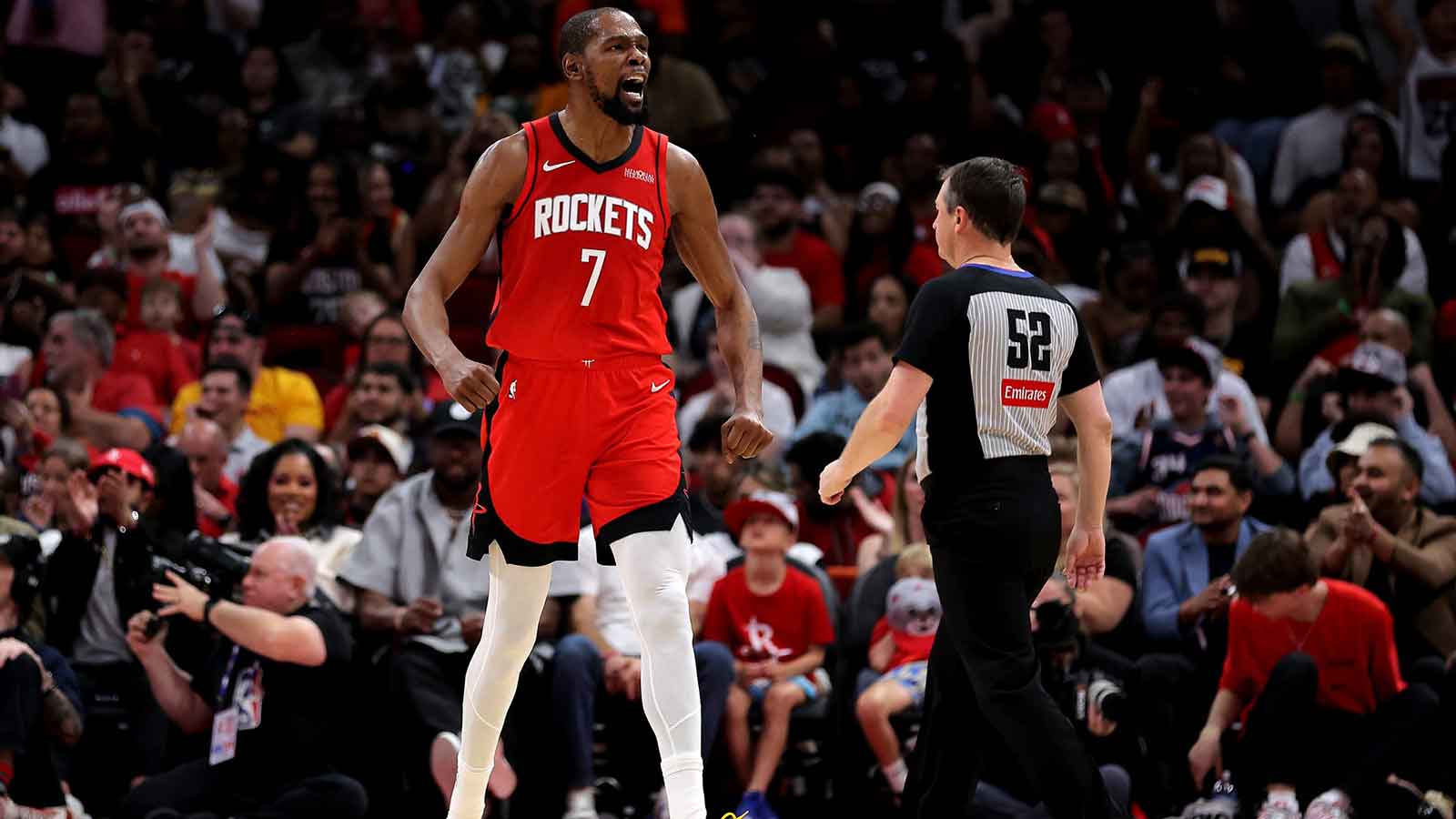
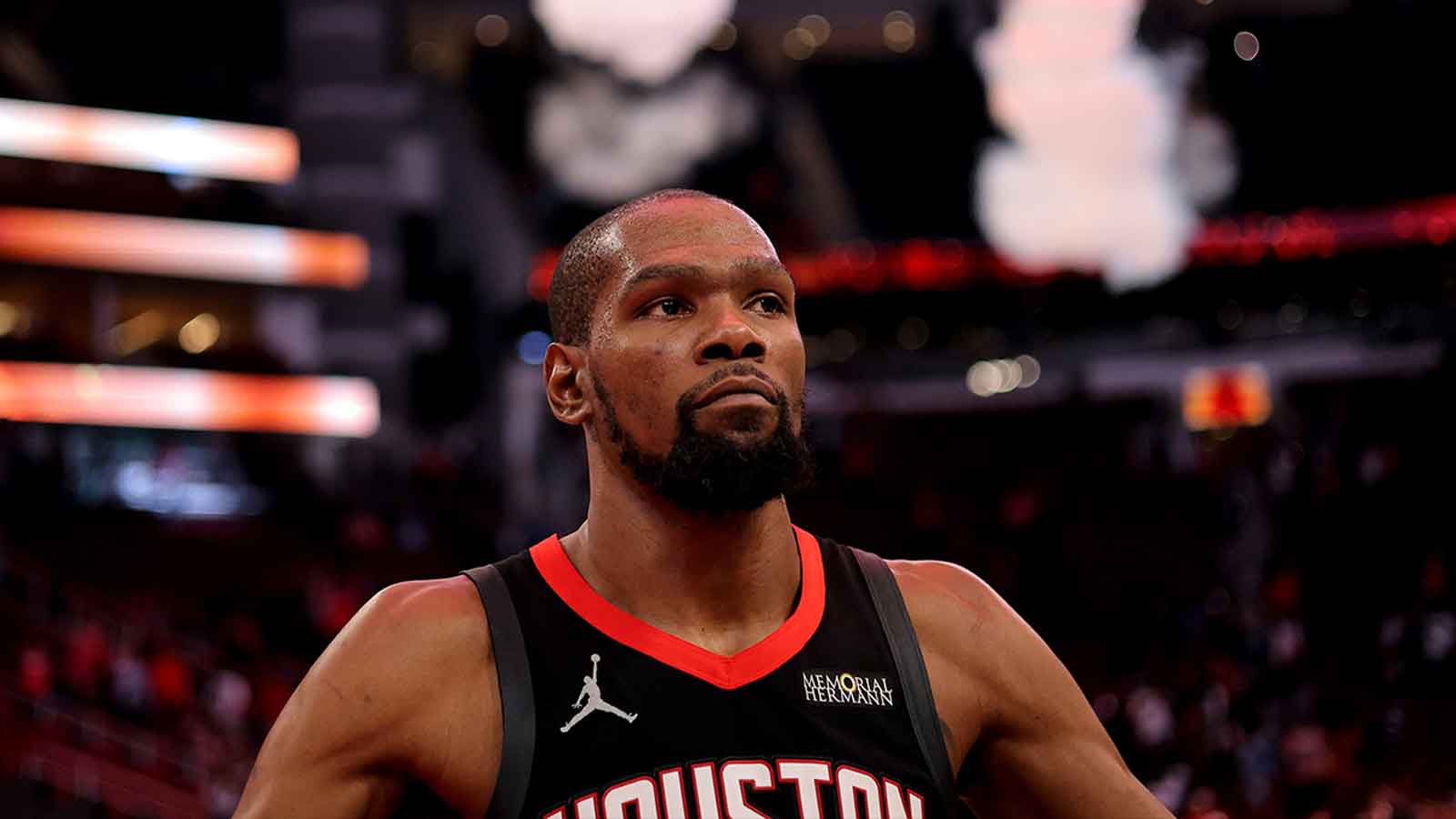
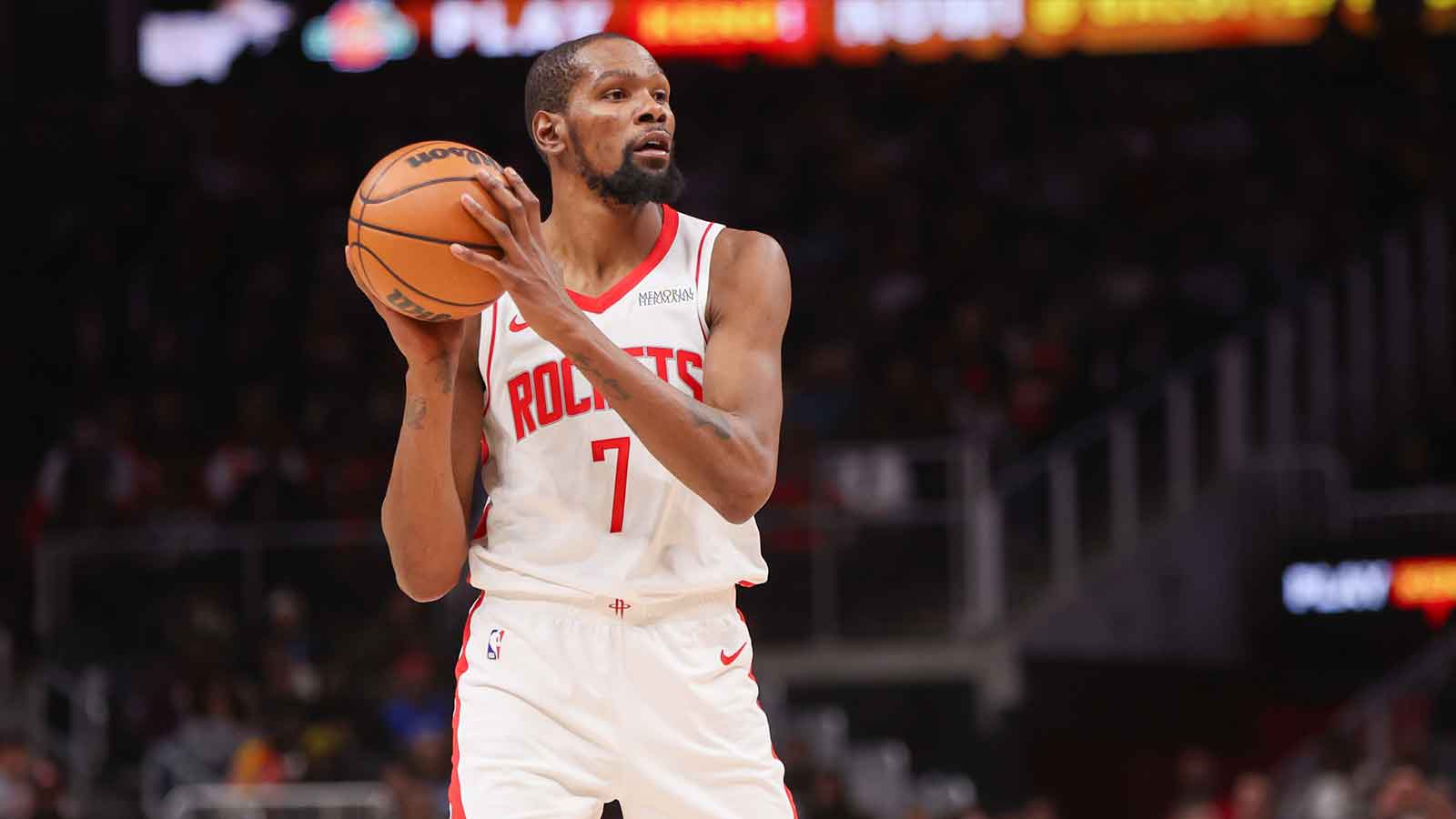
But in that process, the Rockets found their star. And the emphasis shifted away from grit and defense toward an offense built around Durant. For the first two months of the season, the plan worked, as the Rockets ranked among the league’s most efficient offensive teams.
However, the defense certainly slipped – all the way to 23rd in defensive rating for December, after finishing in the top five a season ago.
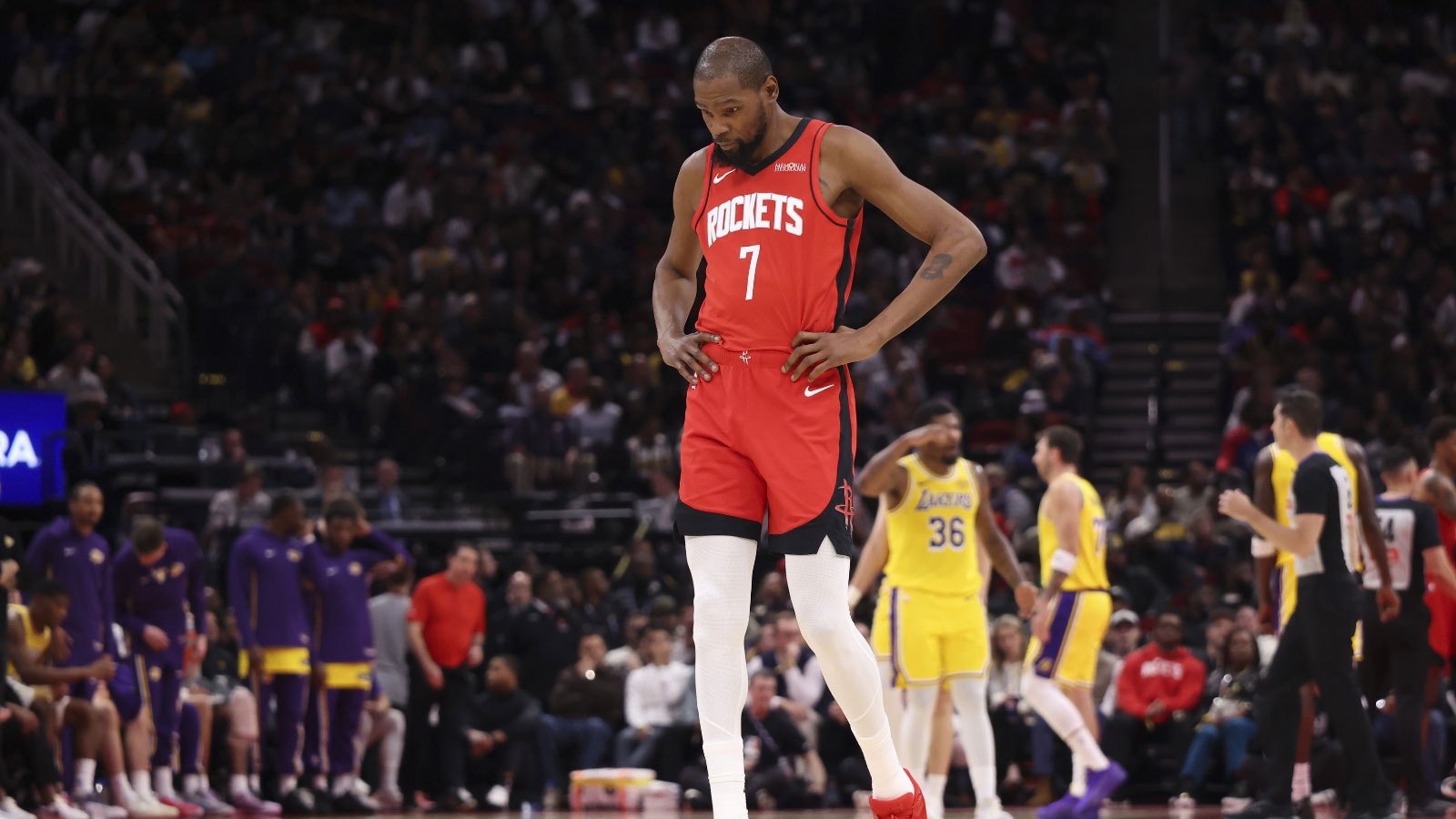
The Rockets had fully transitioned to an offense-first team. But when that offense stalled, Houston had no plan B. The Rockets went through a stretch earlier this season where they failed to score more than 105 points in five consecutive games, losing four of the five. Without their fastball, they didn’t have much else.
Another major offseason commitment was extending Steven Adams, a move that signaled the Rockets would further lean into the double-big lineup they had fallen in love with towards the end of last season. But that lineup also contributed to the defensive struggles and has been used far less of late.
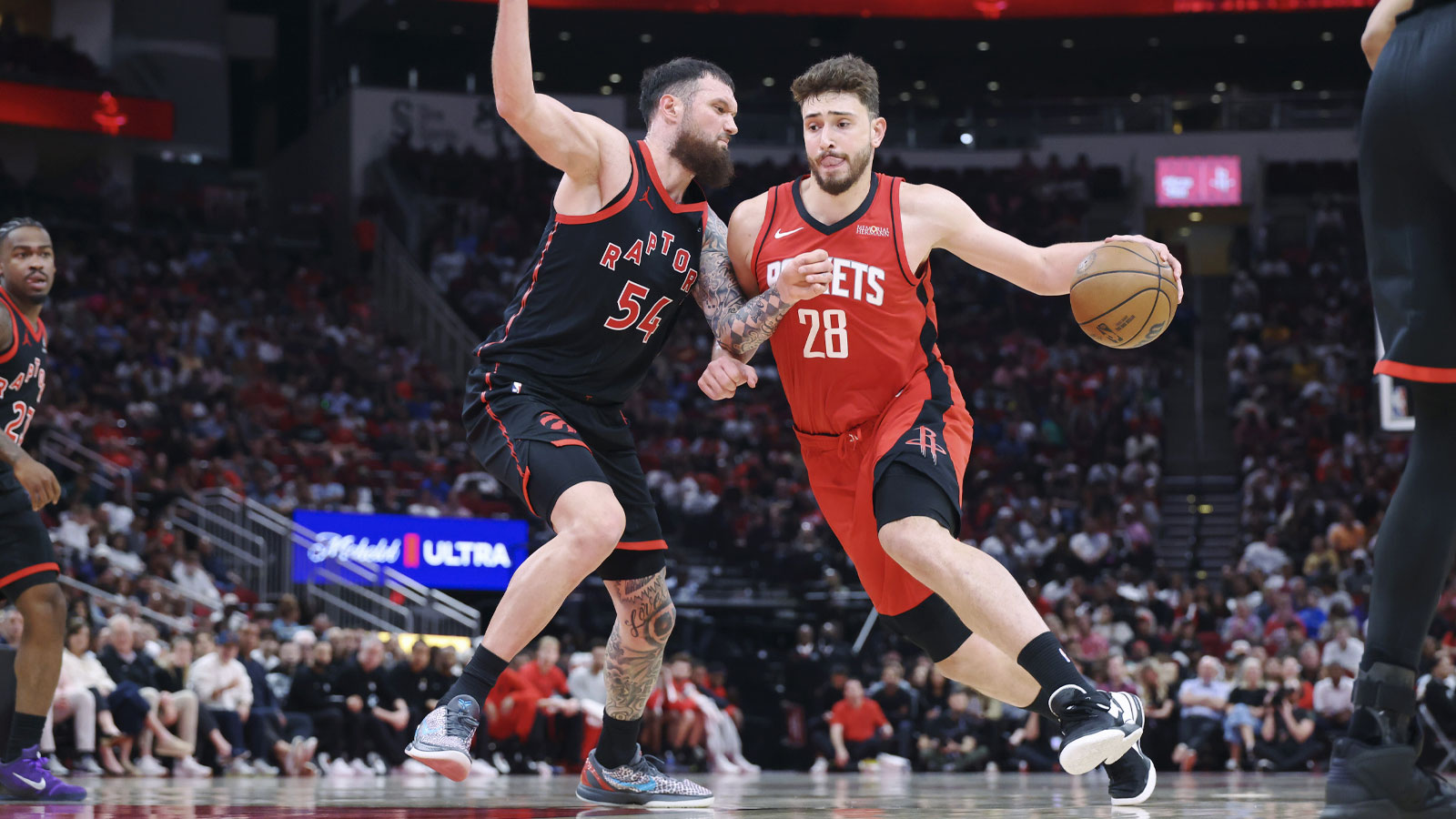
After opening the season with both Adams and Alperen Sengun in the starting lineup, the shared minutes have dwindled. Through their first 37 games, the duo has played together in 23 contests at an average of just 13 minutes per game – roughly eight minutes per game when spread across the full schedule. Among two-man lineups involving Adams, the pairing with Sengun ranks only fifth in usage.
Without VanVleet, the Rockets began to make a concerted effort to run their offense through Sengun, who currently leads the team in assists. However, due in part to Sengun’s injury, it’s something the Rockets have also failed to commit to.
Sengun’s usage rate in January has dropped to 25.9, down from November and 29.1 in December. Meanwhile, Durant’s role has expanded, and the two now share the team lead in usage.
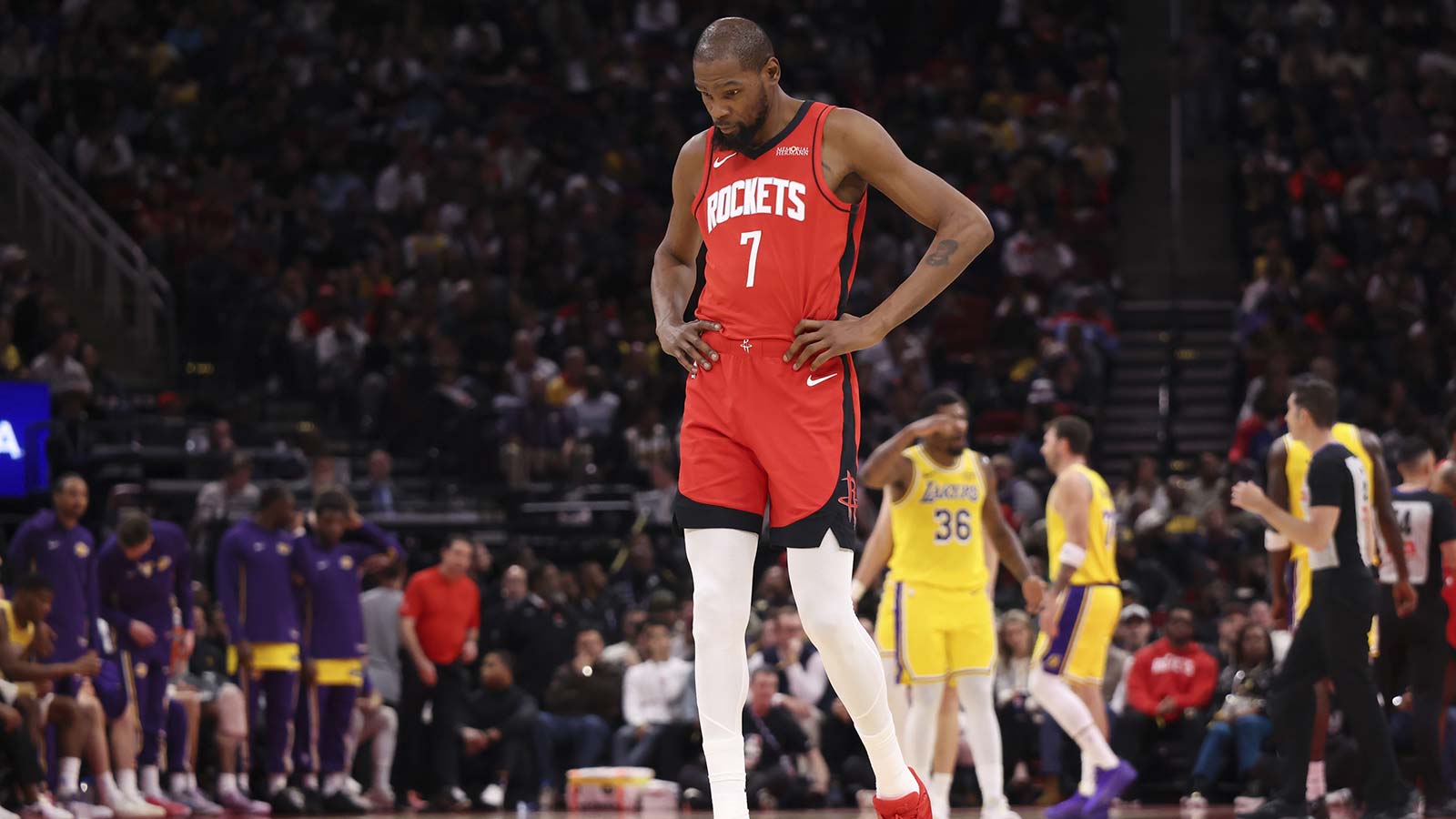
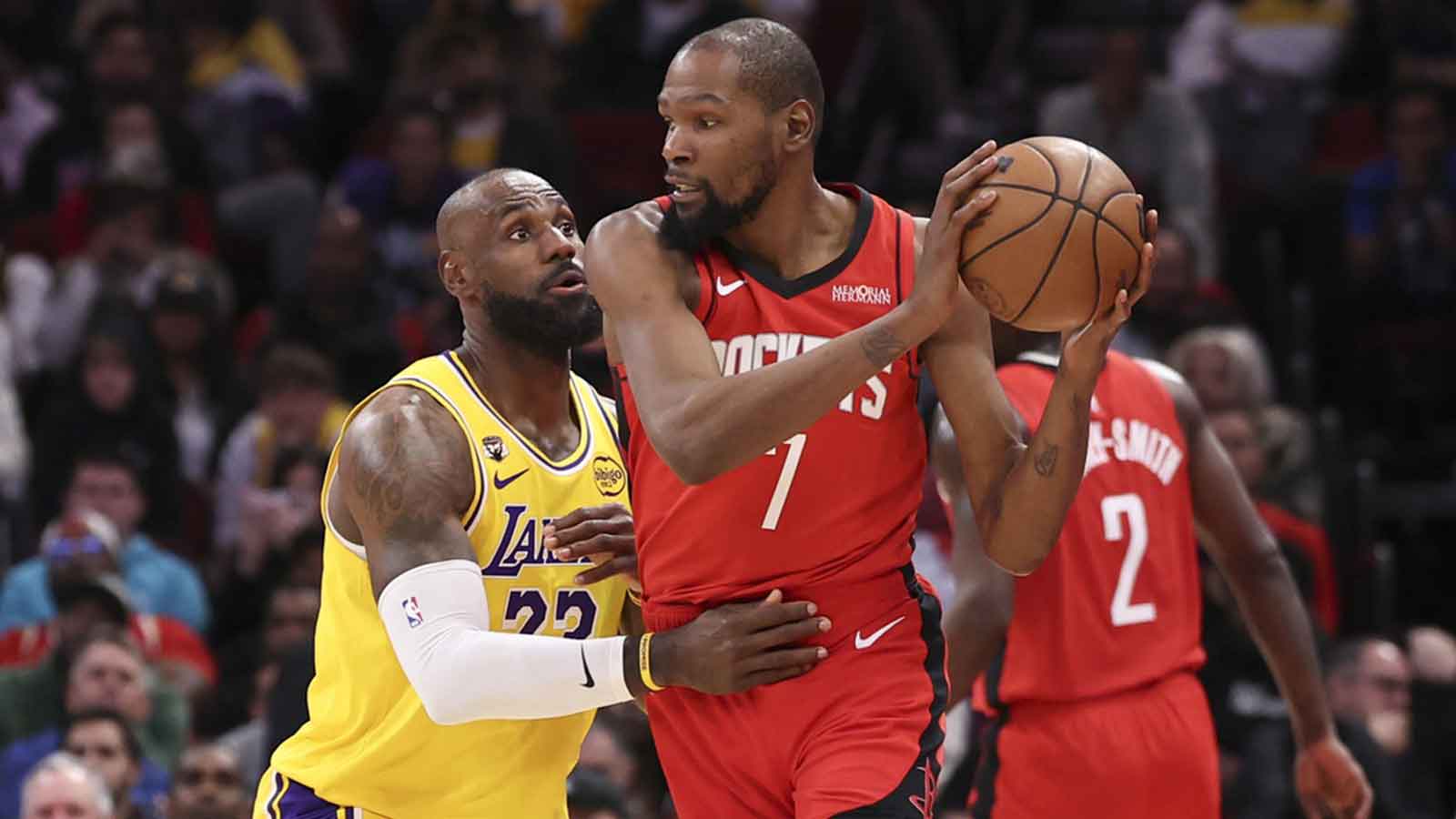
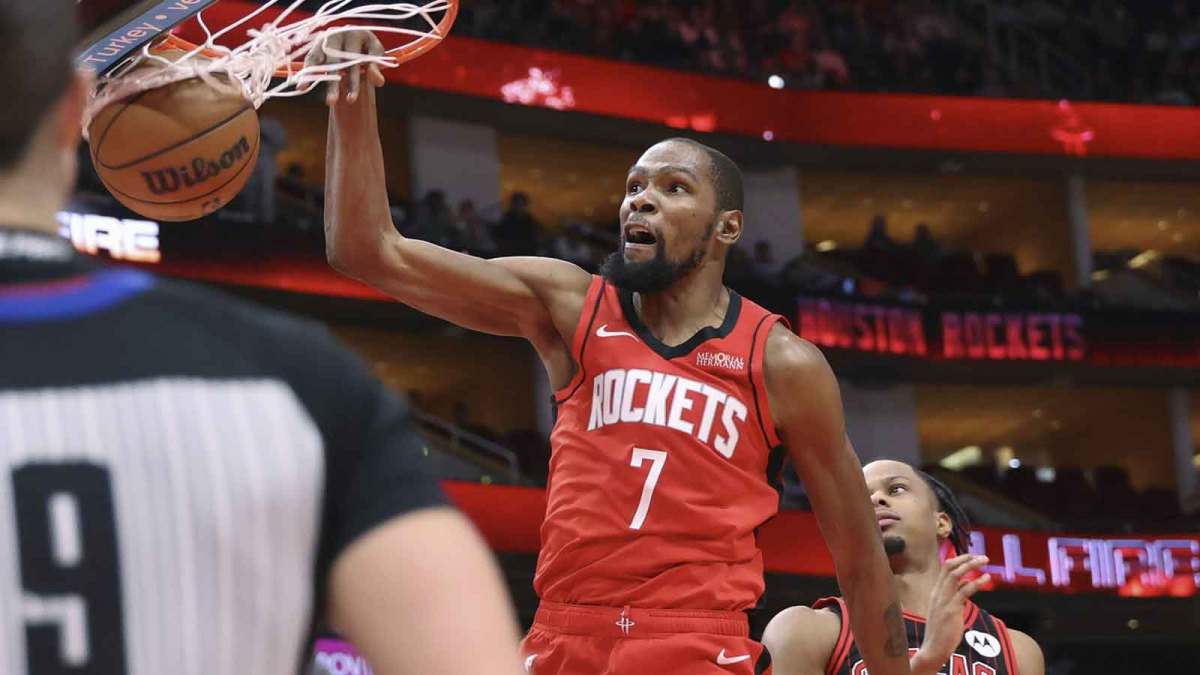
Durant has become the new hub of the Rockets’ offense.
With recent struggles offensively, the Rockets attempted to lean more into three-point shooting. It would seem like a logical move for a team that entered January leading the league in three-point percentage. However, as the attempts increased, the makes actually decreased, culminating in the worst five-game stretch of three-point shooting in NBA history.
Jabari Smith Jr. was given a larger role in the offense during that span, but missed 20 consecutive three-pointers.
The lack of a clear identity was evident in Tuesday’s win over the Chicago Bulls, when J.D. Davison played a season-high 25 minutes, as Udoka continued to search for answers.
Nearly midway through the season, the Rockets still don’t know exactly who they are. But they need to figure it out rather quickly, as Houston entered Thursday just a half-game ahead of the seventh seed, with its biggest game of the season looming: a matchup at home against the Oklahoma City Thunder.