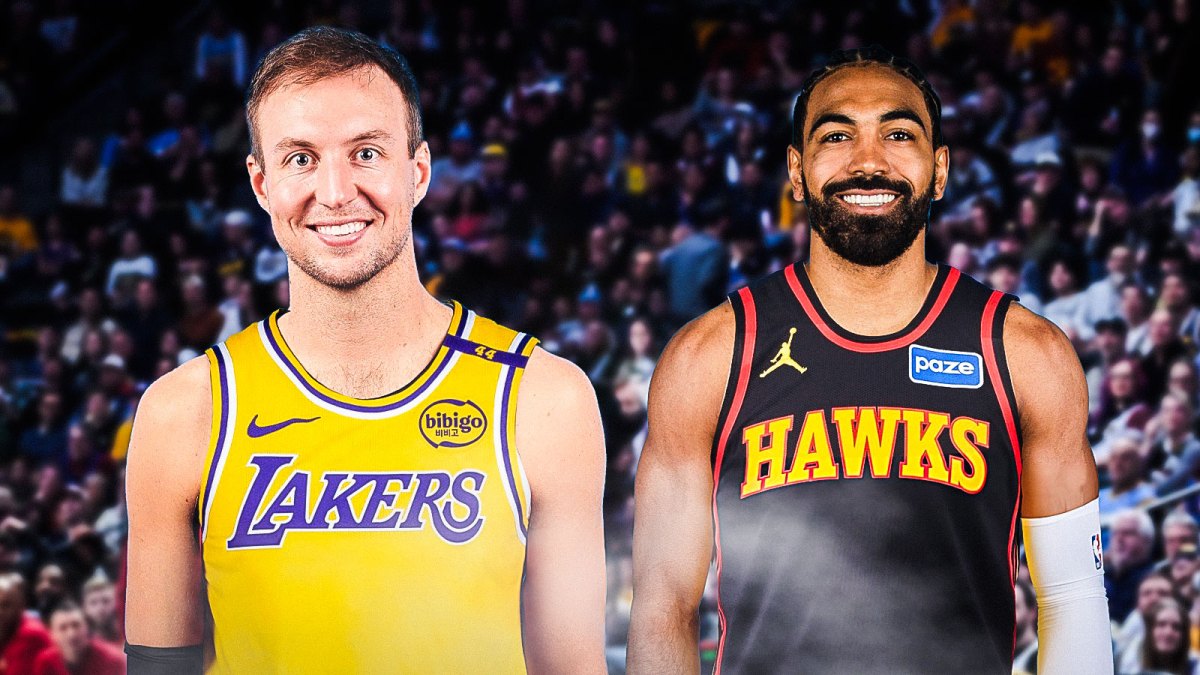
The 2026 NBA trade deadline has come and gone, and the Los Angeles Lakers made only one deal, acquiring sharpshooting guard Luke Kennard from the Atlanta Hawks in exchange for Gabe Vincent and a second-round pick. We’ve already graded that deal in itself, but how does the overall trade deadline for the Lakers stack up based on what we know?
Grading the Lakers' 2026 NBA trade deadline
It’s no secret that the Lakers came into the trade deadline with very few assets available. It’s also been very clear that this current iteration of the Lakers’ roster is not a championship-caliber team. Because of that, it’s led to some delusion from the team’s overzealous fan base.
Simply put, there was no major deal available at the deadline that would have vaulted the Lakers into championship contention this season. The Lakers were linked to players such as Keon Ellis and De’Andre Hunter, but ultimately did not land either of them. And that’s not necessarily a bad thing.
When looking at the reported framework for a Hunter trade with the Cavs, the name that came up was Rui Hachimura. And truthfully, that would have been almost a lateral move at best. Hunter isn’t quite the 3&D player Lakers fans would have expected. He’s been a solid team defender, but is not the one-on-one stopper the team needs.
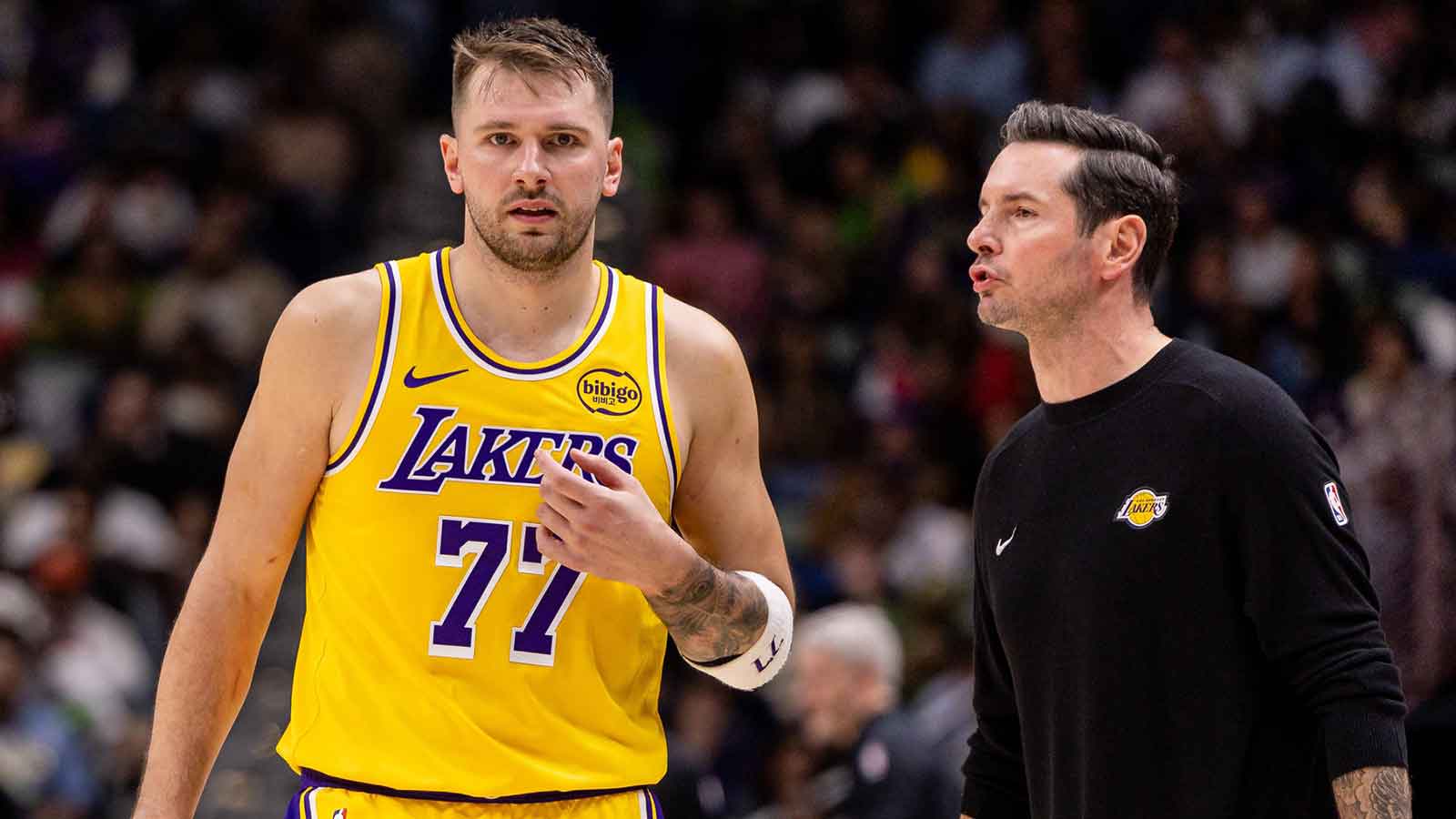
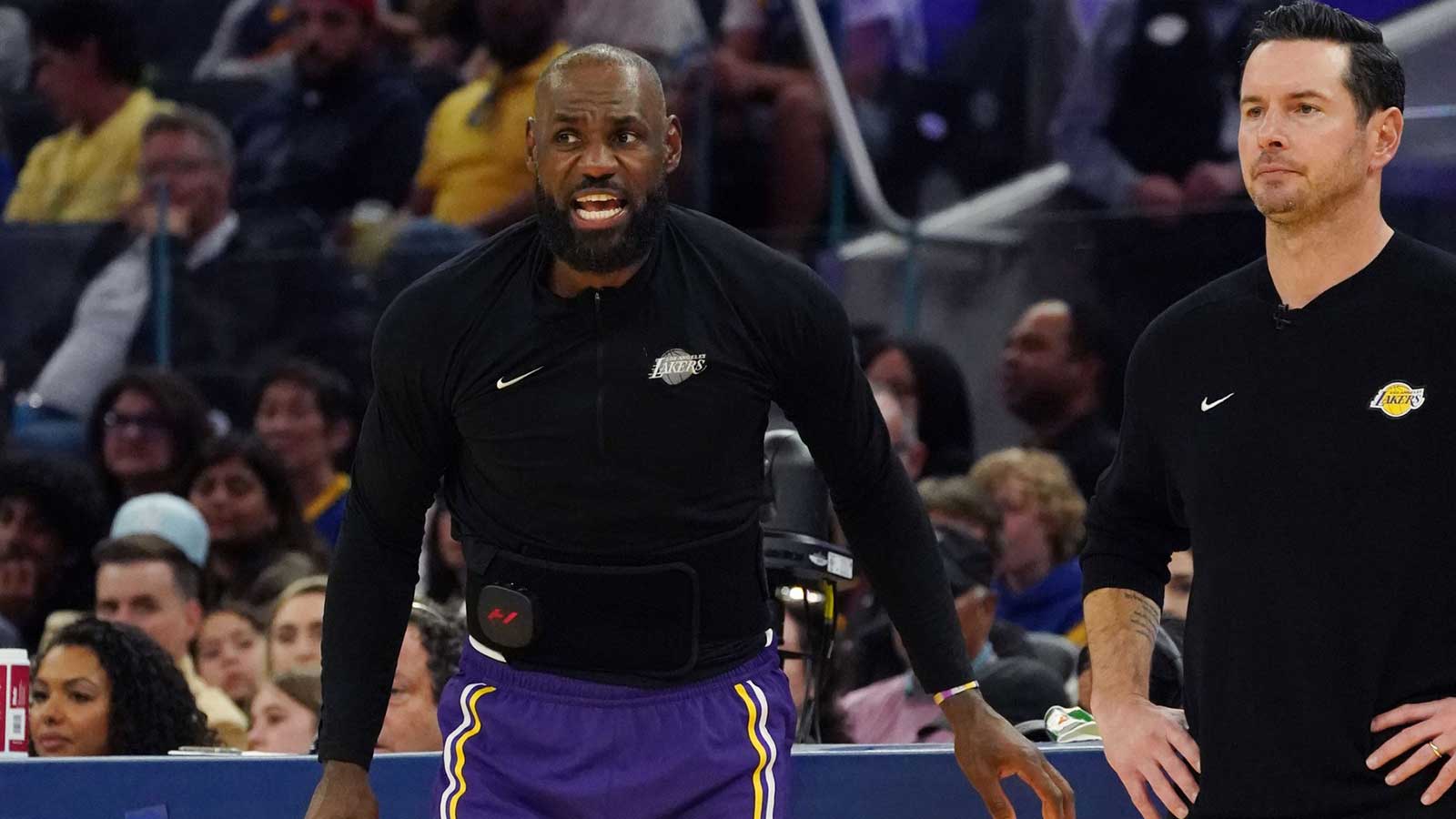
And in terms of shooting, Hachimura has knocked down over 40 percent of his 3-point attempts for the past three seasons. There’s a reason why Lakers head coach JJ Redick called him one of the absolute best catch-and-shoot players in the NBA. Hunter himself is an adept shooter off the catch, but he’s only ever had one season where he shot 40 percent from distance.
And finally, there was the money aspect. Hachimura is an expiring contract. Now he could obviously end up re-signing with the Lakers in the offseason, but it also represents the organization’s desire to preserve financial flexibility moving forward. Hunter still has one more year after this on his contract, at around $24 million.
When it comes to Keon Ellis, it seemed like the asking price from the Kings was draft compensation that the Lakers just didn’t have available, as per Dan Woike of The Athletic. You can’t make something happen if you don’t have the means to do so. It doesn’t matter what Ellis was eventually traded for, draft capital was needed to make it happen from the Lakers’ standpoint.
The Lakers were rumored to have interest in other players such as Andrew Wiggins and Jonathan Kuminga, but those were even more far-fetched than Hunter or Ellis. If they didn’t have the assets for Hunter or Ellis, they certainly didn’t have them for Wiggins or Kuminga. And in the case of Kuminga, he didn’t even fit what the Lakers needed.
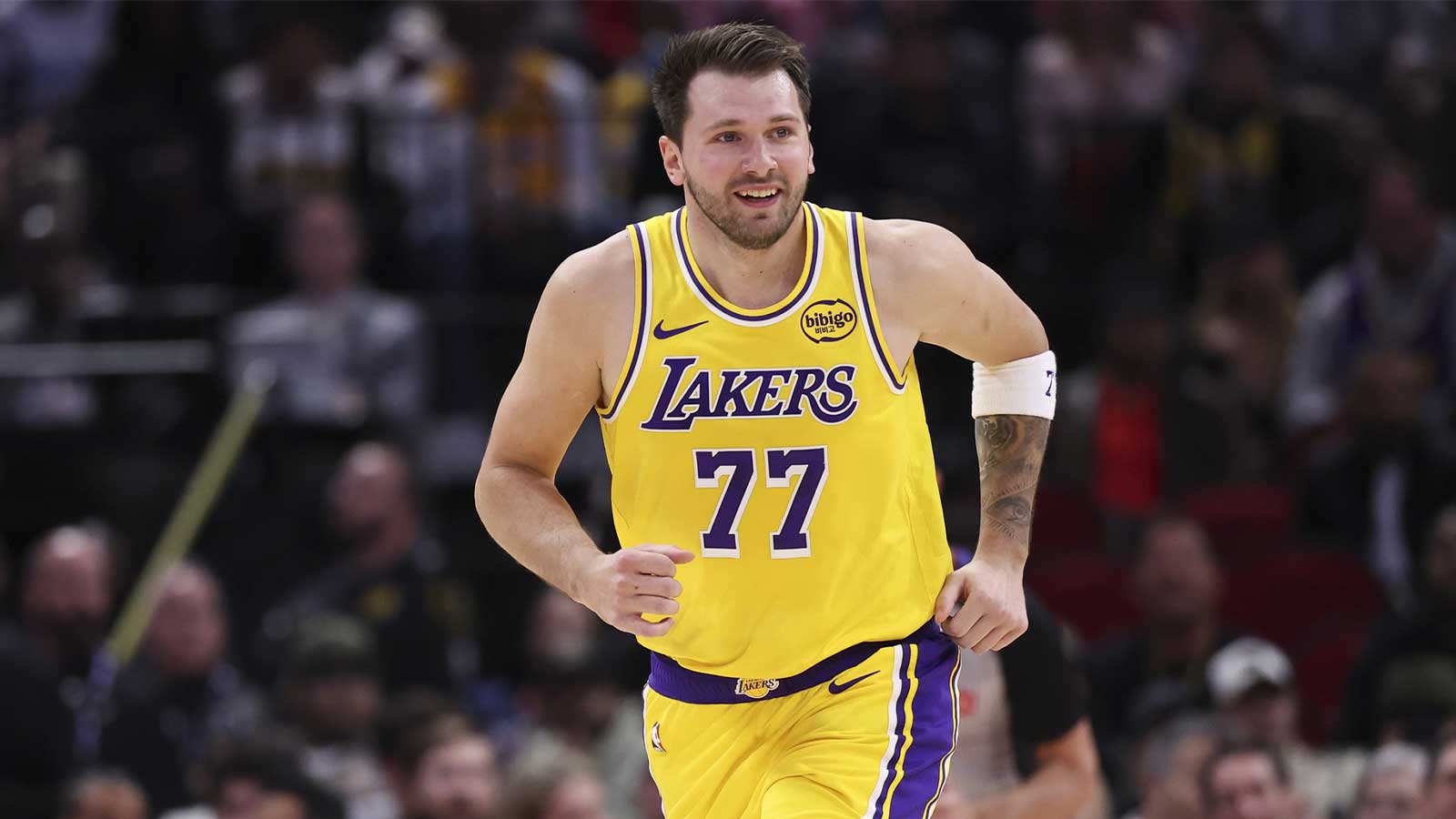
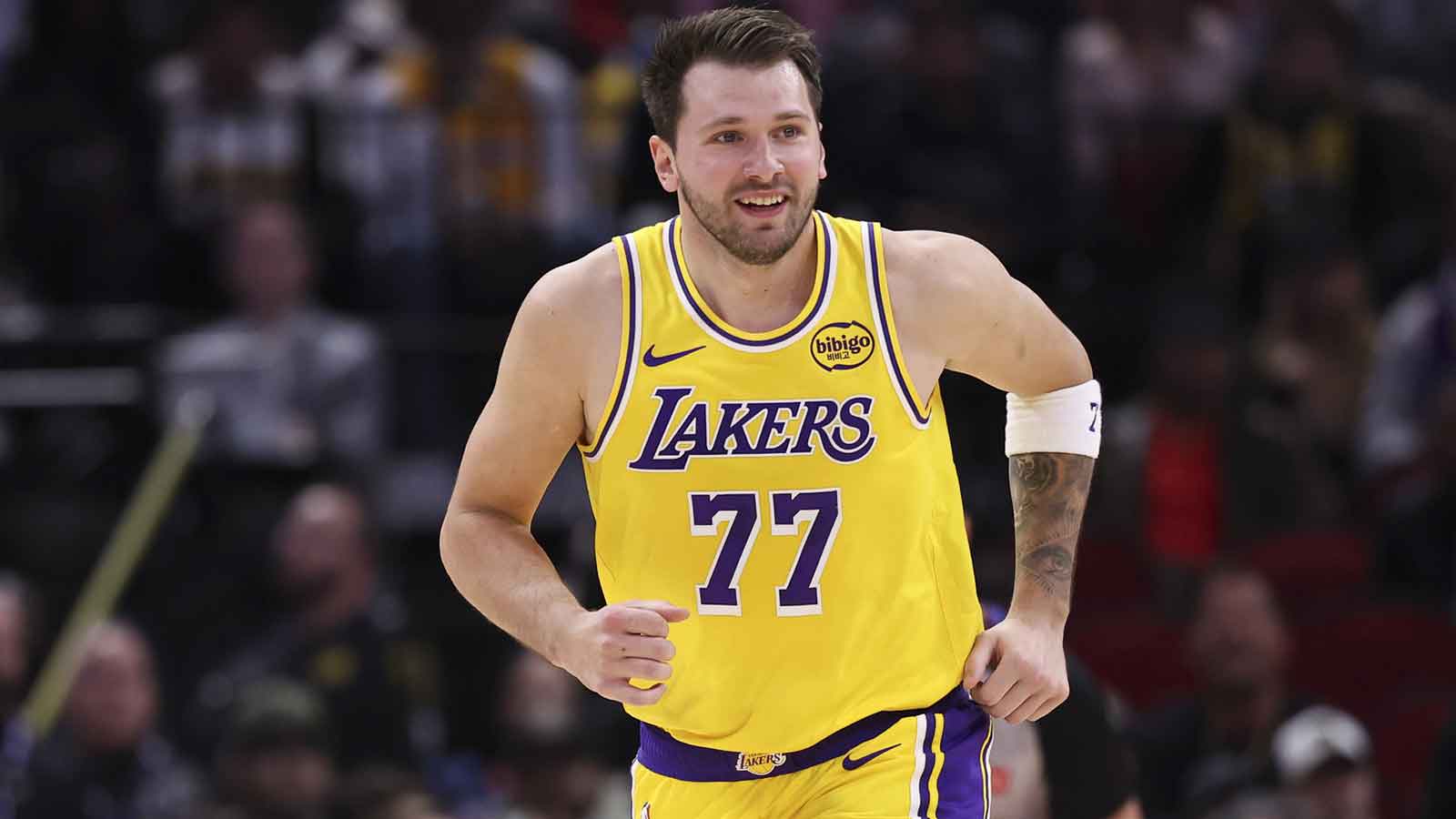
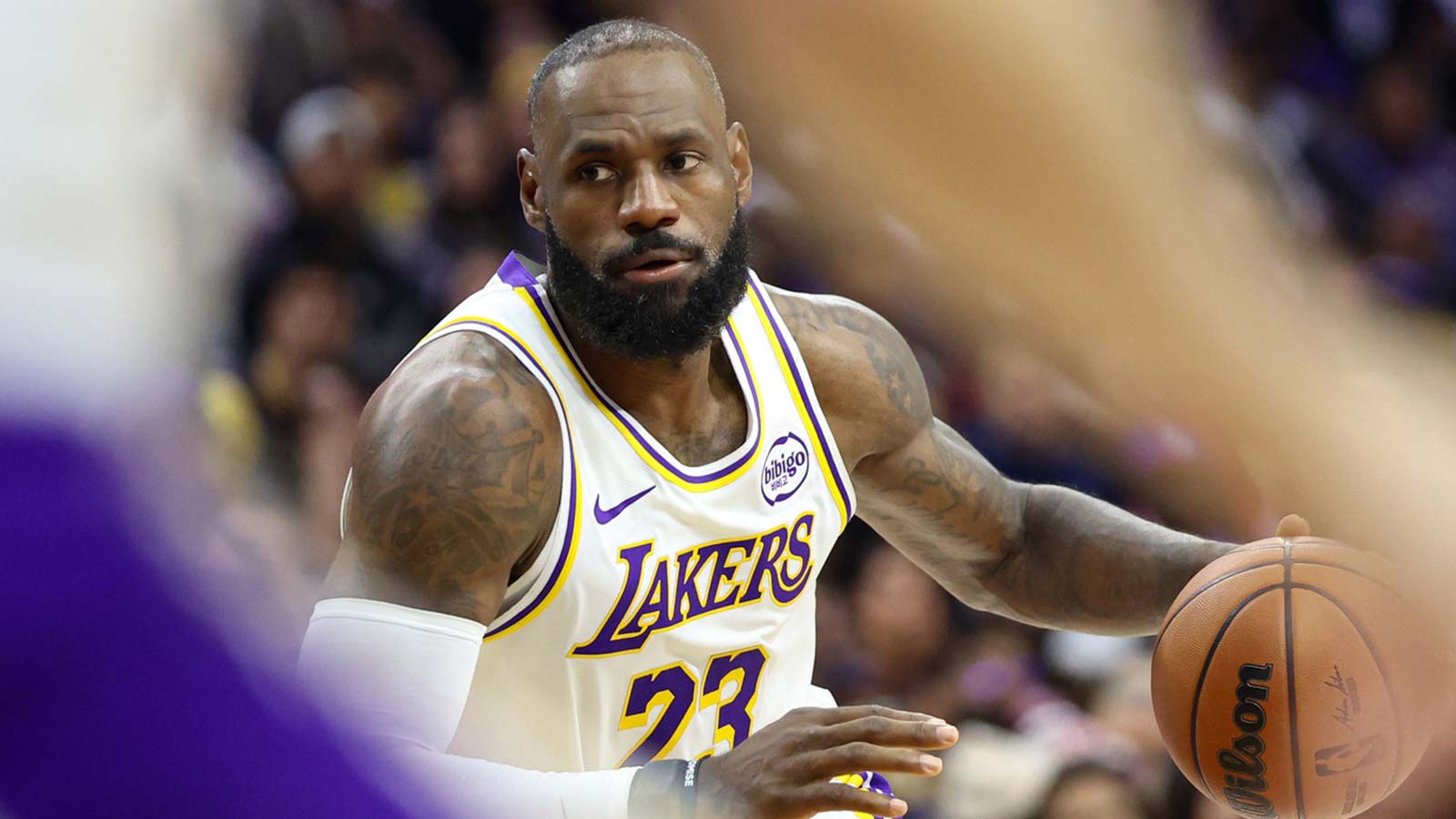
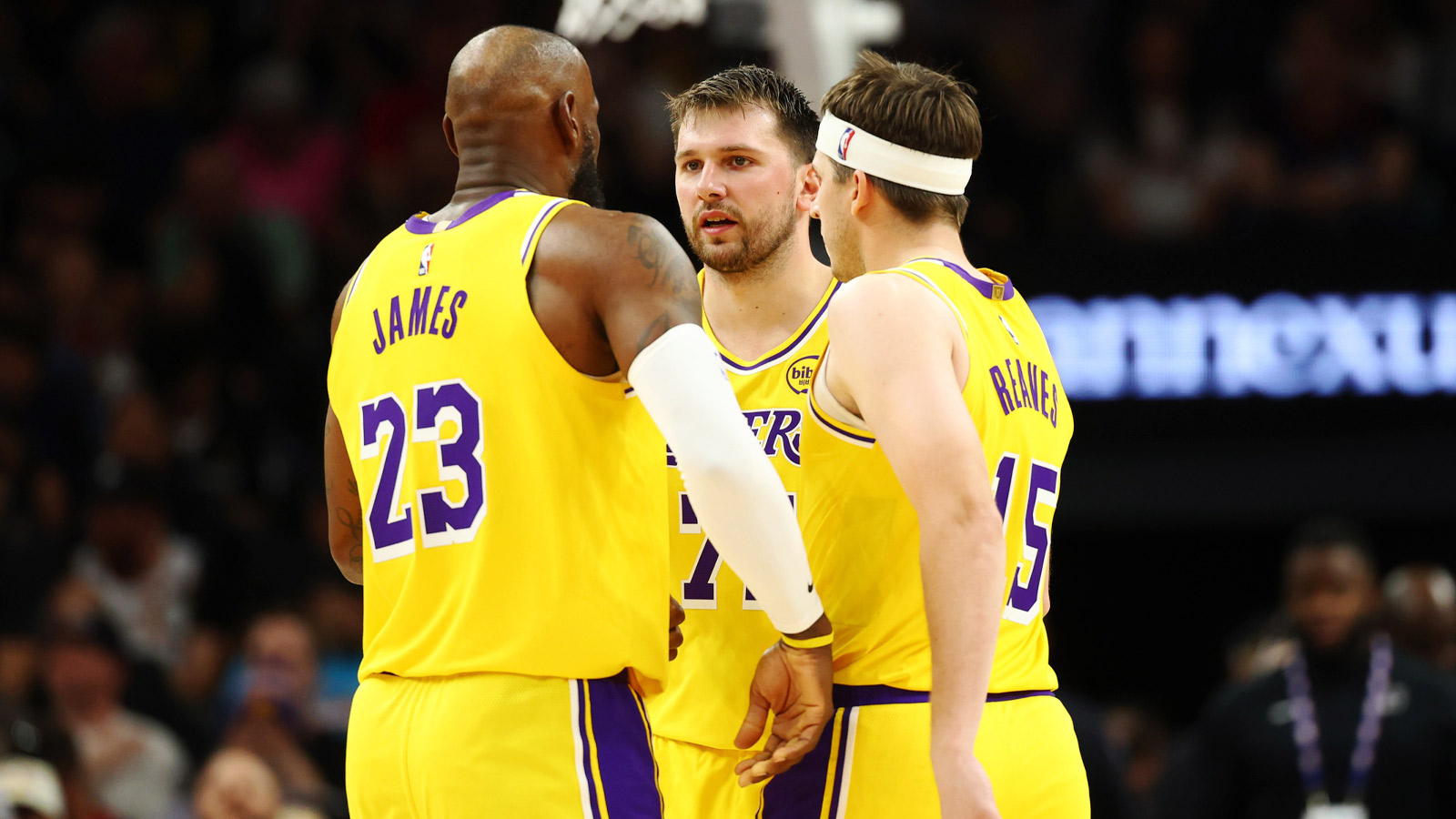
That said, the Lakers didn’t just stand pat at the deadline. They partially addressed their needs by adding the best 3-point shooter percentage-wise in the Luke Kennard. Kennard is leading the league in 3-point percentage at 49.7 percent. He’s at the rarefied 50/40/90 mark this year. He’s going to thrive in terms of the open looks he’s going to get playing with Luka Doncic, LeBron James and Austin Reaves.
The Lakers are going to lose defense though. As documented as Gabe Vincent’s shooting struggles were, he brought 100 percent effort on the defensive end each game. He played hard. Let’s just say Kennard will never be mistaken for an All-Defensive caliber player.
But overall, Kennard’s skill-set is a plus and should help as the Lakers try to keep afloat in a tough Western Conference playoff picture. Overall, Rob Pelinka and the front office should not be judged so harshly this deadline as the team was essentially handcuffed in terms of the moves they could make. But this offseason, amid what’s expected to be solid cap space, is when expectations will rise.
Final trade deadline grade: B